Non-recyclable waste includes contaminated materials, composite items, hazardous substances, and certain plastics that cannot be processed through standard recycling systems. Common office examples include laminated paper, food-contaminated packaging, broken electronics, and mixed-material products. Understanding what cannot be recycled helps organisations implement effective waste management strategies and reduce contamination in recycling streams.
What types of waste are completely non-recyclable?
Several categories of waste cannot be processed through conventional recycling systems due to material composition, contamination, or technical limitations. These materials require alternative disposal methods and represent significant challenges for workplace waste management.
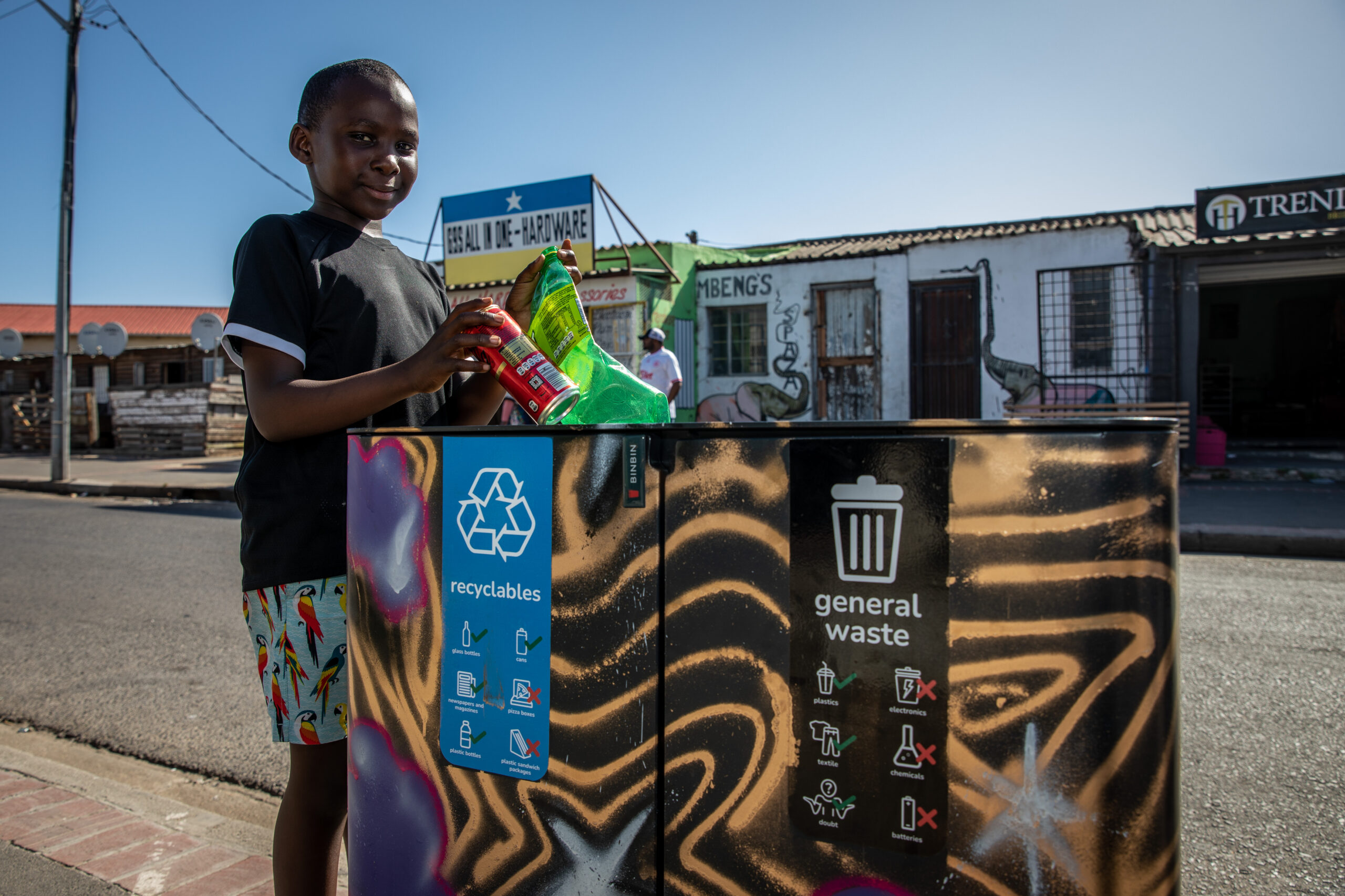
Contaminated materials top the list of non-recyclable waste. Food-soiled pizza boxes, greasy takeaway containers, and paper towels contaminated with cleaning chemicals cannot be recycled because contamination spreads throughout the recycling process. Even small amounts of food residue or chemical contamination can ruin entire batches of otherwise recyclable materials.
Composite materials present another major category. Items made from multiple materials bonded together, such as laminated documents, bubble-wrap envelopes with paper backing, and coffee cups with plastic linings, cannot be separated efficiently during recycling. The different materials require different processing methods, making separation economically unfeasible.
Hazardous substances require specialised disposal methods. Batteries, fluorescent bulbs, printer cartridges with residual toner, and electronic devices containing heavy metals cannot go through standard recycling. These items need dedicated collection and treatment facilities to handle toxic components safely.
Certain plastics remain non-recyclable despite appearing suitable for recycling. Black plastic containers, polystyrene packaging, plastic films, and degraded plastics that have become brittle cannot be processed effectively. Sorting technology cannot identify black plastics, whilst polystyrene breaks into small pieces that contaminate other recycling streams.
Why can't certain materials be recycled even if they seem recyclable?
Technical limitations in recycling processes, economic factors, and contamination issues prevent many seemingly recyclable materials from being processed. Understanding these barriers helps explain why proper waste separation remains crucial for effective recycling programmes.
Recycling machinery operates within specific parameters that exclude certain materials. Optical sorting systems cannot identify black plastics because they absorb light rather than reflecting it back to sensors. Similarly, materials smaller than specific dimensions fall through sorting screens and contaminate the final product. Different industries face unique challenges with these technical limitations.
Economic viability determines recyclability as much as technical capability. Materials that cost more to process than their resulting value cannot sustain recycling operations. Complex items requiring extensive manual sorting, materials with limited market demand, and items that produce low-quality recycled content often become economically non-recyclable.
Contamination creates cascading problems throughout recycling systems. A single contaminated item can ruin entire batches of recyclable materials. Grease from food containers spreads to paper products, making them unsuitable for recycling. Chemical residues from cleaning products can damage recycling equipment and contaminate final products.
Market demand fluctuations affect recyclability. Materials without stable markets for recycled content become temporarily or permanently non-recyclable. This economic reality means that recyclability changes based on global commodity prices and manufacturing demands rather than just material properties.
How do you identify non-recyclable items in your workplace?
Recognising non-recyclable materials requires understanding visual cues, material composition, and contamination factors. Facility managers can implement systematic identification processes to reduce recycling contamination and improve waste management efficiency.
Visual inspection provides the first line of identification. Look for items with multiple materials bonded together, such as padded envelopes with bubble-wrap interiors or documents with plastic lamination. Check for signs of contamination, including food residue, liquid stains, or chemical odours. Items showing wear, brittleness, or degradation typically cannot be recycled effectively.
Material composition analysis helps identify problematic items:
- Flexible packaging that crinkles rather than tears cleanly
- Items with metallic coatings or reflective surfaces
- Products combining paper with plastic components
- Electronics with screens, batteries, or circuit boards
- Containers with pump dispensers or complex closures
Implement a decision-making framework for questionable items. When uncertain about recyclability, choose general waste disposal to prevent contamination. Train staff to recognise common non-recyclable office items, including thermal paper receipts, sticky notes with adhesive residue, and shredded paper smaller than standard dimensions.
Create clear identification systems with visual guides showing acceptable and unacceptable items for each waste stream. Regular training sessions help staff understand why certain materials cannot be recycled and how to make appropriate disposal decisions.
What happens to non-recyclable waste after disposal?
Non-recyclable waste follows several disposal pathways, including landfilling, incineration, and specialised treatment processes. Each method carries environmental implications and cost considerations that affect organisational waste management strategies and sustainability goals.
Landfilling remains the most common disposal method for non-recyclable waste. Modern landfills use engineered systems to contain waste and prevent groundwater contamination. However, organic materials in landfills produce methane, a potent greenhouse gas, whilst non-biodegradable materials persist for decades or centuries.
Energy recovery through incineration converts non-recyclable waste into electricity or heat. This process reduces waste volume by approximately 90% whilst generating useful energy. However, incineration requires sophisticated pollution control systems and produces ash that requires further disposal. The process works best for high-energy-content materials like plastics and paper.
Specialised treatment processes handle hazardous non-recyclable materials. Electronic waste undergoes dismantling to recover valuable metals whilst safely disposing of toxic components. Chemical treatment neutralises hazardous substances before final disposal. These processes cost significantly more than standard waste disposal but prevent environmental contamination.
The disposal pathway affects both environmental impact and cost. Landfilling typically costs the least but provides no resource recovery. Incineration costs more but generates energy and reduces volume. Specialised treatment carries the highest costs but ensures safe handling of problematic materials.
How can offices minimise non-recyclable waste generation?
Strategic approaches to reducing non-recyclable waste focus on prevention through procurement policies, employee education, and alternative product selections. These methods support circular economy principles whilst reducing disposal costs and environmental impact.
Procurement policy changes create the foundation for waste reduction. Prioritise products with recyclable packaging, choose items made from single materials rather than composites, and select suppliers committed to sustainable packaging. Avoid purchasing items known to generate non-recyclable waste unless absolutely necessary for operations.
Employee education programmes build awareness about waste generation and disposal decisions. Training should cover:
- Identifying recyclable versus non-recyclable materials
- Understanding contamination prevention methods
- Recognising alternative product options
- Implementing waste reduction practices in daily work
- Reporting opportunities for process improvements
Alternative product selection reduces non-recyclable waste at its source. Replace laminated documents with digital alternatives, choose reusable containers over disposable packaging, and select office supplies made from recyclable materials. Sustainable product choices often provide long-term cost savings alongside environmental benefits.
Digital transformation eliminates many sources of non-recyclable waste. Electronic document management reduces paper consumption, digital communication replaces printed materials, and cloud storage eliminates physical media disposal. These changes support both sustainability goals and operational efficiency.
How BINBIN helps with non-recyclable waste management
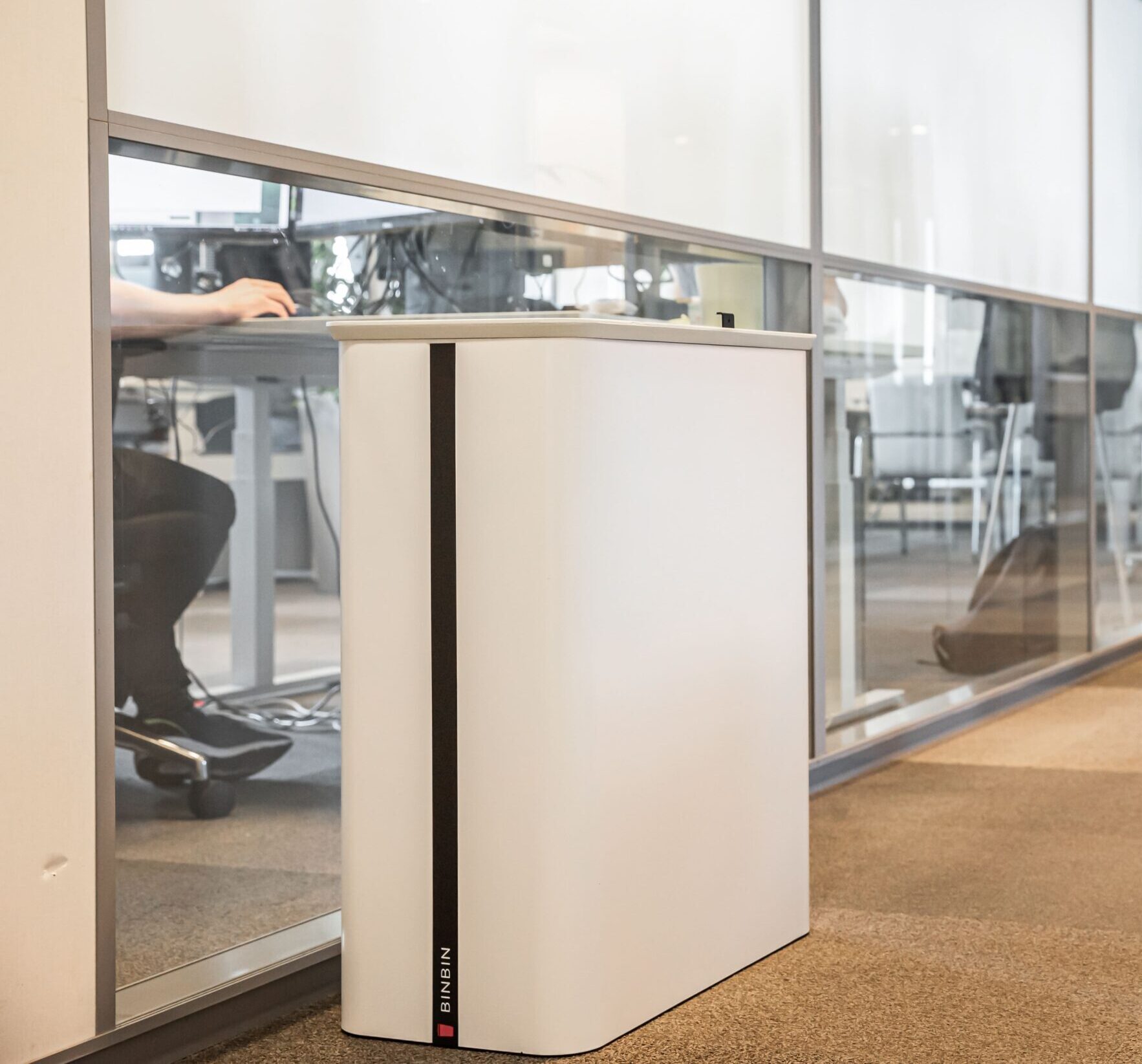
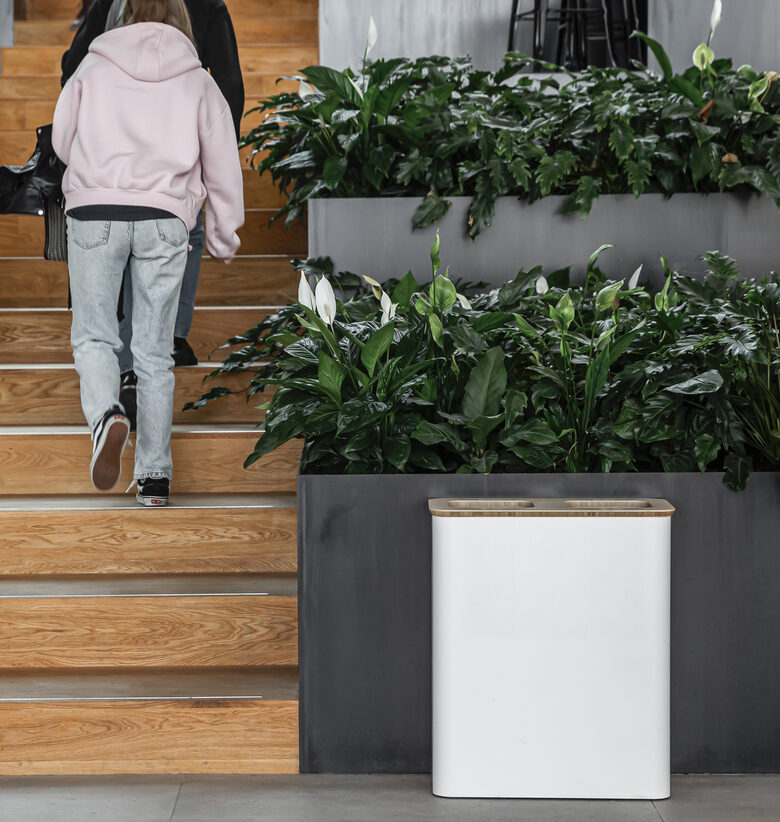
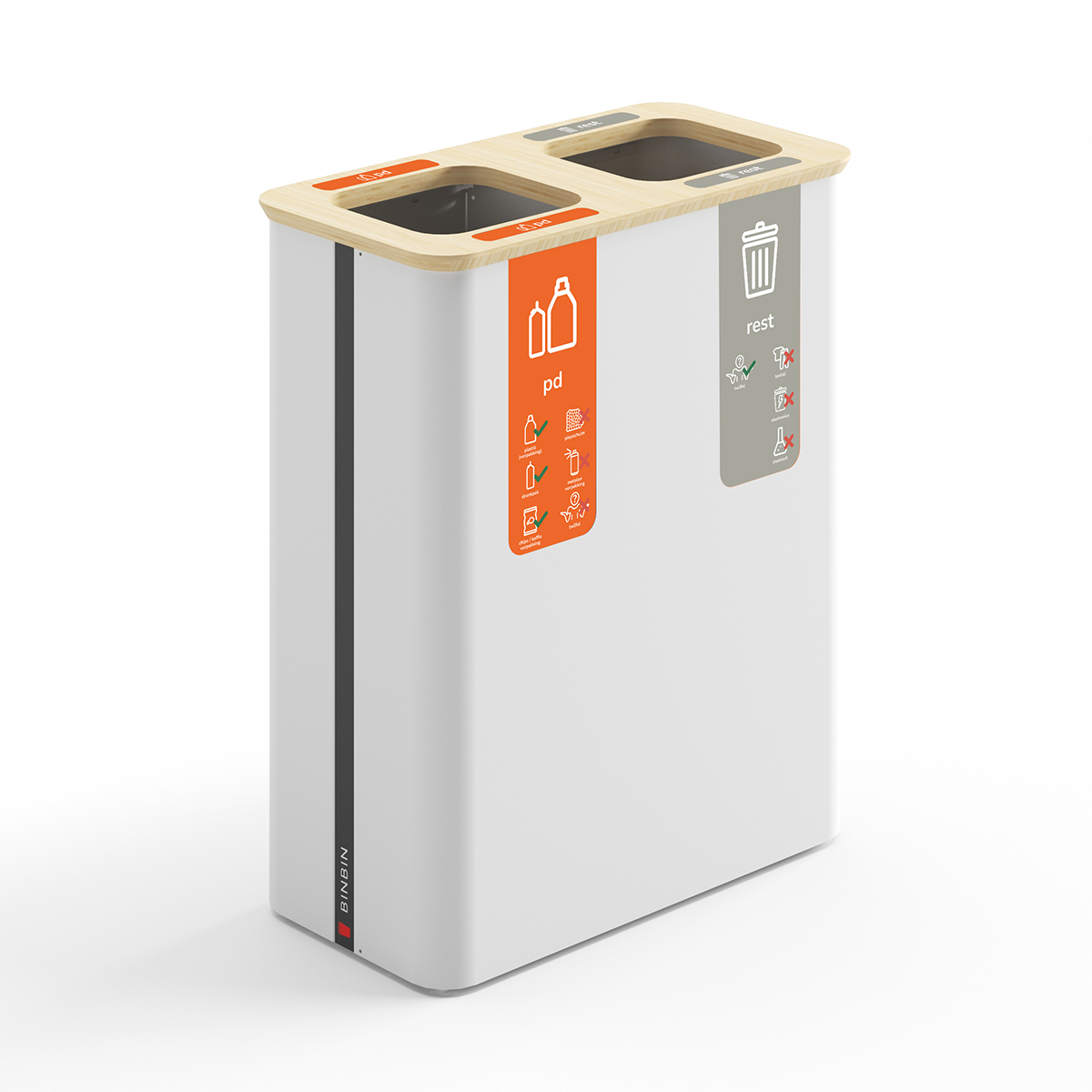
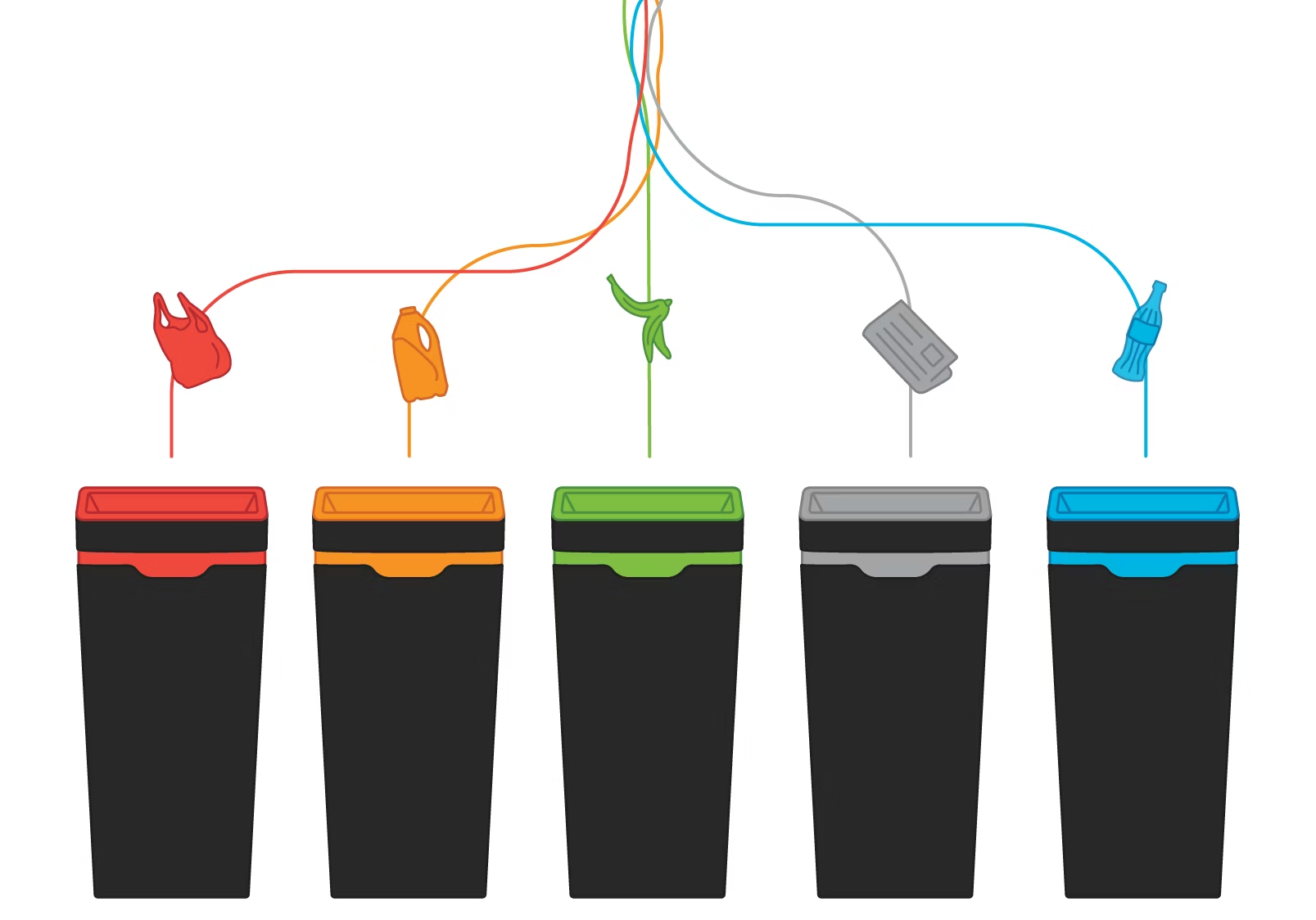
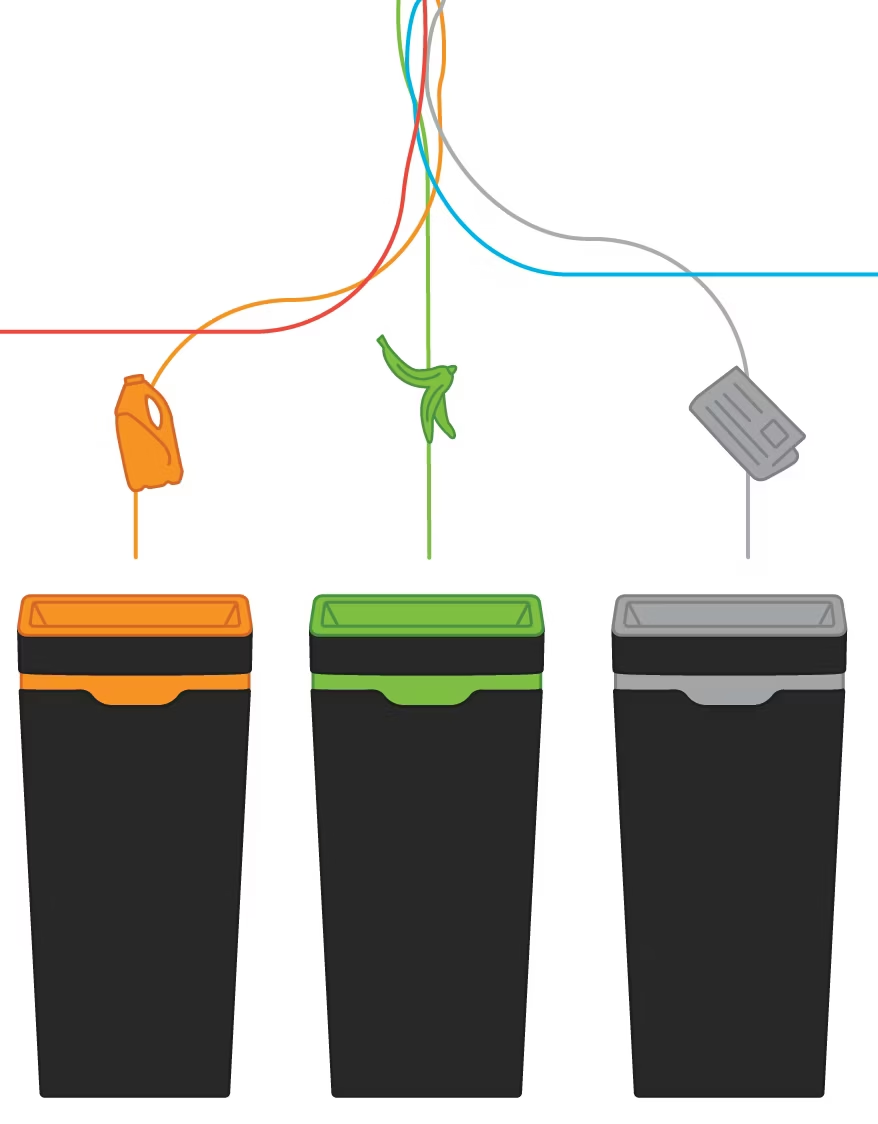
Our modular waste separation systems help organisations properly segregate non-recyclable materials, reduce contamination, and optimise waste management processes. The Globular series enables precise waste stream separation whilst maintaining clean, professional workplace aesthetics that encourage proper disposal behaviour.
BINBIN's solutions address non-recyclable waste management through:
- Dedicated compartments for different non-recyclable waste types, preventing cross-contamination
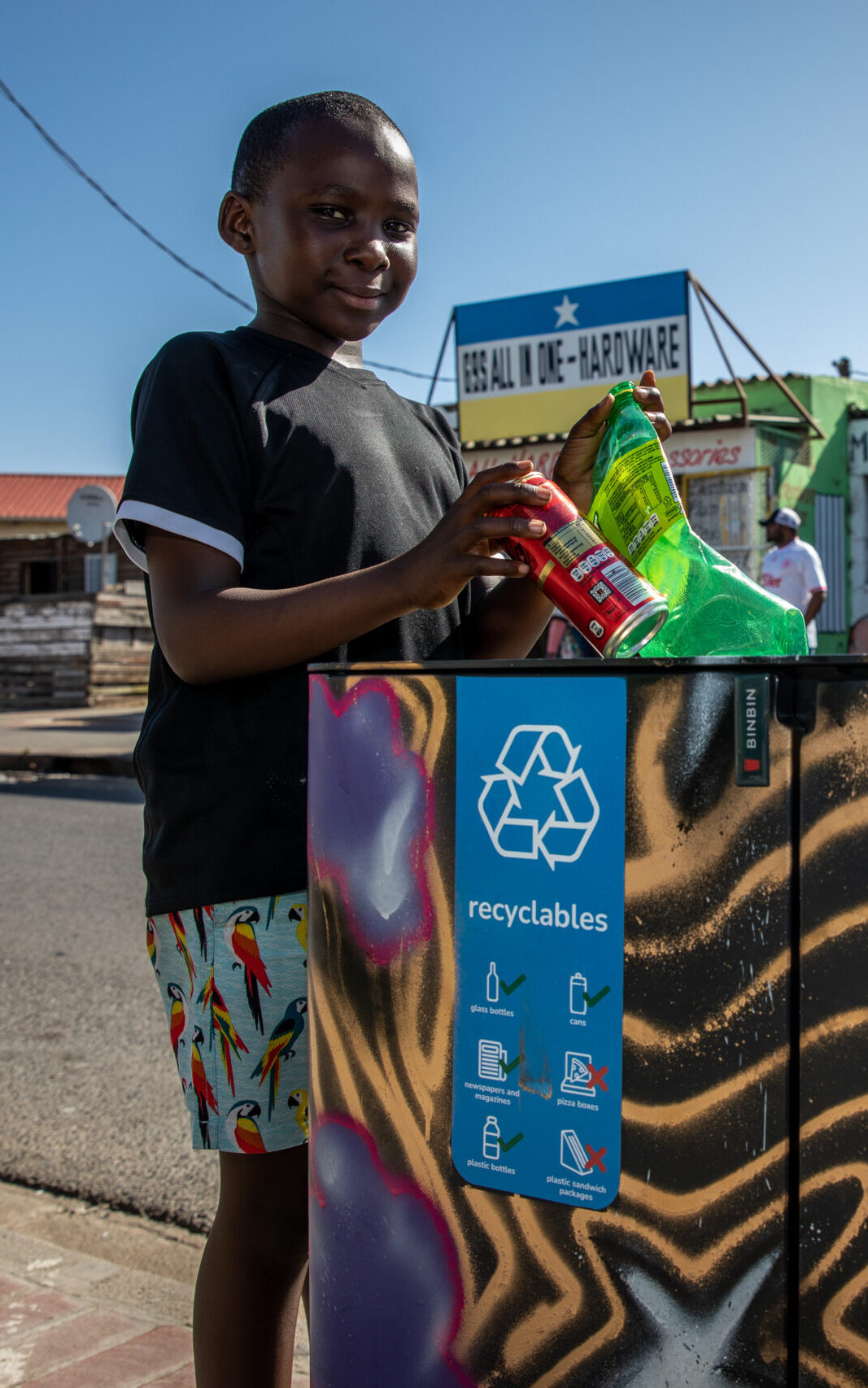
- Clear visual identification systems that help employees make correct disposal decisions
- Modular design allowing easy reconfiguration as waste streams change
- Professional appearance that integrates seamlessly into office environments
- Comprehensive support, including waste audits and employee training materials
Our personalised consultation service includes detailed waste assessments to identify specific non-recyclable waste challenges in your organisation. We provide customised solutions with appropriate compartment configurations, clear labelling systems, and ongoing support to ensure optimal performance.
Ready to improve your non-recyclable waste management? Experience our solutions through a trial placement, or contact us for a personalised consultation to develop the perfect waste separation system for your workplace needs.