Yes, offices can significantly improve sustainability through strategic waste management. Effective waste handling reduces environmental impact, cuts operational costs, and supports corporate responsibility goals. Proper waste separation, reduction strategies, and circular economy principles can transform office operations from wasteful to resource-efficient, making waste management a cornerstone of workplace sustainability.
What role does waste management play in office sustainability?
Waste management serves as a fundamental pillar of office sustainability by directly reducing environmental impact and supporting circular economy principles. Proper waste handling minimises landfill contributions, conserves natural resources through recycling, and demonstrates corporate environmental responsibility to stakeholders.
The connection between waste management and sustainability extends beyond simple disposal. When offices implement systematic waste reduction and separation, they actively participate in resource conservation cycles that benefit the broader environment. This creates measurable improvements in carbon footprint reduction and resource efficiency.
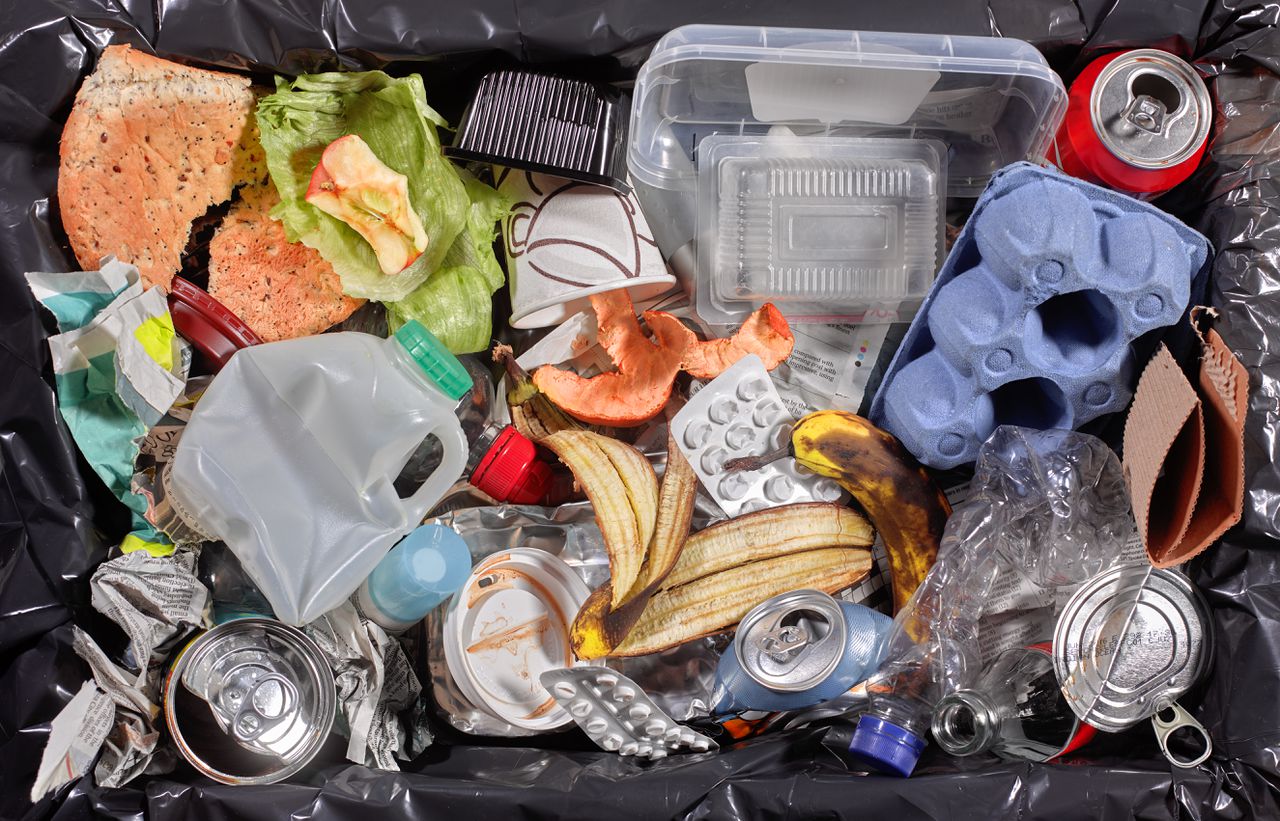
Modern offices generate multiple waste streams that require different handling approaches. Paper, electronics, organic matter, and general waste each present opportunities for reducing environmental impact when managed correctly. Effective systems capture these materials at their source and direct them towards appropriate recovery or recycling channels.
Corporate sustainability reporting increasingly includes waste metrics as key performance indicators. Companies with robust waste management programmes often achieve better sustainability ratings and meet regulatory requirements more effectively than those with basic disposal approaches.
How much waste do typical offices actually produce?
Office buildings generate substantial amounts of waste daily, with paper products, food packaging, and electronic items forming the largest waste categories. Understanding these patterns helps organisations recognise the environmental impact of standard workplace operations and identify priority areas for improvement.
Paper waste typically represents the largest single category in most office environments, despite increasing digitalisation efforts. This includes everything from printed materials and packaging to disposable cups and food containers used throughout the workday.
Electronic waste presents particular challenges due to its complex composition and potential environmental hazards. Computers, mobile devices, batteries, and accessories require specialised handling but offer significant recovery value when processed correctly.
Food-related waste encompasses both organic matter from meals and extensive packaging materials. Office kitchens, cafeterias, and individual meal consumption create diverse waste streams that benefit from targeted separation and recovery programmes.
Seasonal variations affect office waste generation patterns significantly. Holiday periods, conference seasons, and project cycles can temporarily increase waste volumes, requiring flexible management systems that adapt to changing demands.
What are the most effective waste reduction strategies for offices?
The most effective office waste reduction combines digital transformation, sustainable purchasing policies, and employee engagement programmes. These strategies address waste generation at its source rather than managing disposal after creation, creating lasting environmental and cost benefits.
Digital transformation initiatives significantly reduce paper consumption through:
- Electronic document management systems
- Digital signature platforms
- Cloud-based collaboration tools
- Paperless meeting protocols
- Electronic invoicing and payment systems
Sustainable purchasing policies prevent waste creation by prioritising products with minimal packaging, longer lifespans, and recyclable components. This includes selecting suppliers who support take-back programmes and choosing equipment designed for repair rather than replacement.
Employee engagement programmes create behavioural changes that sustain waste reduction efforts. Training sessions, awareness campaigns, and incentive systems help staff understand their role in waste minimisation and provide practical guidance for daily decisions.
Reuse programmes within offices significantly extend product lifecycles. Furniture exchanges, equipment-sharing systems, and supply redistribution networks prevent functional items from becoming waste while reducing purchasing requirements.
How does proper waste separation improve office sustainability?
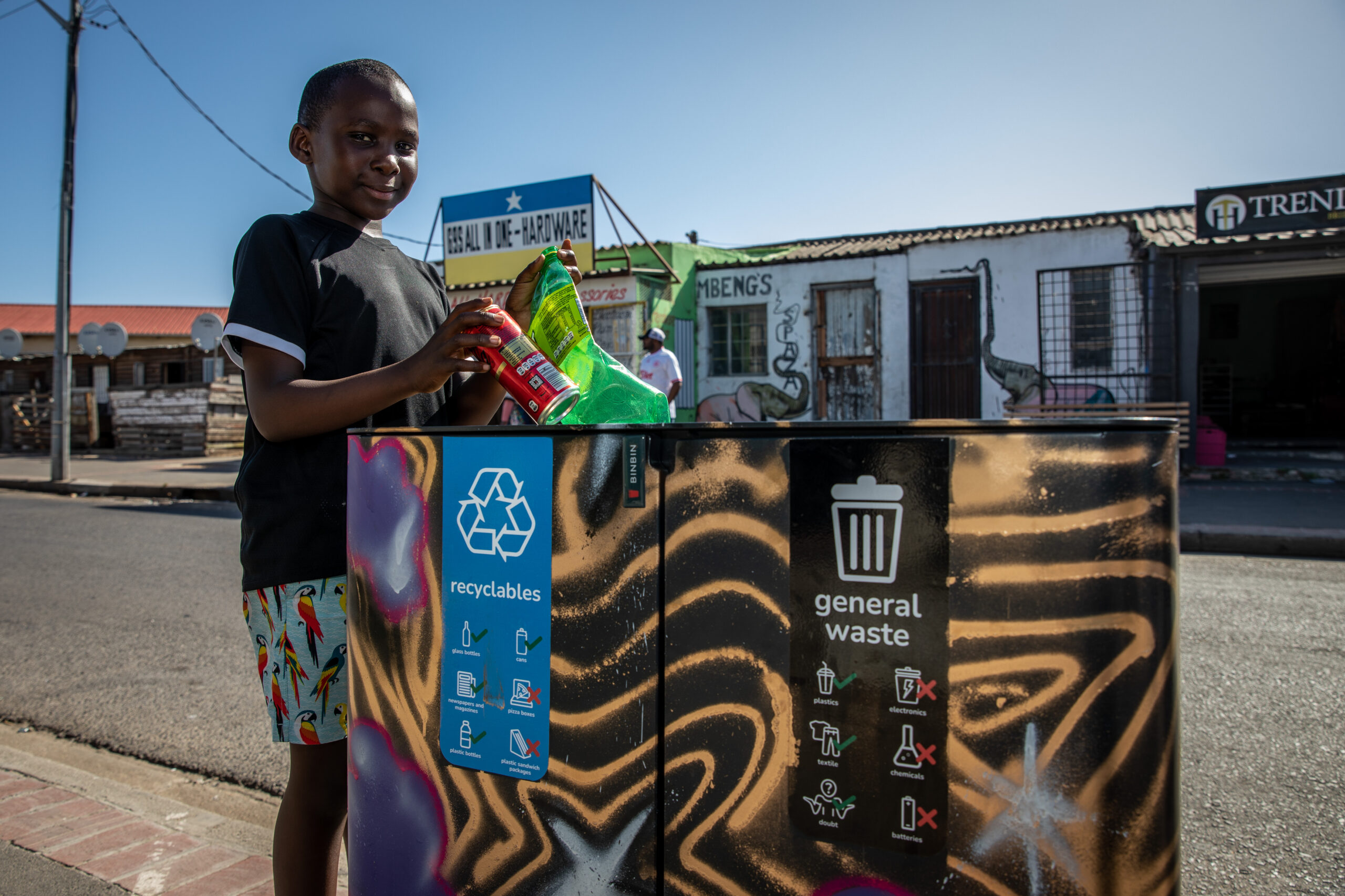
Proper waste separation maximises recycling efficiency, reduces contamination, and supports circular economy principles by ensuring materials reach appropriate processing facilities. Systematic separation systems can increase recycling rates substantially while reducing disposal costs and environmental impact.
Contamination represents one of the biggest challenges in waste processing. When different waste types mix, entire batches may become unsuitable for recycling, sending recoverable materials to landfills instead. Clean separation prevents this waste of resources and processing capacity.
Different materials require specific processing approaches to achieve optimal recovery rates. Metals, plastics, paper, and organic matter each follow distinct recycling pathways that depend on receiving uncontaminated input materials for successful processing.
Economic benefits emerge from effective separation systems through reduced waste disposal fees and potential revenue from valuable recovered materials. Some waste streams, particularly metals and high-grade paper, generate income when properly separated and processed.
Workplace culture improvements often accompany successful separation programmes. Employees develop greater environmental awareness and take pride in contributing to measurable sustainability achievements, creating positive feedback cycles that support broader environmental initiatives.
Why do many office recycling programs fail to deliver results?
Most office recycling programmes fail due to inadequate infrastructure, insufficient employee training, and a lack of ongoing monitoring. These programmes often start with enthusiasm but decline when practical challenges aren't addressed systematically.
Infrastructure problems create the most common failure points. Insufficient bins, unclear labelling, inconvenient locations, and inadequate collection schedules discourage participation and lead to contamination. Without proper physical systems, even motivated employees struggle to recycle correctly.
Employee confusion about recycling requirements leads to well-intentioned mistakes that compromise entire systems. Different materials require different handling, and local recycling capabilities vary significantly, creating complexity that requires ongoing education and clear guidance.
A lack of feedback and monitoring allows problems to persist unnoticed. Without regular auditing and performance measurement, programmes drift away from their objectives and lose effectiveness over time. Successful programmes include systematic review and improvement processes.
Management commitment often wavers when initial enthusiasm fades or costs become apparent. Sustainable recycling requires ongoing investment in training, infrastructure maintenance, and system improvements that need consistent leadership support.
What makes a waste management system truly sustainable for offices?
Truly sustainable office waste management systems incorporate circular design principles, long-term durability, adaptability to changing needs, and integration with broader sustainability goals. These systems view waste as a resource rather than a disposal problem.
Circular design principles ensure that waste management infrastructure itself follows sustainability principles. This means:
- Equipment made from recycled materials
- Modular systems that adapt rather than require replacement
- Durable components that extend operational lifespans
- End-of-life planning for all system components
- Local sourcing to reduce transportation impacts
Adaptability allows systems to evolve with changing office needs, waste stream compositions, and recycling capabilities. Rigid systems become obsolete quickly, while flexible approaches maintain effectiveness as circumstances change.
Integration with broader sustainability goals ensures waste management supports overall environmental objectives rather than operating in isolation. This includes connections to energy efficiency, water conservation, and sustainable procurement programmes.
Long-term thinking considers the full lifecycle of waste management infrastructure and processes. Sustainable systems optimise for decades of operation rather than short-term convenience, creating lasting environmental and economic benefits.
How BINBIN helps offices achieve sustainable waste management
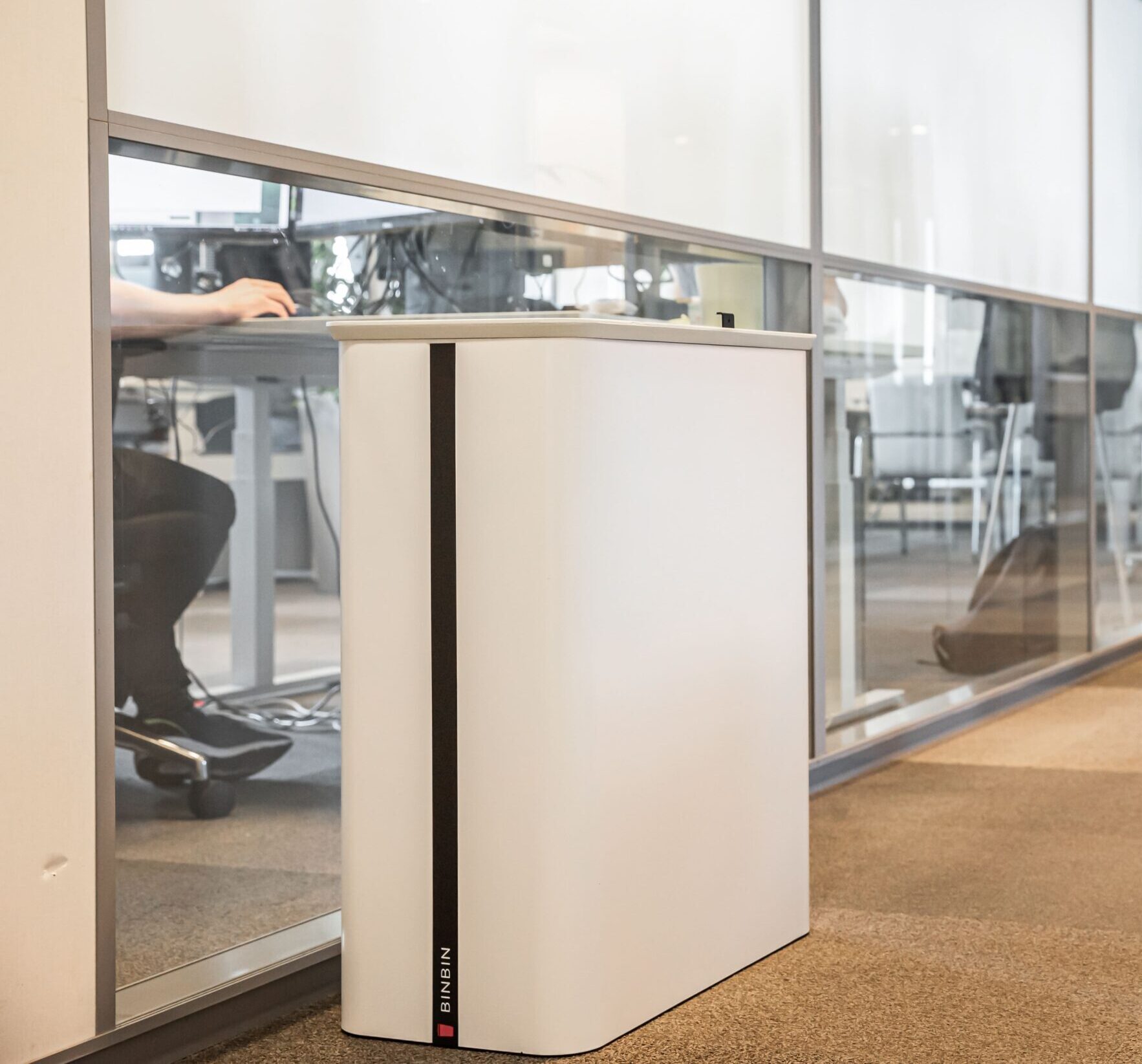
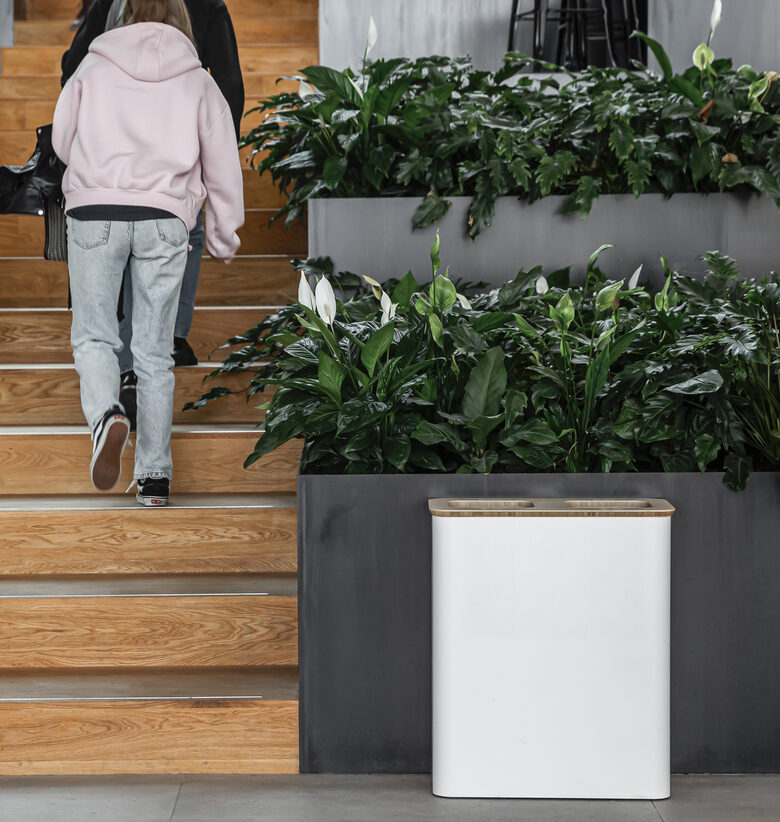
BINBIN provides comprehensive office waste management solutions through modular separation systems that adapt to changing workplace needs while supporting circular economy principles. Our approach transforms office waste challenges into sustainability opportunities.
Our modular Globular series offers complete flexibility for office environments:
- Configure 1 to 8 waste streams in a single system
- Internal compartment splitting without requiring new bins
- Easy stream combination by removing splitters
- 99% circular construction from recycled materials
- Customisation with company branding and logos
The circular design philosophy ensures your waste management infrastructure supports sustainability goals over the long term. Every component can be recycled at end-of-life, while the modular design eliminates the need for complete system replacement as office needs evolve.
Ready to transform your office waste management? Request a trial placement to experience how BINBIN's solutions can improve your workplace sustainability while reducing costs and complexity. Our team will help design the perfect configuration for your specific office environment and waste streams.