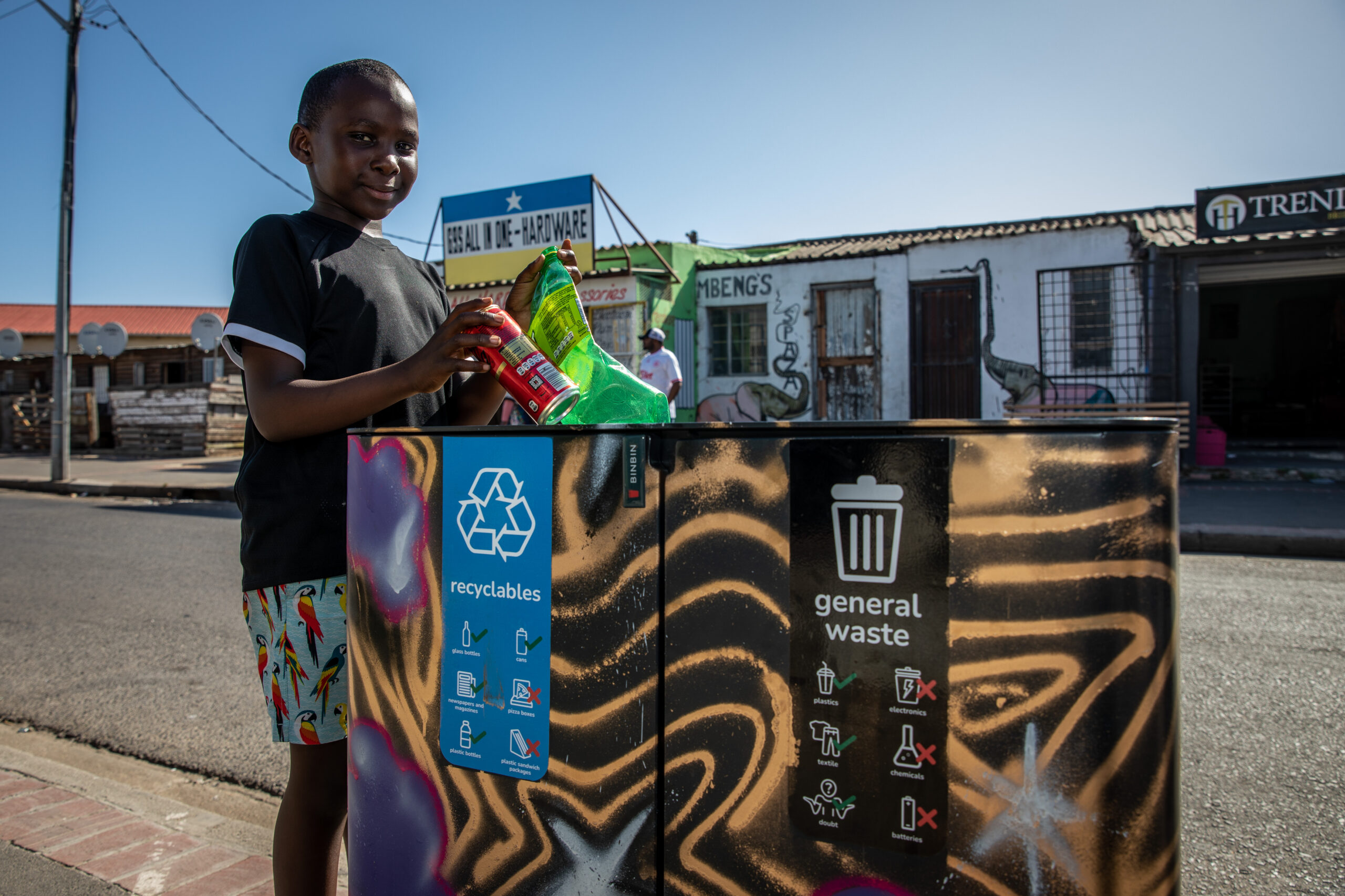
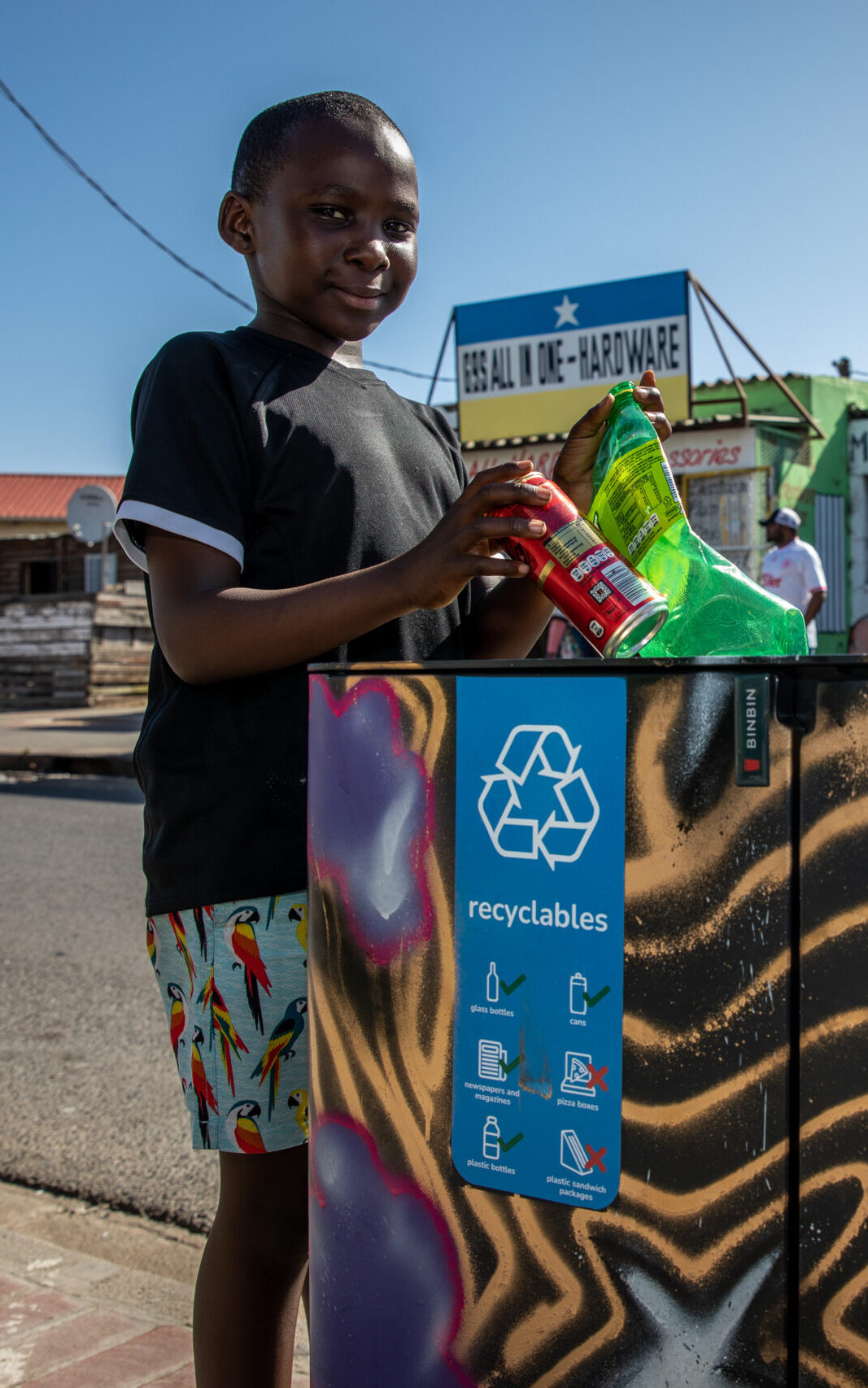
Yes, children can absolutely engage with waste management through educational programs, school initiatives, and supervised facility visits. Kids benefit from age-appropriate learning about recycling, waste sorting, and environmental responsibility. Schools increasingly integrate waste management in schools through hands-on activities, making environmental education both practical and engaging for young learners.
What does waste management mean for children?
Waste management for children involves understanding how rubbish is collected, sorted, and turned into new things—or safely disposed of. It's like a giant recycling adventure where different materials go on different journeys to become useful again.
Children can grasp waste management concepts by relating them to familiar activities. Just as they sort toys into different boxes, waste gets sorted into categories like paper, plastic, glass, and food scraps. Each type of waste has its own special path—paper might become new notebooks, plastic bottles could be transformed into playground equipment, and food waste can become compost for gardens.
The key is presenting waste management as a positive cycle rather than simply throwing things away. Children naturally understand fairness and taking care of things, which makes them excellent candidates for learning about environmental responsibility. When explained in simple terms, concepts like reducing waste, reusing items, and recycling materials become logical steps that children can easily remember and practise.
At what age can children start learning about waste management?
Children can begin learning basic waste management concepts as early as ages 2–3 through simple sorting activities. Toddlers can learn to put different items in different bins, while teenagers can understand complex environmental systems and even explore career opportunities in the field.
Here's how waste management education develops by age:
- Ages 2–4: Simple sorting games with colours and shapes; learning that “rubbish goes in the bin”
- Ages 5–7: Basic recycling categories; understanding that some items can be used again
- Ages 8–10: Learning about different waste streams, composting, and environmental impact
- Ages 11–13: Understanding waste-reduction strategies, environmental consequences, and community impact
- Ages 14+: Complex systems thinking, career exploration, and leadership in sustainability initiatives
The progression should always match children's developmental abilities. Younger children respond well to visual cues, games, and hands-on activities, while older children can handle more abstract concepts about environmental systems and global impact. Starting early creates lifelong habits, but it's never too late to begin learning about responsible waste management.
How do schools integrate waste management into their curriculum?
Schools integrate waste management through practical programs that combine learning with daily activities. Students participate in recycling initiatives, waste audits, and hands-on sorting systems that make environmental education interactive and memorable.
Many schools implement waste management in schools through comprehensive approaches. Science lessons explore the environmental impact of different materials, while maths classes calculate waste-reduction percentages. Geography lessons examine global waste issues, and art projects use recycled materials to demonstrate creative reuse.
Practical integration happens through:
- Classroom recycling stations with clear labelling and student monitors
- School-wide waste audits where students measure and analyse rubbish production
- Composting programs that connect to gardening and biology lessons
- Partnerships with local recycling facilities for educational visits
- Student-led environmental clubs that promote waste-reduction initiatives
- Integration with lunch programs to reduce food waste and packaging
The most effective programs make waste management visible and relevant to students' daily school experience. When children see immediate results from their actions and understand the connection between their choices and environmental outcomes, the learning becomes meaningful and lasting.
What are the best ways to teach kids about recycling and waste sorting?
The best teaching methods combine visual learning, hands-on practice, and game-based activities that make waste sorting enjoyable. Children learn most effectively when they can touch, sort, and see immediate results from their recycling efforts.
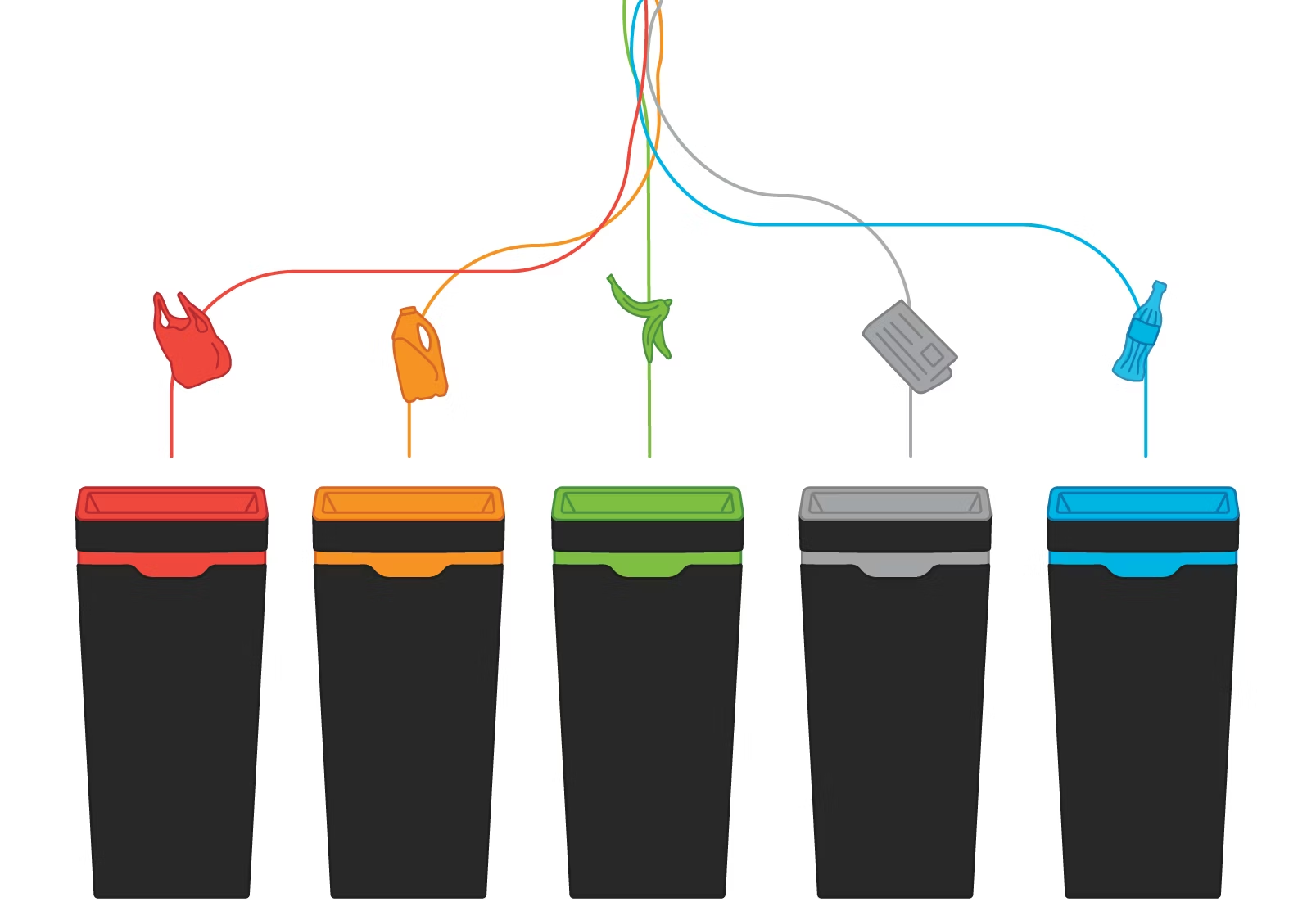
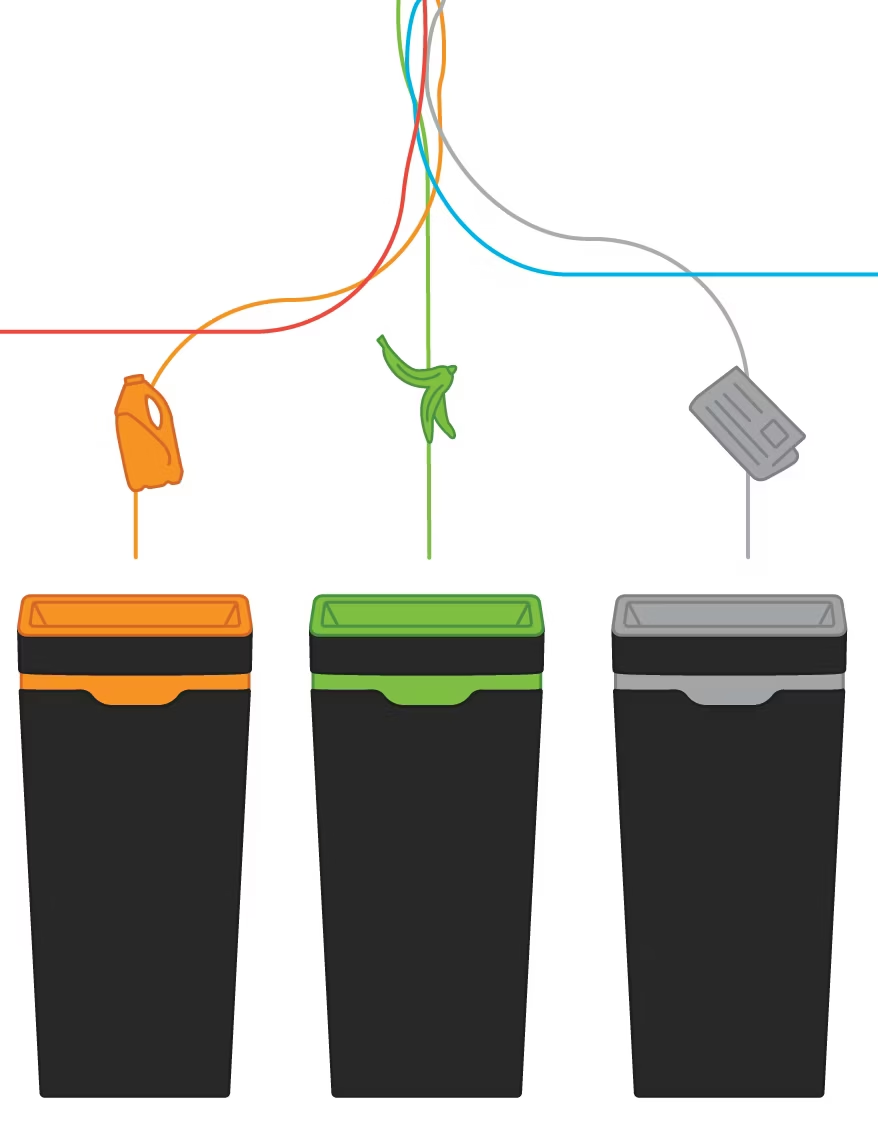
Effective teaching strategies include using colour-coded systems that match different waste types to specific colours. Visual aids like pictures and symbols help children quickly identify where items belong, especially for those who can't read yet. Turning it into a game with rewards and challenges keeps children engaged and motivated to participate.
Family practices reinforce school learning. Parents can create home sorting stations, involve children in weekly recycling collection, and explain what happens to different materials after collection. Regular practice at home and school helps children develop automatic sorting habits that last into adulthood.
Interactive activities work particularly well. Children enjoy waste-sorting races, creating art from recyclable materials, and conducting family waste audits to see how much they can reduce. These activities make abstract environmental concepts concrete and personally relevant to young learners.
Can children visit waste management facilities safely?
Yes, children can safely visit waste management facilities through organised educational tours with proper safety measures. Most recycling centres and environmental education facilities offer age-appropriate programs designed specifically for young visitors, with trained guides and safety protocols.
Safety considerations include appropriate age restrictions, usually starting at ages 5–6 for basic facility tours. Children must wear safety equipment like hard hats and high-visibility vests, stay in designated areas, and remain with adult supervisors at all times. Some facilities have viewing areas that allow safe observation of sorting and processing activities.
Educational tours typically include visits to:
- Material recovery facilities where recyclables are sorted
- Composting sites that demonstrate organic waste processing
- Environmental education centres with interactive displays
- Waste-to-energy facilities with visitor centres
- Recycling processing plants with safe viewing areas
These visits help children understand what happens after they put items in recycling bins. Seeing the scale of waste processing and the journey materials take to become new products makes recycling feel important and worthwhile. Many children become more committed to proper sorting after witnessing the complex systems that handle their waste.
Before visiting, schools and families should contact facilities directly to understand age requirements, group sizes, and booking procedures. Many facilities require advance booking and have specific days designated for educational visits.
How BINBIN helps with waste education in schools
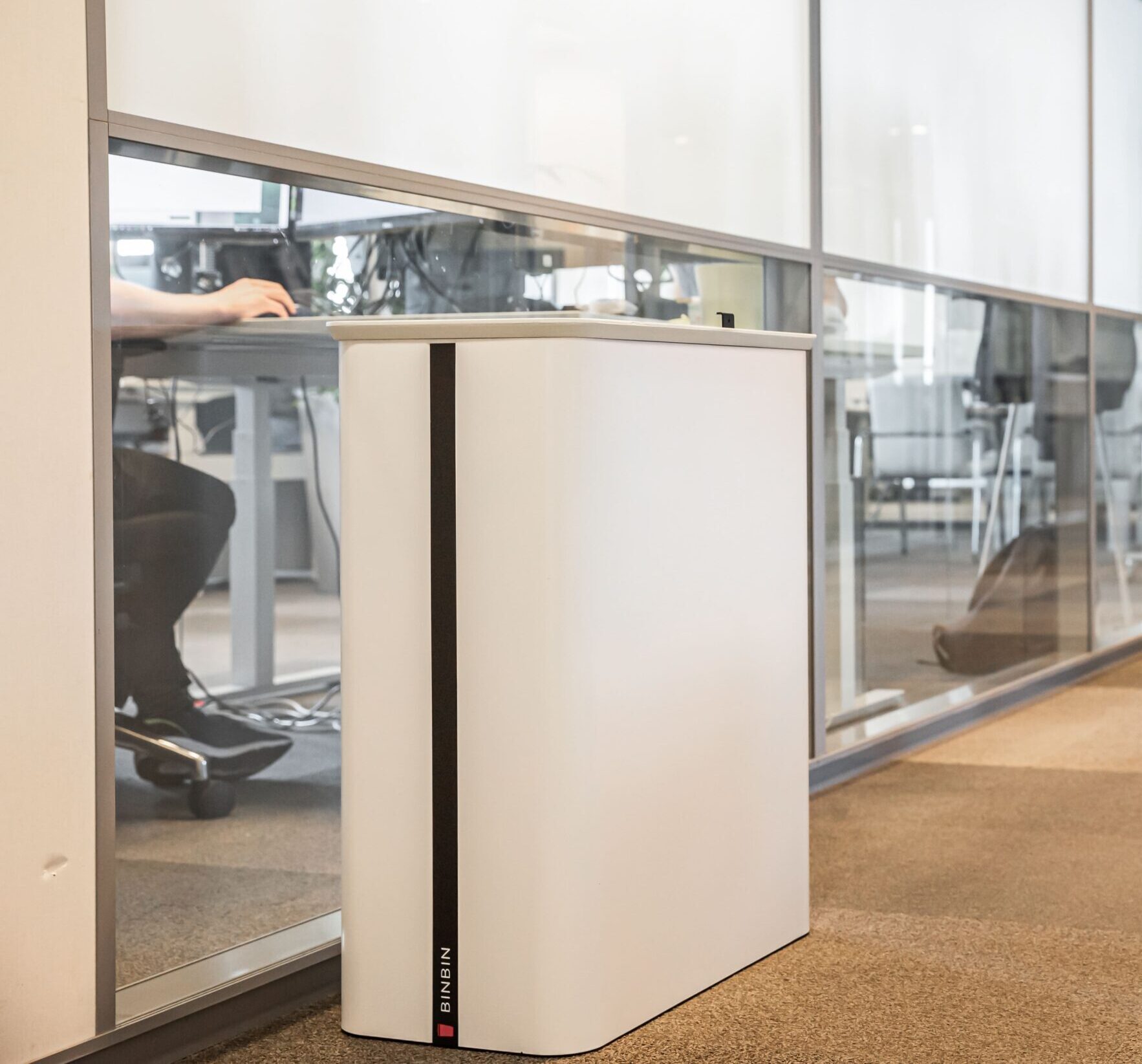
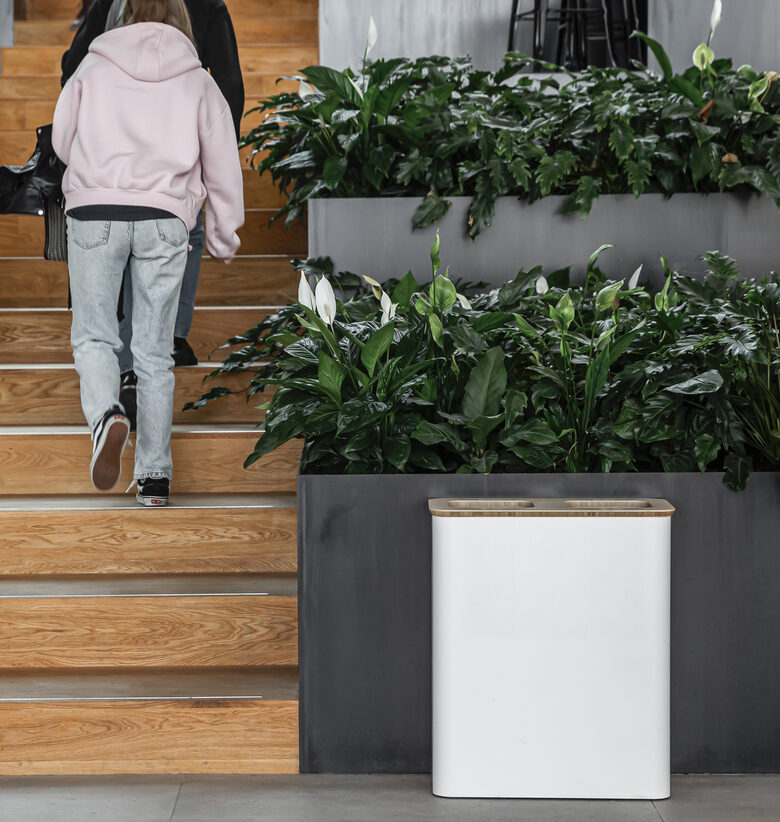
BINBIN provides comprehensive educational waste-sorting solutions designed specifically for schools, making waste separation an engaging learning experience for students and teachers. Our user-friendly systems help educational institutions implement effective recycling programs while teaching children valuable environmental lessons.
Our educational solutions include:
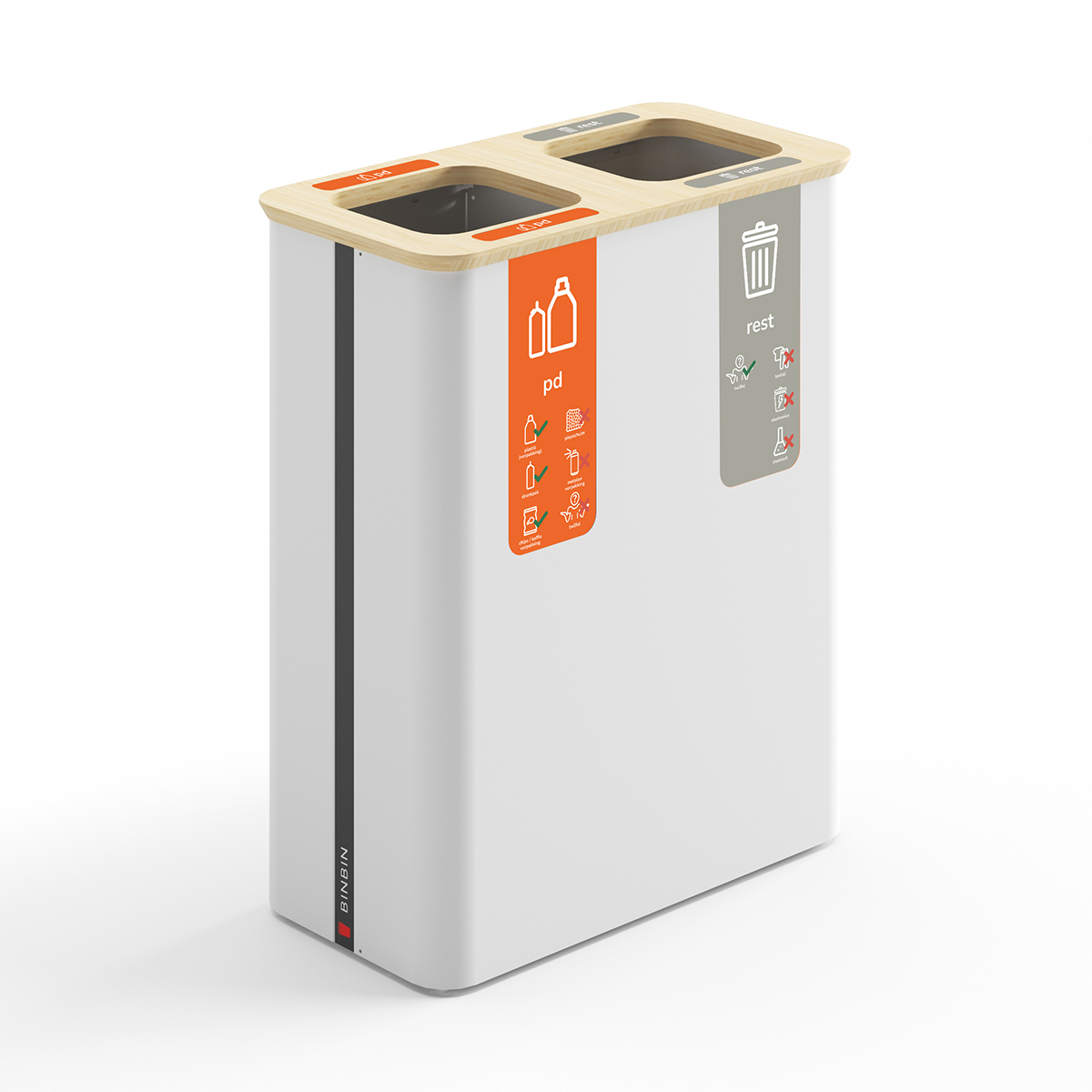
- Child-friendly design: Intuitive sorting systems with clear visual cues and appropriate heights for different age groups
- Modular flexibility: Adaptable configurations that grow with changing curriculum needs and student populations
- Educational support materials: Comprehensive guidance, including pictograms, stickers, and communication materials for teachers
- Implementation assistance: Personal guidance and tailored advice to help schools find the most effective waste-separation solution
We understand that successful waste management in schools requires more than just bins—it requires systems that engage students and support teachers in delivering meaningful environmental education. Our trial placement program allows schools to test solutions before committing, ensuring the perfect fit for their educational goals.
Ready to transform waste management into an educational opportunity at your school? Contact us to discuss how our educational waste-sorting solutions can support your environmental curriculum and create lasting learning experiences for your students.