Yes, medical facilities do burn medical waste through incineration, which remains the most common disposal method for infectious and hazardous healthcare materials. Incineration effectively destroys pathogens and reduces waste volume by up to 90%. However, alternative treatment methods such as steam sterilisation and chemical treatment are increasingly used alongside traditional incineration.
What exactly is medical waste and why does it need special treatment?
Medical waste encompasses any waste material generated during healthcare activities that could pose risks to human health or the environment. This includes infectious waste contaminated with blood or body fluids, pathological waste from surgeries, sharps such as needles and scalpels, and pharmaceutical waste from expired medications.
These materials require specialised disposal because they can harbour dangerous pathogens, including viruses, bacteria, and other microorganisms. Regular waste management systems cannot adequately neutralise these health risks. Without proper treatment, medical waste could contaminate water supplies, spread infectious diseases, or cause injuries to waste handlers and the public.
Healthcare facilities must segregate medical waste immediately upon generation using colour-coded containers and specific labelling systems. The infectious nature of these materials means they cannot simply be disposed of in standard municipal waste streams, where they might endanger sanitation workers or contaminate landfills.
Do hospitals and clinics actually burn their medical waste?
Most hospitals and clinics use incineration as their primary medical waste disposal method. These facilities rely on specialised incinerators that operate at temperatures exceeding 1,000°C to completely destroy pathogens and organic materials. These high-temperature furnaces ensure complete sterilisation while significantly reducing waste volume.
The incineration process involves several safety protocols, including emission controls, temperature monitoring, and ash disposal procedures. Modern medical waste incinerators include pollution control equipment such as scrubbers and filters to minimise environmental impact. The resulting ash is typically non-hazardous and can be disposed of in regular landfills.
Many healthcare facilities contract with licensed medical waste management companies rather than operating their own incinerators. These specialised companies collect, transport, and incinerate medical waste at centralised facilities designed specifically for this purpose. This approach ensures compliance with environmental regulations while maintaining cost-effectiveness for individual healthcare providers.
What are the alternatives to burning medical waste?
Several non-incineration methods effectively treat medical waste without burning. Steam sterilisation uses pressurised steam at high temperatures to kill pathogens, similar to autoclave processes used for surgical instruments. This method works well for most infectious waste types and produces less air pollution than incineration.
Chemical treatment systems use disinfectants and other chemicals to neutralise pathogens before shredding the waste. Microwave treatment combines moist heat with steam to achieve sterilisation temperatures. Both methods allow the treated waste to be disposed of as regular solid waste.
Alternative treatment methods often cost less than incineration and produce fewer emissions. However, they may not be suitable for all waste types, particularly pathological waste or large volumes of liquid waste. The choice between methods depends on:
- Types of waste generated by the facility
- Local environmental regulations
- Available treatment facilities in the area
- Cost considerations and waste volumes
How do medical facilities properly separate waste for disposal?
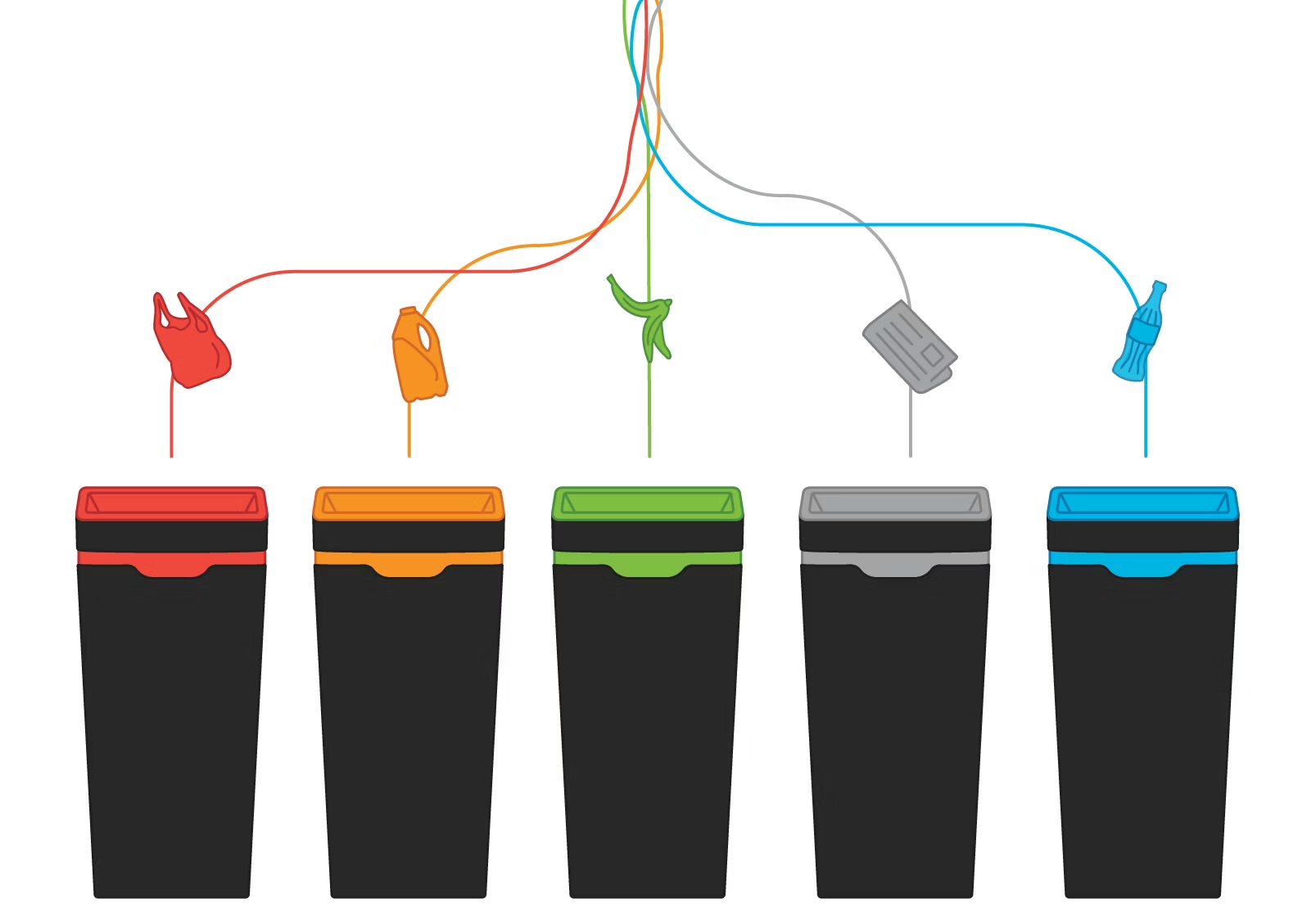
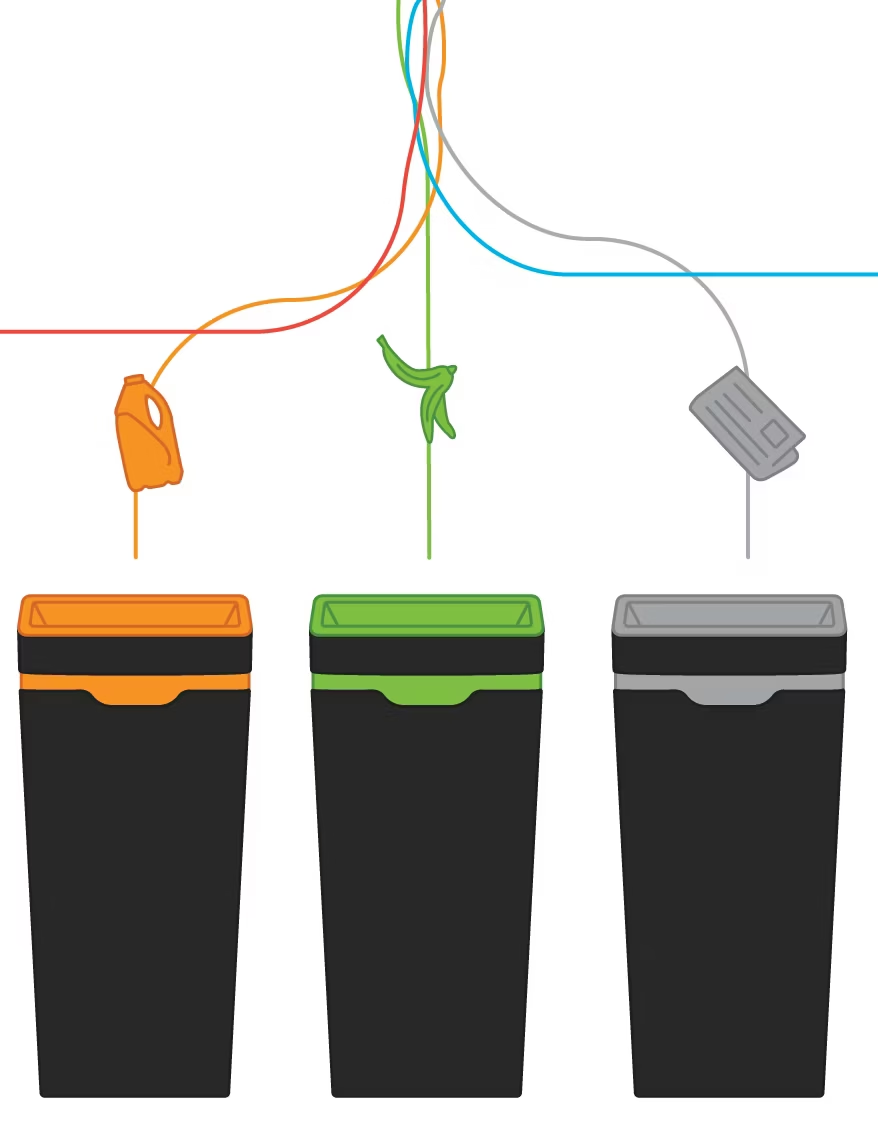
Proper medical waste segregation begins at the point of generation using standardised colour-coded container systems. Red containers typically hold infectious waste, yellow containers store pathological waste, and puncture-resistant sharps containers collect needles and blades. Each container must be clearly labelled with its contents and the date of generation.
Healthcare staff require comprehensive training on waste classification and segregation procedures. The separation process follows these essential steps:
- Identify the waste type immediately upon generation
- Select the appropriate container based on waste category
- Fill containers only to designated capacity levels
- Seal and label containers when full
- Store containers in designated secure areas
- Arrange collection by licensed waste management services
Regulatory compliance requires detailed documentation of waste generation, storage, and disposal activities. Facilities must maintain records showing waste quantities, treatment methods, and final disposal locations. Regular audits ensure staff follow proper procedures and identify areas for improvement in hospital waste management systems.
What environmental concerns exist with medical waste incineration?
Medical waste incineration can produce air pollutants, including dioxins, heavy metals, and particulate matter, if not properly controlled. These emissions can contribute to air quality problems and may pose health risks to surrounding communities. Older incinerators without modern pollution control equipment present greater environmental concerns.
Environmental regulations now require stringent emission standards for medical waste incinerators. Modern facilities must install pollution control equipment such as baghouse filters, scrubbers, and continuous emission monitoring systems. These technologies significantly reduce harmful emissions but increase operational costs.
The ash residue from incineration may contain concentrated heavy metals that require careful handling and disposal. Some facilities now use alternative treatment methods specifically to avoid these environmental concerns. Regular environmental monitoring ensures incinerators comply with air quality standards and protect community health.
Climate change considerations also influence disposal method choices, as incineration produces carbon dioxide emissions. Healthcare facilities increasingly evaluate their environmental footprint when selecting waste treatment options, balancing effectiveness with sustainability goals.
How BINBIN helps with medical waste management solutions
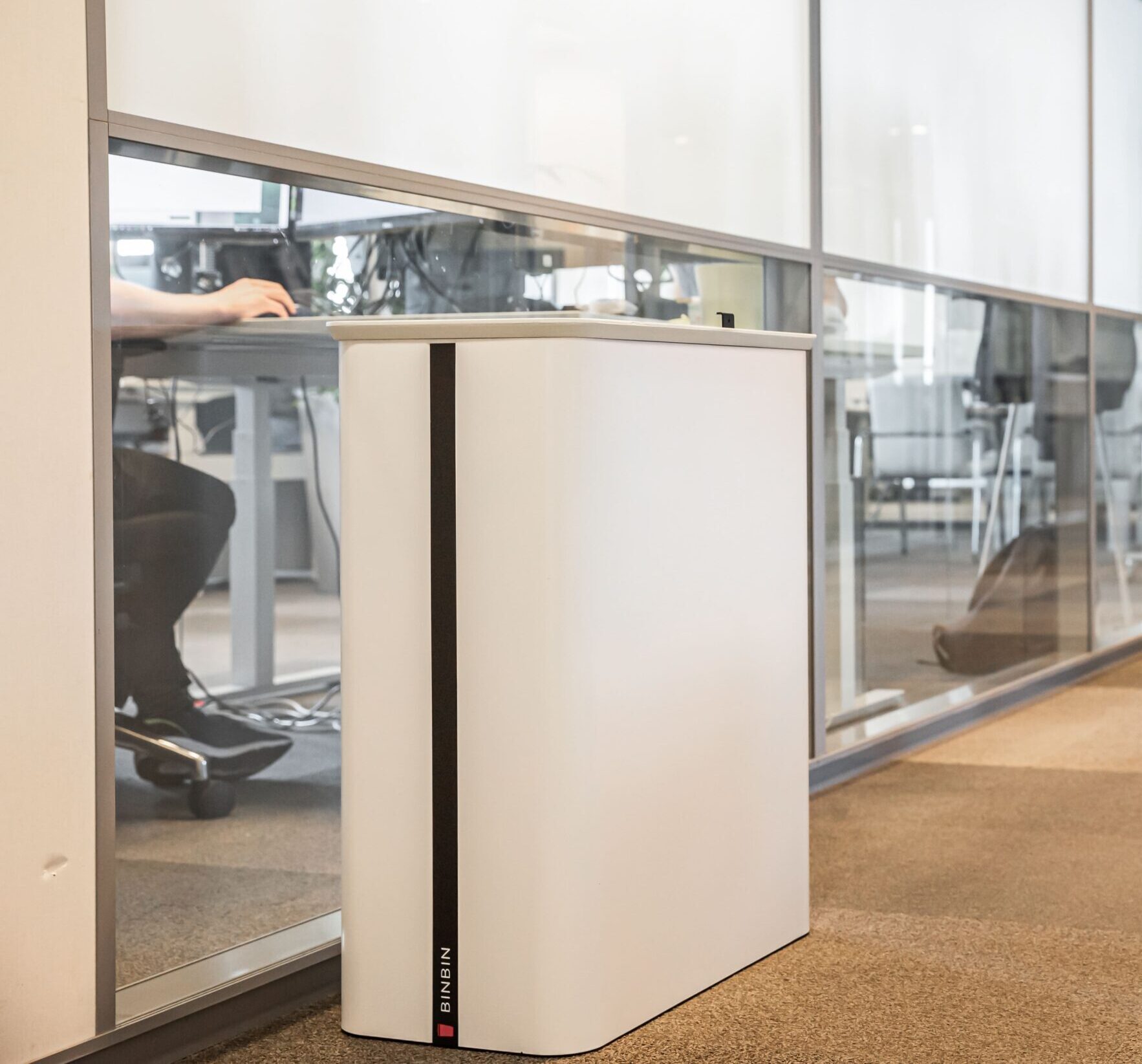
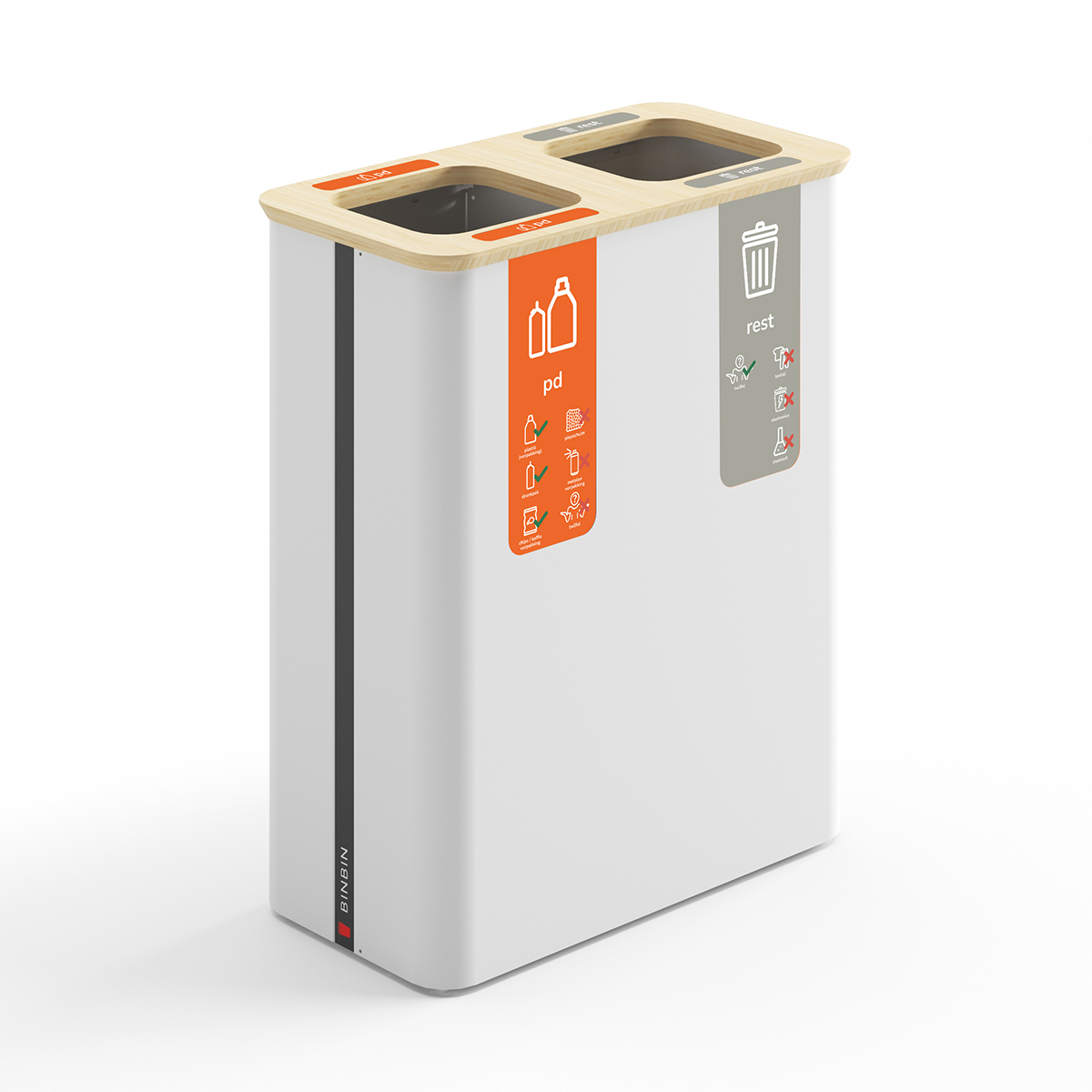
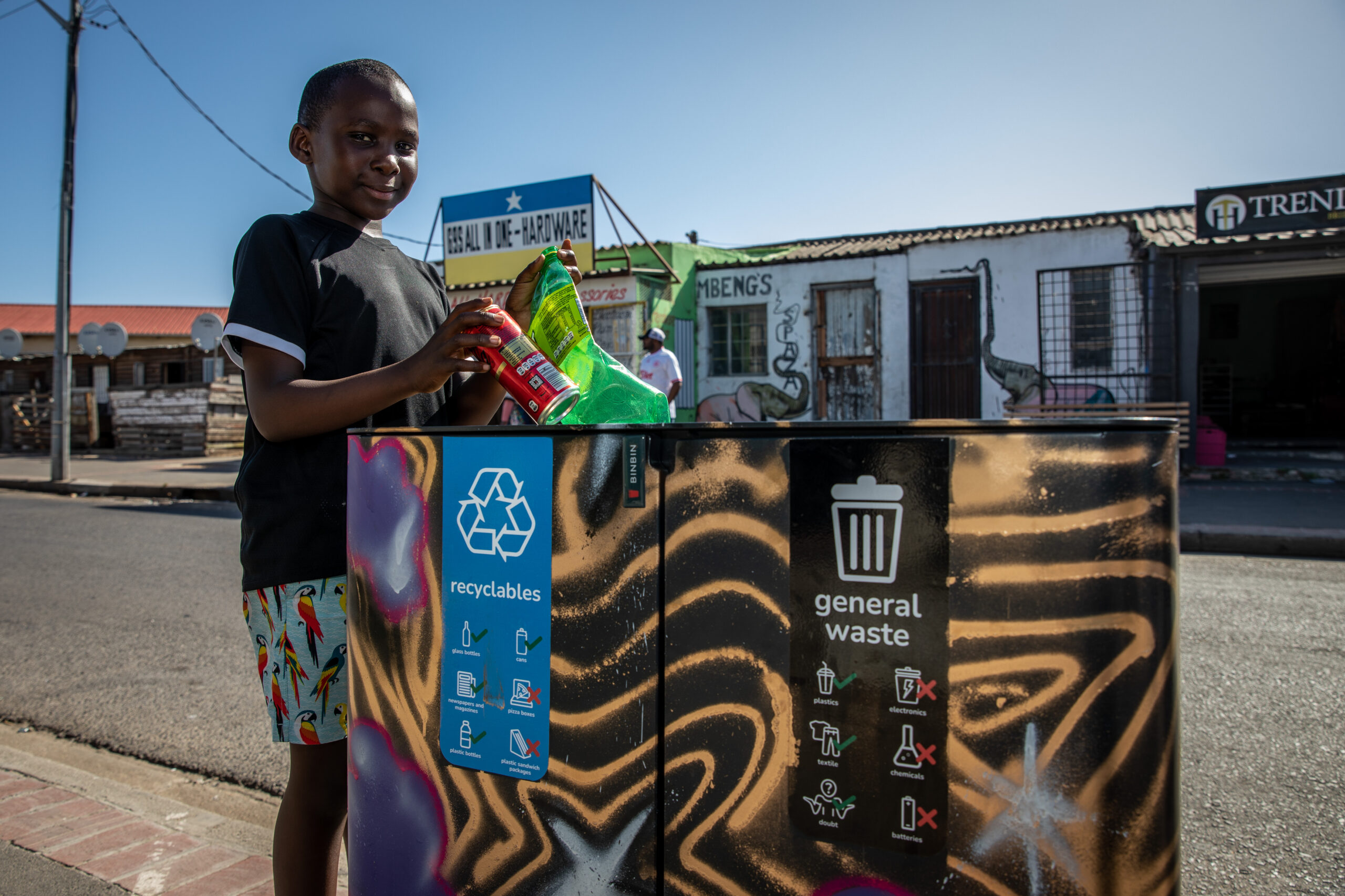
BINBIN provides comprehensive waste segregation solutions for healthcare facilities through our modular container systems designed specifically for medical environments. Our colour-coded separation systems ensure proper waste classification while maintaining the clean, professional appearance essential in healthcare settings.
Our medical waste management solutions include:
- Customised container configurations for different waste streams
- Clear labelling and identification systems for regulatory compliance
- Modular designs that adapt to changing facility needs
- Staff training support and implementation guidance
We offer personalised consultation services to assess your facility's specific waste management needs and recommend optimal segregation strategies. Our team provides comprehensive support, including pictograms, communication materials, and staff training resources, to ensure successful implementation.
Ready to improve your medical waste segregation system? Contact us today for a free facility assessment and discover how our solutions can enhance your waste management compliance while reducing disposal costs.