You don't necessarily need formal schooling for many waste management careers, though educational requirements vary significantly by position. Entry-level roles, such as waste collection and basic recycling operations, often require only a high school diploma or equivalent, while specialized positions, such as environmental engineering or regulatory compliance, typically demand college degrees. The industry offers multiple pathways, including vocational training, certification programs, and on-the-job learning opportunities.
What education do you actually need for waste management careers?
The waste management industry accommodates various educational backgrounds, from high school diplomas to advanced degrees. Entry-level positions typically require minimal formal education, focusing instead on physical capability and a willingness to learn safety procedures.
Most operational roles accept candidates with a secondary education who can demonstrate reliability and basic mathematical skills. These positions include waste collection drivers, sorting facility workers, and equipment operators. Many employers provide comprehensive on-the-job training covering safety protocols, equipment operation, and proper handling procedures.
Higher-level positions require progressively more education. Supervisory roles often prefer candidates with some postsecondary education or relevant experience. Technical positions may require vocational certificates in areas such as heavy equipment operation or hazardous materials handling.
The industry values practical skills and safety consciousness over formal credentials for many roles, making it accessible to workers from diverse educational backgrounds who demonstrate a commitment to environmental responsibility.
Which waste management jobs require a college degree?
Several specialized waste management positions mandate formal higher education due to their technical complexity and regulatory requirements. Environmental engineers need bachelor's degrees in environmental, chemical, or civil engineering to design waste treatment systems and ensure compliance with environmental regulations.
Professional roles requiring degrees include:
- Environmental consultants and compliance specialists
- Waste management facility managers and planners
- Environmental scientists and researchers
- Regulatory affairs specialists
- Sustainability coordinators and analysts
- Environmental health and safety managers
These positions involve complex problem-solving, regulatory interpretation, and strategic planning that require a comprehensive understanding of environmental science, chemistry, and engineering principles. Many also require professional licensing or certification beyond the initial degree.
Advanced degrees are valuable for research positions, senior management roles, and specialized consulting work. Master's degrees in environmental management or related fields can accelerate career advancement and open doors to leadership opportunities within the industry.
What can you learn from waste management training programs?
Vocational training programs provide practical skills essential for waste management operations, covering everything from equipment operation to safety procedures. These programs typically last several weeks to months and focus on hands-on learning rather than theoretical knowledge.
Training programs cover crucial areas, including hazardous materials identification and handling, proper use of personal protective equipment, and emergency response procedures. Students learn to operate specialized machinery, such as compactors, balers, and sorting equipment, safely and efficiently.
Many programs include certification components for specific skills, such as commercial driver's licenses, forklift operation, or hazardous waste handling. These certifications enhance employability and often lead to higher starting wages.
Safety training forms a cornerstone of these programs, teaching workers to identify potential hazards, use proper lifting techniques, and respond appropriately to chemical spills or equipment malfunctions. This knowledge protects both workers and the environment while ensuring regulatory compliance.
How do you get started in waste management without a degree?
Breaking into waste management without formal education requires demonstrating reliability, physical capability, and commitment to safety. Entry-level positions such as collection crew members or facility workers provide excellent starting points for career development.
Follow these steps to enter the field:
- Apply for entry-level positions at local waste management companies
- Obtain necessary licenses, such as commercial driving permits, if you're interested in collection routes
- Complete employer-provided safety training and certification programs
- Demonstrate reliability and willingness to learn additional skills
- Pursue voluntary certifications in specialized areas, such as hazardous waste handling
- Express interest in advancement opportunities and additional responsibilities
Many successful waste management professionals started in basic positions and advanced through internal promotion. Companies often prefer promoting from within, valuing experience and proven reliability over formal credentials. Building relationships with supervisors and consistently demonstrating good work habits creates advancement opportunities.
Apprenticeship programs offered by some companies combine paid work experience with structured learning, providing pathways to skilled positions without requiring upfront educational investment.
What skills matter most for waste management professionals?
Success in waste management depends on a combination of technical abilities, safety awareness, and interpersonal skills. Physical fitness and mechanical aptitude are fundamental for most operational roles, while communication skills become increasingly important in supervisory and customer-facing positions.
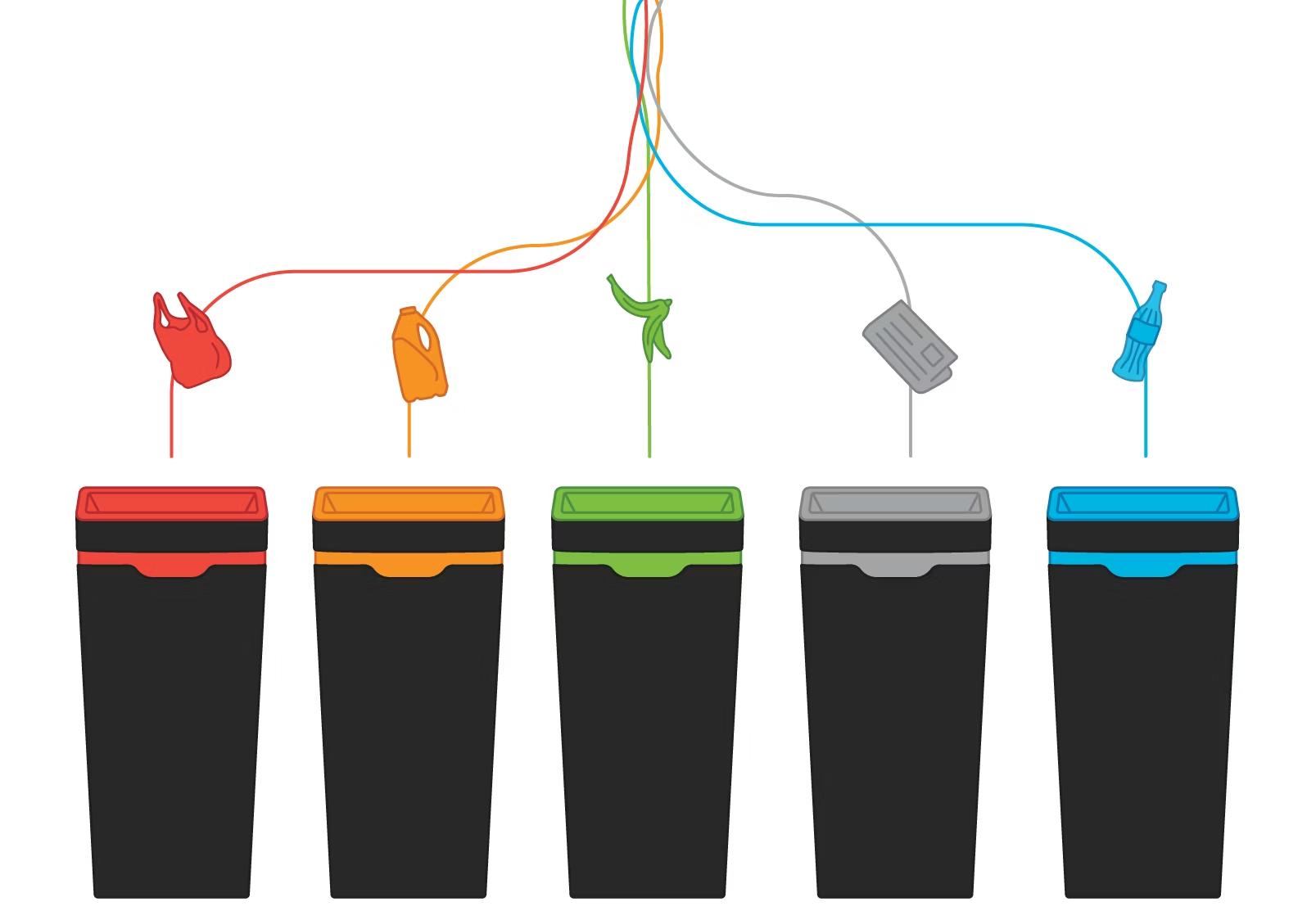
Essential technical skills include equipment operation, basic maintenance capabilities, and an understanding of safety protocols. Workers must be able to identify different waste types, understand proper sorting procedures, and recognize potentially hazardous materials.
Environmental awareness has become increasingly valuable as the industry emphasizes sustainability and regulatory compliance. Understanding recycling processes, contamination prevention, and environmental impact helps workers contribute to operational efficiency and environmental protection.
Soft skills that employers highly value include reliability, teamwork, problem-solving ability, and customer service orientation. Many positions involve public interaction, requiring professional communication and conflict resolution abilities. Time management and attention to detail ensure operations run smoothly and safely.
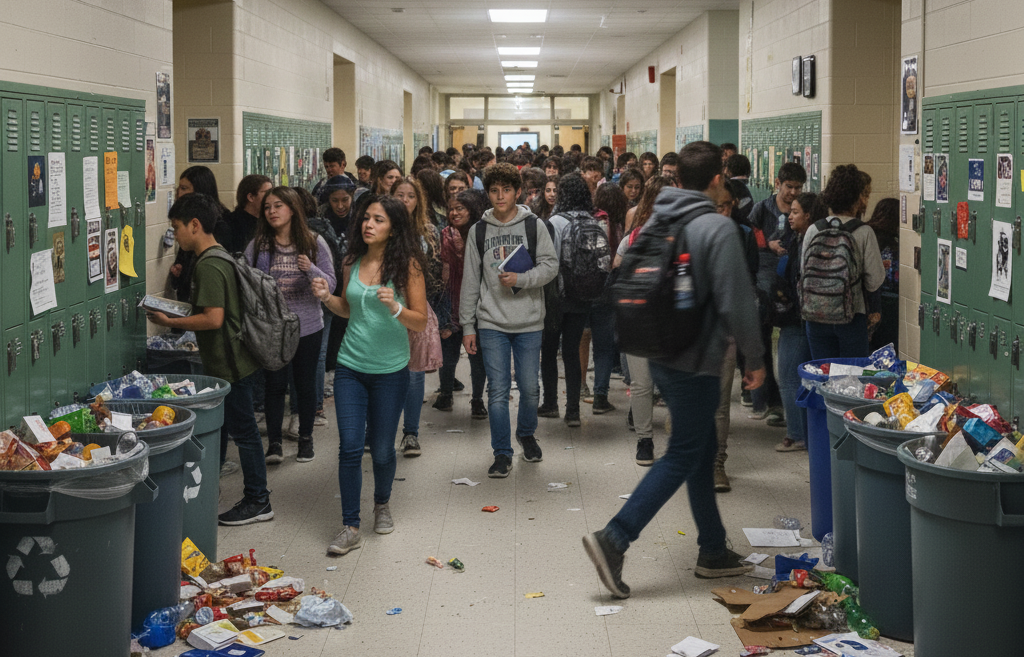
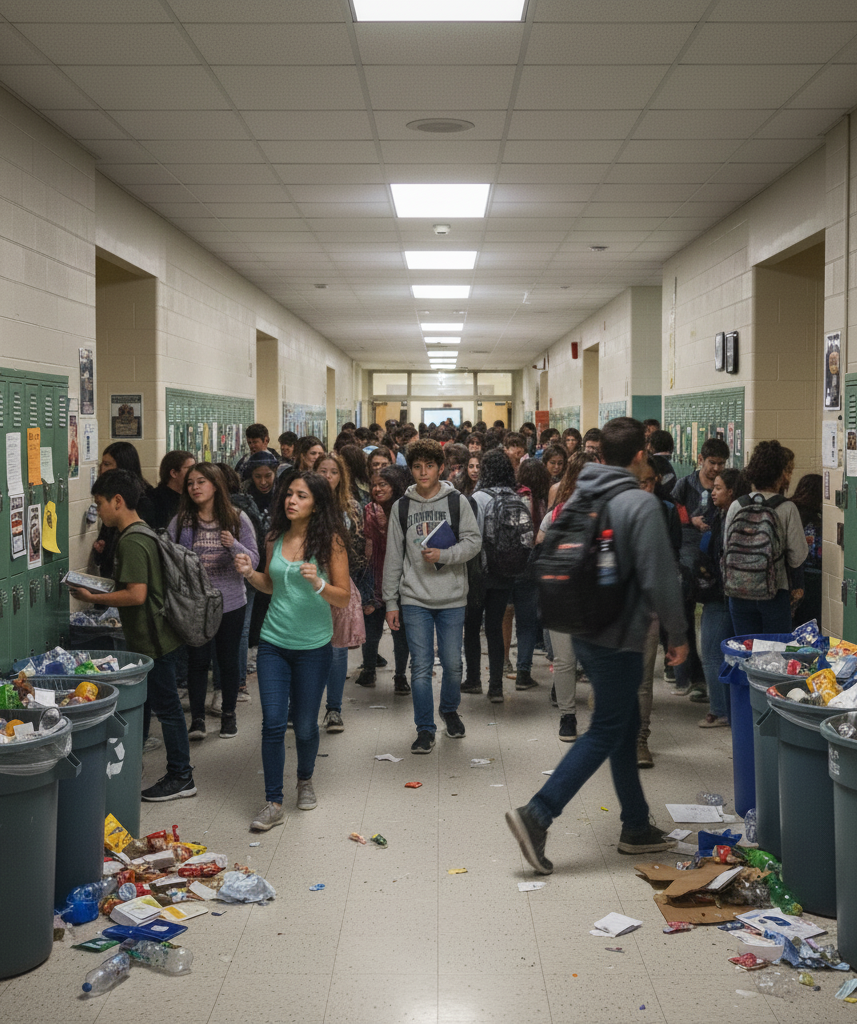
The implementation of waste management programs in schools has highlighted the importance of educational and communication skills, as professionals increasingly work with institutions to develop effective waste sorting and sustainability practices.
How BINBIN supports sustainable waste management education
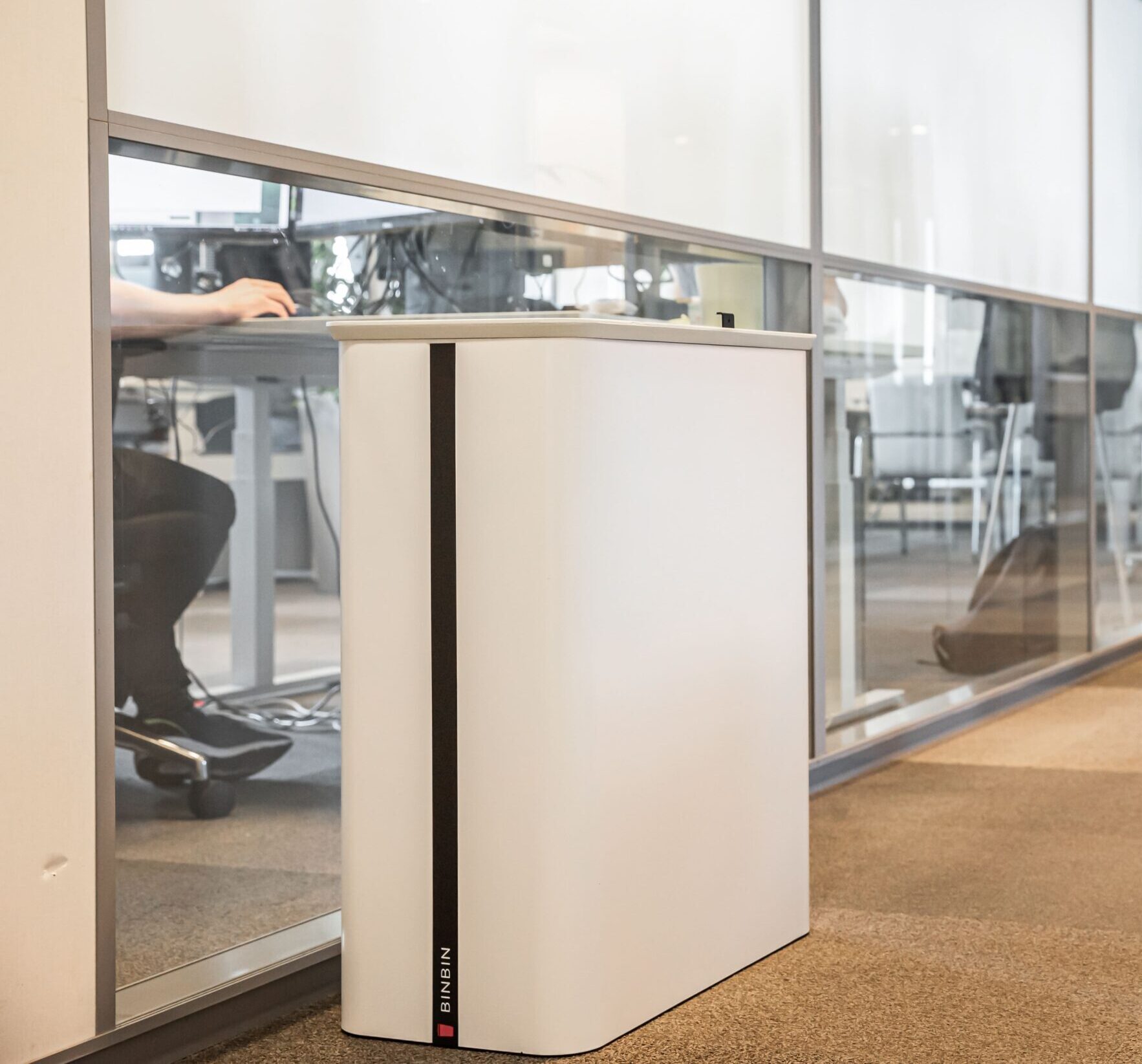
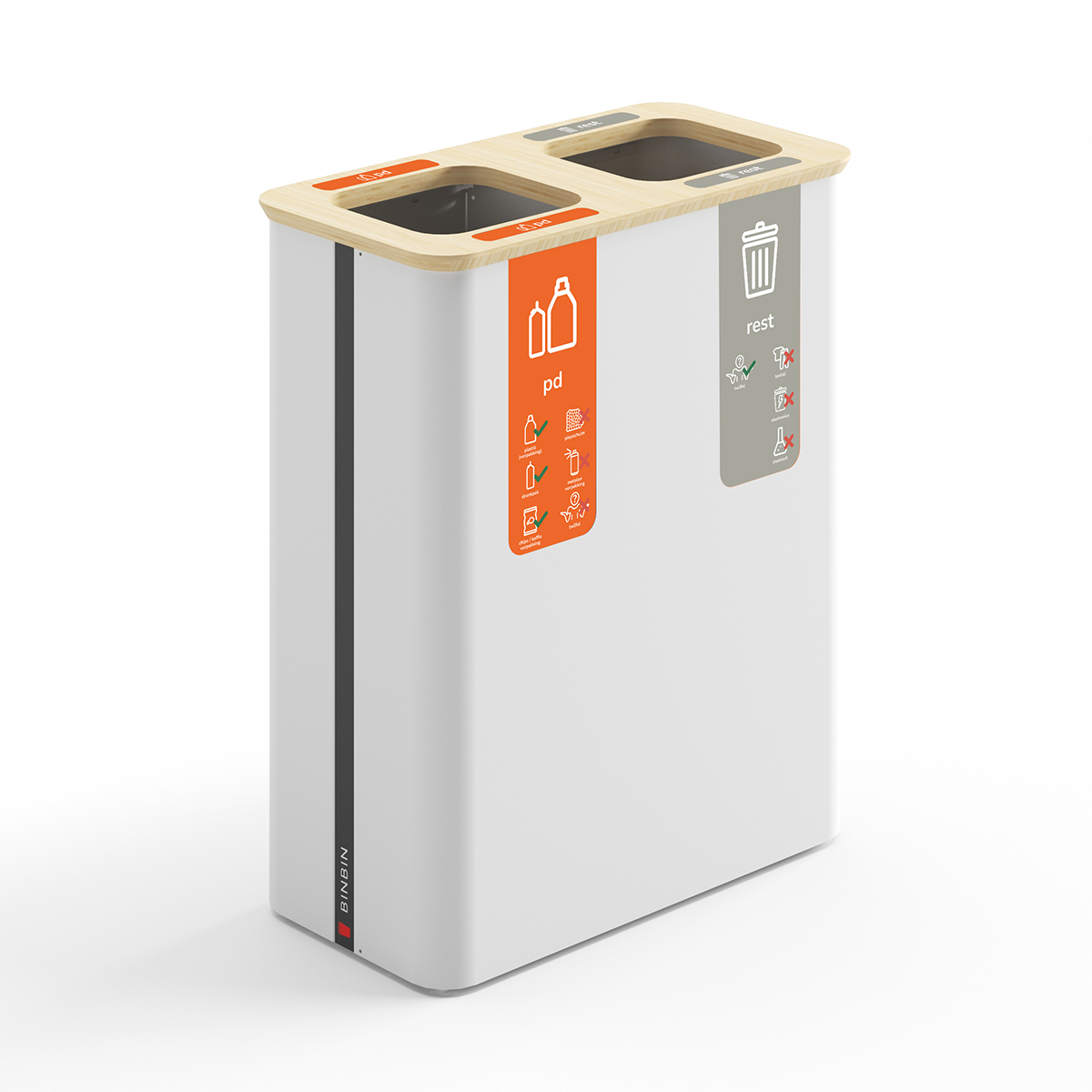
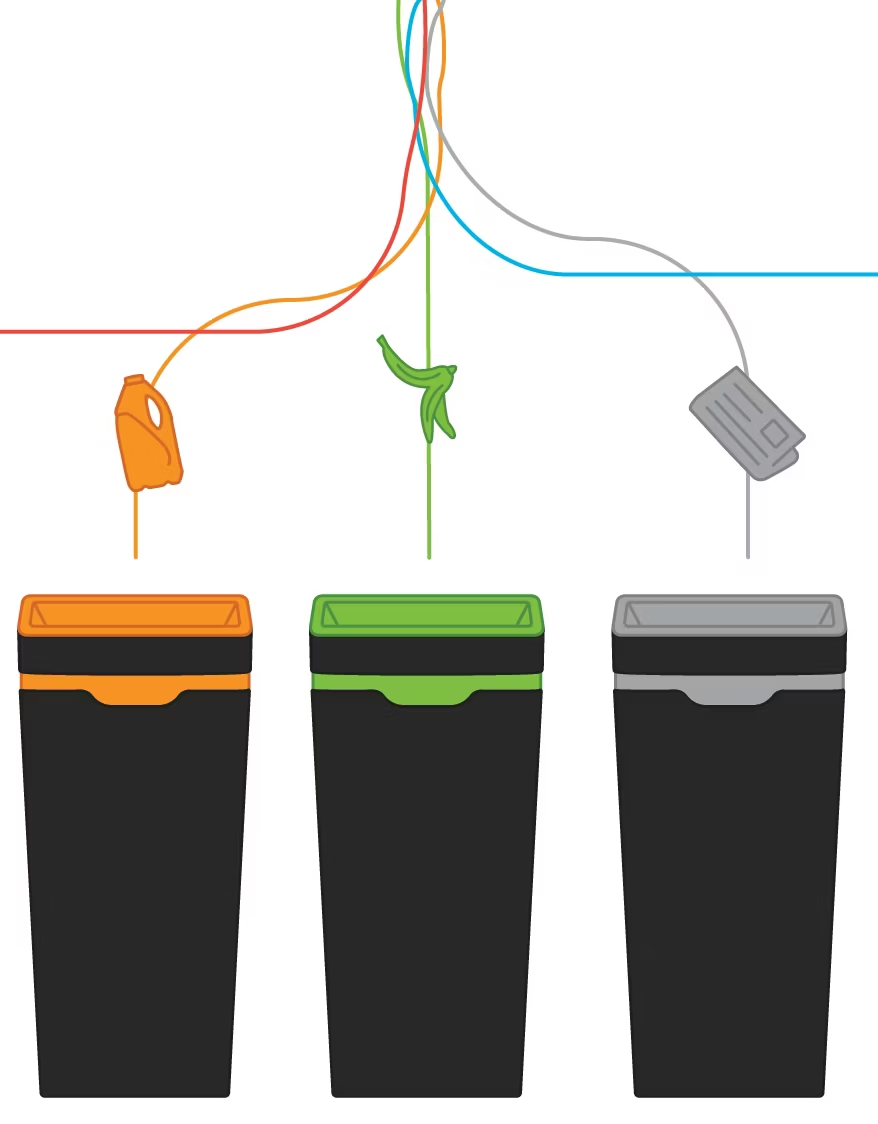
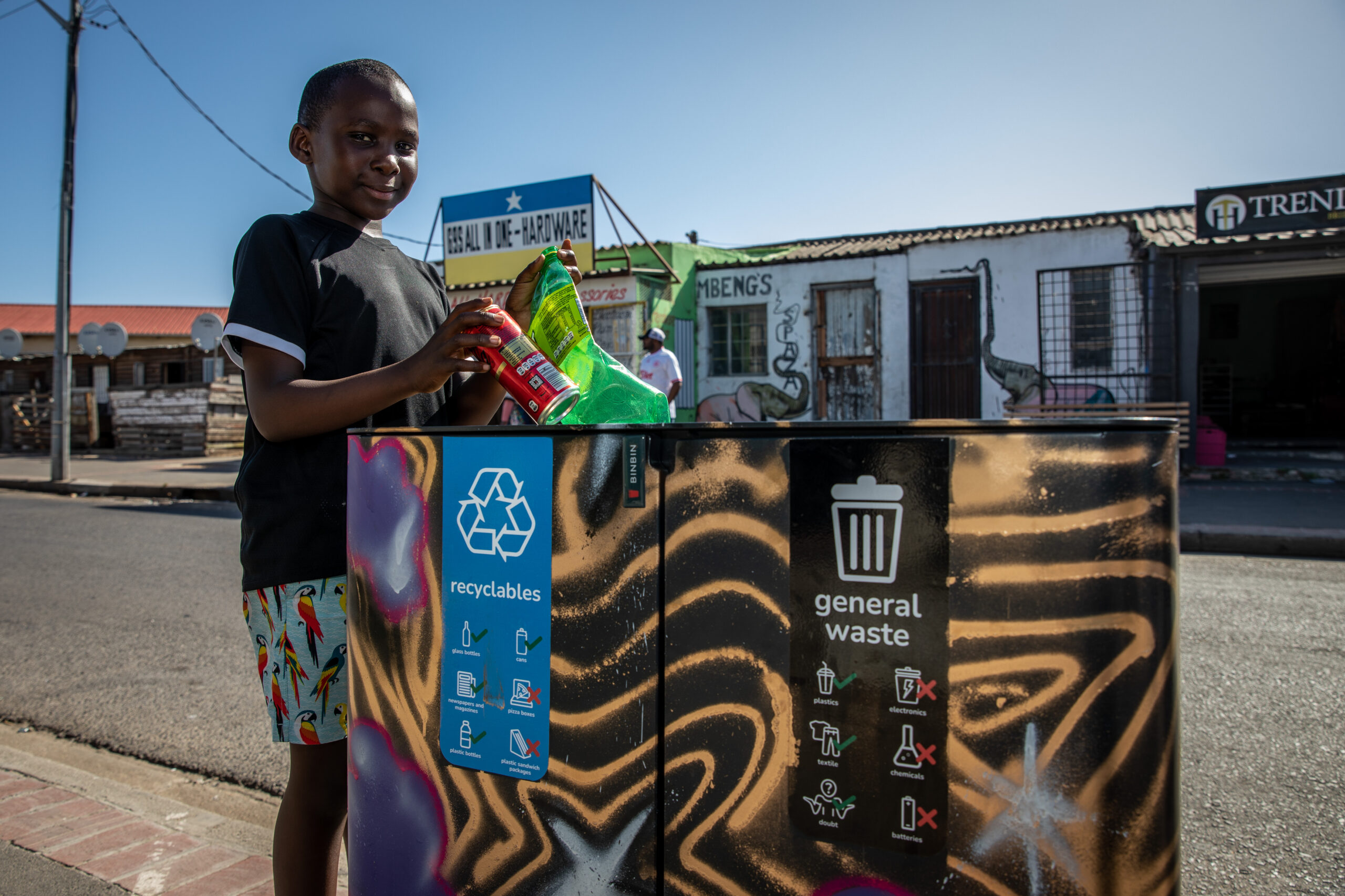
BINBIN's modular waste separation systems serve as practical training tools that help organizations implement effective waste sorting practices while educating employees about proper waste management techniques. Our solutions create learning opportunities that extend beyond basic waste disposal to comprehensive sustainability education.
Our educational support includes:
- Comprehensive implementation guidance and employee training materials
- Custom pictograms and communication materials for clear waste stream identification
- Hands-on learning opportunities through modular system configuration
- Digital waste scans and assessments to identify specific organizational needs
The modular design allows organizations to adapt their waste separation systems as needs change, providing ongoing learning experiences about waste stream management. This practical approach helps develop the environmental awareness and problem-solving skills that are increasingly valuable in waste management careers.
Whether you're implementing waste management programs in schools or developing workplace sustainability initiatives, our industry-specific solutions provide the foundation for effective waste management education. Ready to create a comprehensive waste management learning environment? Request a quote for a customized solution that serves both operational and educational needs.