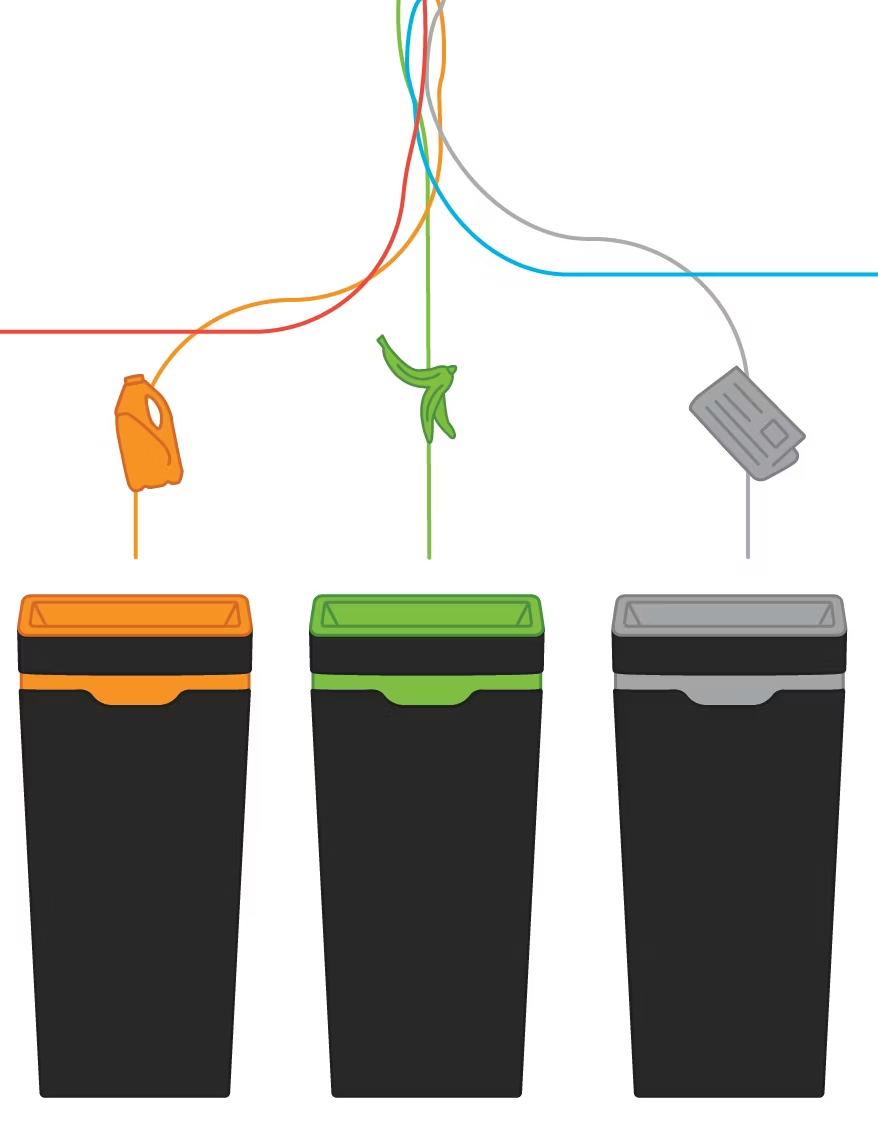
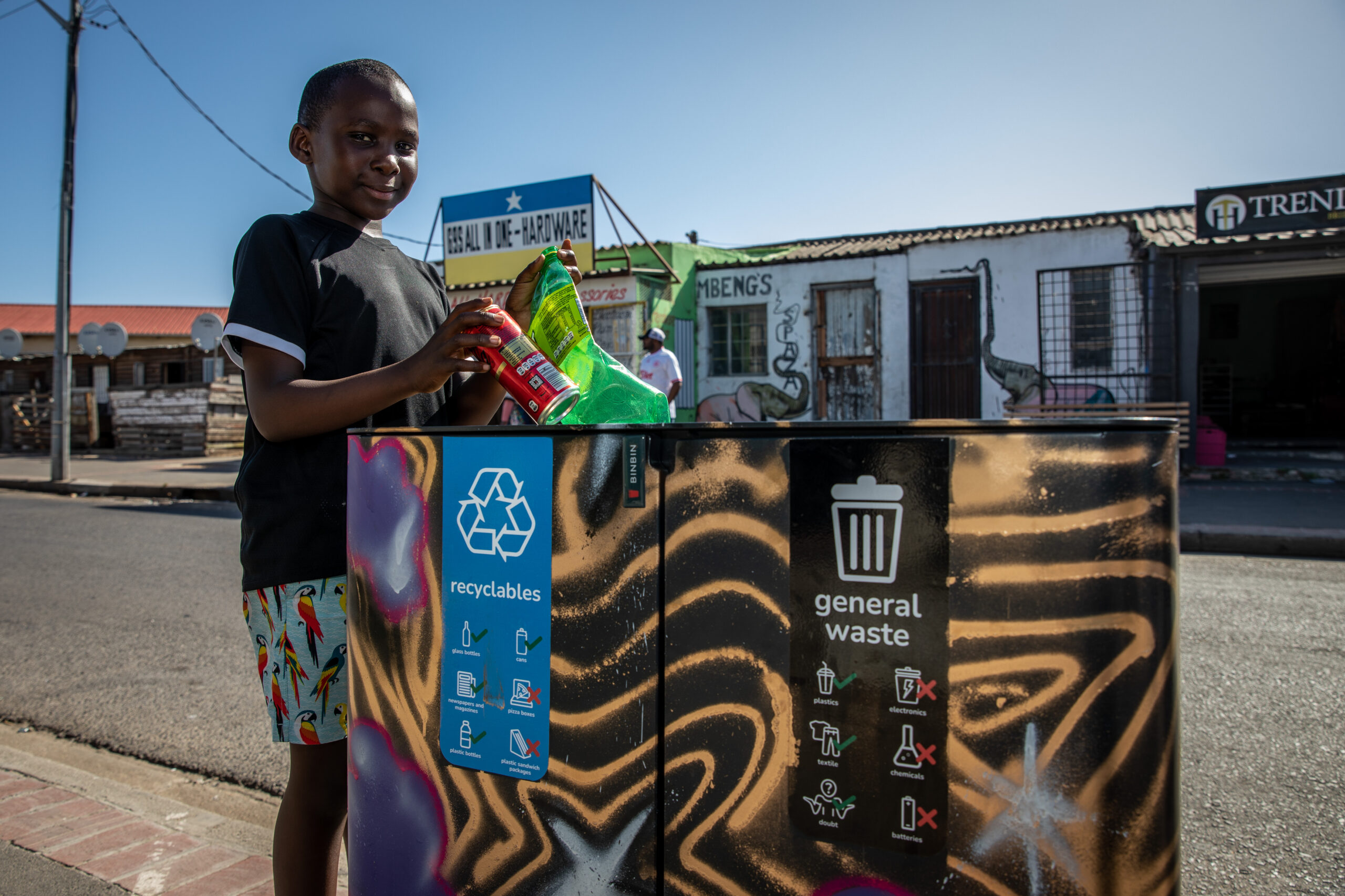
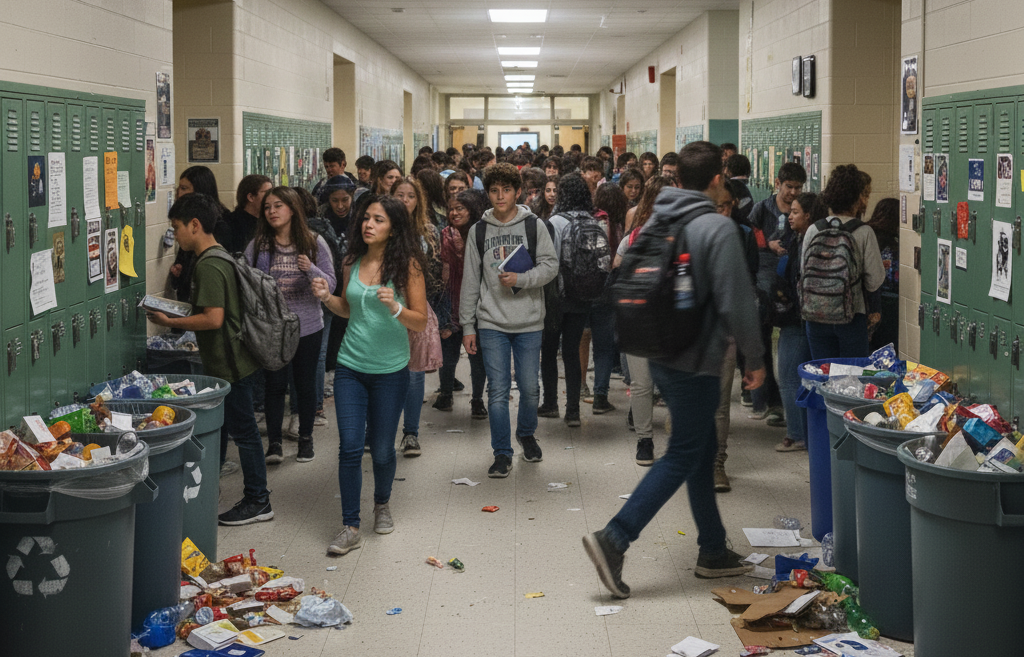
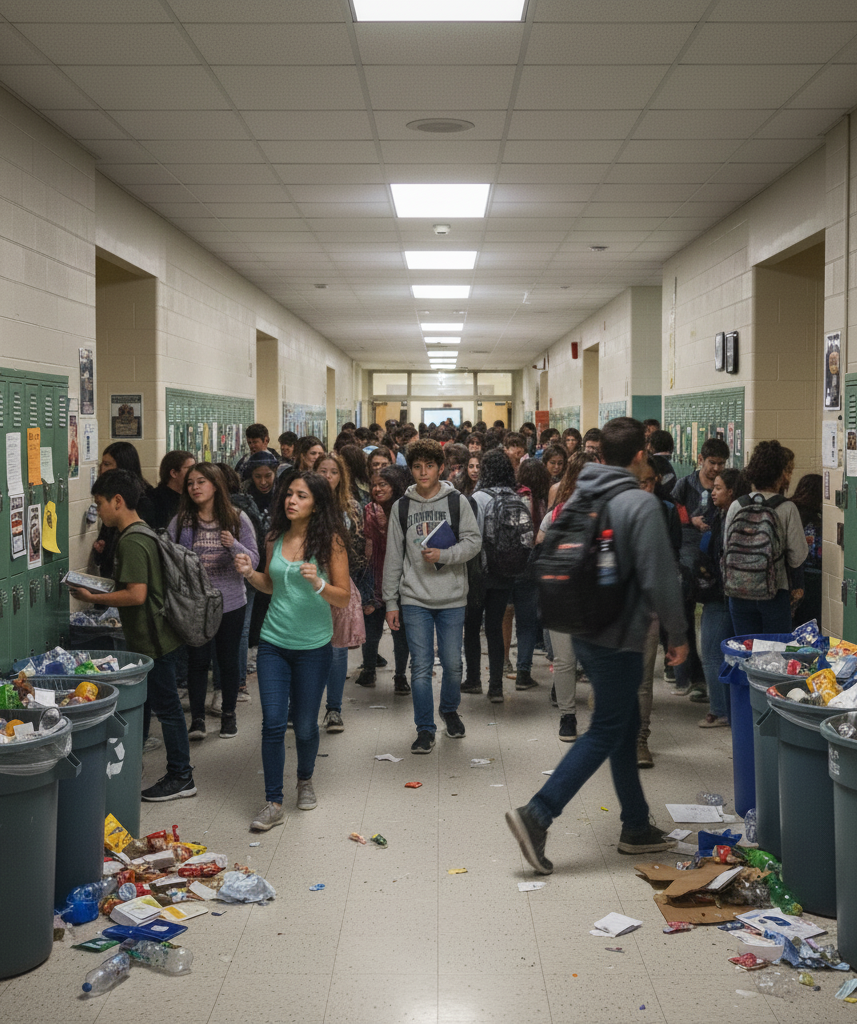
Yes, waste management can help pay for schools through multiple revenue streams and cost savings. Educational institutions can generate income from recycling programs, receive grants for sustainability initiatives, and significantly reduce disposal costs through proper waste separation. Schools also benefit from educational partnerships and long-term operational savings that free up budget for other priorities.
What does 'waste management pays for school' actually mean?
When people say waste management pays for schools, they're referring to the financial benefits that educational institutions gain from implementing comprehensive waste management programs. Schools can generate revenue through recycling buyback programs, reduce operational costs by minimizing waste disposal fees, and access funding opportunities specifically designed for sustainability initiatives.
Beyond direct financial returns, effective waste management in schools creates educational value that supports curriculum goals. Students learn environmental responsibility, develop practical life skills, and engage in hands-on STEM learning through waste reduction projects. These programs also improve the school's environmental reputation, which can attract additional funding and community support.
The concept encompasses both immediate financial benefits and long-term value creation. Schools that implement proper waste separation systems often find that their investment pays for itself within the first year through reduced disposal costs and recycling revenue.
How do schools make money from waste management programs?
Recycling buyback programs provide the most direct revenue stream for schools. Educational institutions can earn money by selling recyclable materials such as paper, cardboard, aluminium cans, and plastic bottles to recycling companies or waste management contractors that pay market rates for these materials.
Cost savings represent another significant financial benefit. Schools can reduce their waste disposal fees by diverting recyclable materials from general waste streams. Since waste collection costs are typically calculated by volume or weight, effective separation programs can cut disposal expenses by 30-50%.
Grant opportunities specifically target educational sustainability initiatives. Government programs, environmental foundations, and corporate sponsors offer funding for schools that implement innovative waste management solutions. These grants often cover equipment costs, staff training, and educational materials.
Educational partnerships with environmental organizations can provide additional value through sponsored programs, equipment donations, and curriculum support that reduces operational costs while enhancing learning opportunities.
What are the biggest cost savings schools see from proper waste separation?
The largest cost savings come from reduced waste disposal fees. Schools typically pay for waste collection based on container size and pickup frequency. Effective separation programs can reduce general waste volume by 40-60%, allowing institutions to downsize their waste containers or reduce collection frequency.
Recycling revenue provides ongoing income that accumulates over time. While individual payments may seem modest, schools with 500+ students can generate hundreds to thousands of pounds annually from recyclable materials, depending on local market rates and participation levels.
Long-term operational savings emerge from improved efficiency and reduced waste-related maintenance costs. Schools with organized waste systems spend less time on cleanup, experience fewer pest problems, and maintain cleaner facilities that require less intensive cleaning.
Administrative cost reductions occur when schools streamline their waste management processes. Proper systems reduce the time staff spend managing waste-related issues, allowing them to focus on educational priorities.
Which waste management programs offer the best educational value for students?
Hands-on recycling programs provide immediate educational value by teaching students about material properties, environmental impact, and resource conservation. Students learn to identify different materials, understand recycling processes, and see direct results from their efforts.
STEM integration opportunities arise naturally from waste management programs. Students can measure waste reduction, calculate cost savings, analyze recycling data, and design improved systems. These activities support mathematics, science, and engineering curriculum requirements.
Environmental awareness programs help students understand broader sustainability concepts, including climate change, resource conservation, and circular economy principles. This knowledge prepares them for future environmental challenges and career opportunities.
Practical life skills development occurs through daily participation in waste separation activities. Students learn organizational skills, responsibility, and civic engagement that benefit them throughout their lives.
What funding opportunities exist for school waste management initiatives?
Government grants at local and national levels support educational sustainability projects. Environmental agencies often provide funding for schools that demonstrate innovative approaches to waste reduction and recycling education.
Private foundation funding comes from environmental organizations, community foundations, and educational charities that prioritize sustainability initiatives. These foundations typically offer grants ranging from small equipment purchases to comprehensive program implementation.
Corporate partnerships provide another funding avenue, particularly with companies focused on environmental responsibility. Businesses often sponsor school programs as part of their community engagement and corporate social responsibility initiatives.
Community programs and fundraising opportunities allow schools to generate local support for waste management initiatives. Parent organizations, local businesses, and community groups frequently contribute to environmental education projects.
Here are the main funding sources schools should explore:
- Local council environmental grants
- National education sustainability programs
- Corporate environmental sponsorship opportunities
- Community foundation grants
- Parent-teacher organization fundraising
- Environmental charity partnerships
How do you implement a successful waste management program in schools?
Planning and assessment form the foundation of successful implementation. Schools should conduct waste audits to understand current disposal patterns, identify opportunities for improvement, and establish baseline measurements for tracking progress.
Follow this step-by-step implementation approach:
- Conduct a comprehensive waste audit to understand current patterns
- Engage students, staff, and parents in program planning
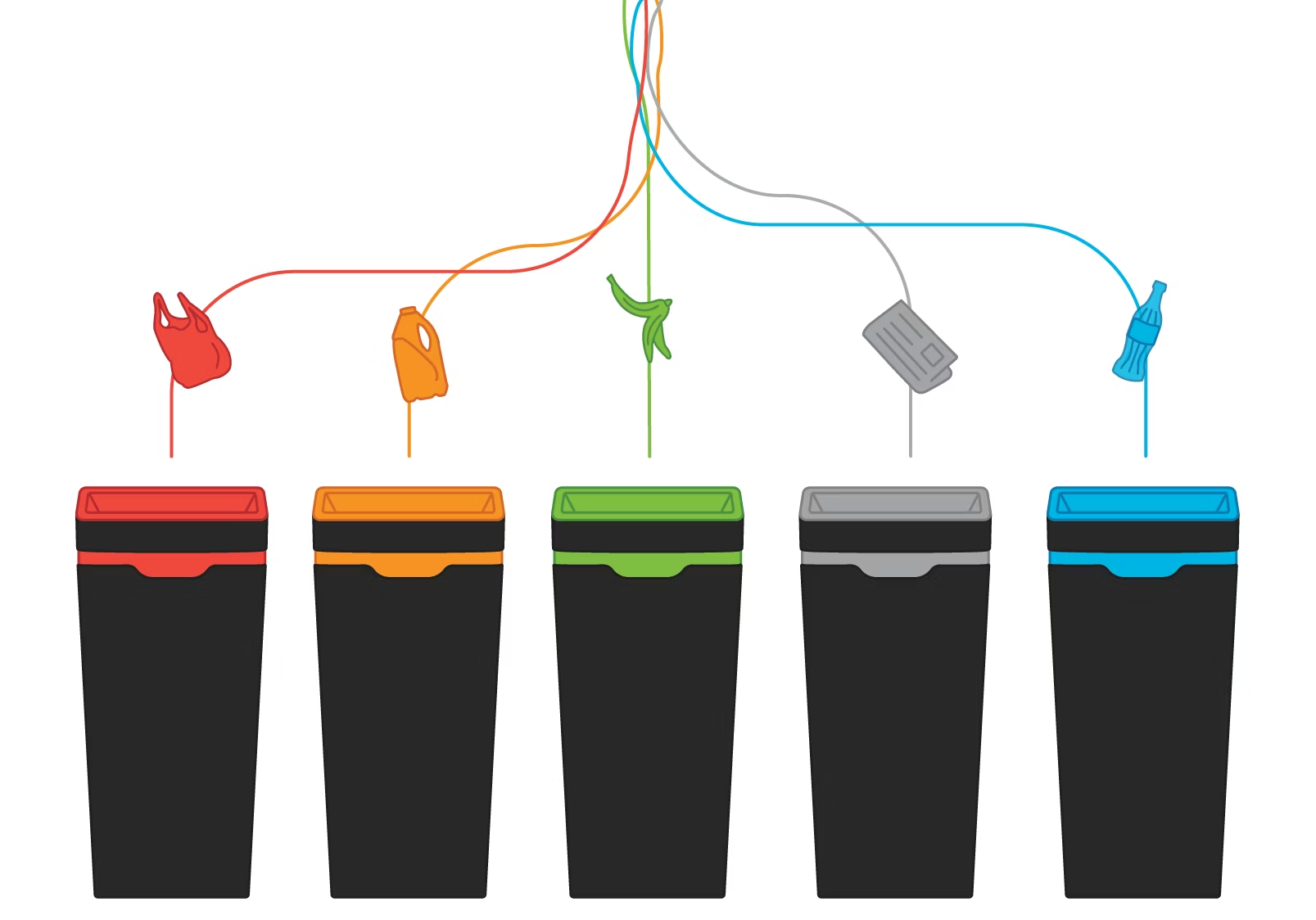
- Select appropriate waste separation systems for different areas
- Develop clear signage and communication materials
- Provide training for all staff and student leaders
- Launch with pilot areas before school-wide implementation
- Monitor progress and adjust systems based on results
- Celebrate successes and maintain ongoing engagement
Student engagement strategies ensure long-term success. Create student leadership roles, establish friendly competition between classes, and integrate waste management into curriculum activities. Regular feedback and recognition maintain enthusiasm and participation.
Staff training and ongoing support are essential for consistent implementation. All school personnel need to understand the system, their roles, and how to support student learning through waste management activities.
How BINBIN helps schools with sustainable waste management solutions
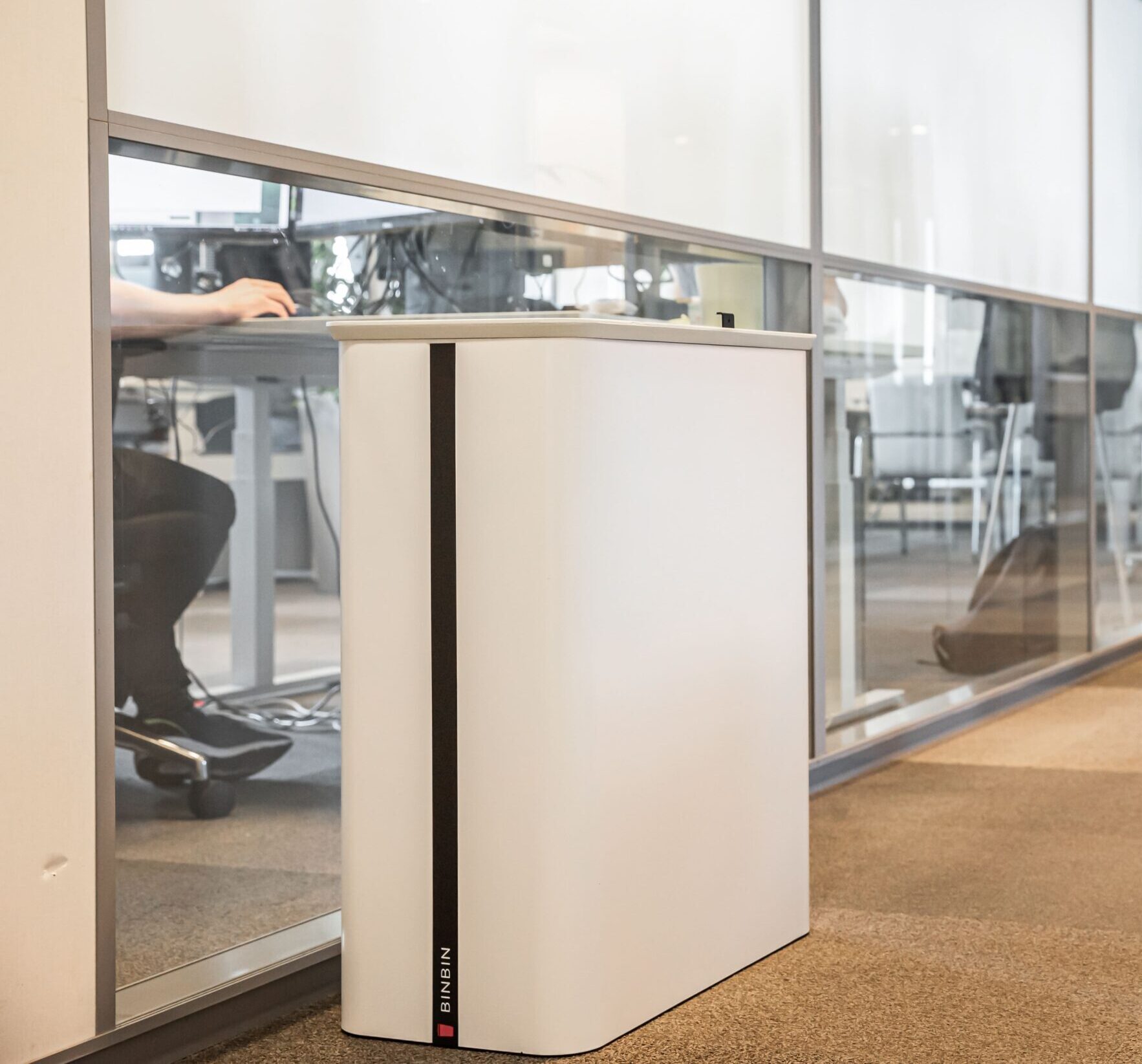
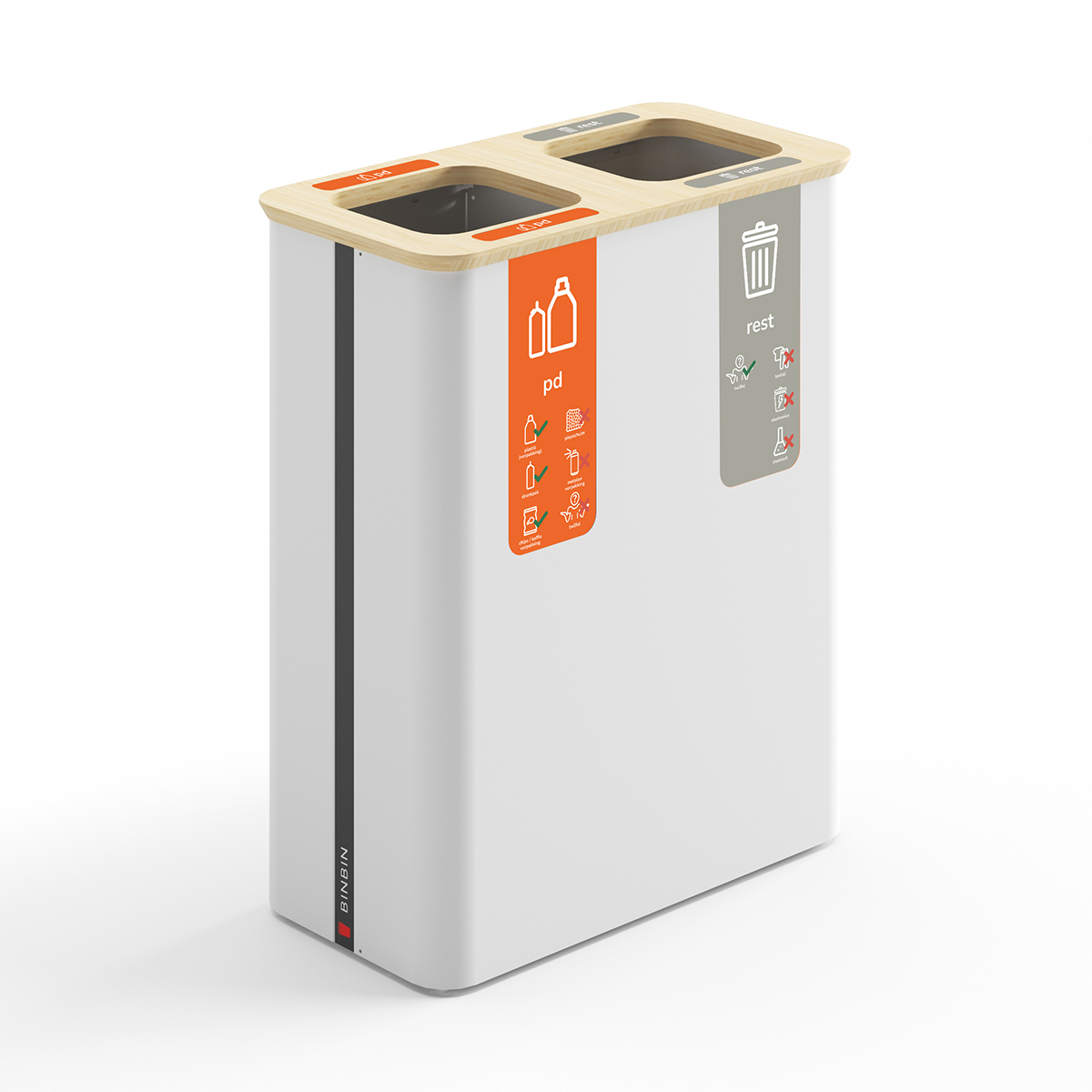
BINBIN provides comprehensive waste separation solutions specifically designed for educational environments. Our modular systems adapt to growing programs and changing needs, while our durable construction withstands high-traffic school environments.
Our educational waste management solutions include:
- Modular systems that grow with your program from 1 to 8 waste streams
- Durable construction designed for busy educational environments
- Clear, intuitive design that supports student learning
- Customizable configurations for different school areas
- Comprehensive implementation support and training materials
We provide personalized guidance throughout the implementation process, including waste audits, system design, and communication strategies. Our team helps schools maximize both educational value and cost savings from their waste management initiatives.
Ready to transform your school's waste management program? Contact us for a consultation and discover how our solutions can help your school achieve its sustainability and educational goals.