Blogs
Blogs
Every day, thousands of students and teachers gather in school buildings that are buzzing with activity, energy, and, unfortunately, a lot of waste. As the world becomes increasingly aware of the urgent need for sustainability, the education sector stands at a crossroads. A theme also emphasized by the UNESCO Education for Sustainability Development Framework. Schools are uniquely positioned, not just as places of learning, but as catalysts for broad societal change. Yet, many are still struggling to manage waste effectively.
Why does this problem persist, and what’s at stake for the next generation if nothing changes?
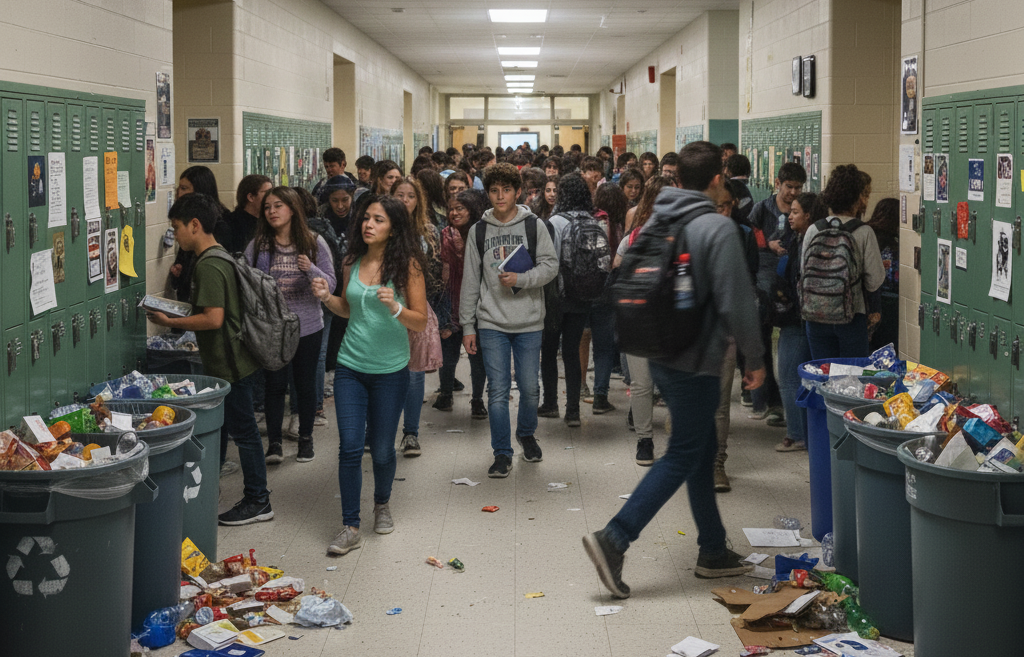
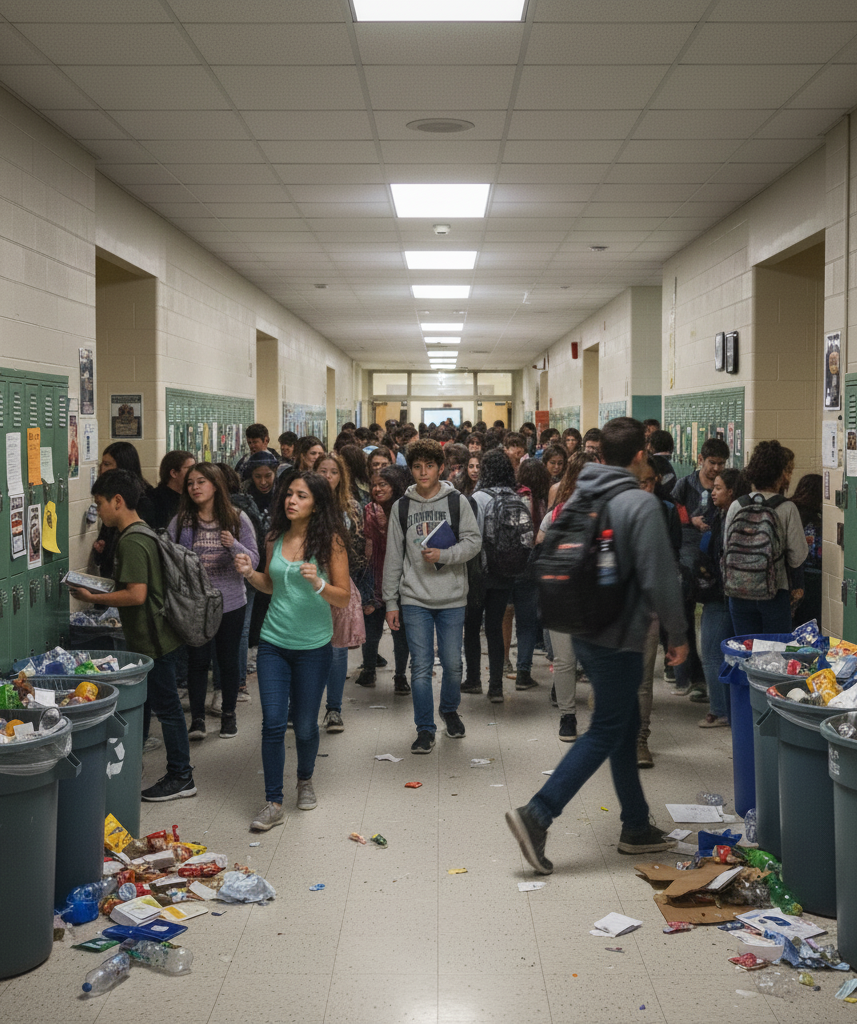
Walk through any school corridor and you’ll see overflowing waste bins, discarded packaging from snacks and recycling points that rarely meet their full potential. For schools, waste isn’t just a matter of aesthetics, it’s about resource management, cost control and instilling lifelong habits in future citizens. Research from the European Environment Agency shows how public buildings, including schools, contribute significantly to waste streams.
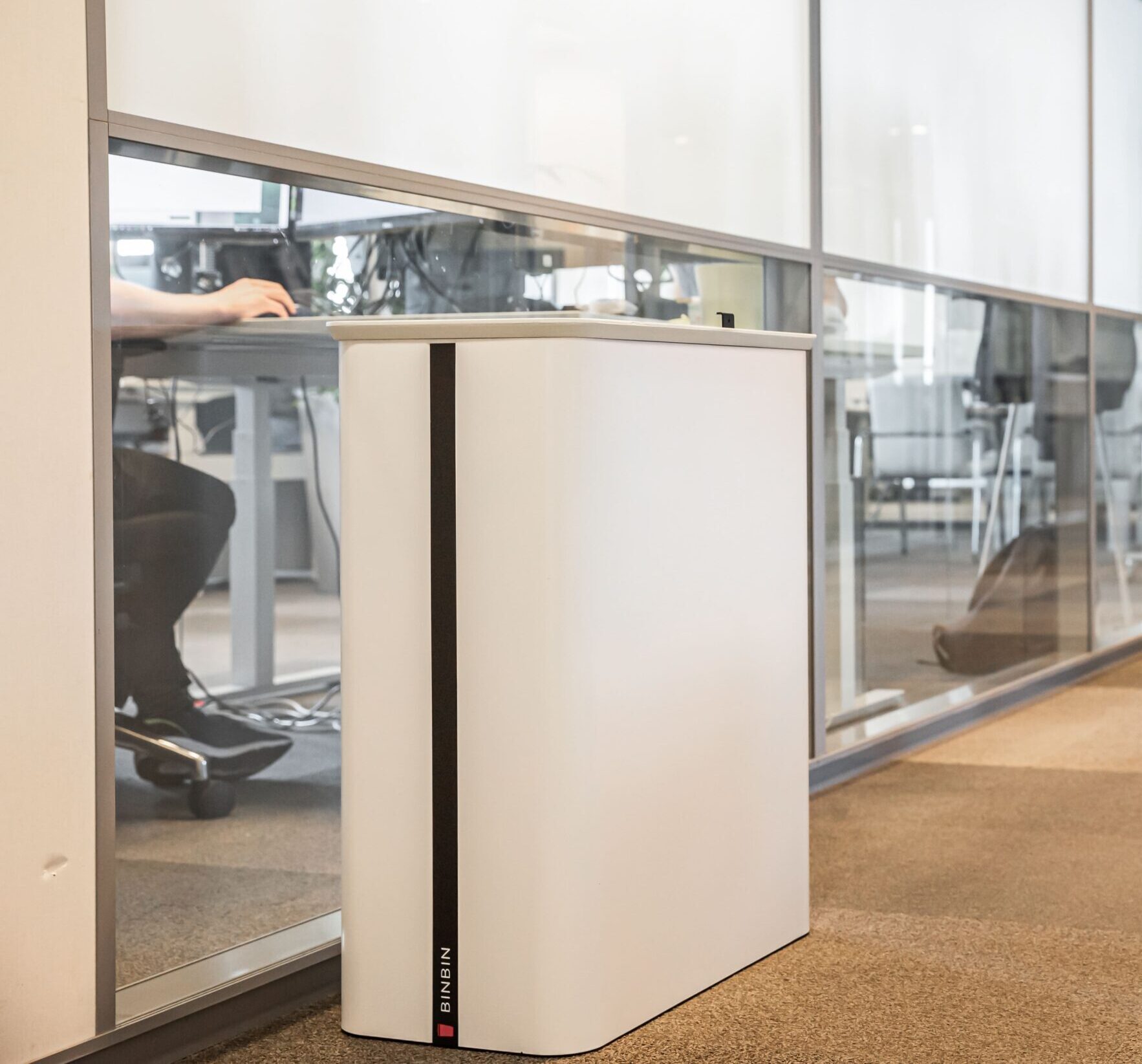
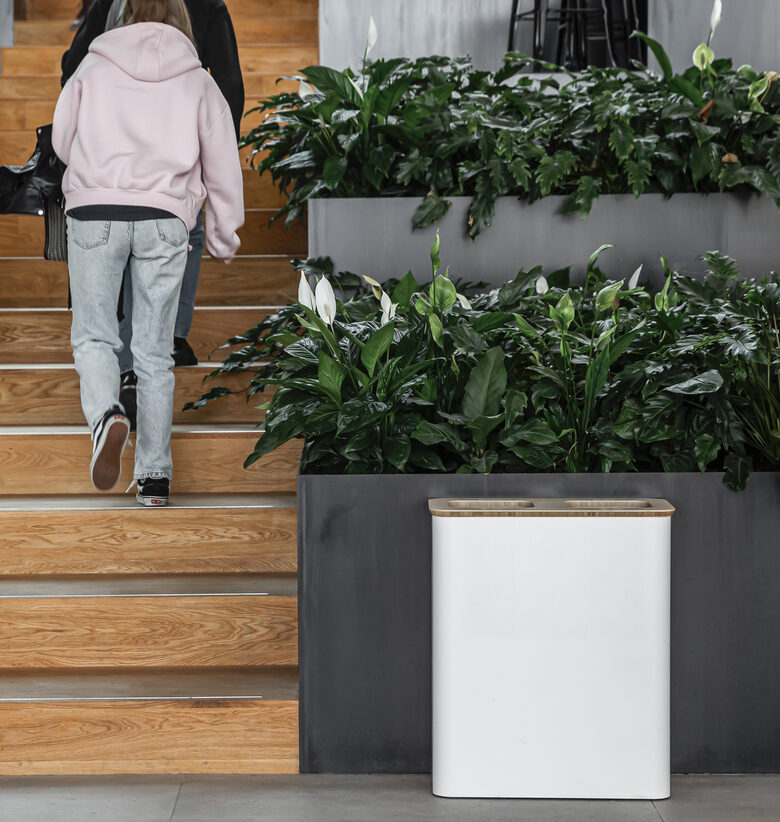
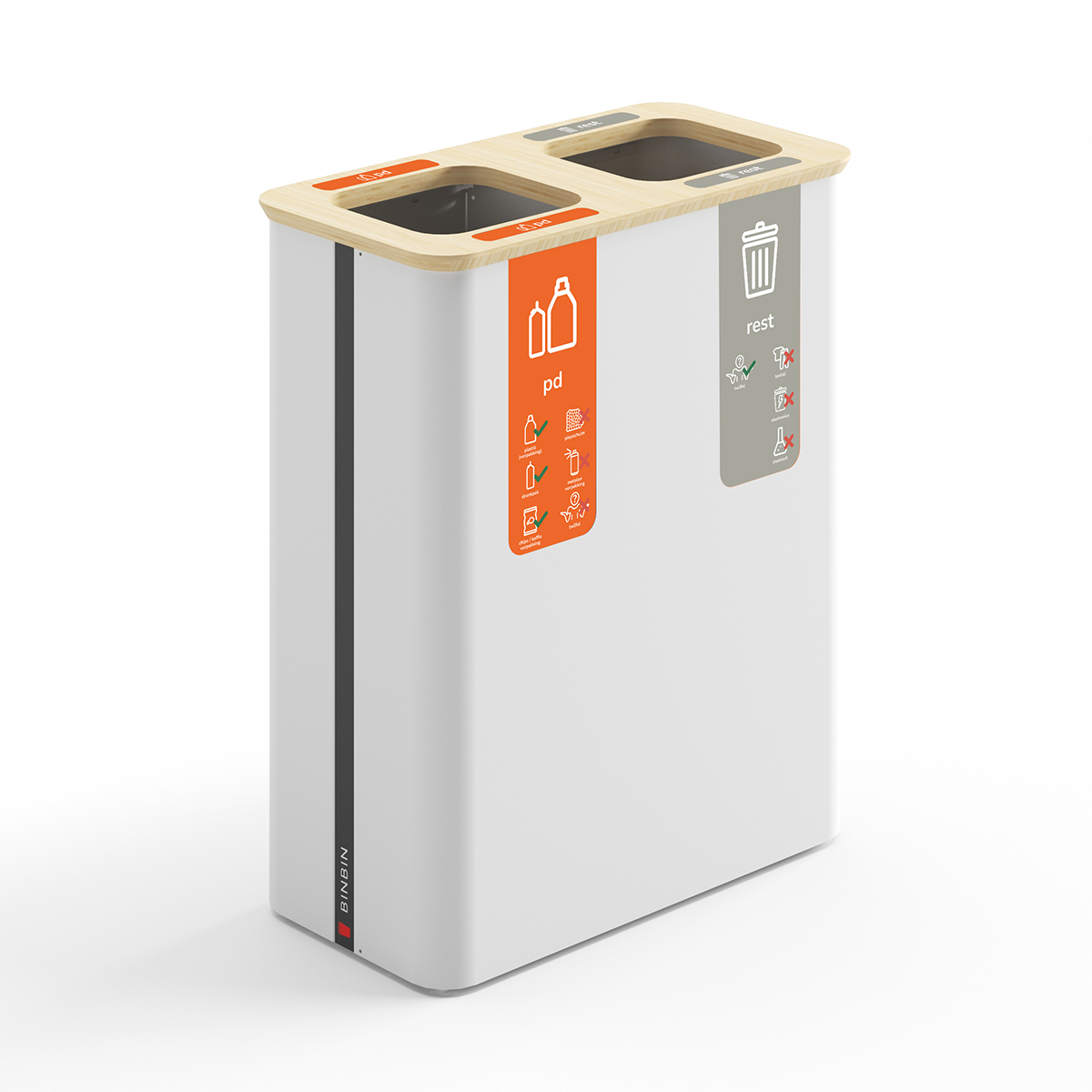
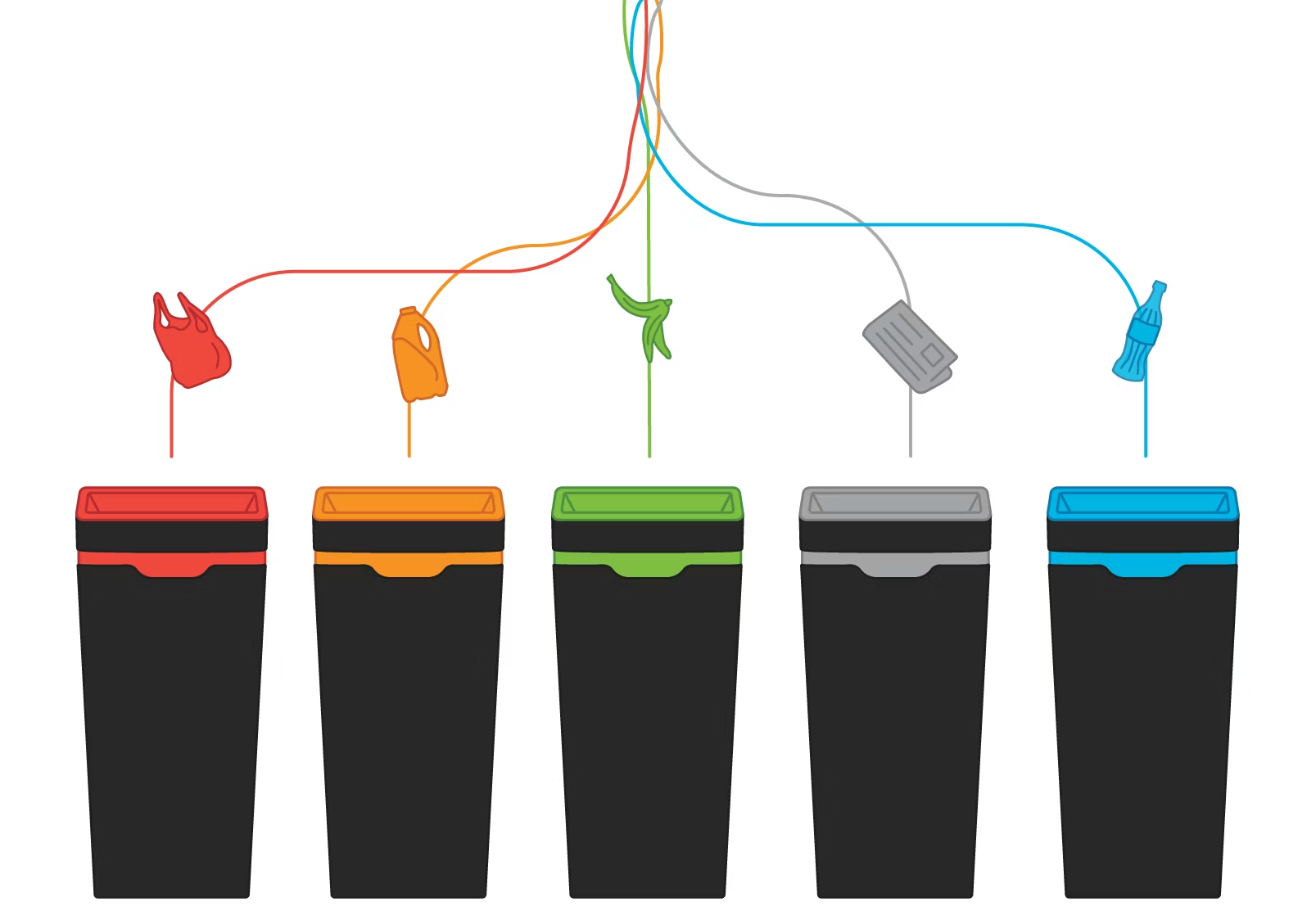
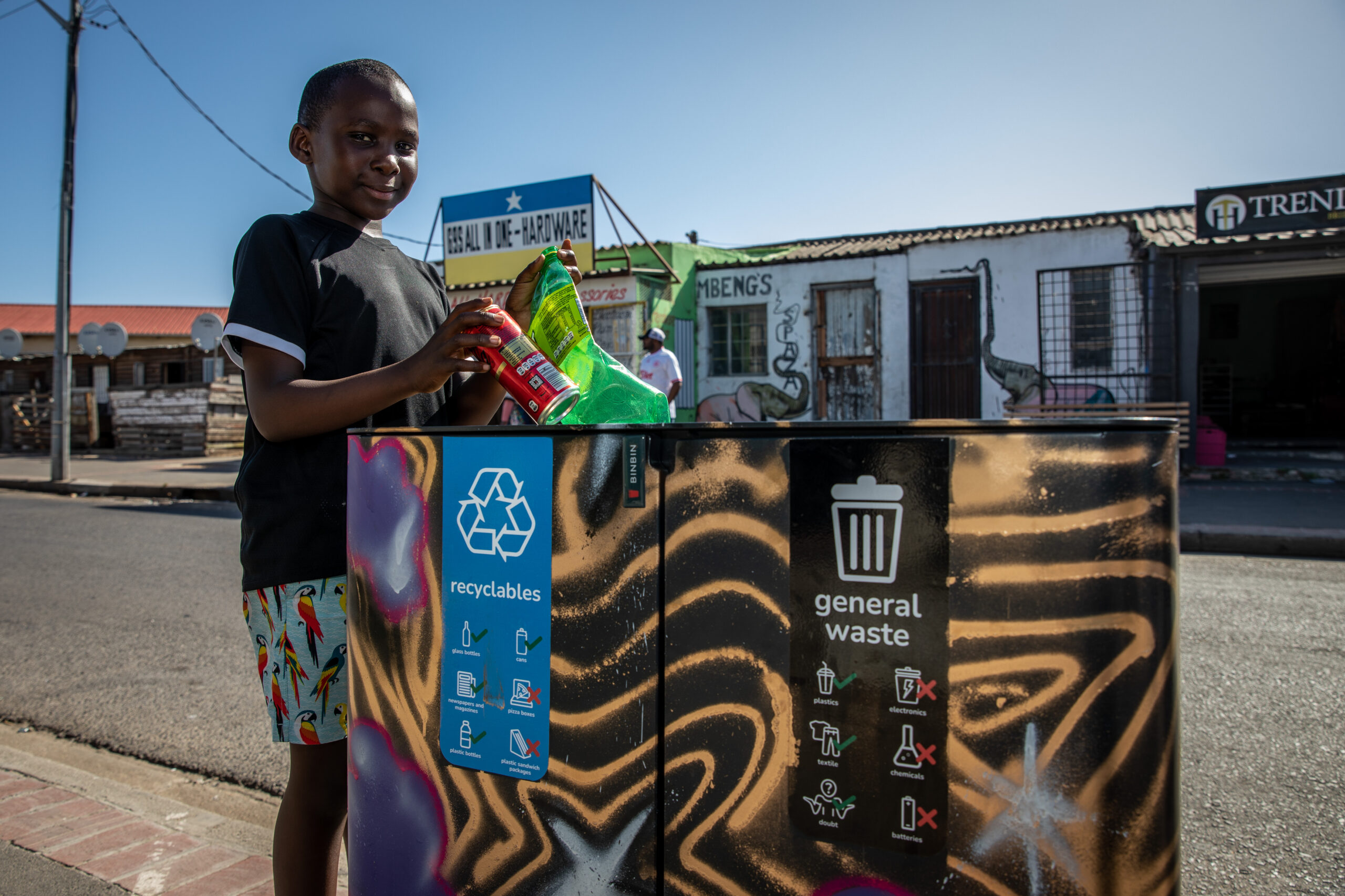
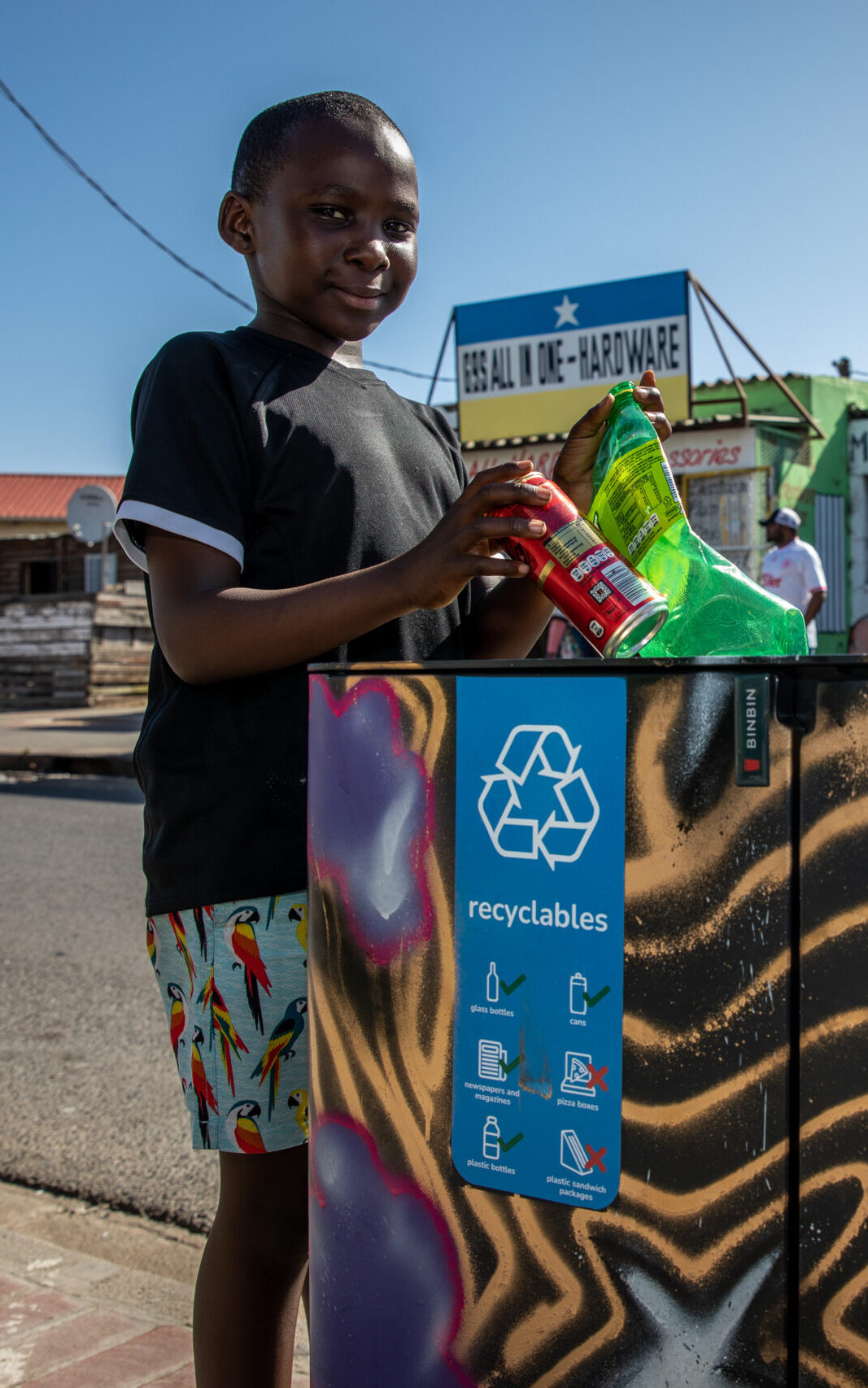
The primary issue? Many educational institutions are under-equipped to handle the volume and variety of waste generated each day. Something BINBIN addresses through its modular waste separation systems.
The wider impact: why schools must rethink waste
The waste problem in education doesn’t stay within the schoolyard, it echoes through the community and beyond. From energy consumption to landfill contributions, schools have a measurable environmental footprint. Moreover, the habits students learn now are likely to become their lifelong practices. If schools overlook sustainable waste separation, they miss a critical opportunity to shape environmentally conscious citizens.
Related search topics such as “school sustainability initiatives,” “waste management for schools,” and “educational circular economy” highlight how crucial this issue is for stakeholders, parents, and school boards alike.
The Ellen MacArthur Foundation provides an excellent overview of the circular economy in educational settings.
Common barriers facing schools in tackling waste
Even as the relevance of terms like “zero waste schools,” “green campus solutions,” and “eco-friendly bins for education” grows, many people remain unaware of efficient and sustainable options that already exist.
With climate goals on national agendas and municipalities setting new standards for circularity, the pressure on schools is intensifying. Addressing school waste is not about ticking another administrative box, it’s about empowering the next generation to make responsible choices. Studies show that early exposure to sustainable practices significantly increases the likelihood of children maintaining those habits into adulthood.
By recognizing the problem now, educational institutions pave the way for holistic school waste management and position themselves as role models in their communities. When schools lead, families and local organizations often follow.
Getting ready: The role of collaboration and engagement
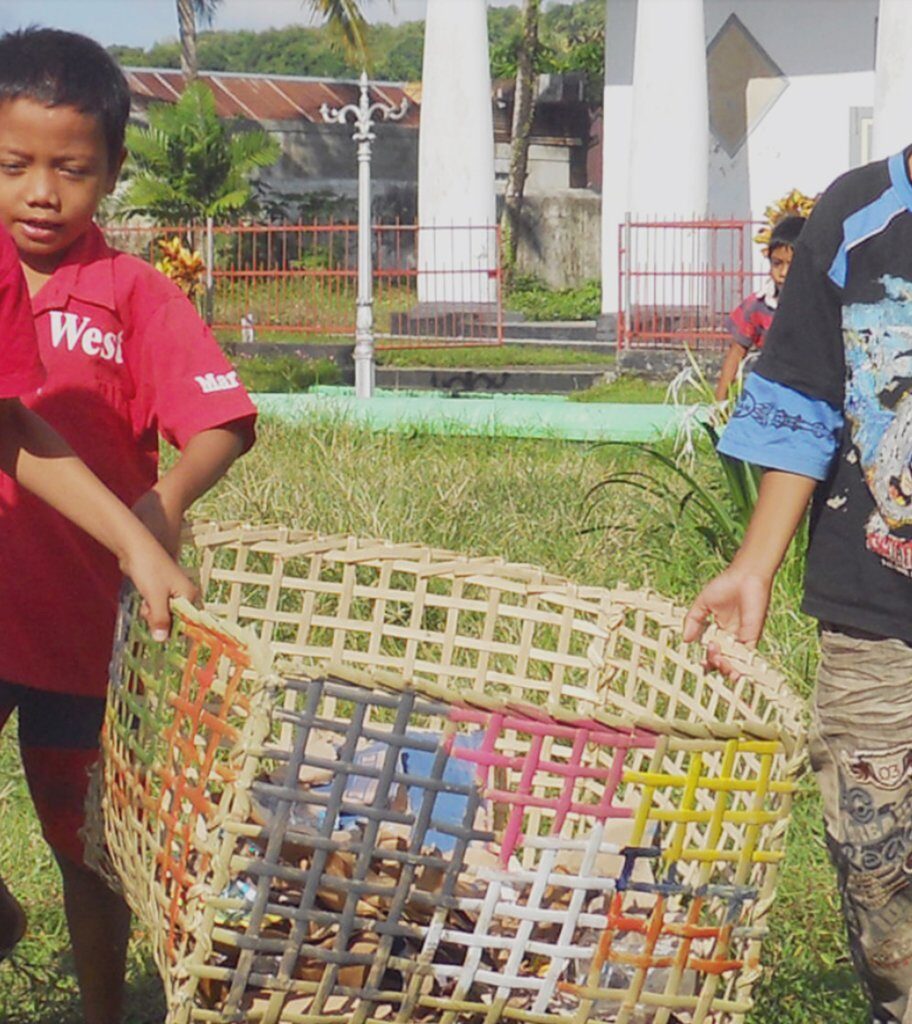
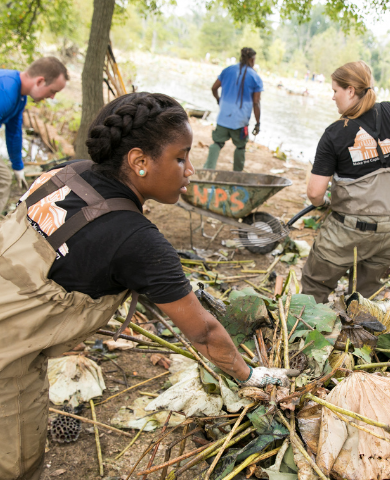
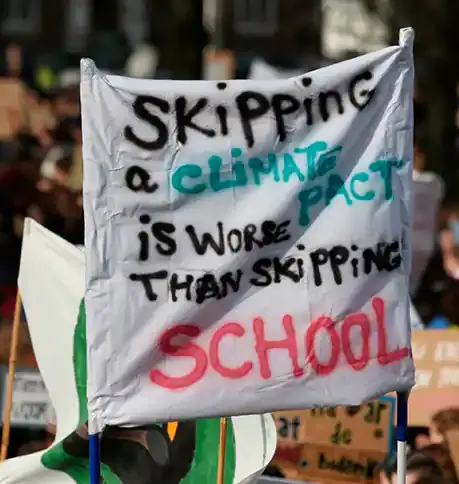
Solving the waste challenge in education starts with open conversations and realistic assessments of current practices. Visuals of schools collaborating on sustainability, involving both teachers and students, send a powerful message. Encouraging pupil participation, through initiatives, clubs, or competitions, can be pivotal for change.
A collective approach generates excitement and trust, which is the bedrock for transformational change.

Schools are more than just places of education, they’re community beacons. By acknowledging the urgent challenge of educational waste, we take the first essential step toward sustainability. The question is clear: Will your school rise to the challenge, or will the problem continue to grow?
Curious how your school can make a difference? Discover new possibilities for sustainable waste management in education. Take the first step today!
We would love to get in touch with you.
Other articles