




Popular industries
  • Office

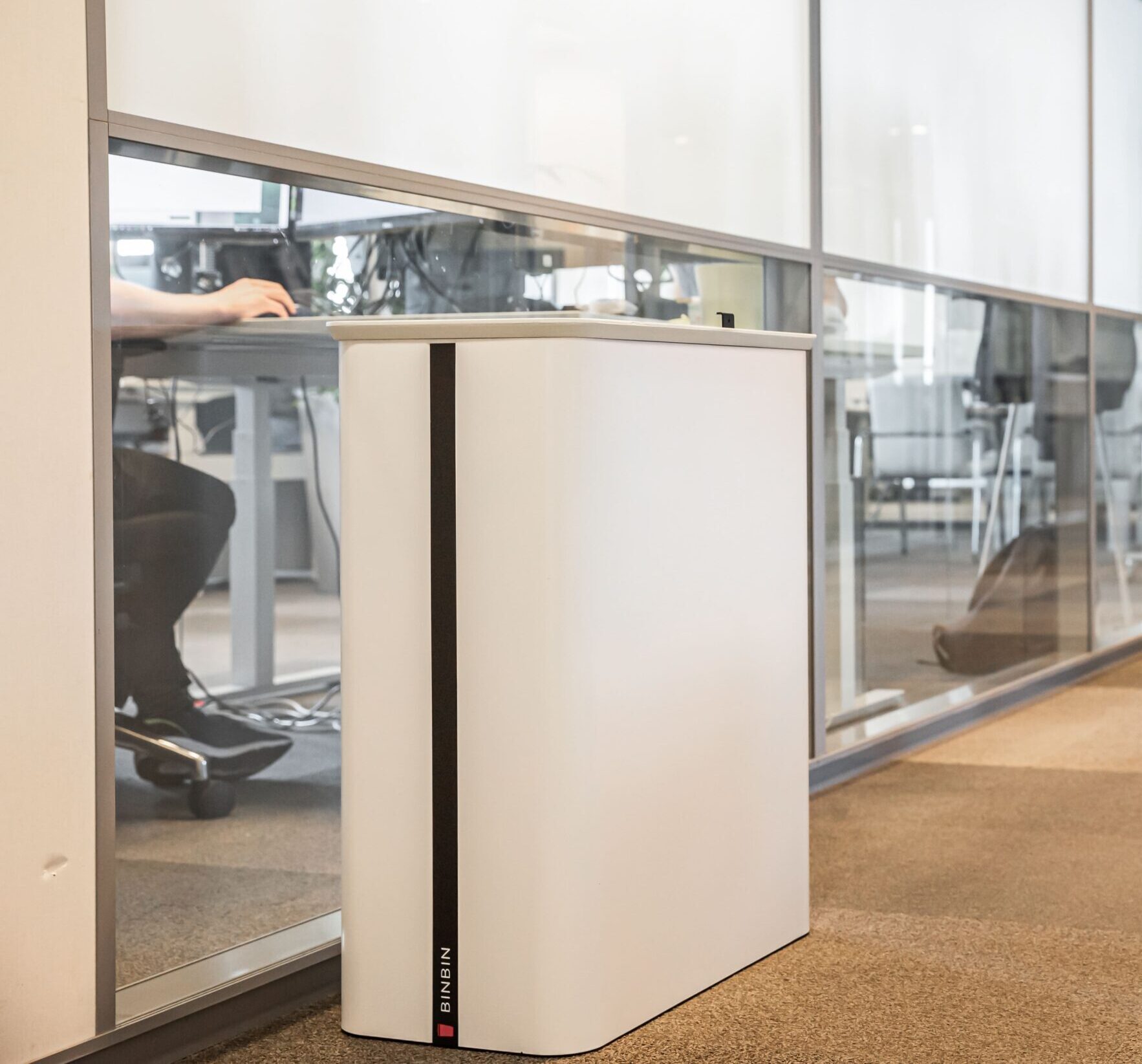
    We help offices separate waste efficiently to save costs, meet legal requirements, and strengthen their sustainability profile. Our modular, customizable bins make recycling clear and engaging for employees while fitting into any workspace. With the right setup, businesses can reduce waste, improve their green image, and work toward a circular future
  • Education

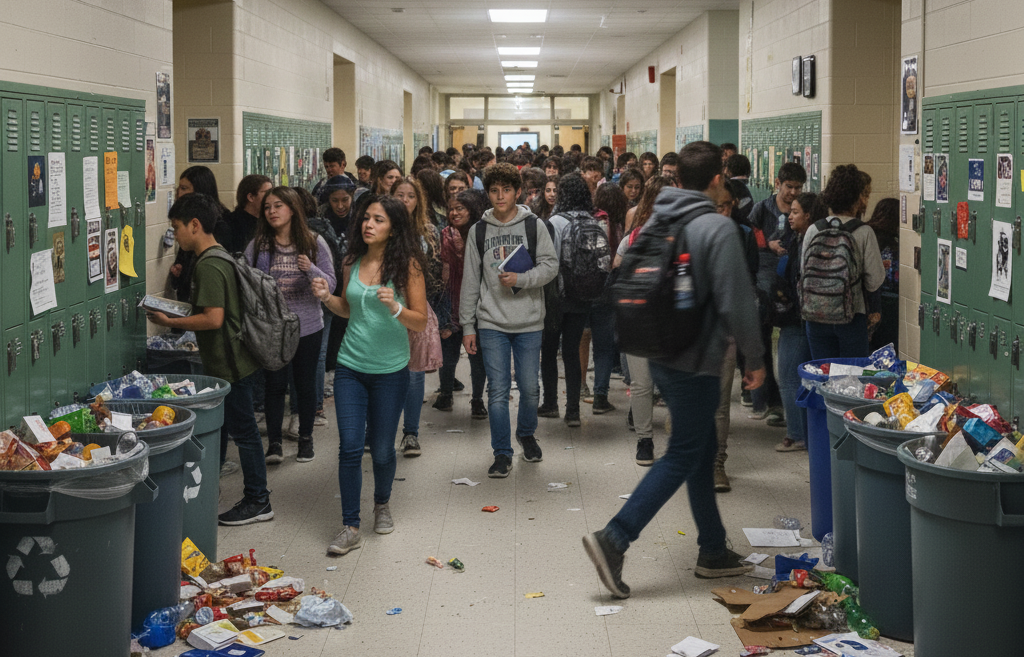
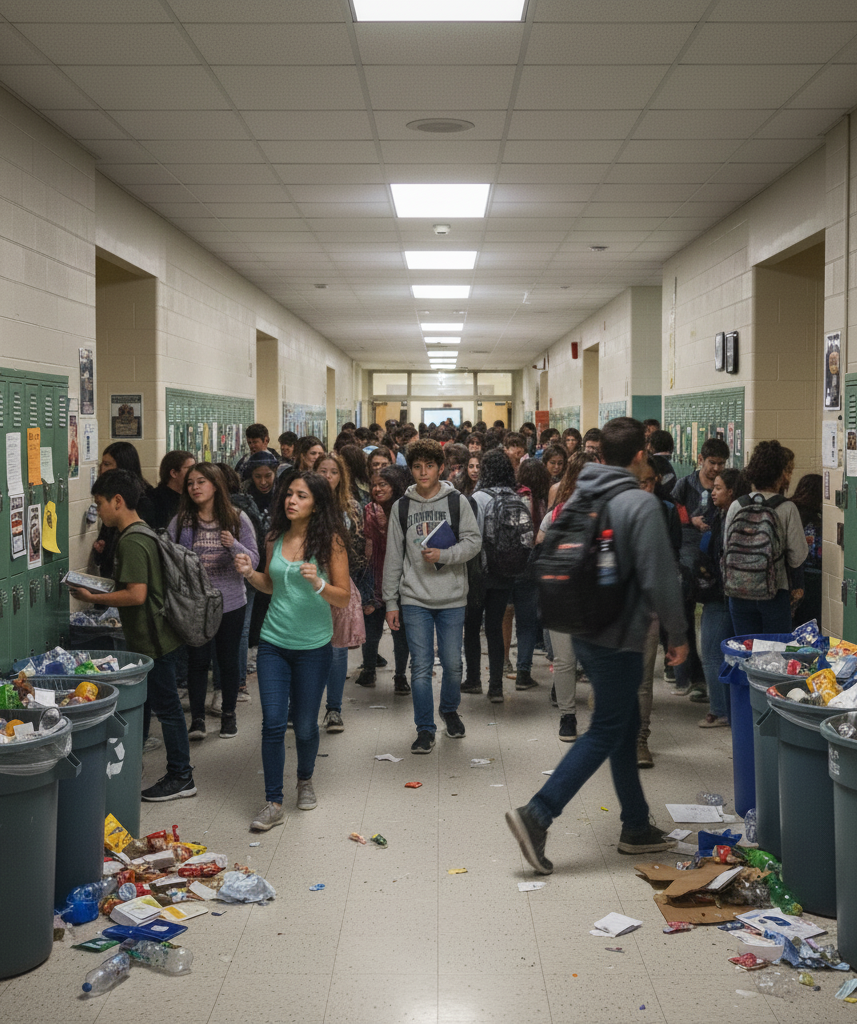
    At BINBIN, we help schools and universities make waste separation simple and engaging for students and staff. Our durable, modular bins with clear signings and customizable designs encourage correct recycling in classrooms, cafeterias and hallways. By combining the right products with strategic placement and awareness initiatives, we support education facilities in building long-term sustainable habits.
Popular products
  • Globular 60×2

    Split from 2 to 3 or 4 compartments
  • Generation Outdoor (2x90L)

    Split from 2 to 3 or 4 compartments

Blogs

ESG legislation

What is circular entrepreneurship?

So, what exactly is circular entrepreneurship? At its core, a circular business is one that ensures nothing goes to waste. You aim to make the most of what you have, and you think carefully about what you purchase. Circular businesses operate with a product or service offering that is based on circularity. This means that products can be fully reused and/or are made entirely from recycled materials. In a circular economy, you are mindful of raw materials—they are used longer and reused over and over again. Products have a longer lifespan, are easy to repair, and can be easily disassembled so that raw materials can be reused.

Why adopt circular entrepreneurship?

While circular entrepreneurship isn’t mandatory—yet—at BINBIN, we believe you should feel a sense of responsibility to aim for circular practices. Not only because future legislation will require it, but also because of our duty to the world we leave behind. We simply have no choice. Continuing to consume raw materials at this rate is unsustainable. Resources are becoming scarce, the Earth is being depleted, and we need to ensure the reuse and recycling of the valuable resources we have. Reducing the use of new raw materials decreases CO2 emissions and also stimulates innovation and new business opportunities.
"By 2050, Europe strives to be climate neutral. It sounds ambitious and maybe it is, but you can take simple steps towards circular entrepreneurship. The great thing is: every step counts. You don’t need to become a fully circular business overnight, but with every step you take, you contribute concretely to the path toward a climate neutral (circular) Europe."

Making circular entrepreneurship practical with smart waste separation

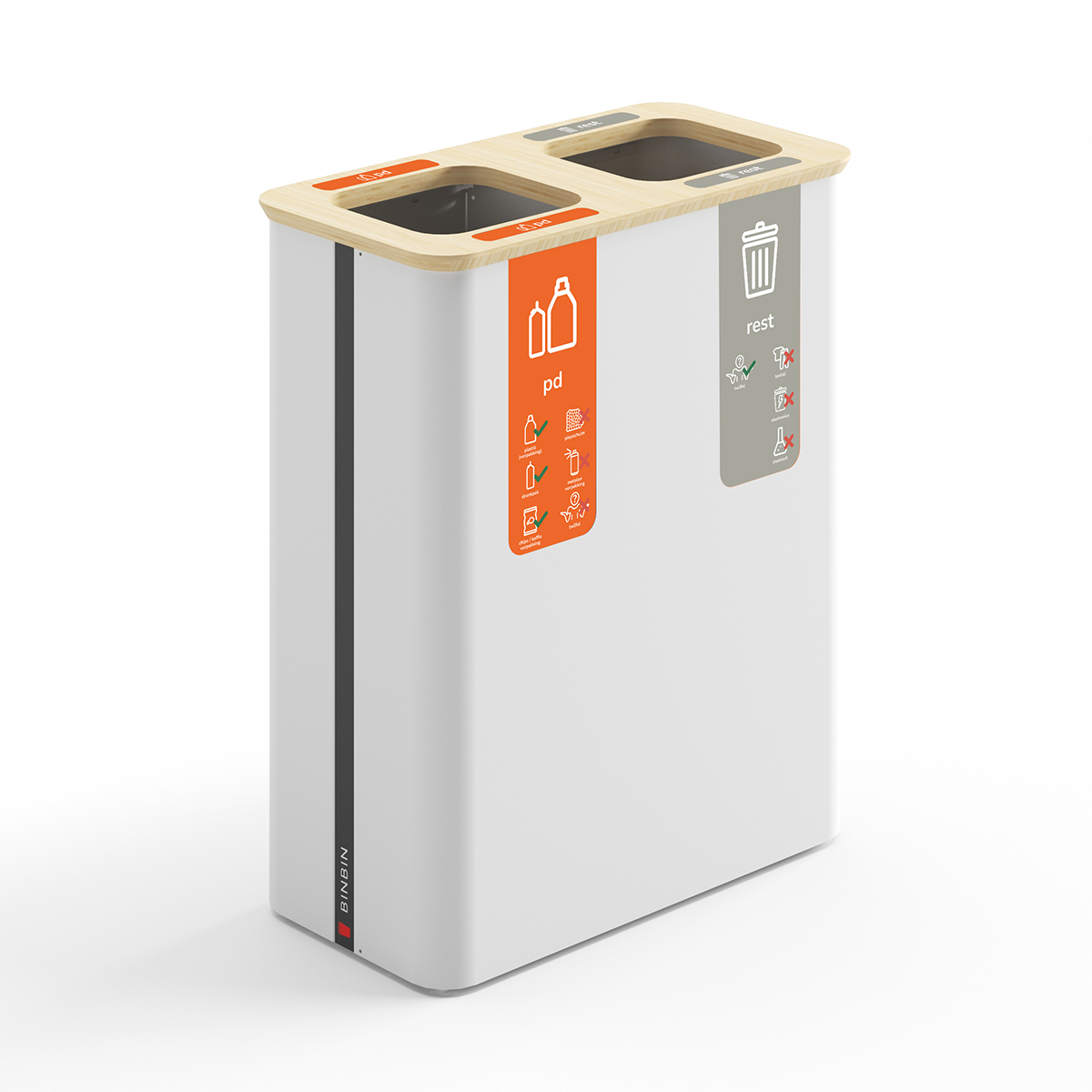
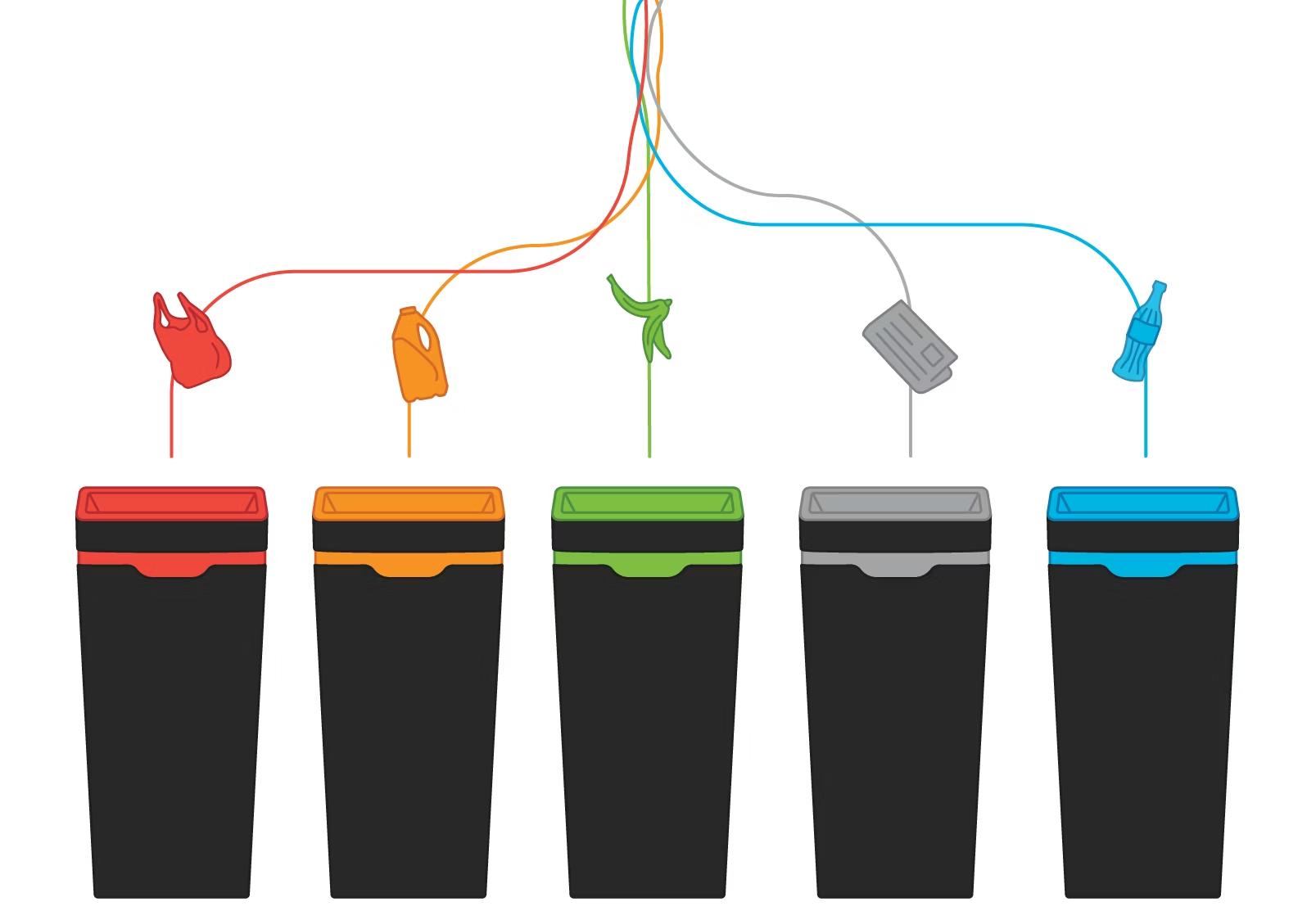
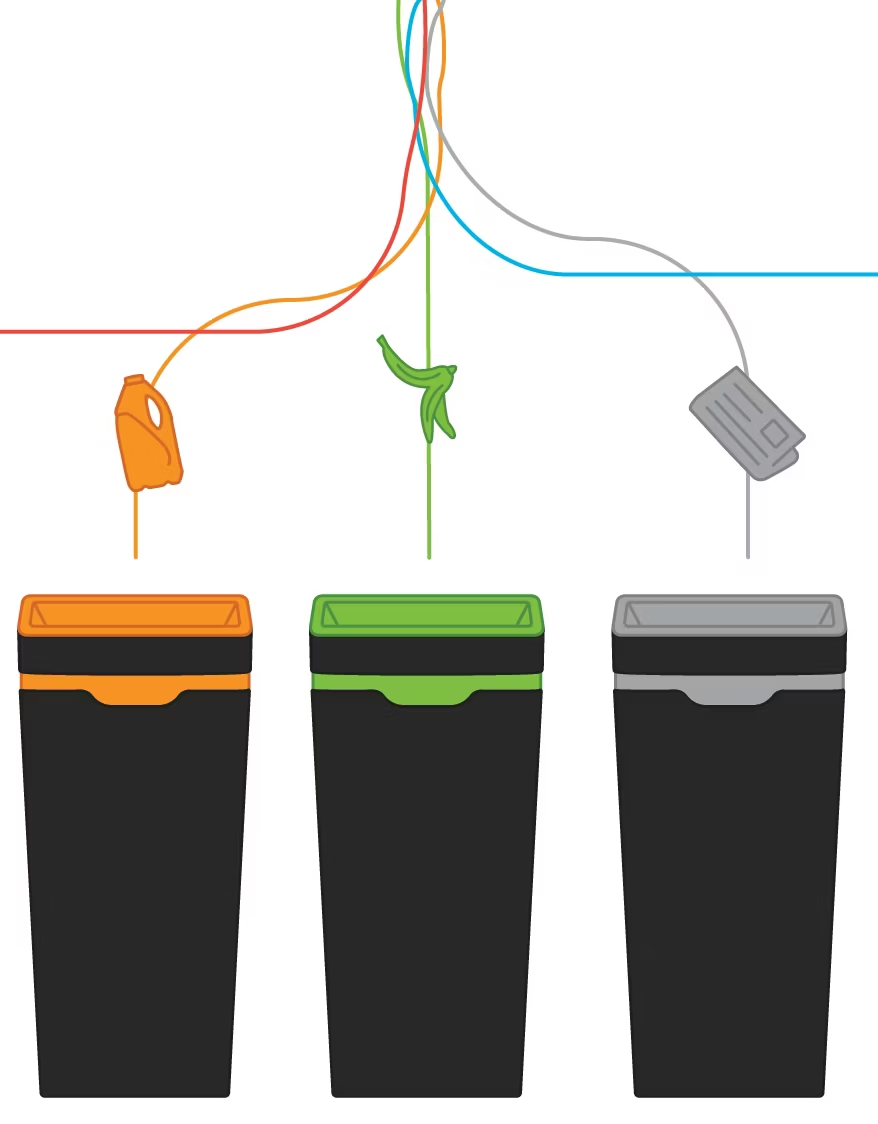
As a circular entrepreneur, you think carefully about the raw materials you use. Products made from composite plastics, for example, are almost impossible to recycle. Always choose for products made from one type of plastic or from materials that can be easily disassembled, leaving behind clean waste streams. You also need to consider your packaging materials—use as little as possible, and ensure it is reusable or recyclable. Other options include offering subscription-based services where your customer doesn’t buy your product but leases it, ensuring the materials return to you. Or have customers return their old products so you can refurbish and sell them again. With a little creativity, you can find many options that are also commercially interesting. Circular entrepreneurs run their businesses without generating waste. All raw materials used are recycled or reused. A circular economy is often referred to as a closed-loop economy. Waste separation plays an important role in this. By collecting and separating valuable raw materials in the form of waste and offering them for recycling, those materials are preserved and given a new life as new products. Waste separation plays a key role in the transition to a circular economy. A modular waste separation bin makes it easy to separate waste in the workplace. At BINBIN, we’re happy to help make waste separation within your organization simple and attractive. The modular BINBIN waste separation bins can be customized to the specific waste streams most common in your business. PMD, paper, organic waste, general waste, or coffee cups? It’s all possible! If your waste streams change, you can easily adjust your BINBINs at any time to meet the needs of your organization and your waste collector.
What it means and how BINBIN contributes

What is ESG legislation?

ESG stands for Environmental, Social & Governance. In simple terms, it refers to how companies manage their environmental impact, social responsibility, and corporate governance. Over the past years, the European Union has introduced several laws that require businesses to report on their sustainability performance and social impact. A key example is the Corporate Sustainability Reporting Directive (CSRD), which has been phased in since 2024.


Why is ESG compliance important?

ESG regulations push companies to be transparent about their impact on people and the planet. This not only drives sustainability but also builds trust with customers, investors, and employees. Transparency is becoming the standard, and greenwashing is increasingly exposed. Companies that fail to adapt risk reputational damage and financial penalties.

Europe's ESG legislation

The global demand for more sustainable, transparent, and socially responsible business practices is growing rapidly. In Europe, this translates into stricter regulations, including the introduction of ESG legislation. But what exactly does ESG mean? And how is BINBIN contributing to ESG goals in countries like the Netherlands, United Kingdom, Belgium, Germany, Portugal, Spain, and Italy?
How it works

ESG in different european countries

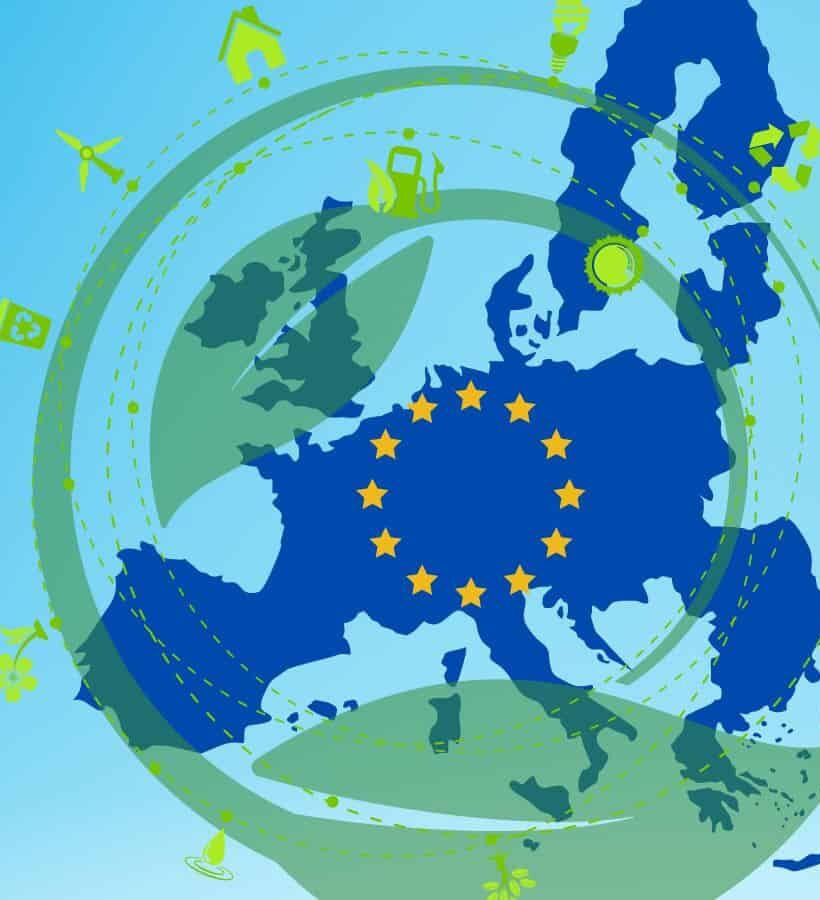
While ESG legislation is driven by the European Union, each country places its own emphasis:

  • The Netherlands: Leader in sustainability reporting and circular economy initiatives.
  • Belgium: Focus on social responsibility and diversity.
  • Germany: Strict laws on supply chain transparency (Supply Chain Act).
  • Portugal: Fast-growing commitment to renewable energy and circular solutions.
  • Spain: Extra emphasis on social justice within ESG frameworks.
  • Italy: Increasing focus on sustainability among family-owned businesses.
  • United Kingdom: Despite Brexit, the UK is aligning with global ESG trends, with strict climate targets, corporate sustainability disclosure requirements, and an ambitious net zero policy.


How BINBIN supports ESG goals

At BINBIN, we actively support businesses in achieving their ESG targets through:

  • Promoting waste separation and circular economy solutions in workplaces.
  • Providing data-driven insights on waste streams to help businesses optimise processes.
  • Developing awareness campaigns to drive behavioural change around waste and recycling.
  • Collaborating with organisations across Europe to translate local ESG challenges into practical, scalable solutions.

Easily separate raw materialsIt's here to stay

ESG legislation is not a passing trend but a structural shift in the way businesses operate. BINBIN helps organisations across Europe meet their sustainability goals, stay compliant, and make a real environmental and social impact. Together, we create cleaner, more responsible workplaces and contribute to a greener future.