What is circular entrepreneurship?
So, what exactly is circular entrepreneurship? At its core, a circular business is one that ensures nothing goes to waste. You aim to make the most of what you have, and you think carefully about what you purchase. Circular businesses operate with a product or service offering that is based on circularity. This means that products can be fully reused and/or are made entirely from recycled materials. In a circular economy, you are mindful of raw materials—they are used longer and reused over and over again. Products have a longer lifespan, are easy to repair, and can be easily disassembled so that raw materials can be reused.
Why adopt circular entrepreneurship?
While circular entrepreneurship isn’t mandatory—yet—at BINBIN, we believe you should feel a sense of responsibility to aim for circular practices. Not only because future legislation will require it, but also because of our duty to the world we leave behind. We simply have no choice. Continuing to consume raw materials at this rate is unsustainable. Resources are becoming scarce, the Earth is being depleted, and we need to ensure the reuse and recycling of the valuable resources we have. Reducing the use of new raw materials decreases CO2 emissions and also stimulates innovation and new business opportunities.
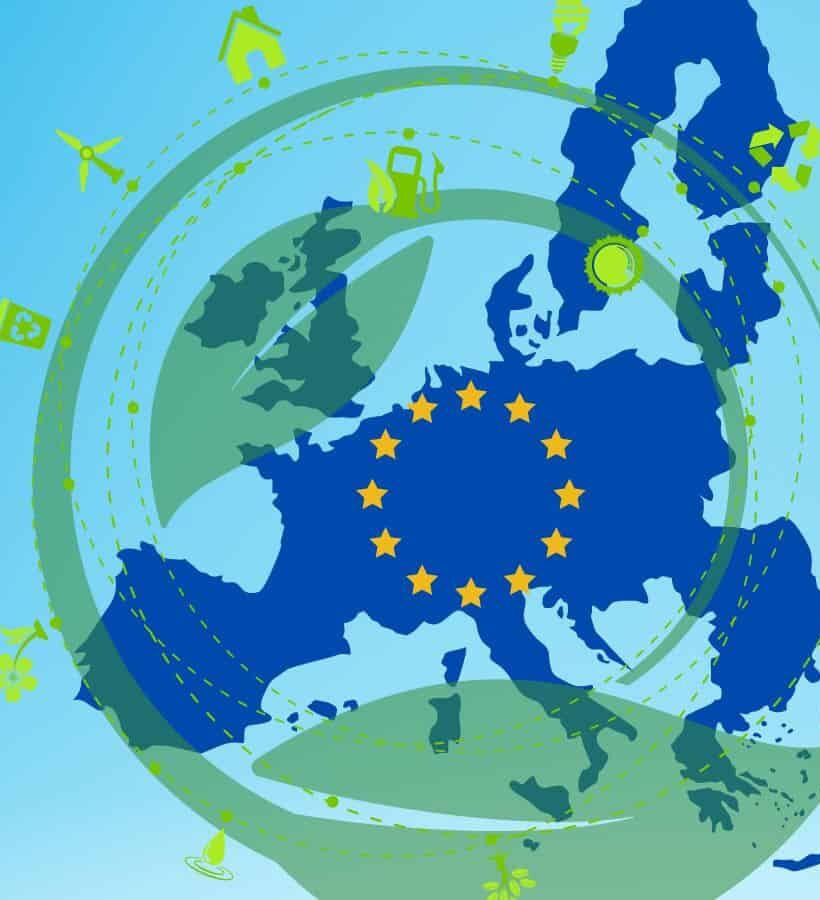
"By 2050, Europe strives to be climate neutral. It sounds ambitious and maybe it is, but you can take simple steps towards circular entrepreneurship. The great thing is: every step counts. You don’t need to become a fully circular business overnight, but with every step you take, you contribute concretely to the path toward a climate neutral (circular) Europe."
Making circular entrepreneurship practical with smart waste separation
As a circular entrepreneur, you think carefully about the raw materials you use. Products made from composite plastics, for example, are almost impossible to recycle. Always choose for products made from one type of plastic or from materials that can be easily disassembled, leaving behind clean waste streams. You also need to consider your packaging materials—use as little as possible, and ensure it is reusable or recyclable. Other options include offering subscription-based services where your customer doesn’t buy your product but leases it, ensuring the materials return to you. Or have customers return their old products so you can refurbish and sell them again. With a little creativity, you can find many options that are also commercially interesting.
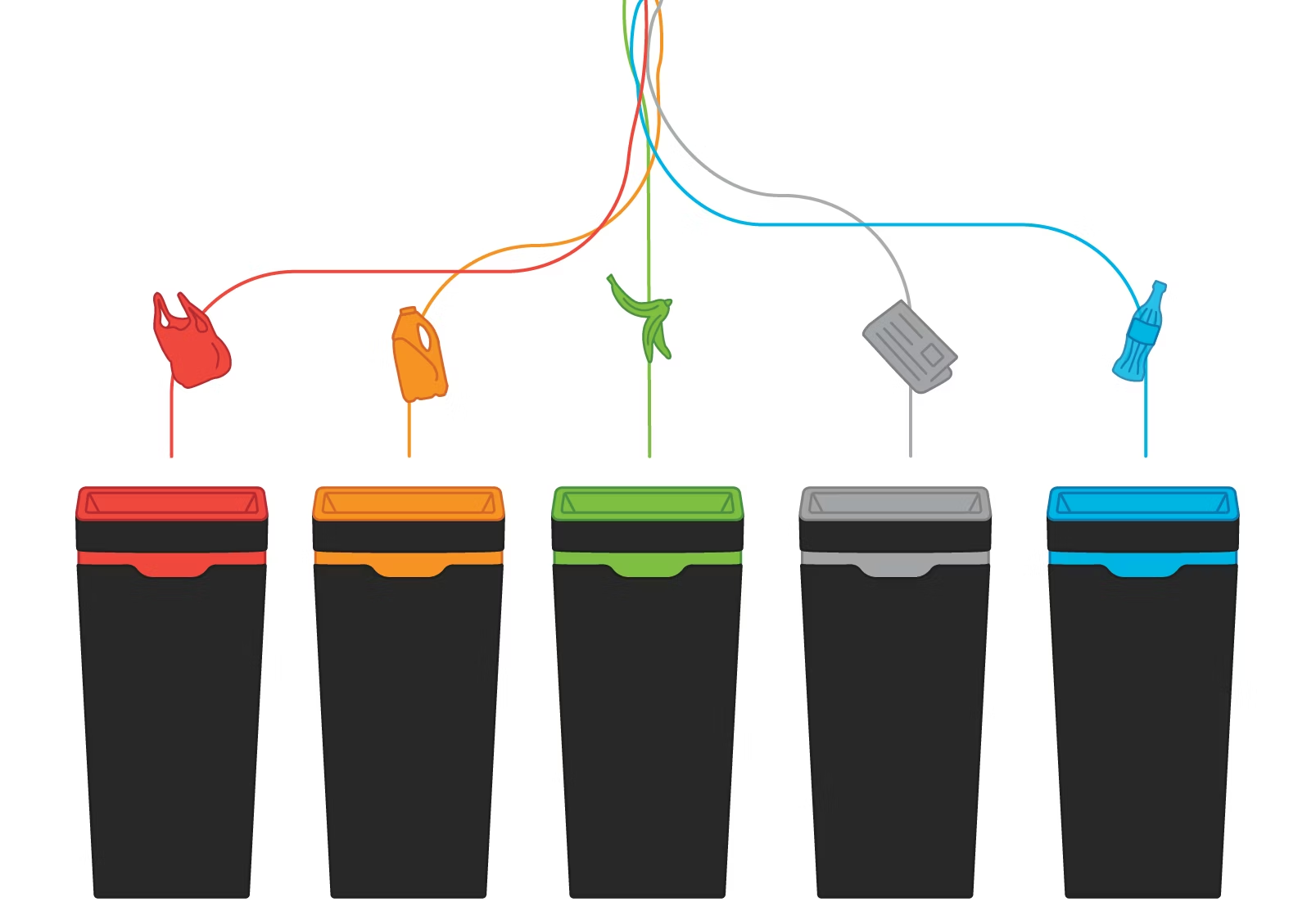
Circular entrepreneurs run their businesses without generating waste. All raw materials used are recycled or reused. A circular economy is often referred to as a closed-loop economy. Waste separation plays an important role in this. By collecting and separating valuable raw materials in the form of waste and offering them for recycling, those materials are preserved and given a new life as new products.

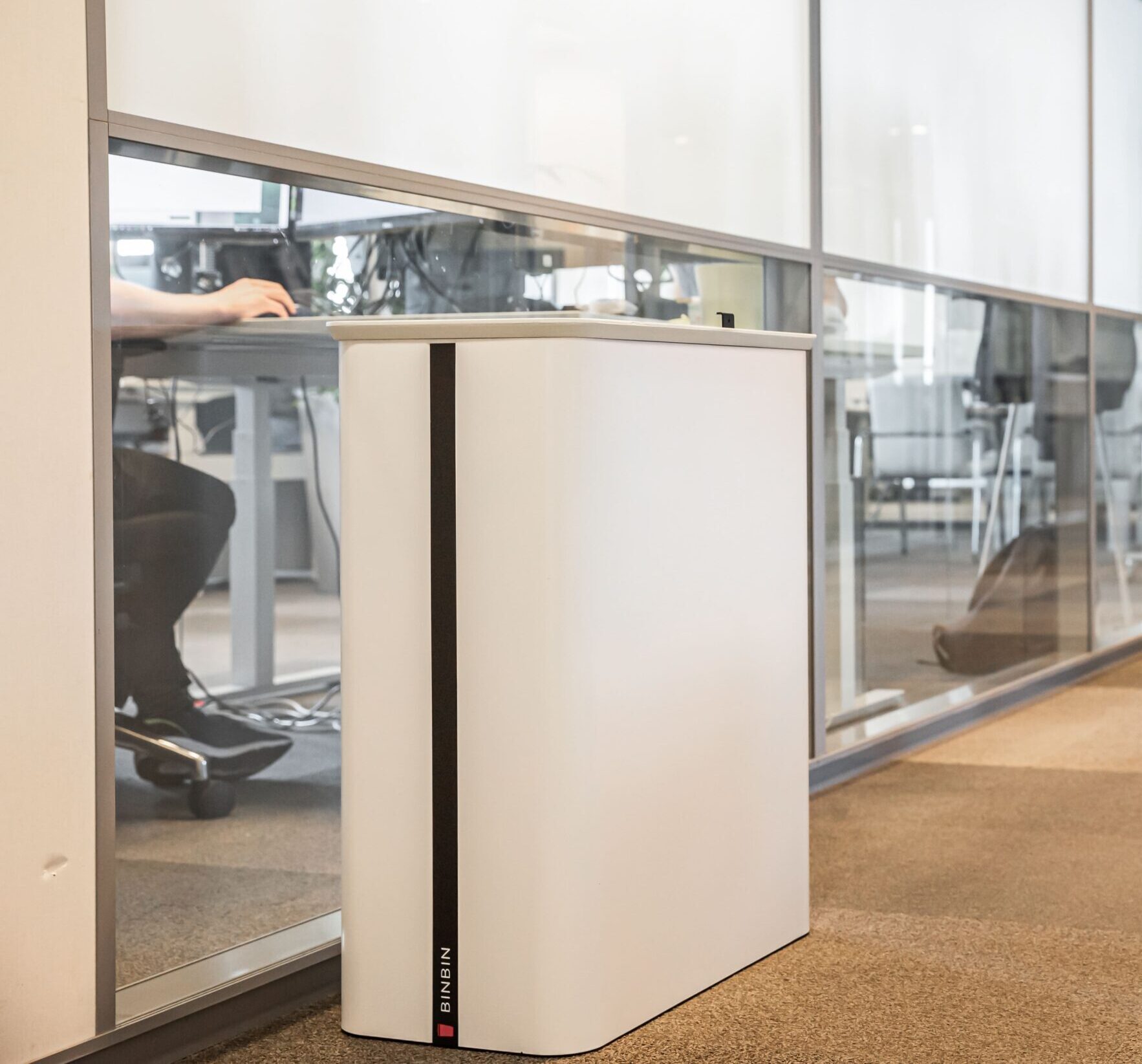
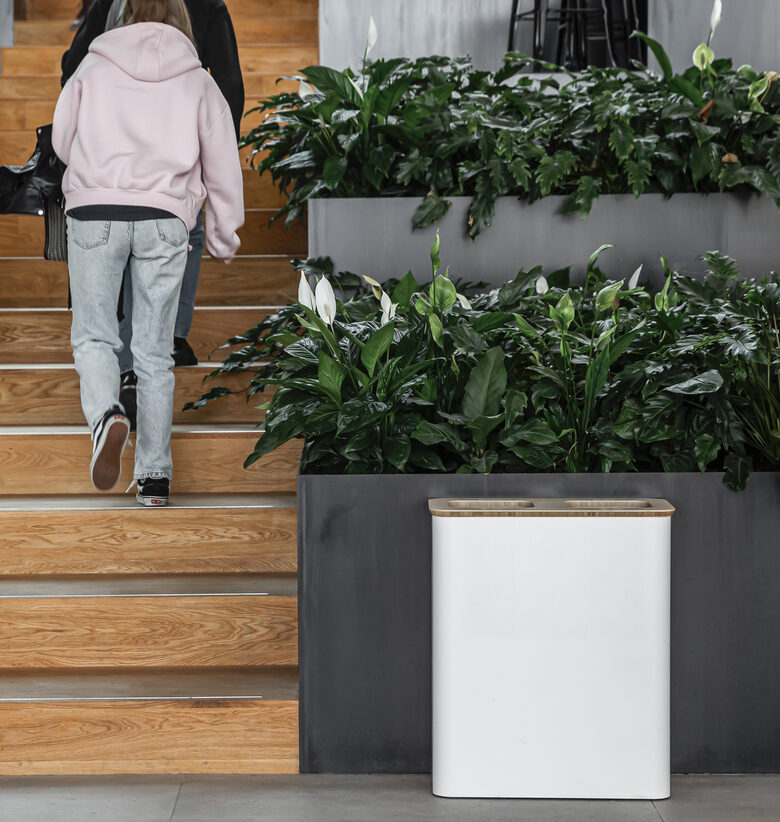
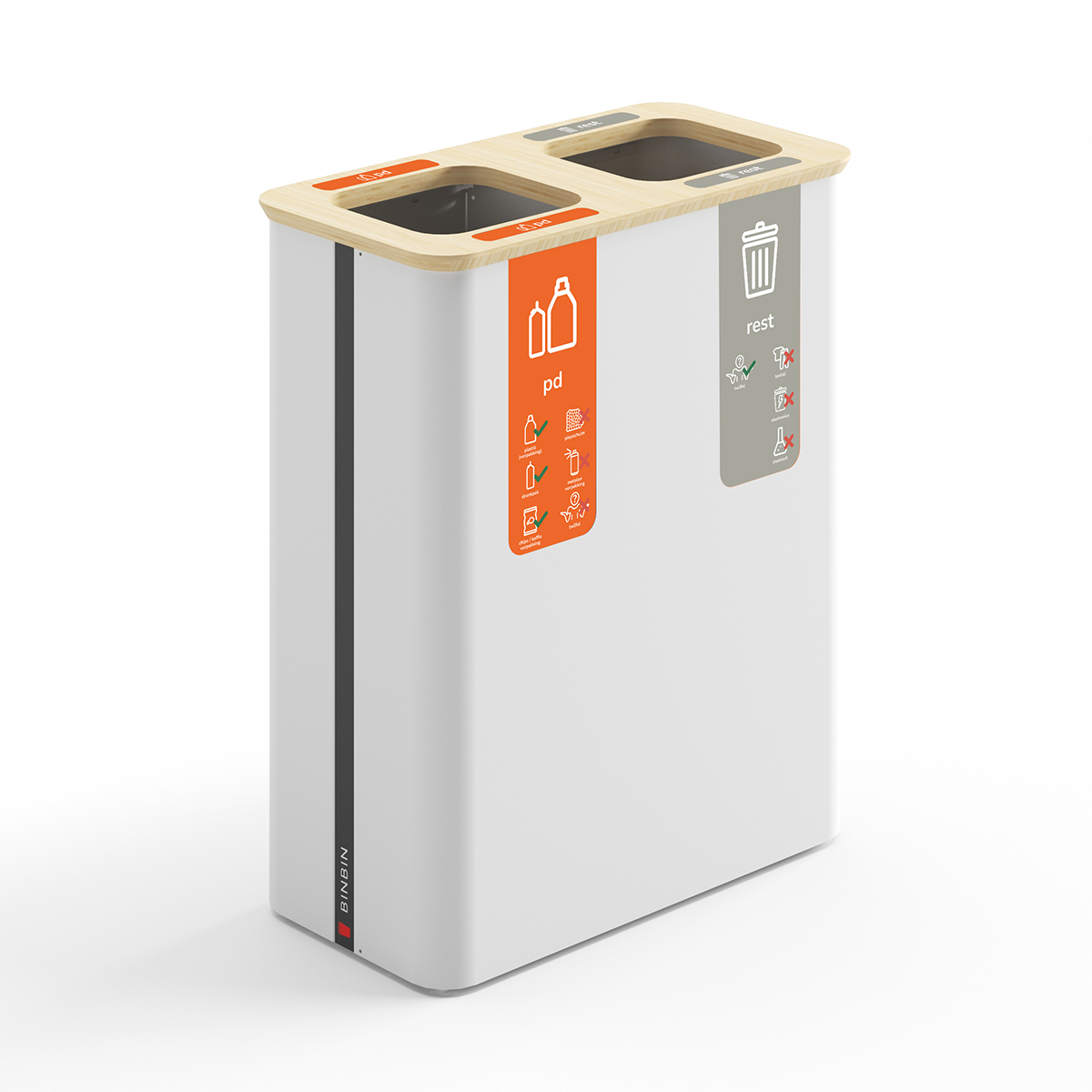
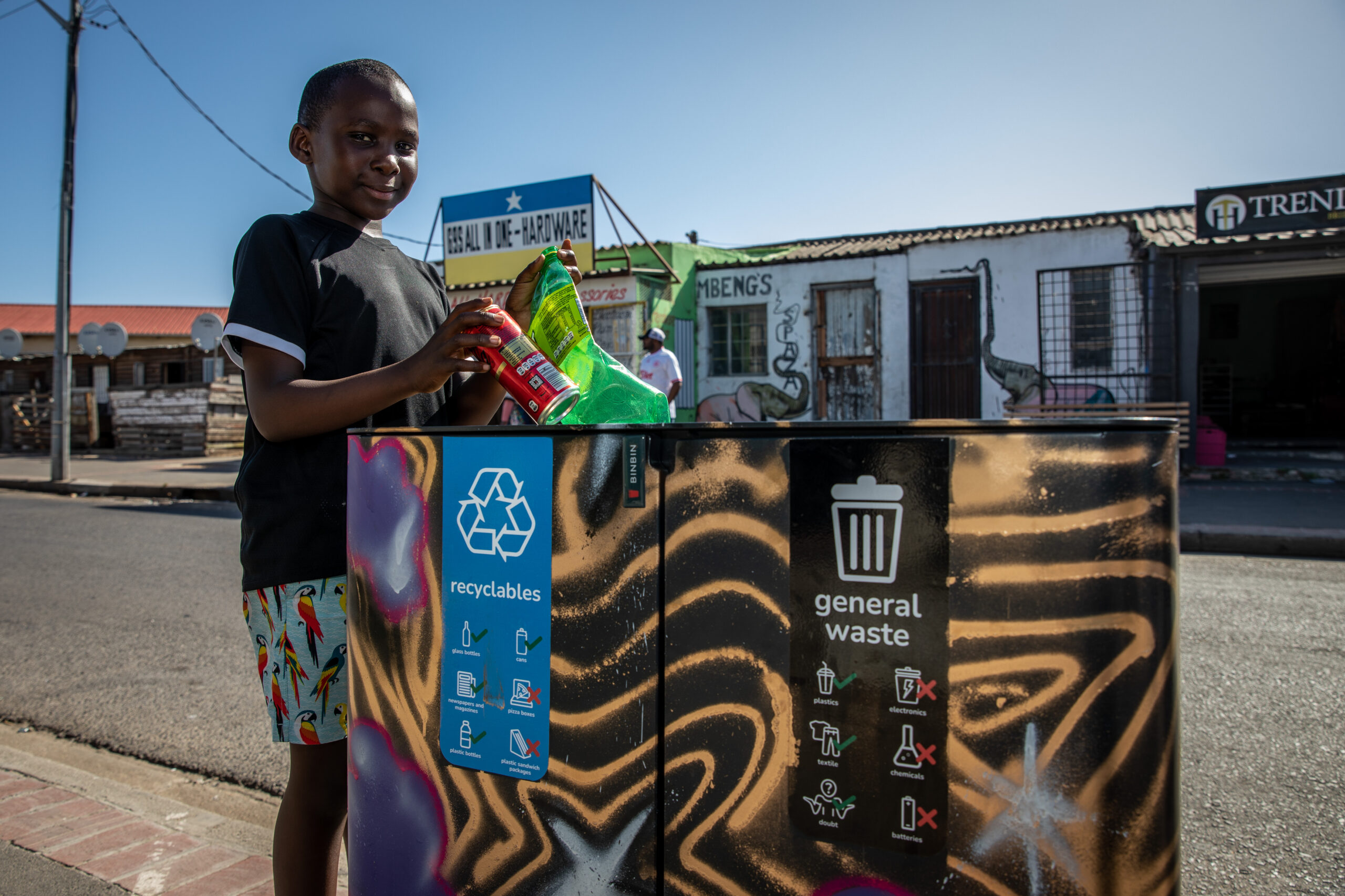
Waste separation plays a key role in the transition to a circular economy. A modular waste separation bin makes it easy to separate waste in the workplace. At BINBIN, we’re happy to help make waste separation within your organization simple and attractive. The modular BINBIN waste separation bins can be customized to the specific waste streams most common in your business. PMD, paper, organic waste, general waste, or coffee cups? It’s all possible! If your waste streams change, you can easily adjust your BINBINs at any time to meet the needs of your organization and your waste collector.