Hospitals generate several types of medical waste that require specialised handling and disposal methods. Unlike regular municipal waste, medical waste poses significant health and environmental risks, requiring strict segregation, treatment, and disposal protocols. Healthcare facilities must follow stringent regulations to protect public health while managing costs effectively.
What types of waste do hospitals actually produce?
Hospitals produce six main categories of waste, each requiring different handling protocols. Infectious waste includes materials contaminated with blood or bodily fluids, such as surgical gloves, bandages, and laboratory cultures. This waste can transmit diseases and must be treated before disposal.
Pathological waste consists of human tissues, organs, and body parts removed during surgery or autopsy. This category requires incineration or other approved treatment methods due to its biological nature and potential for disease transmission.
Sharps waste encompasses needles, scalpels, broken glass, and any items that can puncture the skin. These materials pose immediate injury risks and potential bloodborne pathogen exposure, requiring puncture-resistant containers for safe handling.
Pharmaceutical waste includes expired medications, chemotherapy drugs, and controlled substances. Chemotherapy waste receives special classification due to its toxic and carcinogenic properties, requiring specialised treatment to prevent environmental contamination.
Regular municipal waste from hospitals includes office paper, food packaging, and non-contaminated materials. This waste follows standard disposal methods but must be carefully separated from medical waste streams.
How do hospitals separate and categorise their waste streams?
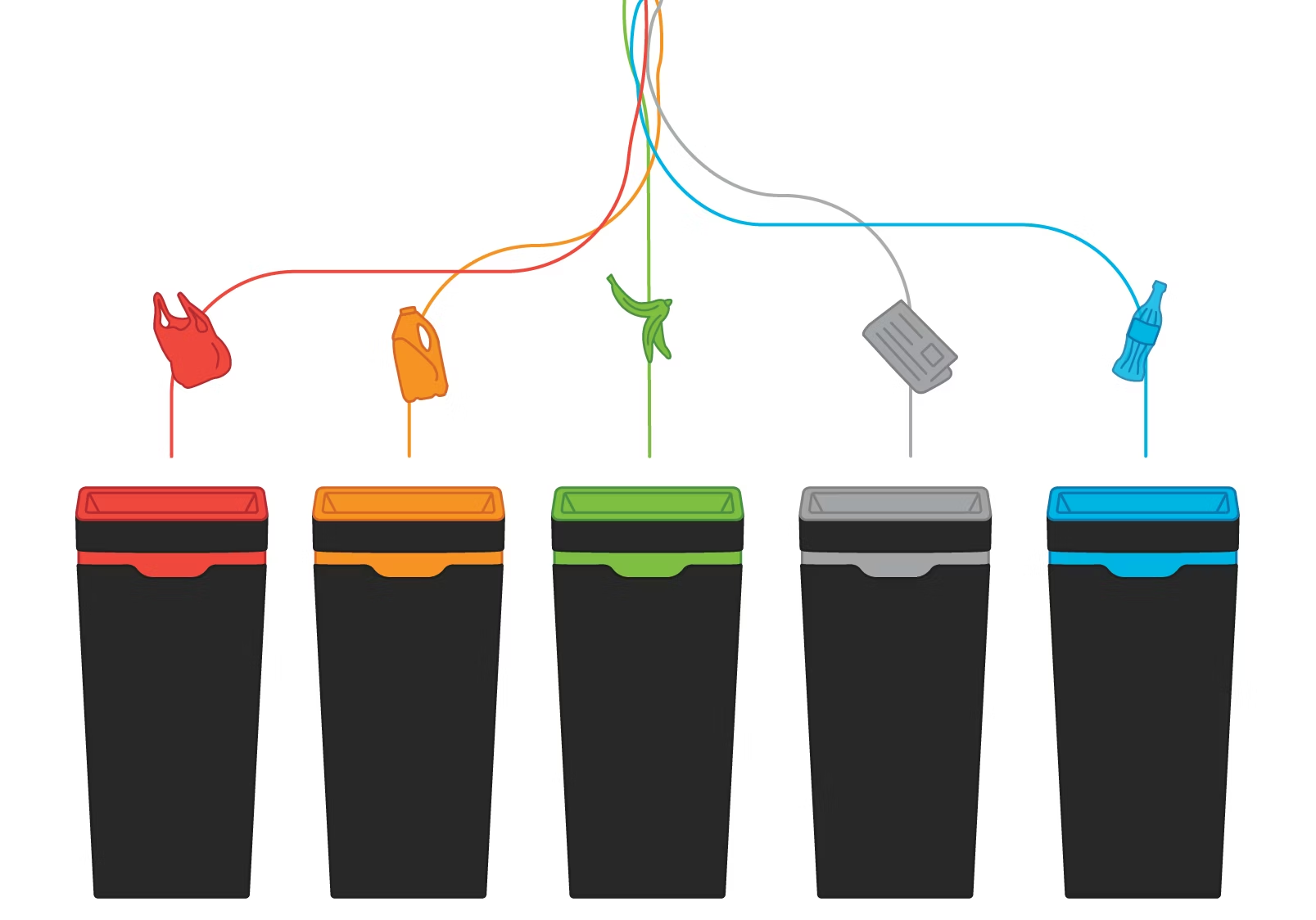
Hospitals use colour-coded container systems for waste segregation at the point of generation. Red containers hold infectious waste, yellow containers store pathological waste, and sharps containers are typically red or yellow and puncture-resistant. This system prevents cross-contamination and ensures proper treatment.
Staff training programmes teach healthcare workers to identify waste types and use appropriate containers. Training covers waste classification, container selection, fill limits, and safety procedures. Regular refresher sessions ensure compliance with evolving regulations.
Point-of-generation separation occurs where waste is created, such as operating theatres, patient rooms, and laboratories. This approach minimises handling risks and prevents contamination of regular waste streams.
Container labelling includes the waste type, date of generation, and department information. Proper documentation creates an audit trail for regulatory compliance and helps track waste generation patterns across different hospital departments.
What happens to medical waste after it leaves the hospital?
Medical waste follows a strictly regulated journey from hospital collection to final disposal. Licensed waste management companies collect waste using specially designed vehicles with secure storage compartments. Drivers receive hazardous materials training and follow specific transportation routes.
Treatment facilities use several methods to neutralise medical waste:
- Autoclaving uses steam and pressure to sterilise waste, making it safe for landfill disposal.
- Incineration burns waste at high temperatures, reducing volume and destroying pathogens.
- Chemical treatment uses disinfectants to neutralise infectious materials.
- Irradiation employs gamma rays or electron beams to sterilise waste.
Tracking systems monitor waste from generation through final disposal. Manifests document waste quantities, treatment methods, and disposal locations. This documentation satisfies regulatory requirements and provides accountability throughout the process.
Treated waste residue typically goes to landfills or recycling facilities, depending on the treatment method used. Some treated materials can be recycled into new products, supporting circular economy principles.
Why are hospital waste disposal regulations so strict?
Medical waste regulations protect public health from infectious diseases and toxic exposures. Improperly disposed medical waste can spread hepatitis, HIV, and other bloodborne pathogens through direct contact or environmental contamination. Regulatory frameworks prevent these risks through mandatory treatment and disposal protocols.
Environmental protection concerns drive regulatory strictness. Medical waste contains chemicals, pharmaceuticals, and biological materials that can contaminate soil and water supplies. Regulations ensure that proper treatment prevents environmental damage and protects ecosystems.
Legal frameworks establish clear responsibilities for waste generators, transporters, and treatment facilities. Hospitals face significant penalties for non-compliance, including fines, licence suspension, and legal liability for any resulting harm.
International health security requires consistent waste management standards. Infectious disease outbreaks can spread rapidly without proper waste controls, making strict regulations essential for global health protection.
How much does proper medical waste disposal cost hospitals?
Medical waste disposal costs hospitals significantly more than regular waste management. Treatment and disposal fees typically range from two to ten times higher than municipal waste costs, depending on the waste type and treatment method required.
Cost factors include waste volume, treatment method, transportation distance, and regulatory compliance requirements. The following elements influence pricing:
- Waste classification and treatment complexity
- Container types and sizes needed
- Collection frequency and transportation costs
- Documentation and tracking requirements
- Regulatory compliance and certification fees
Hospitals can optimise costs through proper waste segregation, staff training, and waste minimisation programmes. Accurate separation prevents regular waste from entering expensive medical waste streams, reducing overall disposal costs.
Volume-based pricing rewards hospitals that implement effective waste reduction strategies. Some facilities achieve cost savings by switching to reusable items where possible and implementing just-in-time inventory systems to reduce pharmaceutical waste.
How BINBIN helps with hospital waste management solutions
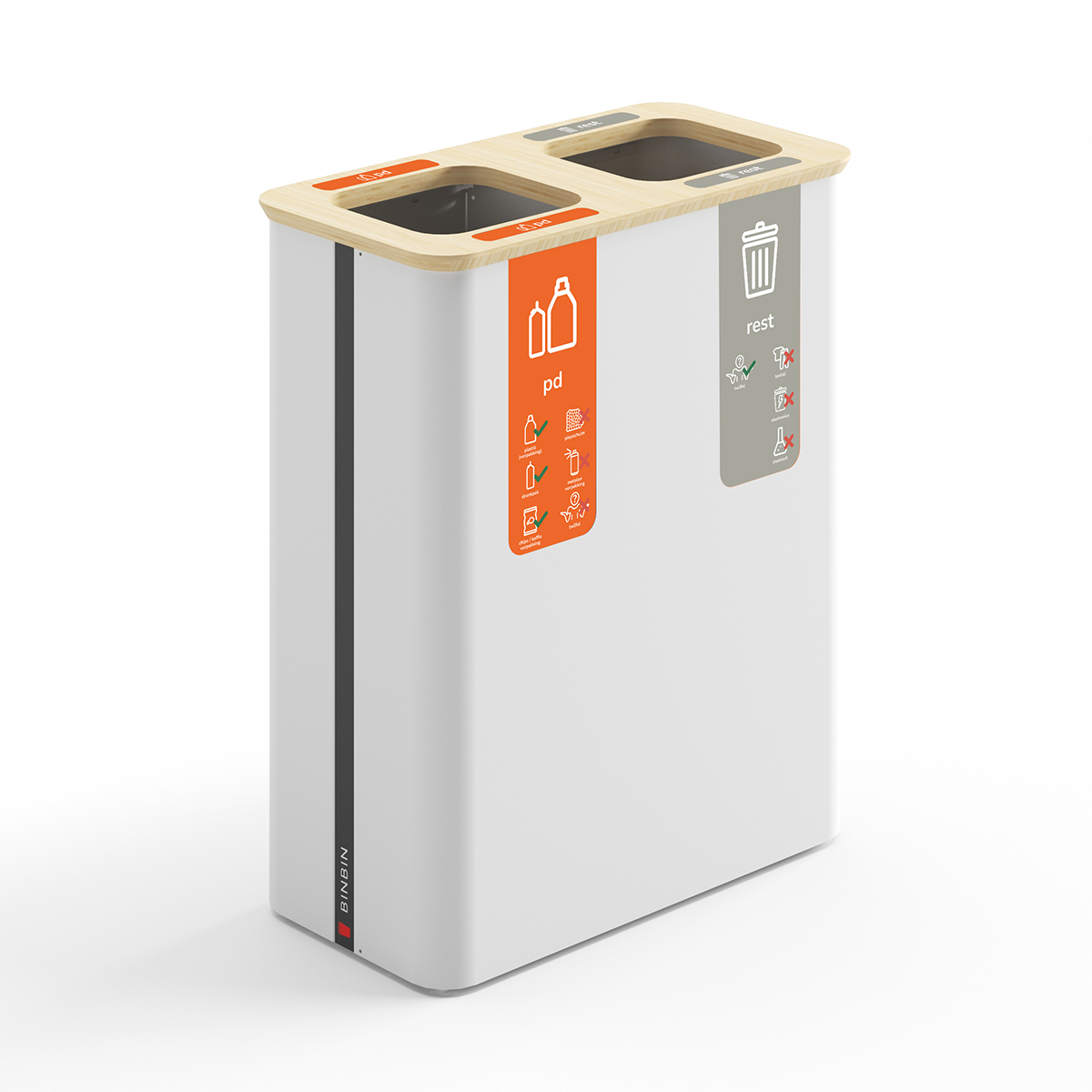
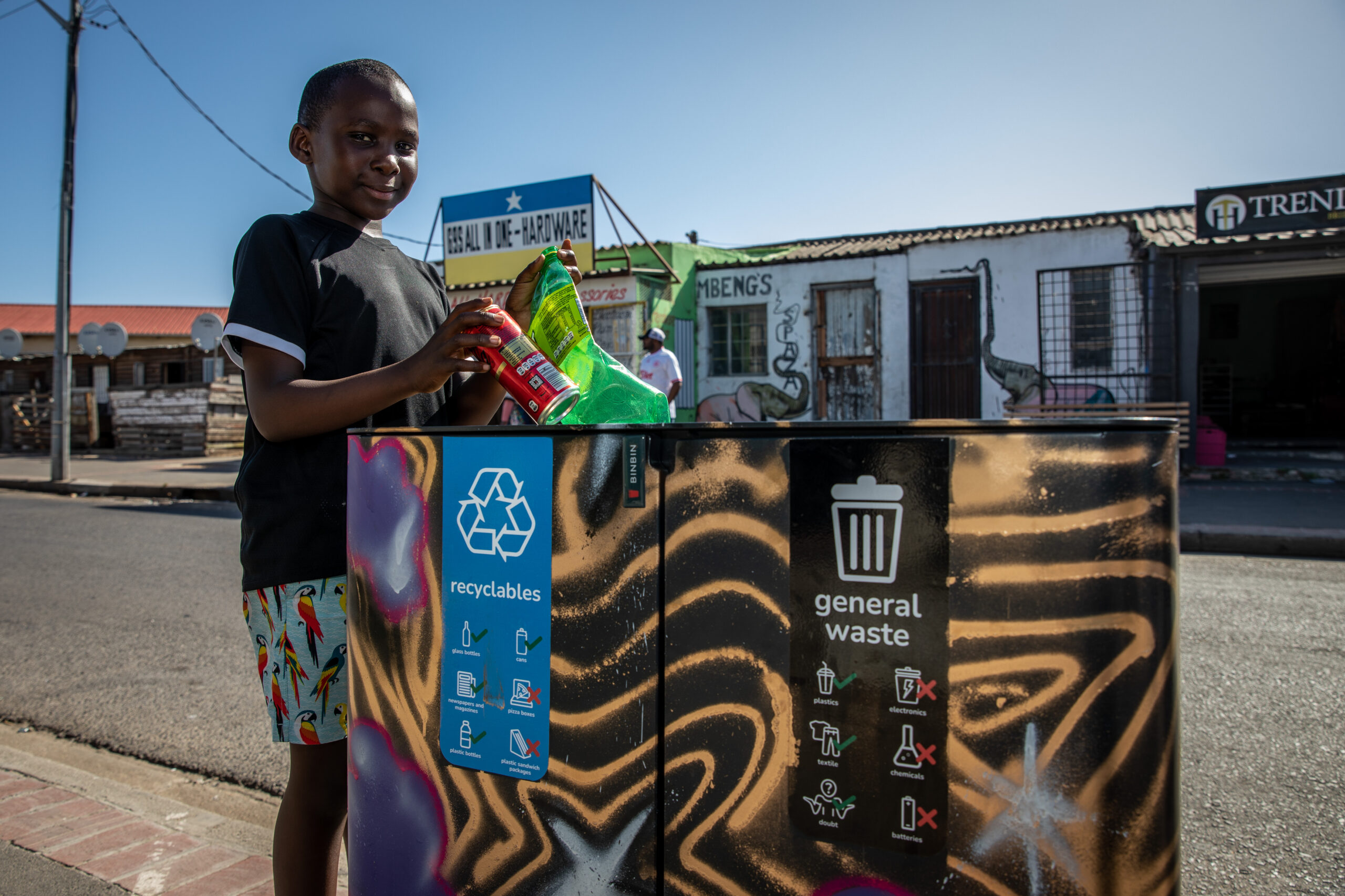
BINBIN's modular waste separation systems adapt perfectly to healthcare environments, supporting the efficient waste management hospitals require. Our solutions address complex segregation needs while maintaining the infection control standards essential for medical facilities.
Our healthcare waste management solutions include:
- Colour-coded modular systems for proper medical waste segregation
- Easy-to-clean surfaces that support infection control protocols
- Flexible configurations that adapt to different hospital departments
- Clear labelling systems that support staff training and compliance
- Durable construction suitable for high-traffic medical environments
We provide comprehensive implementation support, including staff training materials, proper signage, and ongoing consultation to ensure optimal waste segregation. Our team works with healthcare facilities to develop customised solutions that meet regulatory requirements while controlling costs.
Ready to improve your hospital's waste management efficiency? Contact us for a personalised consultation and discover how our modular systems can streamline your waste segregation processes while supporting compliance and cost control.