Waste separation involves sorting different types of waste into specific categories for proper recycling, composting, or disposal. Effective waste separation reduces environmental impact, saves costs, and helps organisations comply with legal requirements. The process varies by location and waste type but follows consistent principles for identifying, sorting, and processing materials. Understanding local requirements and implementing systematic approaches ensure successful waste management that benefits both your organisation and the environment.
What is waste separation and why is it essential today?
Waste separation is the systematic process of dividing waste materials into distinct categories based on their composition and recycling potential. This practice forms the foundation of the circular economy, where materials continuously cycle through use, recovery, and reuse rather than ending up in landfills.
The circular economy concept transforms traditional linear “take-make-dispose” models into sustainable systems. When you properly separate waste, materials retain their value and can be transformed into new products. This approach reduces the need for virgin materials and minimises environmental impact.
Legal requirements across Europe have made waste separation mandatory for many organisations. The Netherlands requires businesses to separate paper, plastic, glass, and organic waste. Similar regulations exist throughout European Union countries, with penalties for non-compliance becoming increasingly strict.
Environmental benefits extend beyond regulatory compliance. Proper waste separation reduces greenhouse gas emissions from landfills, conserves natural resources, and protects ecosystems. Each correctly sorted material stream prevents pollution and supports biodiversity.
Cost-reduction opportunities emerge through effective separation programmes. Organisations often discover that separated recyclable materials cost less to process than mixed waste. Additionally, some materials generate revenue through recycling partnerships, offsetting waste management expenses.
What are the main waste streams you need to separate?
Paper and cardboard represent the largest recyclable waste stream in most workplaces. This includes office paper, newspapers, magazines, and clean cardboard packaging. Remove staples and plastic elements before disposal.
Plastic packaging requires careful identification using recycling codes. Focus on bottles, containers, and clean packaging materials. Avoid mixing different plastic types, as contamination reduces recycling effectiveness.
Glass separation involves sorting by colour when required. Clear, brown, and green glass often need separate collection. Remove caps and lids, but small amounts of adhesive residue typically do not affect recycling processes.
Organic waste includes food scraps, coffee grounds, and biodegradable materials. This stream requires frequent collection to prevent odours and pest issues. Proper organic waste management supports composting and biogas production.
Residual waste contains materials that cannot be recycled through standard programmes. This category should shrink as separation improves, indicating programme success.
Special waste streams include electronics, batteries, and hazardous materials. These require dedicated collection and processing through certified programmes.
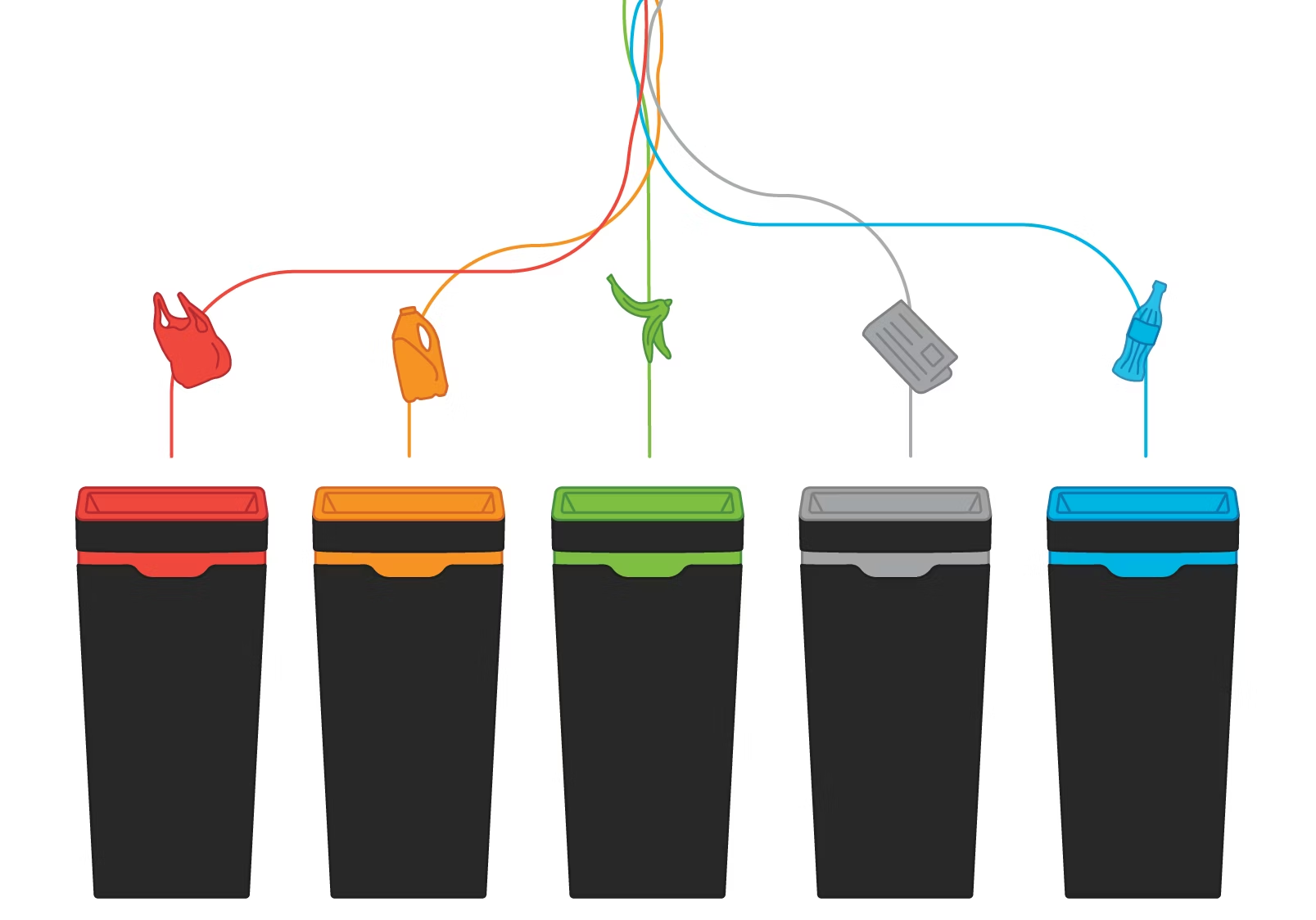
Colour-coding systems help identify correct disposal methods. Blue typically indicates paper, yellow indicates plastic, green indicates glass, and brown indicates organic waste. However, systems vary by location, so verify local conventions.
How do you implement effective waste separation in your workplace?
Begin with a comprehensive assessment of current waste patterns. Monitor the types and quantities of waste your organisation generates over several weeks. This baseline data guides system design and helps predict space and equipment needs.
Choose appropriate separation systems based on your space constraints and waste volumes. Modular solutions work well for evolving needs, allowing you to add or modify streams as requirements change.
Employee training strategies determine programme success. Conduct interactive sessions explaining why separation matters and how to identify different materials. Provide visual guides and reference materials for ongoing support.
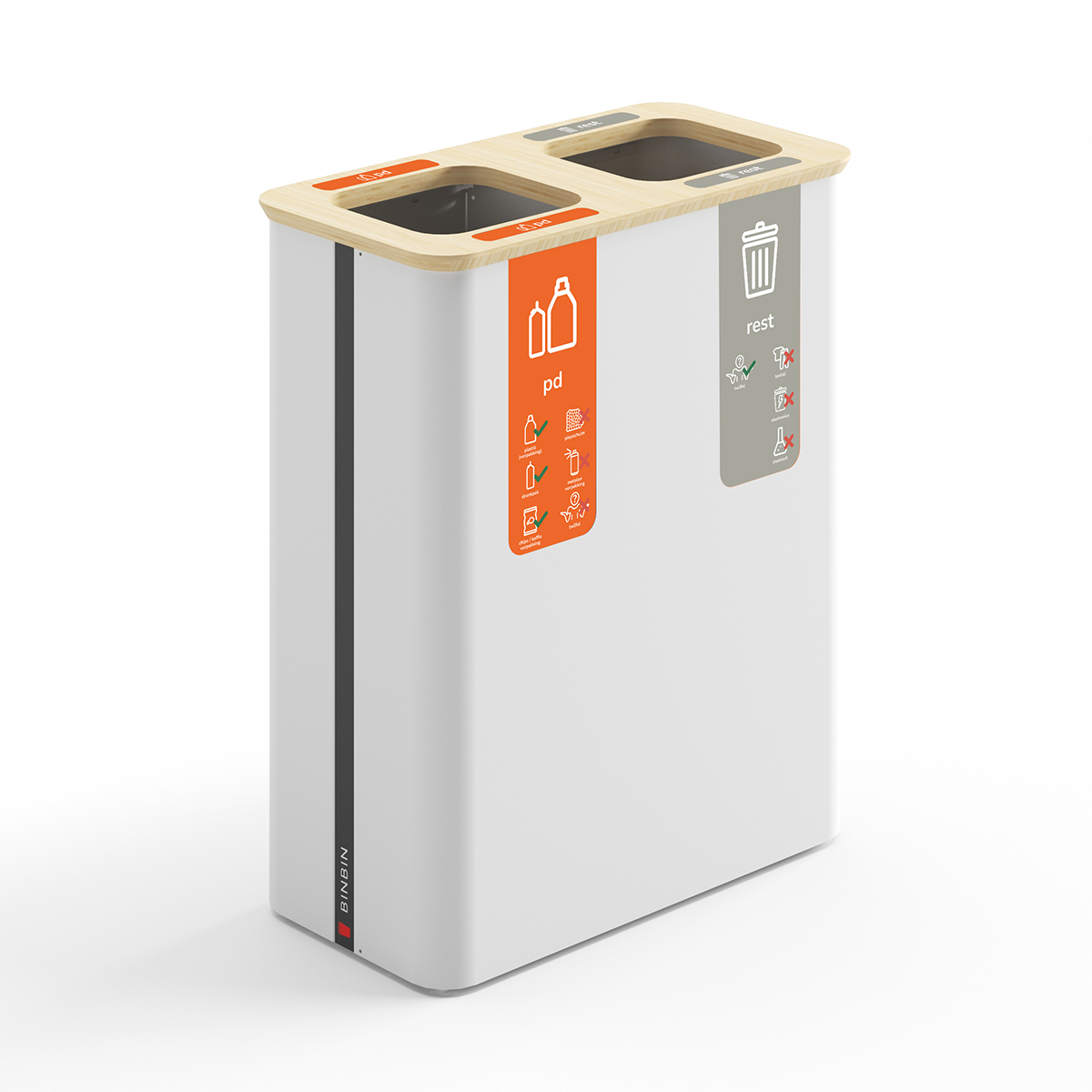
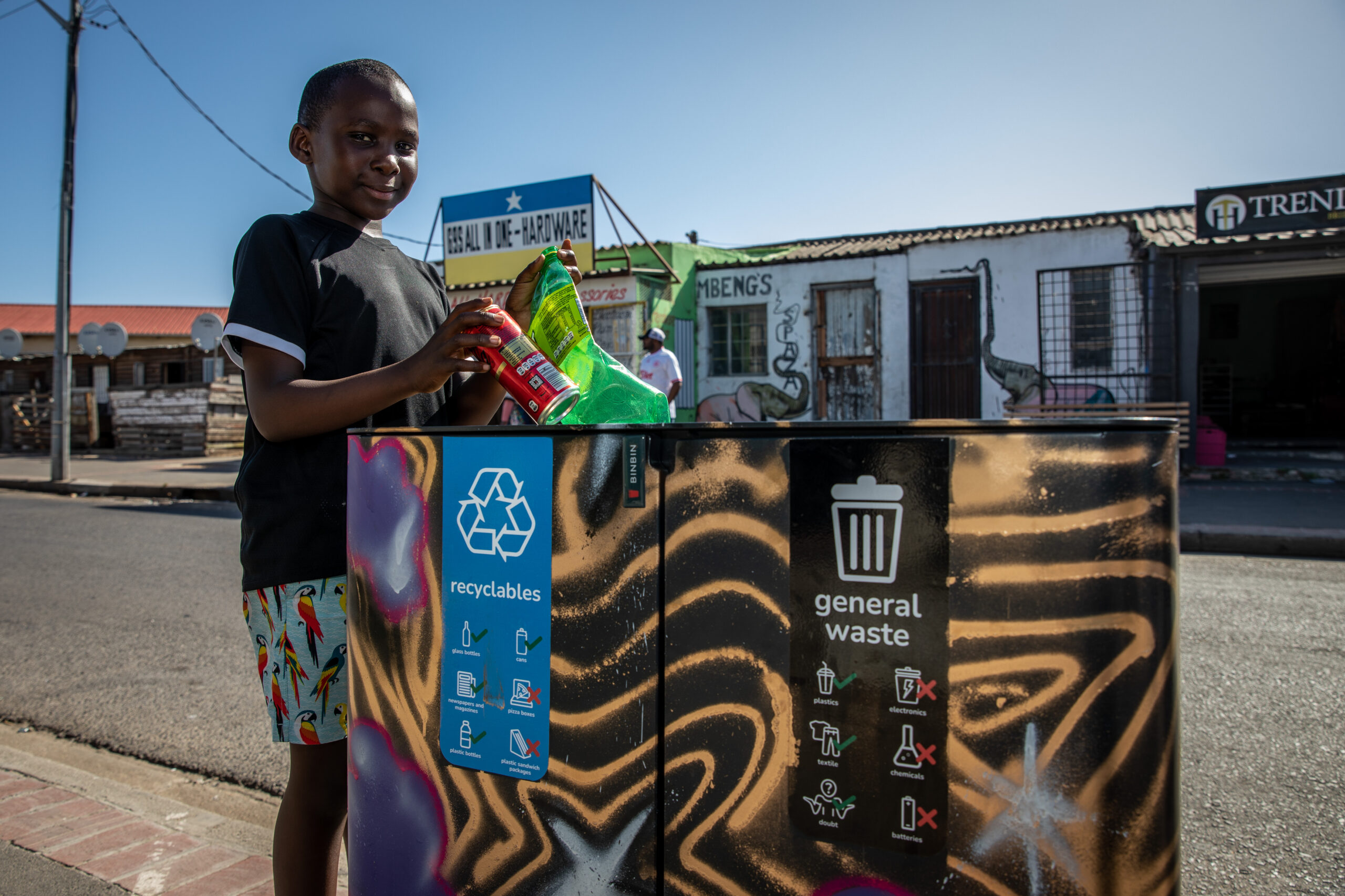
Clear labelling and communication prevent contamination. Use simple, visual indicators showing acceptable and unacceptable materials for each stream. Regular reminders through multiple channels reinforce proper practices.
Implementation follows these steps:
- Install separation systems in high-traffic areas
- Launch training programmes for all staff members
- Monitor initial performance and address issues quickly
- Gather feedback and adjust systems as needed
- Celebrate early successes to maintain momentum
Position separation points strategically near waste-generation areas. Kitchen spaces need organic and packaging separation, while office areas focus on paper and general recycling.
What are the biggest challenges in waste separation and how do you overcome them?
Employee resistance often stems from inconvenience or a lack of understanding. Address this through education about environmental benefits and cost savings. Make separation as convenient as traditional disposal by placing systems in accessible locations.
Space constraints limit system placement in many facilities. Overcome this challenge with compact, stackable solutions that maximise functionality within available areas. Vertical designs and multi-stream units help optimise space usage.
Contamination issues occur when incorrect materials mix with recyclables. Prevent contamination through clear labelling, regular monitoring, and immediate feedback when problems arise. Consider starting with fewer streams and adding complexity gradually.
Cost concerns focus on initial investment and ongoing management. Calculate total costs, including waste-processing fees, which often decrease with effective separation. Factor in potential revenue from recyclable materials and improved sustainability credentials.
Best practices for overcoming challenges include:
- Start with pilot programmes in motivated departments
- Provide ongoing support and troubleshooting
- Recognise and reward good separation practices
- Regular system maintenance and cleaning
- Flexible approaches that adapt to user feedback
Leadership support is crucial for programme success. When management demonstrates commitment through participation and resource allocation, employee adoption increases significantly.
How do you measure and improve your waste separation success?
Key performance indicators track programme effectiveness and identify improvement opportunities. Monitor separation rates, contamination levels, cost savings, and employee participation to gauge success.
Contamination-rate tracking involves regular audits of separated waste streams. Aim for contamination rates below 10% for most materials. Higher rates indicate a need for additional training or system modifications.
Cost-savings calculations compare waste-processing fees before and after separation implementation. Include reduced general-waste volumes and potential revenue from recyclable materials in your analysis.
Monitoring methods include visual inspections, waste audits, and feedback collection. Schedule regular reviews to identify trends and address issues before they become problematic.
Continuous improvement strategies focus on:
- Regular training refreshers and updates
- System adjustments based on usage patterns
- Technology upgrades when beneficial
- Expansion to additional waste streams
- Sharing success stories and lessons learned
Employee feedback provides valuable insights for system optimisation. Conduct surveys and suggestion programmes to identify practical improvements and maintain engagement.
How BINBIN helps with effective waste separation
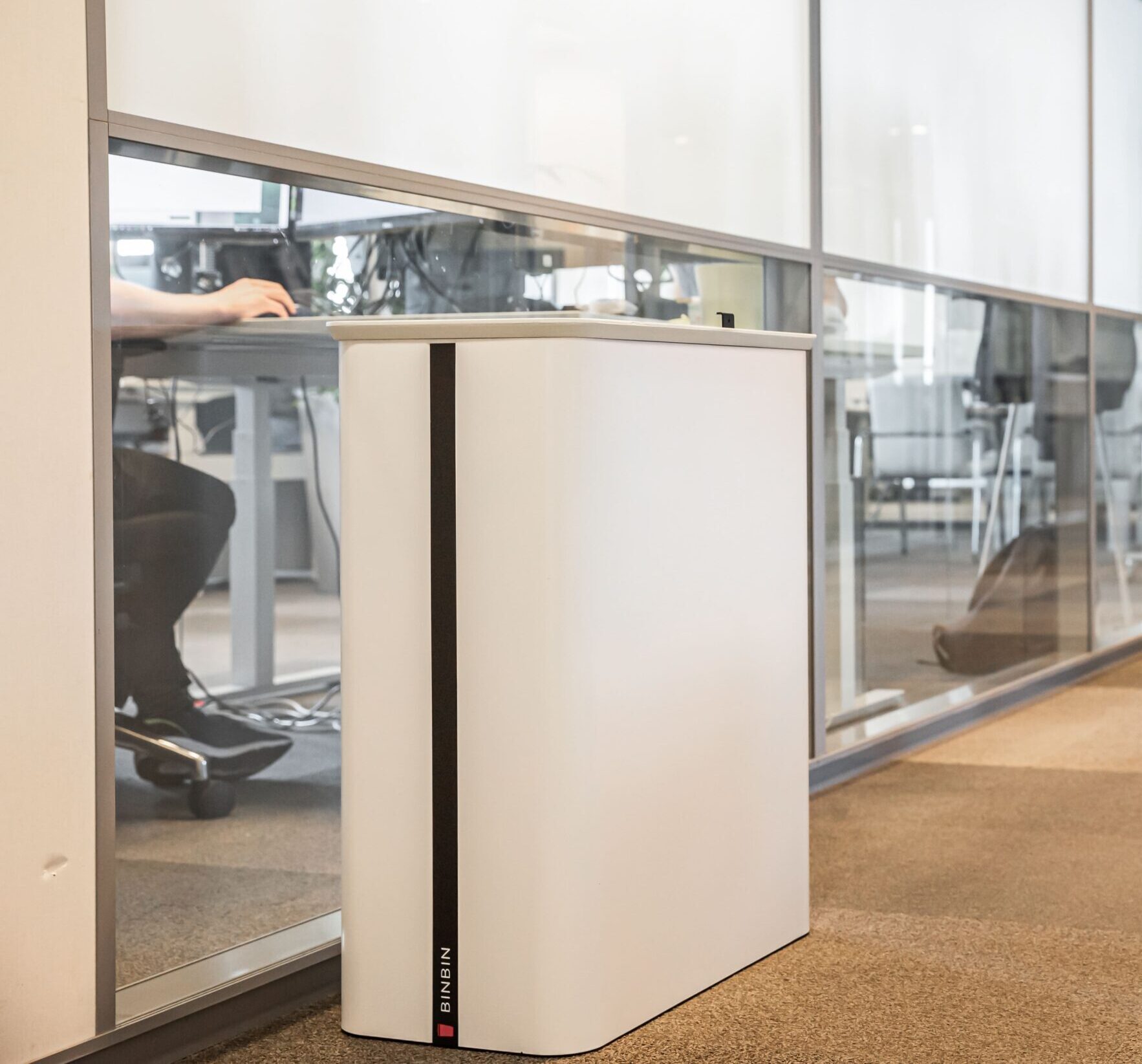
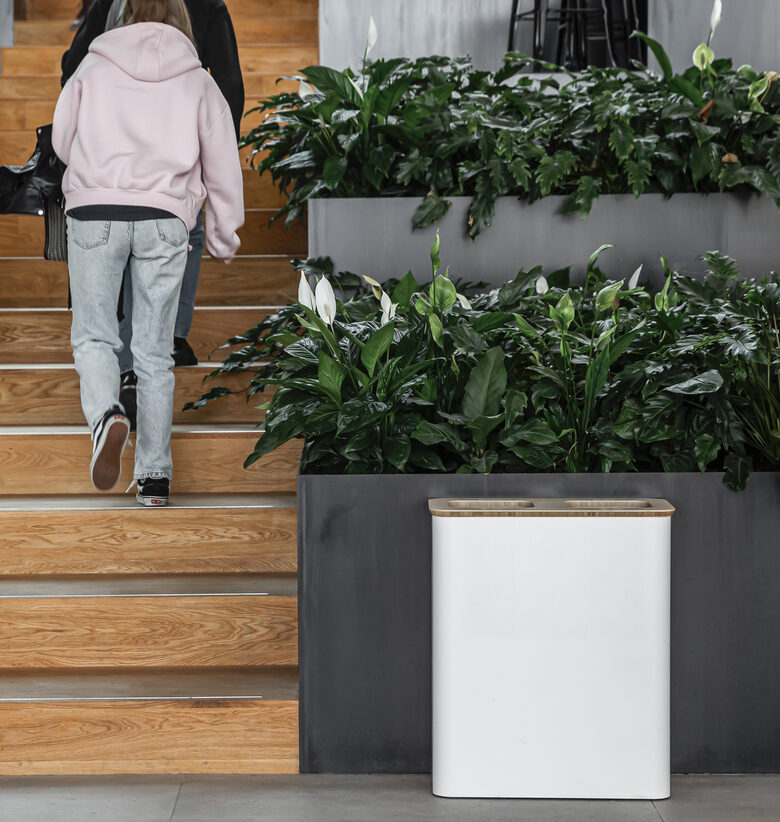
BINBIN provides comprehensive waste separation solutions designed for long-term success in diverse environments. Our modular systems adapt to changing needs while maintaining the circular-economy principles that drive sustainable waste management.
Our modular waste separation systems offer several key advantages:
- Flexible configuration allowing 1–8 waste streams in single units
- 99% circular design using recycled and recyclable materials
- Customisable branding and colour schemes for seamless integration
- Easy reconfiguration as waste streams and volumes change
- Professional design that enhances rather than detracts from workspace aesthetics
We provide personalised guidance through our custom advisory service, including free workplace assessments to identify optimal separation strategies. Our implementation support includes communication materials, pictograms, and training resources to ensure programme success.
Ready to implement effective waste separation in your organisation? Start with a trial placement to experience our solutions firsthand, or request a quote for a customised waste separation system that meets your specific needs and supports your sustainability goals.