Waste segregation at home involves separating different types of household waste into distinct categories before disposal. This practice reduces the burden on landfills, improves recycling rates, and supports environmental sustainability. Proper home waste separation requires understanding waste categories, setting up effective sorting systems, and creating consistent family routines that make recycling natural and efficient.
What is waste segregation and why does it matter at home?
Waste segregation is the systematic separation of household waste into different categories based on material type and disposal method. This practice involves sorting items into organic waste, recyclable materials, hazardous substances, and general waste before collection.
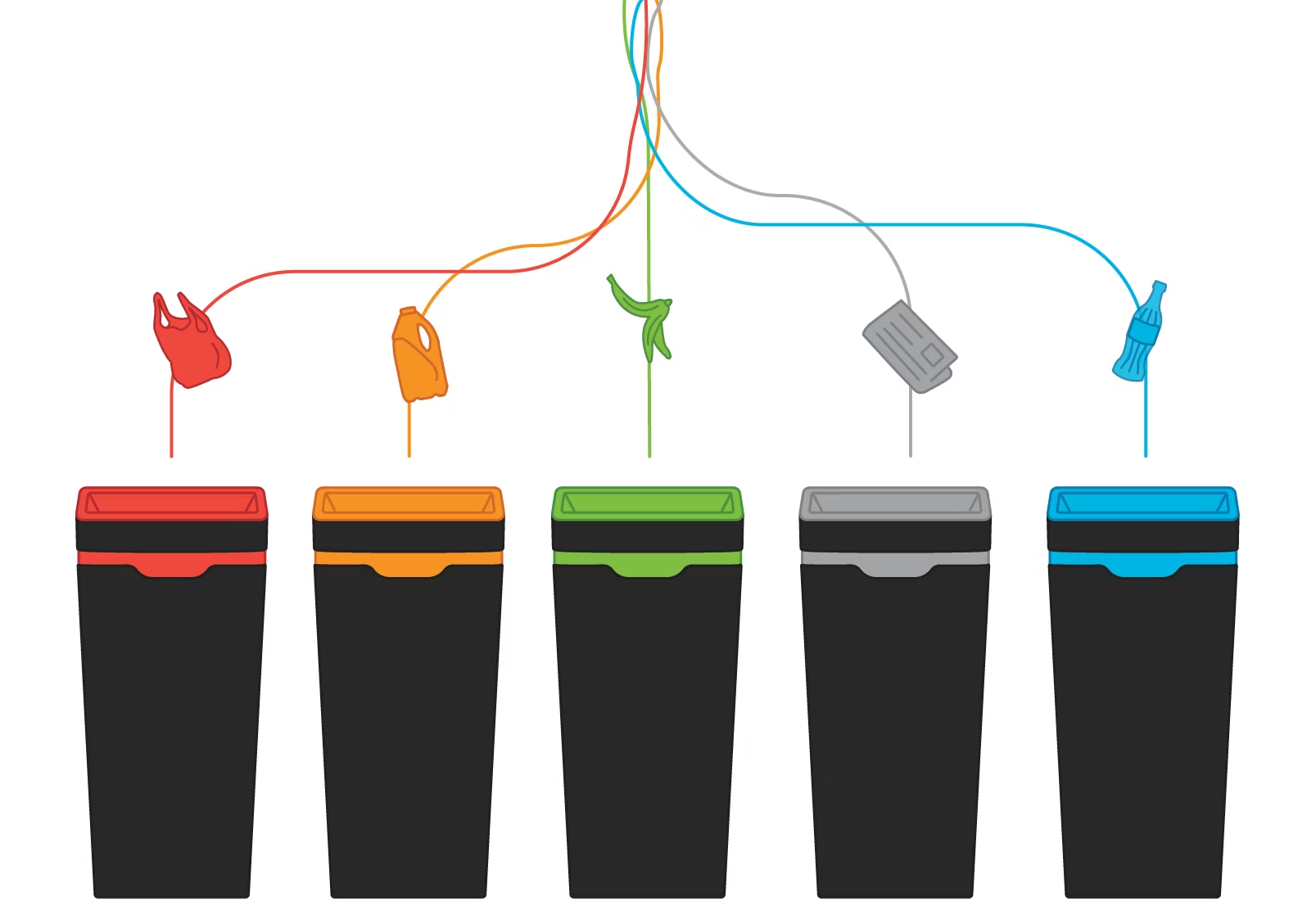
The main waste categories include organic materials such as food scraps and garden waste; recyclables such as paper, plastic, glass, and metal; hazardous items including batteries and electronics; and non-recyclable general waste. Each category requires different handling and processing methods to maximise environmental benefits.
The environmental benefits are substantial when households implement proper waste separation. Reduced landfill waste decreases methane emissions and soil contamination. Improved recycling rates conserve natural resources and reduce energy consumption in manufacturing. These practices directly contribute to circular economy principles by keeping materials in productive use for longer and reducing the need for virgin resource extraction.
How do you set up an effective waste sorting system at home?
Setting up home waste segregation requires choosing appropriate containers, creating clear labelling systems, and establishing convenient placement. Start with separate bins for organic waste, recyclables, and general waste, then add specialised containers for hazardous materials as needed.
Container selection depends on available space and family size. Use different-coloured bins or clear labels with pictures for easy identification. Place containers in logical locations where waste is generated most frequently, such as the kitchen for food waste and a home office for paper recycling.
Creating family-friendly routines ensures consistent participation. Here's a step-by-step approach:
- Designate specific areas for each waste type near generation points.
- Create visual guides showing which items belong in each container.
- Establish regular emptying schedules for different waste streams.
- Involve all family members in the sorting process through education and practice.
- Review and adjust the system based on usage patterns and effectiveness.
What are the main categories of household waste and how should they be separated?
Household waste falls into four primary categories, each requiring different separation methods. Organic waste includes food scraps, garden trimmings, and compostable materials. Recyclable materials encompass paper, cardboard, plastic containers, glass bottles, and metal cans. Hazardous waste covers batteries, electronics, chemicals, and paint, while general waste includes items that cannot be recycled or composted.
Organic waste should be collected in ventilated containers and composted when possible. Remove any non-organic materials such as stickers or packaging before composting. Kitchen scraps, coffee grounds, and garden waste decompose naturally when properly managed.
Recyclable materials require cleaning before sorting. Rinse containers to remove food residue, remove caps and lids as directed by local recycling programmes, and separate different material types. Paper products should be kept dry and free from contamination.
Hazardous waste needs special handling and designated collection points. Never dispose of batteries, electronics, or chemicals in regular household bins. Many retailers and local councils provide specific collection services for these materials.
Which common household items are often sorted incorrectly?
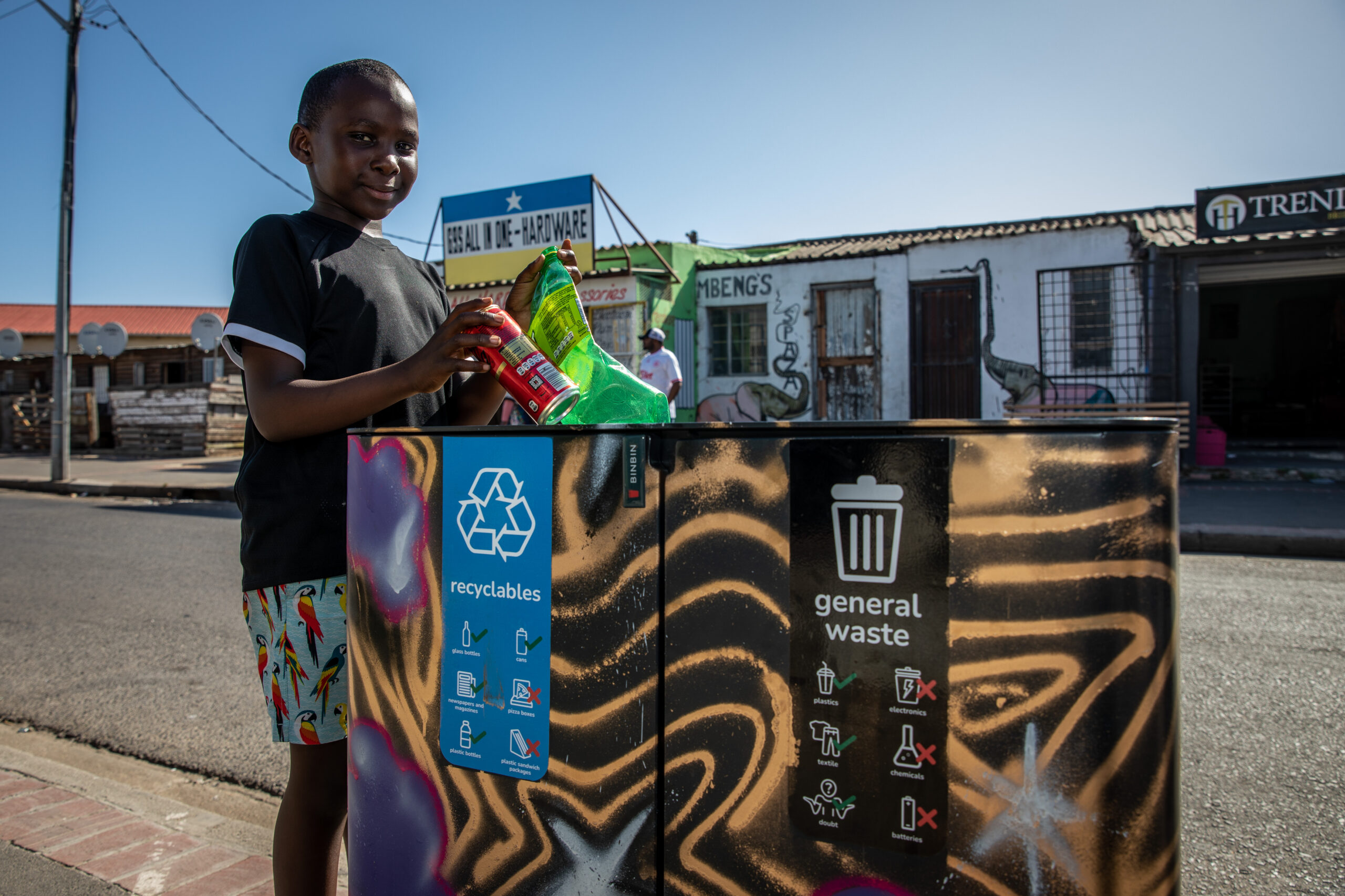
Several household items are frequently misclassified, leading to contamination and processing problems. Pizza boxes with grease stains cannot be recycled and belong in general waste. Broken glass requires special handling and should not go in regular glass recycling. Electronics contain valuable materials but require specialised processing facilities.
Common misclassification examples include:
- Greasy pizza boxes and food-contaminated cardboard in paper recycling
- Plastic bags and film packaging in household recycling bins
- Batteries disposed of with general waste instead of hazardous collection
- Broken ceramics and drinking glasses mixed with recyclable glass bottles
- Tissues and paper towels in paper recycling despite being non-recyclable
Proper classification matters because contaminated recyclables can ruin entire batches during processing. Understanding these distinctions helps maintain the quality and value of recycled materials while preventing damage to processing equipment.
How can you reduce household waste generation before segregation?
Waste reduction strategies focus on preventing waste generation rather than managing disposal. Conscious purchasing decisions, choosing products with minimal packaging, and selecting durable items over disposables can significantly reduce household waste volumes before segregation becomes necessary.
Reusable alternatives replace single-use items throughout daily routines. Shopping bags, water bottles, food containers, and cleaning cloths eliminate recurring waste streams. These substitutions require an initial investment but provide long-term environmental and economic benefits.
Composting organic waste transforms kitchen scraps and garden materials into a valuable soil amendment. This practice can reduce organic waste by up to 30% while creating useful garden inputs. Even apartment dwellers can use small-scale composting systems or community programmes.
Donating usable items extends product lifecycles and supports community needs. Clothing, books, furniture, and electronics often retain value for others. Many organisations accept donations and ensure proper distribution or recycling through their specialised networks.
How BINBIN helps with home waste segregation solutions
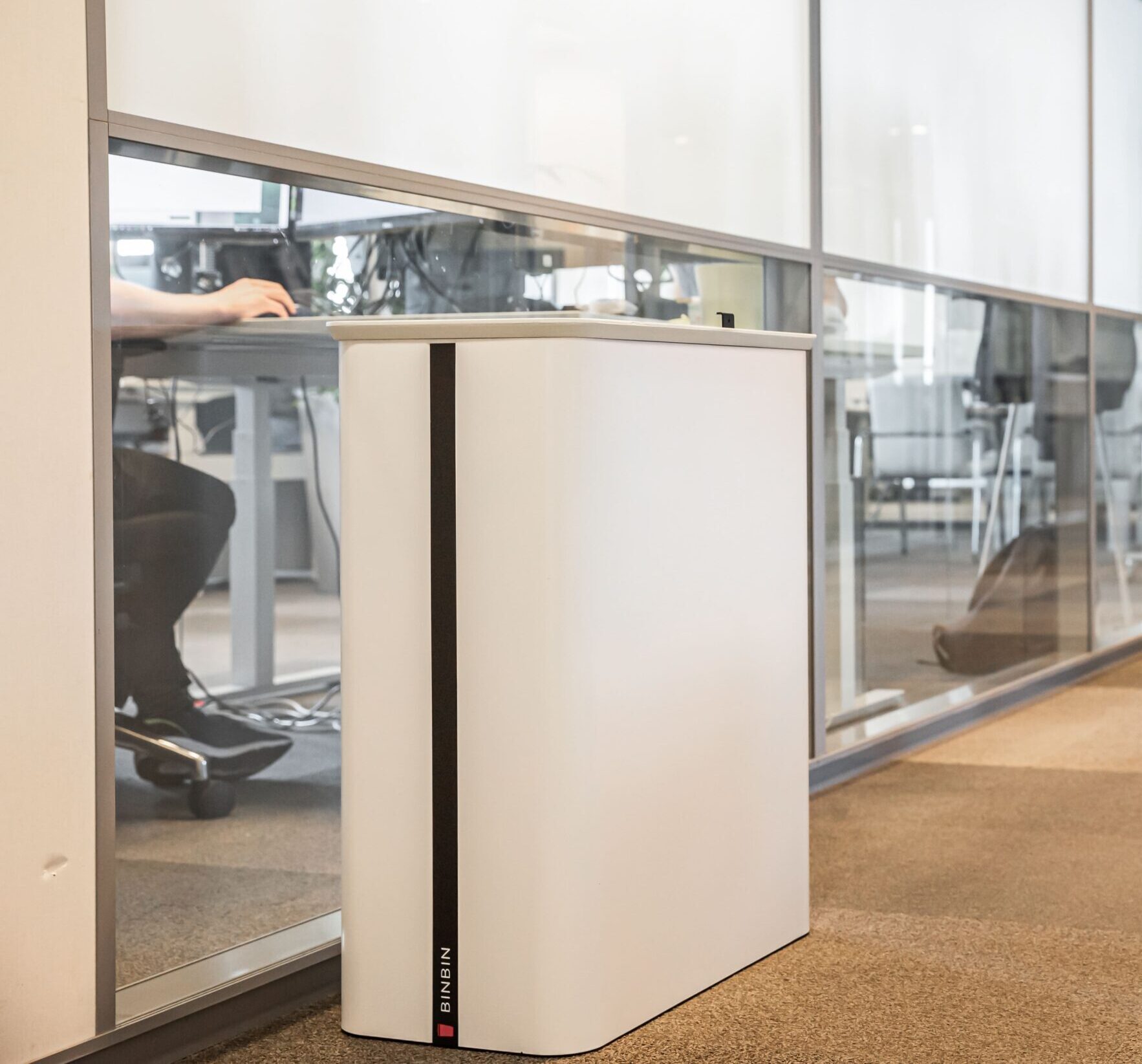
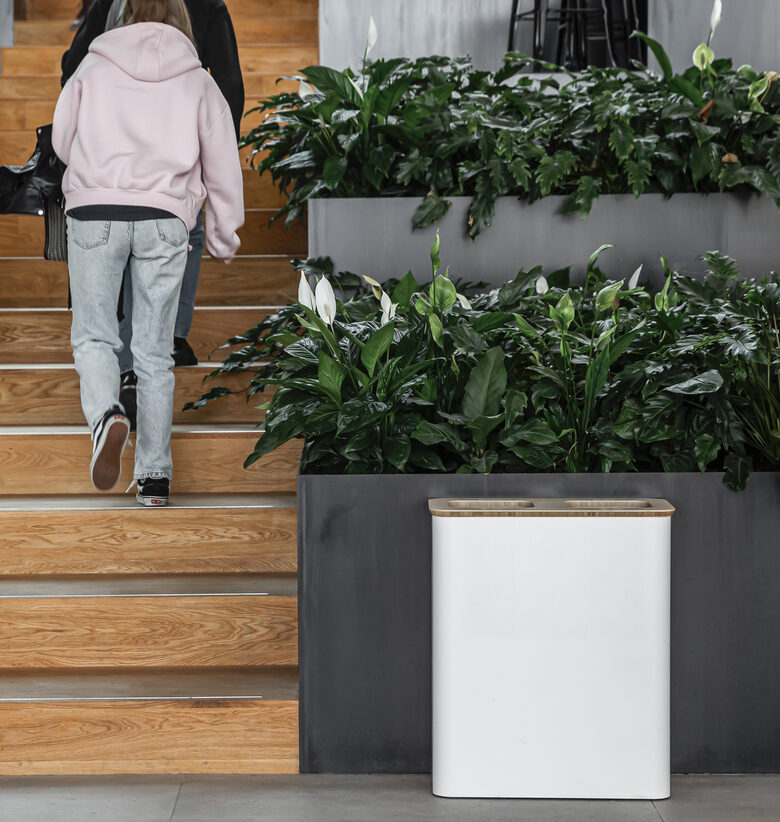
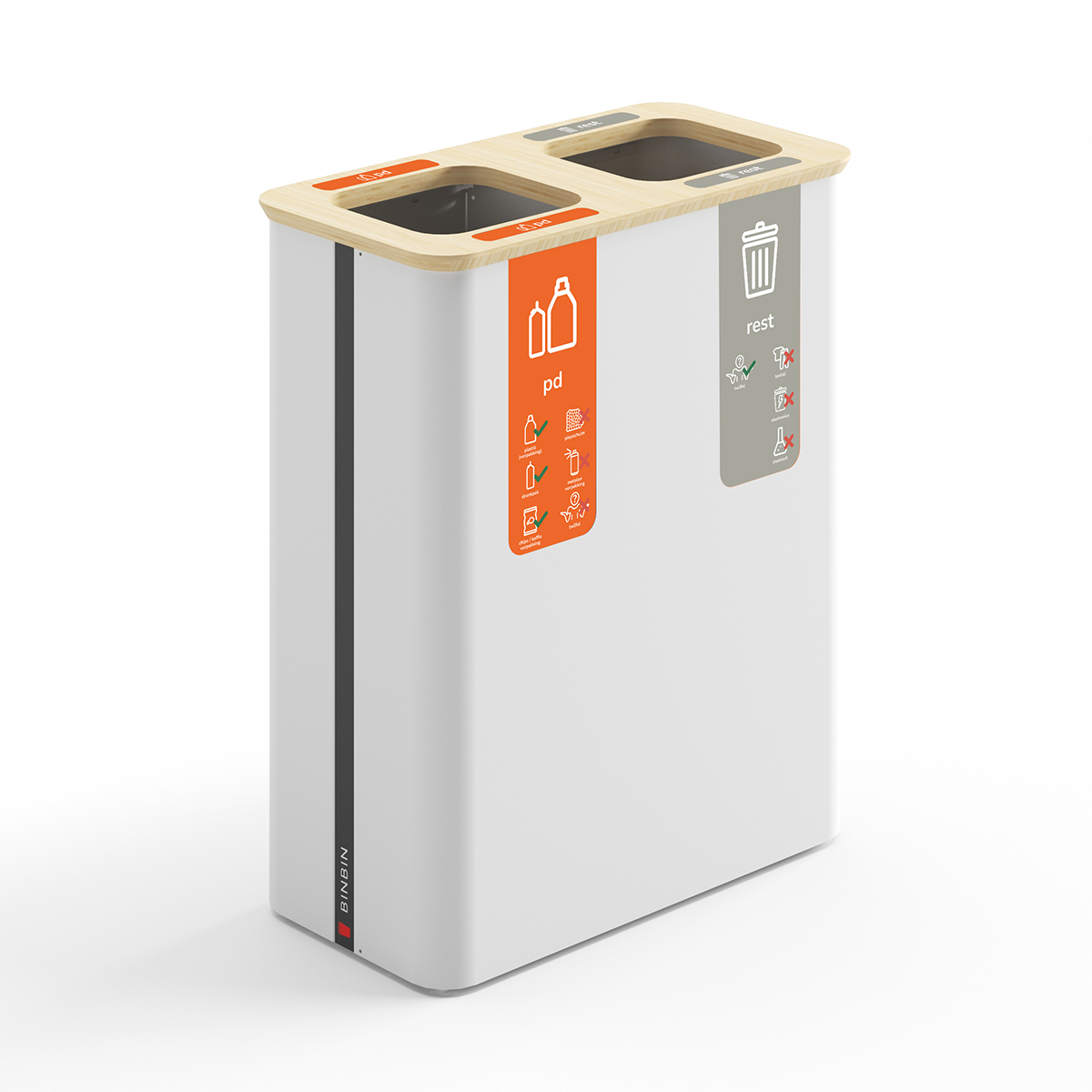
We provide modular waste separation systems designed specifically for residential environments. Our solutions combine professional-grade functionality with aesthetic design that complements modern home interiors while making household waste management more effective and convenient.
Our residential waste segregation systems offer:
- Customisable configurations that adapt to different home layouts and family sizes
- Modular design allowing easy expansion or reconfiguration as needs change
- Clean, functional aesthetics that integrate seamlessly with kitchen and utility areas
- Durable construction using recycled materials, supporting circular economy principles
- Clear labelling systems and intuitive design encouraging consistent family participation
Professional consultation helps identify the optimal waste separation setup for your specific household needs. We provide guidance on container placement, family education strategies, and system optimisation to maximise recycling effectiveness while maintaining convenience.
Ready to improve your home waste segregation system? Contact us for personalised advice and solutions that make household recycling easier and more effective.