Managing large amounts of food waste requires a strategic approach that combines proper disposal methods with effective waste-reduction strategies. Most businesses face challenges with storage space, odour control, and regulatory compliance when dealing with bulk food waste. The key is to implement systematic separation processes and choose appropriate disposal options based on waste types and local regulations.
What are the main challenges with disposing of large amounts of food waste?
The primary challenges include storage limitations, odour management, regulatory compliance, high disposal costs, and environmental impact concerns. Commercial kitchens and food service operations struggle with rapid waste accumulation that overwhelms standard collection schedules.
Storage space becomes critical when dealing with bulk food waste. Most facilities lack adequate refrigerated storage for organic waste, leading to accelerated decomposition and attracting pests. The resulting odours create workplace issues and potential health department violations.
Regulatory compliance adds complexity through mandatory separation requirements, documentation needs, and specific disposal methods. Many businesses face penalties for improper waste classification or for mixing organic waste with general refuse.
Cost implications extend beyond basic collection fees to include container rentals, increased pickup frequency, and potential fines. Environmental concerns about landfill methane emissions and wasted resources create additional pressure to adopt sustainable disposal methods.
What are the most effective methods for reducing food waste at the source?
Source reduction focuses on inventory management, portion control, donation programmes, and staff training to minimise waste generation before disposal becomes necessary. Prevention strategies typically reduce waste volumes by 20–40% through systematic planning.
Effective inventory management involves:
- First-in, first-out rotation systems
- Regular stock monitoring and forecasting
- Proper storage conditions to extend shelf life
- Supplier coordination for optimal delivery timing
Portion control measures include standardised serving sizes, flexible menu options, and customer education about appropriate quantities. Staff training programmes teach proper handling techniques, storage methods, and waste awareness.
Food donation programmes redirect surplus food to charitable organisations while providing tax benefits. Establishing relationships with local food banks and shelters creates sustainable waste-diversion channels for edible surplus.
How do you properly separate and sort large volumes of food waste?
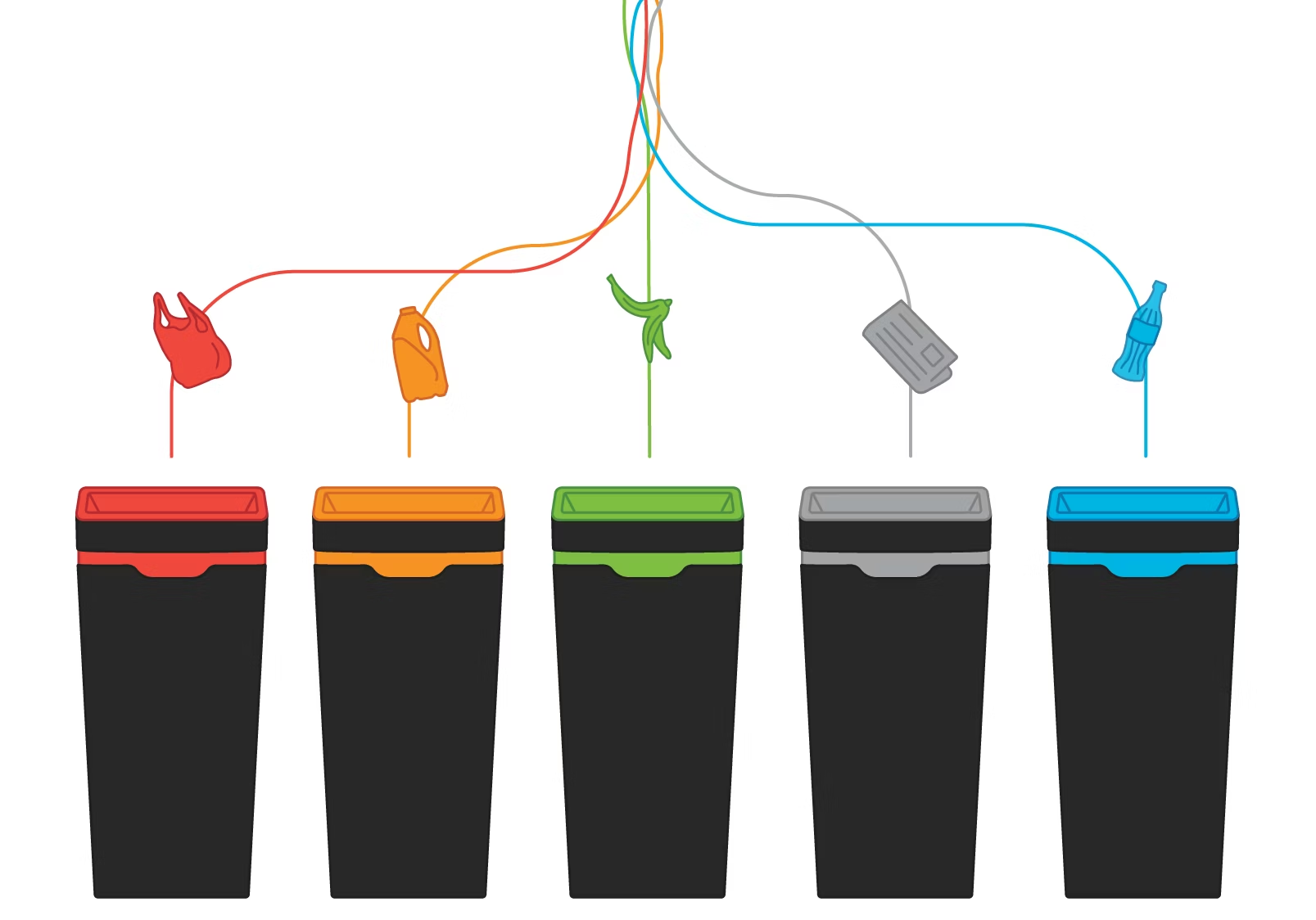
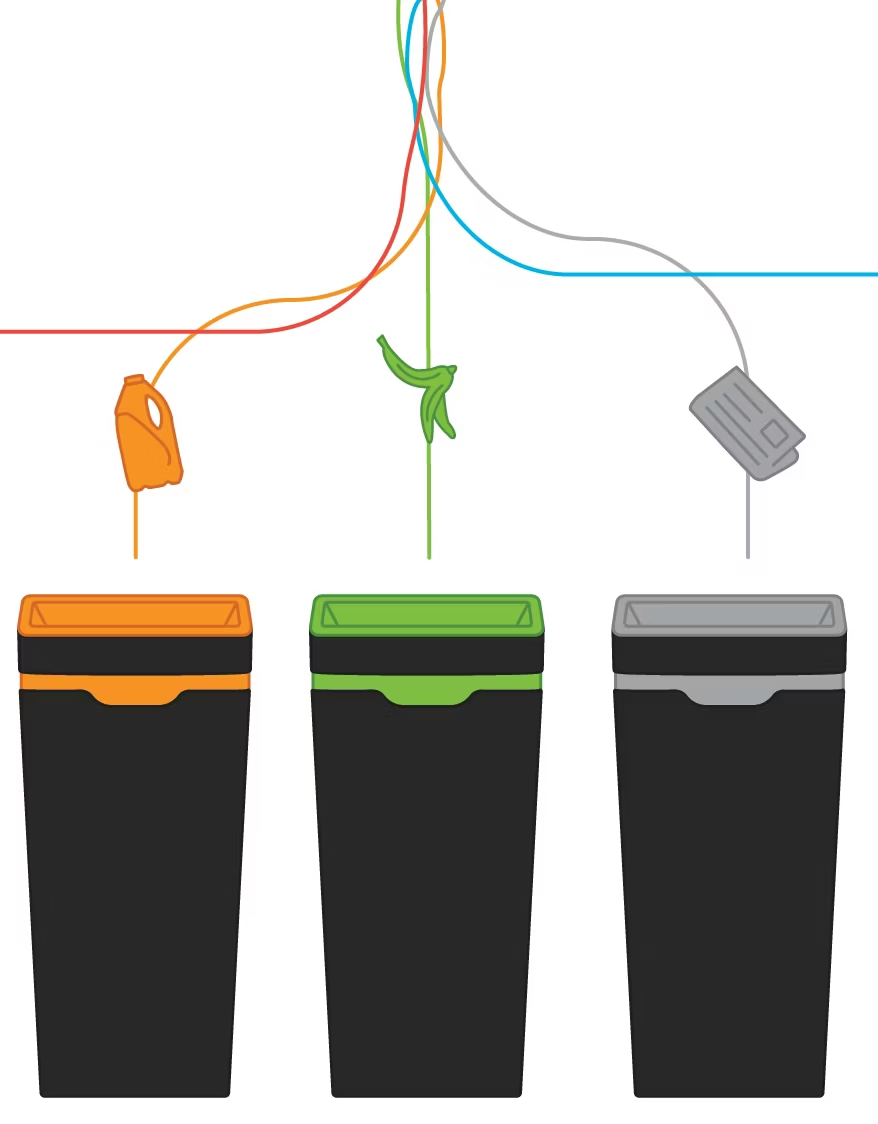
Effective separation requires designated containers, clear labelling systems, staff protocols, and integration with existing waste management processes. Proper sorting increases recycling efficiency and significantly reduces disposal costs.
Container selection depends on waste types and volumes. Use separate bins for meat products, vegetable matter, dairy items, and oils. Each container should be clearly labelled with acceptable materials and positioned strategically throughout work areas.
Implement these separation protocols:
- Train staff on proper sorting categories
- Place containers at waste-generation points
- Establish regular emptying schedules
- Monitor contamination levels and adjust training accordingly
- Document separation rates for compliance reporting
Integrating waste management across the site requires coordination between kitchen operations and facility management. Establish clear communication channels and standardised procedures that work across different departments and shifts.
What are the best disposal options for different types of food waste?
Disposal options include composting, anaerobic digestion, animal feed conversion, waste-to-energy programmes, and traditional disposal methods. The best choice depends on waste type, local infrastructure, and regulatory requirements.
Composting works well for fruit and vegetable scraps, coffee grounds, and eggshells. Commercial composting facilities accept larger volumes and handle items unsuitable for home composting. This option creates valuable soil amendments while diverting waste from landfills.
Anaerobic digestion processes organic waste to produce biogas and digestate fertiliser. This method handles meat, dairy, and other materials unsuitable for composting while generating renewable energy.
Animal feed conversion programmes transform food waste into livestock feed through proper processing. Strict regulations govern this option, particularly regarding meat products and cross-contamination prevention.
Waste-to-energy facilities burn organic waste to generate electricity while reducing landfill volumes. Traditional disposal remains necessary for contaminated or unsuitable materials but should be minimised through other methods.
How much does commercial food waste disposal actually cost?
Commercial food waste disposal costs typically range from £80 to £200 per tonne, depending on collection frequency, processing method, and local market conditions. Additional expenses include container rentals, compliance documentation, and potential penalty fees for improper disposal.
Collection fees vary based on service frequency and waste volumes. Weekly collections cost more per pickup but may reduce total expenses compared with daily services for smaller operations. Container rental fees add £20 to £50 per month per bin, depending on size and type.
Processing charges differ significantly between disposal methods. Composting and anaerobic digestion often cost less than traditional waste disposal while providing environmental benefits. Some programmes offer revenue sharing for high-quality, properly separated waste.
Compliance costs include documentation, staff training, and potential audit expenses. Penalties for improper disposal can reach thousands of pounds, making proper waste management a crucial investment rather than just an operational expense.
What regulations and compliance requirements apply to food waste disposal?
Food waste regulations cover separation mandates, documentation requirements, health department standards, and environmental compliance issues. Most jurisdictions require businesses that generate significant food waste to implement separation programmes and maintain disposal records.
Separation mandates typically apply to businesses producing more than specified weekly volumes. Requirements include designated collection containers, staff training documentation, and regular compliance reporting to local authorities.
Health department regulations focus on sanitation, pest control, and storage conditions. Proper container maintenance, regular cleaning schedules, and temperature control for organic waste storage ensure compliance with food safety standards.
Environmental standards address landfill diversion targets, methane reduction goals, and sustainable disposal methods. Many regions mandate specific diversion percentages and impose penalties for non-compliance.
Documentation needs include waste-generation records, disposal receipts, training logs, and compliance certificates. Maintaining accurate records protects against penalties and supports sustainability reporting requirements.
How BINBIN helps with commercial food waste management
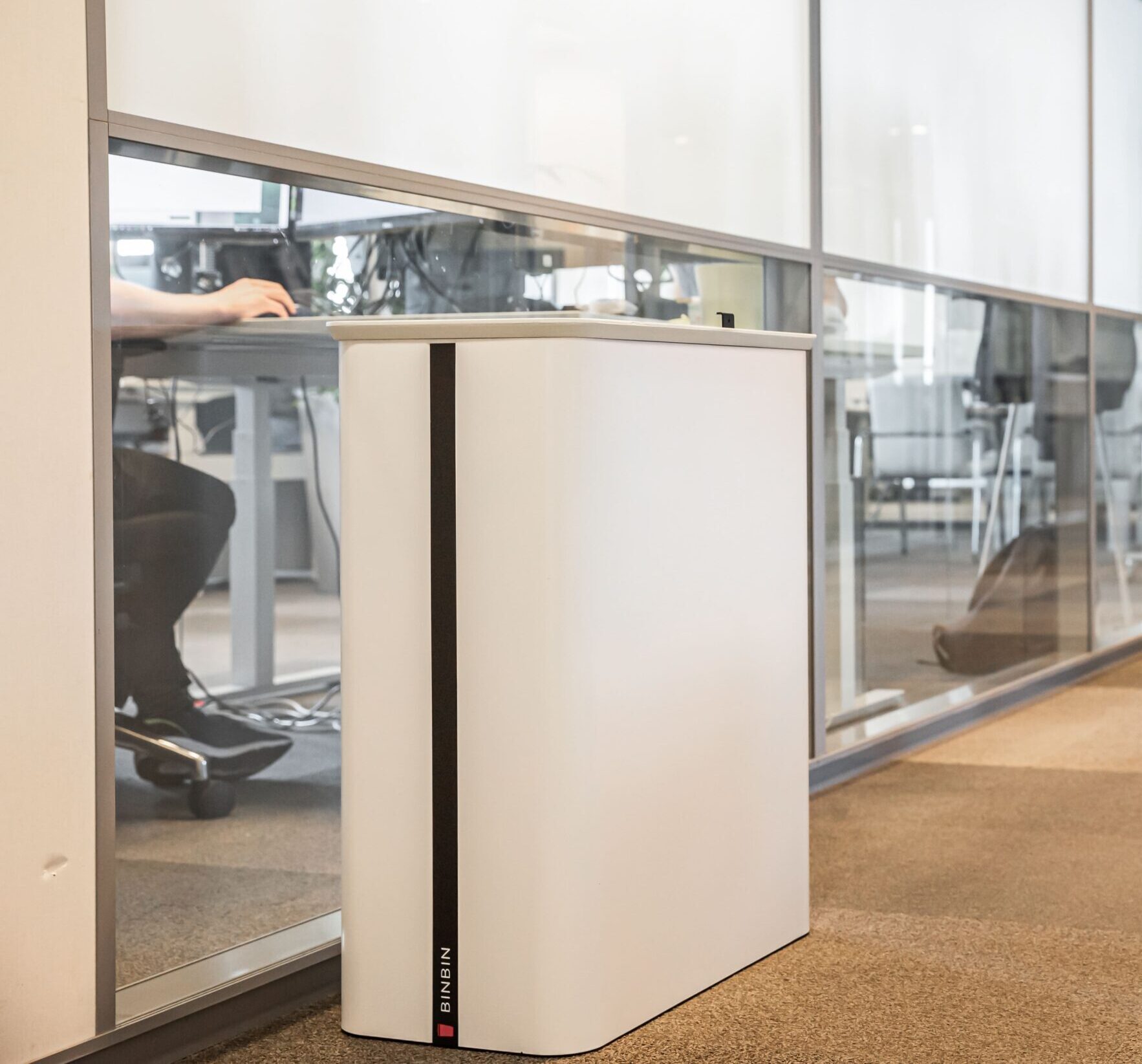
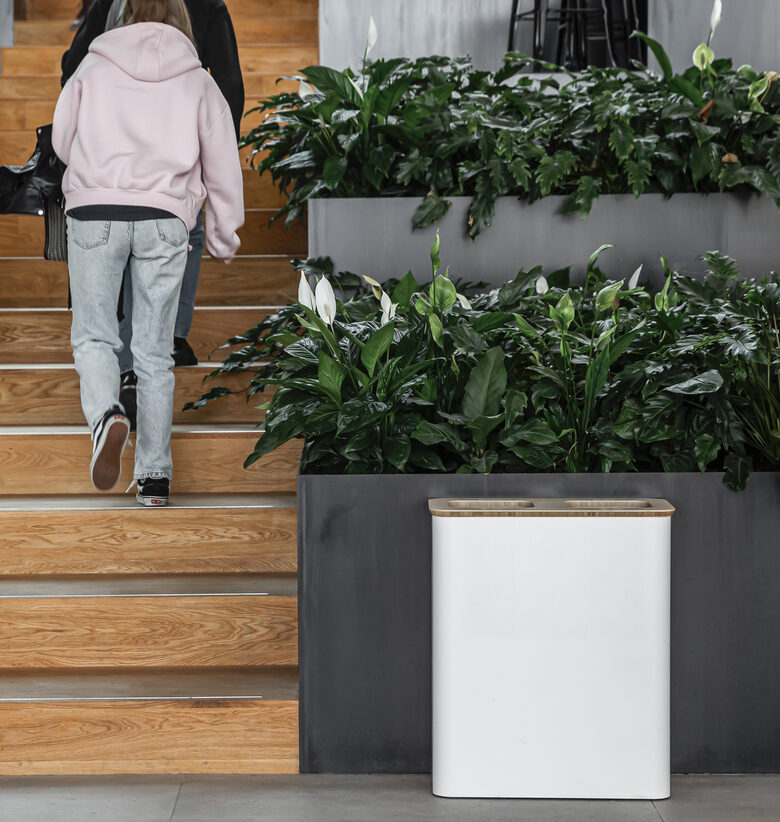
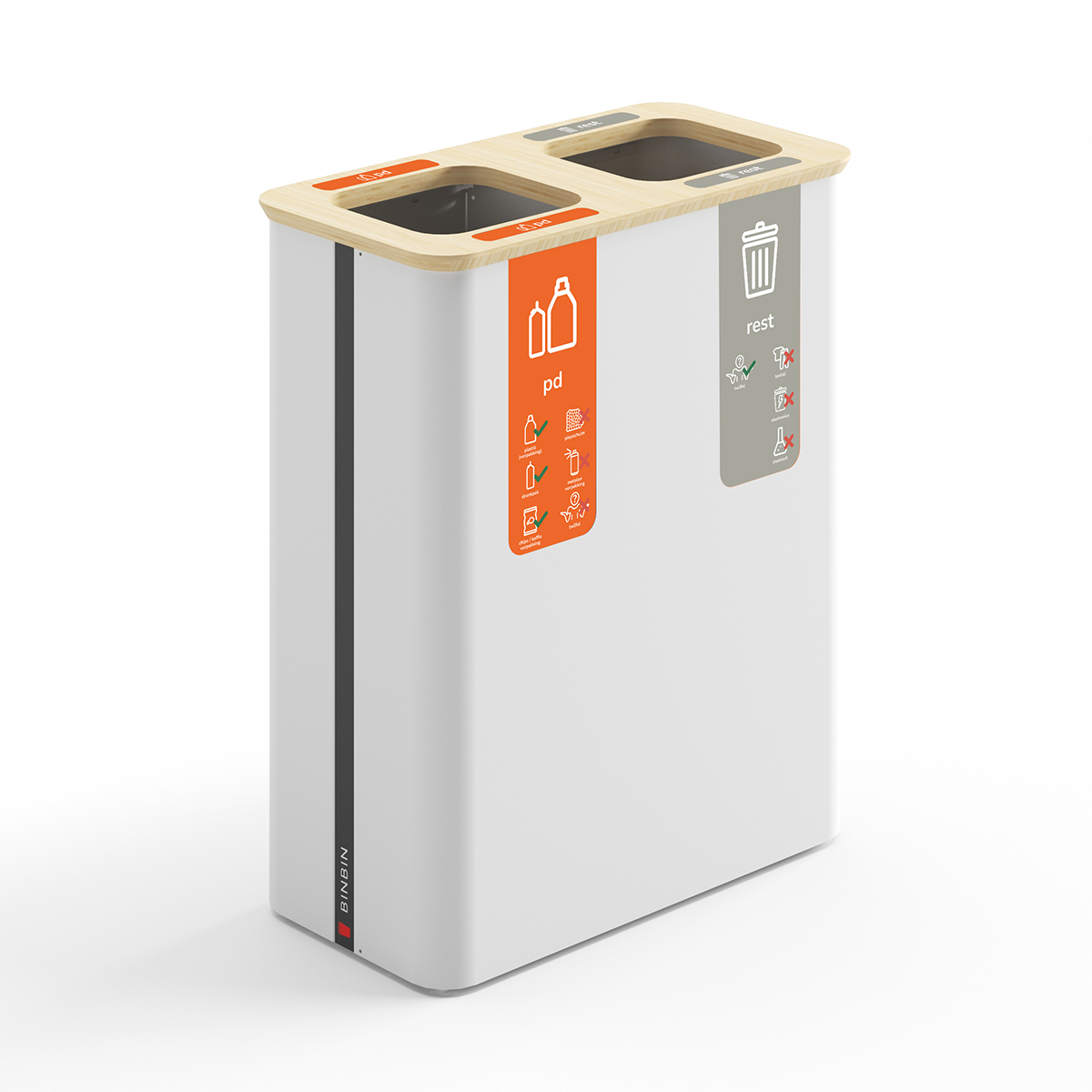
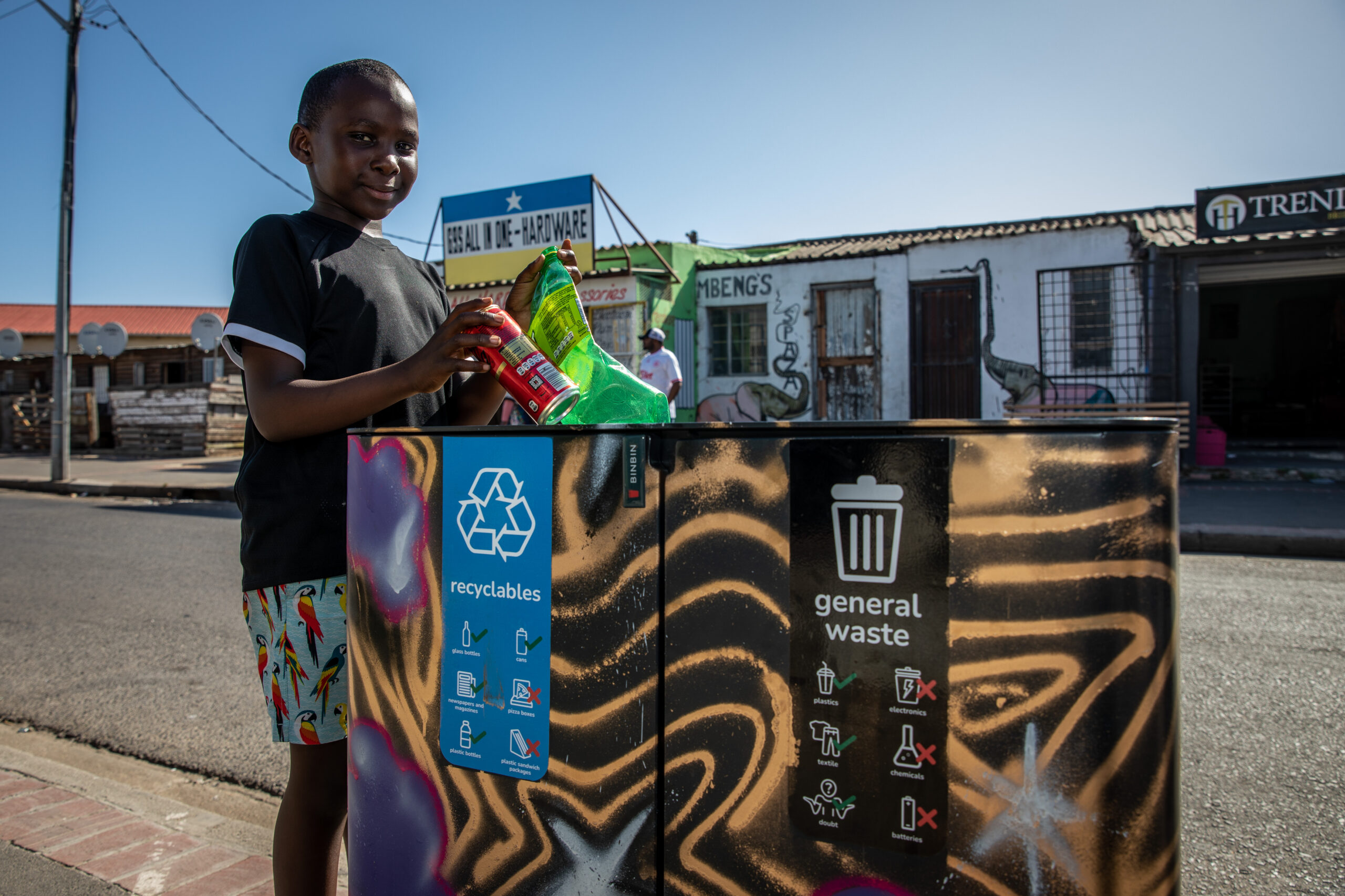
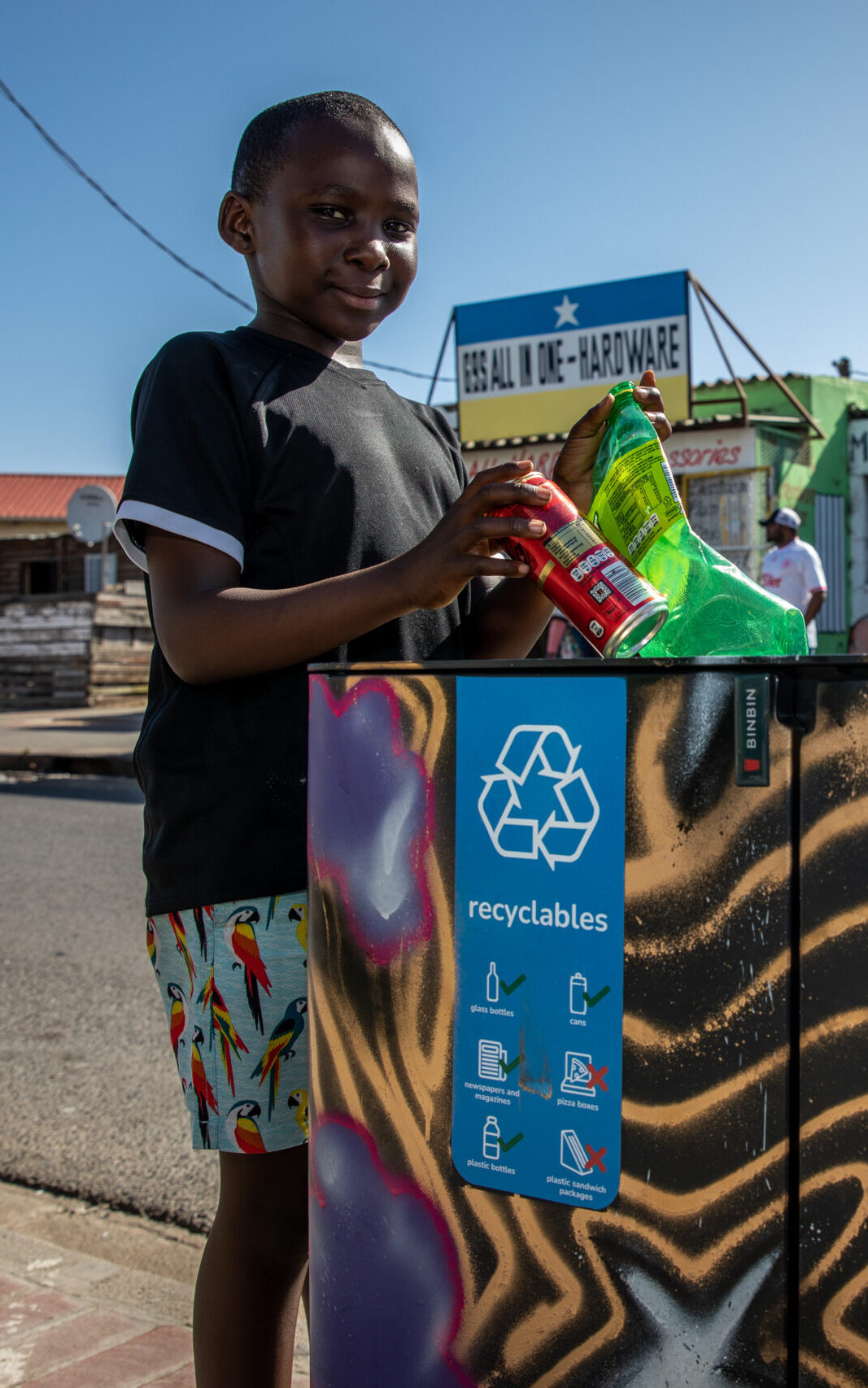
BINBIN provides modular waste-separation solutions specifically designed for commercial food operations, with customisable compartment systems that adapt to changing waste streams and volumes. Our solutions integrate seamlessly into existing kitchen workflows while maintaining hygiene standards.
Our food waste management solutions include:
- Modular containers that separate up to eight different waste streams
- Hygienic design features with easy-clean surfaces and secure lids
- Scalable systems that grow with your operational needs
- Custom labelling and branding options for clear staff guidance
The Globular series allows flexible configuration for different food waste types while maintaining a professional appearance in commercial environments. Internal compartment dividers enable precise separation without requiring additional containers.
Ready to optimise your food waste management system? Request a quote for customised solutions that meet your specific operational needs and compliance requirements.