Workplace waste management is a systematic approach to handling, separating, and disposing of waste generated in office environments. It involves implementing proper waste separation systems, ensuring legal compliance, and creating sustainable practices that reduce environmental impact while controlling costs. Effective waste management in the office requires clear processes, employee engagement, and appropriate infrastructure to handle different waste streams efficiently.
What is workplace waste management, and why is it essential for modern businesses?
Workplace waste management encompasses all activities related to collecting, separating, processing, and disposing of waste materials generated in business environments. It includes establishing systems for proper waste segregation, ensuring compliance with environmental regulations, and implementing sustainable practices that minimize environmental impact.
Modern businesses consider waste management essential for several critical reasons. Legal compliance tops the priority list, as European regulations increasingly require proper waste separation and reporting. Companies face significant penalties for non-compliance with environmental legislation.
Cost reduction represents another major driver. Proper waste separation reduces expensive general waste processing fees while potentially generating revenue from recyclable materials. Many businesses discover that effective waste management in the office significantly lowers their monthly waste disposal costs.
Corporate sustainability goals also demand robust waste management systems. Stakeholders, employees, and customers increasingly expect businesses to demonstrate environmental responsibility. A well-implemented waste management program enhances brand reputation and supports corporate social responsibility objectives.
What are the most common types of waste generated in office environments?
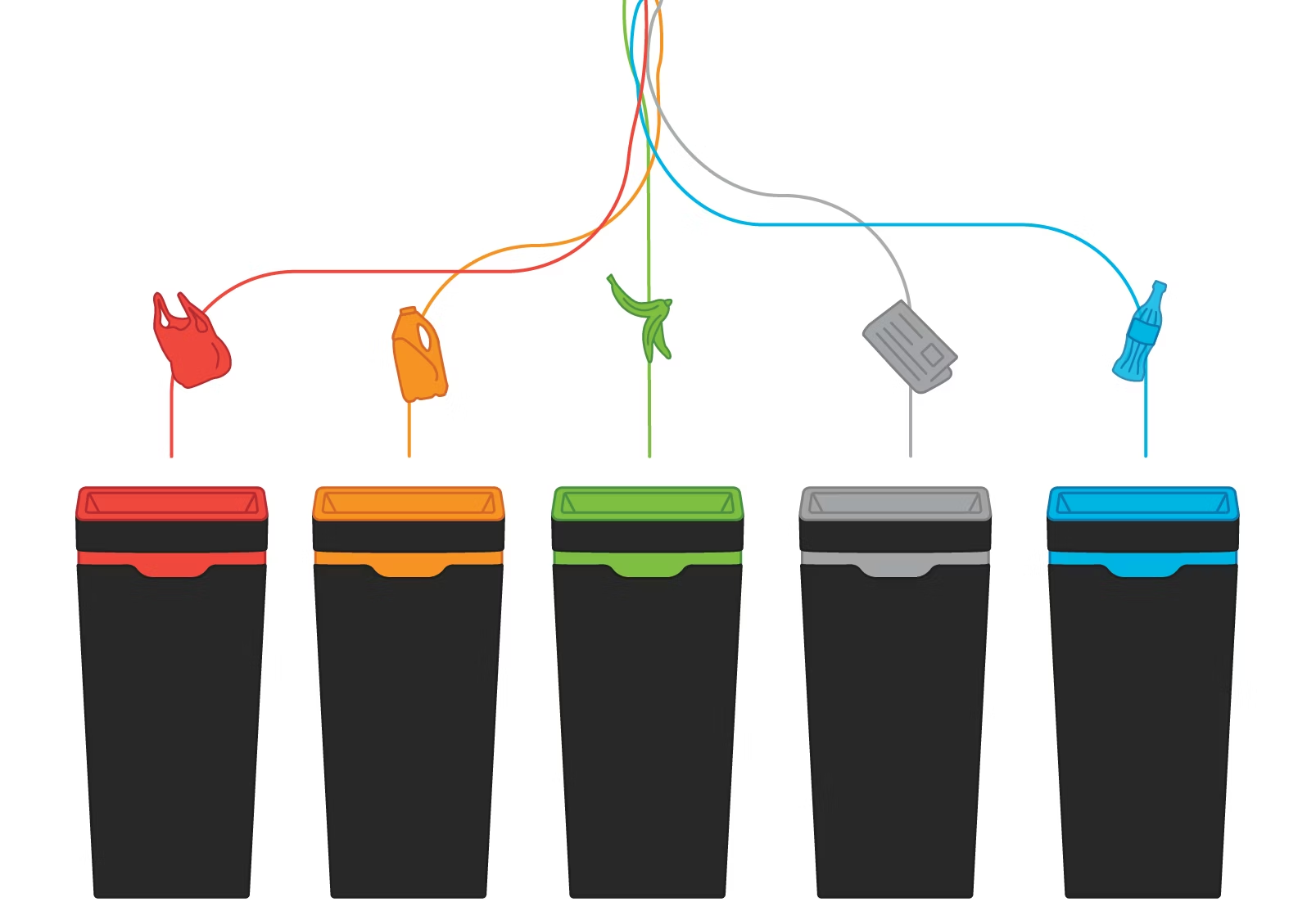
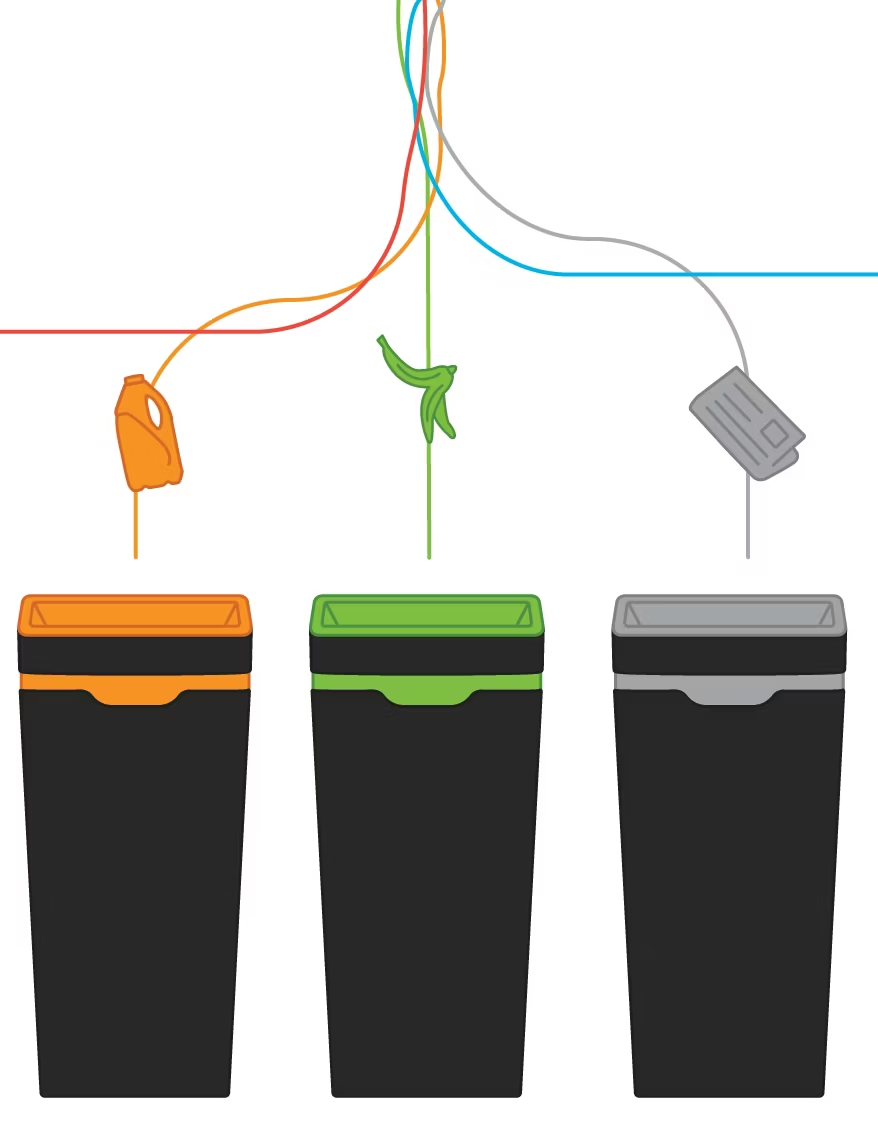
Office environments typically generate five primary waste streams that require different handling approaches. Paper waste dominates most offices, including documents, packaging, newspapers, and cardboard. This stream offers excellent recycling potential when properly separated from contaminated materials.
Plastic waste includes bottles, food containers, packaging materials, and disposable cutlery. These materials require clean separation to maintain recycling value, making proper employee education crucial for effective collection.
Organic waste comprises food scraps, coffee grounds, fruit peels, and other biodegradable materials from kitchen areas and lunches. This stream often represents a significant portion of office waste and offers composting opportunities.
Electronic waste encompasses batteries, printer cartridges, old equipment, and small electronic devices. These materials require special handling due to hazardous components and valuable recoverable materials.
General refuse includes contaminated items, mixed materials, and non-recyclable waste. Effective separation systems aim to minimize this stream by maximizing the recovery of recyclable materials through proper sorting processes.
How do you implement an effective waste separation system in your workplace?
Implementing workplace waste separation requires a systematic approach, beginning with a comprehensive assessment of current waste streams, volumes, and disposal patterns. This evaluation identifies specific needs and helps determine appropriate infrastructure requirements for your office environment.
Planning involves selecting suitable separation systems and determining optimal placement locations. High-traffic areas like kitchens, break rooms, and copy centers require robust solutions, while individual workstations may need smaller sorting options.
Infrastructure setup follows this systematic approach:
- Install clearly labeled separation containers for each waste stream.
- Position systems in convenient, accessible locations.
- Ensure adequate capacity for daily waste volumes.
- Establish collection schedules and responsibilities.
- Create monitoring systems to track compliance and effectiveness.
Employee training represents the most critical implementation phase. Staff need clear guidance on which materials belong in each container, why proper separation matters, and how their participation contributes to company goals. Regular refresher sessions maintain high compliance levels.
Monitoring systems track separation quality, contamination levels, and cost impacts. Regular audits identify opportunities for improvement and ensure the system continues to meet business objectives effectively.
What are the legal requirements for workplace waste management in Europe?
Workplace waste management in Europe operates under comprehensive legal frameworks requiring businesses to properly separate, document, and dispose of waste materials. The EU Waste Framework Directive establishes fundamental principles that member states implement through national legislation.
Dutch regulations exemplify these requirements through the Environmental Management Act, which mandates waste separation for businesses generating significant quantities. Companies must separate paper, plastic, organic waste, and hazardous materials when volumes exceed specified thresholds.
Documentation requirements include maintaining waste registers, tracking disposal methods, and reporting annual waste generation data. Businesses must demonstrate compliance through proper record-keeping and regular reporting to environmental authorities.
Penalties for non-compliance vary by country but typically include substantial fines, enforcement actions, and potential operational restrictions. Dutch businesses face fines of up to €870,000 for serious environmental violations, while ongoing non-compliance can result in operational shutdowns.
Producer responsibility obligations require businesses to take responsibility for packaging waste and the disposal of electronic equipment. Companies must participate in approved collection schemes or demonstrate alternative compliant disposal methods.
How do you get employees to actively participate in workplace waste separation?
Employee participation in waste separation succeeds through comprehensive training programs that explain the importance, process, and benefits of proper waste management. Staff need to understand both environmental impacts and business benefits to maintain long-term engagement with separation systems.
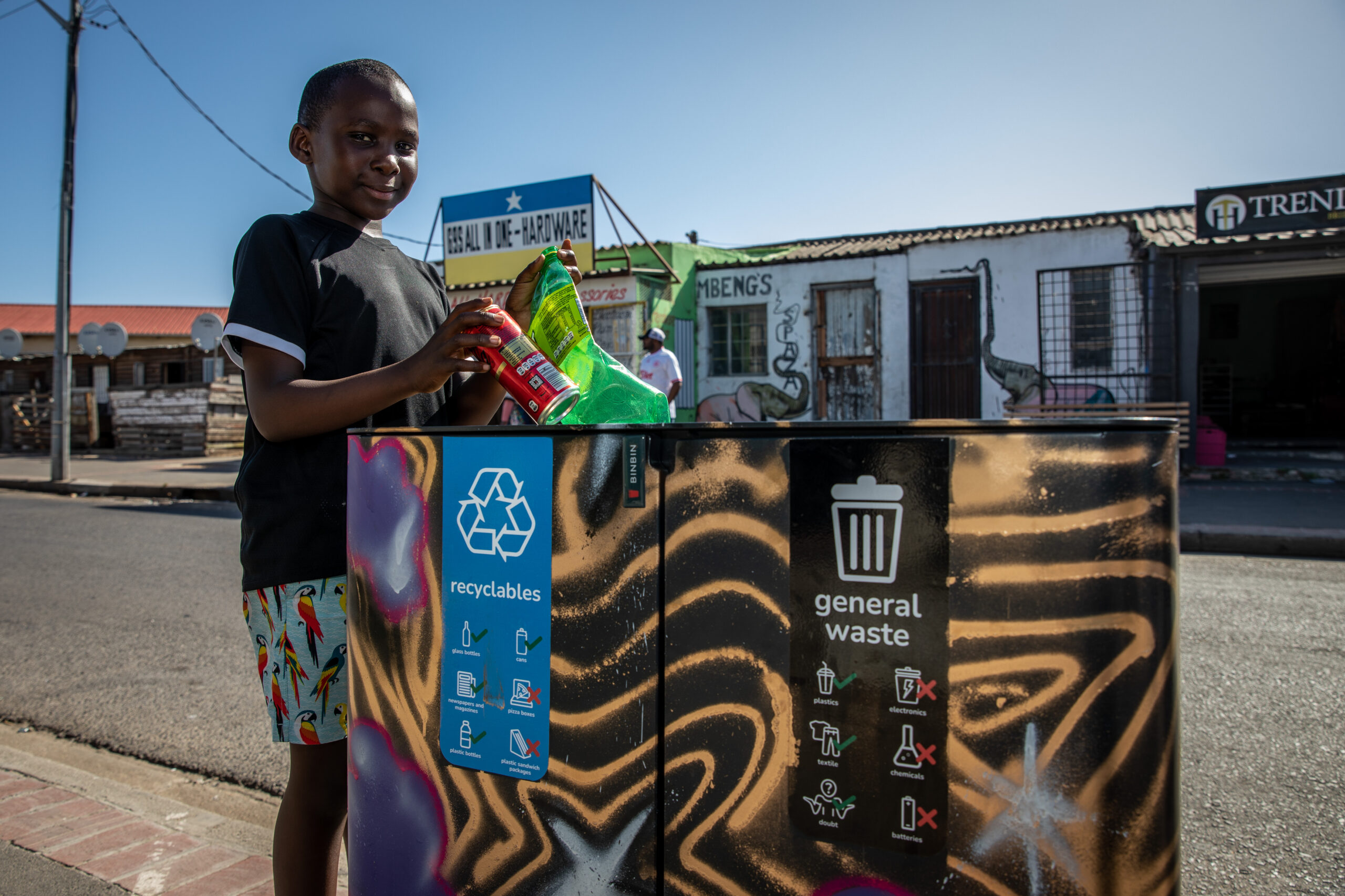
Clear signage and visual guidance eliminate confusion about proper sorting. Color-coded containers, pictorial instructions, and multilingual labels ensure all employees can participate effectively, regardless of background or experience level.
Creating a culture of environmental responsibility involves leadership by example, regular communication about progress, and recognition of positive participation. When management visibly supports and participates in waste separation, employees follow naturally.
Effective engagement strategies include:
- Regular feedback sessions about waste reduction achievements
- Team challenges and friendly competition between departments
- Integration of waste management goals into performance discussions
- Provision of convenient, well-designed separation infrastructure
- Ongoing education about environmental and cost benefits
Incentive systems can include recognition programs, sustainability awards, or team rewards for achieving separation targets. However, intrinsic motivation through understanding and convenience typically proves more sustainable than external rewards alone.
What are the cost benefits of proper workplace waste management?
Proper workplace waste management delivers significant financial advantages through reduced waste processing fees, potential revenue from recyclable materials, and improved operational efficiency. Most businesses discover that the initial investment in separation systems pays for itself within the first year through lower disposal costs.
Waste processing cost reductions represent the most immediate benefit. General waste disposal typically costs two to three times more than separated recyclable materials. Businesses that reduce general waste volumes by 50% through proper separation often see proportional cost savings in monthly waste bills.
Revenue generation opportunities emerge from selling high-quality separated materials. Clean paper, cardboard, and certain plastics command market prices, while metal and electronic waste often generate substantial returns due to valuable material content.
Operational efficiency improvements include reduced collection frequency requirements, smaller waste storage areas, and streamlined disposal processes. These changes free up space and resources for productive business activities while reducing administrative overhead.
Long-term cost savings compound through avoided regulatory penalties, reduced environmental compliance costs, and potential tax advantages available to businesses demonstrating environmental responsibility. Many regions offer incentives for companies achieving waste reduction targets.
Insurance and risk management benefits include reduced liability exposure and potential premium reductions for companies with strong environmental management systems.
How BINBIN helps with workplace waste management
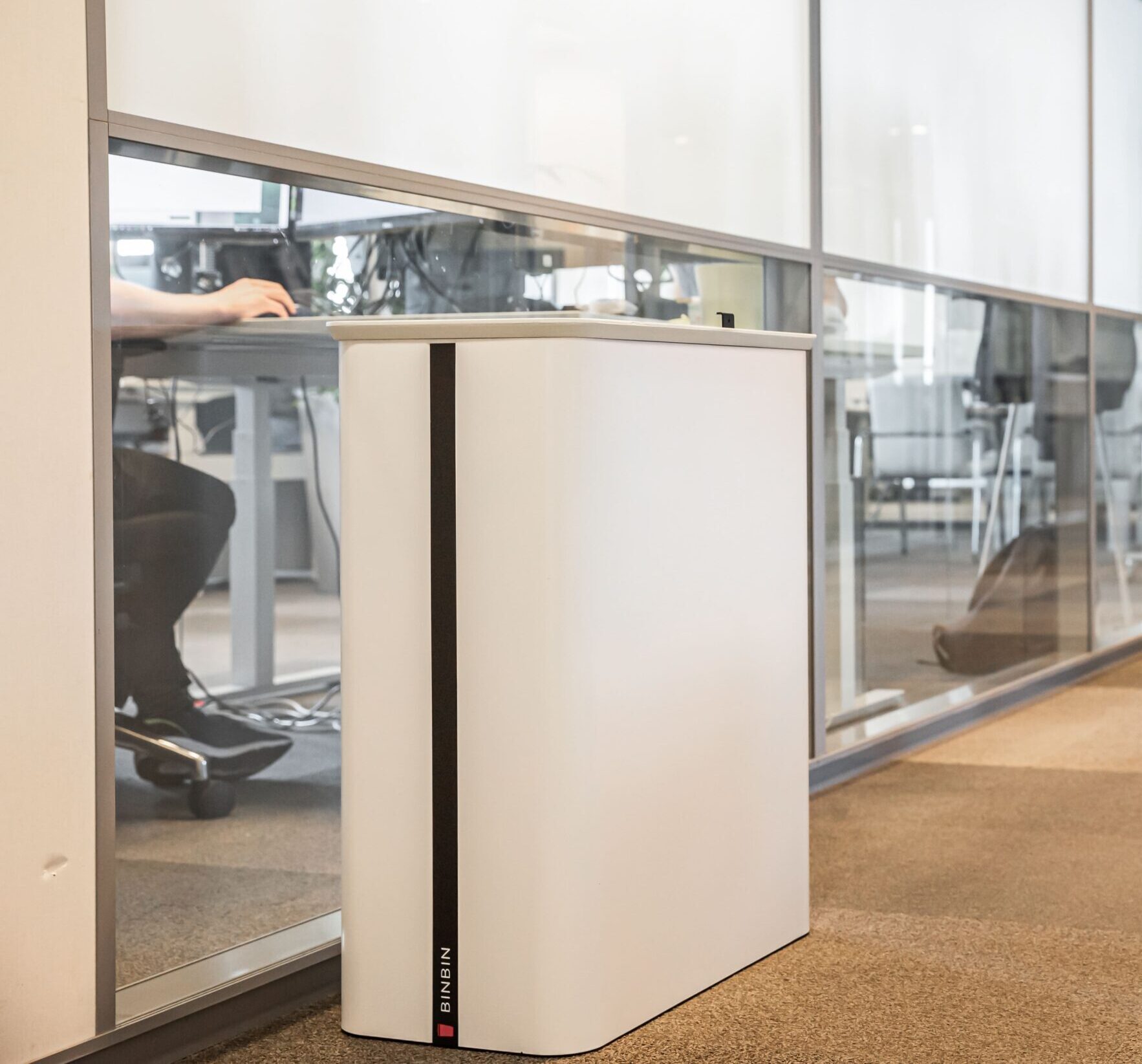
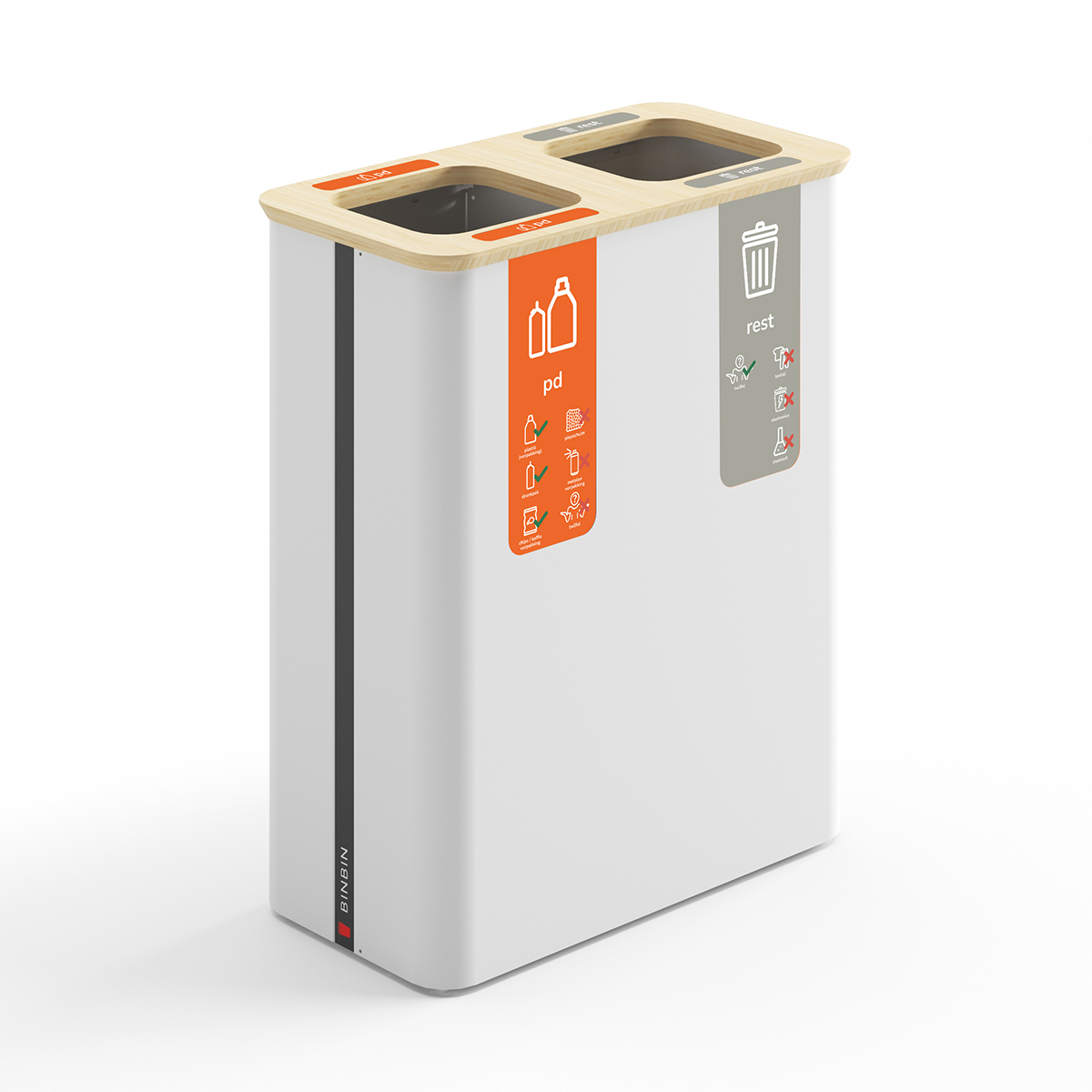
BINBIN provides comprehensive, modular waste separation solutions specifically designed for office environments that require flexibility, style, and effectiveness. Our systems address the common challenges facility managers face when implementing compliant, cost-effective waste management solutions across different industries.
Our modular approach offers unique advantages for workplace waste management:
- Configurable systems that handle 1-8 waste streams and adapt as requirements change
- A 99% circular design using recycled materials that supports corporate sustainability goals
- A professional appearance that integrates seamlessly with modern office environments
- Internal splitting capabilities that eliminate the need for additional containers
- Customization options, including company branding and specific color schemes
We provide comprehensive implementation support, including free trial placements to test systems in your environment, digital waste assessments to identify optimal solutions, and ongoing advisory services to ensure maximum effectiveness.
Ready to transform your workplace waste management? Contact us for a personalized consultation and discover how our modular solutions can help your business achieve compliance, reduce costs, and support sustainability objectives through effective waste separation systems.