Reducing waste in offices requires a systematic approach that combines proper infrastructure, employee engagement, and effective office waste management. The most successful offices reduce waste by implementing clear separation systems, switching to digital processes, and creating convenient recycling stations. The key is to make waste reduction effortless for employees while addressing the largest sources of office waste first.
What are the biggest sources of waste in modern offices?
Paper waste accounts for the largest portion of office waste, followed by single-use food packaging, disposable cups, and electronic waste. These four categories typically represent over 80% of total office waste volume. Understanding these primary sources helps prioritise reduction efforts where they will have the greatest impact.
Paper waste extends beyond obvious printing to include packaging materials, notebooks, sticky notes, and paper towels. Many offices generate substantial waste from lunch packaging, coffee pods, plastic cutlery, and disposable plates from meetings and events.
Electronic waste presents unique challenges, as it includes batteries, old equipment, printer cartridges, and mobile devices. Whilst smaller in volume, electronic waste requires special handling and often contains valuable materials that can be recovered through proper recycling programmes.
General refuse bins collect mixed waste that becomes difficult to separate later. This includes contaminated recyclables, food scraps, and items that employees are not sure how to dispose of properly. Creating clear disposal pathways for each waste type eliminates confusion and reduces contamination.
How can offices implement effective waste separation systems?
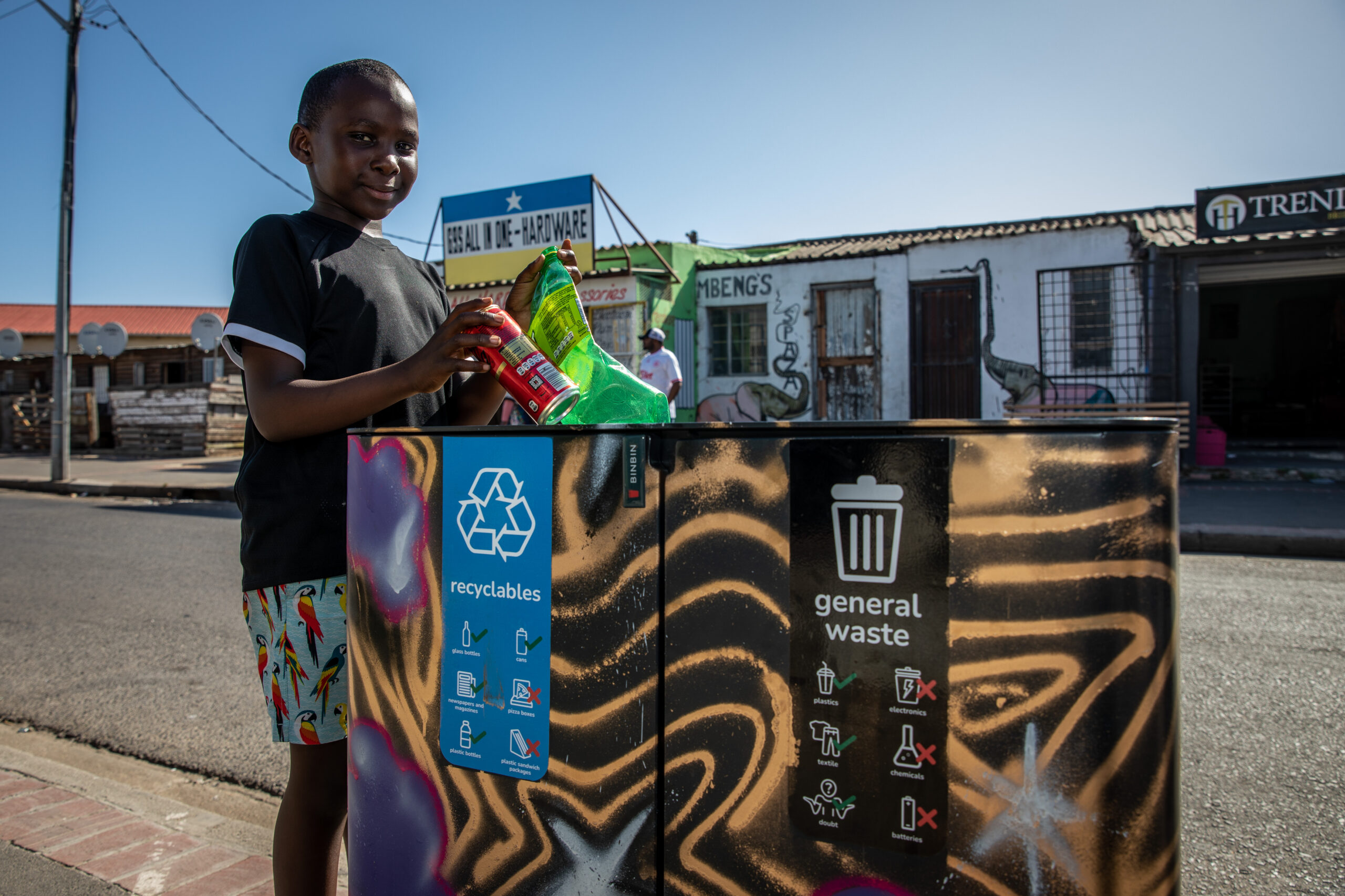
Effective waste separation starts with strategically placed containers near waste generation points, clear labelling with visual guides, and consistent messaging throughout the office. The system must be more convenient than throwing everything into one bin, or employees will not adopt it.
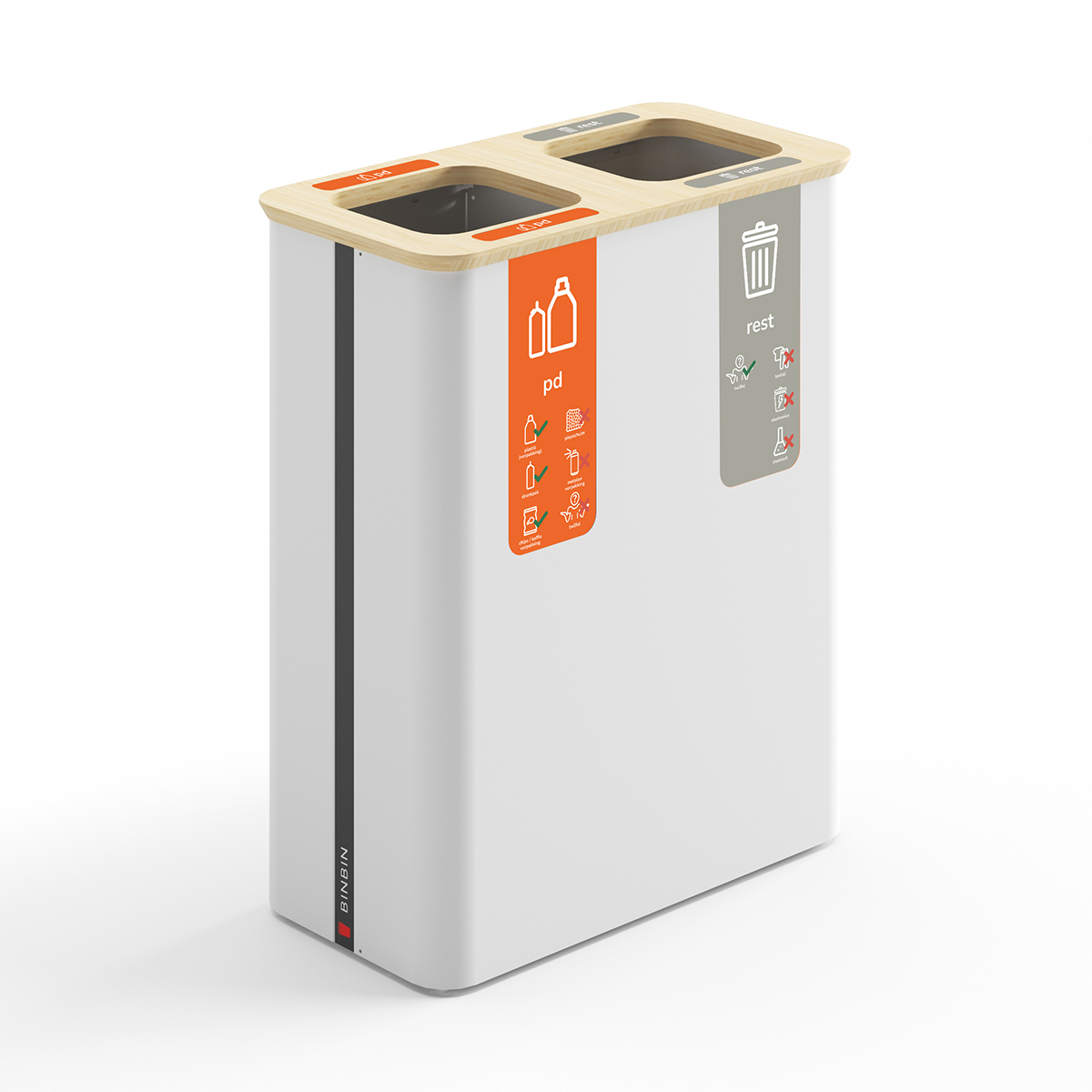
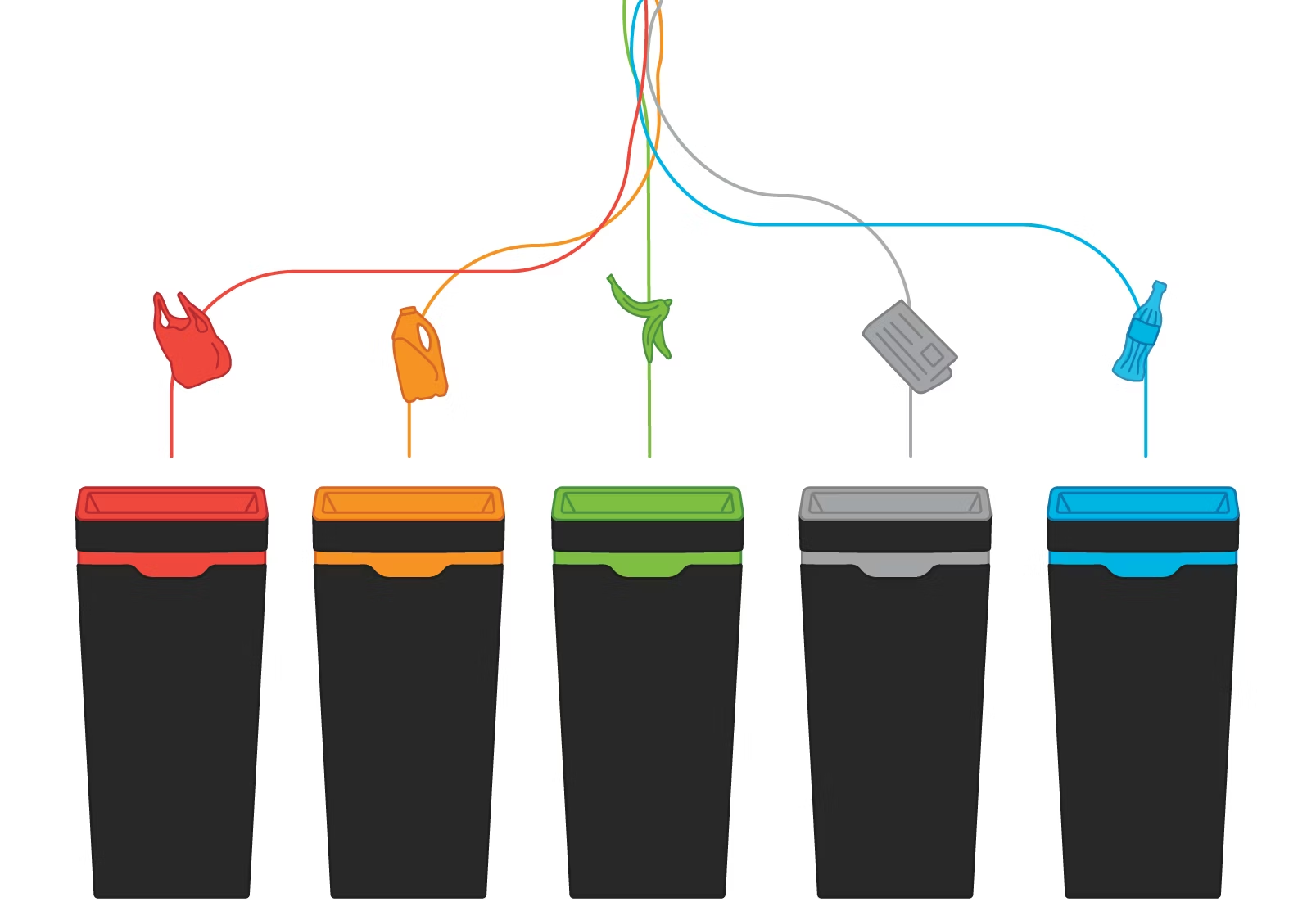
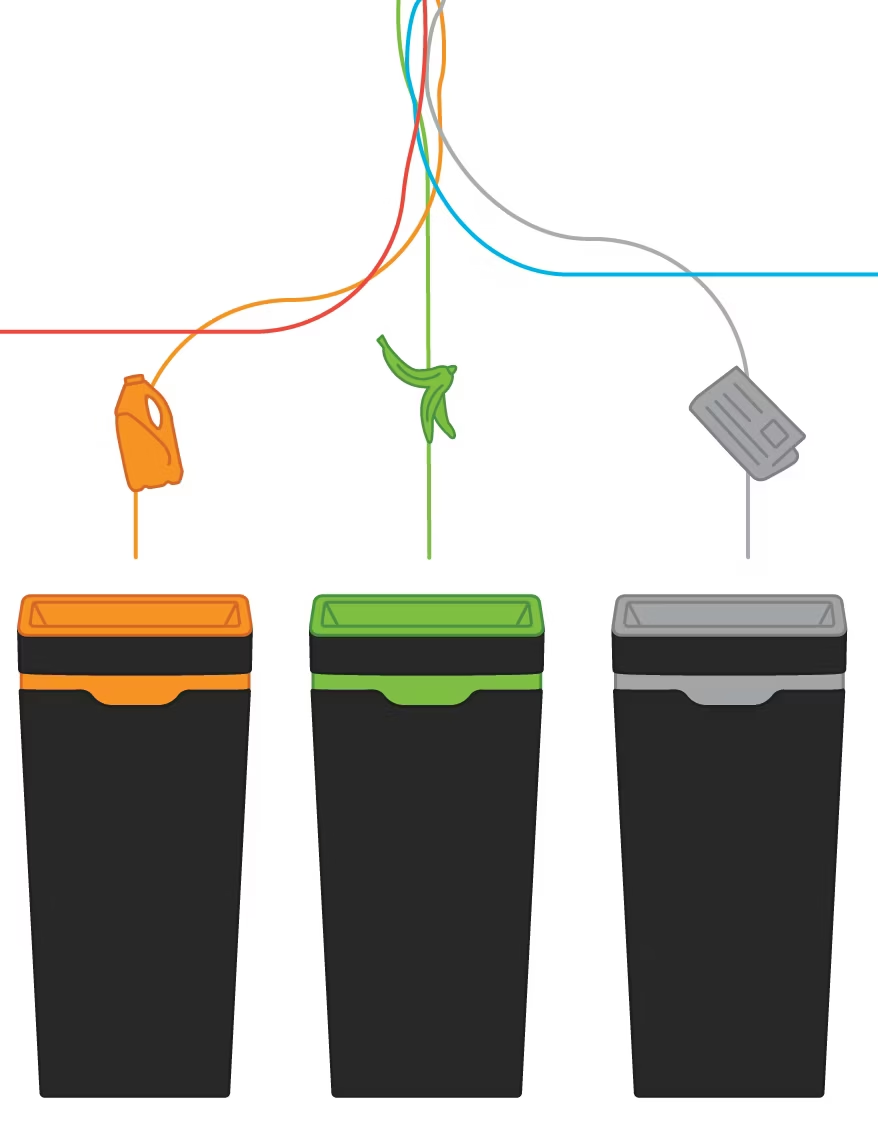
Place separation stations in high-traffic areas like kitchens, printer areas, and main corridors. Each station should include containers for paper, plastic packaging, organic waste, and general refuse. Visual labels with pictures work better than text-only signs, especially in multicultural workplaces.
Container sizing matters significantly. Make recycling bins larger and more accessible than general waste bins to encourage proper sorting. Position paper recycling near printers and copiers, where most paper waste occurs.
Employee training should focus on the “why” behind separation, not just the “how”. When people understand that proper separation reduces disposal costs and supports environmental goals, they are more likely to participate consistently. Regular communication through newsletters or team meetings reinforces good habits.
What are the most cost-effective ways to reduce office waste?
Digital document management delivers immediate cost savings by reducing printing, paper purchases, and storage needs. Combined with reusable alternatives for common disposables, these changes require minimal investment while providing measurable cost reductions within months.
Transitioning to digital workflows eliminates most paper waste whilst improving document accessibility and security. Cloud-based systems reduce the need for printed copies, filing cabinets, and physical storage space.
Bulk purchasing of reusable items like coffee mugs, water bottles, and lunch containers costs less in the long term than continually buying disposables. Providing these items to employees eliminates ongoing purchases of disposable alternatives.
The following strategies provide an excellent return on investment:
- Default double-sided printing settings reduce paper use by half
- Water filtration systems eliminate bottled water costs
- Bulk coffee and tea service replaces individual pods or packets
- Reusable presentation materials replace printed handouts
- Digital receipt and invoice processing reduces paper handling
Why do office waste reduction initiatives often fail?
Most office waste reduction initiatives fail due to inconvenient systems that require extra effort from employees, combined with insufficient management support and unclear communication about expectations and benefits.
Convenience is crucial for success. If separating waste takes longer or requires employees to walk further than using a general bin, compliance drops dramatically. Systems that feel like additional work rather than a natural part of the workflow face resistance.
Lack of visible management participation sends mixed signals. When leadership does not model the behaviours they are asking employees to adopt, initiatives lose credibility and momentum.
Poor communication about the purpose and benefits creates apathy. Employees need to understand how their efforts contribute to cost savings, environmental goals, or regulatory compliance. Without this context, waste reduction feels like an arbitrary requirement.
Inconsistent implementation across different office areas confuses employees and undermines the system. Mixed messaging about what goes where leads to contamination and the eventual abandonment of separation efforts.
How do you measure and track office waste reduction progress?
Measuring waste reduction progress requires establishing baseline measurements for each waste stream, setting realistic monthly targets, and tracking both volume and cost savings. Simple metrics like waste volume per employee and disposal costs provide clear progress indicators.
Start by weighing or counting waste containers for each category over several weeks to establish current patterns. This baseline helps set achievable reduction targets and identifies which areas need attention.
Track these key metrics monthly:
- Total waste volume per employee
- Percentage of waste properly separated
- Paper consumption reduction from digital initiatives
- Cost savings from reduced disposal fees
- Recycling rates for different material types
- Employee participation in waste reduction programmes
Regular reporting to stakeholders maintains momentum and demonstrates the value of waste reduction efforts. Visual dashboards showing progress against targets help maintain employee engagement and management support.
What legal requirements exist for office waste management?
Waste management regulations vary by location but typically require businesses to separate recyclable materials, maintain disposal records, and use licensed waste contractors. Many jurisdictions mandate specific separation requirements for paper, organic waste, and hazardous materials like electronics.
European Union regulations require businesses to separate paper, plastic, glass, and organic waste. Penalties for non-compliance can include fines and increased disposal fees. Documentation requirements include waste transfer notes and recycling certificates.
Electronic waste faces stricter regulations due to hazardous components. Many regions require businesses to use certified e-waste recyclers and maintain disposal records for audit purposes.
Compliance strategies include working with waste management contractors who understand local regulations, maintaining proper documentation, and implementing systems that meet or exceed minimum separation requirements. Regular training ensures employees understand their role in maintaining compliance.
How BINBIN helps with office waste reduction
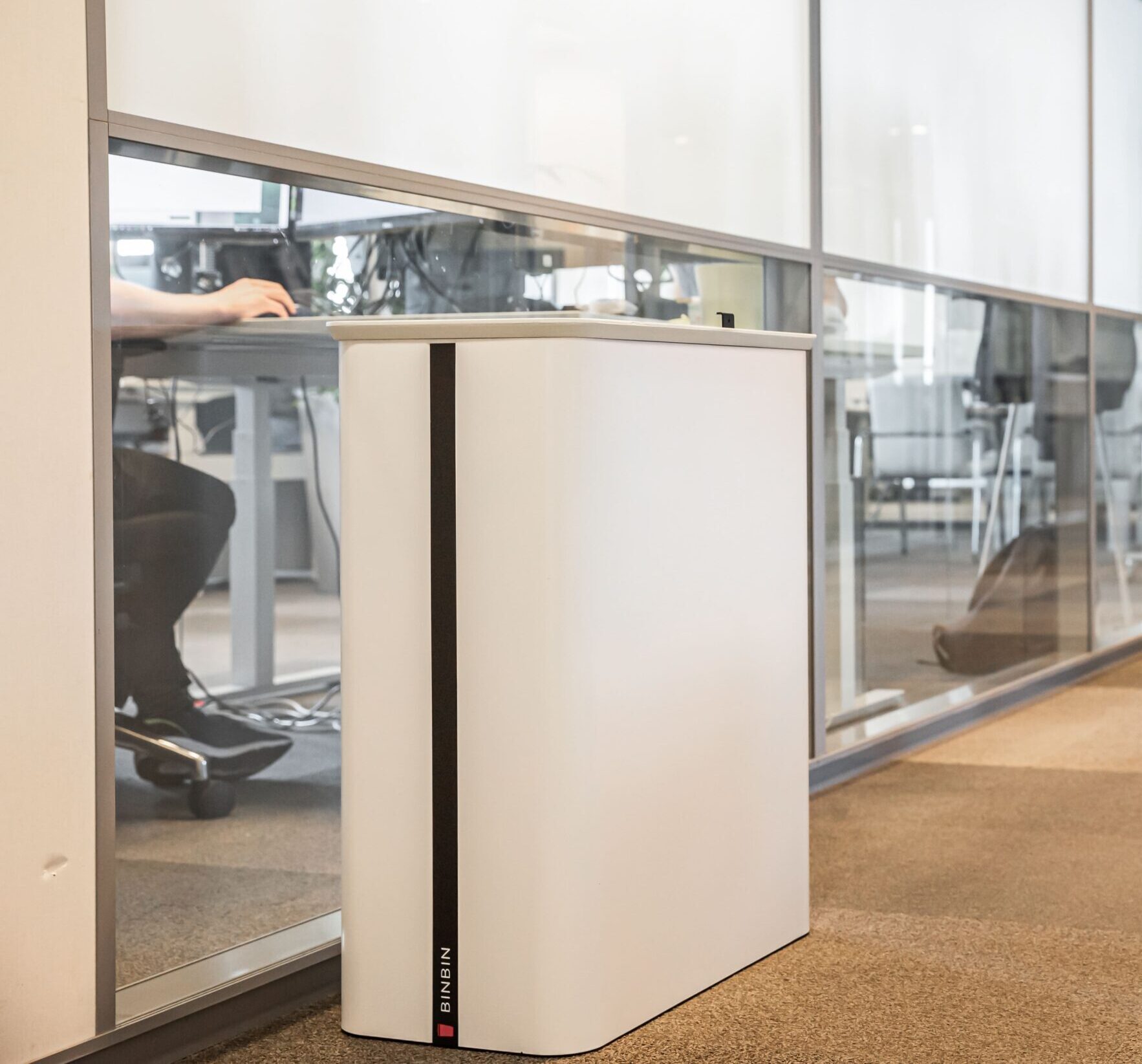
We provide modular waste separation solutions specifically designed for office environments, combining functional design with an intuitive user experience. Our circular approach addresses common office waste challenges whilst supporting compliance and sustainability goals through adaptable systems that grow with changing needs.
Our office solutions include:
- Modular systems that separate 1-8 different waste streams as needed
- Clean, professional designs that integrate seamlessly with office aesthetics
- Customisable labelling and branding options for clear communication
- 99% circular construction from recycled materials
- Flexible configurations that adapt as waste management needs evolve
We offer personalised guidance and implementation support to help organisations find the optimal waste separation solution. Our service includes free workplace assessments, digital waste analysis, and comprehensive communication materials, including pictograms and educational resources.
Ready to transform your office waste management? Contact our team to discuss how our modular solutions can support your sustainability goals whilst ensuring regulatory compliance and cost savings.