Starting a recycling program at school involves establishing proper waste-separation systems, educating students and staff about recycling practices, and creating engaging programs that make environmental responsibility part of daily school life. Successful school recycling programs combine practical infrastructure with educational initiatives that teach students valuable environmental skills while reducing the school’s waste footprint.
What is school recycling and why does it matter for education?
School recycling is a systematic approach to separating and processing waste materials within educational institutions to divert them from landfills and return them to productive use. These programs typically focus on common school waste streams such as paper, plastic bottles, food waste, and electronics.
The educational benefits extend far beyond waste reduction. Students develop environmental awareness through hands-on experience with sustainability practices. They learn about resource conservation, circular-economy principles, and their personal impact on the environment. These lessons create lasting habits that students carry into adulthood.
School recycling programs also provide practical learning opportunities across subjects. Mathematics classes can analyse waste data, science lessons can explore decomposition and material properties, and social studies can examine environmental justice issues. This interdisciplinary approach reinforces learning while making abstract concepts tangible.
From an institutional perspective, effective waste management at school reduces disposal costs and demonstrates environmental leadership to the community. Schools that implement comprehensive recycling programs often see lower waste-collection fees and can redirect those savings toward educational resources.
How do you assess current waste management practices at your school?
Begin by conducting a comprehensive waste audit to understand what your school currently throws away and where waste is generated. Spend one week collecting and sorting waste from different areas, including classrooms, cafeterias, offices, and outdoor spaces, to identify the largest waste streams.
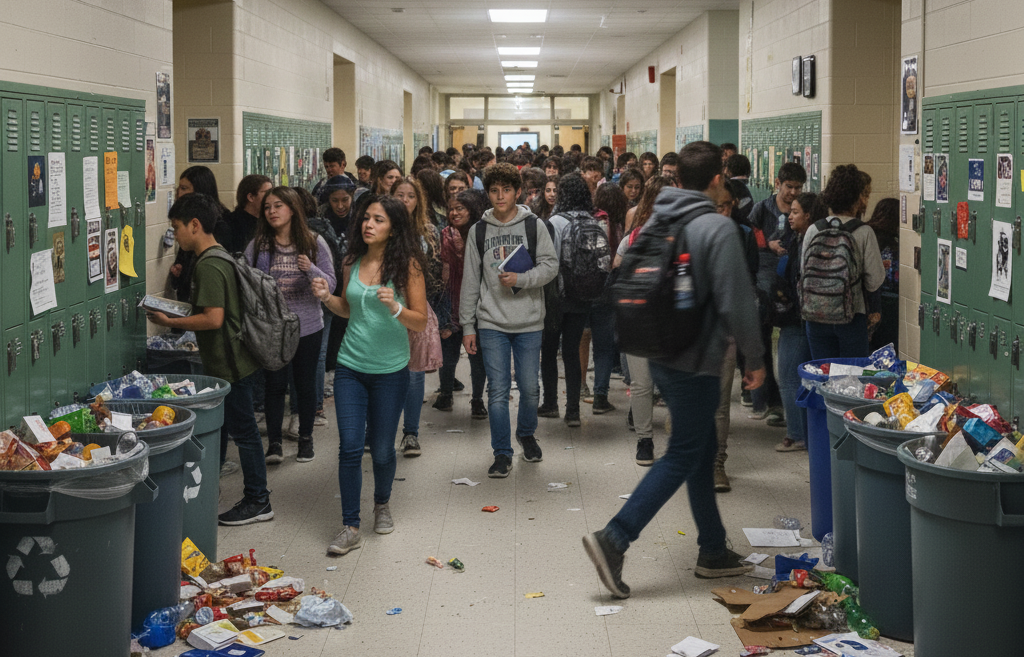
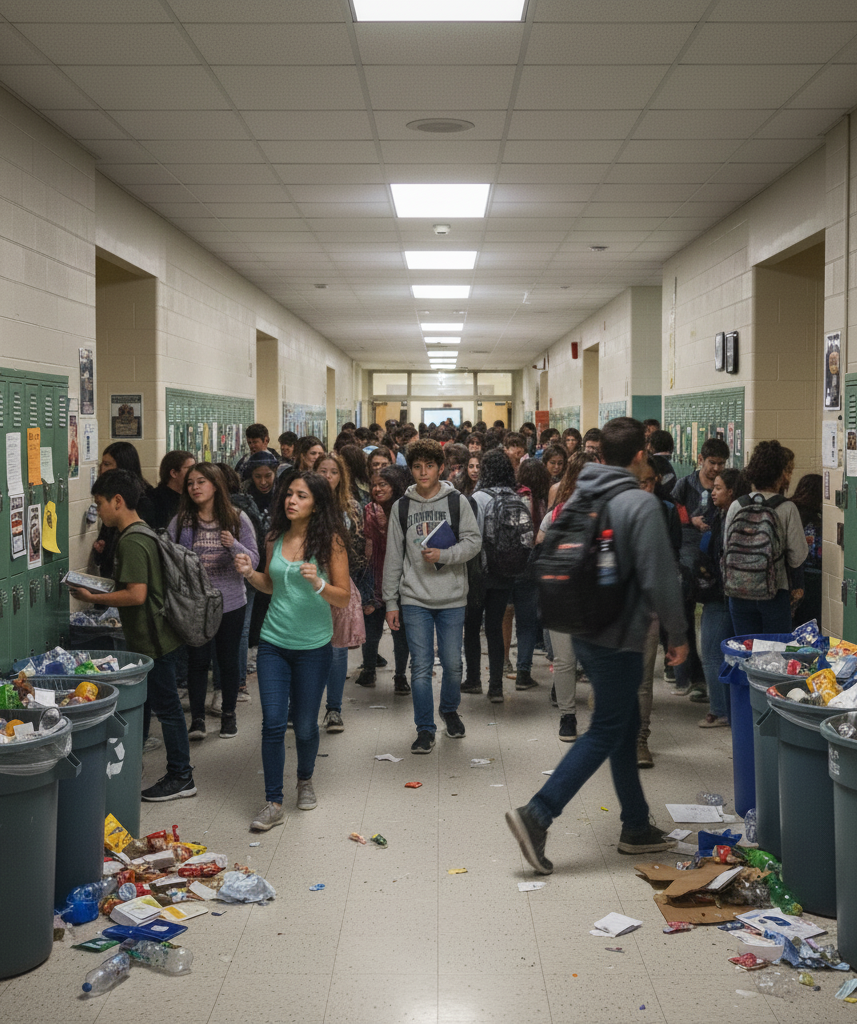
Document current disposal practices by observing how students and staff handle waste. Note whether people are already attempting to recycle, where confusion occurs, and what barriers prevent proper waste separation. Pay attention to high-traffic areas where waste accumulates quickly.
Survey students, teachers, and support staff about their recycling knowledge and attitudes. Ask what materials they believe can be recycled, whether they would participate in school recycling programs, and what would motivate them to separate waste properly. This information helps identify educational needs and engagement strategies.
Review your current waste-collection contracts and local recycling capabilities. Contact your waste management provider to understand what materials they accept, collection schedules, and any specific preparation requirements. Some areas have limited recycling infrastructure, which affects program design.
Measure baseline metrics, including total waste volume, disposal costs, and contamination rates in existing recycling efforts. These numbers provide benchmarks for measuring program success and demonstrating improvement over time.
What are the essential components of a successful school recycling program?
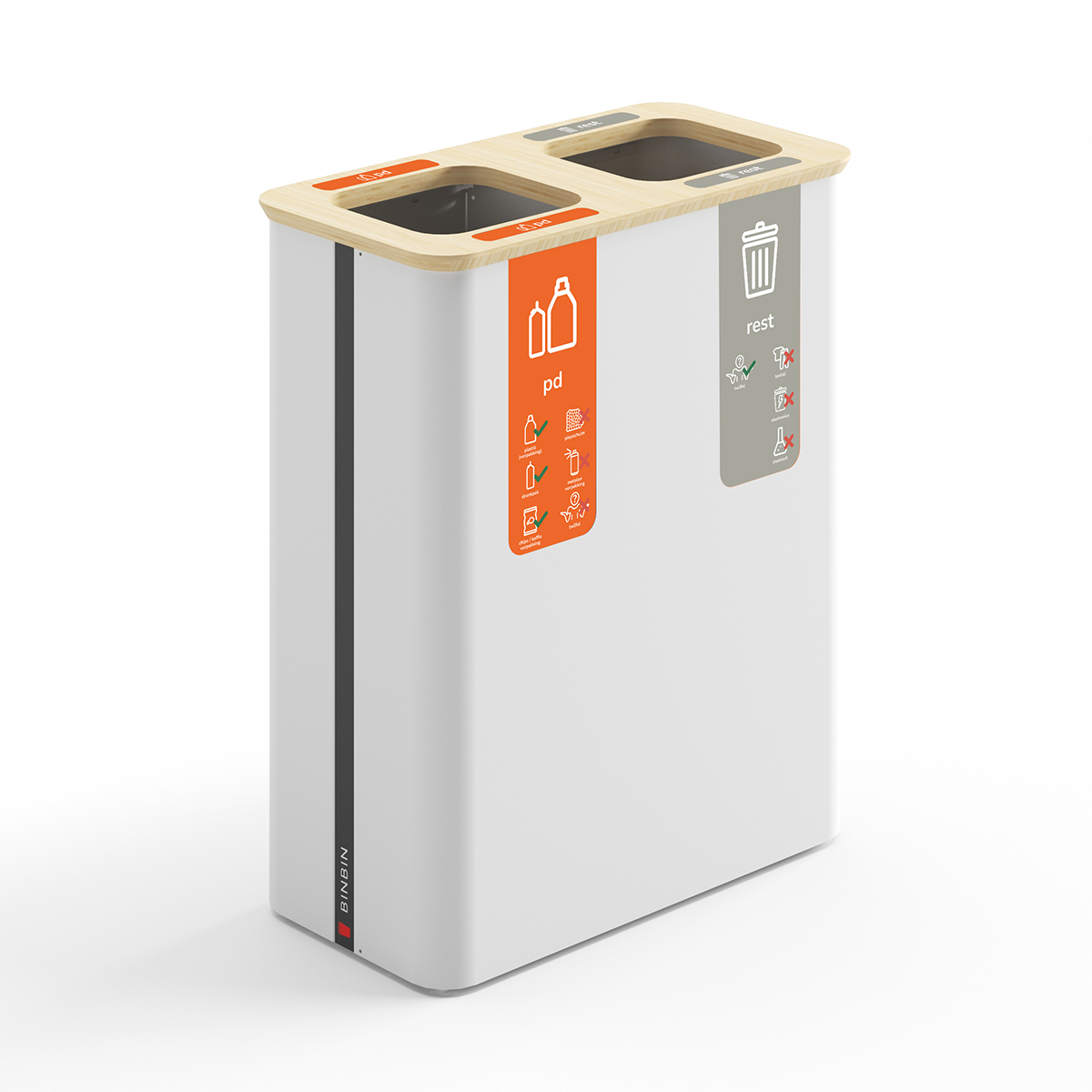
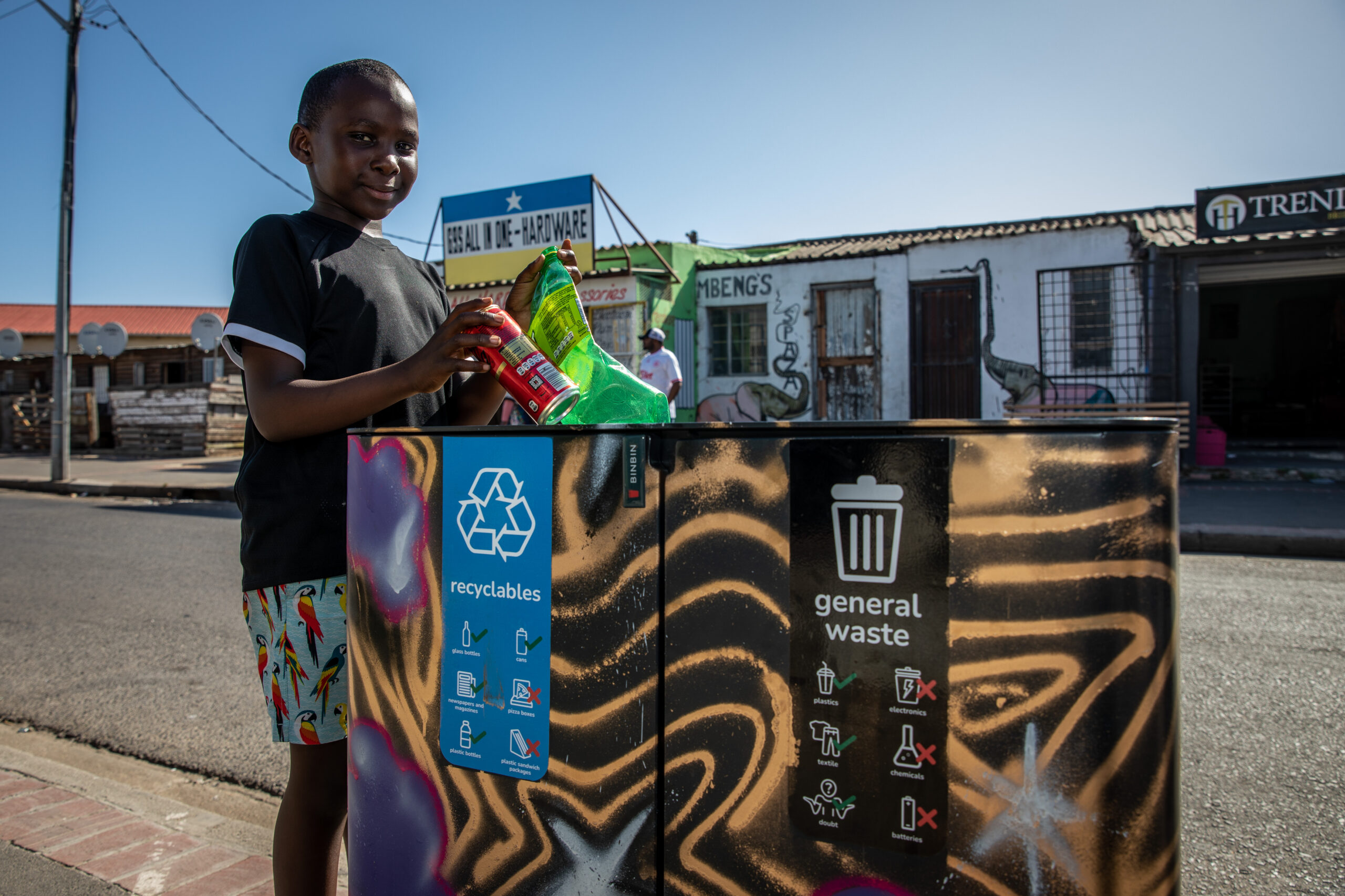
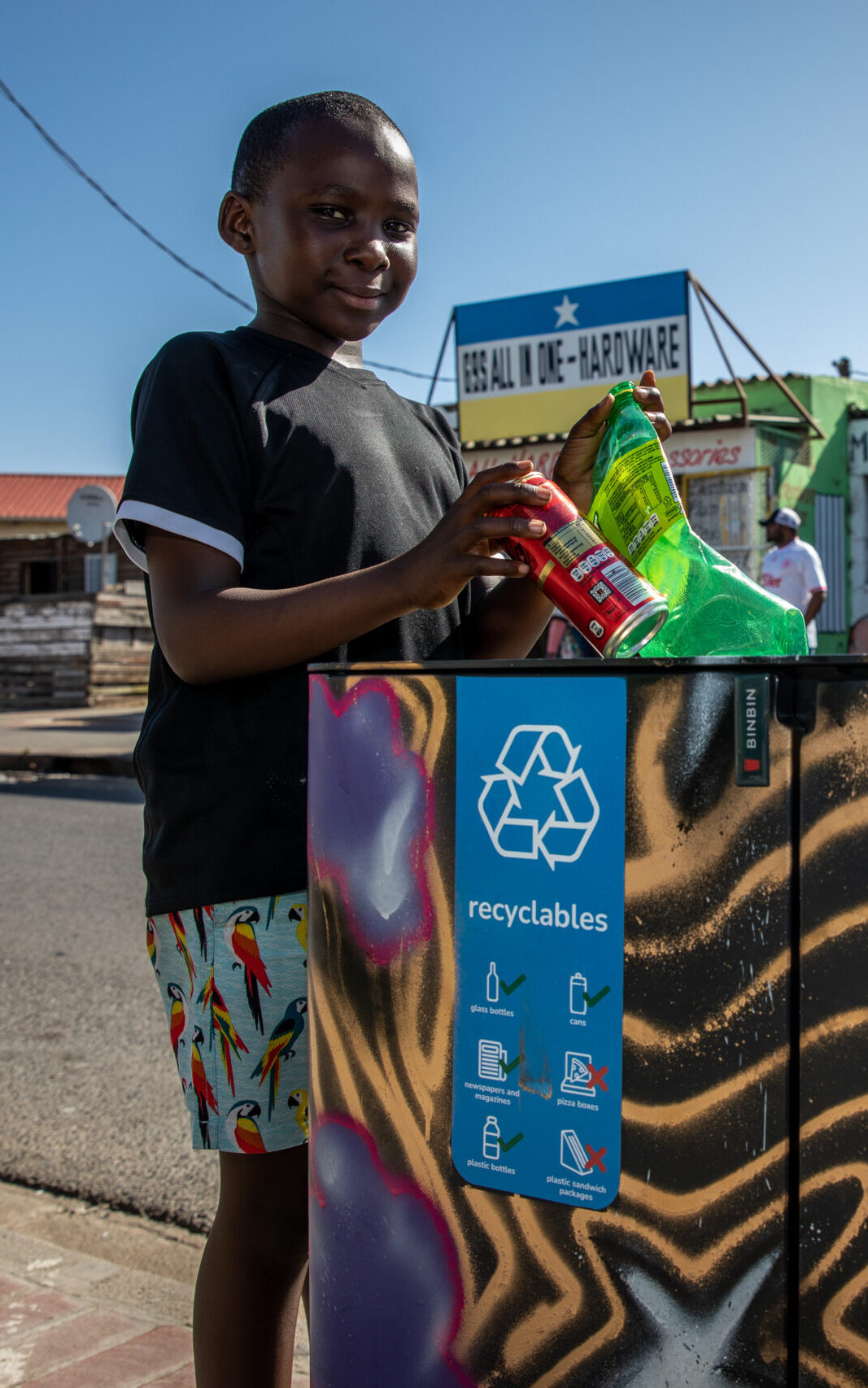
A successful school recycling program requires strategically placed collection systems with clear, visual labelling that eliminates confusion about what goes where. Students need to encounter recycling bins in convenient locations throughout the school, from classrooms to common areas.
Essential infrastructure components include:
- Clearly labelled recycling stations with pictures and text describing accepted materials
- Adequate bin capacity for high-traffic areas such as cafeterias and corridors
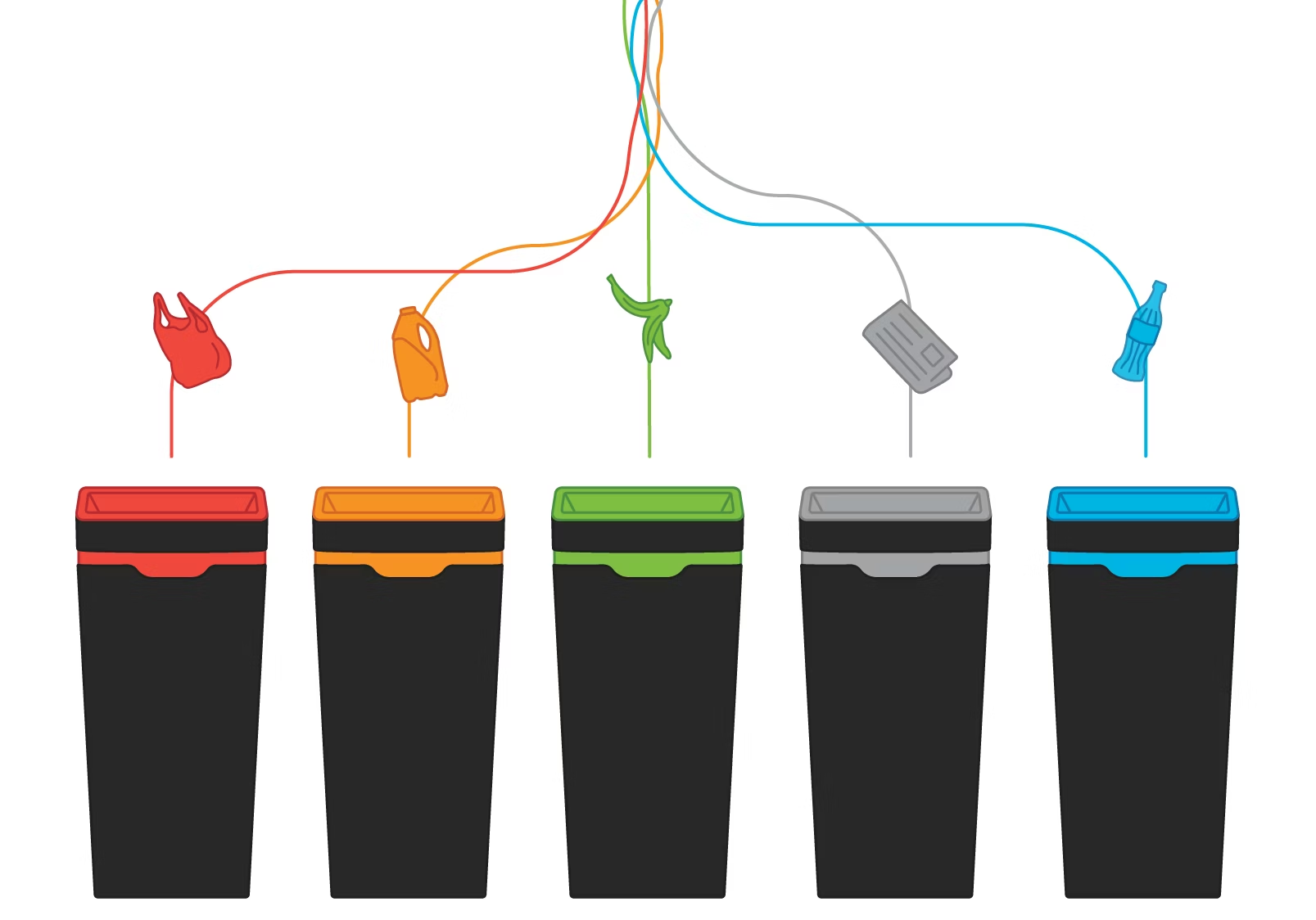
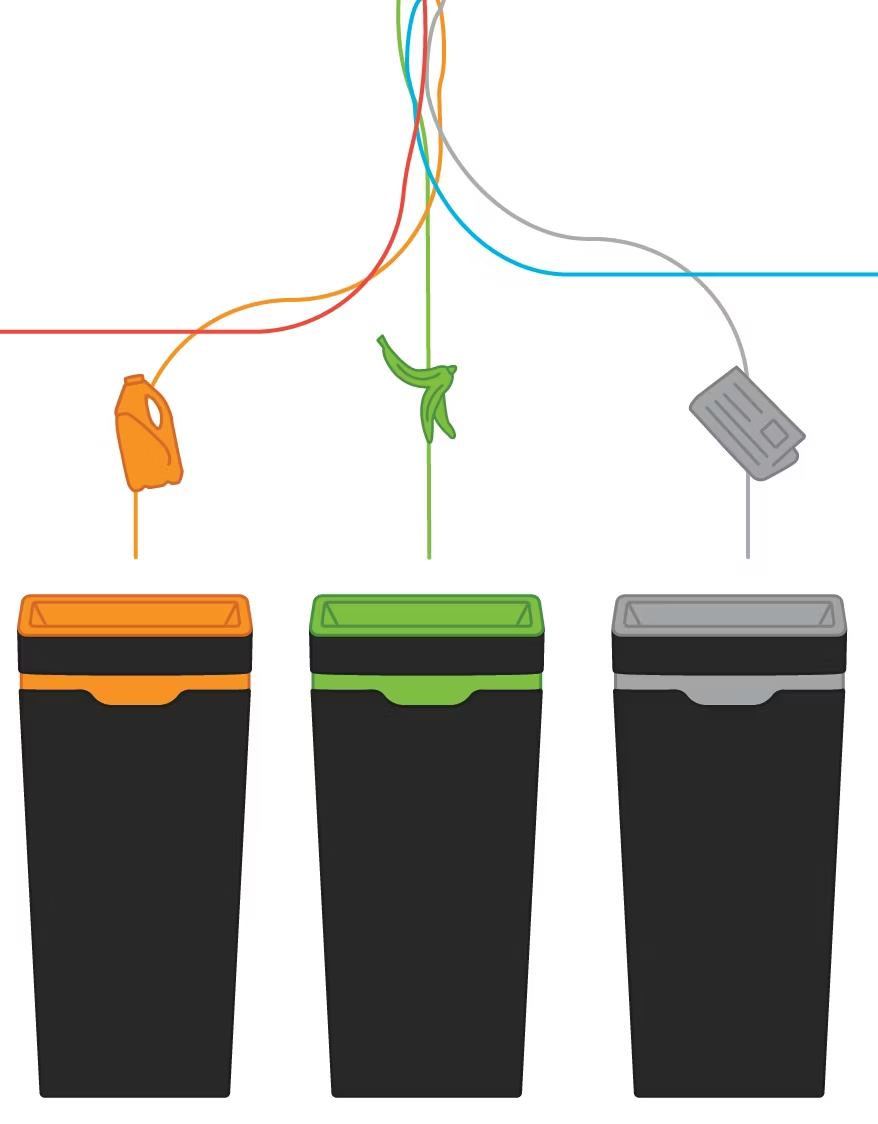
- Separate containers for different waste streams (paper, plastic, organic waste)
- Easy-to-empty systems that encourage maintenance staff participation
- Contamination prevention through proper bin design and placement
Staff training ensures consistent program implementation across all school areas. Teachers, custodial staff, and administrators need to understand proper waste separation, troubleshoot common problems, and reinforce positive behaviours. Regular training updates address new challenges and maintain program momentum.
Educational materials integrated into the curriculum make recycling a learning opportunity rather than just a chore. Develop age-appropriate resources that explain why recycling matters, how materials are processed, and what happens to items after collection. Visual aids and interactive activities work particularly well for younger students.
Monitoring and feedback systems track program success and identify opportunities for improvement. Regular waste audits, participation measurements, and cost tracking demonstrate impact while highlighting areas that need attention.
How do you engage students and teachers in recycling initiatives?
Student engagement thrives when recycling becomes an interactive, educational experience rather than an additional responsibility. Create programs that make environmental stewardship exciting and rewarding while building a genuine understanding of sustainability principles.
Develop classroom competitions that track recycling participation, waste reduction, or contamination rates between different grades or houses. Friendly competition motivates participation while creating opportunities to celebrate environmental achievements. Display progress visually through charts or digital displays that show real-time impact.
Integrate recycling education into the existing curriculum through project-based learning. Students can research local recycling processes, calculate environmental impact, design improved waste systems, or create educational materials for younger students. These projects make learning relevant while building program ownership.
Establish student leadership roles through environmental clubs, green teams, or recycling ambassadors who help educate peers and monitor program effectiveness. Student leaders often communicate more effectively with their classmates than adult authority figures and can identify barriers adults might miss.
Recognition programs acknowledge positive participation through certificates, announcements, or special privileges for classes that consistently recycle properly. Focus recognition on improvement and effort rather than perfect performance to encourage continued participation even when mistakes occur.
Teacher engagement requires demonstrating how recycling programs support educational goals rather than creating additional work. Provide ready-made lesson plans, educational resources, and classroom management strategies that make participation seamless and educationally valuable.
What types of waste can schools realistically separate and recycle?
Schools can effectively separate and recycle several common waste streams, though success depends on local recycling infrastructure and proper program design. Focus on high-volume, easily identifiable materials that students can separate without extensive training.
Paper represents the largest recyclable waste stream in most schools and includes classroom worksheets, office paper, newspapers, magazines, and cardboard packaging. Paper recycling requires minimal preparation and is accepted by most recycling facilities, making it an ideal starting point for new programs.
The most practical recyclable materials for schools include:
- Mixed paper and cardboard from classrooms and offices
- Plastic bottles and containers from lunches and events
- Aluminium cans from vending machines and cafeterias
- Food waste for composting programs where infrastructure exists
- Electronics through special collection events or partnerships
- Ink cartridges and batteries through manufacturer take-back programs
Organic waste separation works well in schools with cafeterias, though it requires more complex infrastructure, including proper storage, collection schedules, and processing partnerships. Food waste programs can significantly reduce overall waste volume while providing rich educational opportunities about composting and soil health.
Electronic waste recycling typically works best through periodic collection events rather than daily separation due to security concerns and specialised handling requirements. Partner with certified electronics recyclers who can safely process computers, tablets, and other school technology.
Avoid materials that create confusion or safety concerns, such as mixed plastics with different recycling codes, glass in high-traffic student areas, or materials that require extensive cleaning before recycling. Keep programs simple and focused on materials that students can identify and separate reliably.
How BINBIN helps with school recycling implementation
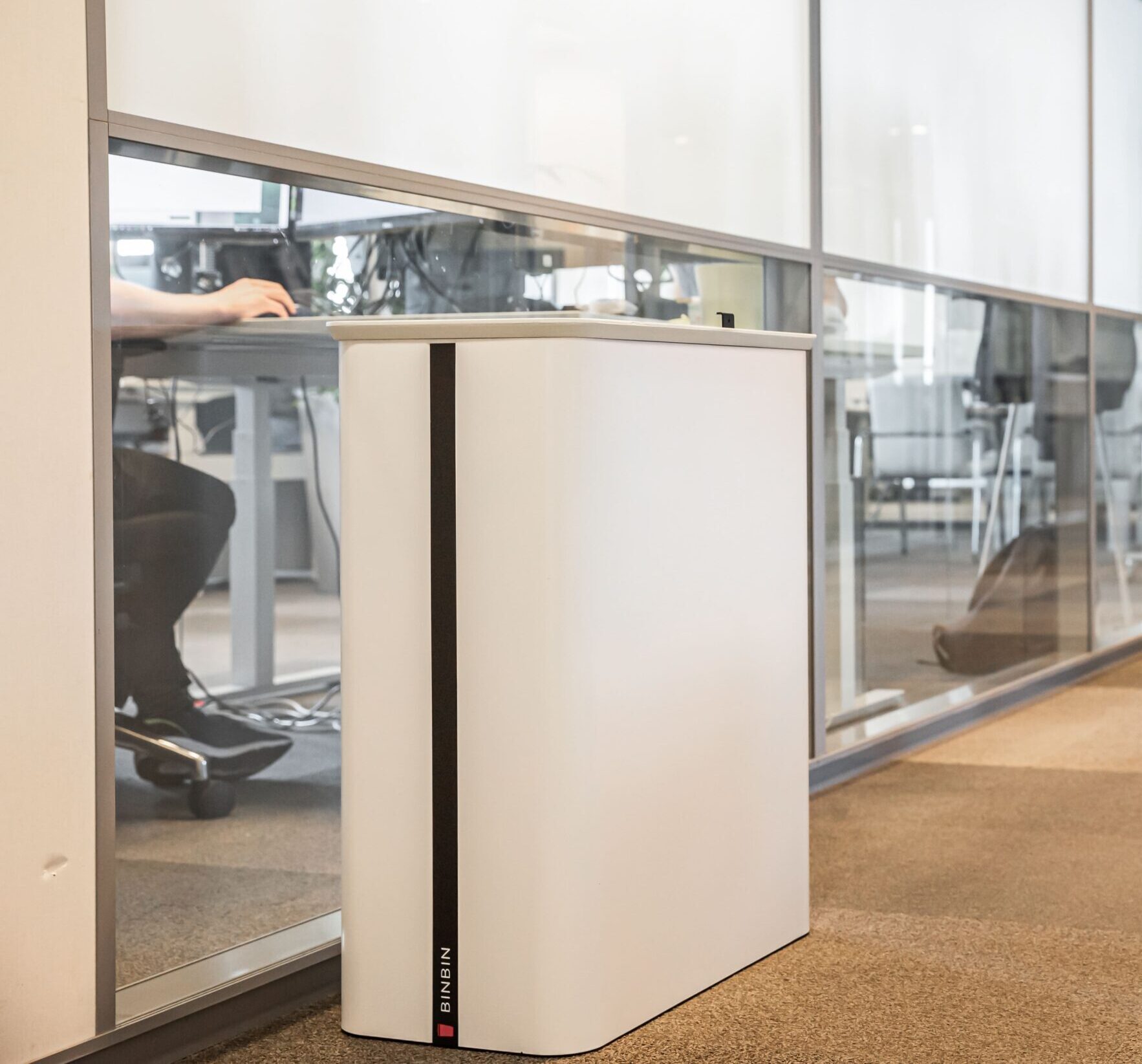
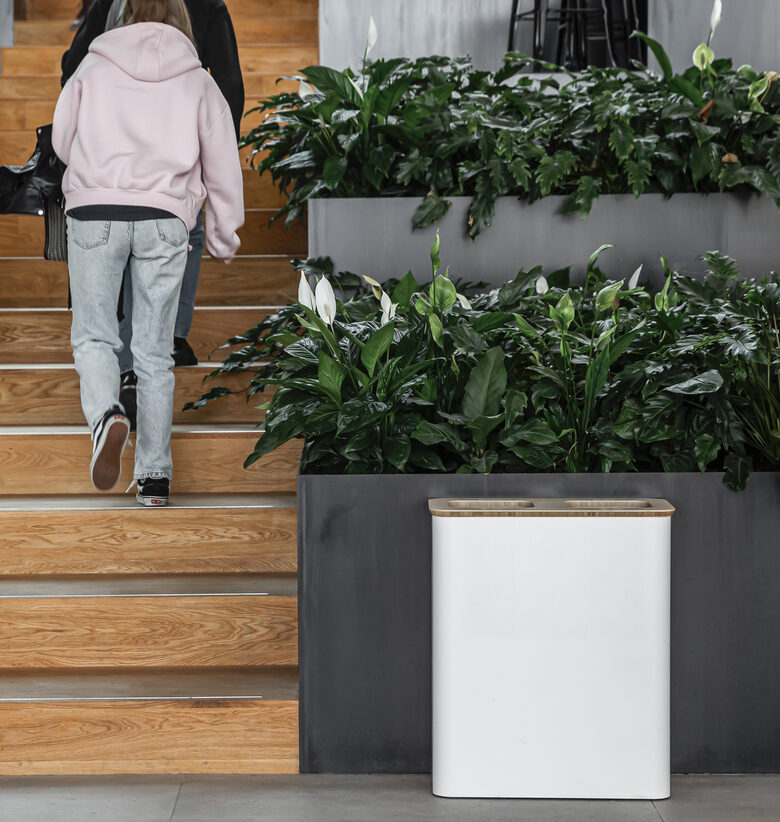
We provide comprehensive support for educational institutions looking to implement effective waste separation systems that work in busy school environments. Our modular approach allows schools to start with basic recycling and expand their programs as students and staff become more comfortable with waste separation.
Our school recycling solutions include:
- Modular waste separation systems that can accommodate 1–8 different waste streams as programs develop
- Clear, educational labelling with pictograms that help students identify the correct waste categories
- Durable construction designed to withstand heavy use in high-traffic school environments
- Flexible configurations that adapt to different classroom sizes and common-area layouts
- Educational support materials, including implementation guides and communication resources
We work closely with schools to assess their specific needs, recommend appropriate configurations, and provide ongoing support throughout program implementation. Our trial placement program allows schools to test systems before making full commitments, ensuring the solutions work effectively in their unique environments.
Ready to transform your school’s approach to waste management? Contact us to discuss how our educational recycling solutions can support your sustainability goals while providing valuable learning opportunities for students and staff.