Waste management can be physically demanding and challenging, but it’s not necessarily “hard” for everyone. The difficulty depends on the specific role, physical requirements, and individual circumstances. While collection workers face physical demands such as lifting heavy containers and working in all weather conditions, office-based roles in waste management involve planning and coordination with less physical strain. Many workers find the job rewarding because it offers stable employment, competitive wages, and a meaningful environmental impact.
What does a typical day in waste management actually look like?
A typical day in waste management varies significantly depending on your role within the industry. Collection workers start early, often between 4:00 and 6:00 a.m., to avoid traffic and complete routes efficiently. They spend their day driving collection vehicles, emptying bins, and maintaining equipment while following predetermined routes through residential or commercial areas.
Facility operators work at recycling centres, transfer stations, or treatment plants, managing incoming waste streams and operating sorting equipment. Their days involve monitoring machinery, conducting quality checks, and ensuring proper waste separation. Administrative roles focus on route planning, customer service, regulatory compliance, and coordination with various stakeholders.
The work typically follows structured schedules with specific time requirements. Collection routes must be completed within designated timeframes, while facility operations often run continuously on shift patterns. Most positions involve some level of physical activity, from operating controls to manual sorting tasks.
Many roles also include interaction with the public, whether collecting waste from residential properties or assisting facility visitors. This community aspect adds variety to daily routines and provides opportunities to educate people about proper waste separation practices.
What are the biggest physical challenges in waste management work?
The most significant physical challenge in waste management is the repetitive lifting and handling of heavy containers throughout long shifts. Collection workers regularly lift bins weighing 20 to 50 kilograms, often hundreds of times per day. This repetitive motion can strain the back, shoulders, and joints, particularly when proper lifting techniques aren’t consistently followed.
Weather conditions create additional physical demands. Workers must perform their duties in rain, snow, extreme heat, and freezing temperatures. This exposure requires appropriate clothing and increases fatigue, especially during the summer months, when working with organic waste in high temperatures.
The work environment presents unique challenges, including:
- Exposure to unpleasant odours from decomposing organic matter
- Potential contact with hazardous materials that have been improperly disposed of
- Working around moving vehicles and heavy machinery
- Standing for extended periods at sorting facilities
- Navigating varied terrain and property layouts
Stamina requirements are substantial, as most positions involve 8- to 10-hour shifts with minimal downtime. The combination of physical exertion, environmental factors, and time pressures can be exhausting, particularly for new workers who are still building their fitness levels.
How stressful is working in the waste management industry?
Stress levels in waste management stem primarily from time pressures and safety concerns rather than the work itself. Collection workers face daily pressure to complete routes within specific timeframes while maintaining safety standards. Traffic congestion, equipment breakdowns, and difficult access points can create scheduling stress that affects the entire day.
Public interaction can be challenging when dealing with complaints about missed collections, contaminated bins, or service changes. Workers often become the face of the service, handling frustrations that may not be directly related to their performance. This customer-facing aspect requires patience and strong communication skills.
Safety concerns create ongoing mental pressure. Working around traffic, operating heavy machinery, and handling unknown waste materials requires constant vigilance. The responsibility for personal safety and that of colleagues adds psychological weight to daily tasks.
However, many workers report lower stress levels than in other industries due to:
- Clear, structured daily routines with predictable tasks
- Minimal office politics or complex interpersonal dynamics
- Immediate, visible results from completed work
- Strong team relationships built through shared challenges
- Job security in an essential service industry
The environmental responsibility aspect provides positive psychological benefits. Workers often feel pride in contributing to community cleanliness and environmental protection, which can offset daily stresses.
What skills and qualifications do you need for waste management jobs?
Most entry-level waste management positions require minimal formal education, typically a secondary school certificate or equivalent. However, specific roles demand particular qualifications and skills. Commercial driving licences are essential for collection vehicle operators, while facility equipment operators may need machinery-operation certifications.
Physical fitness and manual dexterity are crucial for most positions. Workers need sufficient strength for lifting and carrying, good hand-eye coordination for equipment operation, and the stamina for long, active shifts. Basic mechanical understanding helps with equipment maintenance and troubleshooting.
Safety awareness and training are mandatory across all roles. This includes understanding hazardous-material handling, proper lifting techniques, traffic-safety procedures, and emergency-response protocols. Many employers provide comprehensive safety training, but a safety-conscious mindset is essential.
Soft skills that contribute to success include:
- Reliability and punctuality to maintain service schedules
- Communication skills for public interaction and team coordination
- Problem-solving abilities for handling unexpected situations
- Attention to detail for proper waste separation and safety compliance
- Adaptability to changing routes, procedures, or weather conditions
Technology skills are increasingly important as the industry modernises. Familiarity with route-optimisation software, digital reporting systems, and GPS navigation can enhance job performance and career-advancement opportunities.
Why do people choose careers in waste management despite the challenges?
Job security is a primary attraction, as waste management is an essential service that continues regardless of economic conditions. Unlike many industries affected by automation or economic downturns, waste collection and processing remain necessary, providing stable long-term employment prospects.
Competitive compensation often surprises people unfamiliar with the industry. Many waste management positions offer above-average wages for jobs requiring similar education levels, plus comprehensive benefits, including health insurance, retirement plans, and paid time off. Overtime opportunities can significantly increase earnings.
The environmental impact provides meaningful job satisfaction. Employees contribute directly to community health, environmental protection, and resource conservation. This purpose-driven aspect of the work creates job satisfaction that extends beyond financial compensation.
Career-advancement opportunities exist throughout the industry. Workers can progress from collection roles to supervisory positions, equipment operation, route management, or specialised areas such as hazardous-waste handling. Many companies promote from within, valuing experience and reliability over formal education.
Work-life balance appeals to many employees. Most positions have clear start and finish times, without the expectation of after-hours availability that is common in other industries. The physical nature of the work provides a clear separation between work and personal time.
The community-service aspect creates positive relationships with residents and businesses. Regular routes allow workers to become familiar with their areas, and many develop friendly relationships with customers who appreciate their reliable service.
How BINBIN helps with waste management efficiency
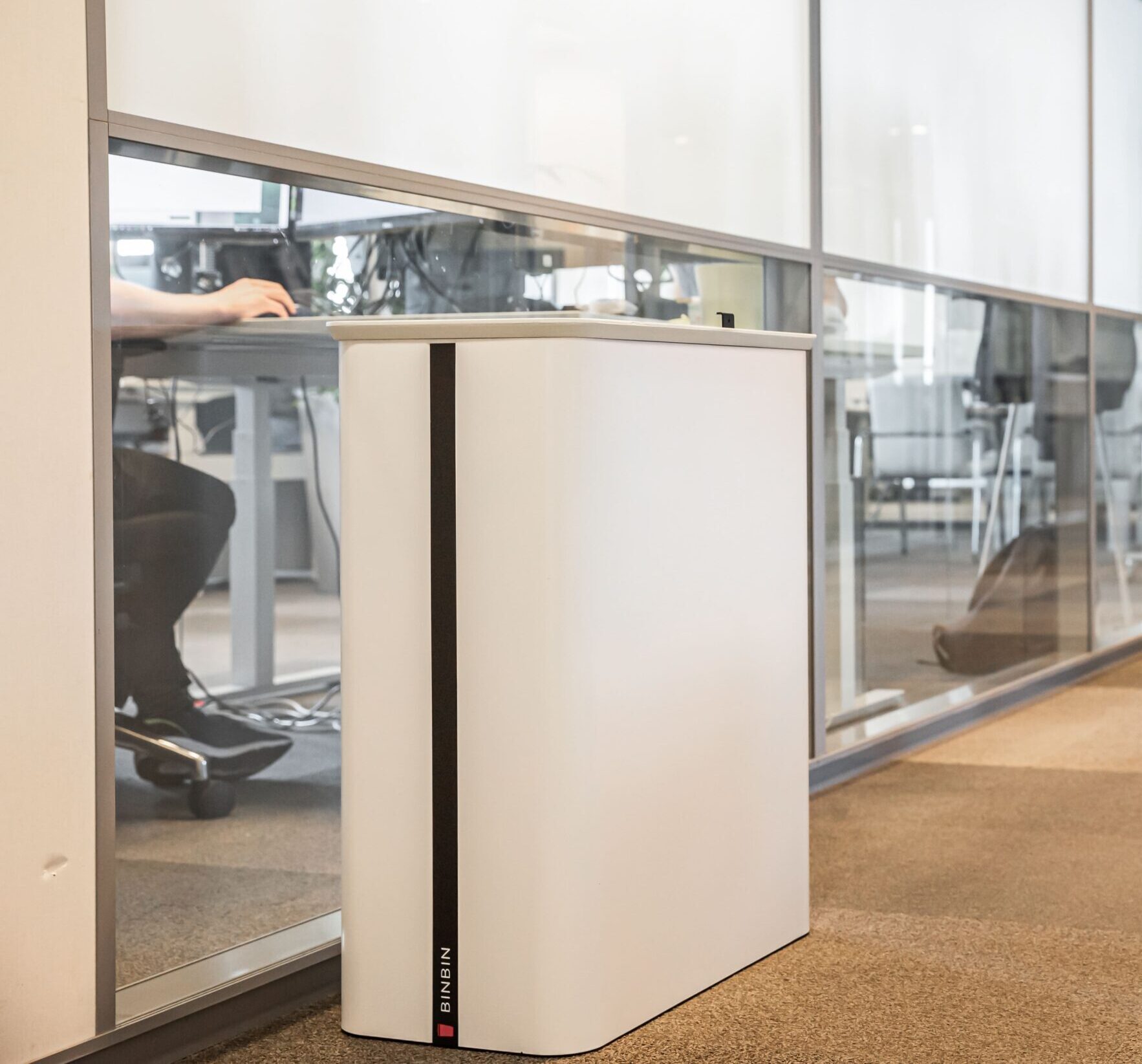
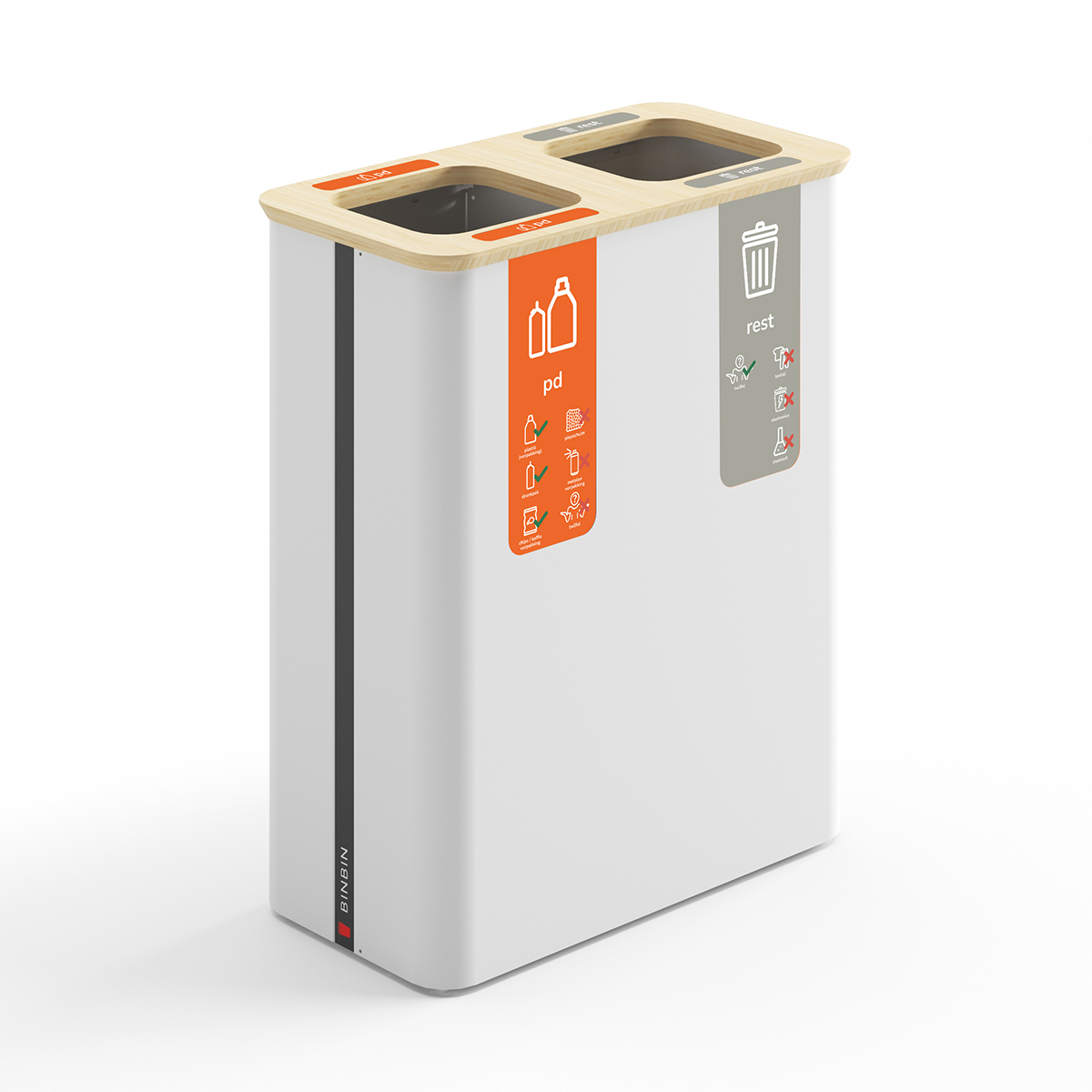
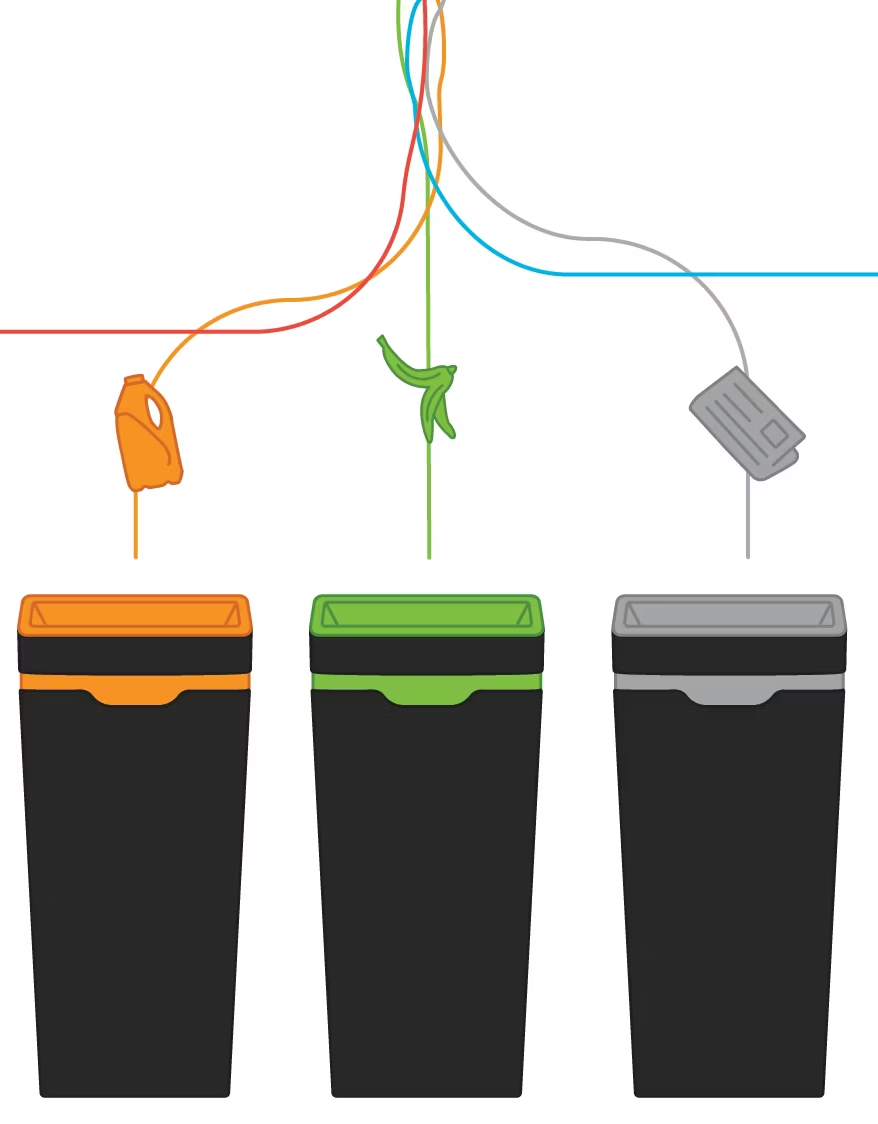
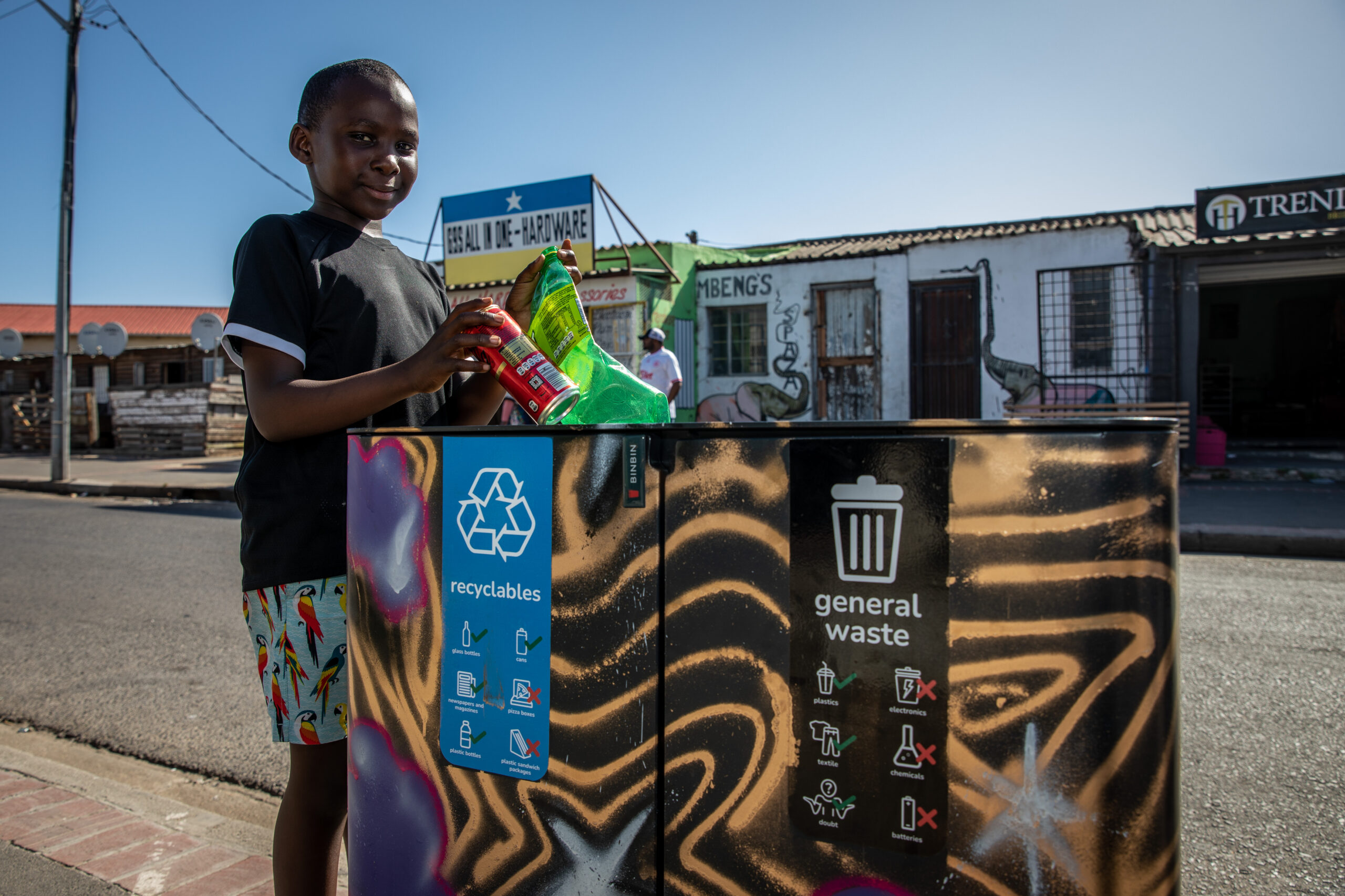
BINBIN’s modular waste-separation solutions significantly reduce physical strain on waste management workers while improving sorting efficiency. Our ergonomically designed systems minimise the lifting and handling required during collection and processing, creating better working conditions through smart design features.
Our solutions improve workplace efficiency through:
- Modular design that allows easy reconfiguration without heavy lifting or tools
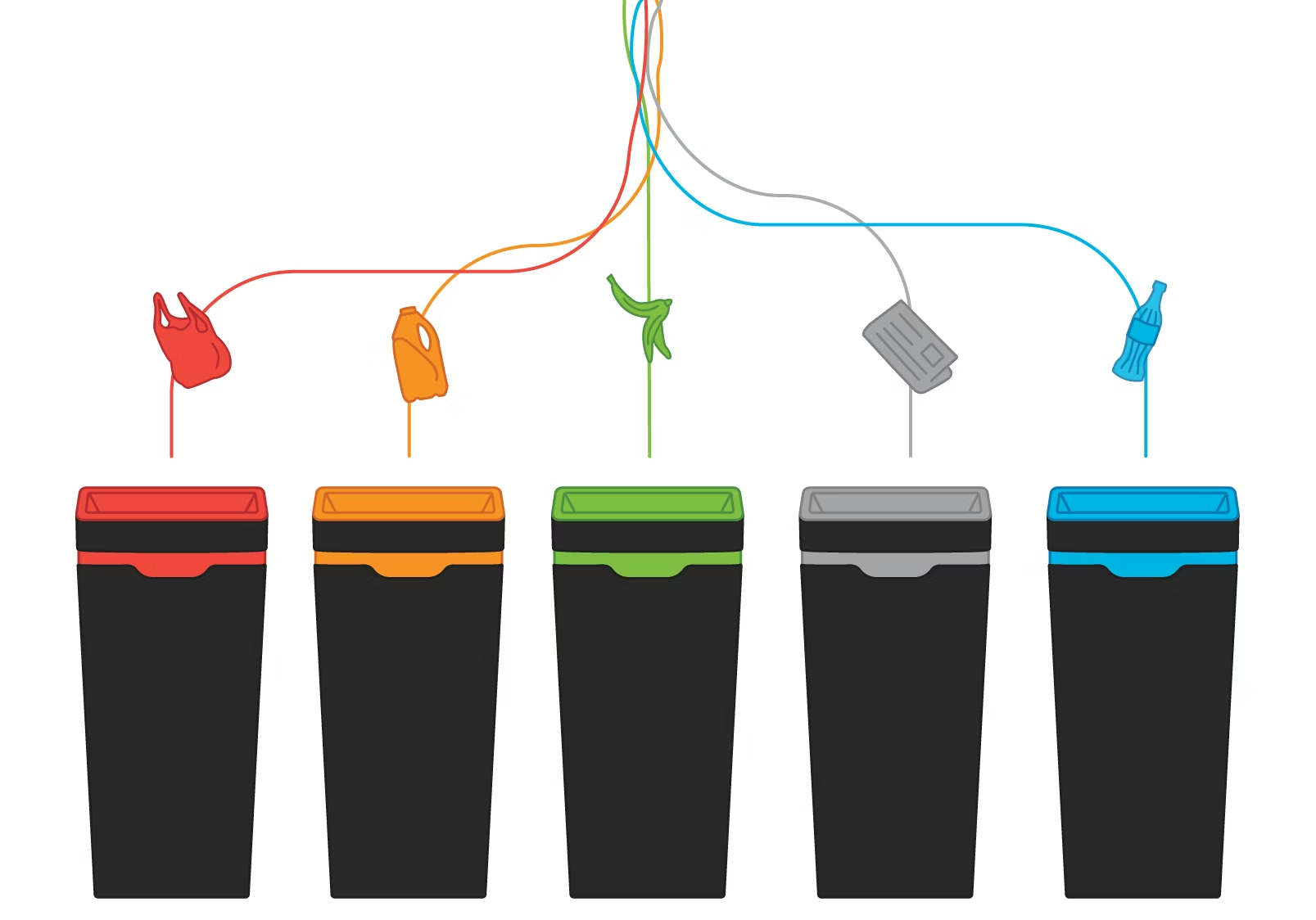
- Clear separation systems that reduce contamination and sorting time
- Ergonomic heights and access points that minimise physical strain
- Durable construction that reduces maintenance demands on facility staff
- Intuitive design that helps reduce training time for new employees
Improved waste-separation quality means less manual sorting at facilities, reducing both physical demands and processing time. This efficiency translates into better working conditions and potentially shorter shifts for processing staff.
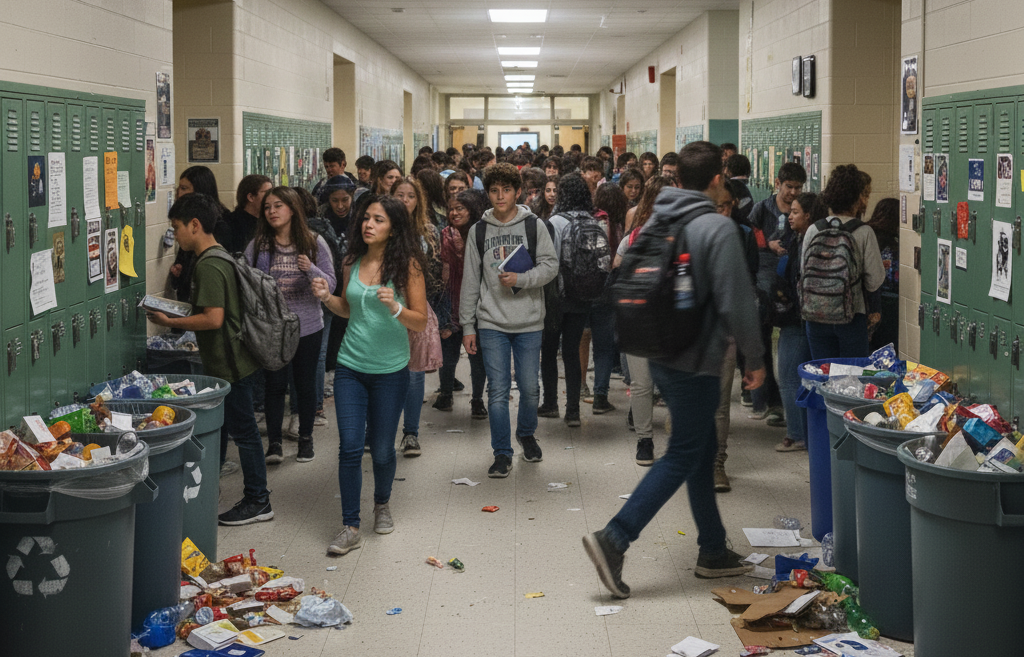
Educational institutions particularly benefit from our waste management at school programmes, where clear separation systems teach proper habits while reducing the workload for maintenance staff. Our solutions create environments where waste management becomes more efficient and less physically demanding.
Ready to improve working conditions while enhancing waste-separation efficiency? Contact us to discover how our modular solutions can transform your facility’s waste-management approach and create better conditions for your team.