1) Less contamination = higher quality recycling
Waste only becomes valuable when it stays clean. If plastics end up in paper, the paper quality drops. If food waste contaminates packaging waste, processing becomes harder and more expensive.
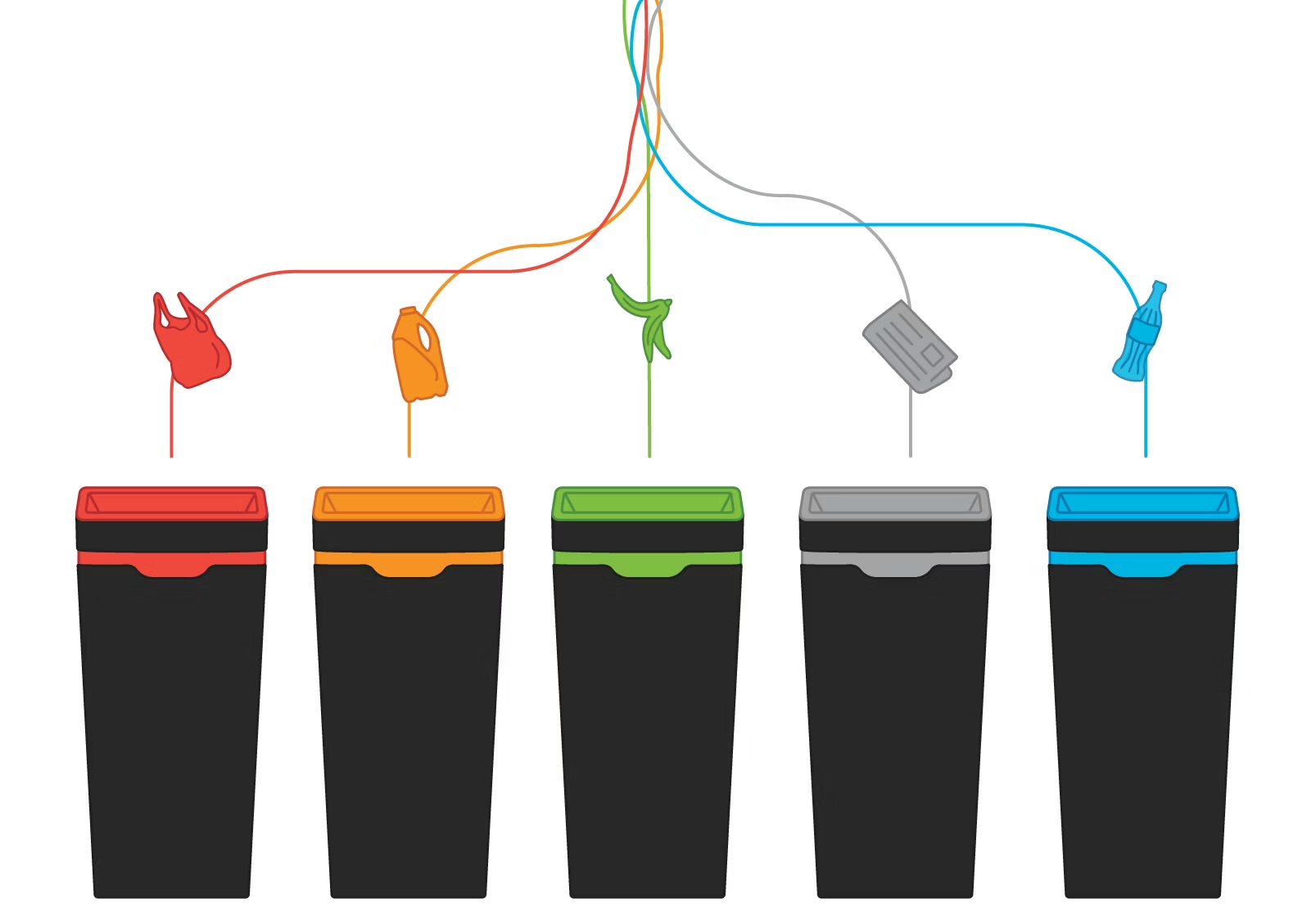
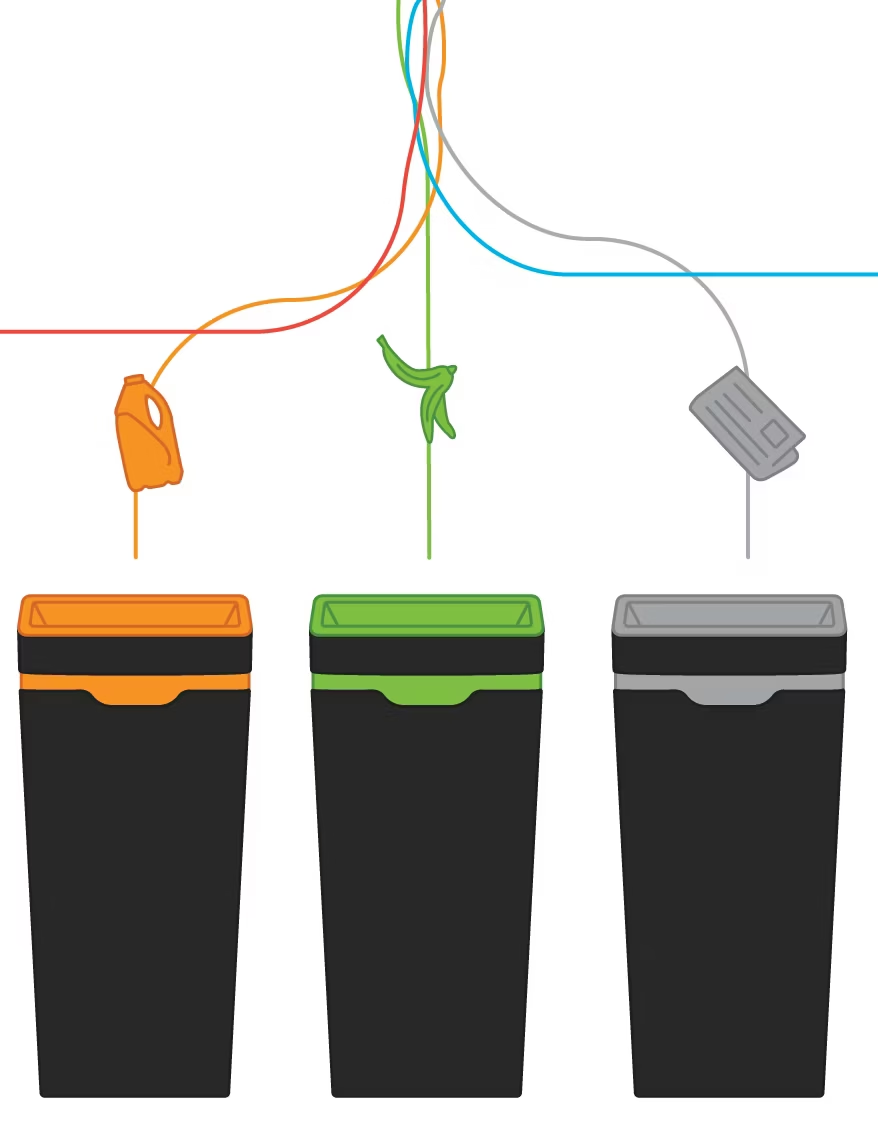
By separating waste streams at the source, you prevent contamination and create cleaner material flows. That leads to:
- higher recycling quality
- fewer rejected loads
- more materials actually being reused
In short: clean waste isn’t really waste, it’s a resource.
2) You recover resources instead of throwing them away
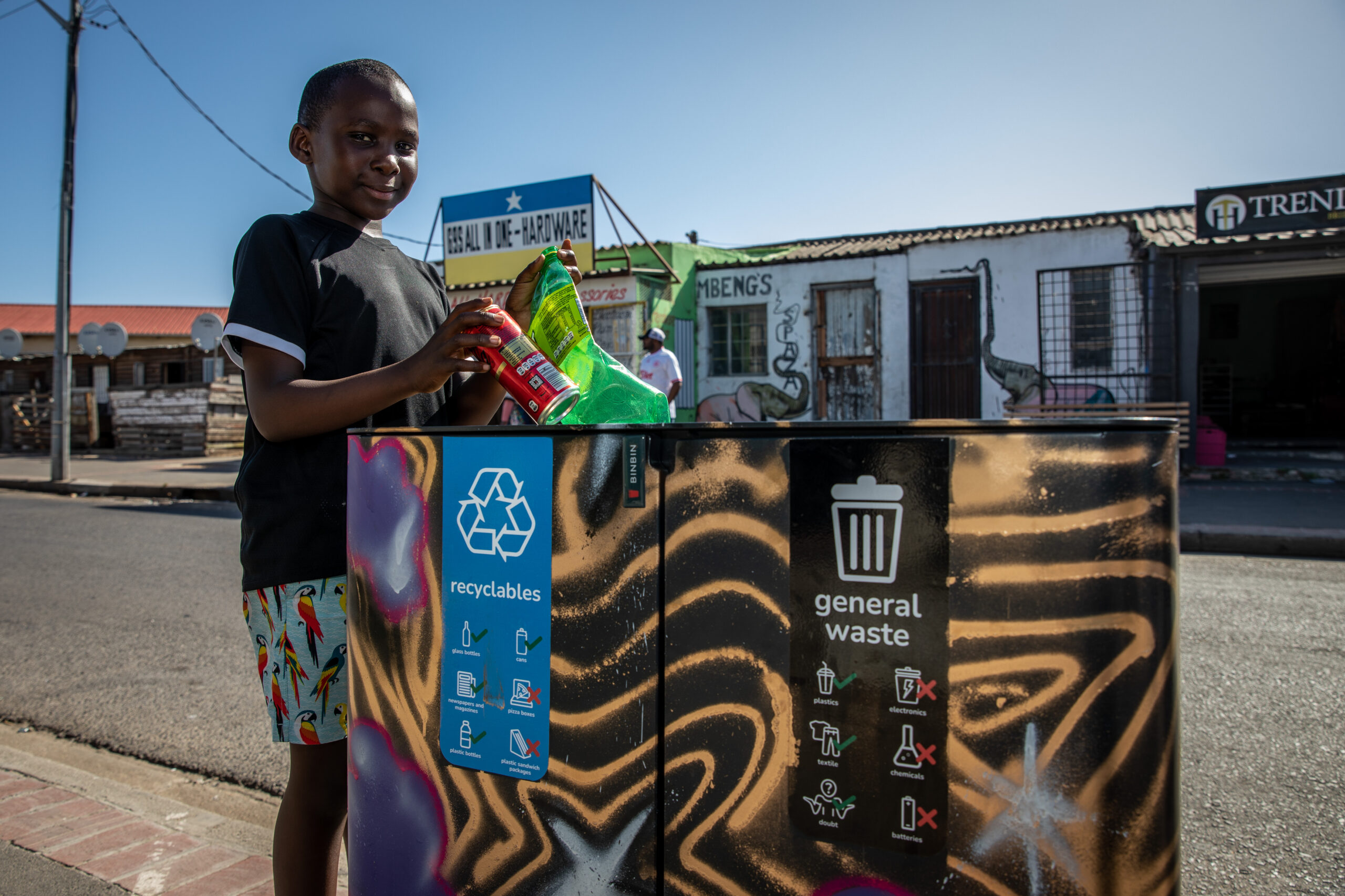
The more specific your streams are, the more valuable they become. Cardboard, metals, plastics and organics all have real recovery potential, but only when they stay separated.
Cardboard can become new packaging. Metals can be recycled again and again. Organic waste can turn into compost or renewable energy (biogas). By collecting these flows separately, you reduce the demand for virgin materials and keep resources in circulation longer.
That’s the circular economy in action; practical, measurable and effective.
3) Residual waste shrinks (and that saves money)
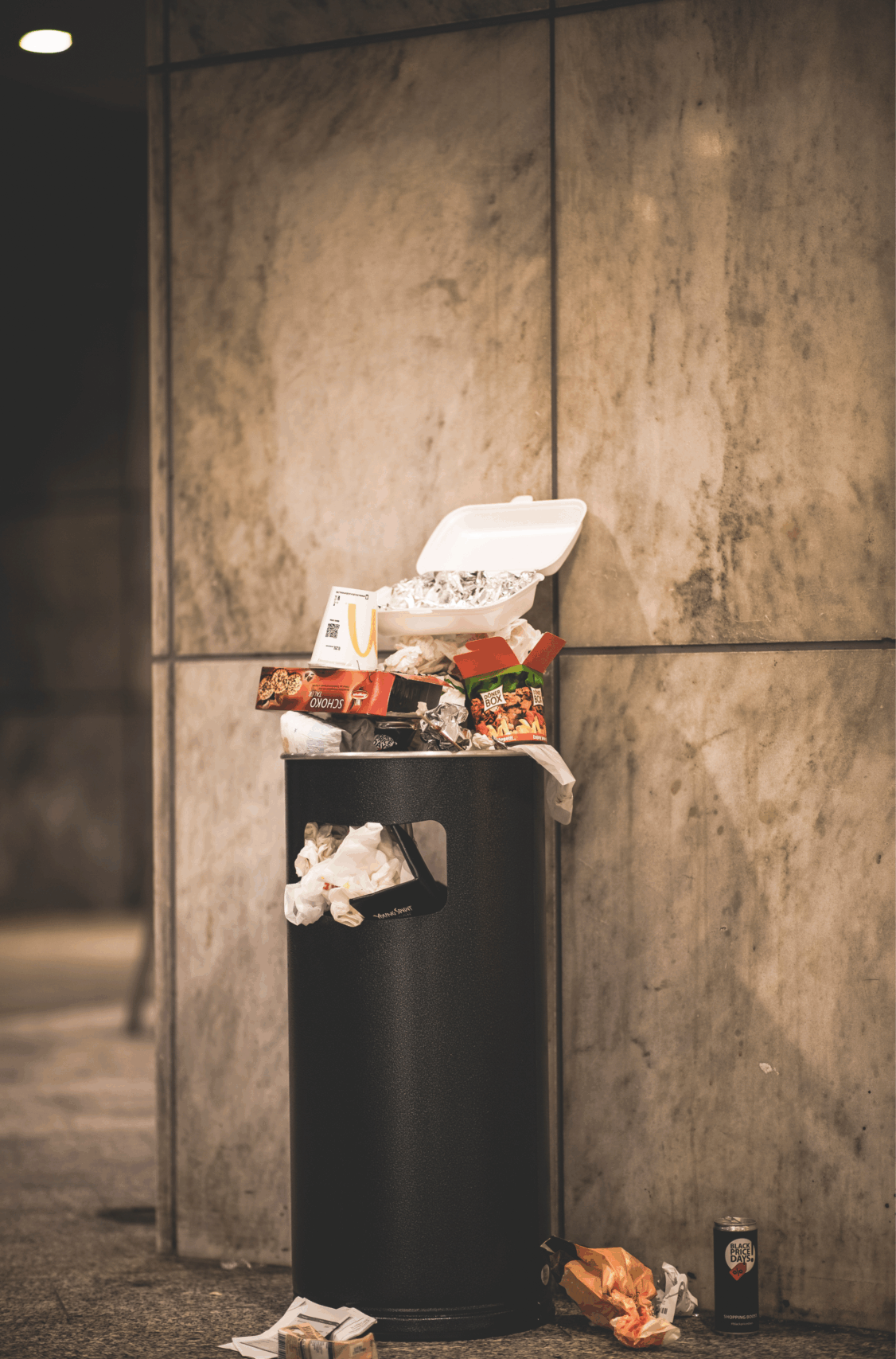
Residual waste is usually the most expensive stream because it often goes to incineration or landfill. It’s also the stream with the biggest environmental impact.
When you separate more waste streams properly, you pull valuable materials out of the residual mix. That means you need fewer residual waste pickups, containers and processing costs.
Many organisations see benefits like:
- fewer residual waste volumes
- lower waste disposal bills
- better reporting for ESG or sustainability targets
And as a bonus: you quickly see where waste is being created and where you can optimise operations.