Recyclable waste includes materials that can be processed and transformed into new products, extending their useful life and reducing environmental impact. The five most common examples are paper and cardboard, plastic containers, glass bottles and jars, metal cans and aluminium, and electronic waste. Effective waste management requires proper separation at the source to maximise recycling rates and prevent contamination that renders materials unusable.
What exactly counts as recyclable waste?
Recyclable waste consists of materials that can be collected, processed, and transformed into new products rather than ending up in landfill. These materials retain their structural properties through reprocessing, allowing manufacturers to create new items whilst reducing the need for virgin resources.
The key characteristic of recyclable waste is its ability to be broken down and reformed without losing essential qualities. Paper fibres can be pulped and reformed into new paper products, metals can be melted and reshaped, and glass can be crushed and remoulded indefinitely without any loss of quality.
However, not all materials are recyclable through standard municipal programmes. Contamination plays a crucial role in determining recyclability. Clean materials, kept separate from food waste and other contaminants, have the highest success rates for reprocessing. Mixed or contaminated materials often become unusable and end up in general waste streams despite their theoretical recyclability.
What are the 5 most common examples of recyclable waste?
The five primary categories of recyclable waste found in most waste management systems are paper and cardboard, plastic containers, glass bottles and jars, metal cans and aluminium, and electronic waste. Each category requires specific handling processes but offers significant environmental benefits when properly managed.
Paper and cardboard represent the largest volume of recyclable office waste. This includes office paper, newspapers, magazines, cardboard boxes, and packaging materials. Clean paper products can be recycled multiple times, though fibres gradually shorten with each processing cycle.
Plastic containers vary in recyclability based on their resin codes. PET bottles (code 1) and HDPE containers (code 2) are widely recyclable, whilst other plastic types have more limited processing options. Proper identification and separation are essential for effective plastic recycling.
Glass bottles and jars offer unlimited recyclability without quality loss. Clear, brown, and green glass can be processed indefinitely, making glass one of the most sustainable recyclable materials when properly collected and sorted.
Metal cans and aluminium provide excellent recycling value due to their material properties. Aluminium cans can be recycled indefinitely, whilst steel cans also retain their strength through multiple recycling cycles. Both materials offer significant energy savings compared to producing new metal from raw materials.
Electronic waste includes computers, phones, batteries, and small appliances containing valuable metals and components. Whilst requiring specialised processing, electronic waste recycling recovers precious metals and prevents harmful substances from entering landfill.
How does proper waste separation improve recycling effectiveness?
Proper waste separation at the source dramatically increases recycling rates by preventing contamination and ensuring materials reach the appropriate processing facilities. Clean, separated materials can be efficiently processed into new products, whilst mixed waste often becomes unusable and is diverted to landfill.
Contamination is the primary barrier to effective recycling. Food residue on containers, mixed material types, and inappropriate items in recycling streams can contaminate entire batches of otherwise recyclable materials. A single contaminated item can render large quantities of clean materials unprocessable.
Separation also enables specialised processing for different material types. Metals require different handling from plastics, and various plastic types need separate processing streams. When materials arrive pre-sorted, recycling facilities can operate more efficiently and achieve higher recovery rates.
The economic benefits of proper separation extend beyond environmental impact. Clean, sorted materials command higher prices in recycling markets, making waste management programmes more financially sustainable. Contaminated materials often incur additional processing costs or disposal fees.
What happens to recycled materials in the circular economy?
Recycled materials are processed into raw materials for new products, creating a circular flow that reduces waste and conserves natural resources. This transformation process varies by material type but consistently aims to maintain material quality whilst minimising environmental impact throughout the lifecycle.
Paper recycling involves pulping, cleaning, and reforming fibres into new paper products. The process removes inks and contaminants whilst preserving fibre integrity for reuse. Recycled paper becomes new office paper, cardboard packaging, or tissue products depending on fibre quality and processing methods.
Metal recycling involves melting materials to remove impurities and reshape them into new products. Aluminium cans can become new cans within 60 days of collection, demonstrating the efficiency of metal recycling processes. Steel follows similar patterns, retaining its strength through multiple recycling cycles.
Plastic recycling varies significantly by polymer type. PET bottles are cleaned, shredded, melted, and reformed into new containers or textile fibres. HDPE containers become new bottles, pipes, or outdoor furniture. Each recycling cycle may slightly degrade plastic properties, but the material remains useful for numerous applications.
The circular economy benefits extend beyond material conservation. Recycling typically requires less energy than producing new materials from raw resources, reducing greenhouse gas emissions and environmental impact. Local recycling also creates jobs and economic opportunities within communities.
Why do some recyclable materials end up in regular waste?
Recyclable materials end up in regular waste due to inadequate separation systems, a lack of awareness about proper disposal methods, and contamination that makes materials unprocessable. These barriers prevent otherwise valuable materials from entering recycling streams and contributing to circular economy goals.
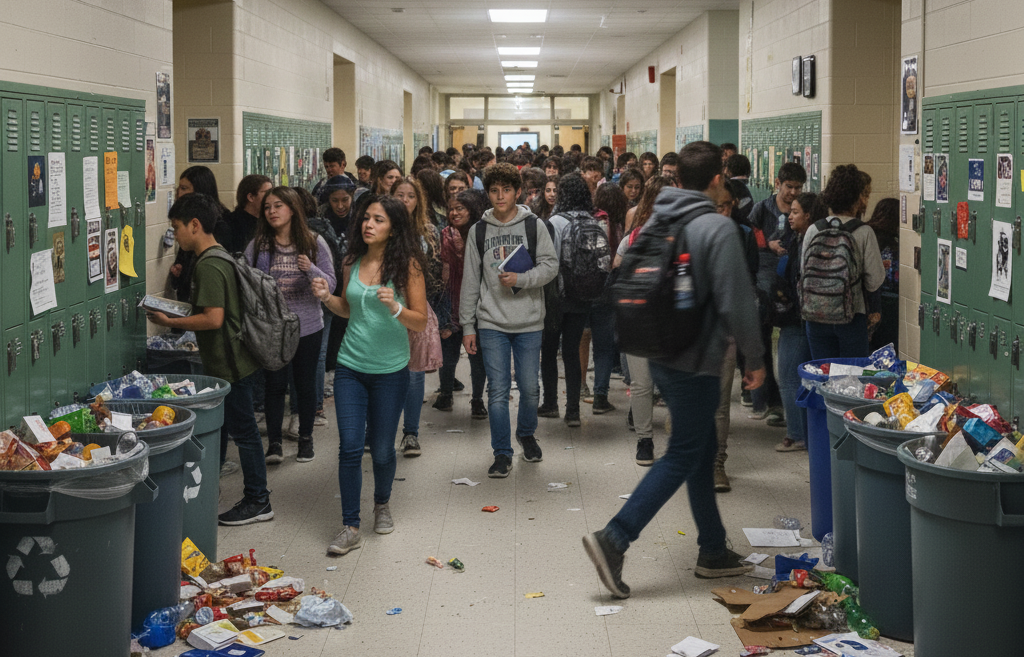
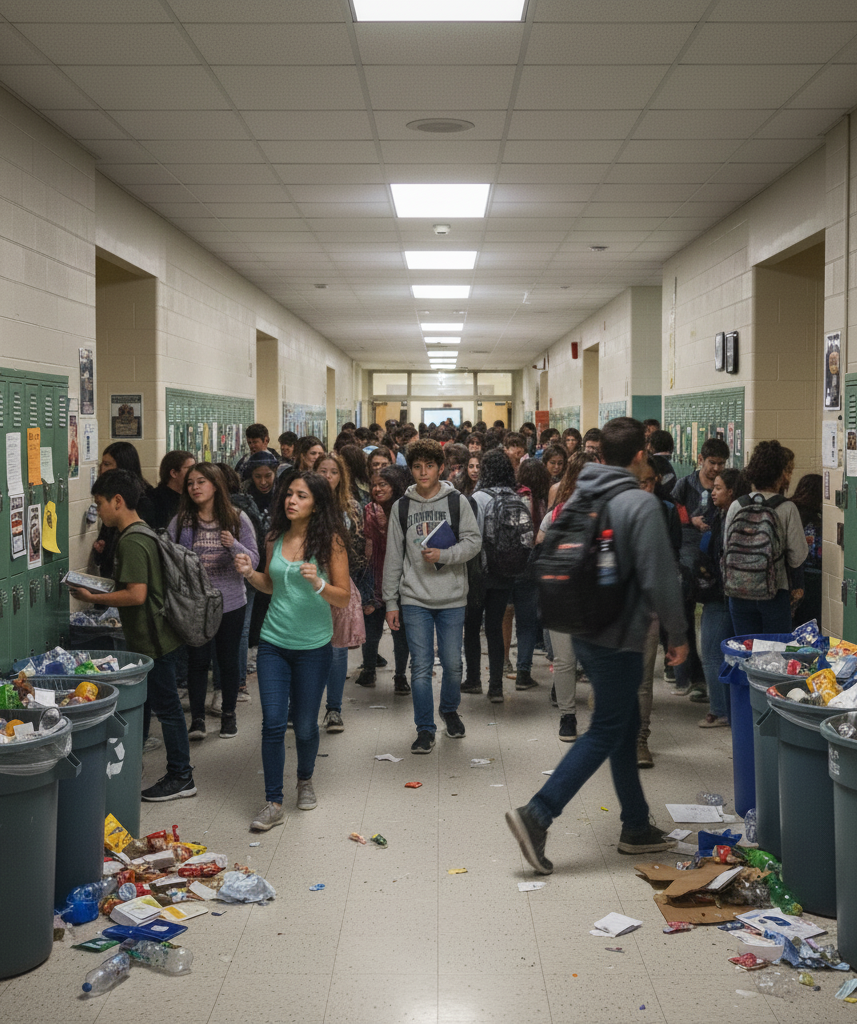
Insufficient separation infrastructure is a major challenge in many workplaces and public spaces. When convenient recycling options aren't available, people default to general waste bins even for recyclable materials. The absence of clearly labelled, accessible recycling containers leads to missed recycling opportunities.
Contamination issues arise when recyclable materials mix with food waste, liquids, or inappropriate items. Coffee cups with residue, pizza boxes with grease, and containers with food remnants become unprocessable despite being theoretically recyclable. Many people don't realise that contamination can disqualify materials from recycling programmes.
Limited awareness of recyclability guidelines contributes to confusion. Different regions have varying acceptance criteria, and complex rules about plastic types, paper grades, and container preparation create uncertainty. When in doubt, many people choose general waste rather than risk contaminating recycling streams.
Economic factors also influence recycling success. Markets for certain recyclable materials fluctuate, and some materials become economically unviable to process during low-demand periods. These market conditions can temporarily redirect recyclable materials to general waste streams.
How BINBIN helps with effective waste recycling
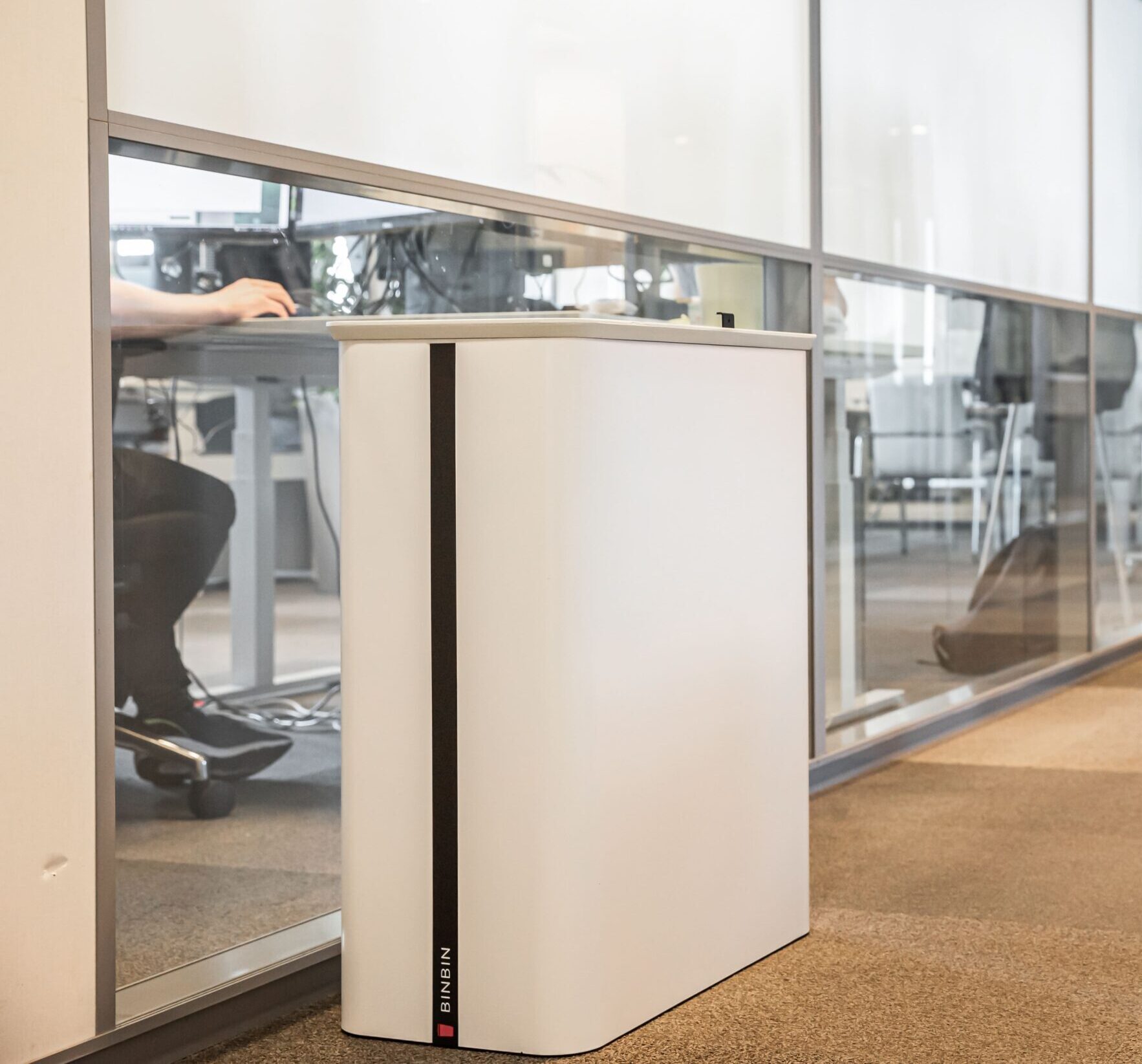
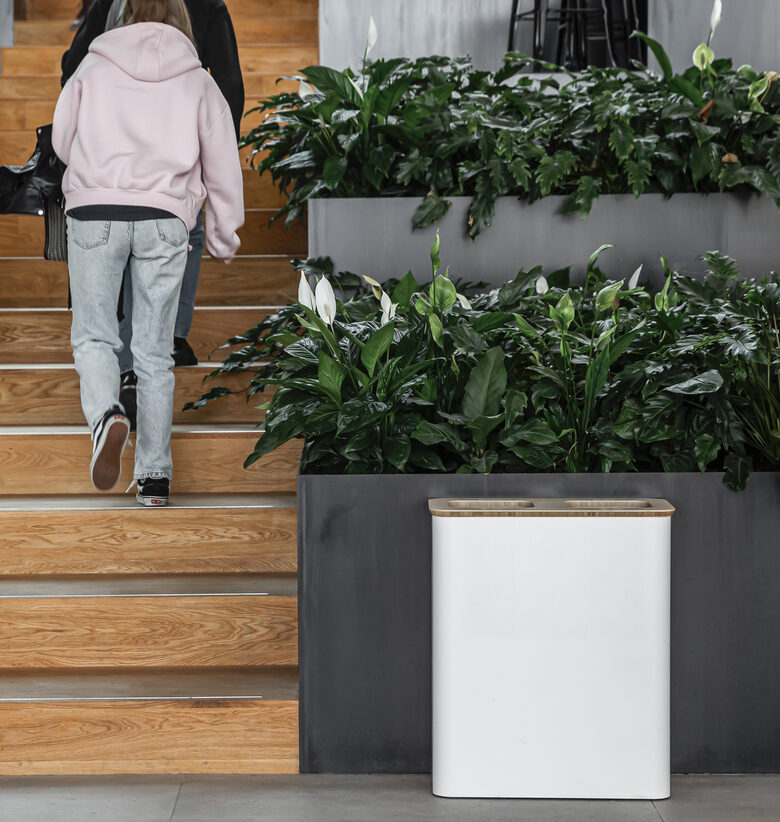
We provide comprehensive modular waste separation solutions that address the primary barriers to effective recycling in workplace environments. Our systems combine intuitive design with flexible configuration options to maximise participation and minimise contamination.
Our approach includes:
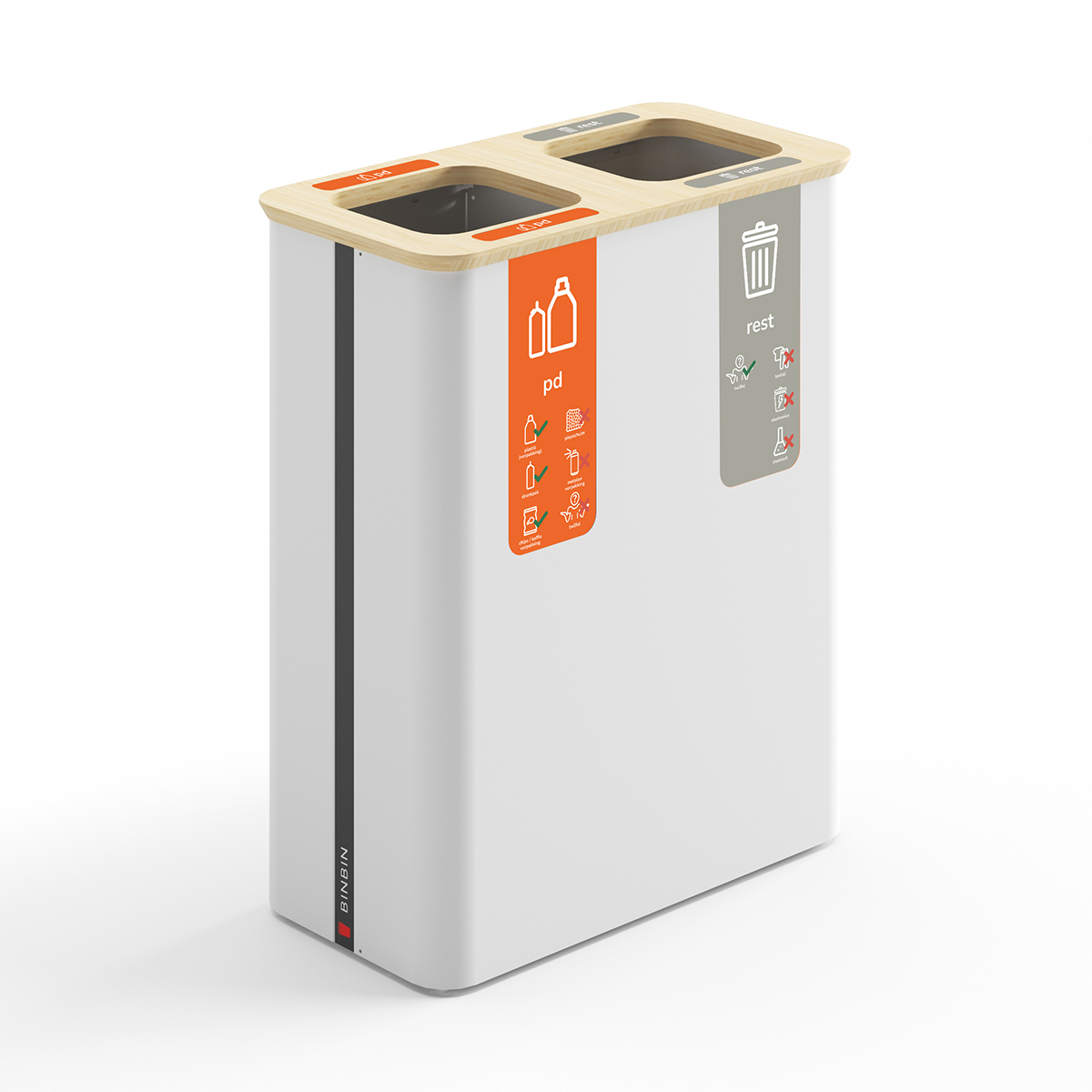
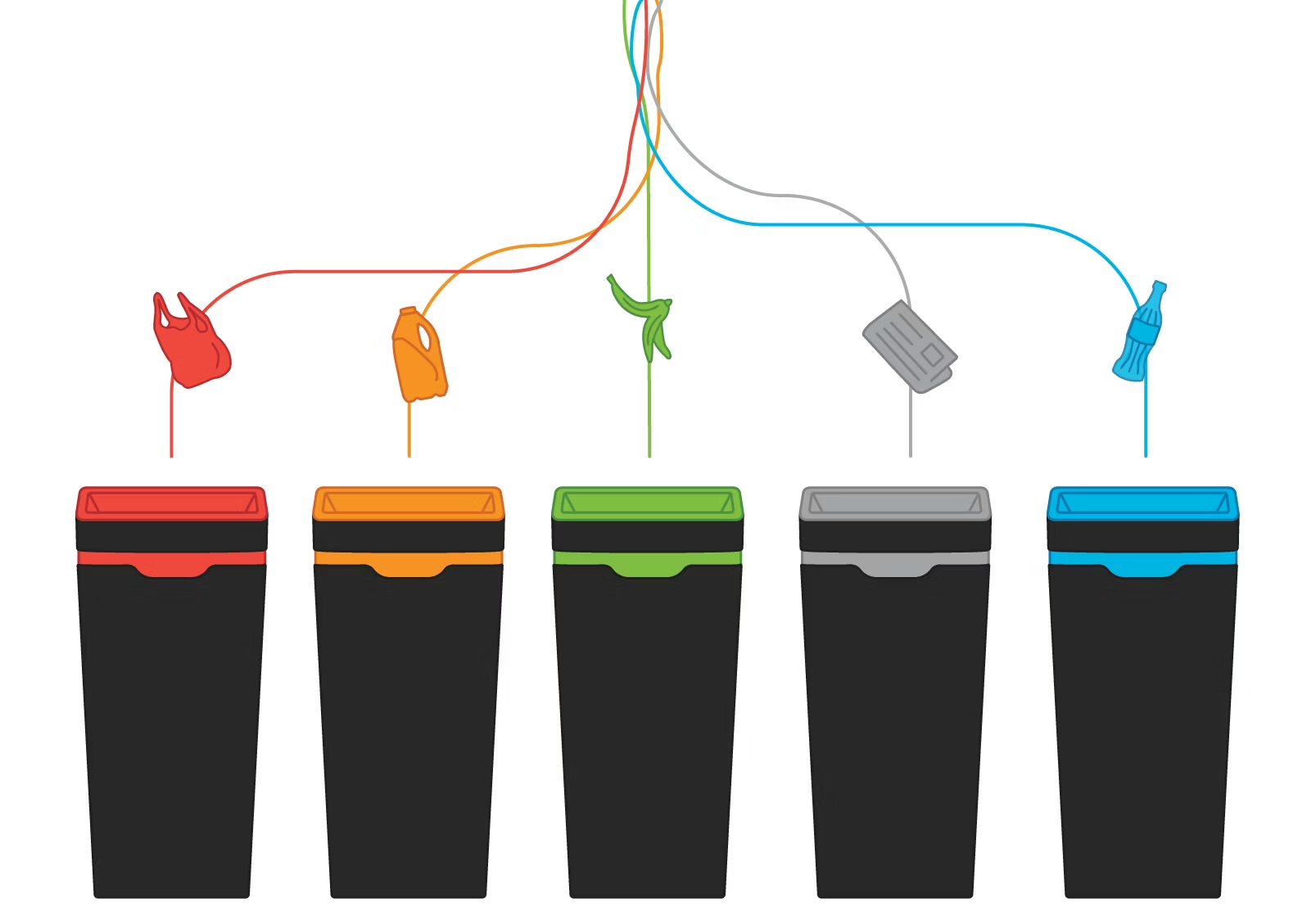
- Modular separation systems that accommodate 1-8 different waste streams with clear visual identification
- Contamination prevention through dedicated compartments that keep recyclable materials clean and separate
- Flexible configuration allowing easy adjustment as recycling needs change or expand
- Professional guidance including waste audits and customised implementation strategies
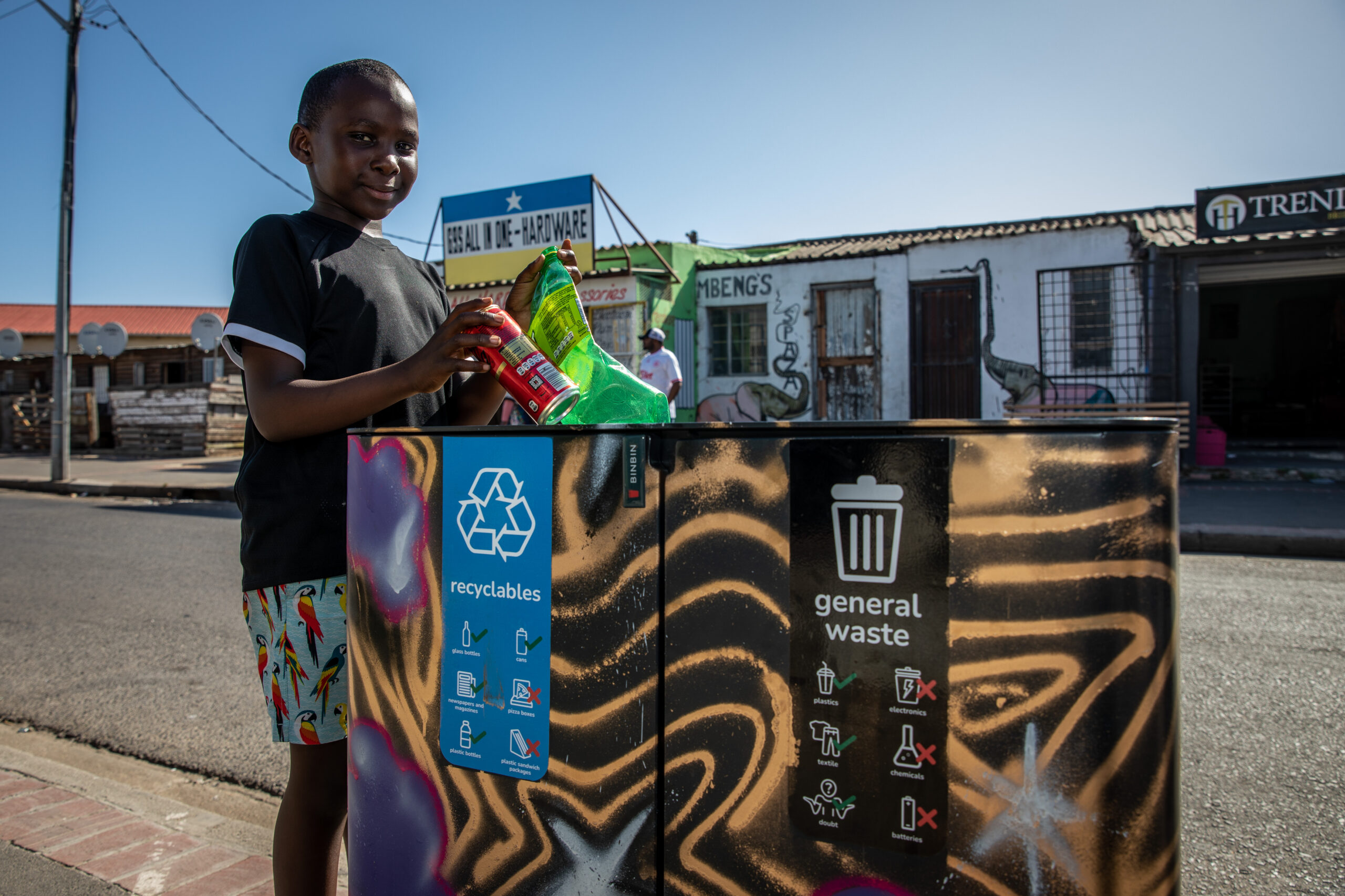
- Communication support with pictograms, stickers, and educational materials to improve user compliance
Our 99% circular waste bins demonstrate our commitment to sustainable waste management whilst providing practical solutions that integrate seamlessly into professional environments. The modular design ensures your recycling infrastructure can adapt and grow as requirements change.
Ready to improve your workplace recycling effectiveness? Request a trial placement to experience how proper waste separation improves recycling rates, or get a customised quote for your specific requirements. Our team provides personalised guidance to help you implement the most effective waste management solution for your organisation.