Waste management strategies are systematic approaches to handling, reducing, and disposing of waste materials efficiently and sustainably. The five core strategies include waste reduction, reuse, recycling, recovery, and disposal, forming a hierarchy that prioritises prevention over treatment. These strategies help organisations minimise environmental impact whilst reducing costs and ensuring regulatory compliance across various settings.
What are the five most effective waste management strategies?
The five most effective waste management strategies follow the established waste hierarchy: waste reduction, reuse, recycling, recovery, and disposal. This hierarchy prioritises prevention and minimisation over treatment and disposal, creating a framework that maximises resource efficiency whilst minimising environmental impact.
Waste reduction sits at the top of the hierarchy, focusing on preventing waste generation through improved processes and smarter purchasing decisions. This approach delivers the greatest environmental and economic benefits by eliminating waste streams entirely.
The remaining strategies work progressively down the hierarchy:
- Reuse extends product lifecycles by finding new applications for items before they become waste.
- Recycling transforms waste materials into new products, keeping resources in circulation.
- Recovery captures energy or materials from waste that cannot be recycled.
- Disposal safely manages remaining waste through controlled landfill or incineration.
Organisations that implement these strategies systematically achieve better environmental outcomes, cost savings, and regulatory compliance. The hierarchy guides decision-making by encouraging higher-impact strategies first, creating sustainable waste management systems that benefit both operations and the environment.
How does waste reduction work in practice?
Waste reduction works through source reduction techniques that prevent waste generation at its origin. This involves redesigning processes, changing procurement practices, and optimising operations to use fewer materials and create less waste throughout organisational activities.
Practical implementation starts with waste audits to identify major waste streams and their sources. Organisations then develop targeted strategies such as switching to digital documentation, buying products with minimal packaging, or redesigning workflows to eliminate unnecessary materials.
Procurement changes deliver significant results by selecting suppliers who prioritise sustainable packaging, offer take-back programmes, or provide concentrated products that require less storage space. These decisions reduce incoming waste whilst often lowering costs through bulk purchasing and reduced storage requirements.
Process optimisation focuses on operational adjustments such as implementing double-sided printing, using refillable containers, or adjusting portion sizes in food service operations. Staff training ensures everyone understands how daily decisions contribute to waste reduction goals.
Successful waste reduction requires ongoing monitoring and adjustment. Regular reviews help identify new opportunities and measure progress against established baselines. This approach creates lasting change by embedding waste awareness into organisational culture and decision-making processes.
What's the difference between reuse and recycling strategies?
Reuse involves using items again in their original form or for different purposes without processing, whilst recycling transforms materials into new products through industrial processes. Reuse typically requires less energy and fewer resources, making it environmentally preferable when practical applications exist.
Reuse strategies focus on extending product lifecycles through creative applications. Office furniture can be refurbished for different departments, glass jars can become storage containers, and packaging materials can be used for multiple shipping cycles. This approach maintains an item's original structure whilst providing new functionality.
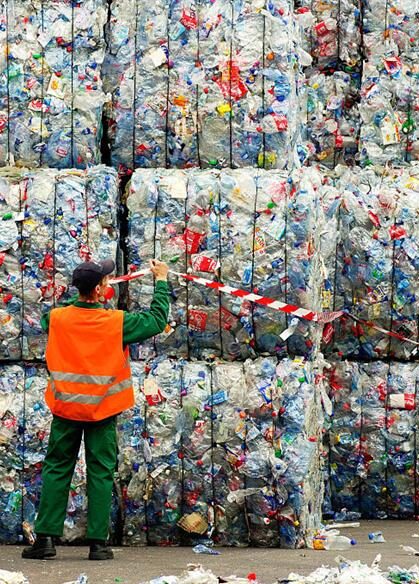
Recycling systems break down materials to create new products, requiring collection, sorting, processing, and manufacturing steps. Paper becomes new paper products, plastic bottles can be transformed into fleece clothing, and metal cans can be made into new containers through industrial recycling processes.
Implementation differs significantly between these strategies. Reuse programmes need storage space, staff creativity, and internal distribution systems. Successful examples include furniture exchanges, equipment-sharing programmes, and packaging return systems that circulate materials within organisations.
Recycling requires proper segregation systems, reliable collection services, and staff training on contamination prevention. Effective programmes provide clear guidance on acceptable materials, convenient collection points, and regular feedback on programme performance to maintain participation rates.
Why is proper waste segregation crucial for success?
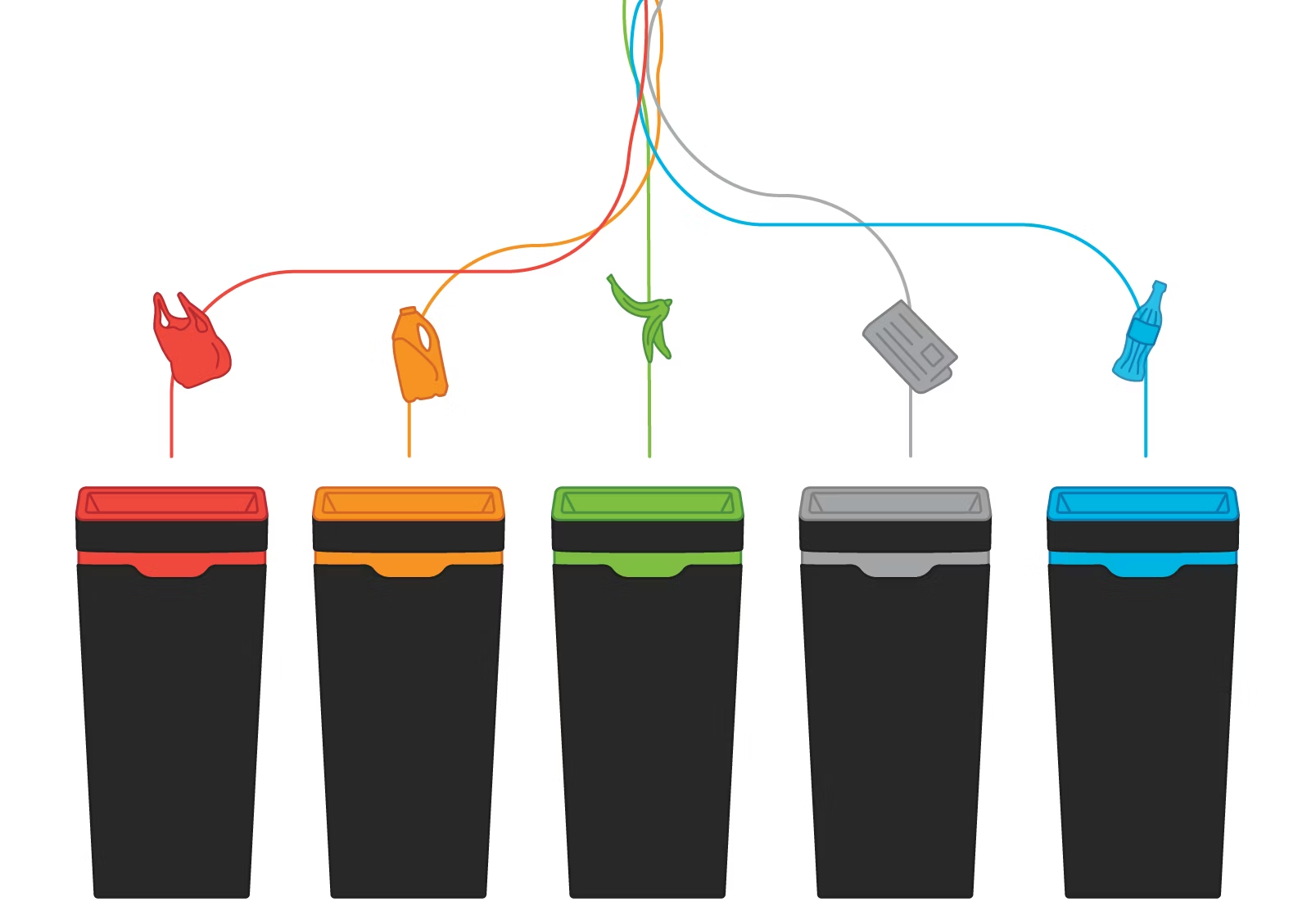
Proper waste segregation forms the foundation for effective waste management by ensuring materials reach appropriate processing facilities whilst preventing contamination that renders entire waste streams unusable. Without accurate sorting, even well-intentioned recycling efforts can result in materials being sent to landfill.
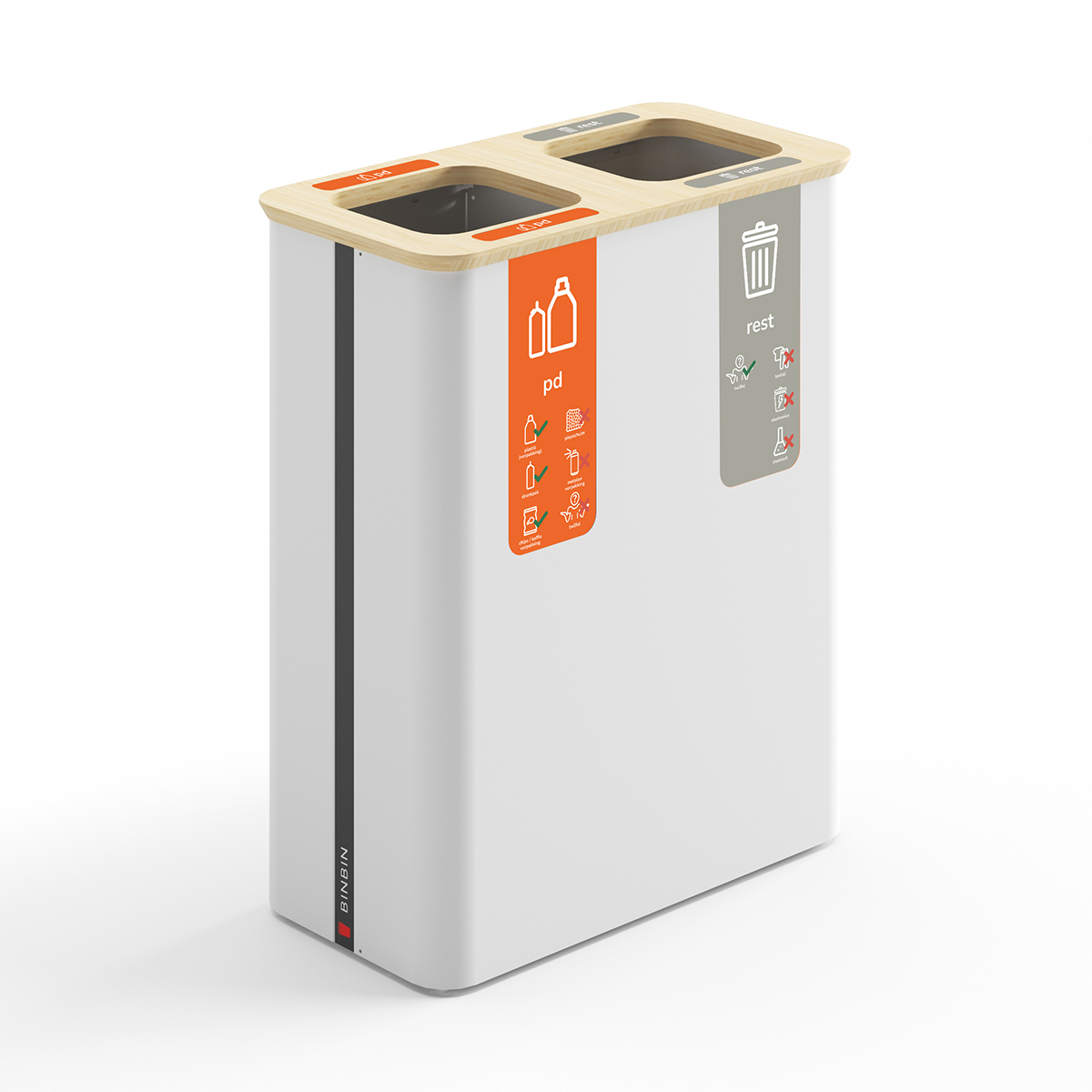
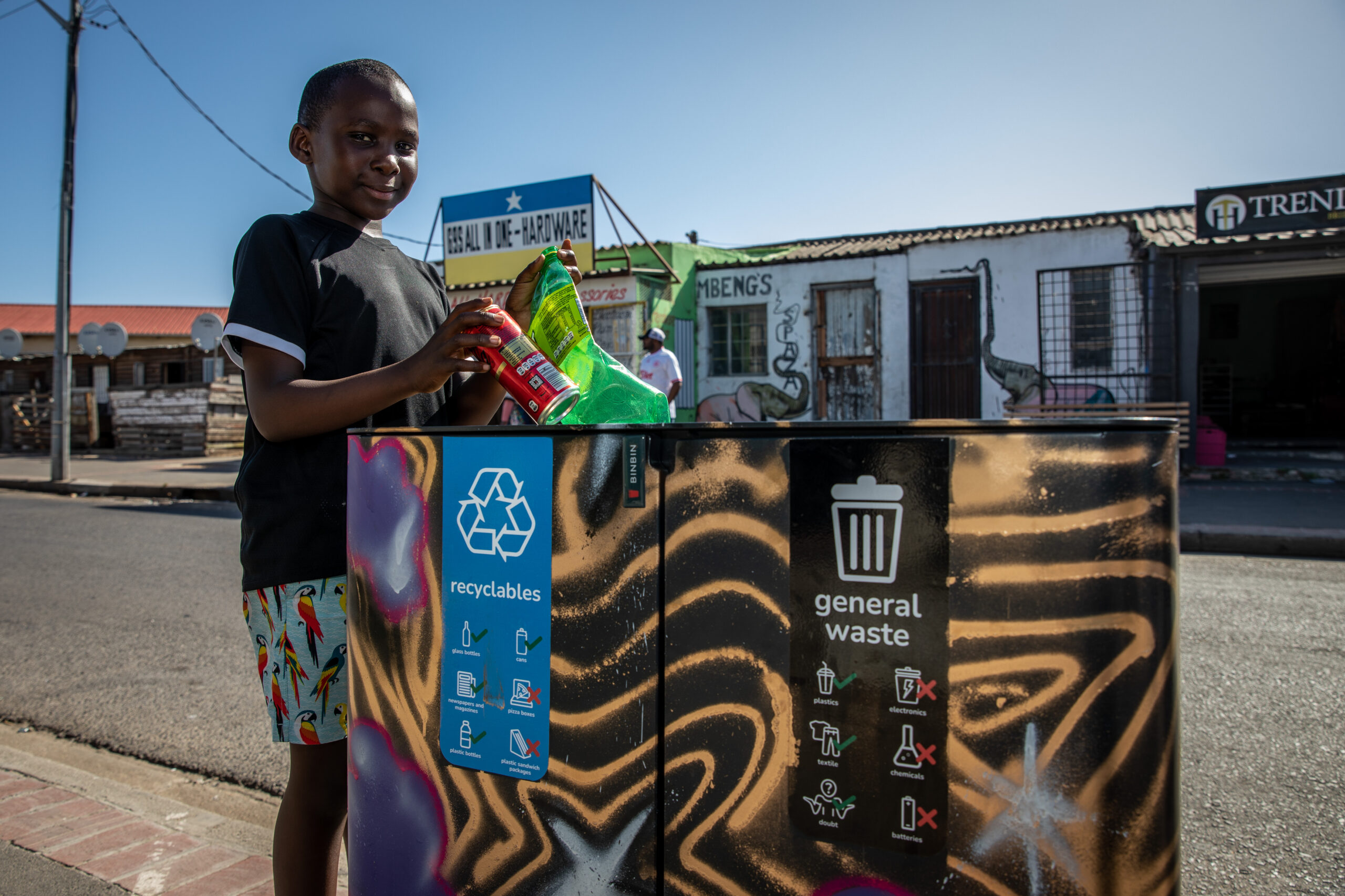
Segregation systems require clearly labelled containers, strategic placement throughout facilities, and comprehensive staff training. Each waste stream needs dedicated collection points with visual guides showing acceptable and unacceptable materials to prevent confusion.
Employee training addresses common segregation mistakes such as placing food-contaminated packaging in recycling streams or mixing different plastic types. Regular refresher sessions and clear communication help maintain sorting accuracy as staff turnover occurs.
Proper segregation directly improves recycling rates by delivering clean material streams to processing facilities. Contaminated loads are often rejected, sending potentially recyclable materials to landfill and increasing disposal costs for organisations.
Cost benefits extend beyond disposal savings. Clean, well-sorted materials often command better prices from recycling companies, whilst reduced contamination prevents processing delays and additional handling charges. This creates positive financial incentives for maintaining high segregation standards.
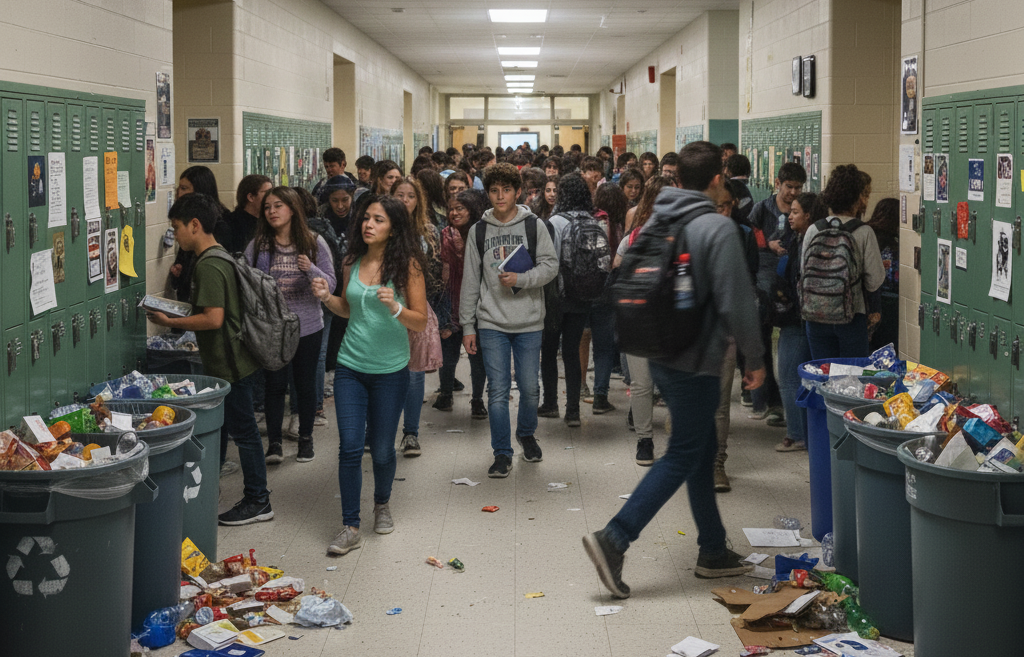
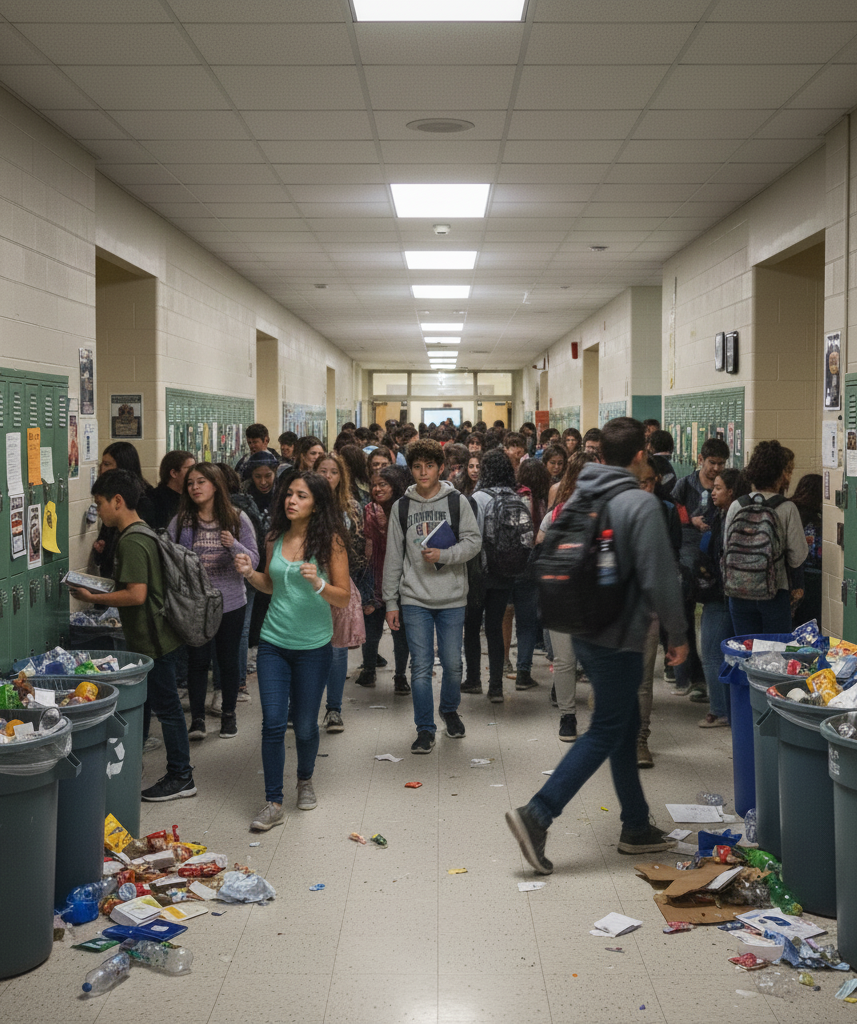
Effective systems also support waste management in schools by teaching students proper sorting habits early. Educational institutions that implement clear segregation systems create learning opportunities whilst managing their environmental impact responsibly.
How do you measure waste management strategy effectiveness?
Waste management strategy effectiveness is measured through key performance indicators including waste diversion rates, cost savings, compliance metrics, and environmental impact measurements. These metrics provide concrete data for evaluating programme success and identifying improvement opportunities.
Waste diversion rates calculate the percentage of waste redirected from landfill through reduction, reuse, and recycling efforts. This primary metric demonstrates programme impact whilst providing benchmarks for continuous improvement goals.
Cost tracking includes disposal fees, collection charges, and programme implementation expenses compared against baseline costs. Effective programmes typically show cost reductions through decreased disposal volumes and potential revenue from recyclable materials.
Key metrics to track systematically:
- Total waste generation per employee or square foot
- Recycling contamination rates and rejected loads
- Programme participation rates across different departments
- Cost per tonne for different waste streams
- Compliance with regulatory requirements and targets
Environmental impact measurements include carbon footprint reductions, resource conservation, and landfill diversion volumes. These metrics support sustainability reporting and demonstrate environmental stewardship to stakeholders.
Regular reporting maintains momentum by celebrating successes and identifying areas that need attention. Monthly or quarterly reviews help adjust strategies based on performance data whilst keeping waste management visible in organisational priorities. Effective measurement systems support long-term programme sustainability and continuous improvement.
How BINBIN helps with waste management strategies
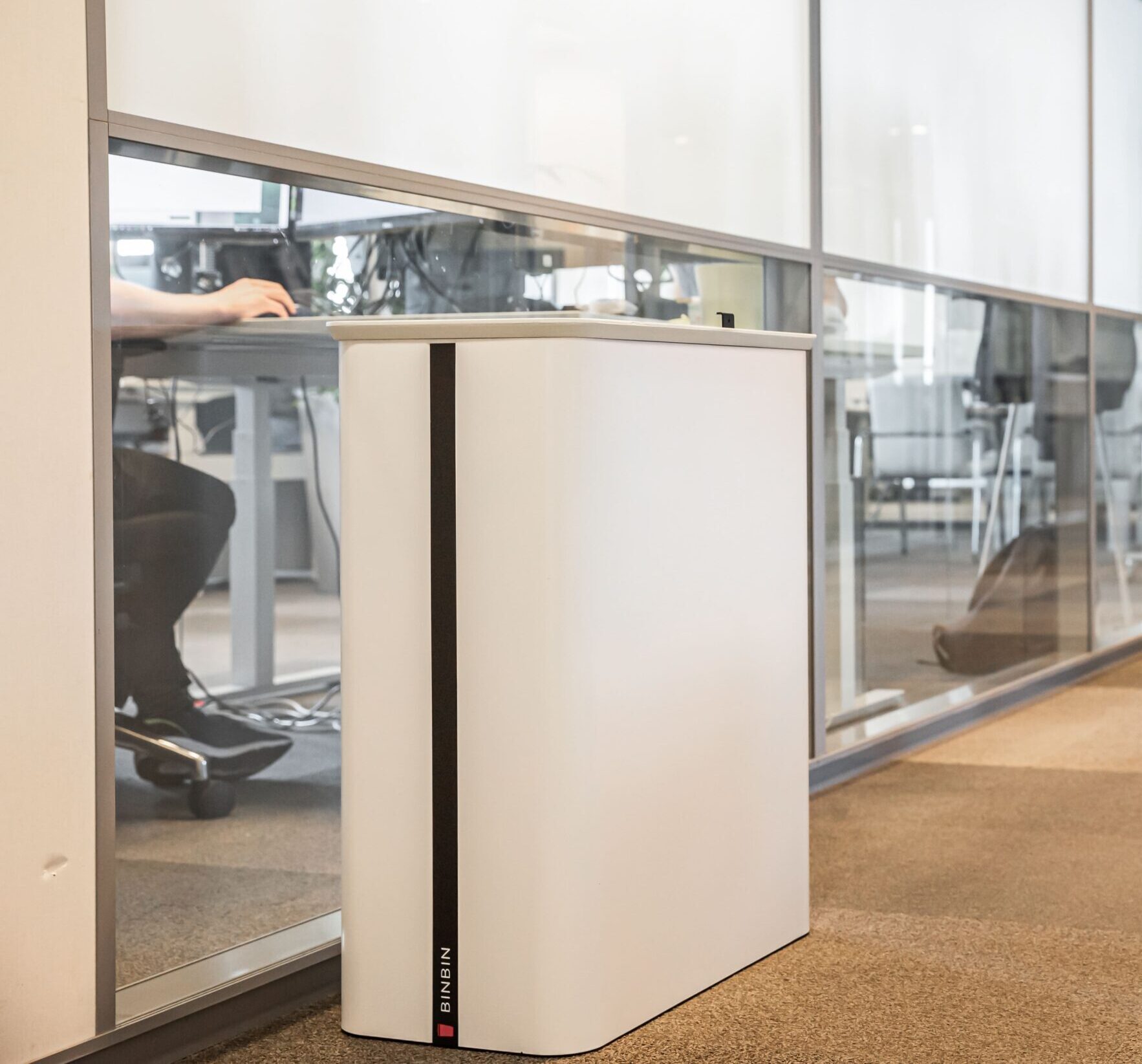
BINBIN supports comprehensive waste management strategy implementation through modular separation systems that adapt to changing organisational needs whilst maximising recycling effectiveness. Our solutions address the critical segregation foundation that determines overall programme success.
Our approach includes:
- Modular systems accommodating 1-8 waste streams, with flexible reconfiguration options
- A 99% circular design using recycled materials that return to the resource cycle
- Custom branding and signage supporting clear waste stream identification
- Professional consultation, including waste audits and implementation guidance
- Comprehensive support materials, including pictograms and communication resources
The Globular series enables organisations to start with basic segregation and expand systematically as programmes mature. Internal compartment splitting and stream combining provide ultimate flexibility without requiring new equipment purchases.
Our solutions particularly excel in supporting waste management in school environments, where clear visual guidance and robust construction withstand heavy daily use whilst teaching proper segregation habits to students and staff.
Ready to implement effective waste management strategies? Request a trial placement to experience how our modular systems improve waste segregation, or get a customised quote for your specific requirements.