Waste separation techniques are methods used to sort different materials from mixed waste streams for recycling and recovery. The four main types are physical separation (screening and sorting), magnetic separation (metal recovery), optical separation (automated identification), and density separation (weight-based sorting). These techniques work together in modern facilities to maximise material recovery and reduce landfill waste.
What are the 4 main types of separation techniques used today?
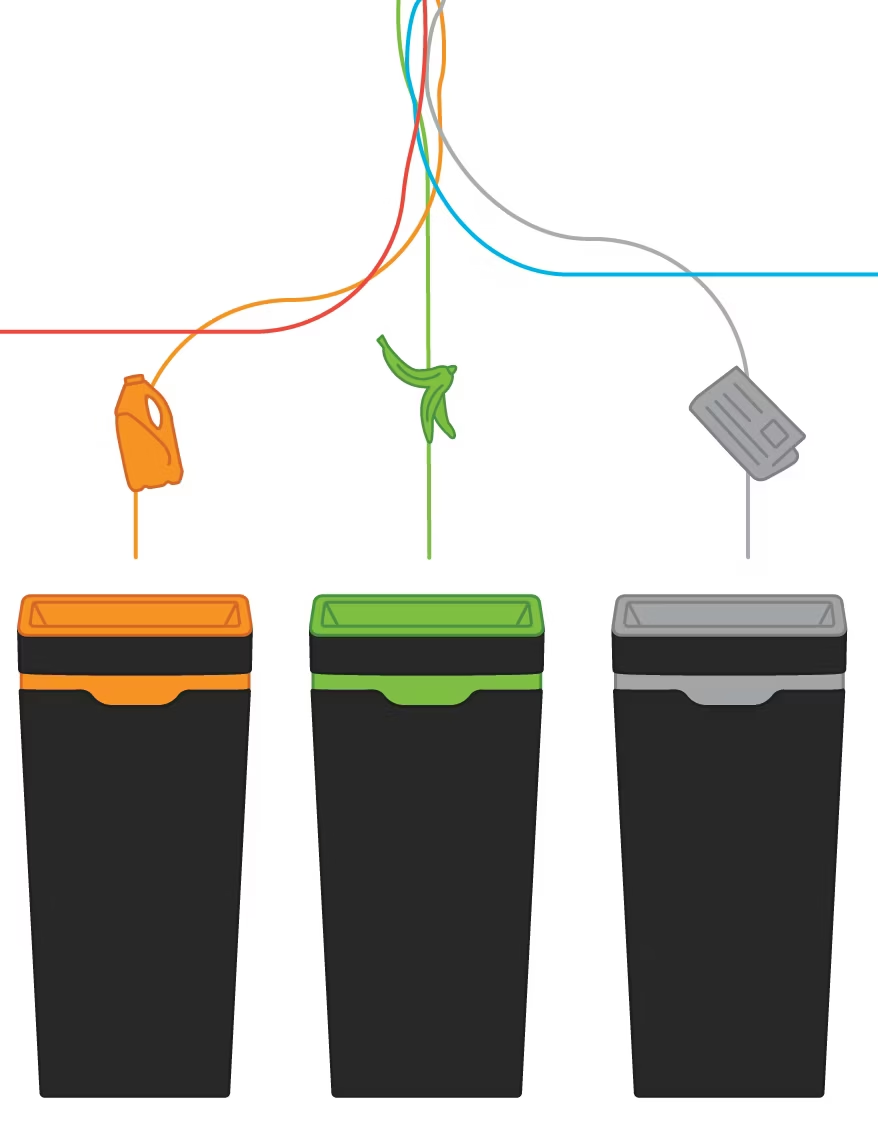
Modern waste separation relies on four fundamental techniques, each targeting different material properties. Physical separation uses size, shape, and manual sorting to divide materials mechanically. Magnetic separation extracts ferrous metals using powerful magnets. Optical separation employs sensors and cameras to identify materials by colour, composition, or infrared signatures. Density separation sorts materials based on weight differences using air currents or flotation methods.
These techniques often work in sequence at recycling facilities. Physical separation typically happens first to remove large contaminants and break down materials into manageable sizes. Magnetic separation follows to extract valuable metals. Optical systems then identify and sort specific plastics, paper grades, or other materials with high precision. Density separation provides final refinement by separating materials with similar appearances but different weights.
The effectiveness of each technique depends on the waste stream composition and recovery goals. Facilities combine multiple methods to achieve optimal separation rates and the material purity levels required for successful recycling markets.
How does physical separation work in waste management?
Physical separation uses mechanical processes to sort materials based on size, shape, and physical properties. Common methods include screening through different-sized meshes, shredding to break down large items, and manual sorting, where workers remove specific materials from conveyor belts. This technique effectively separates cardboard from smaller items, removes large contaminants, and prepares mixed materials for further processing.
Screening systems use rotating drums or vibrating screens with different-sized openings. Large materials like cardboard and plastic containers pass over the screens, while smaller items fall through. This creates distinct size fractions that are easier to process with other separation techniques.
Manual sorting remains important for removing hazardous materials, extracting high-value items, and quality control. Trained workers can identify materials that automated systems might miss and remove contaminants that could damage downstream equipment.
Shredding and crushing prepare materials for other separation methods by creating uniform sizes. This improves the effectiveness of magnetic, optical, and density separation by ensuring consistent material flow and better exposure to sorting mechanisms.
What makes magnetic separation so effective for metal recovery?
Magnetic separation uses powerful electromagnets to extract ferrous metals (containing iron) from mixed waste streams. The technique works because ferrous metals are strongly attracted to magnetic fields, while other materials like plastics, paper, and aluminium are not affected. This creates clean separation with minimal contamination and high recovery rates for valuable steel and iron.
Overhead electromagnets suspended above conveyor belts lift ferrous metals from moving waste streams. The magnetic field strength can be adjusted to capture different-sized metal pieces while avoiding interference with other materials. Belt magnets and drum separators provide alternative configurations for different facility layouts and material flows.
The technique excels at recovering steel cans, metal components from electronics, and construction materials containing iron. Recovery rates often exceed 95% for ferrous metals, making it one of the most reliable separation methods available.
Magnetic separation happens quickly and continuously without stopping material flow. This efficiency makes it ideal for high-volume facilities processing mixed municipal or commercial waste streams, where metal recovery provides significant economic value.
Why is optical separation becoming more popular in recycling?
Optical separation uses advanced sensors and cameras to identify materials by colour, shape, or infrared signatures, then removes them with precise air jets. This technology can distinguish between different plastic types, paper grades, and packaging materials that look similar to the human eye. The automation provides consistent sorting quality while processing much larger volumes than manual methods.
Near-infrared (NIR) sensors identify plastic types by detecting their unique molecular signatures. Different plastics absorb and reflect infrared light differently, allowing the system to distinguish between PET bottles, HDPE containers, and film plastics even when they appear visually similar.
Colour-sorting cameras identify materials based on visual appearance and can separate items like coloured glass and different paper grades, or remove unwanted coloured plastics from clear plastic streams. The systems process materials at high speeds while maintaining accuracy rates above 90%.
The technology continues to improve with artificial intelligence and machine learning capabilities. Modern systems can learn to identify new contaminants and adapt to changing waste stream compositions, making them increasingly valuable for facilities processing diverse materials from various industries.
How does density separation help recover valuable materials?
Density separation sorts materials based on weight differences using air classification or flotation methods. Air classifiers use controlled air currents to separate light materials like paper and plastic film from heavier items such as metals and dense plastics. Flotation systems use water and chemicals to separate materials that float from those that sink, effectively recovering different material types.
Air classification works by passing mixed materials through vertical air columns with controlled flow rates. Light materials are carried upward by the air stream, while heavier materials fall downward against the airflow. This technique effectively separates paper from plastic containers or removes lightweight film from rigid packaging materials.
Sink-float separation uses water tanks in which materials with different densities separate naturally. Adding chemicals can adjust the water density to target specific separation points. This method works well for separating different plastic types or removing glass from mixed materials.
The technique proves particularly valuable for processing mixed plastics, where different polymer types have distinct density ranges. Clean separation allows recovered materials to meet quality specifications for manufacturing new products.
Which separation technique works best for different types of waste?
The optimal separation technique depends on the waste composition, target materials, and facility capabilities. Mixed municipal waste typically requires multiple techniques in sequence, starting with physical separation for size sorting, followed by magnetic separation for metals, optical sorting for plastics and paper, and density separation for final refinement.
Here is how different waste types match with separation methods:
- Construction waste: Physical separation and magnetic separation work best for concrete, wood, and metal recovery.
- Electronic waste: A combination of physical shredding, magnetic separation for ferrous metals, and density separation for precious metal recovery.
- Packaging waste: Optical separation excels at identifying different packaging materials, supported by magnetic separation for metal containers.
- Paper waste: Physical screening removes contaminants, while optical separation identifies different paper grades.
- Plastic waste: Optical separation for type identification combined with density separation to improve purity.
Successful facilities often use three or four techniques in sequence. The initial physical separation removes obvious contaminants and sizes materials appropriately. Magnetic separation then extracts valuable metals. Optical systems provide precise material identification, and density separation delivers final quality improvement.
Investing in multiple technologies pays off through higher recovery rates, better material quality, and access to premium recycling markets that demand clean, well-sorted materials.
How BINBIN helps with effective waste separation
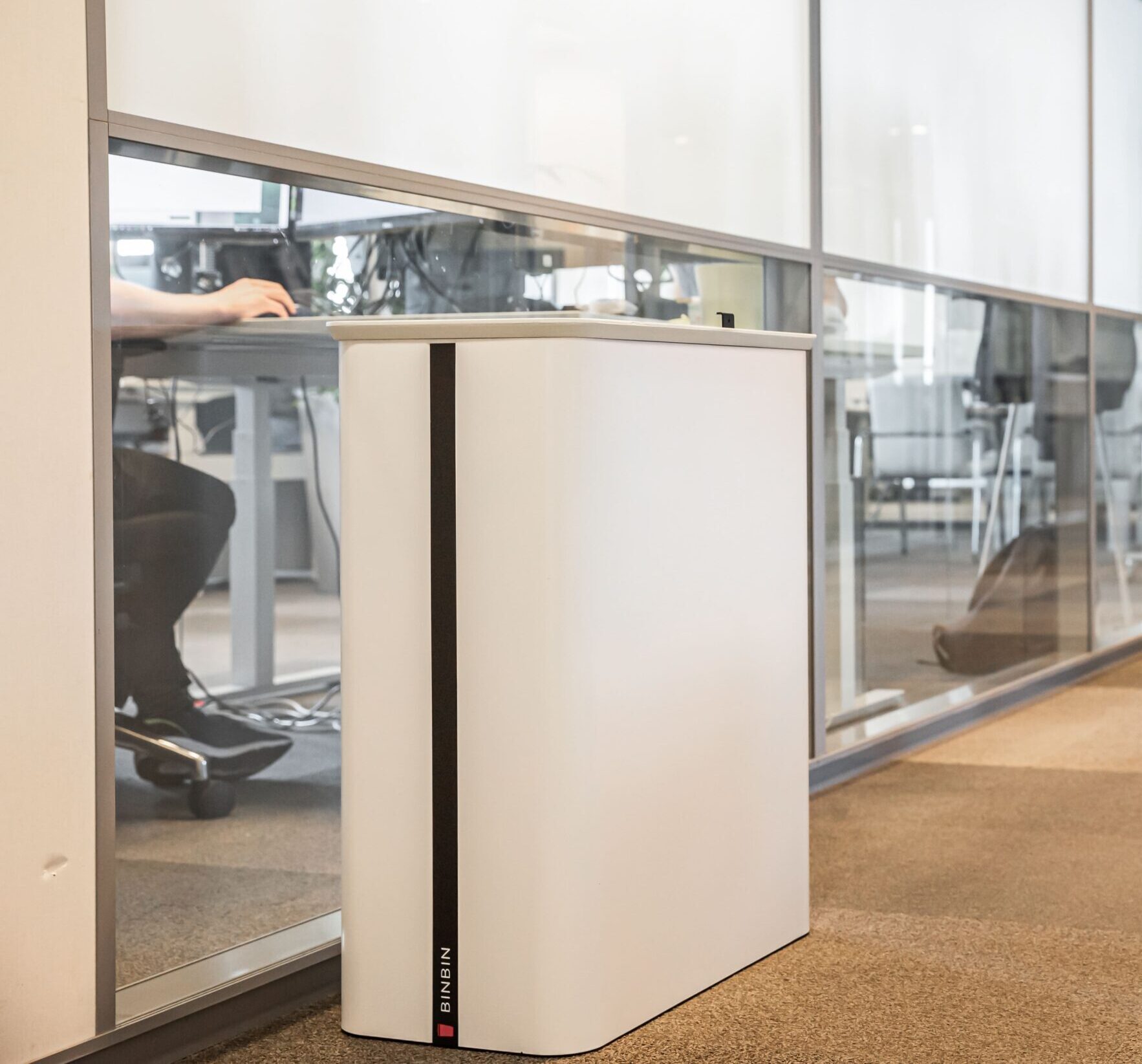
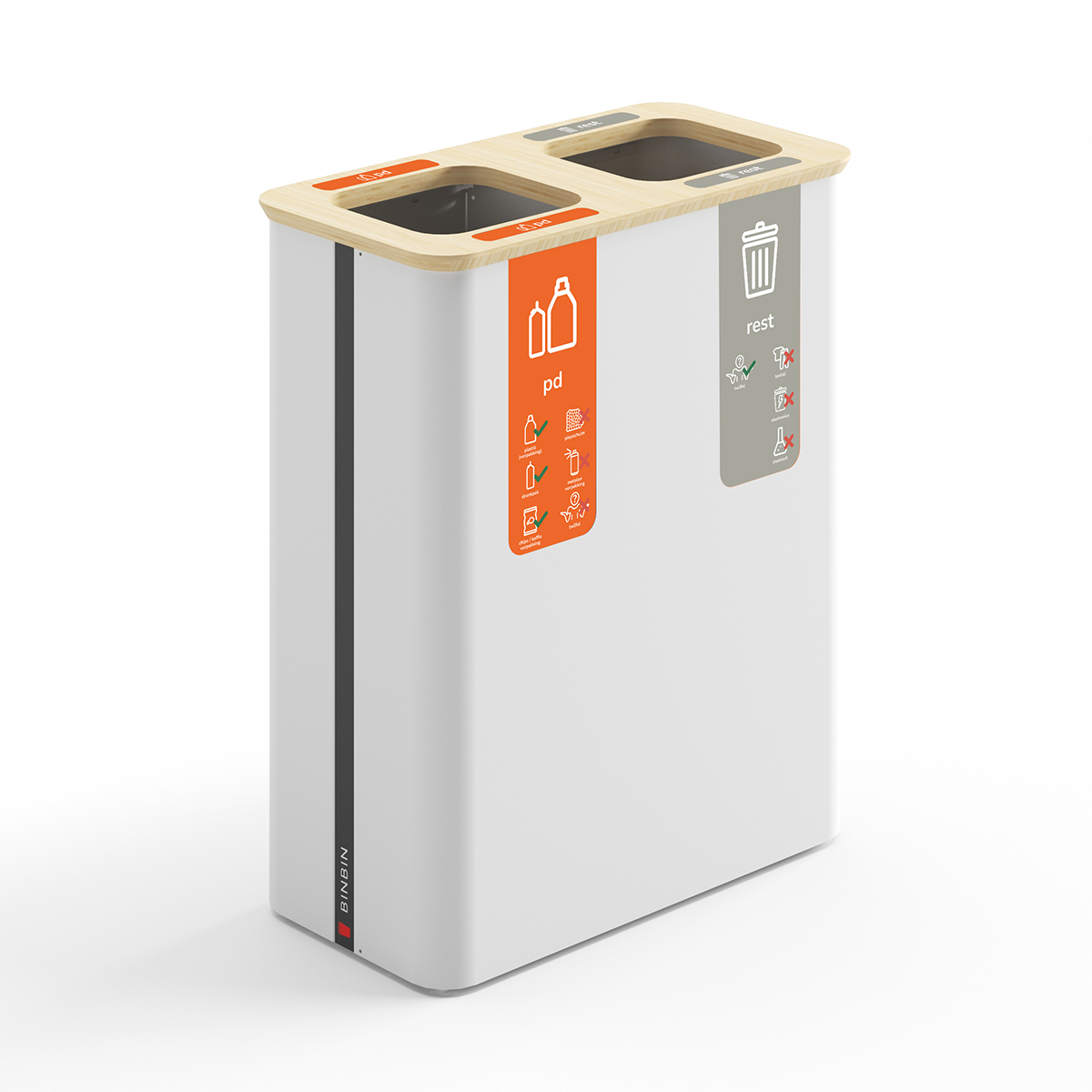
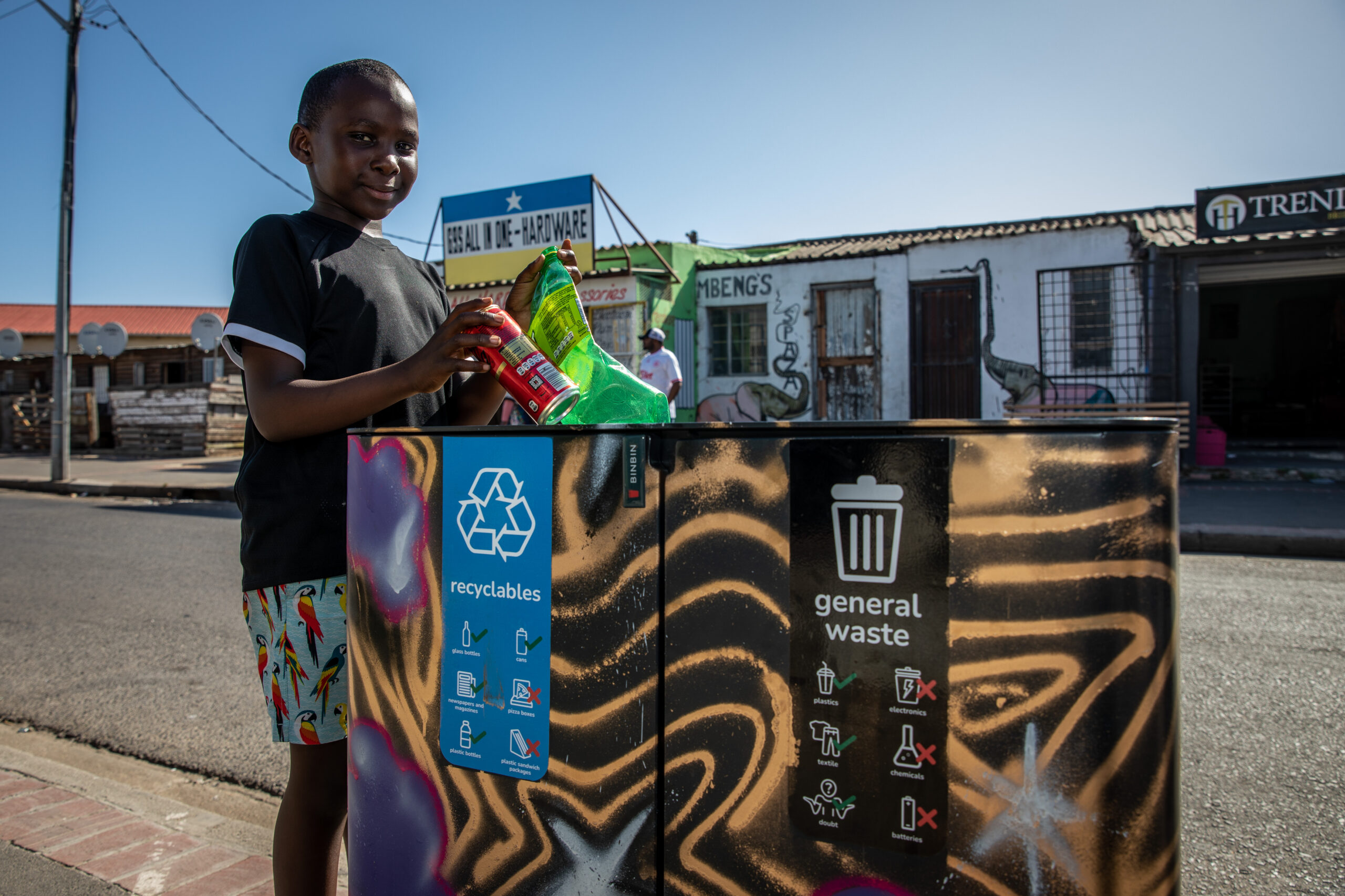
We provide modular waste separation solutions that enable effective sorting at the source, supporting the downstream separation processes described above. Our circular design philosophy focuses on making waste separation practical and efficient for organisations implementing comprehensive recycling programmes.
Our approach to waste separation includes:
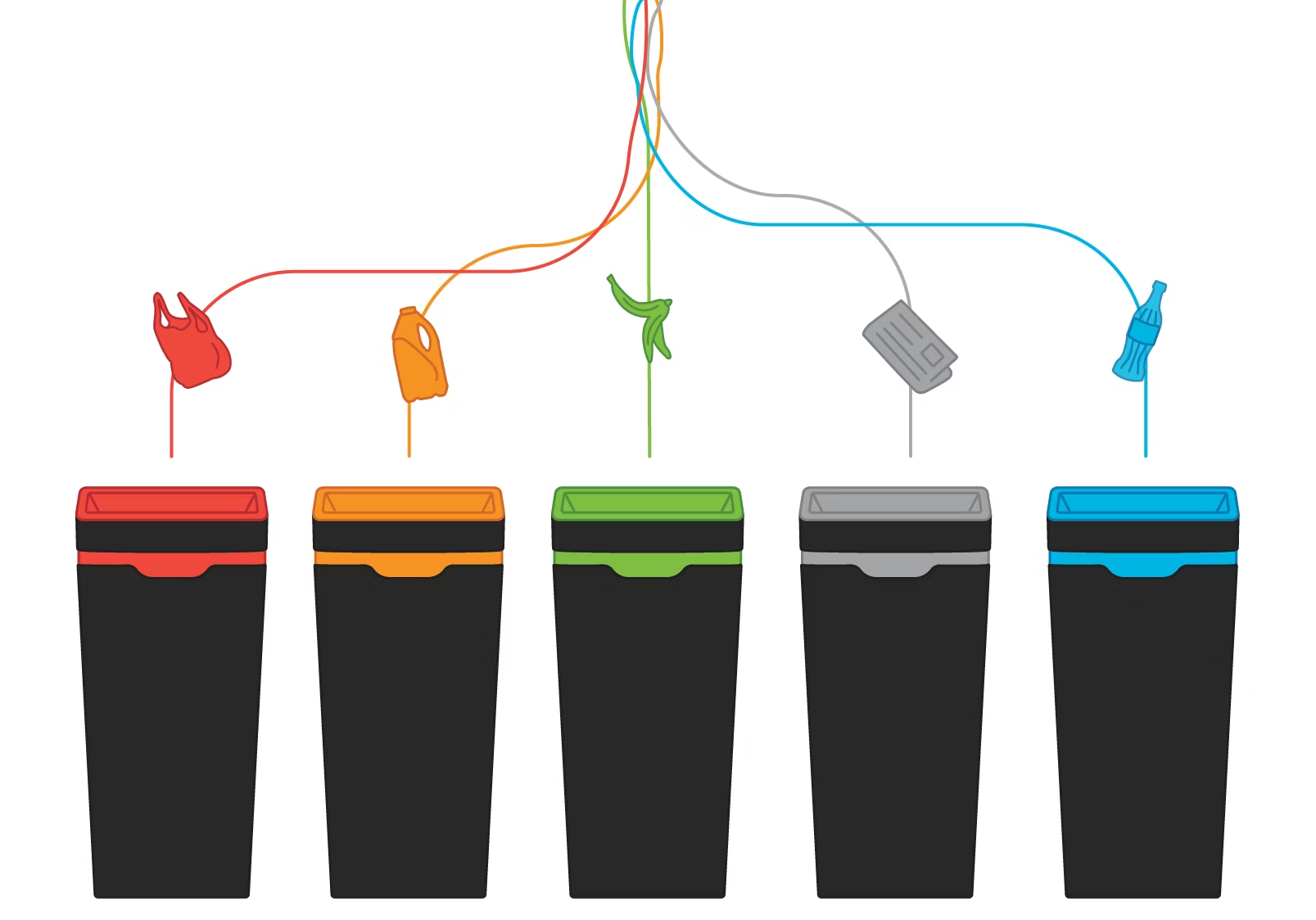
- Modular systems: Configure 1–8 waste streams that adapt as separation requirements change.
- Source separation: Clean material sorting at the point of disposal improves downstream processing efficiency.
- Custom implementation: Tailored advice and communication strategies ensure successful adoption.
- Circular materials: 99% circular construction supports comprehensive sustainability goals.
Our personalised consultation service includes free facility assessments and digital waste analysis to identify the most effective separation approach for your specific needs. We provide pictograms, communication materials, and ongoing support to maximise participation and separation quality.
Ready to implement effective waste separation at your facility? Request a consultation to discover how our modular solutions can support your organisation's recycling goals while complementing industrial separation processes.