The five pillars of waste management are prevention, reuse, recycling, recovery, and disposal. These pillars form a hierarchical framework that prioritises reducing waste generation over managing waste after it is produced. This approach maximises resource efficiency whilst minimising environmental impact. Understanding how these pillars work together helps organisations create comprehensive waste management strategies that support circular economy principles.
What exactly are the five pillars of waste management?
The five pillars of waste management represent a hierarchical framework that guides sustainable waste-handling practices. These pillars are prevention, reuse, recycling, recovery, and disposal, arranged in order of environmental preference and resource efficiency.
Prevention sits at the top of the hierarchy, focusing on reducing waste generation through better design and consumption patterns. Reuse extends product lifecycles by finding new applications for items in their current form. Recycling transforms waste materials into new products through processing. Recovery captures energy from waste when material recovery is not feasible. Disposal represents the final option when all other approaches have been exhausted.
This hierarchical structure ensures that organisations prioritise the most environmentally beneficial options first. Each pillar builds upon the previous one, creating a comprehensive approach to waste management that maximises resource value whilst minimising environmental impact. The framework supports circular economy principles by keeping materials in use for as long as possible.
Why is waste prevention the most important pillar?
Waste prevention ranks as the most important pillar because it eliminates environmental impact at the source. Preventing waste generation delivers greater environmental and economic benefits than any downstream waste management approach, including recycling or recovery.
Prevention strategies include designing products for durability, reducing packaging materials, and implementing efficient processes that minimise waste generation. Organisations can achieve prevention through source reduction, where they examine their operations to identify opportunities to eliminate waste. This approach often reveals cost savings through reduced material purchases and lower waste disposal fees.
The economic advantages of prevention extend beyond direct cost savings. Companies implementing prevention strategies often discover operational efficiencies, improved resource utilisation, and enhanced brand reputation. Prevention also reduces the burden on waste management infrastructure and decreases the environmental footprint associated with waste processing and disposal.
How does the reuse pillar differ from recycling?
Reuse involves using items again in their current form without processing, whilst recycling breaks down materials to create new products. Reuse maintains the original item's structure and function, requiring minimal energy input compared to recycling processes that involve collection, sorting, cleaning, and reprocessing.
Effective reuse strategies include repurposing office furniture for different departments, using shipping containers as storage units, or converting glass jars into organisational tools. These applications extend product lifecycles without the energy-intensive processes required for recycling. Reuse often provides immediate cost benefits through reduced purchasing needs.
The distinction matters because reuse typically offers greater environmental benefits per item. Recycling requires transportation, processing facilities, and energy inputs that reuse avoids. However, recycling becomes valuable when reuse options are exhausted or impractical. Both pillars support circular economy principles by keeping materials in productive use rather than sending them to disposal.
What makes recycling effective in modern waste management?
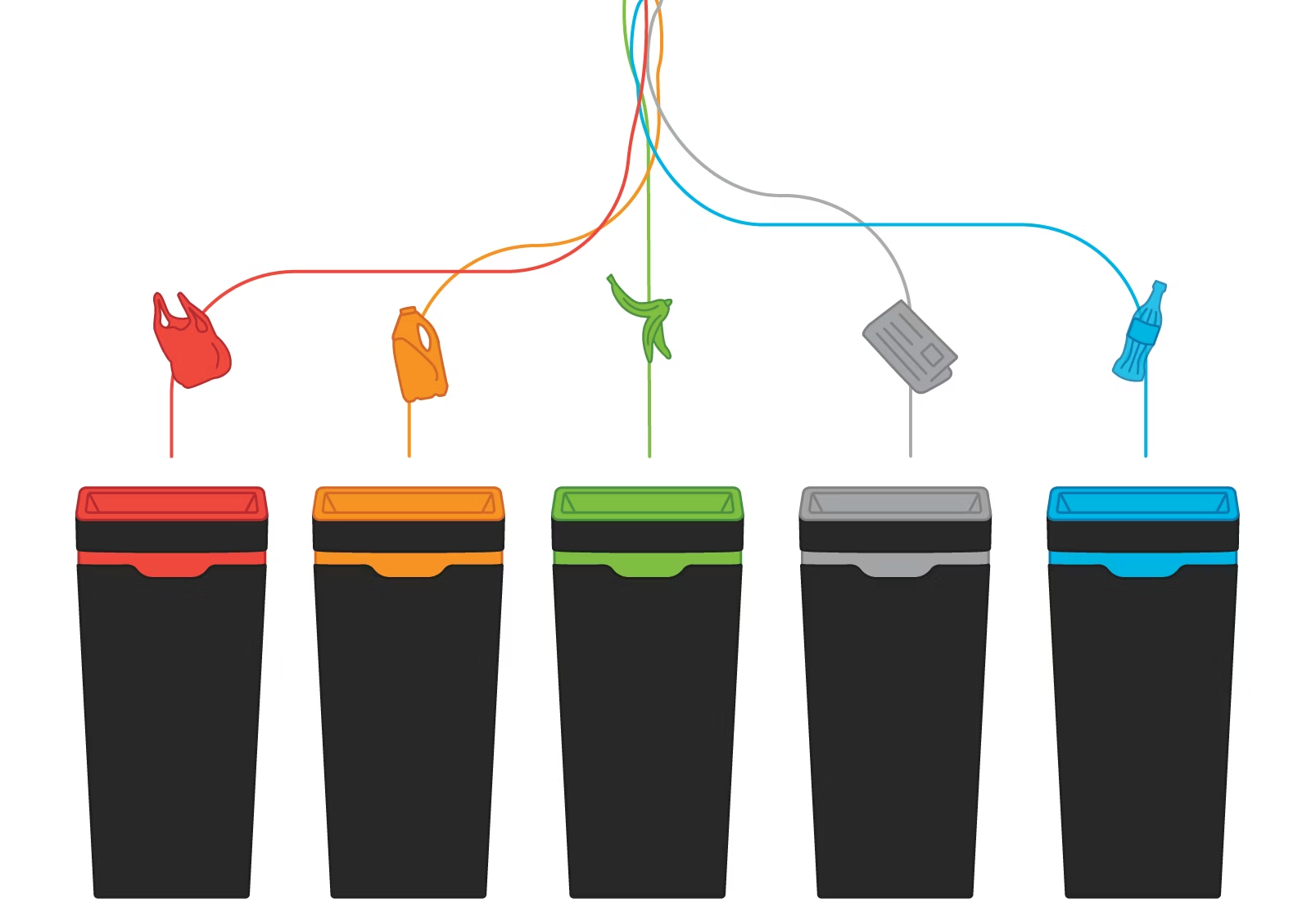
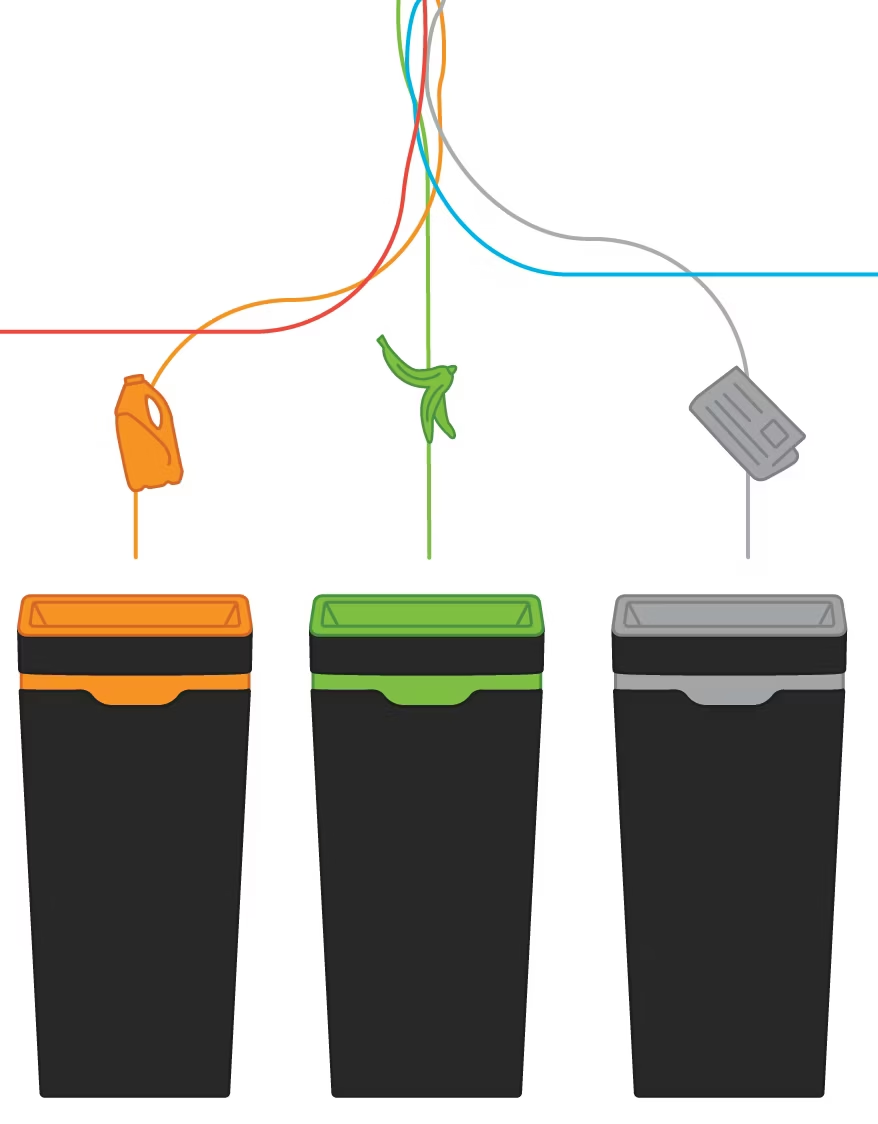
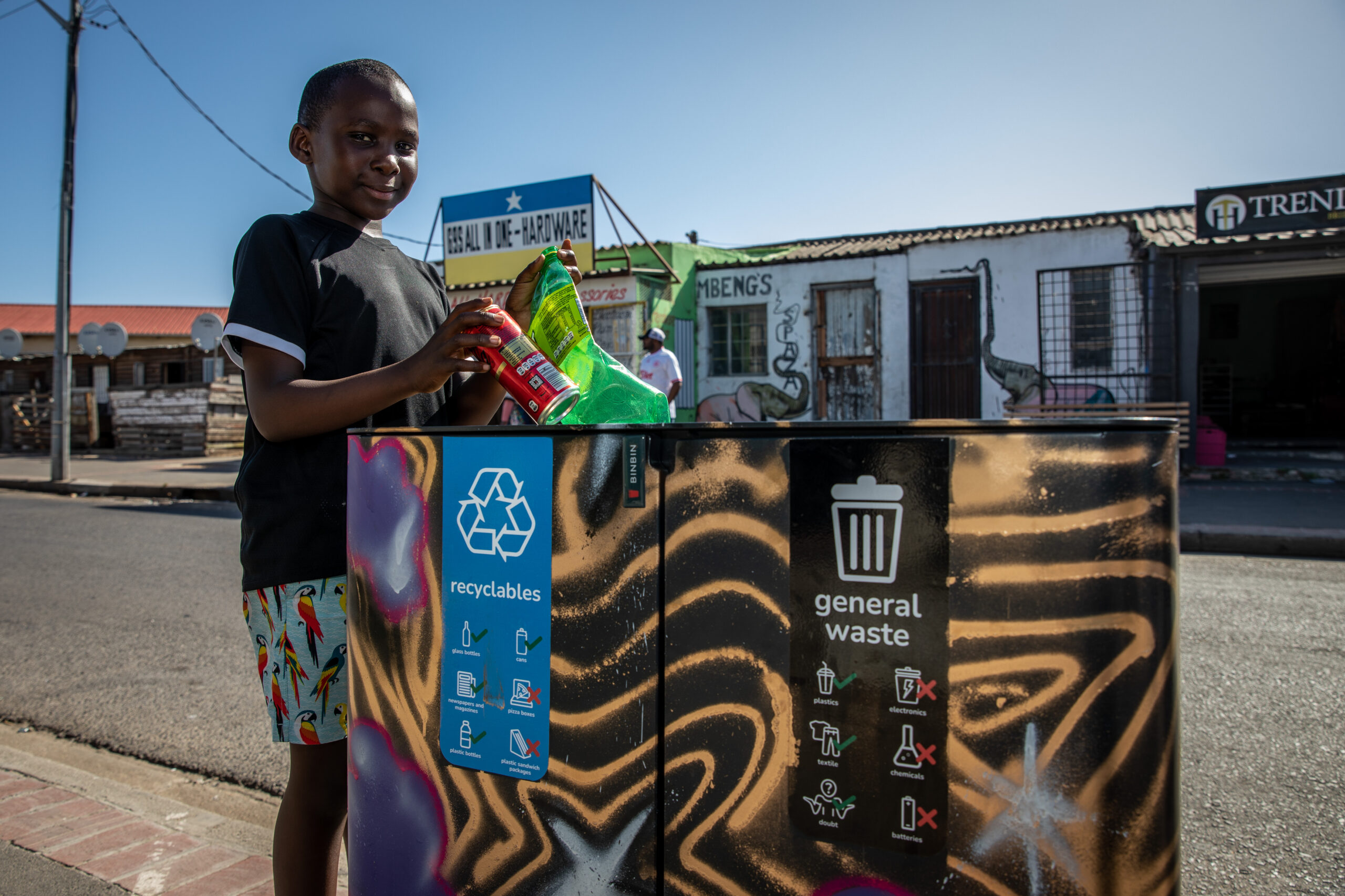
Effective recycling requires proper waste segregation, clean materials, and robust processing infrastructure. Success depends on separating materials at the source, maintaining material quality, and having reliable markets for recycled products.
Key components of effective recycling include:
- Clear sorting systems that prevent contamination
- Employee education about proper separation techniques
- Regular collection schedules that maintain material quality
- Partnerships with certified recycling facilities
- Monitoring systems to track recycling rates and identify improvements
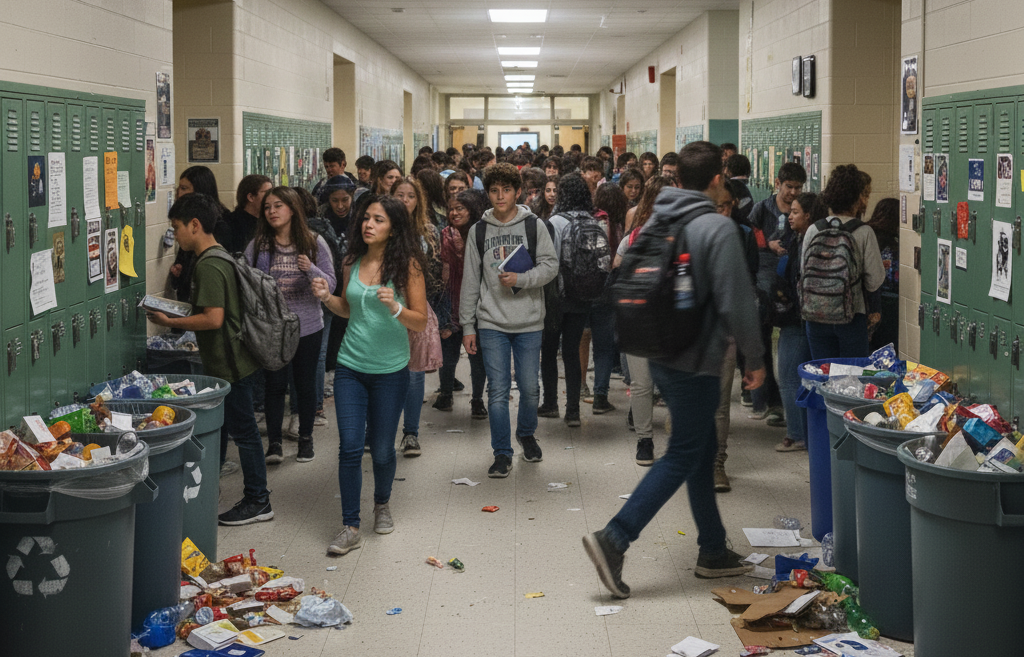
Modern recycling programmes benefit from advanced sorting technologies and improved processing methods. However, the foundation remains proper source separation. Contaminated recyclables often end up in landfill, undermining the entire effort. Organisations implementing effective waste segregation systems see higher recycling rates and lower overall waste management costs.
When should energy recovery be considered in waste management?
Energy recovery becomes appropriate when prevention, reuse, and recycling options have been exhausted. This pillar involves converting waste materials into usable energy through processes such as incineration with energy capture or anaerobic digestion for organic waste.
Energy recovery suits situations where materials cannot be recycled due to contamination, mixed composition, or a lack of recycling infrastructure. Common applications include non-recyclable plastics, food waste in areas without composting facilities, and medical waste requiring destruction. The process captures energy that would otherwise be lost in disposal.
Environmental appropriateness depends on local circumstances, including available technology, energy needs, and alternative disposal options. Modern energy recovery facilities incorporate pollution-control systems and efficiency measures that make them environmentally preferable to landfilling. However, energy recovery should complement, not replace, efforts to increase prevention, reuse, and recycling.
How do the five pillars work together in practice?
The five pillars function as an integrated system in which each level supports the others in creating comprehensive waste management strategies. Organisations apply multiple pillars simultaneously, with prevention efforts reducing the volume requiring downstream management.
Practical implementation follows this numbered approach:
- Assess current waste streams to identify prevention opportunities
- Implement source reduction measures and design improvements
- Establish reuse programmes for suitable materials and equipment
- Create robust recycling systems with proper segregation
- Evaluate energy recovery options for remaining waste streams
- Reserve disposal only for materials that cannot be managed through other pillars
Success requires measuring performance across all pillars, not just recycling rates. Effective programmes track waste generation, diversion rates, cost savings, and environmental impact. Regular assessment helps organisations identify opportunities to move waste streams up the hierarchy towards more sustainable management options.
How BINBIN helps with implementing the five pillars of waste management
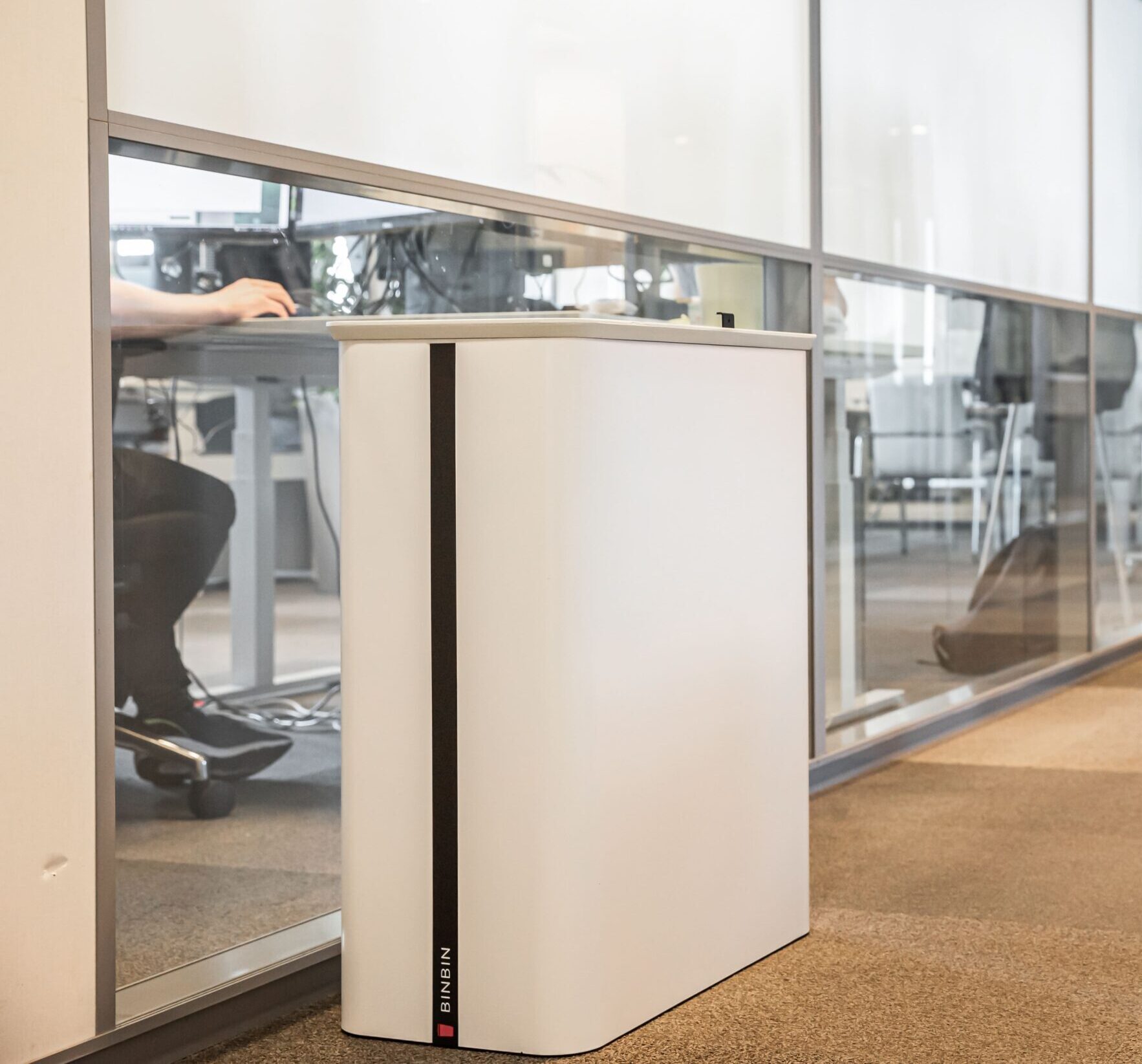
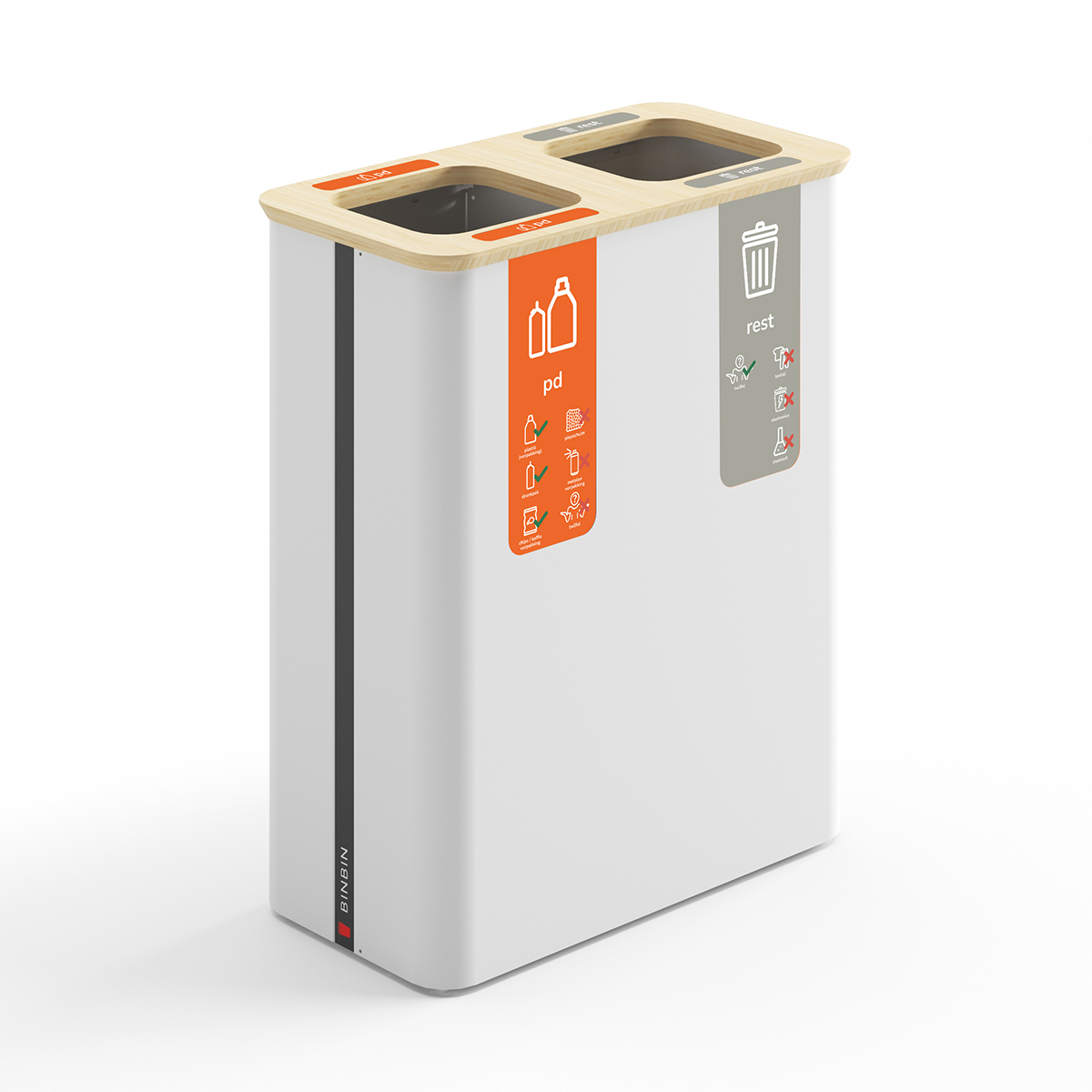
We support organisations in applying all five waste management pillars through our modular waste segregation solutions and comprehensive implementation guidance. Our systems enable effective waste segregation at the source, which is crucial for successful recycling and supports the entire waste management hierarchy.
Our approach includes:
- Modular systems that adapt to changing waste streams and prevention efforts
- Clear labelling and design that encourages proper waste segregation
- Customisable configurations that support multiple waste categories simultaneously
- Circular design principles, with 99% recyclable materials, that support the reuse and recycling pillars
- Professional guidance on optimising waste management strategies across all five pillars
We provide personalised advice and implementation support to help organisations find the best waste separation solutions for their specific needs. Our service includes workplace assessments, communication strategies, and ongoing support to ensure successful implementation. Experience our solutions and discover how proper waste segregation supports your comprehensive waste management strategy.