The seven steps in managing waste form a comprehensive system that ensures effective handling from generation to final disposal. These steps include waste generation, collection, transportation, processing, treatment, disposal, and monitoring. Each stage connects to create an integrated approach that maximises resource recovery while minimising environmental impact. Understanding this systematic process helps organisations implement proper waste management in the office and other settings.
What exactly are the seven steps in managing waste?
The seven fundamental stages of waste management create an integrated system: generation, collection, transportation, processing, treatment, disposal, and monitoring. These steps work together to transform waste from a liability into manageable resources while protecting environmental health.
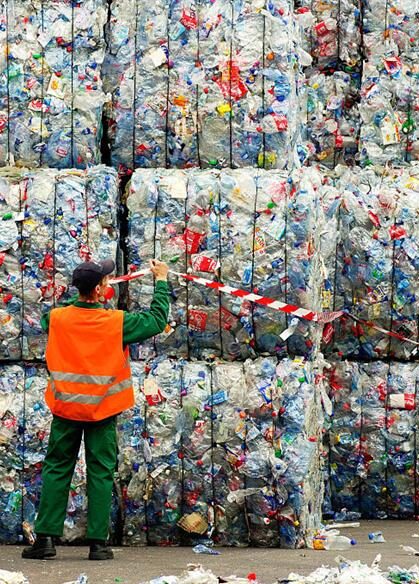
The process begins with waste generation, when materials become unwanted by-products of human activities. This stage involves identifying the types and volumes of waste produced in different settings. Collection follows, involving the systematic gathering of generated waste from various sources using scheduled pick-ups and designated containers.
Transportation moves collected waste to processing facilities through optimised routes and appropriate vehicles. Processing involves sorting, cleaning, and preparing materials for their next destination. Treatment applies specific methods such as composting, recycling, or energy recovery to transform waste into useful products or safer forms.
The disposal stage handles materials that cannot be processed or treated, typically through controlled landfilling or incineration. Finally, monitoring tracks the performance of the entire system, measuring efficiency, costs, and environmental impacts to enable continuous improvement.
Why is proper waste segregation the foundation of effective management?
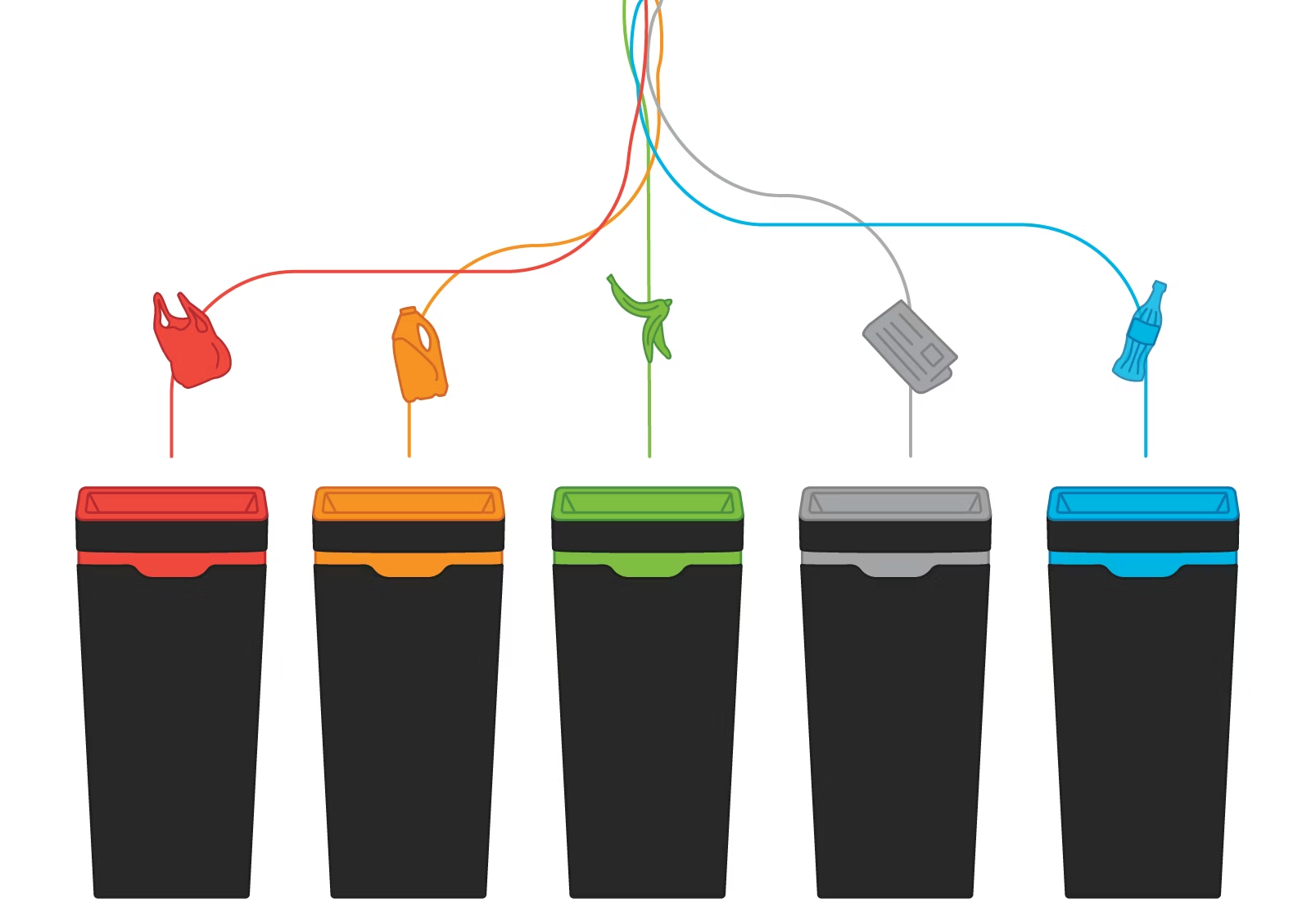
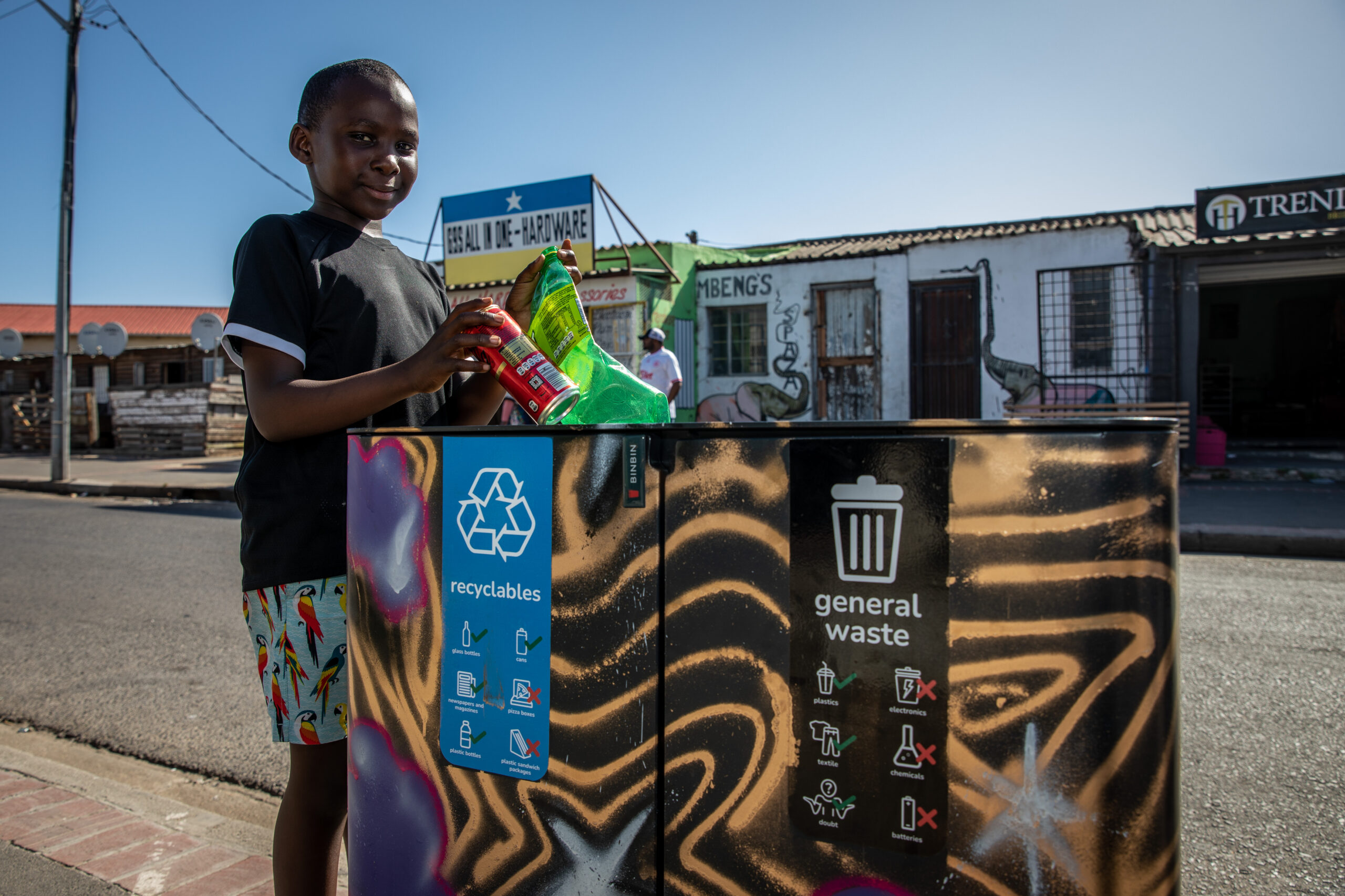
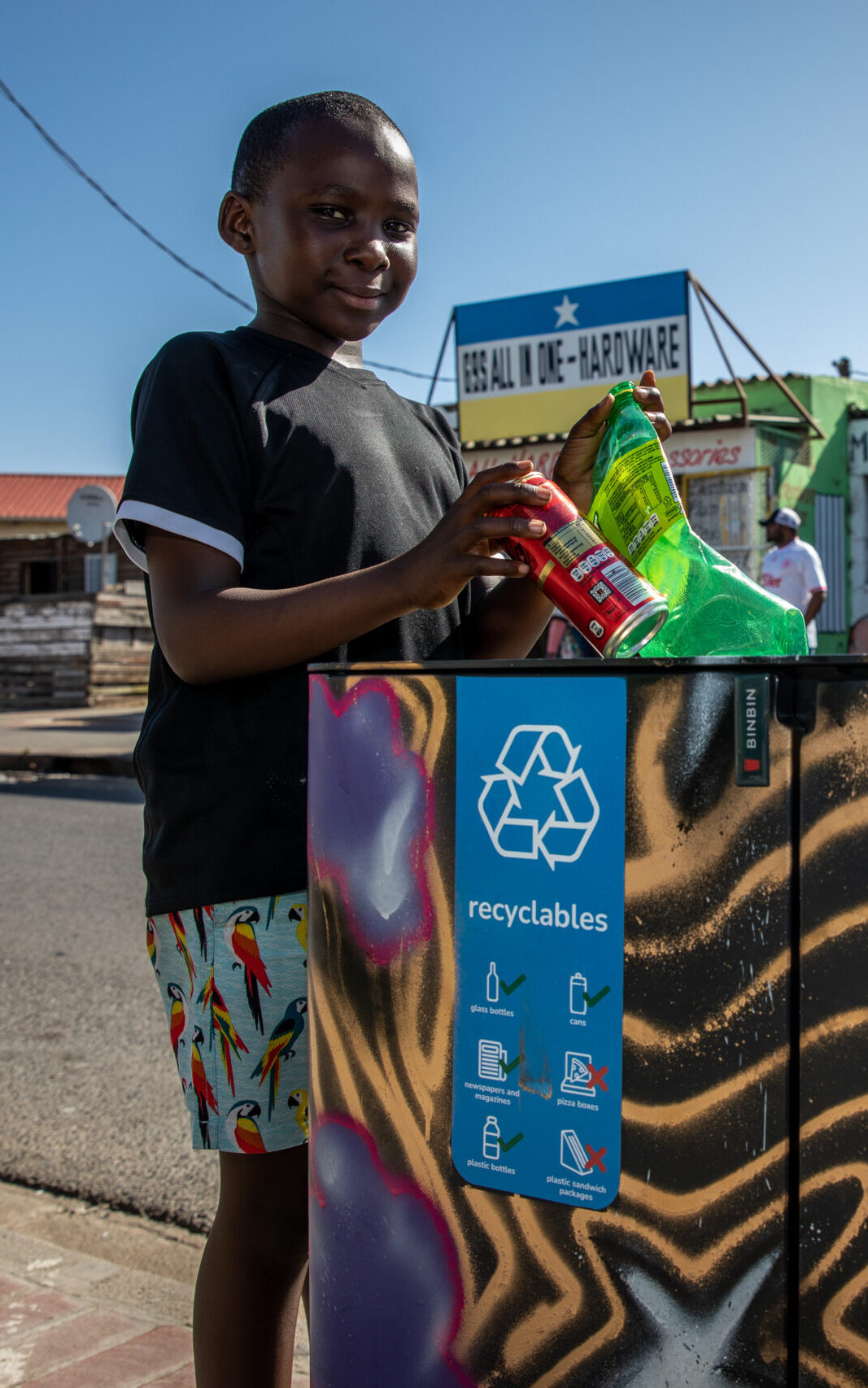
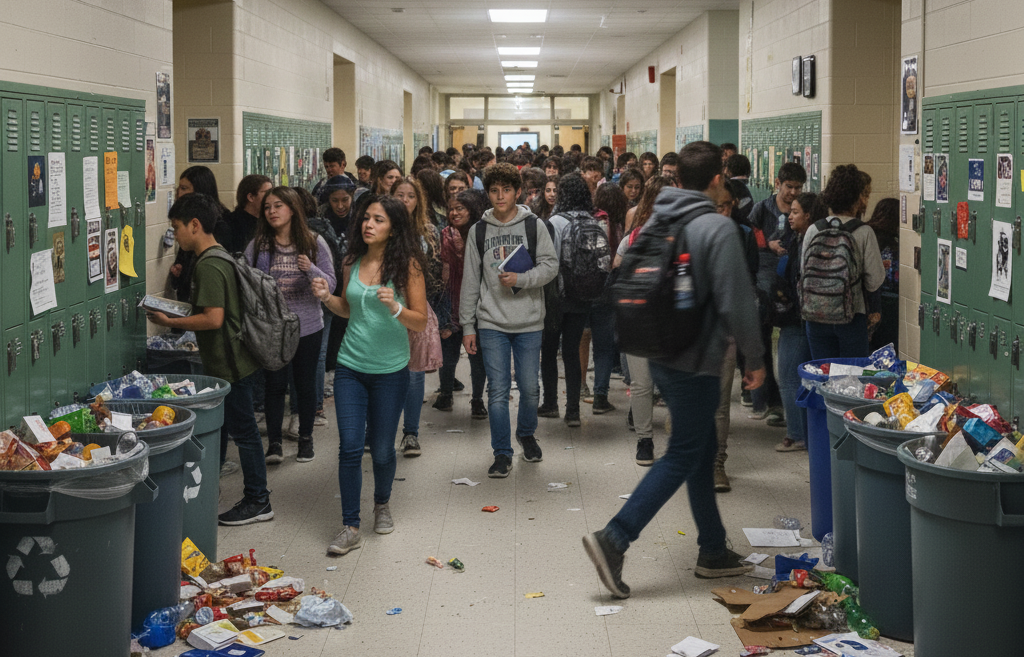
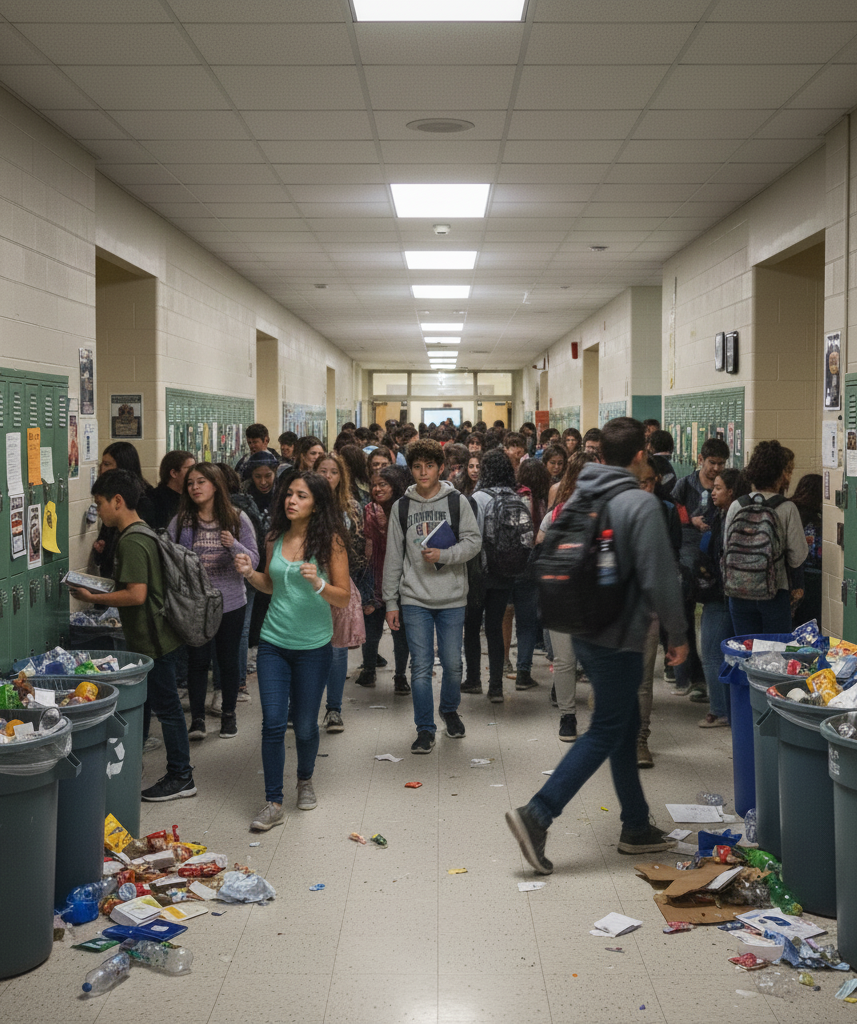
Proper waste segregation determines the success of all subsequent waste management processes by ensuring materials reach the appropriate treatment methods. Without effective separation at source, valuable recyclables become contaminated, processing becomes inefficient, and environmental benefits diminish significantly.
Different waste categories require specific handling approaches. Organic waste needs biological treatment such as composting, while paper and cardboard benefit from mechanical recycling processes. Hazardous materials demand specialised treatment to prevent environmental contamination. Mixed waste creates processing challenges and reduces recovery potential.
Effective segregation involves clear category definitions, appropriate container systems, and user education. Common categories include:
- Recyclable materials (paper, plastic, glass, metal)
- Organic waste (food scraps, garden waste)
- General waste (non-recyclable materials)
- Hazardous waste (batteries, chemicals, electronics)
The impact of proper separation extends beyond processing efficiency. Clean recyclables command higher market values, contaminated materials often end up in landfills, and proper segregation reduces overall waste management costs while improving environmental outcomes.
How does the collection and transportation phase actually work?
Waste collection systems operate through scheduled routes, specialised vehicles, and coordinated logistics to efficiently gather segregated materials from various sources. The process involves route planning, vehicle allocation, and timing optimisation to minimise costs while ensuring reliable service.
Collection methods vary based on waste types and local infrastructure. Kerbside collection serves residential areas with regular schedules, while commercial collection adapts to business needs with flexible timing. Specialised collection handles hazardous materials using trained personnel and appropriate equipment.
Transportation logistics connect collection points to processing facilities through optimised routing. Factors include vehicle capacity, fuel efficiency, traffic patterns, and facility operating hours. Modern systems use GPS tracking and route-optimisation software to improve efficiency and reduce environmental impact.
Collection frequency depends on waste generation rates and storage capacity. High-volume generators need frequent pick-ups, while low-volume sources can use weekly or fortnightly schedules. The connection between collection efficiency and overall system success involves balancing service quality, cost control, and environmental considerations.
What happens during the processing and treatment stages?
Processing and treatment transform collected waste through mechanical sorting, biological treatment, thermal processing, and chemical methods. Each approach targets specific waste types using appropriate technology to maximise resource recovery and minimise environmental impact.
Mechanical sorting separates mixed materials using screens, magnets, air classifiers, and optical sorters. This technology recovers recyclables from mixed waste streams and prepares materials for further treatment. Biological treatment processes organic waste through composting or anaerobic digestion, creating useful products such as compost or biogas.
Thermal processing includes incineration with energy recovery and pyrolysis for material conversion. These methods handle non-recyclable waste while generating electricity or heat. Chemical treatment addresses hazardous materials using neutralisation, stabilisation, or destruction processes.
Modern waste treatment facilities combine multiple technologies to handle diverse waste streams. The specific approach depends on waste composition, local regulations, and end-market demands. Processing efficiency improves when incoming waste is properly segregated, highlighting the importance of effective separation systems.
Which disposal methods are most environmentally responsible?
The waste management hierarchy prioritises prevention, reuse, recycling, recovery, and disposal, with disposal as the least preferred option. Environmentally responsible disposal focuses on minimising landfill use while maximising resource recovery and energy generation from unavoidable waste.
Recycling represents the most sustainable approach for suitable materials, converting waste into new products while conserving natural resources. Composting handles organic waste effectively, creating valuable soil amendments while reducing methane emissions from landfills.
Energy recovery through modern incineration provides environmental benefits when recycling is not feasible. Advanced facilities capture energy while controlling emissions, making this preferable to landfilling for non-recyclable materials. However, this approach requires significant infrastructure investment and careful emissions management.
Landfilling remains necessary for certain waste types but should incorporate modern environmental controls. Proper landfill design includes liner systems, leachate collection, and gas capture to minimise environmental impact. The hierarchy emphasises reducing disposal quantities through upstream waste management strategies.
How do you monitor and measure waste management success?
Waste management success requires tracking key performance indicators, including diversion rates, contamination levels, cost efficiency, and environmental impact metrics. Effective monitoring systems provide data for continuous improvement and regulatory compliance while demonstrating programme effectiveness.
Diversion rates measure the percentage of waste diverted from landfills through recycling, composting, and energy recovery. Higher diversion rates indicate more effective waste management. Contamination levels track the quality of segregated waste streams, with lower contamination improving processing efficiency and material values.
Cost-efficiency metrics include collection costs per tonne, processing expenses, and revenue from recovered materials. These indicators help optimise operations while maintaining service quality. Environmental impact measures track carbon emissions, landfill reduction, and resource conservation achieved through waste management activities.
Monitoring systems should include:
- Regular waste audits to assess composition and volumes
- Contamination tracking for each waste stream
- Cost analysis comparing different management options
- Environmental impact assessments
- User satisfaction and participation rates
Reporting requirements vary by location but typically include annual waste management reports, recycling achievement data, and environmental compliance documentation. This information supports strategic planning and demonstrates accountability to stakeholders.
How BINBIN helps with effective waste management implementation
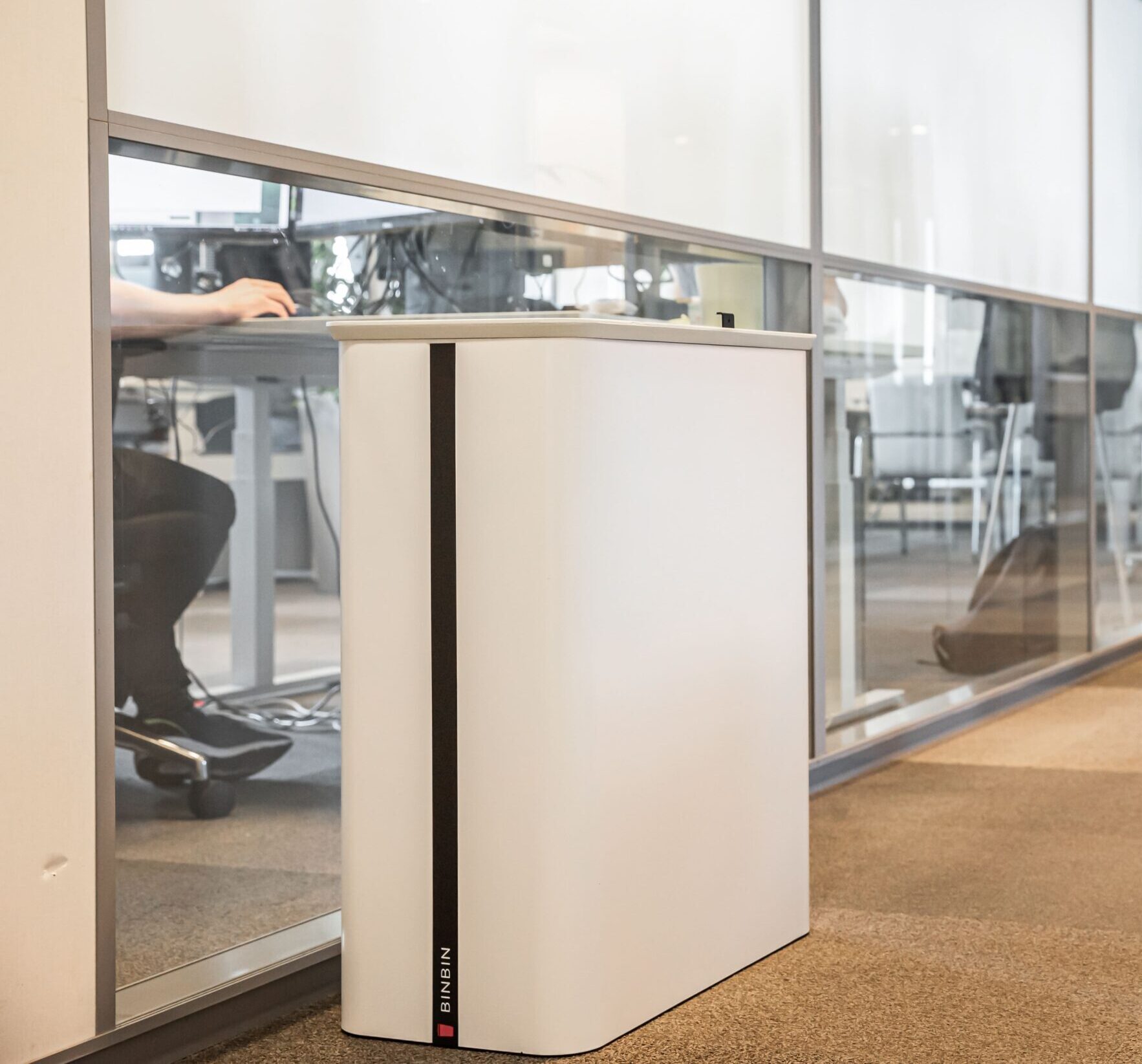
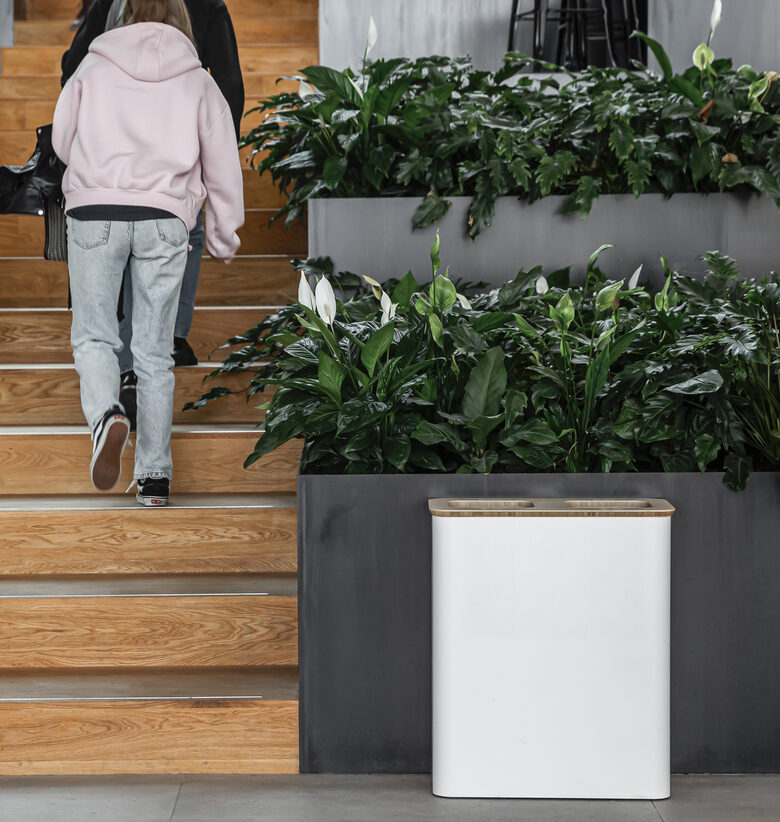
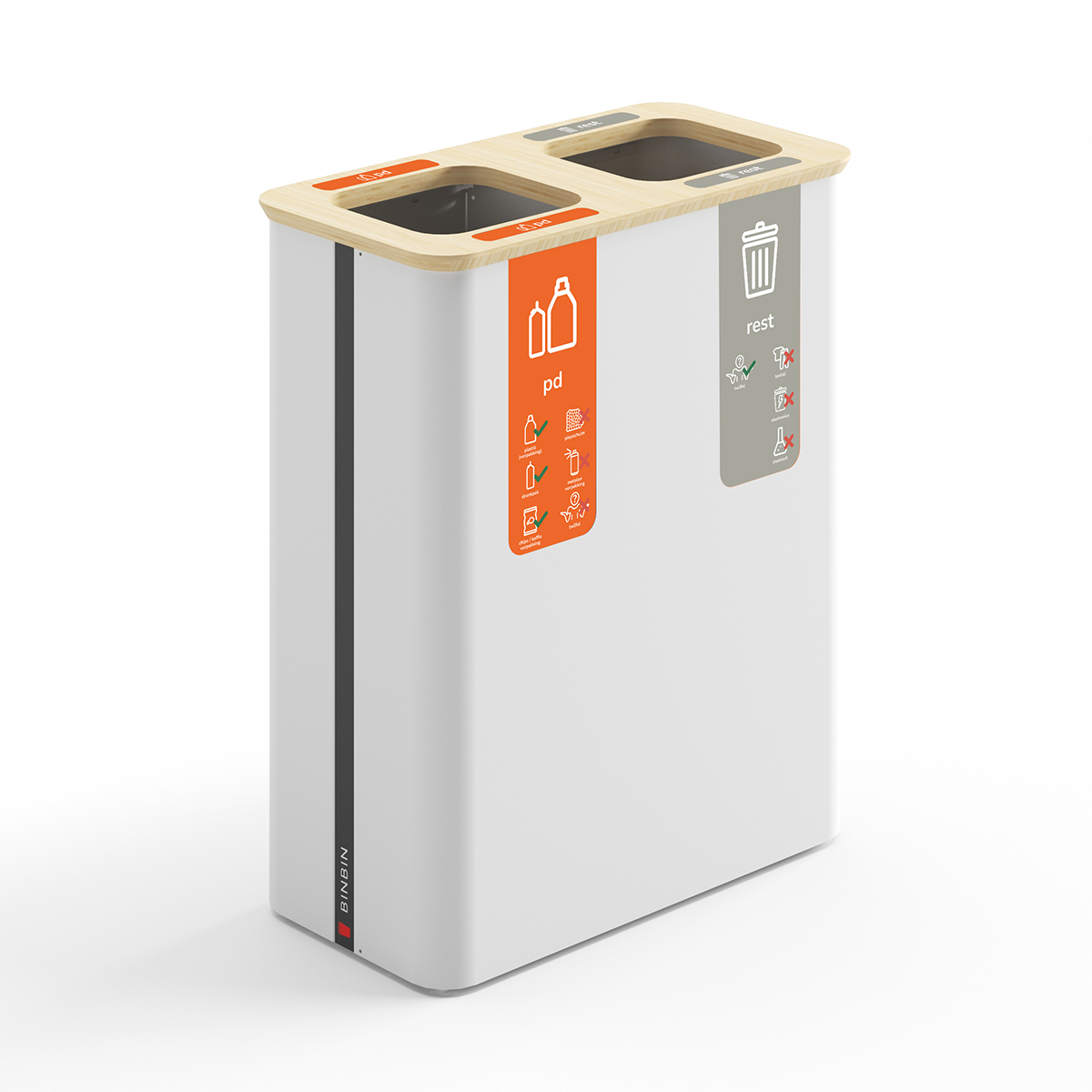
BINBIN's modular waste separation solutions support organisations in implementing the seven waste management steps effectively through flexible, circular design and comprehensive implementation support. Our systems address the critical segregation foundation while adapting to changing organisational needs.
Our approach to waste management in the office includes:
- Modular systems accommodating 1-8 waste streams with flexible reconfiguration
- A 99% circular design using recycled materials for long-term sustainability
- Professional implementation guidance, including communication strategies and user education
- Customisation options with branding integration for seamless office environments
We provide personalised consultation to identify optimal waste separation strategies for your specific needs. Our service includes comprehensive waste audits, implementation planning, and ongoing support to ensure programme success. The modular design allows systems to evolve as waste management requirements change.
Ready to implement effective waste management? Contact us for a trial placement to experience how proper segregation improves your waste management outcomes.