The seven steps in managing waste include conducting a waste audit, developing a comprehensive plan, implementing reduction strategies, establishing proper waste segregation systems, choosing appropriate collection methods, monitoring performance, and continuously improving. These steps create a systematic approach that reduces costs, ensures compliance, and supports environmental sustainability. Effective waste management requires careful planning, employee engagement, and ongoing evaluation to achieve optimal results.
What exactly constitutes effective waste management?
Effective waste management is a systematic approach to handling waste materials from generation to final disposal or recycling. It encompasses prevention, reduction, reuse, recycling, and proper disposal while minimising environmental impact and maximising resource recovery.
The core principles include implementing the waste hierarchy, starting with prevention and reduction before considering disposal options. This approach prioritises waste segregation at the source, ensuring materials are properly separated for recycling or appropriate treatment. Effective systems also integrate regulatory compliance, cost management, and environmental responsibility.
Organisations need systematic approaches because waste management affects operational costs, regulatory compliance, and environmental reputation. Without proper systems, businesses face increased disposal costs, potential legal issues, and missed opportunities for resource recovery. A structured approach ensures consistent results and continuous improvement.
Why should organisations conduct a waste audit first?
A waste audit provides essential baseline data about current waste streams, quantities, and disposal costs. It identifies problem areas, reveals opportunities for improvement, and establishes measurable starting points for tracking progress. Without this foundation, organisations cannot develop targeted strategies or measure success effectively.
The auditing process involves systematically examining waste outputs across different departments and activities. Teams collect and analyse waste samples, document disposal methods, and calculate associated costs. This reveals patterns such as contamination issues, recyclable materials being discarded, or excessive packaging waste.
Key benefits include identifying cost-saving opportunities through better waste segregation, discovering compliance gaps, and establishing realistic improvement targets. The audit also helps determine appropriate infrastructure needs and staff training requirements for successful implementation.
How do you develop a comprehensive waste management plan?
A comprehensive waste management plan translates audit findings into actionable strategies with clear goals, timelines, and resource allocation. It defines roles, responsibilities, and procedures while establishing measurable targets for waste reduction and recycling improvements.
The planning process follows these essential steps:
- Set specific, measurable goals based on audit findings
- Identify required infrastructure and equipment changes
- Develop staff training programmes and communication strategies
- Create implementation timelines with milestone checkpoints
- Establish monitoring and reporting procedures
- Plan budget allocation for equipment, training, and ongoing costs
Successful plans involve stakeholders from facilities management, procurement, and operations teams. This ensures buy-in and addresses practical implementation challenges. The plan should also include contingency procedures and regular review schedules to adapt to changing needs.
What are the most effective waste reduction and separation strategies?
Effective waste reduction focuses on prevention at the source through improved purchasing decisions, process optimisation, and behavioural change initiatives. Waste segregation systems then ensure materials are properly separated for recycling, composting, or appropriate disposal methods.
Source reduction strategies include reviewing procurement policies to minimise packaging, choosing reusable materials, and optimising processes to reduce waste generation. Digital documentation reduces paper waste, while bulk purchasing and returnable packaging systems decrease disposal volumes.
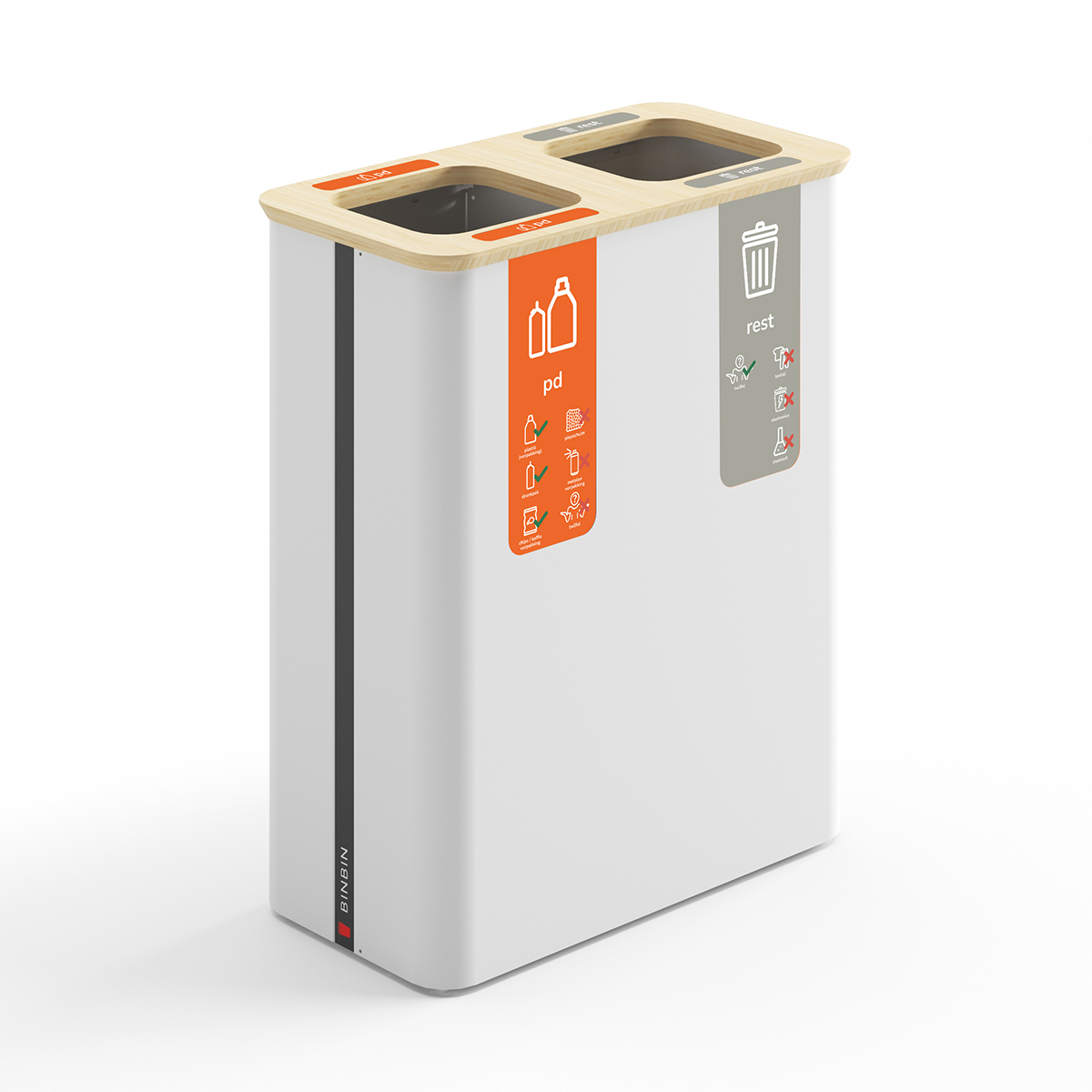
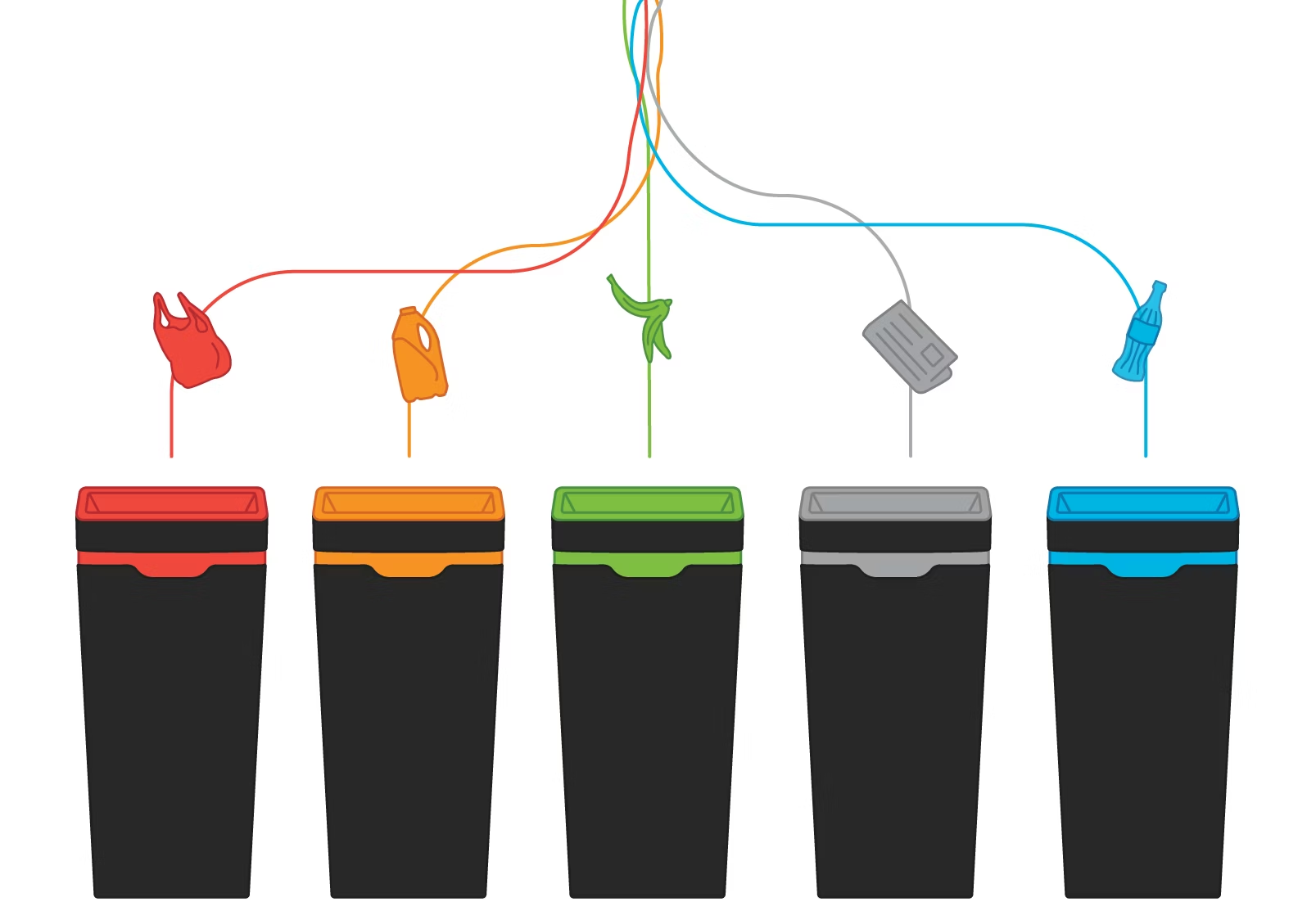
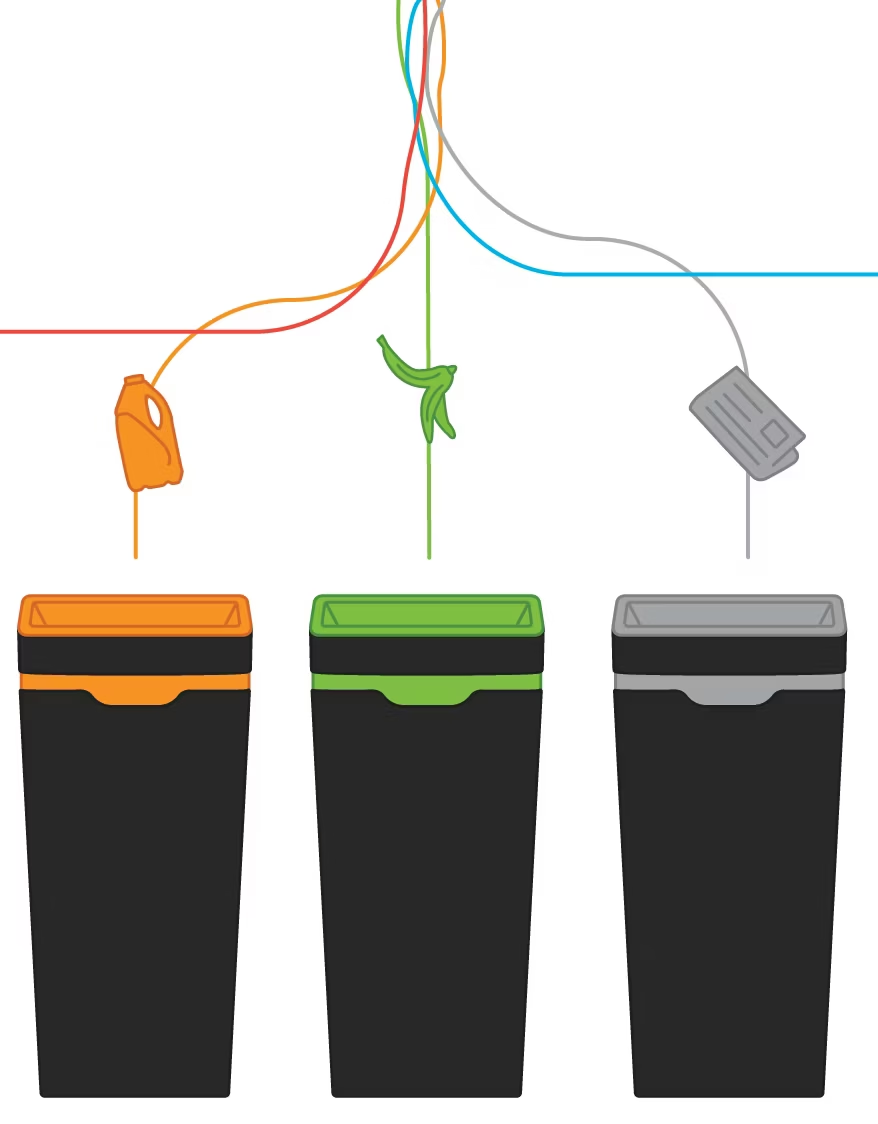
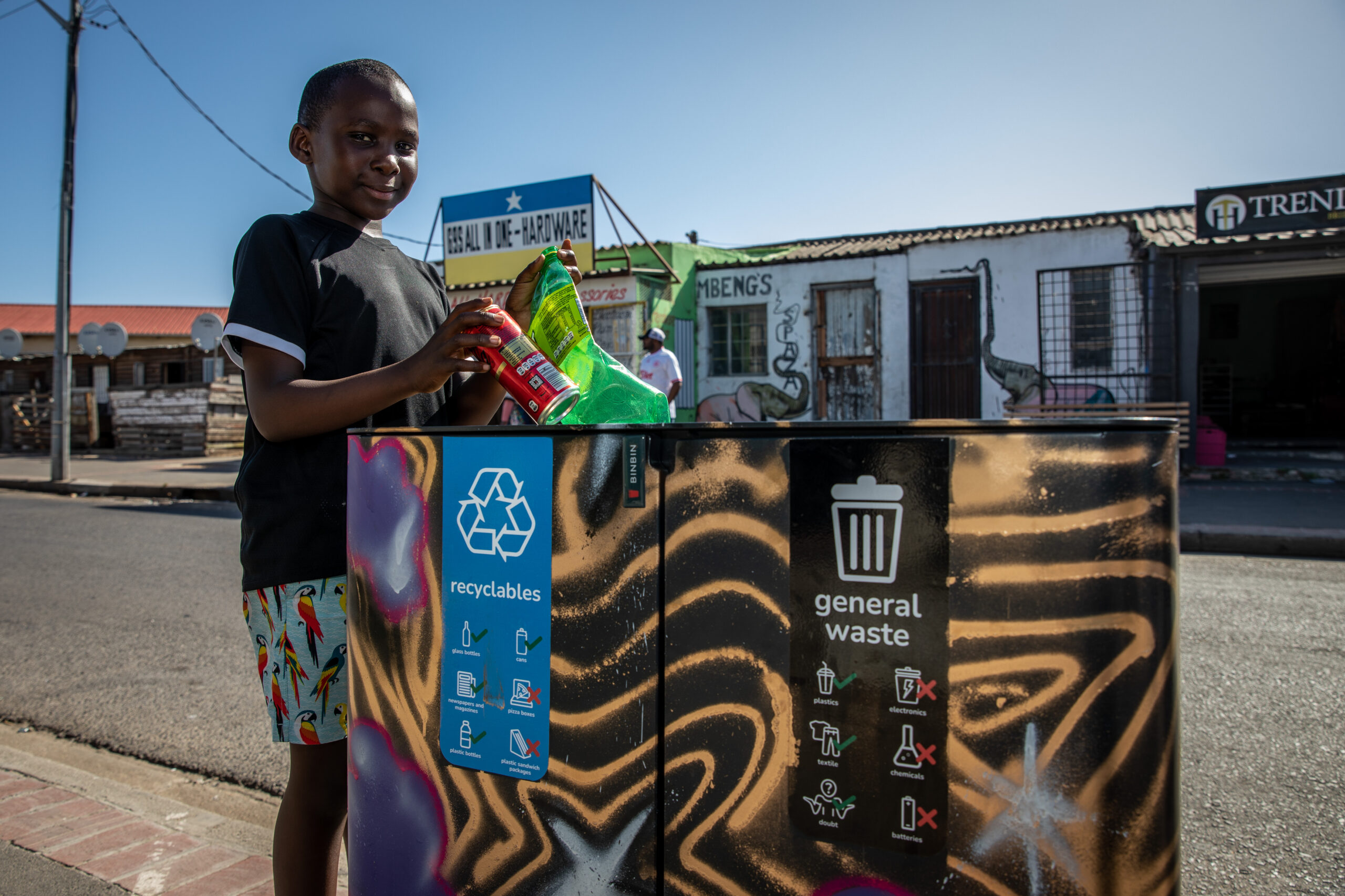
Separation success depends on clear labelling, convenient collection points, and consistent staff training. Visual guides and colour-coded systems help employees make correct sorting decisions. Regular refresher training addresses contamination issues and reinforces proper procedures.
Infrastructure considerations include:
- Strategically placed collection points near waste generation areas
- Clear, multilingual signage with visual examples
- Appropriate container sizes for different waste streams
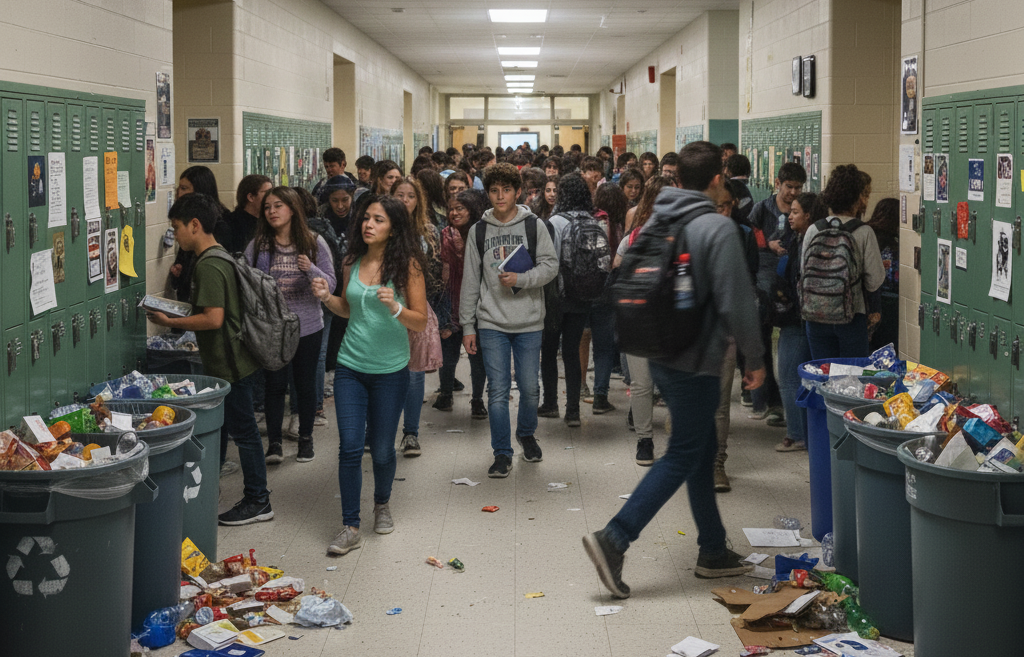
- Regular collection schedules to prevent overflow
How do you choose the right waste collection and disposal methods?
Choosing appropriate collection and disposal methods requires evaluating waste types, volumes, local infrastructure, and cost considerations. The selection should align with organisational sustainability goals while ensuring regulatory compliance and operational efficiency.
Evaluation criteria include service reliability, environmental credentials, cost-effectiveness, and reporting capabilities. Providers should offer transparent pricing, regular collection schedules, and detailed waste tracking reports. Consider their recycling rates, disposal methods, and certifications for handling specific waste types.
Partnership considerations involve assessing provider capabilities for different waste streams, from general recycling to specialised materials like electronics or hazardous substances. Reliable providers offer flexible services that can adapt as waste management needs evolve.
Contract negotiations should include performance metrics, reporting requirements, and provisions for service adjustments. Clear agreements on collection frequencies, contamination policies, and emergency procedures prevent operational disruptions.
Why is monitoring and evaluation crucial for waste management success?
Monitoring and evaluation provide essential feedback on system performance, cost savings, and environmental impact. Regular measurement identifies problems early, demonstrates progress towards goals, and supports continuous improvement efforts. Without ongoing assessment, organisations cannot optimise their waste management investment.
Key performance indicators include waste diversion rates, recycling percentages, disposal costs per unit, and contamination levels. Monthly tracking reveals trends and seasonal variations, while annual reviews assess overall programme effectiveness and return on investment.
Effective monitoring systems track both quantitative metrics and qualitative feedback from staff and service providers. This comprehensive approach identifies operational issues, training needs, and opportunities for system improvements. Regular reporting maintains stakeholder engagement and supports informed decision-making.
Data collection should be straightforward and integrated into daily operations. Digital tracking systems simplify data gathering while providing real-time insights for management decisions. Regular assessment ensures systems remain effective and cost-efficient over time.
How BINBIN helps with comprehensive waste management solutions
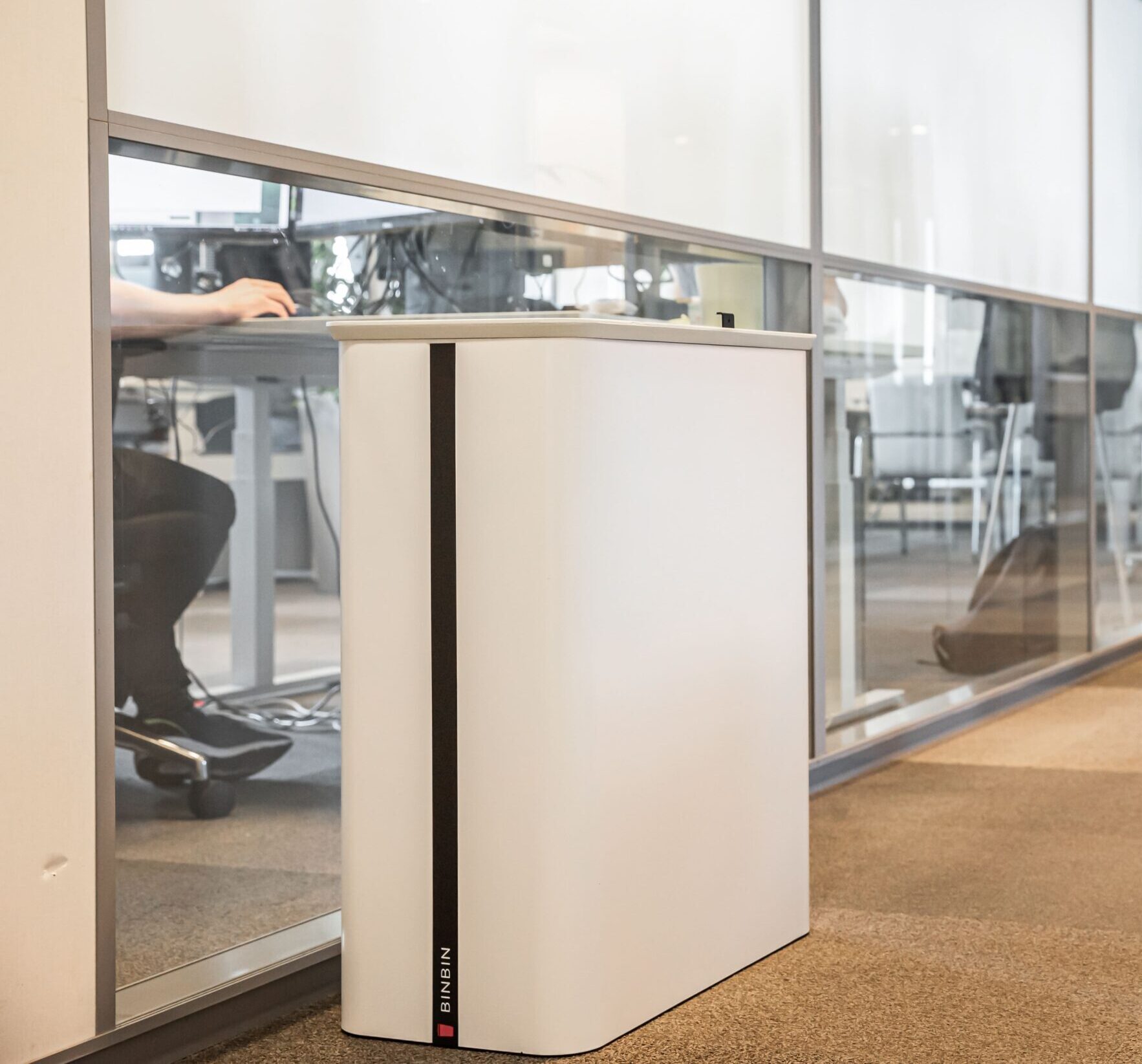
BINBIN provides complete support throughout the waste management process with modular afvalscheiding systems designed for organisational flexibility and growth. Our solutions address each step, from initial assessment through ongoing optimisation, ensuring sustainable waste management success.
Our comprehensive approach includes:
- Free digital waste scans to assess current systems and identify improvement opportunities
- Modular separation systems that adapt from one to eight waste streams as needs evolve
- Complete implementation support, including staff training and communication materials
- Ongoing consultation to optimise performance and ensure regulatory compliance
The 99% circular design ensures long-term sustainability, while our personalised guidance helps organisations achieve compliance, cost savings, and environmental goals. Our modular approach means systems grow with changing requirements without requiring complete replacement.
Ready to transform your waste management approach? Contact us for a personalised consultation and discover how our proven systems can deliver measurable results for your organisation.