Waste separation is the process of sorting different types of waste materials into designated categories for proper disposal, recycling, or reuse. This practice reduces landfill waste, conserves natural resources, and supports circular economy principles. Effective waste separation delivers environmental benefits, financial savings, improved workplace culture, and regulatory compliance for businesses and organisations.
What exactly is waste separation, and why does it matter?
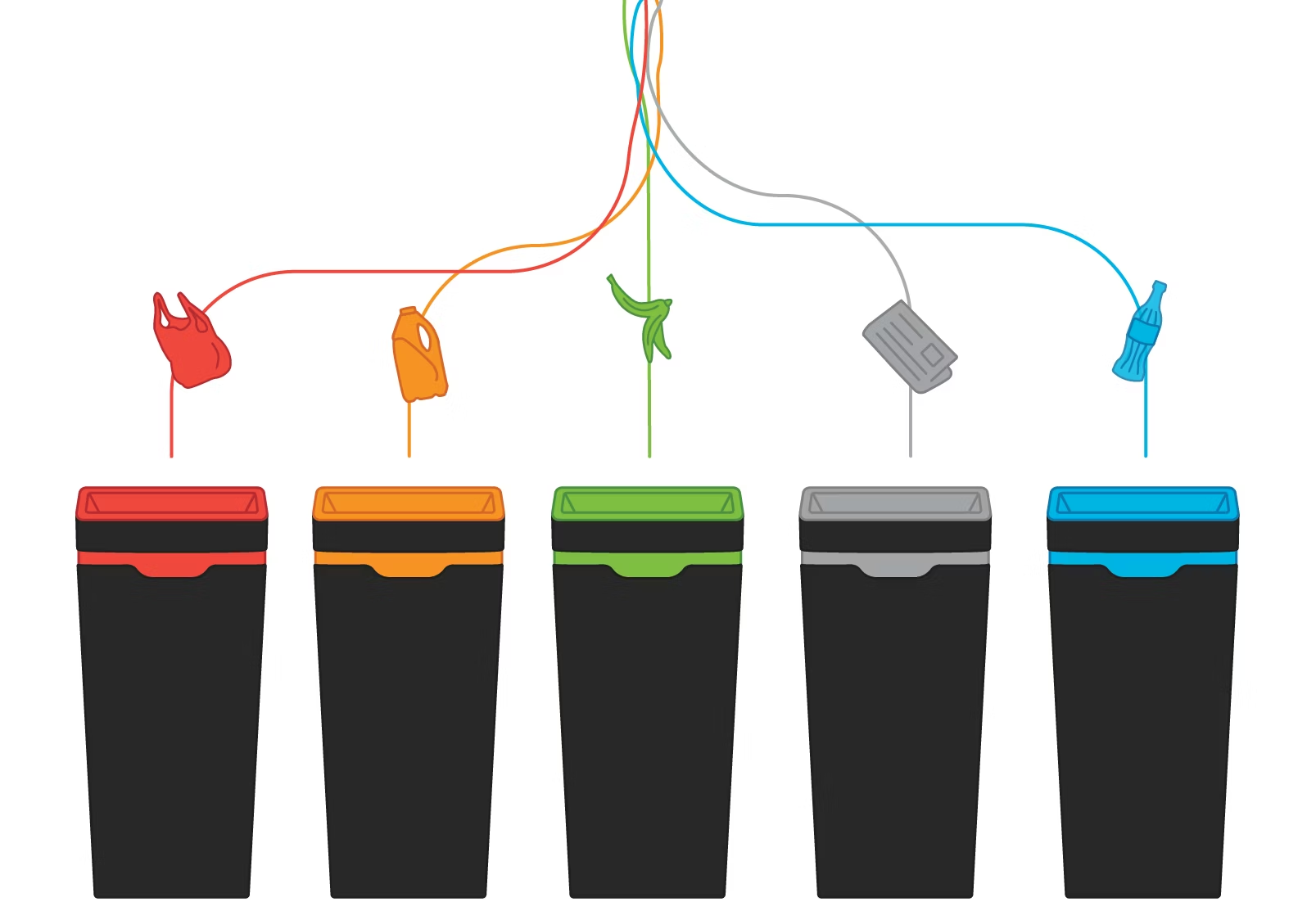
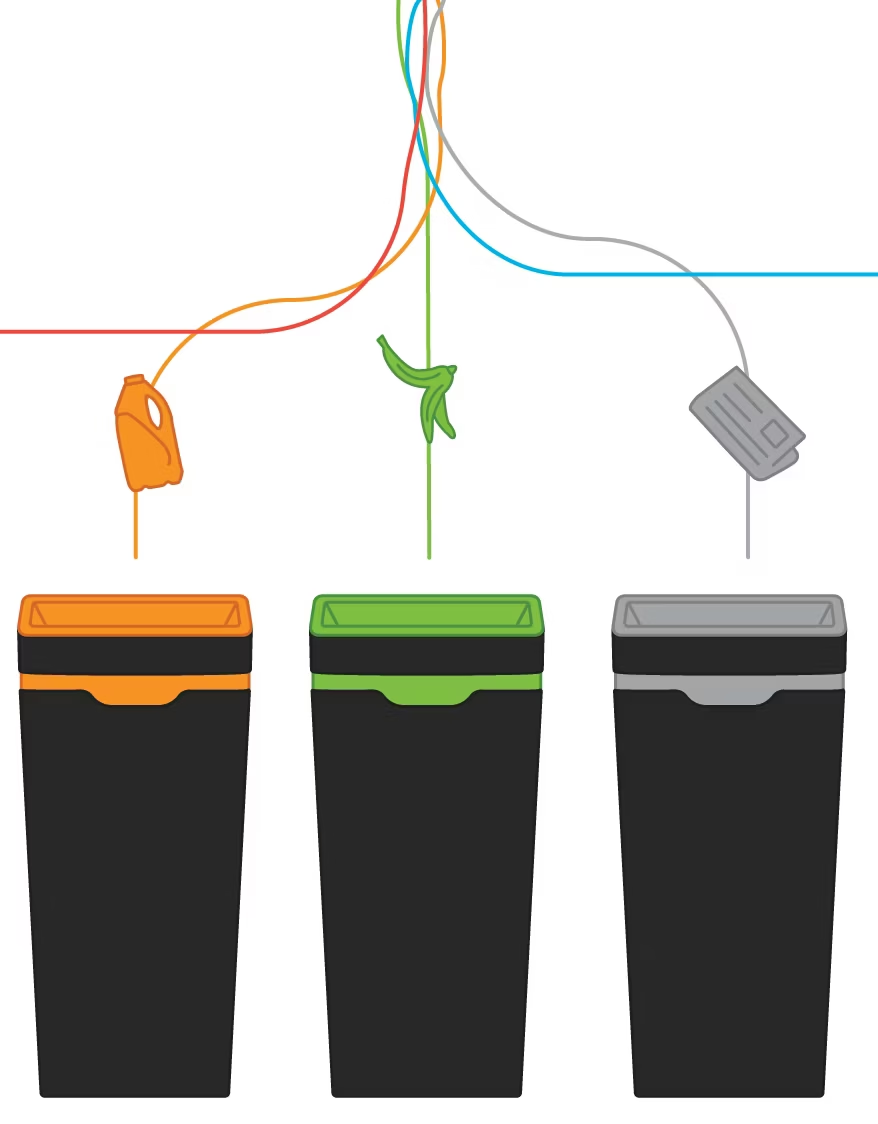
Waste separation involves systematically sorting discarded materials into specific categories such as paper, plastic, glass, organic waste, and general refuse. This process enables appropriate treatment for each material type, whether through recycling, composting, or specialised disposal methods.
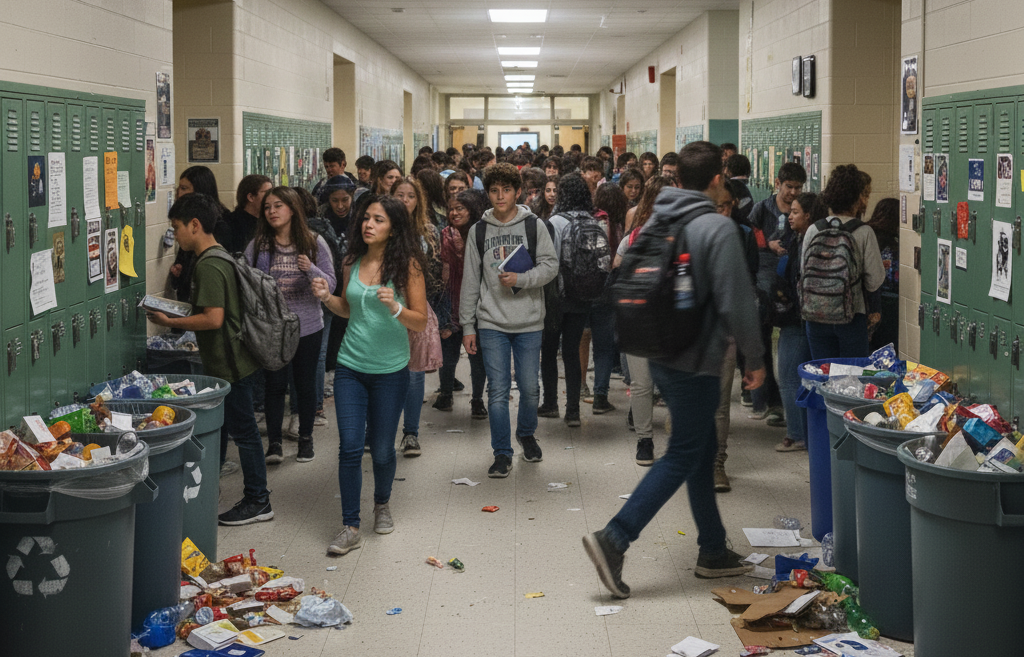
This practice matters because it directly addresses several critical challenges. Modern society generates enormous amounts of waste, much of which contains valuable materials that can be recovered and reused. When waste streams remain mixed, recyclable materials become contaminated and end up in landfills, wasting resources and creating environmental problems.
Proper waste separation supports the transition to a circular economy, where materials retain their value for as long as possible. Instead of the traditional linear model of take-make-dispose, separated waste enables materials to re-enter production cycles, reducing the need for virgin resources.
For businesses, waste separation has become particularly important due to increasing environmental regulations and corporate sustainability requirements. Many jurisdictions now mandate the separation of certain waste streams, making compliance a legal necessity rather than an optional environmental gesture.
How does waste separation benefit the environment?
The environmental benefits of waste separation include significant reductions in landfill waste, lower greenhouse gas emissions, and the conservation of natural resources. Separated materials can be processed appropriately, preventing valuable resources from being permanently lost in landfills while reducing pollution.
When organic waste is separated and composted instead of being sent to landfills, it prevents the production of methane, a greenhouse gas 25 times more potent than carbon dioxide. Similarly, recycling separated materials requires considerably less energy than producing new products from raw materials.
Resource conservation represents another major environmental advantage. Recycling one tonne of paper saves approximately 17 trees, while recycling aluminium uses 95% less energy than producing new aluminium from bauxite ore. These savings multiply across all recyclable materials when proper separation occurs.
Waste separation also reduces pollution in multiple forms. It prevents toxic materials from contaminating soil and groundwater when disposed of incorrectly, and it reduces air pollution from the incineration of mixed waste that contains materials that should be recycled or treated separately.
This practice supports biodiversity protection by reducing the need for raw material extraction, which often involves habitat destruction. Less mining, logging, and resource extraction means preserved ecosystems and wildlife habitats.
What are the financial benefits of implementing waste separation?
The financial benefits of waste separation include reduced waste disposal costs, potential revenue from recyclable materials, and long-term economic advantages through improved resource efficiency. Many waste management companies charge less for separated waste streams than for mixed general waste.
Disposal cost savings occur because separated waste often qualifies for lower-cost processing routes. Recyclable materials may even generate revenue, particularly metals, high-grade paper, and certain plastics. Some organisations find that their recycling income offsets the costs of the separation system.
The financial advantages extend beyond immediate cost savings:
- Reduced collection frequency for general waste bins when recyclables are separated
- Lower contamination fees from waste management companies
- Potential tax incentives or rebates for environmental compliance
- Improved corporate reputation leading to business opportunities
- Employee satisfaction benefits that reduce recruitment and retention costs
Long-term economic benefits include protection against rising disposal costs and raw material prices. As landfill space becomes scarcer and disposal costs increase, organisations with effective separation systems maintain cost predictability.
Many businesses discover that waste separation reveals inefficiencies in their operations, leading to reduced overall waste generation and additional cost savings through improved processes and resource management.
How does proper waste sorting impact workplace culture and employee engagement?
Proper waste sorting significantly enhances workplace culture by creating shared environmental goals, improving employee satisfaction, and strengthening the organisation’s corporate responsibility image. When implemented thoughtfully, waste separation becomes a visible demonstration of organisational values that employees can actively support.
Employee engagement improves because waste separation provides a tangible way for individuals to contribute to environmental goals during their daily work routine. This participation creates a sense of purpose and collective achievement that extends beyond job responsibilities.
This practice often generates positive team dynamics as colleagues work together towards common sustainability objectives. Many organisations report that waste separation initiatives spark broader environmental conversations and innovations among staff members.
Workplace morale improves when employees see their organisation taking concrete environmental action. This alignment between personal values and workplace practices increases job satisfaction and pride in the organisation.
Effective waste separation systems also demonstrate organisational competence and forward-thinking management. Employees appreciate working for companies that proactively address environmental challenges rather than merely reacting to regulations.
The visibility of waste separation efforts supports the organisation’s corporate responsibility image both internally and externally. Employees become ambassadors for the organisation’s environmental commitment, enhancing the recruitment and retention of environmentally conscious talent.
What legal requirements and compliance benefits come with waste separation?
Legal requirements for waste separation vary by jurisdiction but increasingly mandate the separation of specific waste streams, including paper, cardboard, food waste, and hazardous materials. Compliance with these regulations avoids penalties while meeting corporate sustainability reporting requirements that many businesses now face.
Many countries and regions have implemented waste separation legislation that applies to commercial premises. These laws typically require businesses to separate recyclable materials from general waste, with specific requirements varying based on business size and waste volume.
Compliance benefits extend beyond avoiding penalties. Organisations that proactively implement comprehensive separation systems often exceed minimum requirements, positioning themselves favourably for future regulatory changes.
The regulatory landscape continues to evolve towards stricter waste management requirements. Early adoption of robust separation systems provides competitive advantages and reduces compliance costs compared with reactive implementation.
Documentation and reporting requirements associated with waste separation help organisations track their environmental impact systematically. This data supports sustainability reporting, environmental certifications, and stakeholder communications.
Regulatory compliance through proper waste separation also reduces liability risks associated with improper waste disposal, protecting organisations from potential legal and financial consequences of non-compliance.
How BINBIN helps with effective waste separation
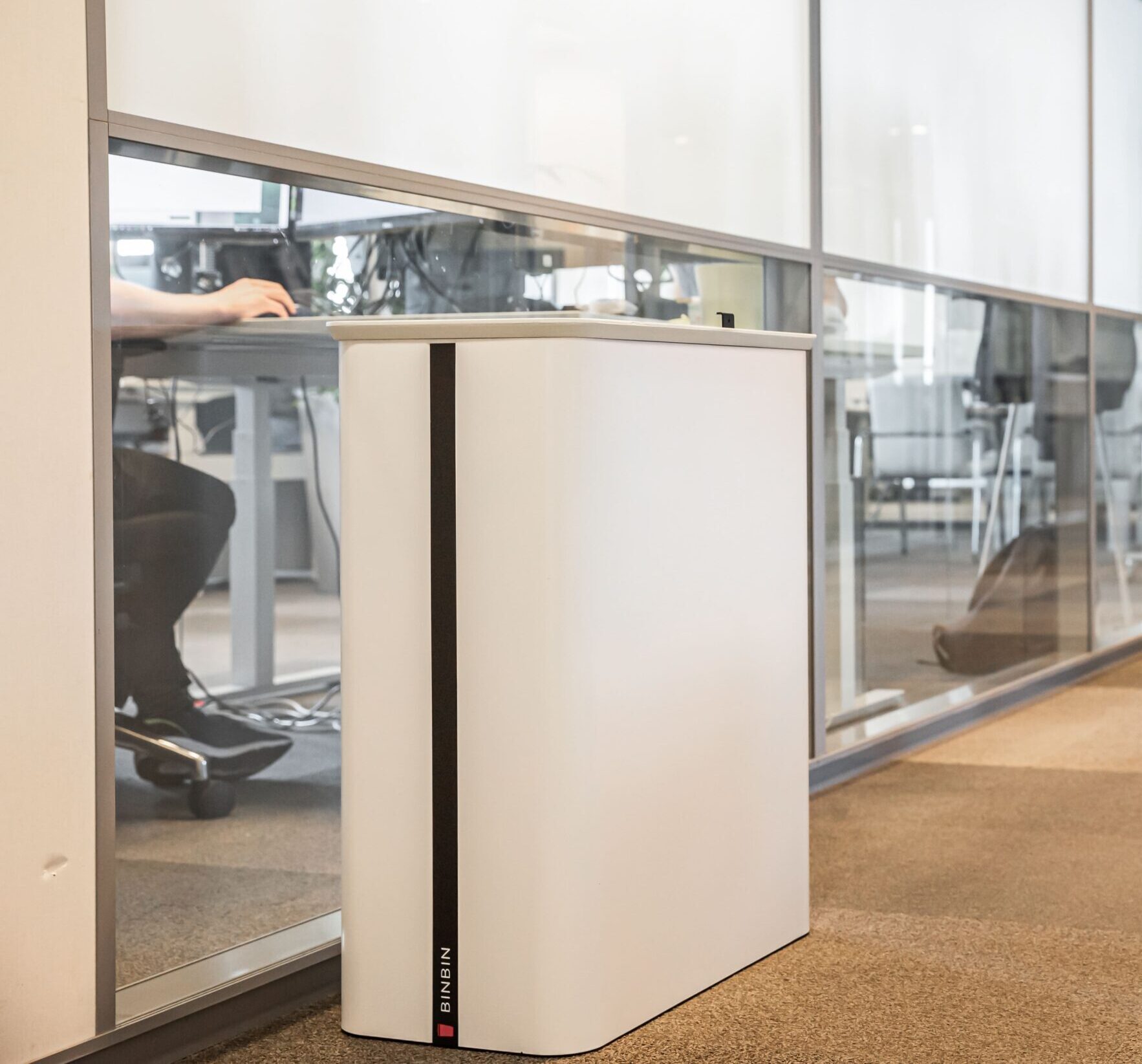
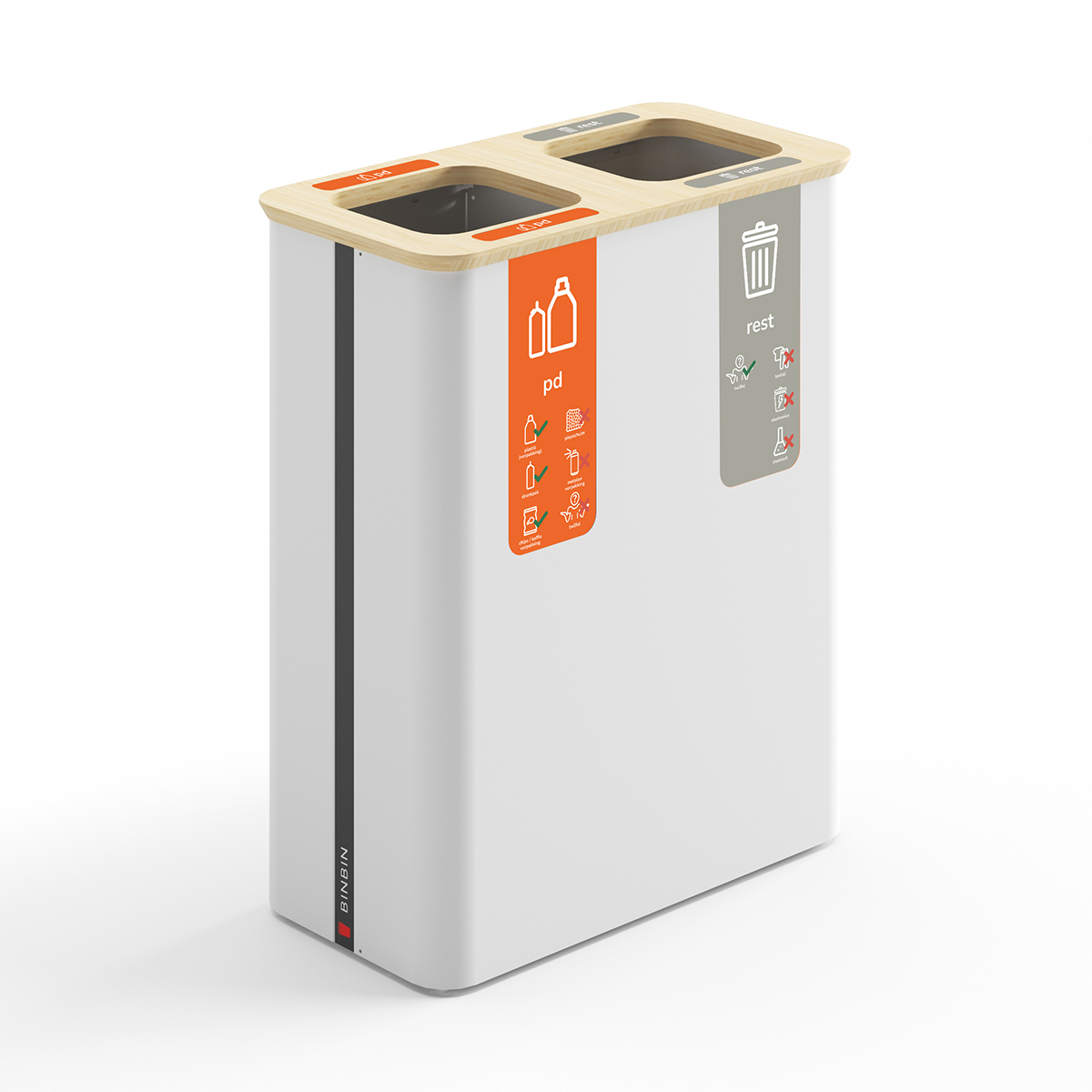
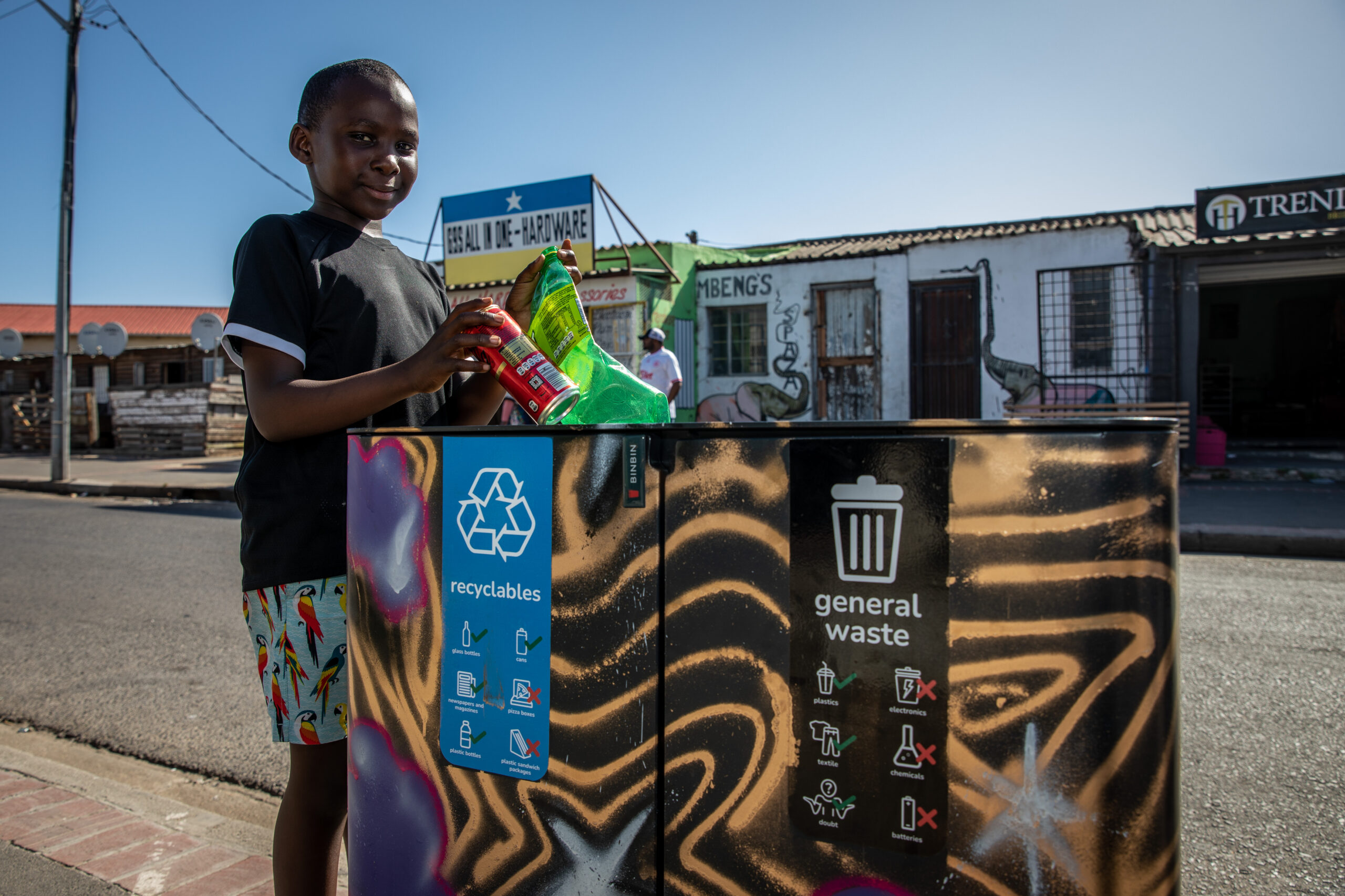
BINBIN provides comprehensive waste separation solutions through modular systems that adapt to changing needs while supporting organisations throughout implementation. Our approach addresses common separation challenges with practical, aesthetically pleasing systems designed for long-term effectiveness.
Our modular waste separation systems offer several key advantages:
- Flexible configuration - Systems can separate 1 to 8 waste streams and be reconfigured as needs change
- Circular design principles with 99% recyclable materials
- Professional appearance that integrates seamlessly into any workspace
- Customisation options, including branding and compartment sizing
- Comprehensive implementation support, including communication materials
We serve diverse sectors, including offices, education, hospitality, and public spaces, with solutions tailored to each environment’s specific requirements. Our systems make waste separation intuitive for users while providing the flexibility organisations need for effective long-term waste management.
Our service includes personalised consultation to identify optimal separation strategies, implementation guidance, and ongoing support to ensure success. We provide communication materials, signage, and training resources to maximise employee engagement and system effectiveness.
Ready to implement effective waste separation in your organisation? Explore our trial placement programme or request a customised quote to discover how our solutions can meet your specific waste separation needs.