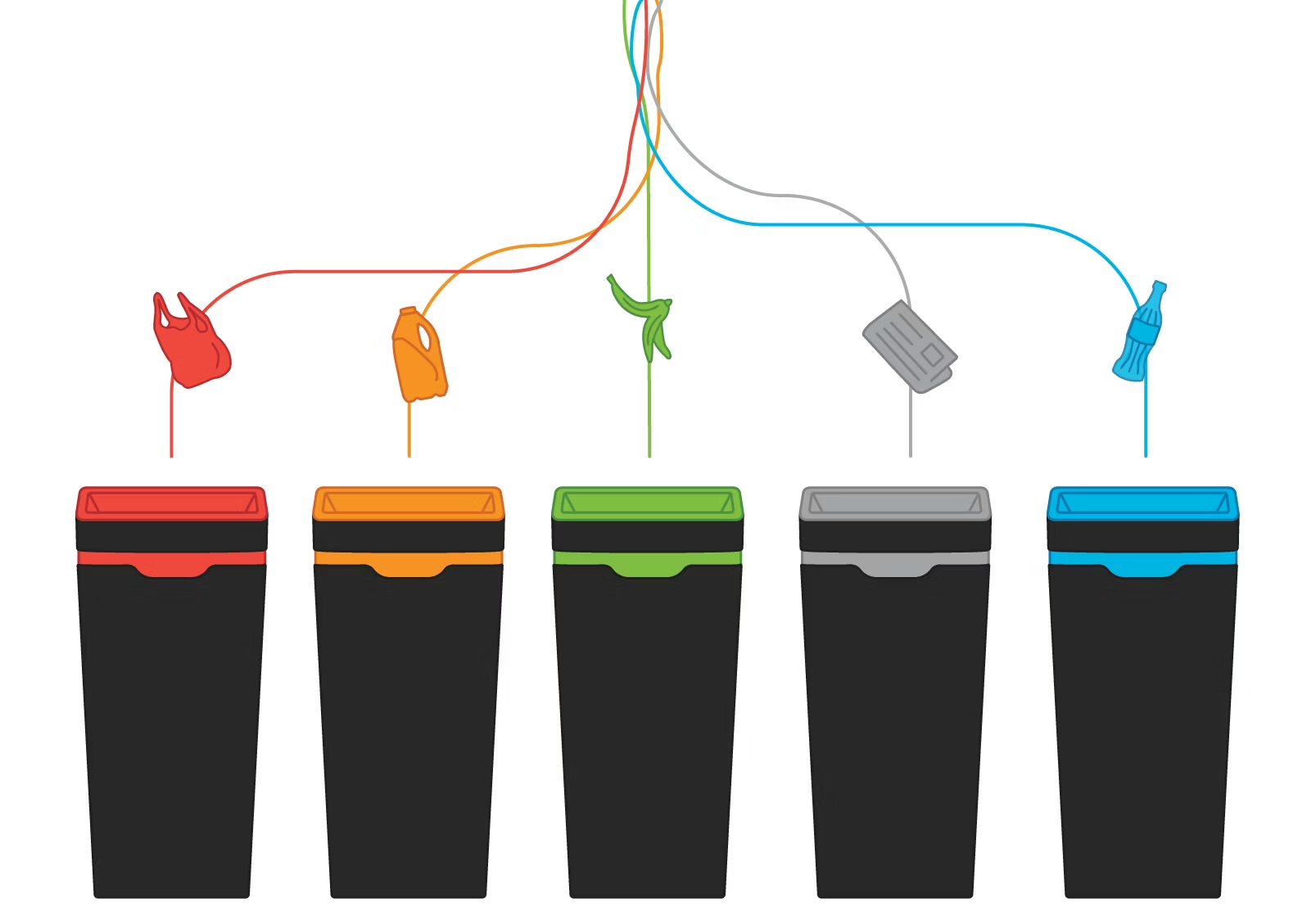
The five practices of waste management are prevention, reuse, recycling, recovery, and disposal. These practices follow a hierarchical approach in which prevention is the most preferred option and disposal is the last resort. Together, they form a comprehensive system for managing waste streams effectively while minimising environmental impact and maximising resource efficiency.
What exactly are the five practices of waste management?
The five core waste management practices follow the established waste hierarchy, prioritising environmental protection and resource conservation. Prevention tops the hierarchy, followed by reuse, recycling, recovery, and finally disposal as the least preferred option.
Prevention involves reducing waste generation at the source through better design, purchasing decisions, and consumption patterns. This practice focuses on avoiding waste altogether rather than managing it after it is produced.
Reuse extends the life of materials and products by using them again for their original purpose or finding new applications. This practice preserves an item's form while maximising its utility before it becomes waste.
Recycling transforms waste materials into new products through processing and manufacturing. This practice recovers valuable materials that would otherwise be lost while reducing the need for virgin resources.
Recovery involves extracting energy or materials from waste that cannot be prevented, reused, or recycled. This includes composting organic waste and waste-to-energy processes that capture value from residual materials.
Disposal represents the final option when all other practices are not feasible. Proper disposal ensures the safe handling of materials that cannot be managed through higher-priority practices, protecting human health and the environment.
Why does waste prevention matter more than recycling?
Waste prevention delivers greater environmental and economic benefits than recycling because it eliminates the need for resource extraction, manufacturing, transportation, and waste processing altogether. Prevention addresses problems at their source rather than managing consequences downstream.
Source reduction strategies include designing products for durability, choosing reusable alternatives, and implementing efficient procurement practices. These approaches prevent waste generation while reducing costs associated with purchasing, storage, and disposal.
Design for sustainability principles create products and systems that minimise waste throughout their lifecycle. This includes modular designs that allow repairs and upgrades, reduced packaging, and material selection that supports circular economy principles.
Prevention strategies often provide immediate cost savings through reduced purchasing and waste management expenses. Organisations benefit from lower disposal fees, decreased storage requirements, and reduced labour costs associated with waste handling.
The environmental benefits of prevention include reduced greenhouse gas emissions, decreased resource depletion, and minimised pollution from manufacturing processes. These impacts compound over time as prevention strategies become embedded in organisational practices.
How do you implement effective waste reuse strategies?
Effective waste reuse strategies involve identifying materials with remaining utility and creating systems that redirect them to new applications before they enter waste streams. This requires assessing material condition, considering safety requirements, and identifying practical reuse opportunities.
Material repurposing transforms items for different uses while maintaining their basic structure. Office furniture can serve new functions, containers can become storage solutions, and packaging materials can find applications in different departments or organisations.
Equipment refurbishment extends product lifecycles through maintenance, repair, and upgrading. This approach particularly benefits organisations with technology, furniture, and machinery that retain functional value despite showing wear or becoming outdated.
Creative reuse applications require thinking beyond original purposes to identify new functions for materials. This might involve:
- Converting shipping materials into internal packaging systems
- Repurposing office supplies for different departmental needs
- Transforming promotional materials into training resources
- Using construction waste for landscaping or temporary structures
Successful reuse programs establish clear protocols for evaluating materials, ensuring safety standards, and coordinating distribution to potential users. Regular communication helps identify reuse opportunities and maintains participation across the organisation.
What makes recycling programs successful in practice?
Successful recycling programs combine proper sorting systems, contamination prevention, and high participation rates through clear communication and convenient access. The key lies in making recycling easier than disposal while maintaining material quality standards.
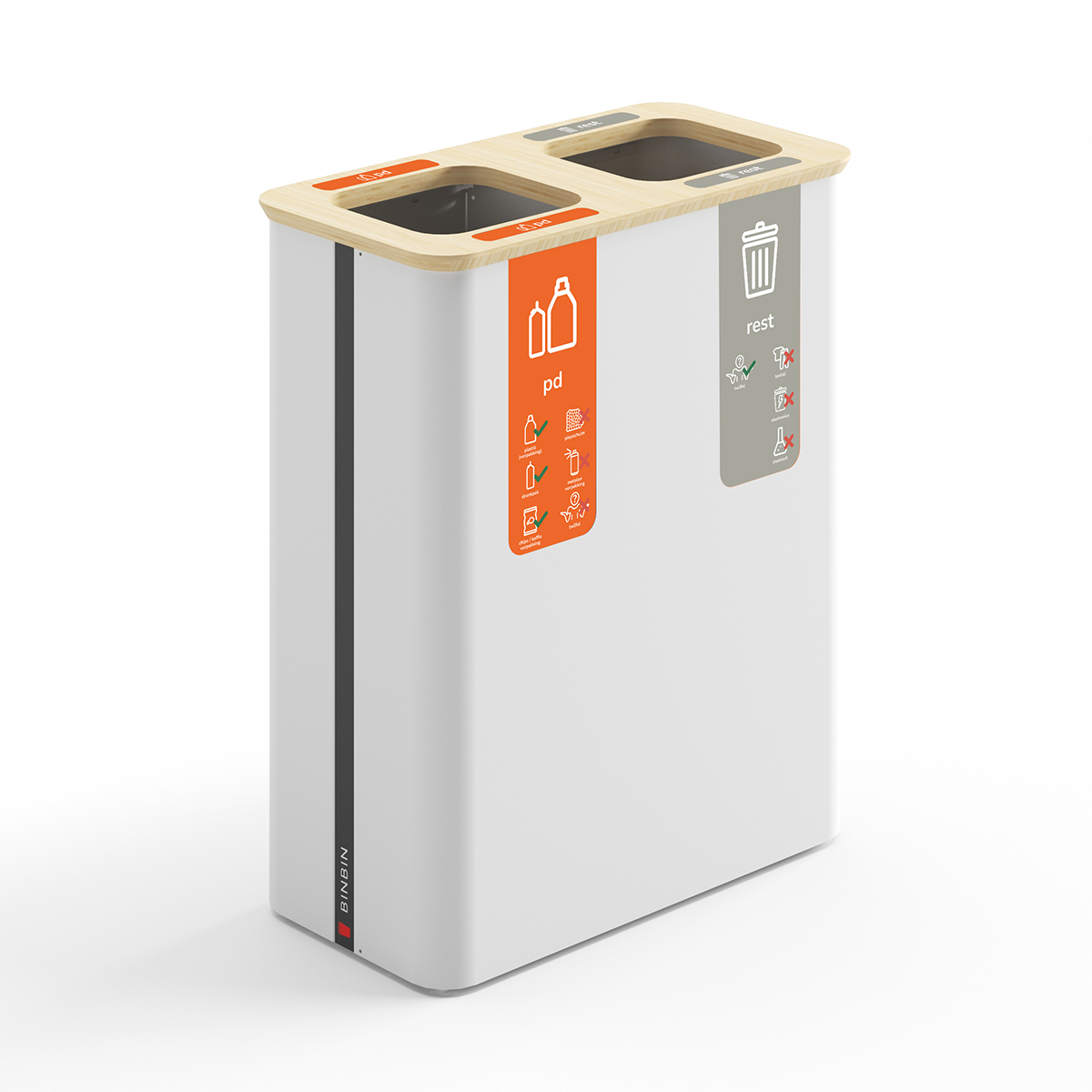
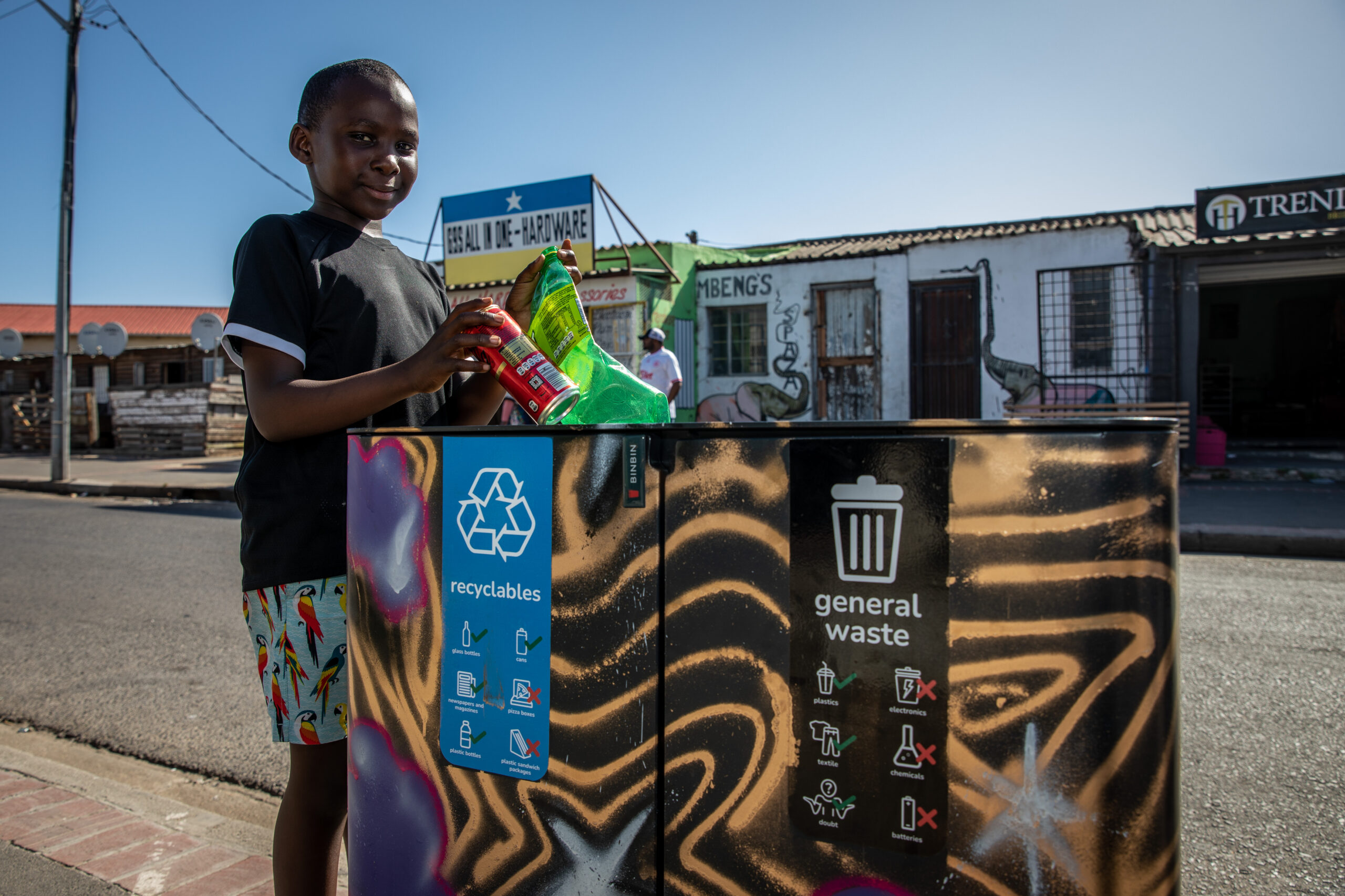
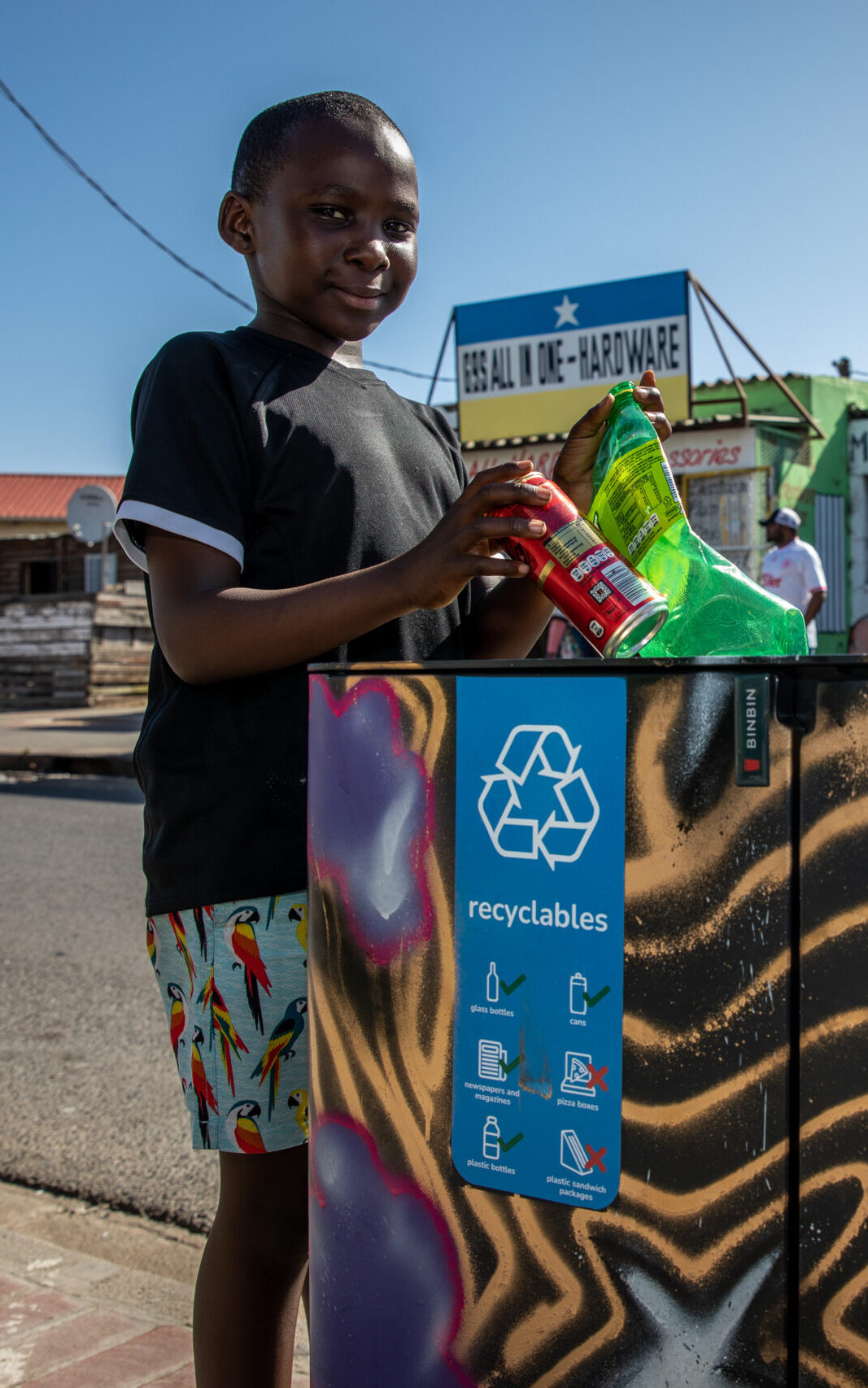
Proper sorting systems provide clearly labelled collection points with visual guides showing acceptable materials. Contamination prevention requires education about what can and cannot be recycled, as contaminated materials often render entire batches unusable.
Material recovery processes depend on understanding local recycling capabilities and market demand for recovered materials. Different regions accept different materials, and successful programs align with available processing infrastructure.
High participation rates result from combining convenience with education. When recycling requires similar effort to disposal but provides clear environmental benefits, people naturally participate more consistently.
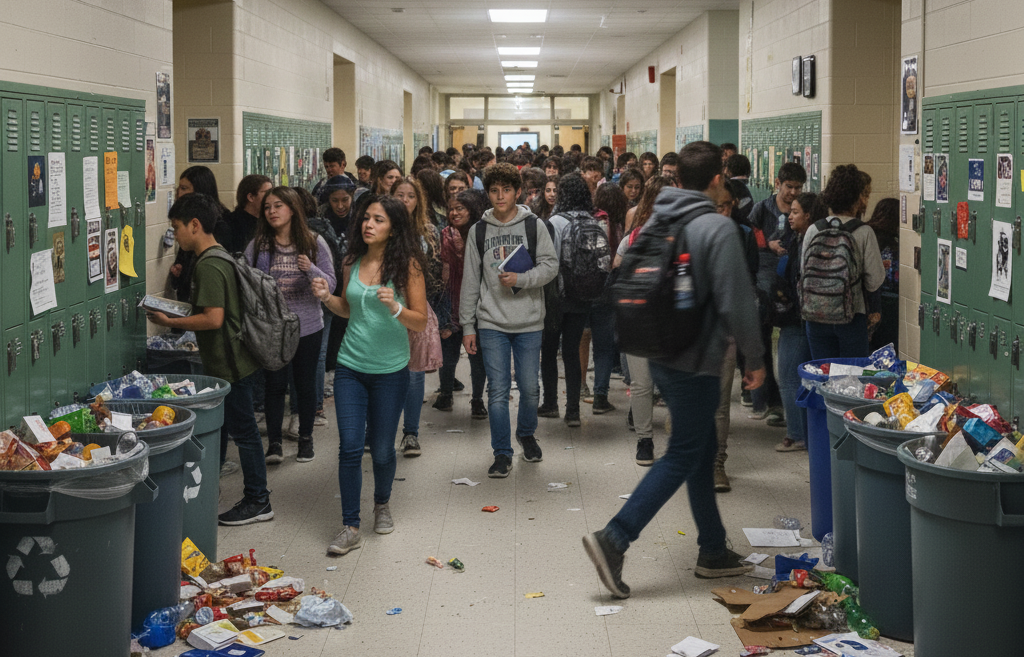
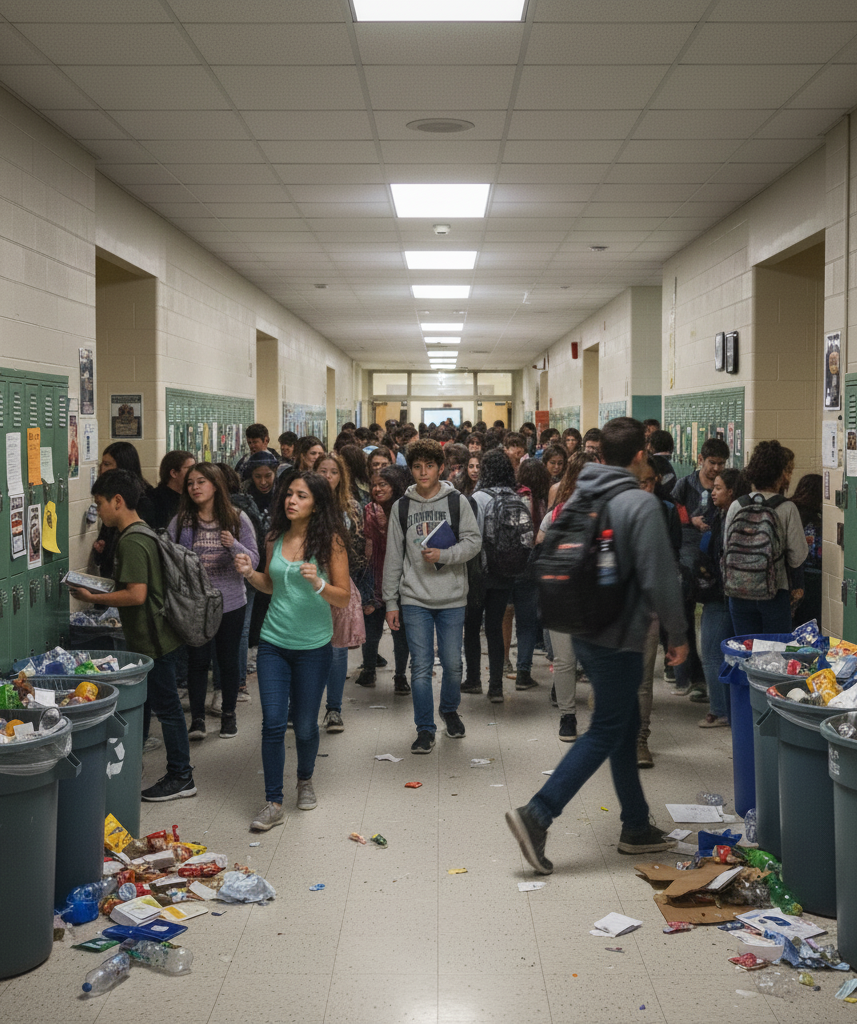
Effective recycling programs in educational settings are particularly important for waste management at school environments. Students and staff need accessible sorting stations, regular communication about proper procedures, and feedback on program performance to maintain engagement.
Regular monitoring and feedback help maintain program effectiveness. This includes tracking contamination rates, participation levels, and material recovery quantities to identify improvement opportunities and celebrate successes.
When should waste recovery and disposal be considered?
Waste recovery and disposal become appropriate when prevention, reuse, and recycling options are not technically feasible, economically viable, or environmentally beneficial. These practices serve as last-resort options while still enabling value extraction or safe material management.
Energy recovery processes capture value from materials that cannot be recycled through waste-to-energy systems, anaerobic digestion, or controlled combustion. These approaches generate electricity, heat, or fuel while reducing landfill requirements.
Composting systems manage organic waste through controlled decomposition, creating valuable soil amendments while diverting materials from landfills. This recovery method works particularly well for food waste, yard trimmings, and other biodegradable materials.
Safe disposal techniques protect human health and environmental quality when materials contain hazardous substances or cannot be processed through other methods. This includes:
- Hazardous waste treatment at specialised facilities
- Secure landfilling with environmental protection systems
- Deep-well injection for certain liquid wastes
- Stabilisation and solidification of contaminated materials
- Controlled incineration with emission controls
Recovery and disposal decisions require careful evaluation of environmental impact, cost-effectiveness, and regulatory compliance. The goal remains to extract maximum value while ensuring responsible management of materials that cannot be handled through preferred practices.
How BINBIN helps with implementing waste management practices
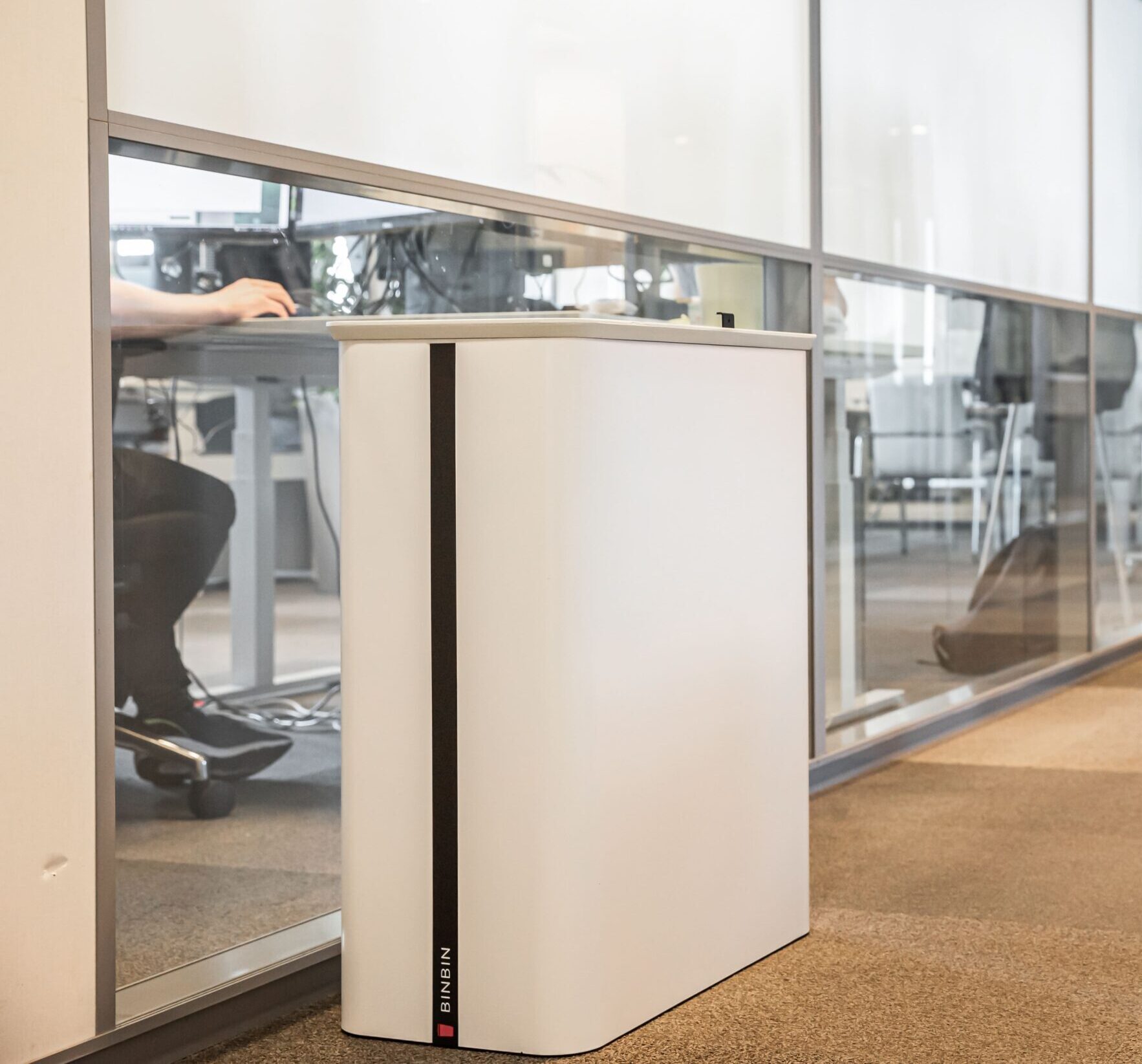
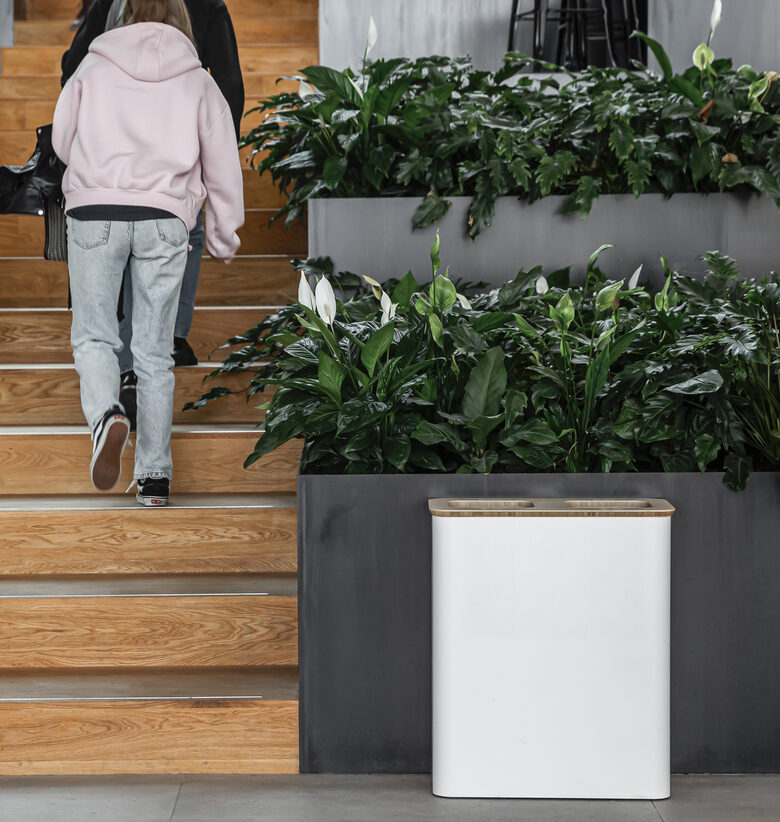
BINBIN's modular waste separation systems support all five waste management practices through intelligent design that makes prevention, reuse, recycling, recovery, and proper disposal more effective. Our solutions adapt to changing needs while maintaining the circular economy principles that drive sustainable waste management.
Our industry-specific solutions address the unique challenges different sectors face in implementing comprehensive waste management practices. The modular design allows organisations to start with their current needs and expand as their programs develop.
Key features supporting effective waste management include:
- Flexible configuration that grows from 1 to 8 waste streams without replacing equipment
- Clear visual sorting guidance that reduces contamination and improves recycling success
- Durable construction from recycled materials that demonstrates circular design principles
- A professional appearance that integrates seamlessly into modern work environments
We provide comprehensive implementation support, including waste assessments, communication materials, and ongoing guidance, to ensure your waste management practices achieve maximum effectiveness. Our team helps organisations develop strategies that prioritise prevention while creating robust systems for managing unavoidable waste streams.
Ready to implement comprehensive waste management practices in your organisation? Start with a trial placement to experience how modular waste separation supports all five practices, or request a custom quote for solutions tailored to your specific needs and goals.