Medical waste consists of four primary categories: pathological waste (human tissues and body parts), infectious waste (contaminated materials and cultures), sharps waste (needles and cutting instruments), and pharmaceutical waste (expired medications and chemotherapy drugs). Each category requires specific handling, containment, and disposal methods to protect public health and the environment.
What exactly qualifies as medical waste?
Medical waste includes any materials generated during healthcare activities that pose potential risks to human health or the environment. Regulatory frameworks classify waste based on contamination levels, infectious potential, and source of origin rather than appearance alone.
The classification system distinguishes medical waste from regular waste through specific criteria. Materials must originate from healthcare facilities, laboratories, or medical research institutions. They must also present biological, chemical, or physical hazards that require specialised treatment before disposal.
Healthcare facilities must evaluate each waste stream individually. Items such as used bandages, surgical gloves, and laboratory specimens clearly qualify as medical waste. However, administrative paperwork, food waste, and general packaging from medical facilities typically qualify as regular waste unless contaminated with potentially infectious materials.
Proper classification requires an understanding of local regulations, as requirements vary between jurisdictions. Hospitals and other healthcare facilities must maintain detailed documentation of classification decisions and disposal methods to ensure regulatory compliance and protect staff safety.
What are pathological wastes and how are they handled?
Pathological waste consists of human tissues, organs, body parts, and recognisable human remains generated during medical procedures, autopsies, and surgical operations. This category includes placentas, surgical specimens, and anatomical waste that requires dignified handling and specialised disposal methods.
The handling process begins with immediate containment in leak-proof, labelled containers. Healthcare workers must wear appropriate personal protective equipment during collection and transport. Pathological waste cannot be mixed with other medical waste categories and requires separate tracking documentation.
Storage requirements are particularly strict for pathological materials. Facilities must maintain refrigeration at specific temperatures to prevent decomposition and odour development. Storage areas require restricted access, proper ventilation, and regular cleaning protocols.
Disposal methods typically involve incineration at licensed facilities equipped to handle human remains respectfully. Some jurisdictions permit burial in designated cemetery sections or other approved methods that ensure complete destruction while maintaining dignity. Treatment must eliminate all recognisable human characteristics before final disposal.
How do you identify and manage infectious medical waste?
Infectious medical waste includes materials contaminated with blood, body fluids, or potentially infectious agents that could transmit disease. This category encompasses laboratory cultures, blood-soaked items, surgical waste, and materials from isolation wards treating communicable diseases.
Identification requires assessing contamination levels and infection potential. Items saturated with blood or body fluids automatically qualify as infectious waste. Materials from patients with known infectious diseases require careful evaluation, as isolation precautions often indicate higher contamination risks.
The management process follows a systematic approach:
- Immediate segregation at the point of generation using colour-coded containers
- Proper labelling with biohazard symbols and generation dates
- Secure storage in designated areas with limited access
- Regular collection schedules to prevent accumulation
- Chain-of-custody documentation for tracking purposes
Treatment methods include autoclaving, incineration, or alternative technologies that achieve equivalent microbial destruction. The chosen method must demonstrate effectiveness against the specific pathogens present while meeting environmental protection standards.
What makes sharps waste different from other medical waste?
Sharps waste consists of items capable of causing puncture wounds or cuts, including needles, scalpels, broken glass, and razor blades. The primary concern is injury prevention, as puncture wounds can transmit bloodborne pathogens even from seemingly clean instruments.
Containment requirements distinguish sharps from other medical waste categories. Facilities must use rigid, puncture-resistant containers specifically designed for sharps disposal. These containers feature secure lids, clear labelling, and fill lines to prevent overfilling.
Collection procedures require immediate disposal at the point of use. Healthcare workers must not recap needles or attempt to remove blades from handles. Sharps containers must remain easily accessible in all areas where sharp instruments are used.
The disposal process prohibits manual sorting or compaction that could expose workers to injury risks. Treatment facilities use automated systems to handle sharps containers without opening them. Final disposal typically involves incineration or other methods that completely destroy the sharp characteristics while treating any infectious contamination.
Why is pharmaceutical waste treated as a separate category?
Pharmaceutical waste requires separate classification because medications pose unique environmental and safety risks beyond biological contamination. This category includes expired drugs, unused medications, chemotherapy agents, and controlled substances that could cause harm through environmental release or misuse.
Environmental concerns drive much of the specialised handling requirements. Many pharmaceuticals resist standard treatment methods and can persist in water systems or soil. Hormones, antibiotics, and chemotherapy drugs present particular risks to ecosystems and human health through environmental contamination.
The management process addresses several key considerations:
- Controlled-substance regulations requiring witnessed destruction and detailed documentation
- Chemotherapy waste handling with enhanced personal protective equipment
- Segregation by drug type to enable appropriate treatment methods
- Secure storage to prevent diversion or unauthorised access
- Specialised disposal facilities equipped for pharmaceutical destruction
Treatment methods vary significantly based on drug types and regulatory requirements. High-temperature incineration works for most pharmaceuticals, while controlled substances may require witnessed destruction with detailed chain-of-custody documentation. Some facilities use chemical treatment or other alternative methods approved for specific pharmaceutical categories.
How BINBIN helps with medical waste segregation
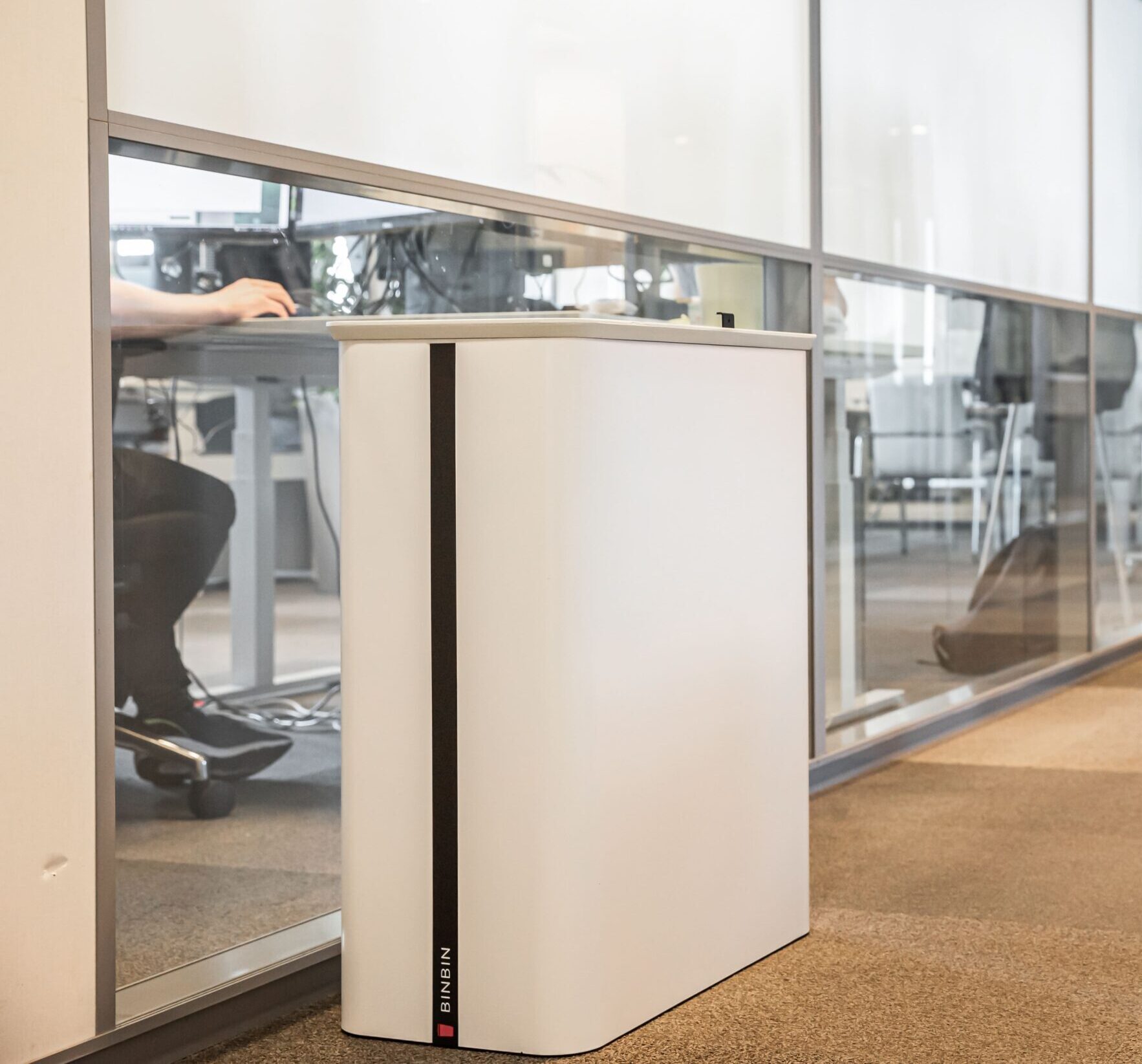
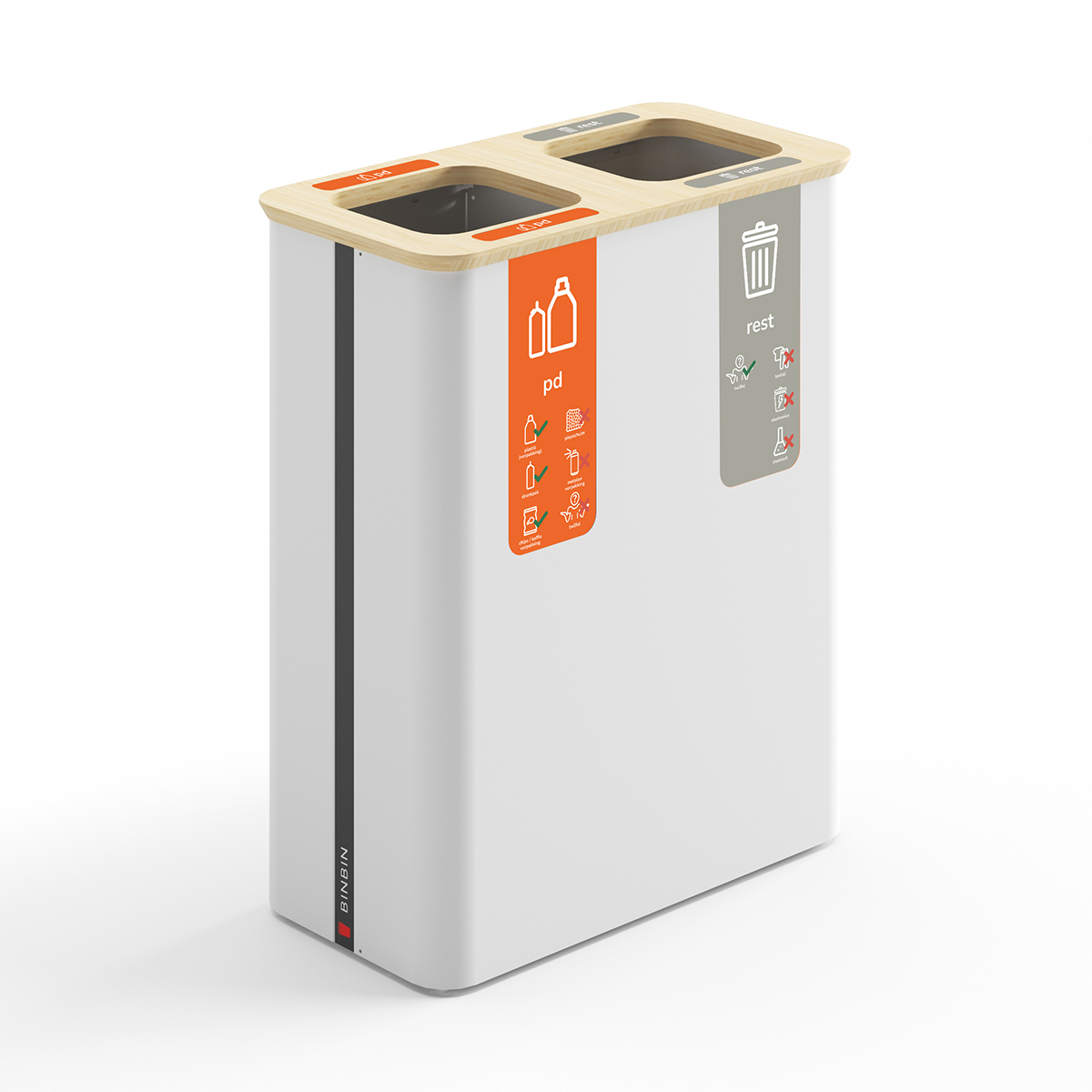
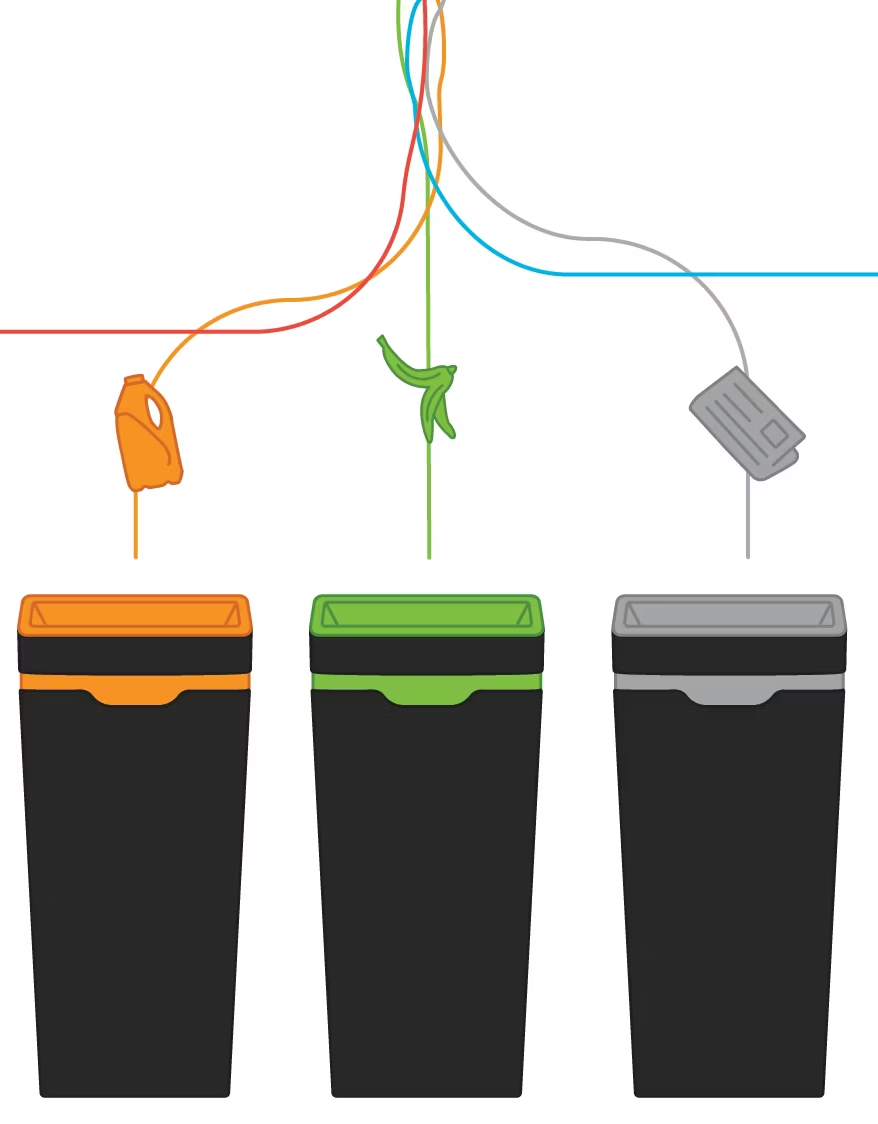
We provide comprehensive, modular waste-separation solutions specifically designed for healthcare facilities that require precise medical waste classification and regulatory compliance. Our systems support proper segregation of all four medical waste categories while maintaining the flexibility to adapt to changing facility needs.
Our healthcare waste management solutions include:
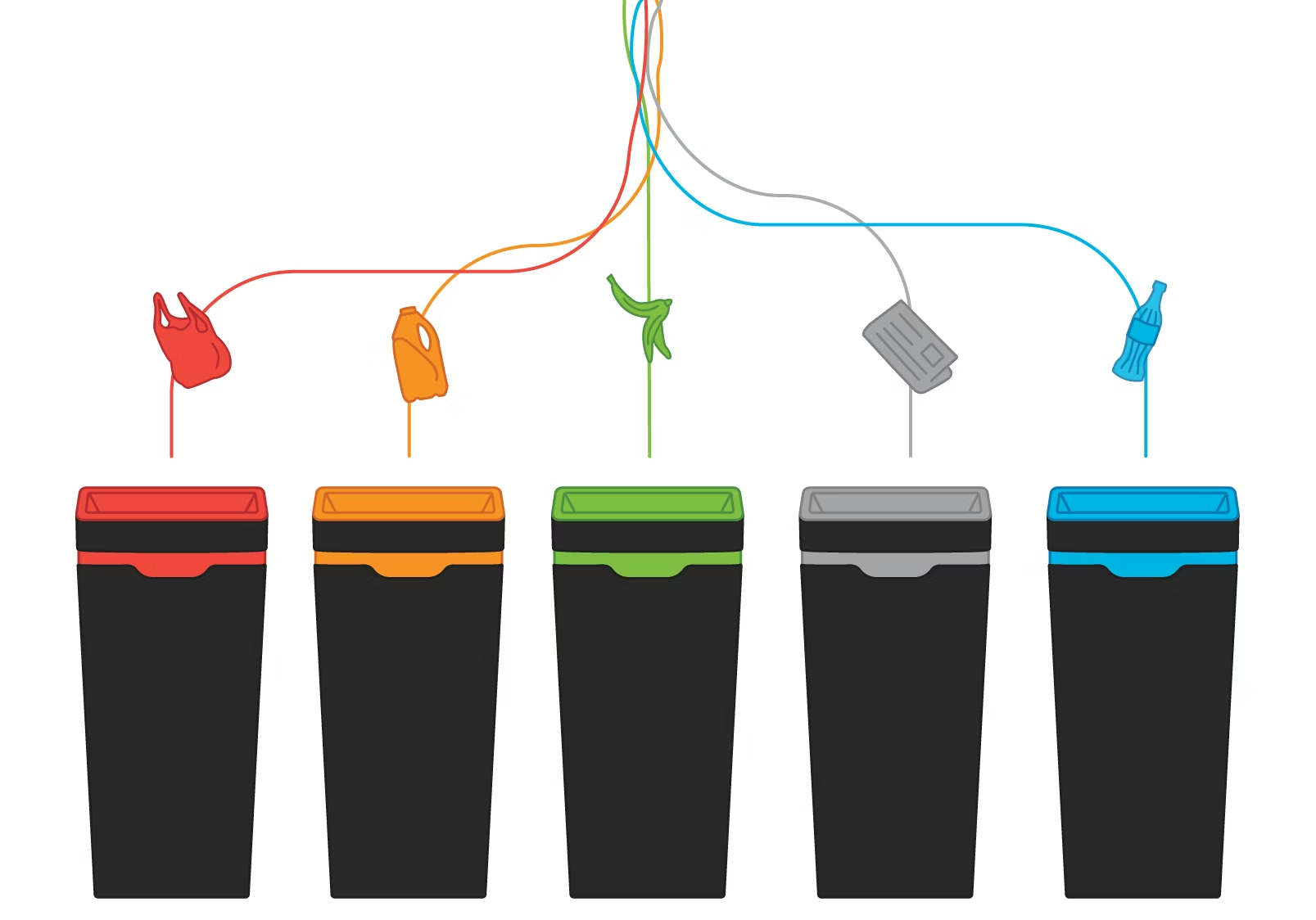
- Colour-coded compartments aligned with medical waste classification requirements
- Secure, puncture-resistant containers for sharps waste management
- Modular design allowing separation of 1 to 8 waste streams in a single unit
- Easy reconfiguration as hospitals’ waste management needs evolve
- Custom labelling and pictogram systems for clear waste identification
- Compliance support through personalised consultation and implementation guidance
Our trial placement programme allows healthcare facilities to test our systems before committing to full implementation. We also provide comprehensive support through our digital waste-assessment service, helping facilities identify optimal segregation strategies for their specific requirements.
Ready to improve your medical waste segregation compliance? Contact our team for a personalised consultation and discover how our modular solutions can streamline your healthcare waste management processes while ensuring regulatory compliance.