Waste segregation involves separating different types of waste materials at their source or at collection points to enable proper recycling, composting, and disposal. The four primary methods are source separation (sorting at the point of generation), collection point separation (sorting at designated areas), mechanical separation (automated sorting), and biological separation (composting organic materials). Effective waste segregation reduces environmental impact, lowers processing costs, and supports circular economy principles by keeping materials in productive use for longer.
What exactly is waste segregation and why does it matter?
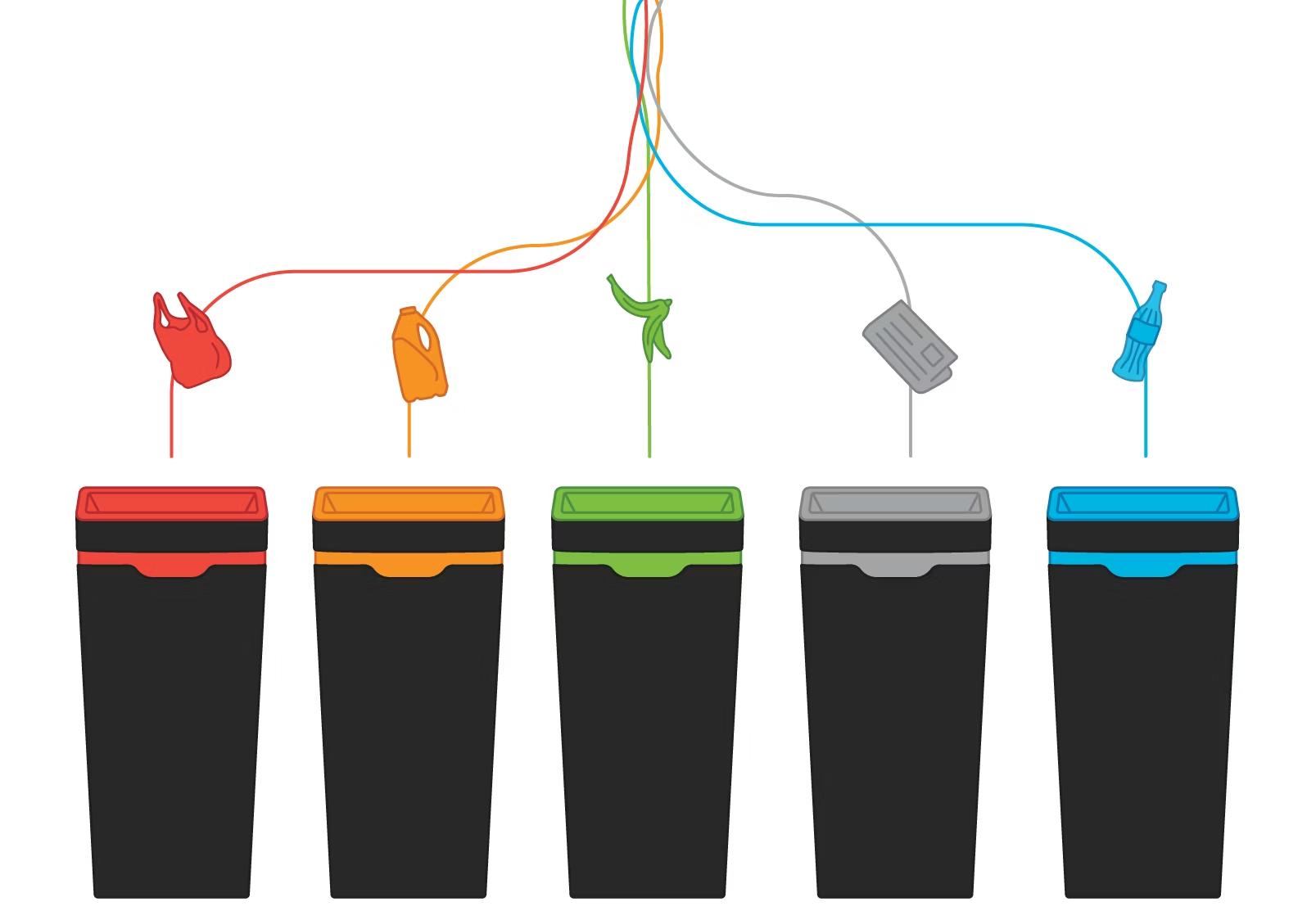
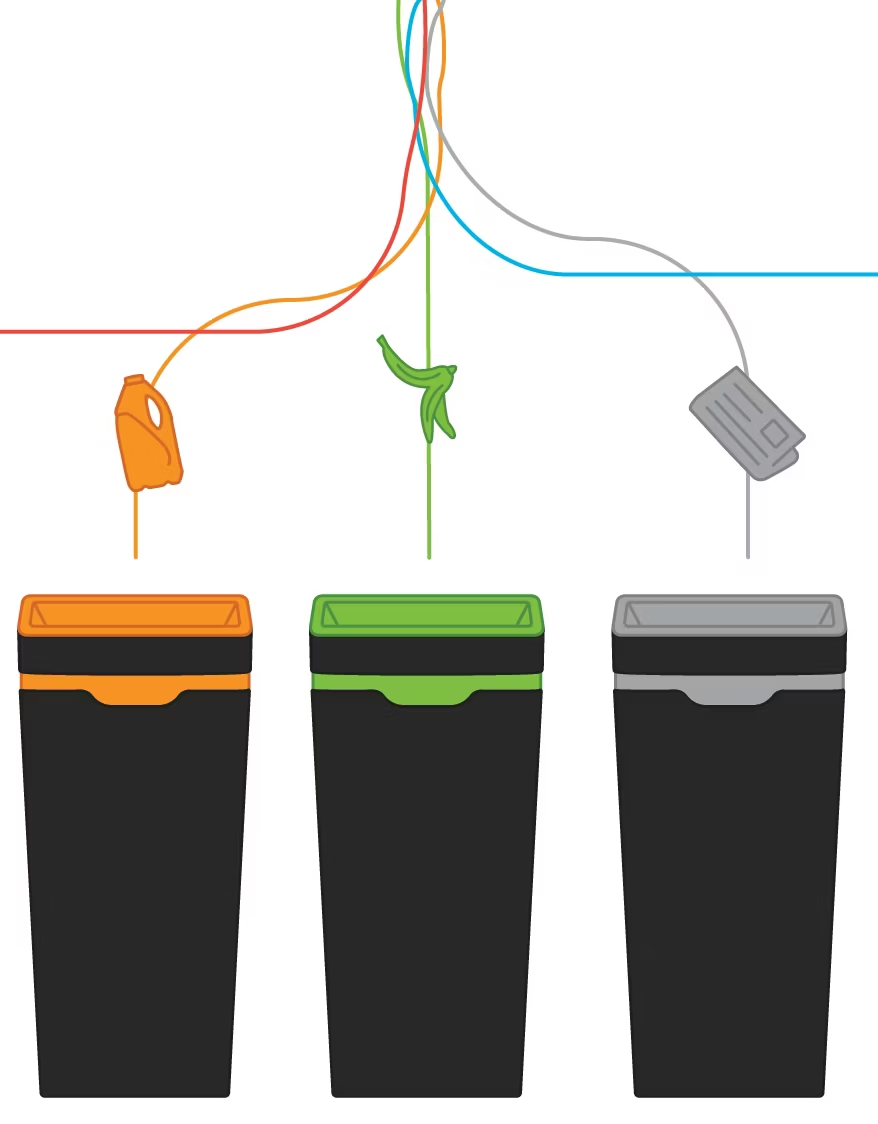
Waste segregation is the systematic process of separating different types of waste materials based on their composition, recyclability, and disposal requirements. Unlike general waste disposal, where everything goes into one bin, waste segregation involves sorting materials such as paper, plastic, organic waste, and hazardous materials into distinct categories from the moment they are discarded.
This practice forms the foundation of circular economy principles by ensuring materials can be properly recycled, composted, or safely disposed of. When waste is properly segregated, recyclable materials maintain their quality and value, organic waste can be composted into useful soil amendments, and hazardous materials receive appropriate treatment.
The environmental importance cannot be overstated. Proper waste separation reduces the burden on landfills, decreases greenhouse gas emissions from decomposing mixed waste, and prevents contamination of recyclable materials. Economically, it reduces waste processing costs and creates value from materials that would otherwise be lost.
What are the four main ways to segregate waste effectively?
The four primary waste segregation methods each serve different purposes and environments. Source separation occurs where waste is generated, with individuals sorting materials into appropriate containers immediately upon disposal. This method achieves the highest-quality separation because materials have not been contaminated through mixing.
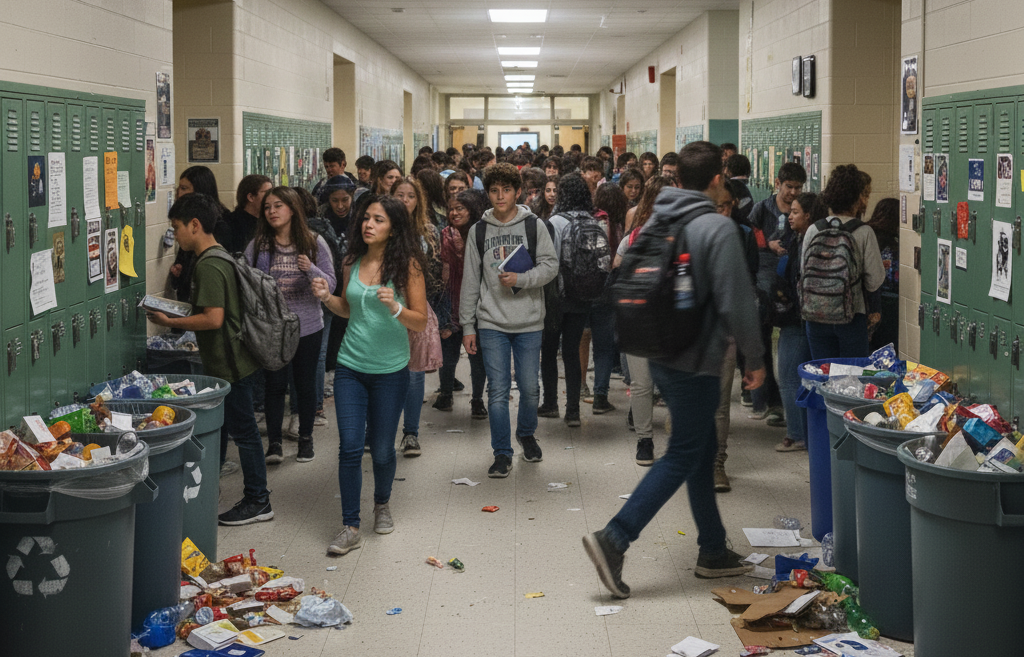
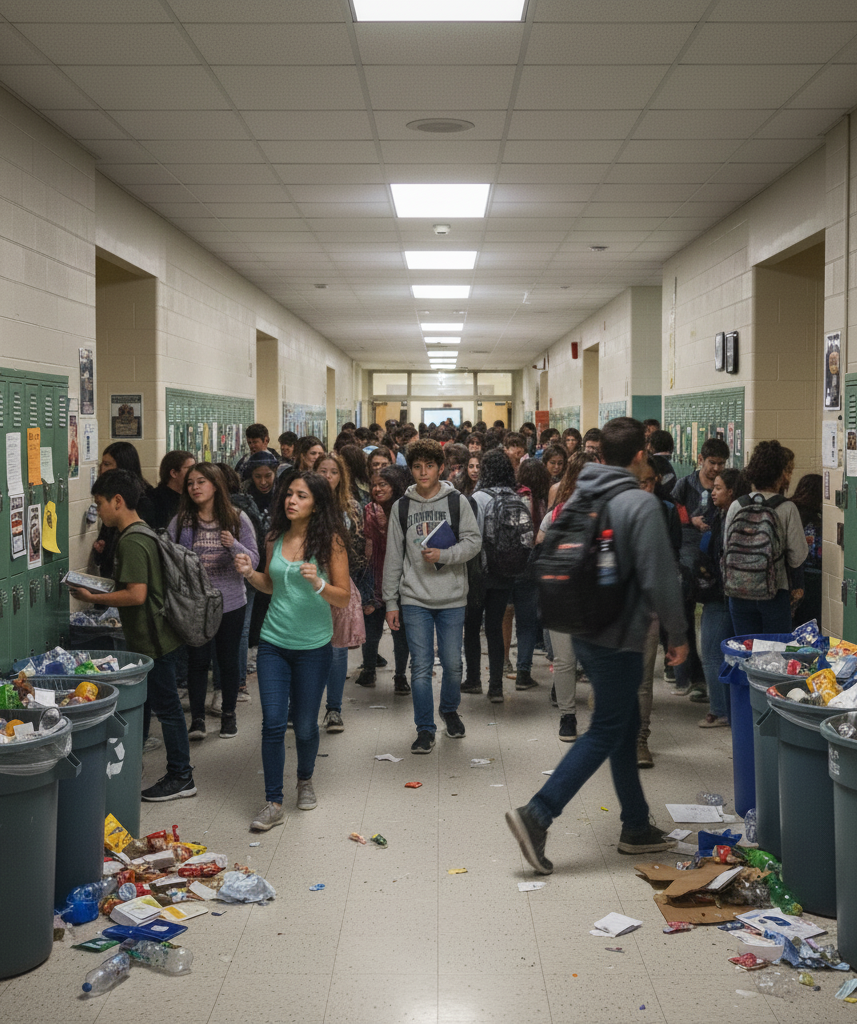
Collection point separation involves designated areas where people bring pre-sorted waste or sort materials at centralised locations. This works well in offices, schools, and public spaces where multiple waste streams need to be managed but individual sorting is not practical.
Mechanical separation uses automated systems with screens, magnets, and optical sorters to separate mixed waste streams. This technology-driven approach handles large volumes efficiently but may not achieve the same purity levels as manual sorting methods.
Biological separation focuses specifically on organic waste through composting processes. Microorganisms break down food scraps, garden waste, and other biodegradable materials into valuable compost, effectively removing this waste stream from landfills while creating useful products.
How do you implement waste segregation in different environments?
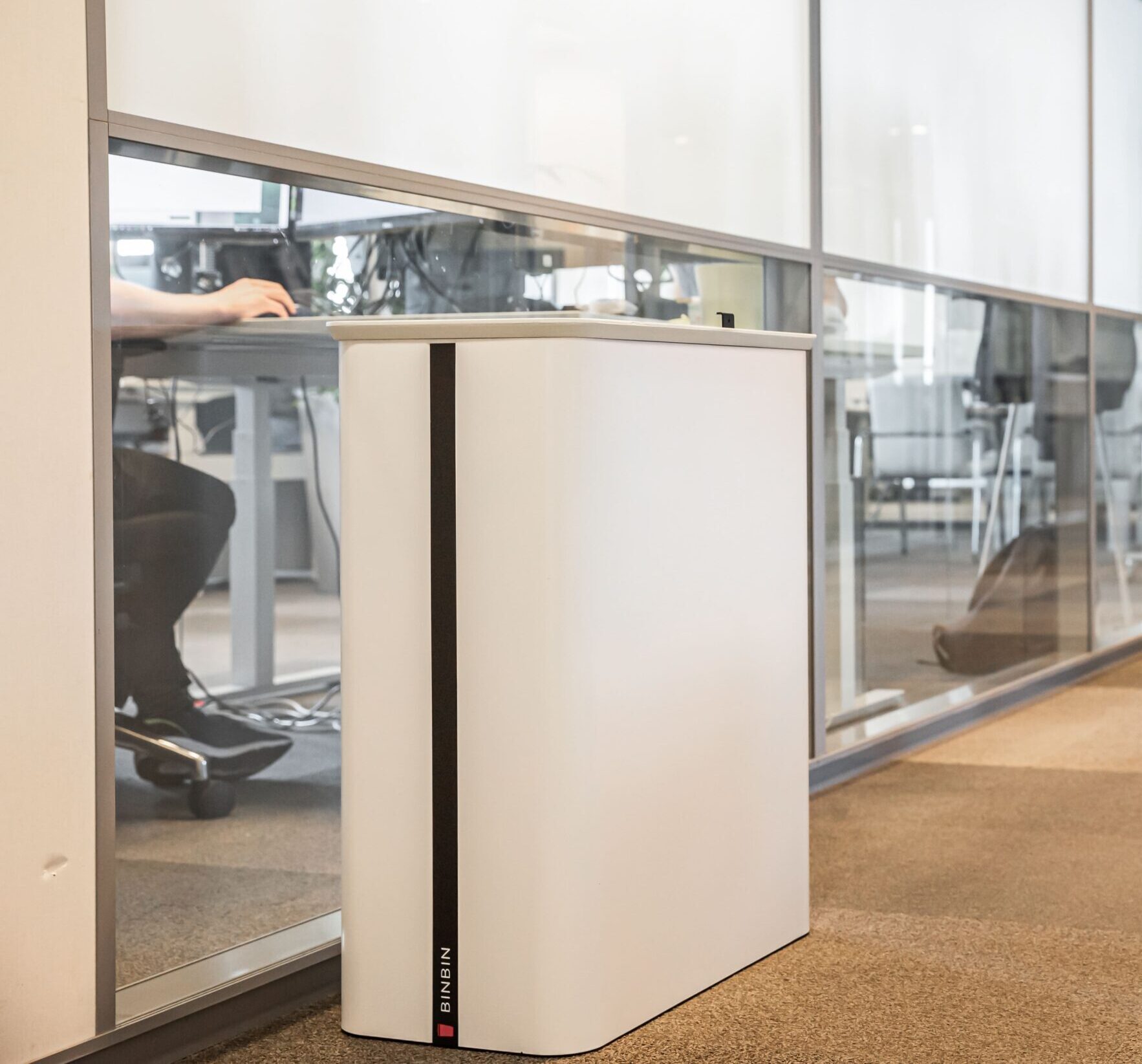
Successful implementation depends on matching the segregation system to the specific environment and user needs. Office environments require sleek, space-efficient solutions that integrate with professional aesthetics while handling typical workplace waste streams such as paper, packaging, and food waste from break areas.
Educational institutions benefit from clearly labelled, user-friendly systems that also serve as learning tools. Visual guides, colour coding, and educational materials help students and staff understand proper sorting while building environmental awareness.
The following elements help ensure successful implementation across environments:
- Clear labelling with visual guides showing what belongs in each container
- Convenient placement near waste generation points
- Regular training and communication about proper sorting
- Consistent collection schedules that prevent overflow
- Feedback systems showing environmental and economic benefits
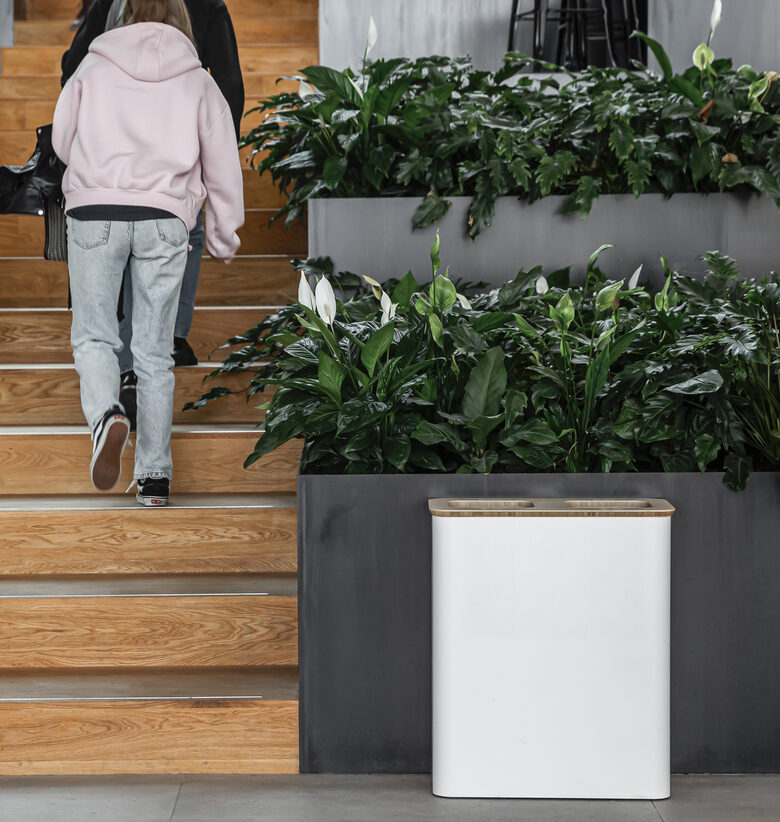
Hospitality venues require robust systems that handle high volumes and diverse waste types. Kitchen areas need organic waste separation, while guest areas focus on packaging and disposable items. Public spaces benefit from simple, intuitive designs that work for users with varying levels of environmental knowledge.
What are the most common waste segregation mistakes to avoid?
Contamination represents the most significant challenge in waste segregation systems. This occurs when inappropriate materials end up in recycling streams, rendering entire batches unusable. Common examples include food-soiled paper in recycling bins or non-recyclable plastics mixed with recyclable materials.
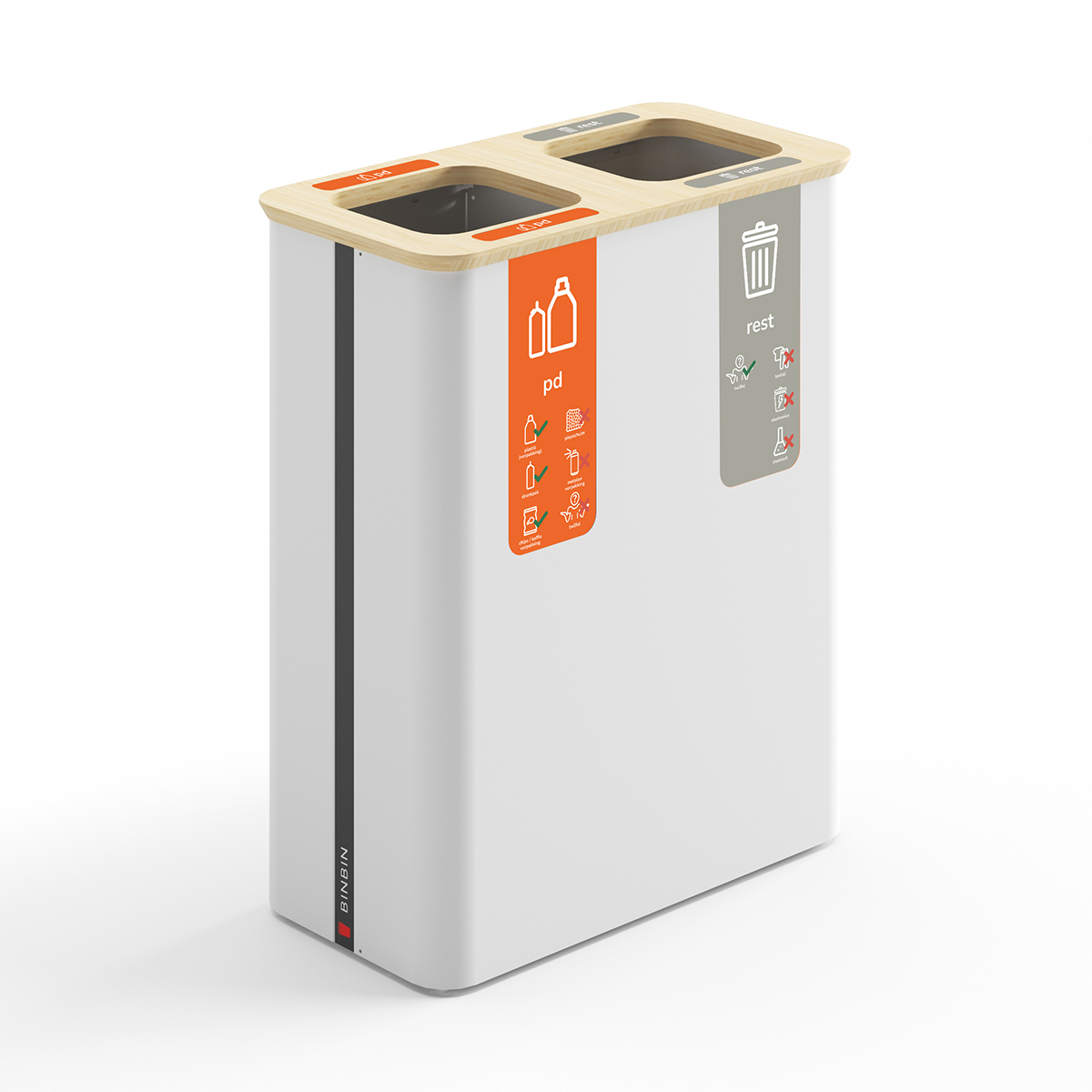
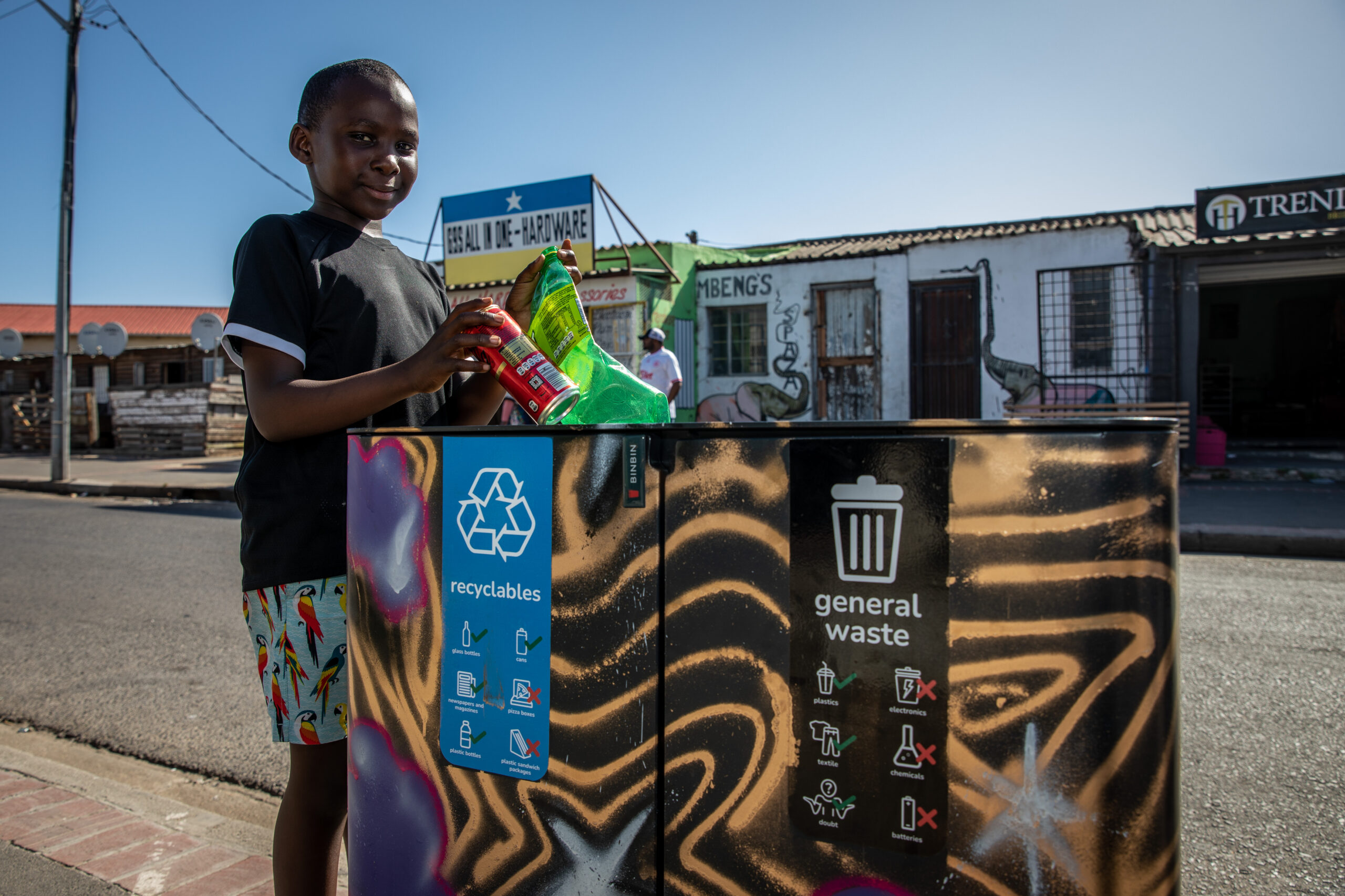
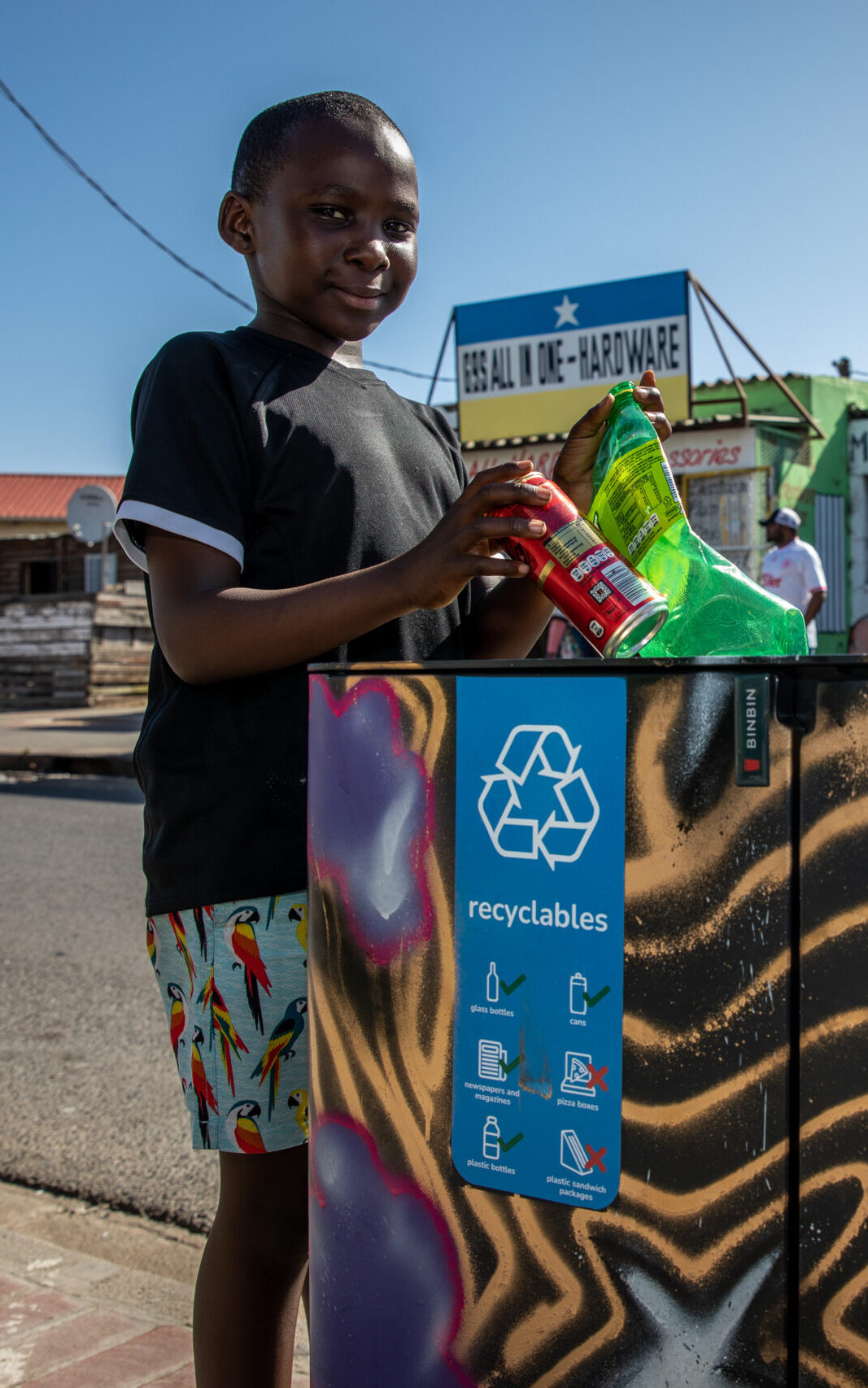
Inadequate labelling creates confusion and reduces participation. Generic labels like "recycling" do not provide enough information, while overly complex instructions overwhelm users. Effective labels use simple language, clear visuals, and focus on the most common items for each waste stream.
Poor system design undermines even well-intentioned efforts. Key design mistakes include:
- Placing containers in inconvenient locations that discourage use
- Using containers that are too small, leading to overflow and mixing
- Failing to provide adequate training for users
- Inconsistent collection schedules that create system breakdowns
- Not adapting the system based on user feedback and observed patterns
Insufficient training leaves people guessing about proper sorting. Regular education sessions, visual reminders, and feedback about system performance help maintain high participation and accuracy rates.
How does proper waste segregation reduce costs and environmental impact?
Effective waste segregation delivers substantial cost savings by reducing waste processing fees and creating revenue opportunities from recyclable materials. Properly separated recyclables command higher prices than contaminated mixed materials, while reduced contamination means more materials actually get recycled rather than being sent to expensive landfill disposal.
Many waste management companies charge premium rates for mixed waste because it requires additional sorting and processing. Clean, separated waste streams often qualify for reduced collection fees and can even generate revenue through material sales.
Environmental benefits extend far beyond waste reduction. Proper segregation prevents recyclable materials from ending up in landfills, where they contribute to methane emissions and groundwater contamination. Composting organic waste reduces methane production while creating valuable soil amendments.
Carbon footprint reductions occur through multiple pathways. Recycling materials requires less energy than producing new materials from raw resources. Composting organic waste eliminates methane emissions from anaerobic decomposition in landfills. Reduced transport needs for mixed-waste processing also lower emissions.
How BINBIN helps with waste segregation implementation
Our modular waste separation systems address the most common segregation challenges through flexible, user-friendly design that adapts to any environment. The Globular series enables organisations to separate 1 to 8 waste streams, with components that can be combined or divided as needs change.
Key benefits of our approach include:
- 99% circular design using recycled materials that can be fully recycled at end of life
- Modular flexibility allowing easy reconfiguration without purchasing new equipment
- Clean, professional aesthetics that integrate seamlessly into any workspace
- Internal splitting capabilities that eliminate the need for additional containers
- Customisable branding and labelling for clear user guidance
We provide comprehensive implementation support, including trial placements to test system effectiveness, personalised advice for optimal configuration, and communication materials including pictograms and stickers. Our proven solutions help organisations achieve compliance with waste segregation requirements while supporting their sustainability goals.
Ready to implement effective waste segregation? Request a quote for a customised solution that meets your specific needs and transforms your waste management approach.