The most recyclable items are those made from pure, uncontaminated materials with strong market demand and established processing infrastructure. Aluminium cans, cardboard, glass containers, and certain plastics, such as PET bottles, rank highest due to their ability to be recycled repeatedly without loss of quality. Understanding which items recycle best helps improve waste management efficiency and supports circular economy goals.
What makes an item highly recyclable?
An item's recyclability depends on four key characteristics: material purity, contamination levels, market demand, and available processing infrastructure. Materials that maintain their properties through multiple recycling cycles while remaining economically viable to process achieve the highest recyclability ratings.
Material purity plays the most crucial role in determining recyclability. Single-material items without complex coatings, adhesives, or mixed components are easier to process than composite materials. For example, a plain cardboard box recycles better than one with a plastic coating or metallic foil.
Contamination significantly impacts recycling success. Food residue, chemicals, or mixed materials can render otherwise recyclable items unsuitable for processing. Clean containers have a much higher chance of being recycled successfully than contaminated ones.
Market demand drives the economic viability of recycling programmes. Materials with strong secondary markets, such as aluminium and high-grade paper, maintain consistent recycling rates because manufacturers actively seek recycled content for new products.
Processing infrastructure availability determines whether recyclable materials actually get recycled. Items requiring specialised equipment or facilities may be technically recyclable but impractical in areas lacking proper collection and processing systems.
Which everyday materials have the highest recycling rates?
Aluminium leads recycling success rates at nearly 75% globally, followed by cardboard at approximately 70%, glass containers at 65%, and PET plastic bottles at around 60%. These materials combine technical recyclability with established collection and processing systems.
Aluminium cans achieve exceptional recycling rates because aluminium retains its full quality through infinite recycling cycles. The energy savings from recycling aluminium versus producing new material create strong economic incentives for collection and processing.
Cardboard and paper products maintain high recycling rates due to widespread collection programmes and consistent demand from the packaging industry. Office paper, newspapers, and corrugated cardboard boxes are among the most successfully recycled materials in workplace environments.
Glass containers recycle well because glass can be melted and reformed repeatedly without quality degradation. Clear glass achieves higher recycling rates than coloured glass due to broader applications in new product manufacturing.
Specific plastic types show varying success rates. PET bottles (marked with recycling code 1) and HDPE containers (code 2) achieve good recycling rates, while other plastic types face more limited processing options and market demand.
What are the top 10 most recyclable items you use daily?
These ten items represent the most successfully recyclable materials encountered in daily life, ranked by their processing success rates and infrastructure support:
- Aluminium beverage cans - Rinse and recycle indefinitely without loss of quality
- Office paper and documents - Remove staples and plastic elements before recycling
- Cardboard packaging - Flatten boxes and remove tape or plastic components
- Glass jars and bottles - Clean thoroughly and separate by colour when required
- PET plastic bottles - Remove caps and labels, and rinse to remove residue
- HDPE plastic containers - Includes milk jugs, detergent bottles, and food containers
- Steel food cans - Remove labels and rinse to remove food residue
- Magazines and catalogues - Remove plastic wrapping and binding materials
- Newspapers - Keep dry and separate from other paper types
- Electronic components - Require specialised collection but offer valuable material recovery
Each item requires proper preparation to maximise recycling success. Clean, separated materials are processed more efficiently and retain higher value in secondary markets.
How do you identify recyclable items in your workspace?
Identifying recyclable items in office environments requires understanding recycling symbols, checking local guidelines, and recognising common workplace materials. Look for numbered recycling symbols on plastic items, with codes 1, 2, and 5 typically accepted in most programmes.
Paper products represent the largest recyclable category in offices. Standard office paper, envelopes without plastic windows, and cardboard packaging generally qualify for recycling. However, avoid including laminated paper, carbon paper, or documents with significant adhesive content.
Plastic identification involves checking the triangular recycling symbol with numbers. PET bottles (1) and HDPE containers (2) have the highest acceptance rates. Polystyrene (6) and mixed plastics (7) often face collection limitations.
Common contamination mistakes include mixing food-contaminated items with clean recyclables, placing non-recyclable materials such as plastic bags in standard bins, and failing to remove caps, lids, or labels when required by local programmes.
Local guidelines vary significantly between regions and waste management providers. Contact your waste management service to understand the specific requirements, accepted materials, and preparation guidelines for your location.
Why do some recyclable items end up in landfills anyway?
Recyclable materials end up in landfills due to contamination issues, improper sorting, inadequate collection infrastructure, and economic factors affecting processing viability. Even technically recyclable materials may become waste when these barriers prevent successful processing.
Contamination is the primary barrier to successful recycling. Food residue, chemical contamination, or mixing incompatible materials can render entire batches unsuitable for processing. A single contaminated item can compromise larger quantities of otherwise recyclable materials.
Improper sorting occurs when recyclable items are placed in general waste streams or when different material types are mixed incorrectly. Without proper separation, valuable materials become inaccessible for recovery and processing.
Collection infrastructure limitations significantly affect recycling success rates. Areas lacking convenient collection points, appropriate transportation systems, or processing facilities struggle to maintain effective recycling programmes regardless of material quality.
Economic factors influence recycling viability through market prices for recycled materials, processing costs, and transportation expenses. When recycling costs exceed landfill disposal costs, even recyclable materials may be diverted to waste streams. Fluctuating commodity prices and processing capacity constraints create additional challenges for consistent recycling programmes.
How BINBIN helps with maximising recyclable waste separation
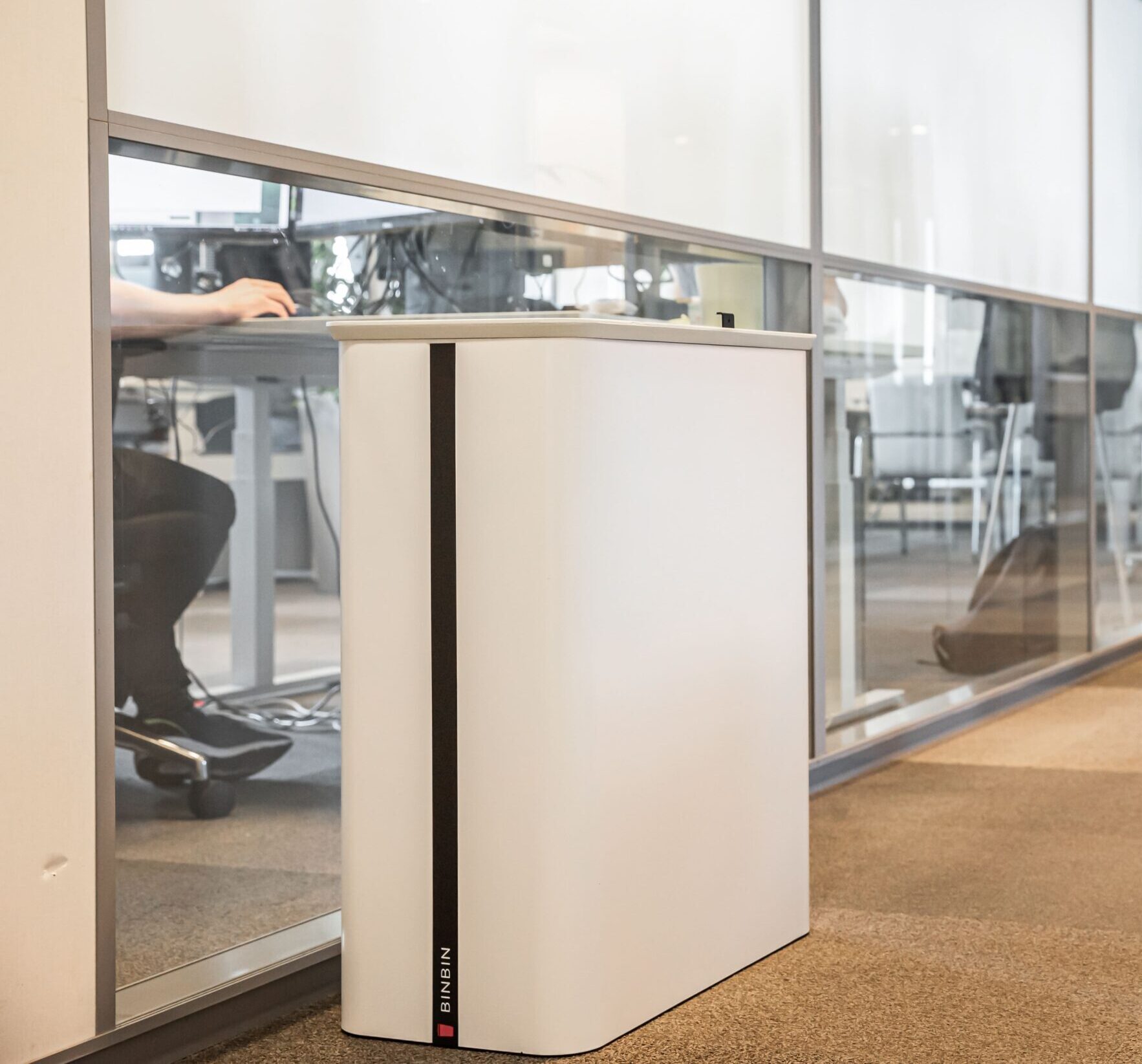
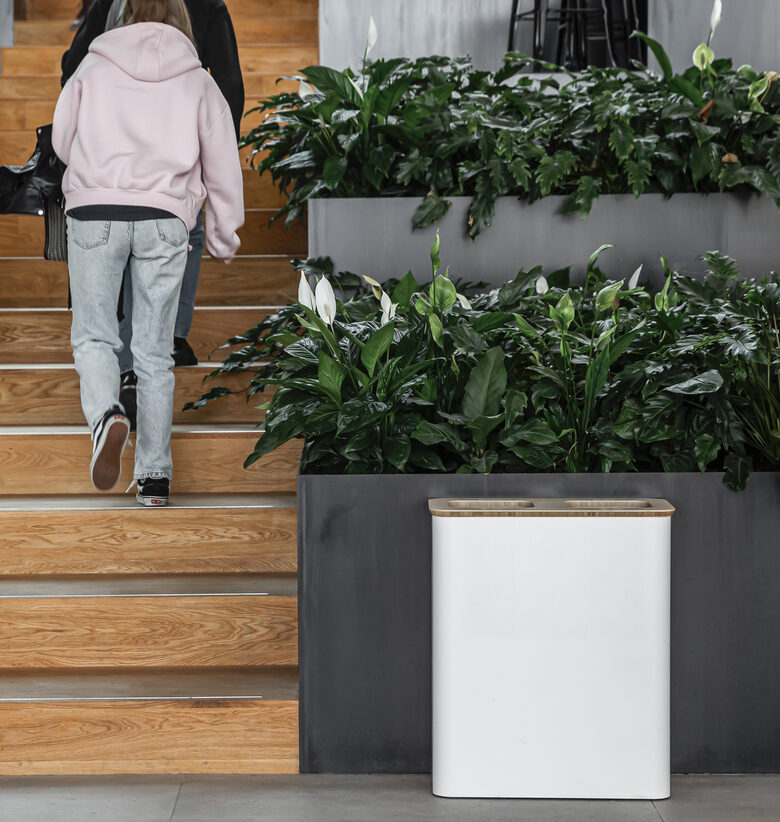
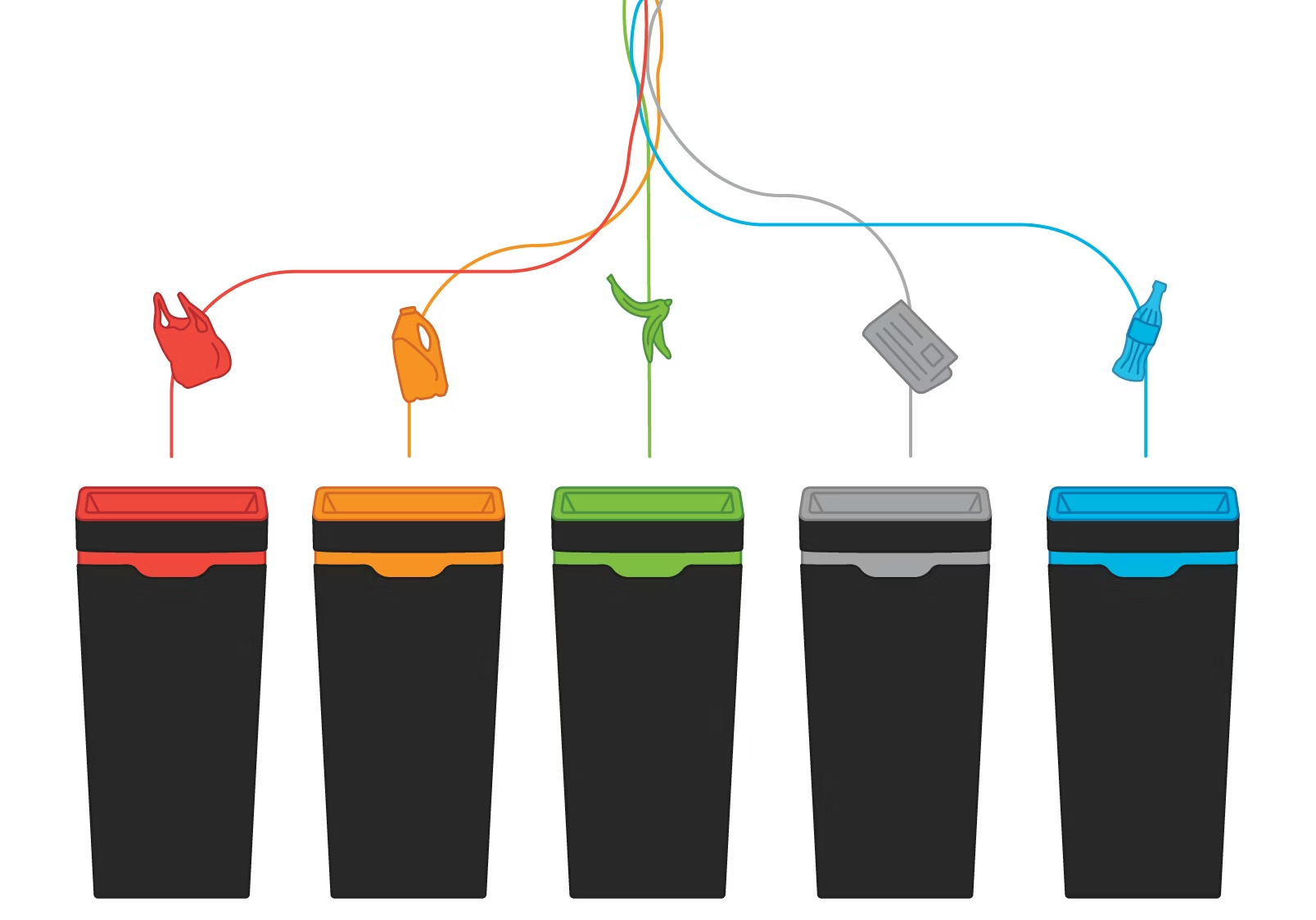
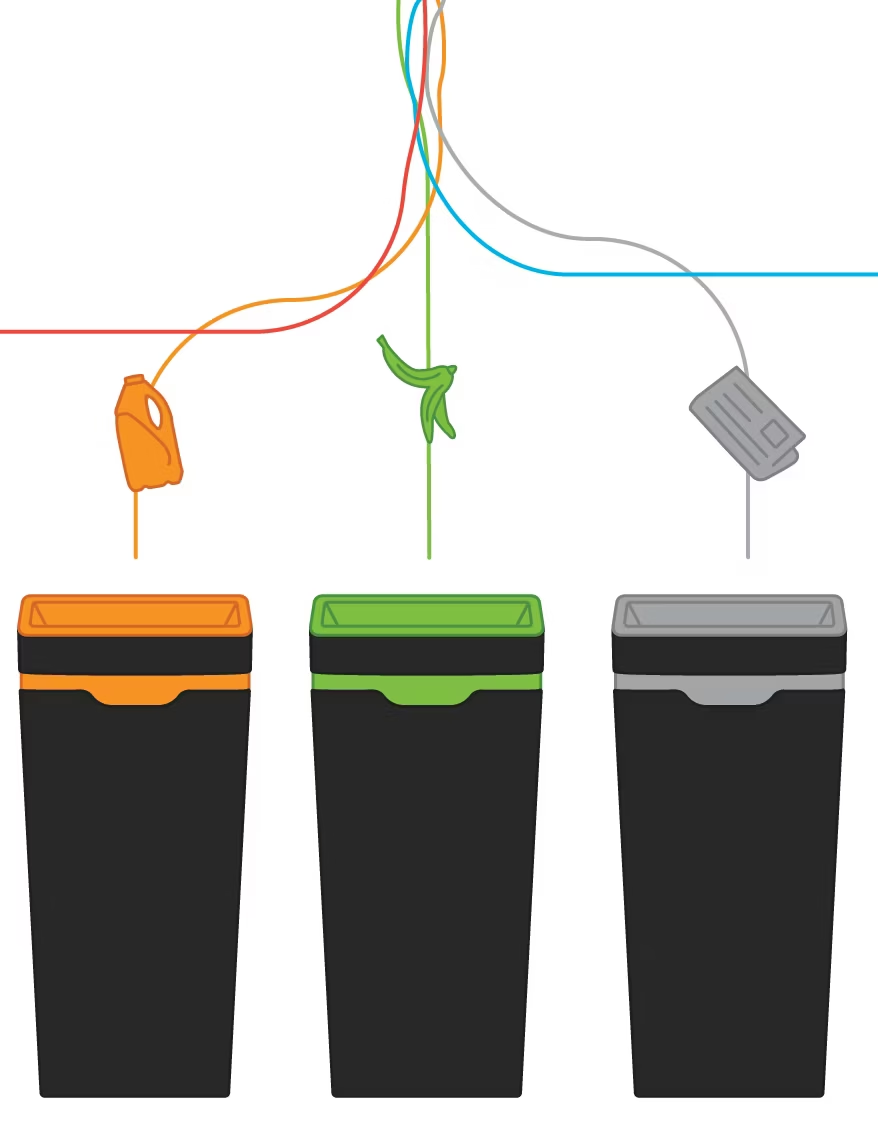
BINBIN's modular waste separation systems optimise the collection and sorting of recyclable materials in office environments through intelligent design and flexible configuration options. Our solutions address the key barriers that prevent successful recycling while maintaining professional aesthetics.
Our systems maximise recyclable material recovery through:
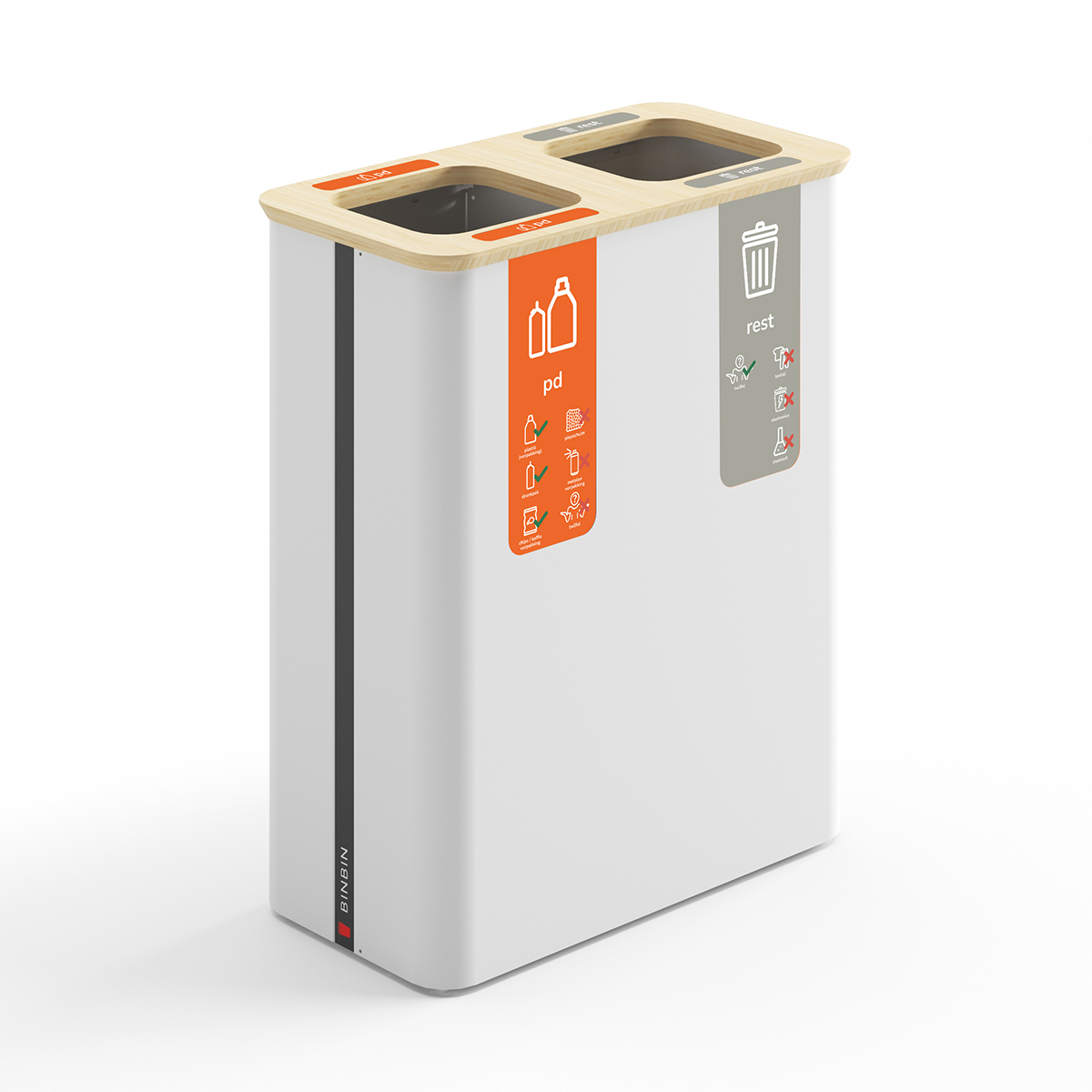
- Modular flexibility - Configure 1 to 8 waste streams based on your specific recycling requirements and local collection programmes
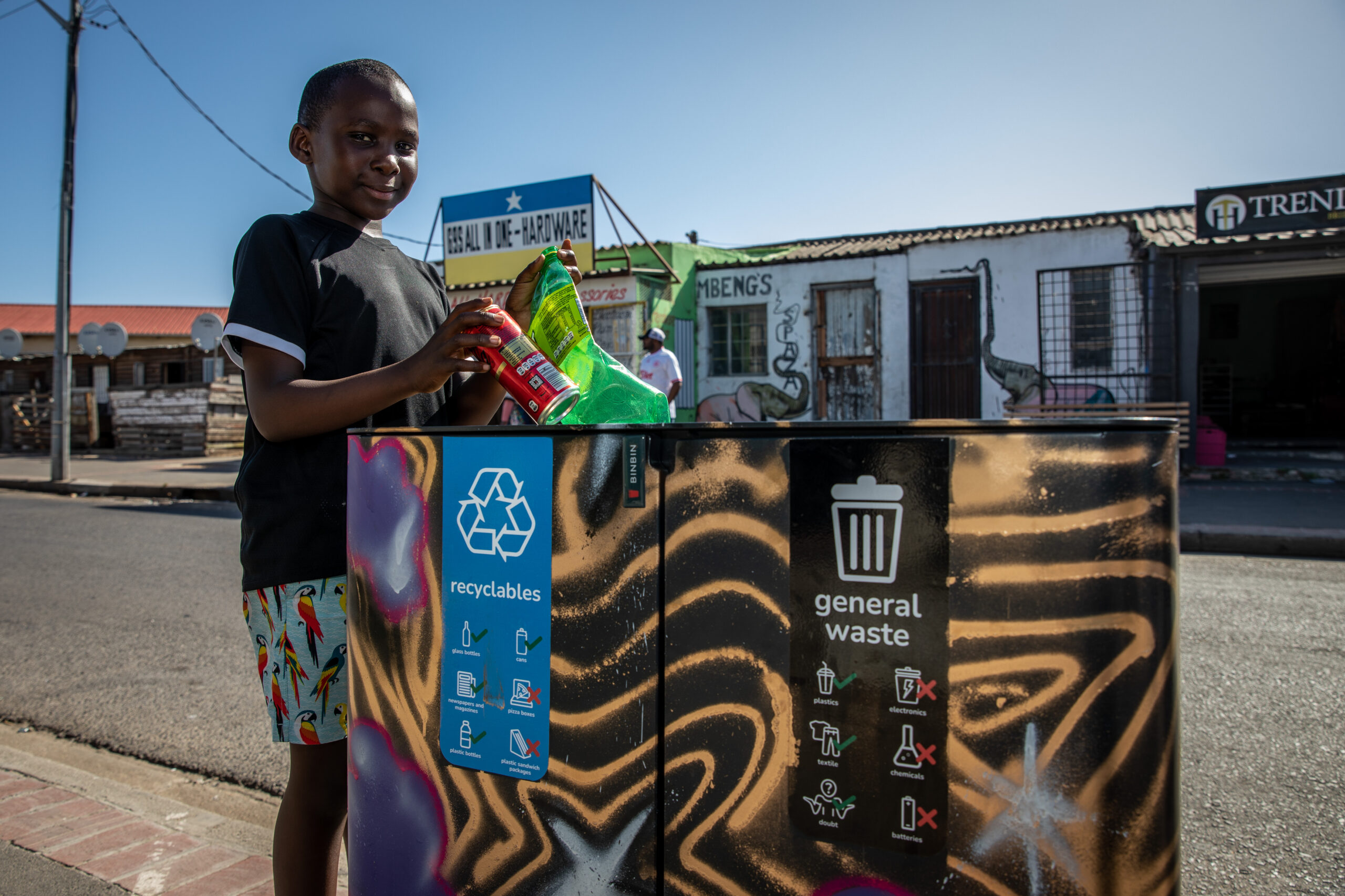
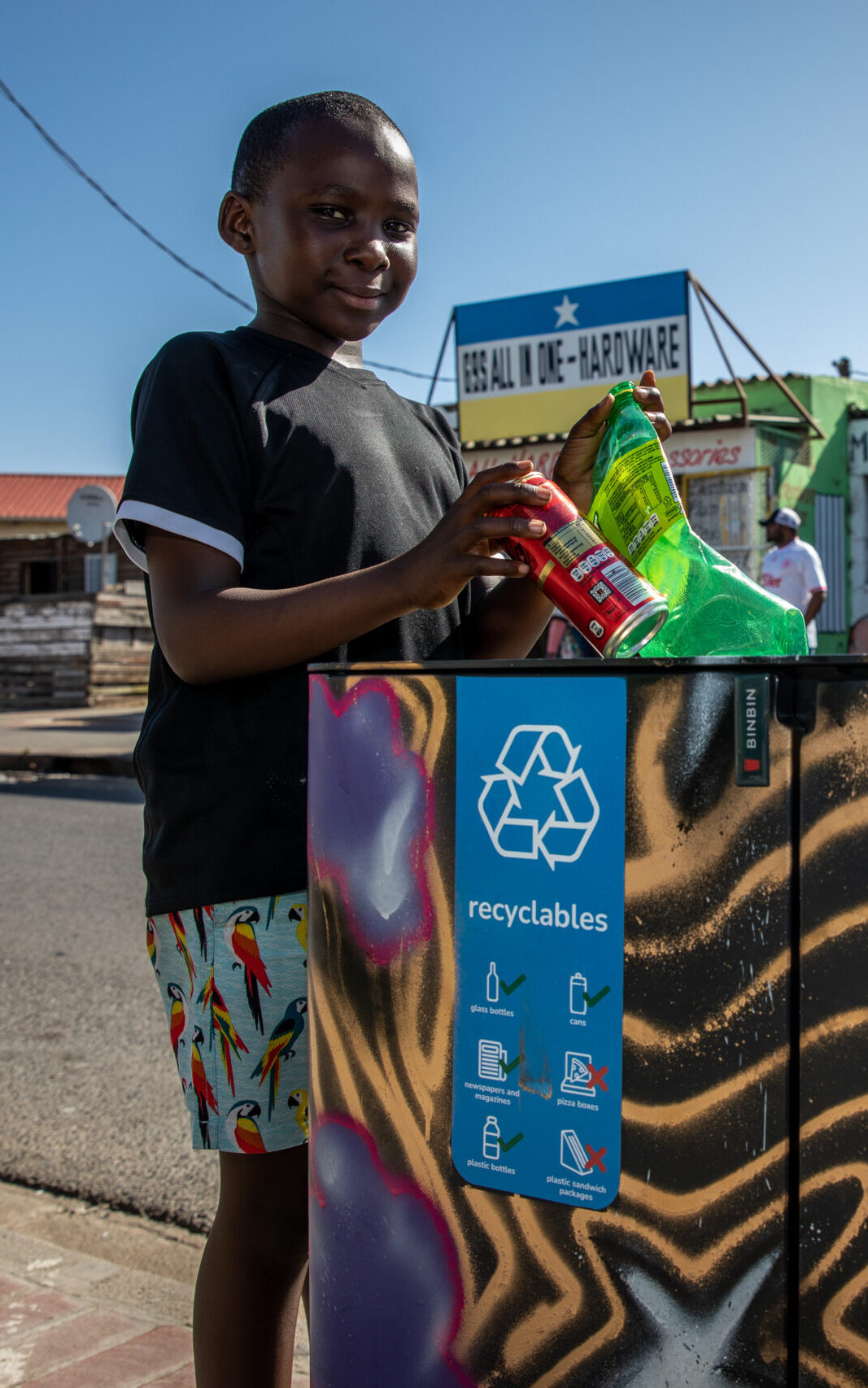
- Clear identification - Intuitive labelling and colour coding reduce contamination and improve sorting accuracy
- Easy adaptation - Modify compartments and volumes as recycling programmes change or expand
- Professional integration - Stylish designs encourage employee participation while maintaining office aesthetics
- Contamination prevention - Separate compartments prevent cross-contamination between different recyclable streams
Ready to improve your office recycling rates and support circular economy goals? Request a quote for customised waste separation solutions that maximise your recyclable material recovery while enhancing your workspace environment.