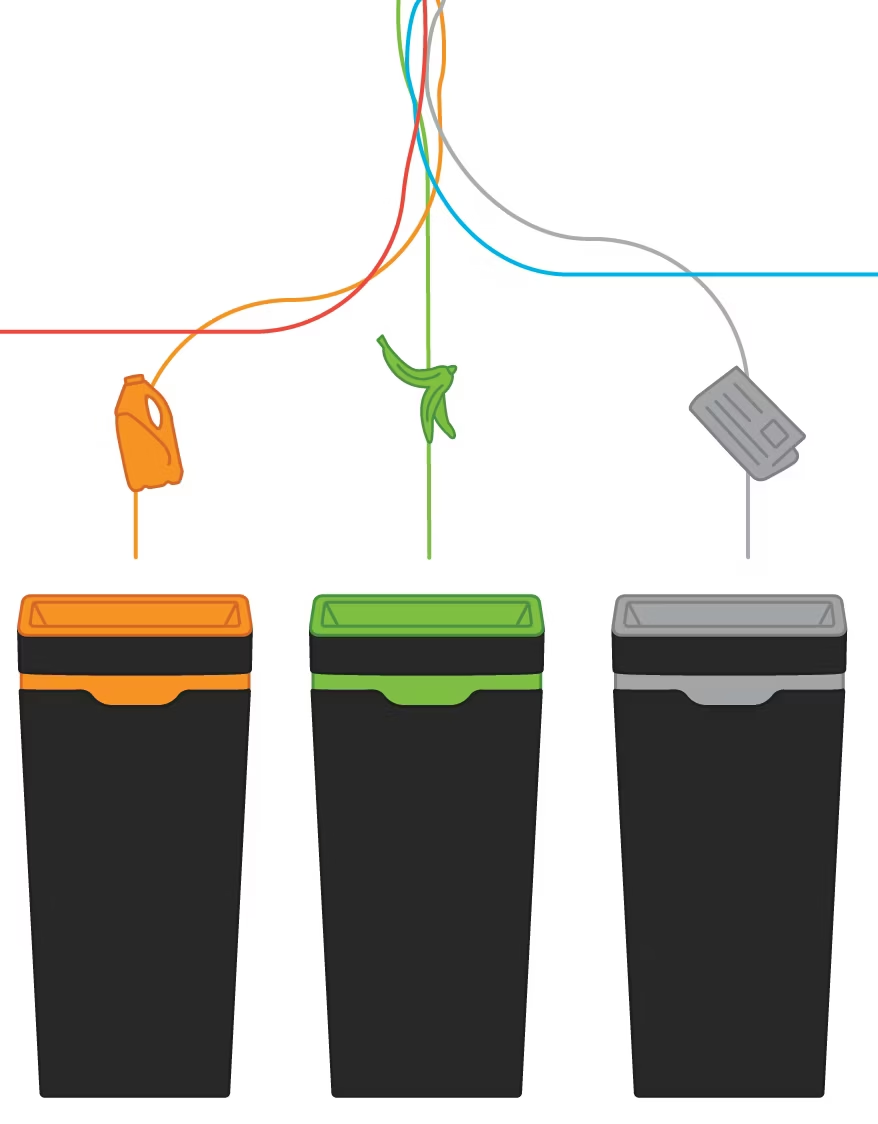
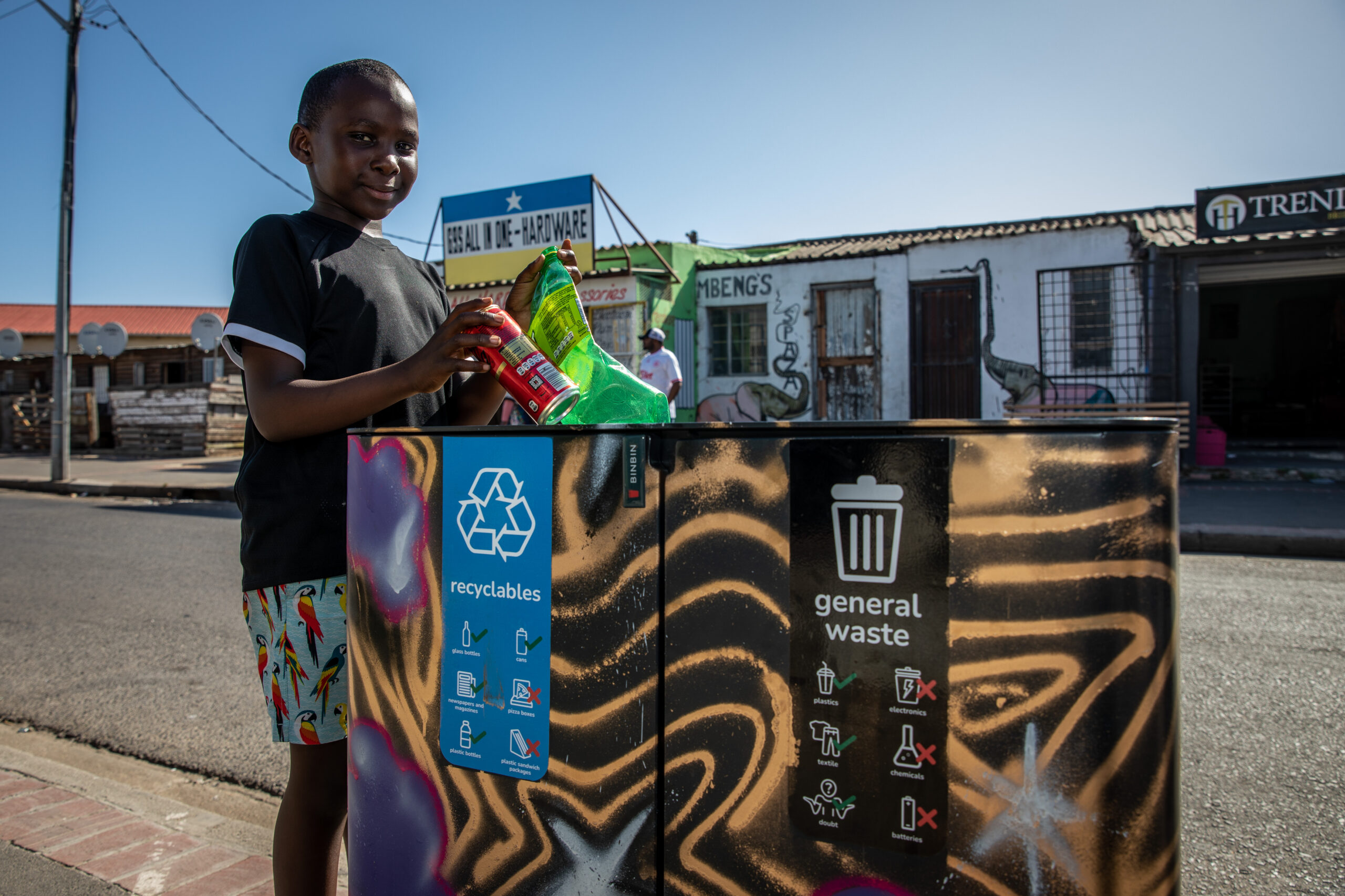
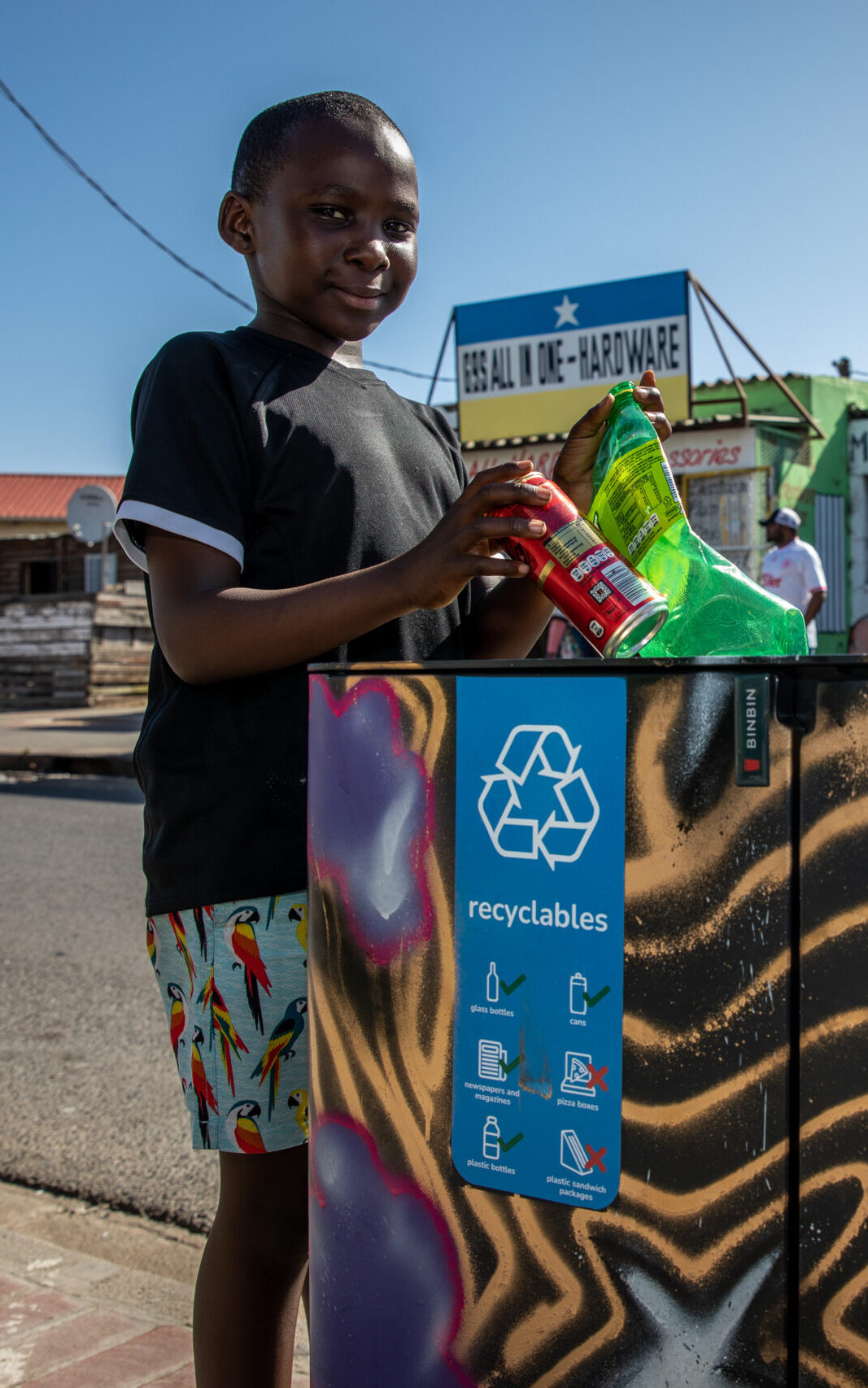
Waste segregation rules require organisations to separate specific waste streams, including paper, plastic, organic waste, and hazardous materials, in accordance with local regulations. Most European countries mandate proper waste separation, with compliance deadlines and significant penalties for non-compliance. Understanding these requirements helps organisations avoid fines while contributing to environmental sustainability.
What are the basic waste segregation requirements by law?
Legal waste segregation requirements mandate that organisations separate recyclable materials from general waste. In most jurisdictions, at least three distinct streams are required: recyclables, organic waste, and residual waste. These regulations stem from EU directives that member states have implemented with varying timelines and specific requirements.
The fundamental legal framework centres on the waste hierarchy principle, which prioritises prevention, reuse, recycling, recovery, and disposal—in that order. Organisations must demonstrate compliance through proper separation systems, staff training, and documentation of waste streams.
Key regulatory requirements typically include:
- Mandatory separation of paper, cardboard, plastic, glass, and metals
- Separate collection of organic waste in many jurisdictions
- Proper handling and disposal of hazardous materials
- Regular reporting on waste volumes and disposal methods
- Staff training and awareness programmes
Compliance deadlines vary by country and organisation size, with larger businesses often facing stricter requirements and earlier implementation dates. Many regulations include phase-in periods to allow organisations time to establish proper systems.
Which types of waste must be separated in office environments?
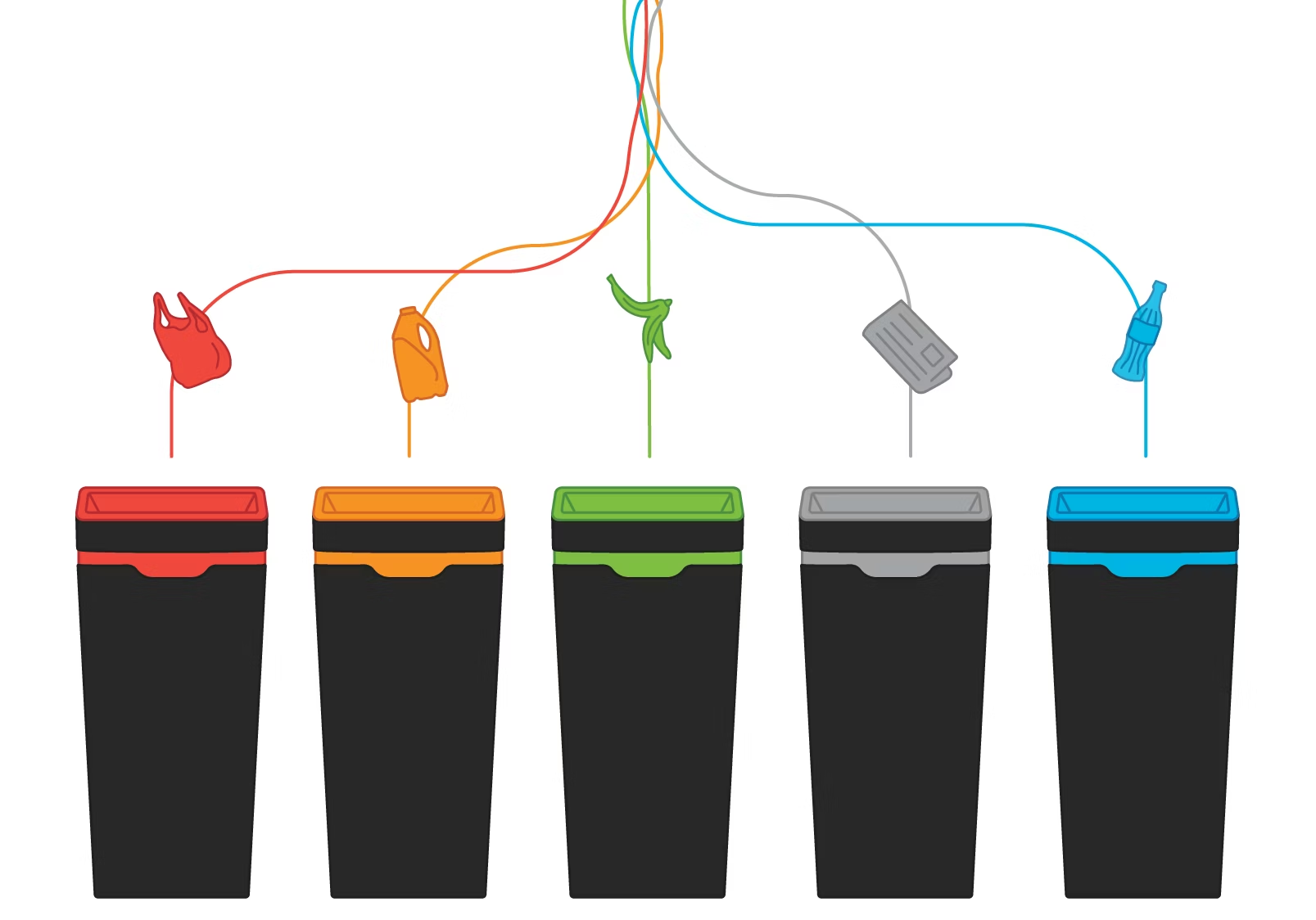
Office environments must typically separate paper and cardboard, plastic packaging, glass containers, metal items, organic waste, and electronic waste into distinct streams. The specific requirements depend on local regulations, but most jurisdictions mandate separation of at least these core categories.
Paper and cardboard represent the largest waste stream in most offices and require separation from other materials. This includes office paper, newspapers, magazines, and clean cardboard packaging. Paper contaminated with food residue typically cannot be recycled.
Plastic waste separation focuses on packaging materials such as bottles, containers, and food packaging. Different plastic types may require separate collection, depending on local recycling capabilities.
Electronic waste requires special handling due to hazardous components and valuable materials. This includes computers, phones, batteries, and smaller electronic items that cannot go into general waste streams.
Organic waste separation is increasingly mandatory in office environments, particularly for food scraps from canteens and break rooms. Some jurisdictions extend this to include compostable packaging materials.
How do waste segregation rules differ across European countries?
European waste segregation rules vary significantly between countries, with some nations requiring five or more separate waste streams while others mandate only basic separation of recyclables. Germany and Austria lead with the most comprehensive systems, while newer EU members often have simpler requirements and longer compliance timelines.
Germany operates one of Europe's most detailed systems, requiring separation of paper, plastic packaging, glass by colour, organic waste, and residual waste. The country's packaging ordinance places responsibility on producers and requires businesses to participate in dual-system collection.
The Netherlands mandates separation of paper, plastic packaging, organic waste, and residual waste for businesses, with additional requirements for glass and textiles in some municipalities. Implementation focuses on workplace integration with flexible timelines.
France has implemented gradual requirements, including mandatory organic waste separation for businesses producing more than five tonnes annually. The country emphasises education and voluntary compliance before enforcement.
Penalties and enforcement mechanisms differ substantially, with some countries focusing on education and support while others impose immediate financial sanctions for non-compliance.
What are the penalties for non-compliance with waste segregation rules?
Penalties for non-compliance range from warning notices and mandatory training requirements to substantial financial fines that can reach thousands of euros per violation. Repeat offenders face escalating sanctions, including business licence restrictions and public disclosure of violations.
Financial penalties typically follow a tiered structure based on organisation size and the severity of the violation. Small businesses might face fines of €500–€2,000 for initial violations, while large corporations can receive penalties exceeding €10,000 for serious non-compliance.
Beyond immediate financial costs, non-compliance creates several additional risks:
Operational disruptions occur when authorities require immediate system changes or suspend waste collection services until compliance is achieved. This can significantly impact daily business operations.
Reputational damage affects organisations through public reporting of violations and negative publicity. Many jurisdictions publish compliance records, creating long-term brand impact.
Increased waste disposal costs result from contaminated waste streams that require expensive treatment or cannot be processed through standard recycling channels.
Legal liability extends to environmental damage and may include remediation costs if improper waste handling causes contamination or other environmental issues.
How do you implement effective waste segregation in the workplace?
Effective workplace waste segregation requires a systematic approach, starting with a waste stream assessment, followed by infrastructure setup, comprehensive staff training, and ongoing monitoring. Success depends on making separation convenient and intuitive for all employees.
Begin with a thorough waste audit to understand current waste volumes and types. This baseline assessment helps determine required container sizes, placement locations, and separation categories specific to your workplace needs.
Implementation follows these essential steps:
- Install clearly labelled separation containers in convenient locations throughout the workplace
- Develop comprehensive training materials with visual guides and clear instructions
- Conduct mandatory training sessions for all staff members
- Establish monitoring procedures to track compliance and contamination rates
- Create feedback mechanisms to address questions and improve the system
- Schedule regular reviews to optimise container placement and separation effectiveness
Container placement requires strategic thinking about employee behaviour and workflow patterns. High-traffic areas need multiple separation options, while specialised waste streams may require centralised collection points.
Communication remains crucial throughout implementation, with regular updates, success metrics, and recognition programmes helping to maintain engagement and compliance rates.
What common mistakes should organisations avoid with waste segregation?
Common waste segregation mistakes include inadequate staff training, poor container placement, unclear labelling systems, and insufficient monitoring of contamination rates. These errors undermine compliance efforts and can result in regulatory violations or increased disposal costs.
Insufficient training is the most frequent implementation failure. Organisations often assume employees understand separation requirements without providing comprehensive education about what materials go where and why proper separation matters.
Poor container placement creates barriers to compliance when separation bins are inconveniently located or insufficient for actual waste volumes. Employees default to the nearest available container regardless of waste type.
Contamination issues arise when organisations fail to monitor waste streams and address mixing problems promptly. Small amounts of incorrect materials can render entire batches unsuitable for recycling.
Inadequate signage and confusing labelling lead well-intentioned employees to make incorrect separation decisions. Visual guides and clear language appropriate for all staff members prevent many classification errors.
A lack of ongoing support and feedback mechanisms allows problems to persist and compound over time. Regular monitoring and responsive adjustments maintain system effectiveness and employee engagement.
How BINBIN helps with waste segregation compliance
BINBIN provides comprehensive waste segregation solutions that ensure regulatory compliance through modular systems, personalised guidance, and ongoing support. Our approach combines practical infrastructure with expert consultation to create sustainable waste separation that works for your specific workplace needs.
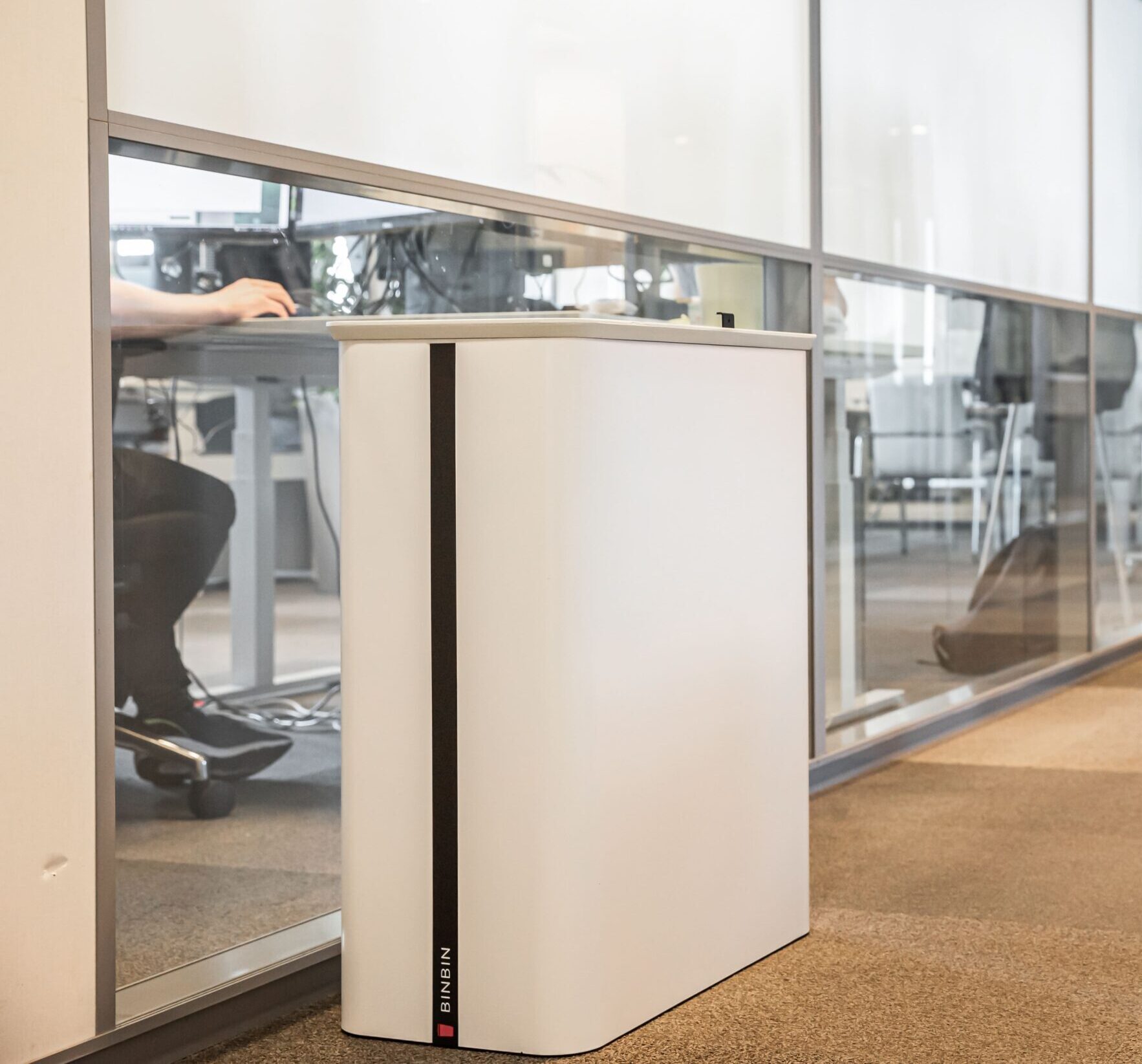
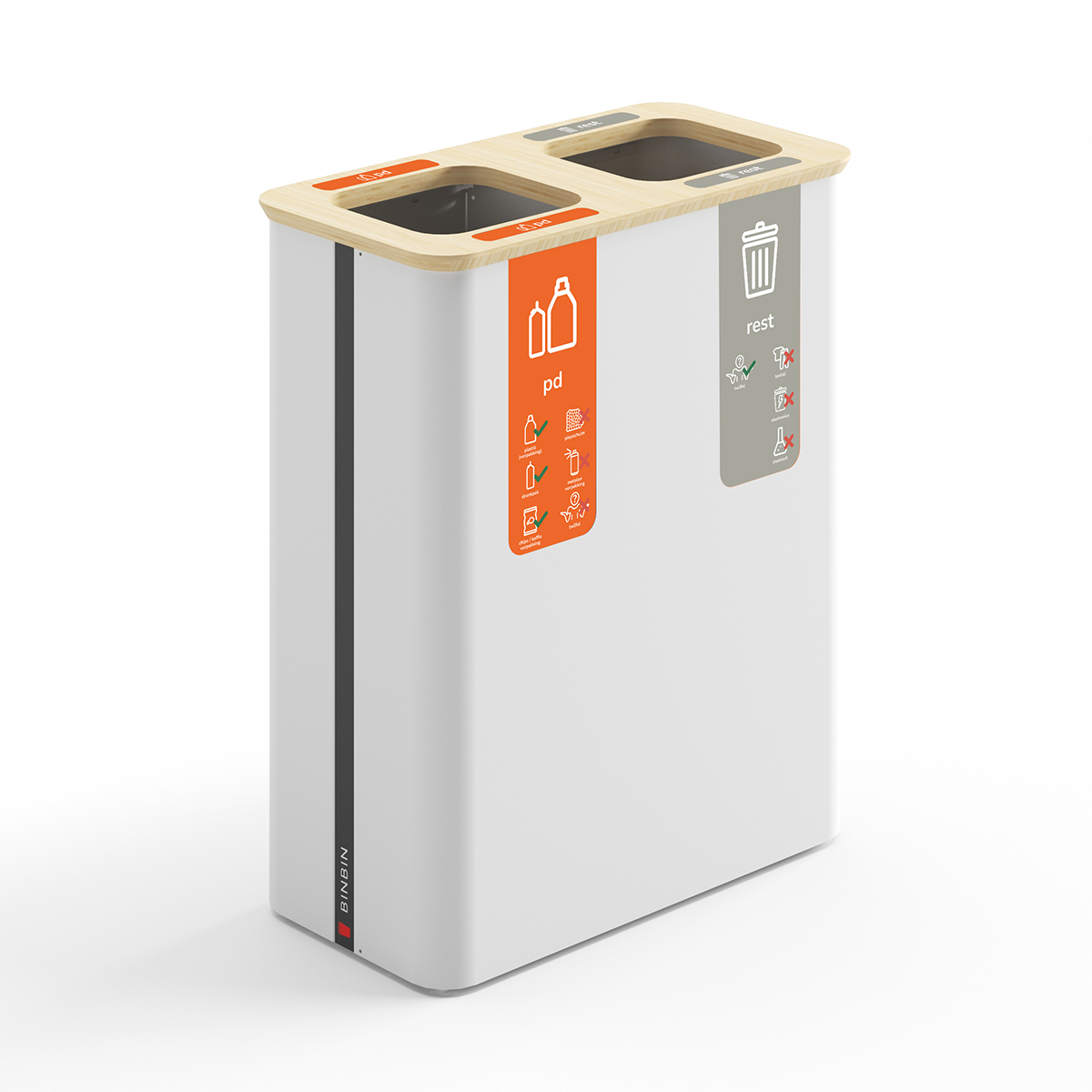
Our modular Globular series adapts to any compliance requirement, allowing separation of 1–8 waste streams with flexible reconfiguration as regulations change. The 99% circular design meets sustainability goals while providing practical functionality.
Our compliance support includes:
- Free workplace assessments to identify specific regulatory requirements
- Customised implementation strategies with staff training materials
- Digital waste analysis to optimise separation effectiveness
- Ongoing consultation for regulatory updates and system improvements
- Communication materials, including pictograms and instructional guides
The modular design means your investment grows with changing requirements rather than requiring complete replacement. Internal splitting capabilities and removable dividers allow instant adaptation to new waste streams or changes in volume.
Ready to ensure compliance with professional waste segregation solutions? Request a trial placement to experience how our systems work in your environment, or get a personalised quote for your specific compliance needs.