The three golden rules of waste management are reduce, reuse, and recycle, forming a hierarchy that prioritises minimising waste generation first, extending product lifecycles second, and processing materials third. These principles form the foundation of sustainable waste strategies for businesses and communities. Understanding how to implement each rule effectively can transform your organisation’s environmental impact while reducing costs.
What are the three golden rules of waste management and why do they matter?
The three golden rules follow a deliberate hierarchy: reduce consumption and waste generation, reuse items for their original or alternative purposes, and recycle materials into new products. This sequence reflects environmental impact efficiency: preventing waste creation has far greater benefits than managing waste after it is produced.
The hierarchy matters because each step down requires more energy and resources. Reduction eliminates waste entirely, avoiding downstream processing costs and environmental impacts. Reuse extends product lifecycles without industrial processing, while recycling requires collection, sorting, and manufacturing processes that consume energy and resources.
Modern businesses benefit significantly from following this hierarchy. Reduction strategies lower purchasing costs and waste disposal fees. Reuse initiatives can generate savings by extending equipment lifecycles and enabling creative repurposing. Proper recycling ensures compliance with regulations while supporting circular economy principles that keep materials in productive use.
How does the 'reduce' principle work in practice?
Waste reduction focuses on preventing waste generation at the source through smarter purchasing decisions, process improvements, and changes in consumption. This principle delivers the highest environmental and economic returns because it eliminates waste entirely rather than managing it after it is created.
Practical reduction strategies include:
- Conducting waste audits to identify major waste streams and their sources
- Implementing digital processes to reduce paper consumption
- Choosing products with minimal packaging or opting for bulk purchasing
- Designing processes that minimise material waste and offcuts
- Training staff on efficient resource use and waste prevention
Organisations can measure reduction success by tracking waste volumes over time, monitoring purchasing patterns, and calculating cost savings from reduced disposal fees. The key lies in addressing the causes of waste rather than the symptoms, creating systemic changes that prevent waste generation throughout operations.
What's the difference between reusing and recycling in waste management?
Reusing involves using items again for their original purpose or finding new applications without processing, while recycling breaks down materials to create new products through industrial processes. Reuse maintains an item’s current form and extends its functional life, whereas recycling transforms materials into different products.
Reuse strategies work particularly well for office furniture, equipment, containers, and packaging materials. Items can serve their original function longer through proper maintenance, or find new purposes—for example, using glass jars for storage or repurposing shipping boxes for organisation. This approach requires no industrial processing and delivers immediate cost benefits.
Recycling becomes appropriate when items can no longer serve a useful purpose in their current form. Paper, plastics, metals, and electronics can be processed into raw materials for manufacturing new products. However, recycling requires energy for collection, sorting, cleaning, and reprocessing, making it less environmentally efficient than reuse.
The decision between reusing and recycling depends on an item’s condition, safety considerations, and available applications. Prioritise reuse when items remain functional and safe, moving to recycling only when reuse options are exhausted.
Why is proper waste separation crucial for effective recycling?
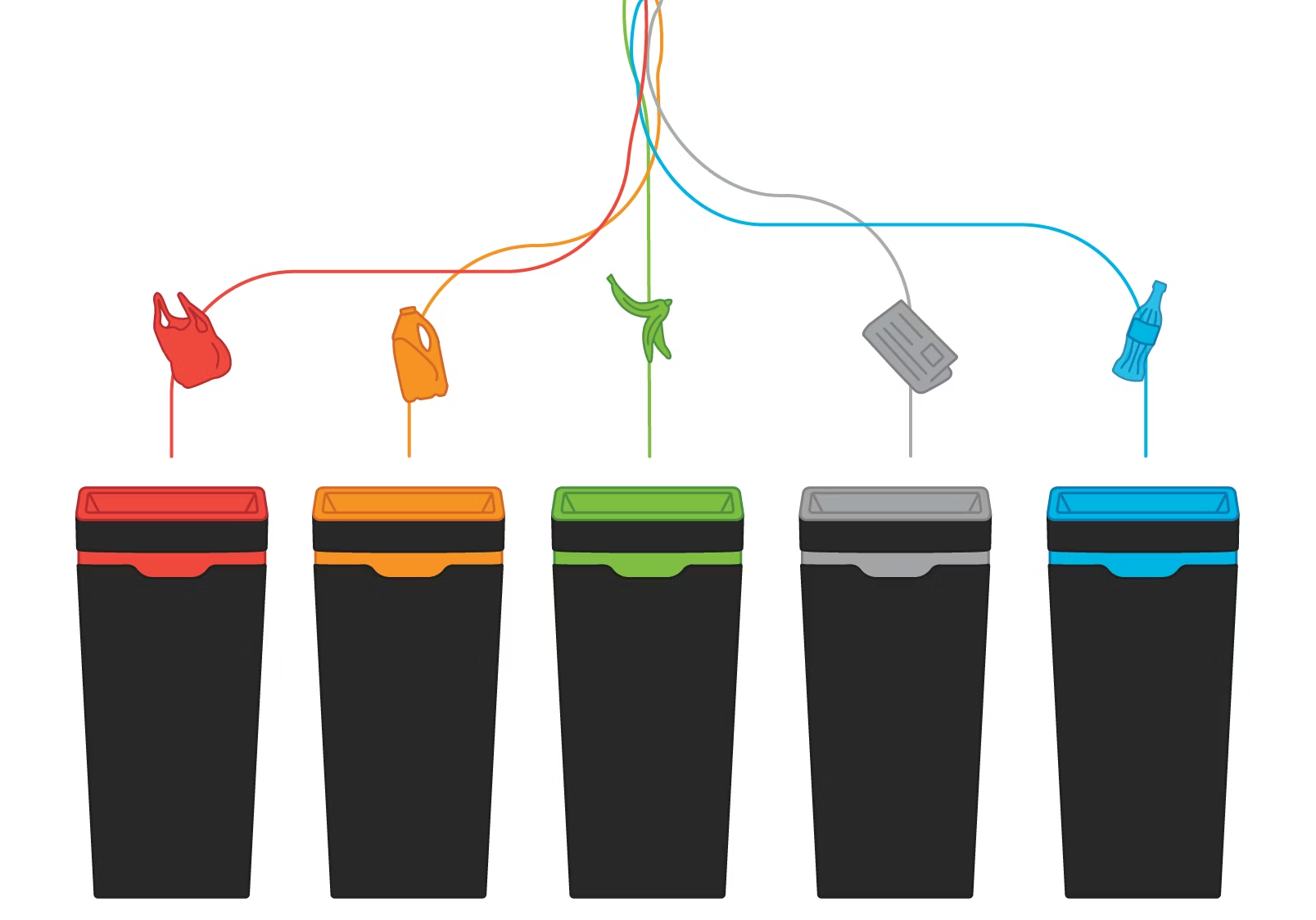
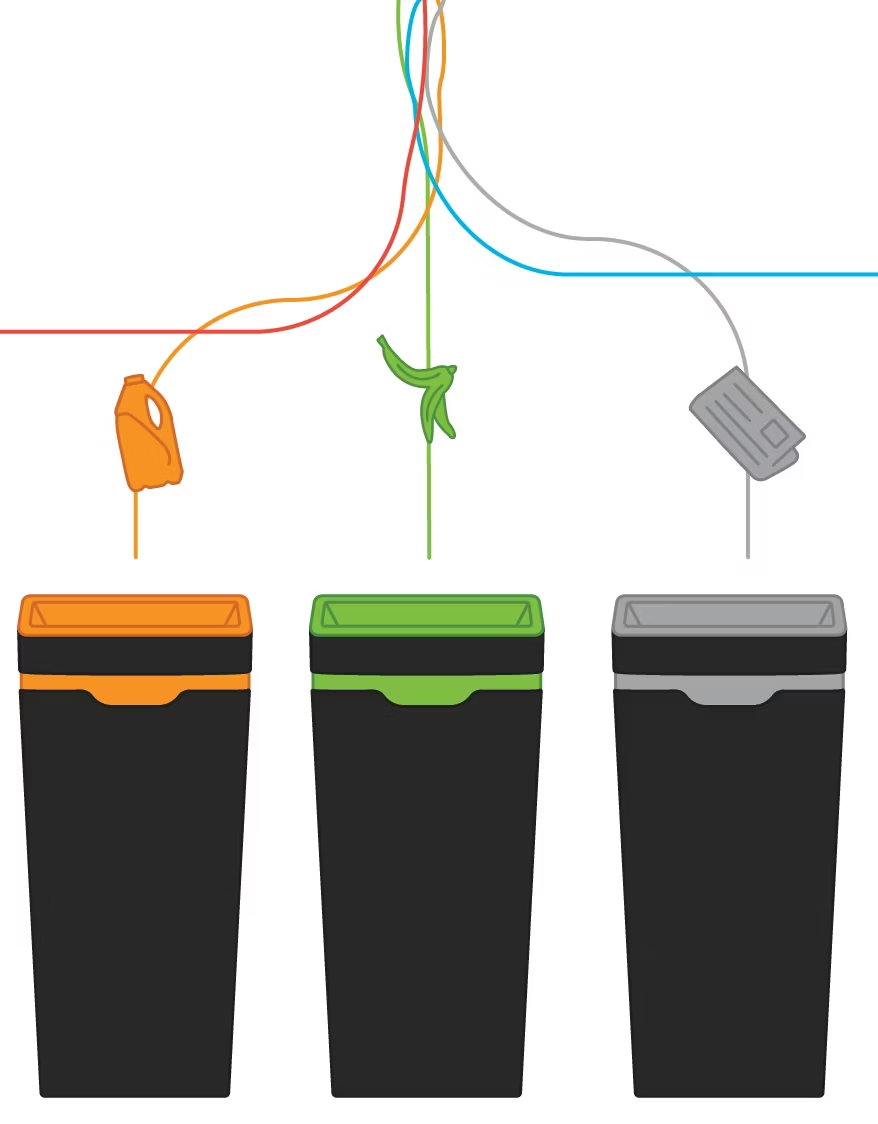
Proper waste segregation ensures recycling processes can recover maximum value from materials while preventing contamination that renders entire batches unusable. Clean, separated waste streams maintain material quality and reduce processing costs, making recycling economically viable for waste management companies.
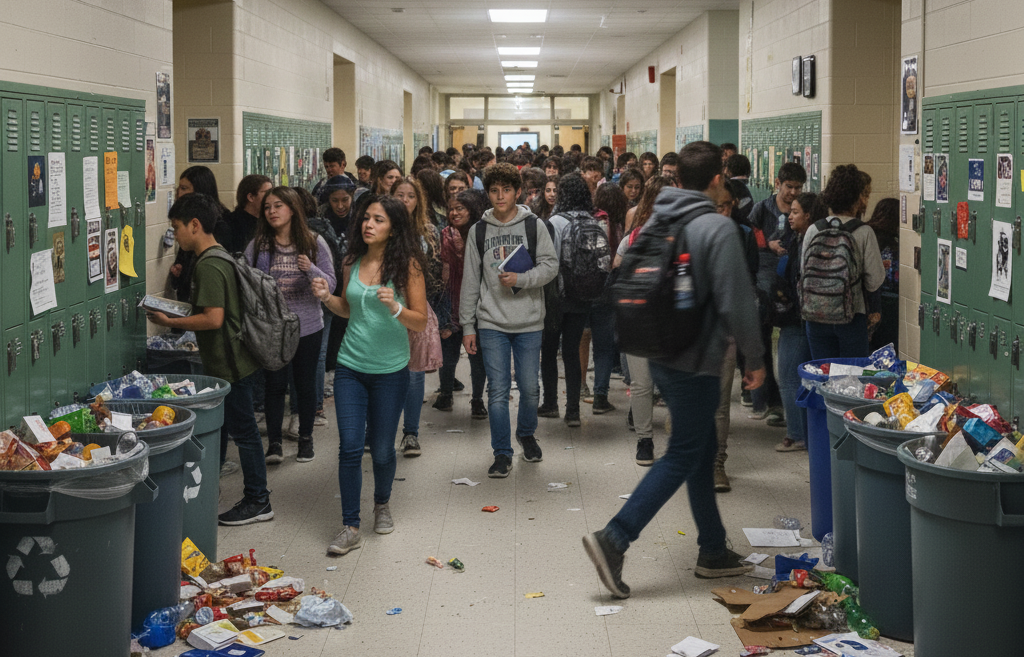
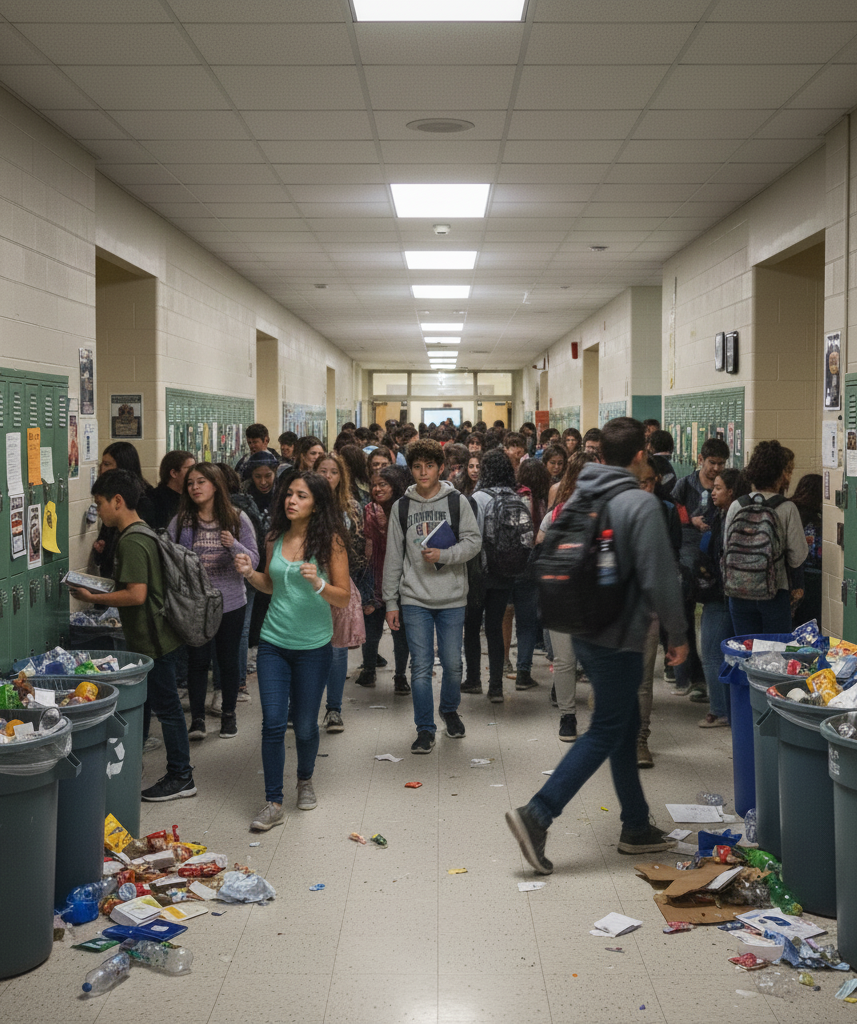
Contamination poses the biggest threat to recycling effectiveness. Food waste mixed with paper makes the paper unrecyclable. Incorrect plastics in recycling streams can damage processing equipment. Non-recyclable items require manual sorting, increasing costs and reducing efficiency throughout the recycling chain.
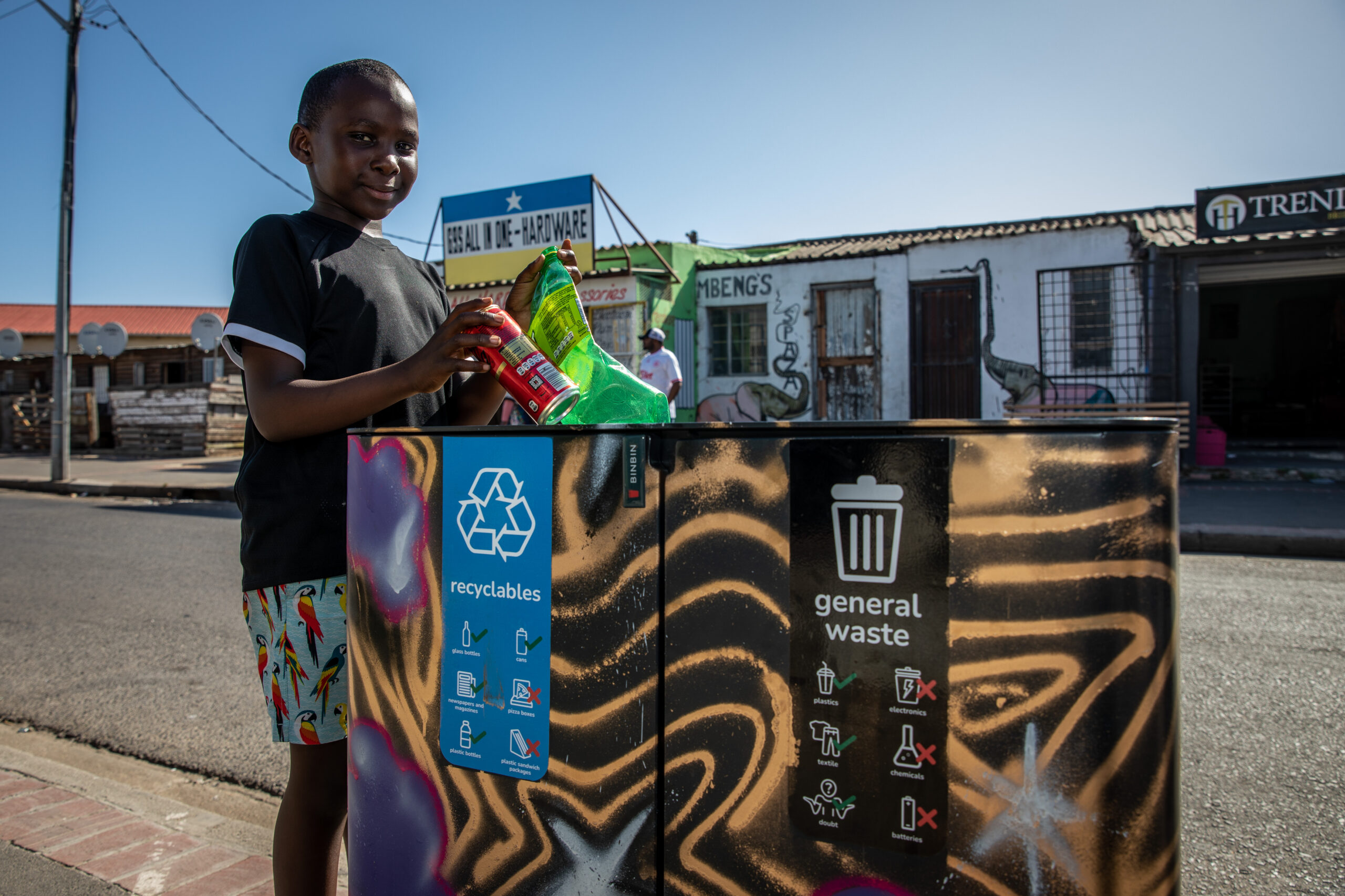
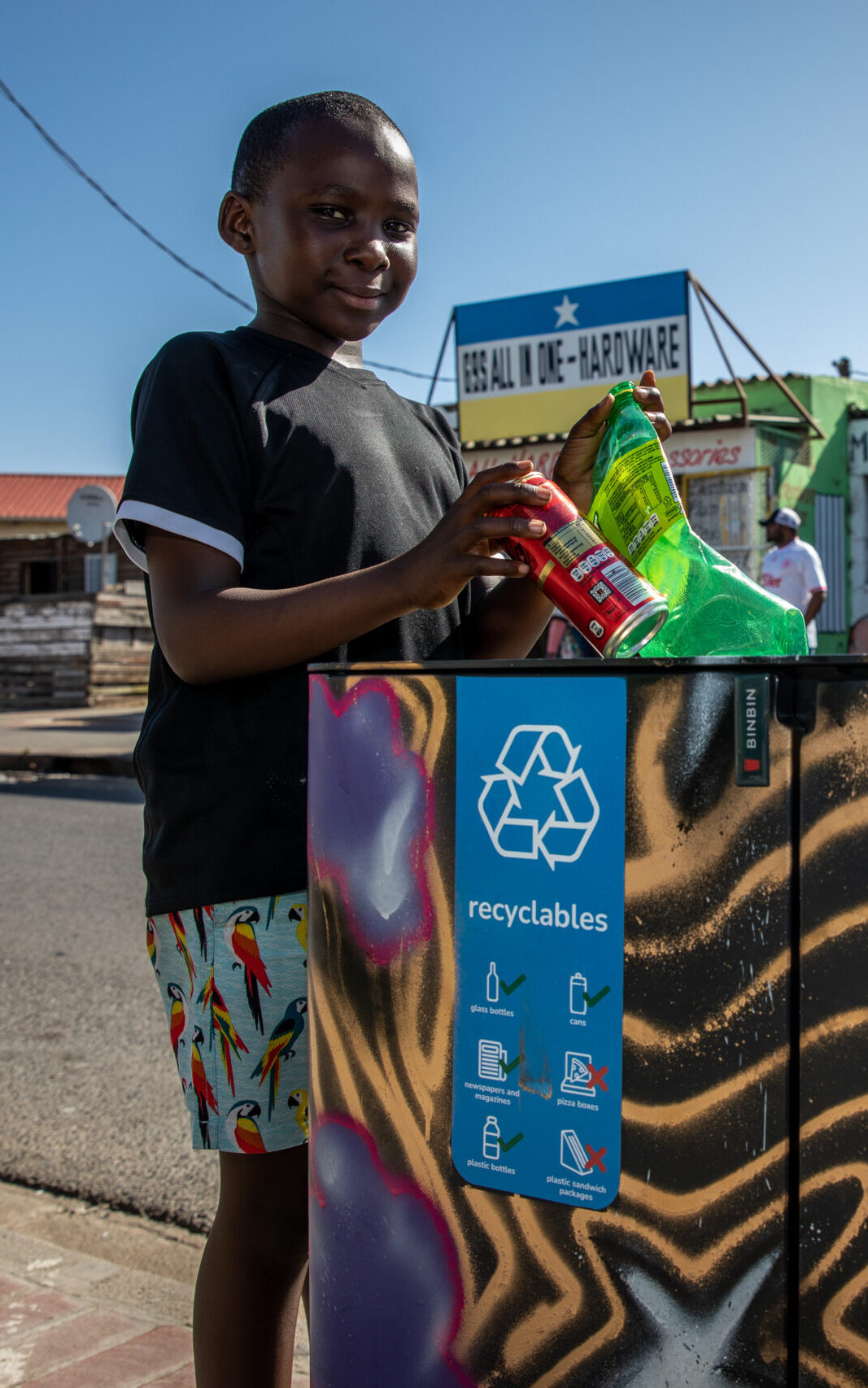
Effective waste segregation systems require clear labelling, appropriate container placement, and staff training. Each waste stream needs dedicated collection points with visual guides showing acceptable materials. Regular monitoring ensures compliance and identifies areas that need additional support or education.
Quality separation creates valuable material streams that command higher prices from recycling facilities. Clean aluminium, separated plastics, and uncontaminated paper can generate revenue while supporting circular economy principles that keep materials in productive use rather than sending them to landfill.
How do businesses implement the three golden rules effectively?
Successful implementation requires systematic assessment of current waste patterns, employee engagement strategies, and measurement systems that track progress across all three principles. Businesses need comprehensive approaches that address infrastructure, behaviour change, and continuous improvement.
Implementation follows these key steps:
- Conduct comprehensive waste audits to understand current generation patterns and disposal costs
- Identify reduction opportunities through process analysis and supplier engagement
- Establish reuse programmes for equipment, materials, and packaging within operations
- Install proper segregation systems with clear labelling and convenient access points
- Train employees on waste principles and provide ongoing support for behaviour change
- Monitor progress through regular measurement and adjust strategies based on results
Employee engagement is critical to success. Staff need to understand why waste management matters, receive clear guidance on proper procedures, and get feedback on collective progress. Regular communication, visual reminders, and recognition programmes help maintain momentum and build sustainable habits.
Measurement systems should track waste volumes, disposal costs, recycling rates, and cost savings from reduction and reuse initiatives. This data enables continuous improvement and demonstrates return on investment to stakeholders while identifying areas that need additional focus.
How BINBIN helps with implementing the golden rules of waste management
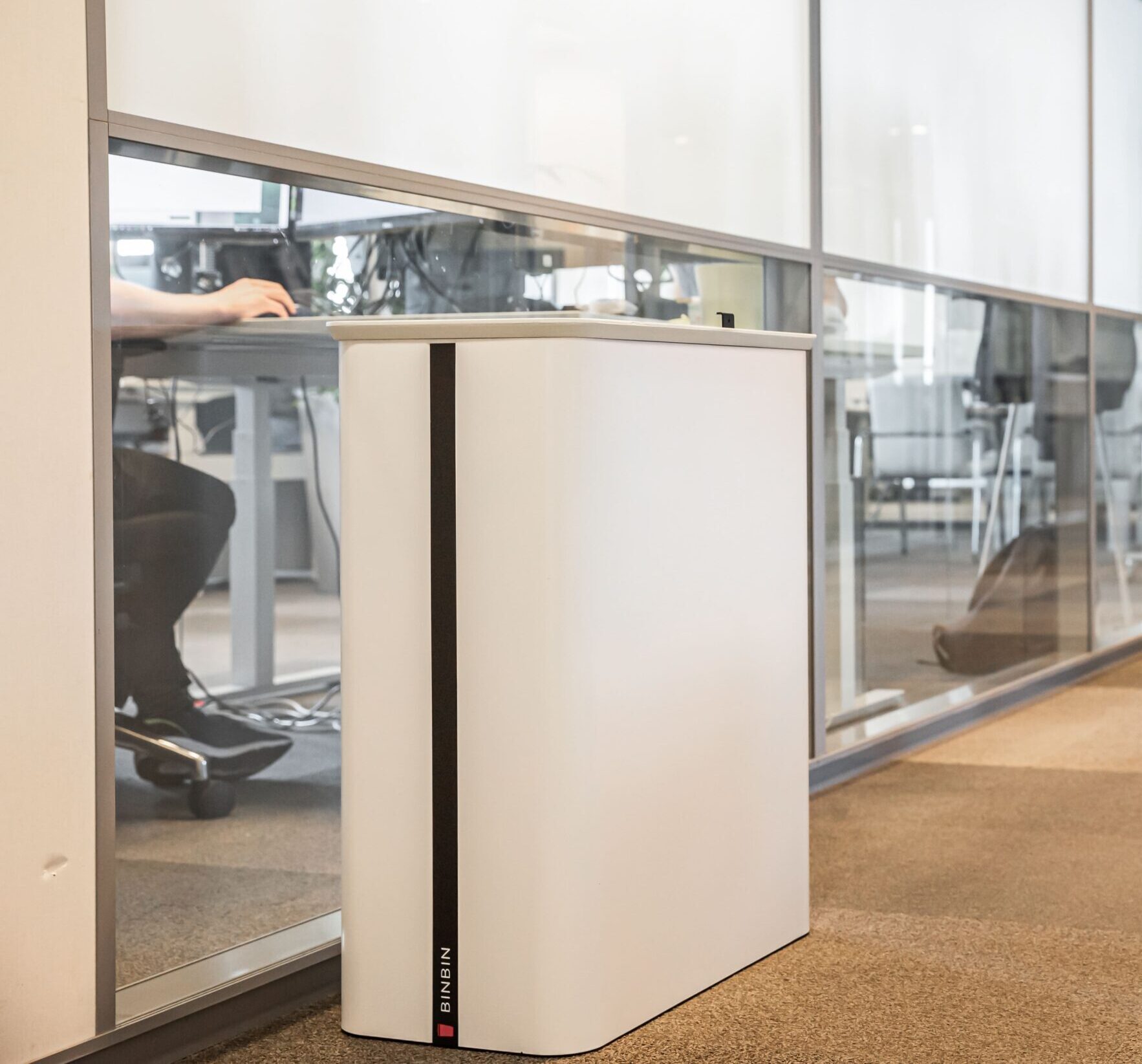
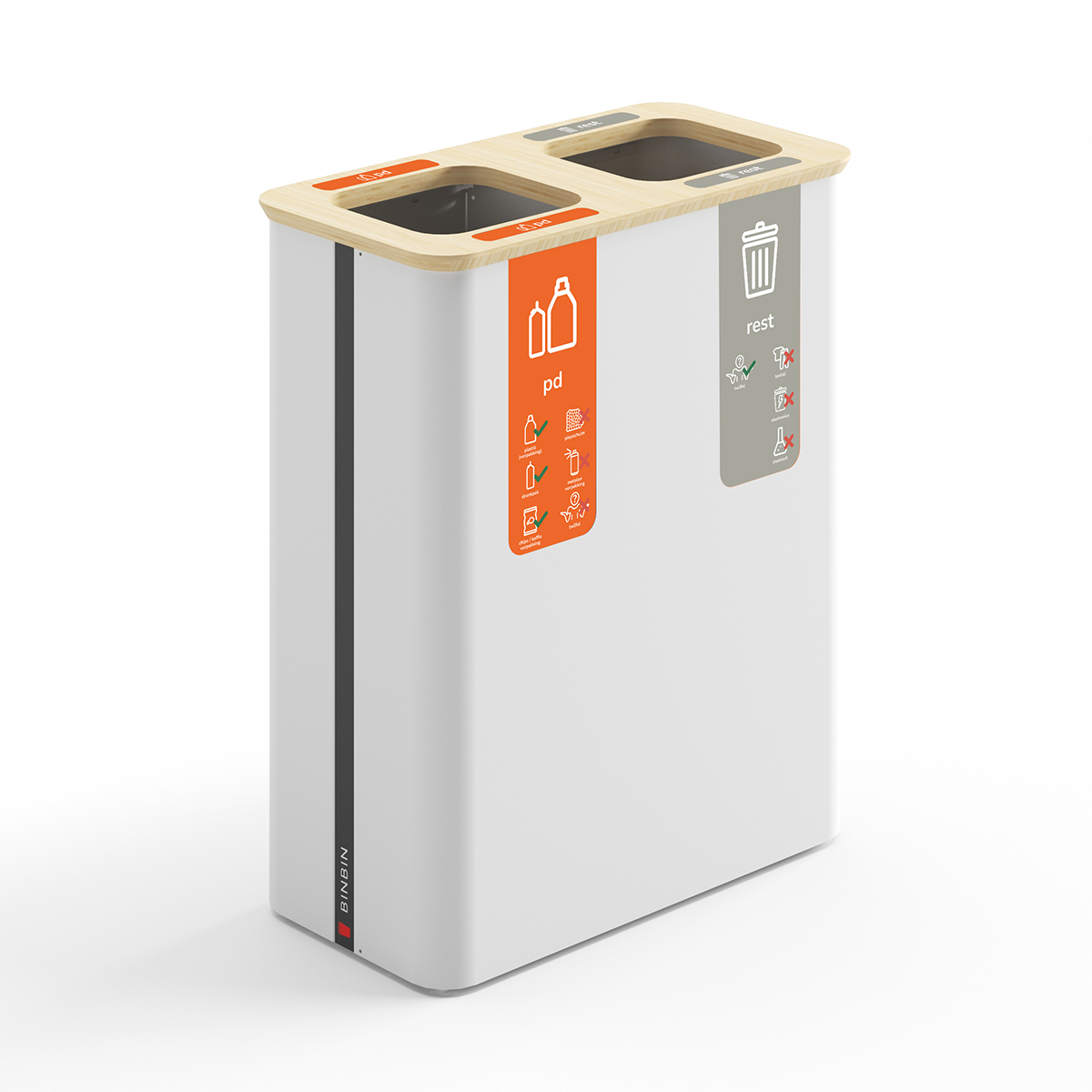
We support all three golden rules through intelligent modular systems that adapt to changing organisational needs while promoting circular economy principles. Our solutions make waste segregation intuitive for employees while providing the flexibility businesses need for effective waste management strategies.
Our approach includes:
- Reduction support: Modular designs that eliminate unnecessary bin purchases and reduce material waste through efficient space utilisation
- Reuse facilitation: 99% circular construction allows components to be reconfigured, shared between locations, or repurposed as needs change
- Recycling optimisation: Clear segregation systems with customisable labelling ensure proper separation and maximum material recovery
- Comprehensive implementation guidance, including waste assessments, communication strategies, and ongoing support
Ready to implement the three golden rules effectively in your organisation? Start with a trial placement to see how proper waste segregation systems can transform your sustainability efforts, or request a customised quote for a comprehensive solution tailored to your specific needs.