The three fundamental rules of waste management are Reduce, Reuse, and Recycle—commonly known as the waste hierarchy. These principles prioritise waste prevention first, followed by extending material lifecycles, and then processing materials into new products. This systematic approach minimises environmental impact whilst maximising resource efficiency across all sectors, including school environments.
What are the three fundamental rules of waste management?
The three fundamental rules form a hierarchical system in which Reduce takes priority, followed by Reuse, and then Recycle. This waste hierarchy guides decision-making by addressing waste at its source before considering disposal alternatives.
The "Reduce" principle focuses on preventing waste generation through conscious consumption choices, improved product design, and efficient resource utilisation. This approach delivers the greatest environmental benefit because it eliminates the need for subsequent waste processing entirely.
"Reuse" extends the original purpose of materials and products without additional processing. This maintains the item's current form whilst avoiding the energy and resources required for recycling.
"Recycle" transforms waste materials into new products through various processing methods. Whilst valuable for material recovery, recycling requires energy input and may result in material quality degradation over time.
The hierarchical order ensures maximum environmental impact reduction. Each step down the hierarchy typically involves increased energy consumption and reduced efficiency, making prevention and reuse preferable to recycling whenever possible.
How does the 'reduce' principle work in practice?
The reduce principle eliminates waste at its source through prevention strategies, consumption optimisation, and design improvements. Organisations implement reduction by choosing durable products, eliminating unnecessary packaging, and adopting digital alternatives to paper-based processes.
Practical reduction strategies include:
- Purchasing only necessary quantities to prevent excess inventory
- Selecting products with minimal or recyclable packaging
- Implementing digital document management systems
- Choosing reusable items over single-use alternatives
- Optimising processes to minimise material consumption
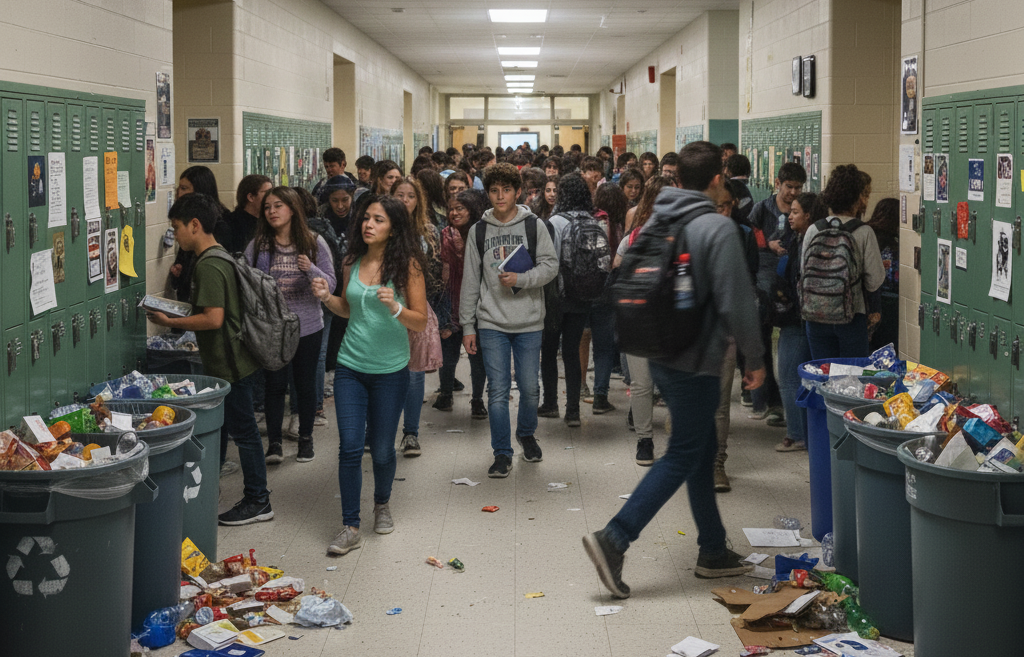
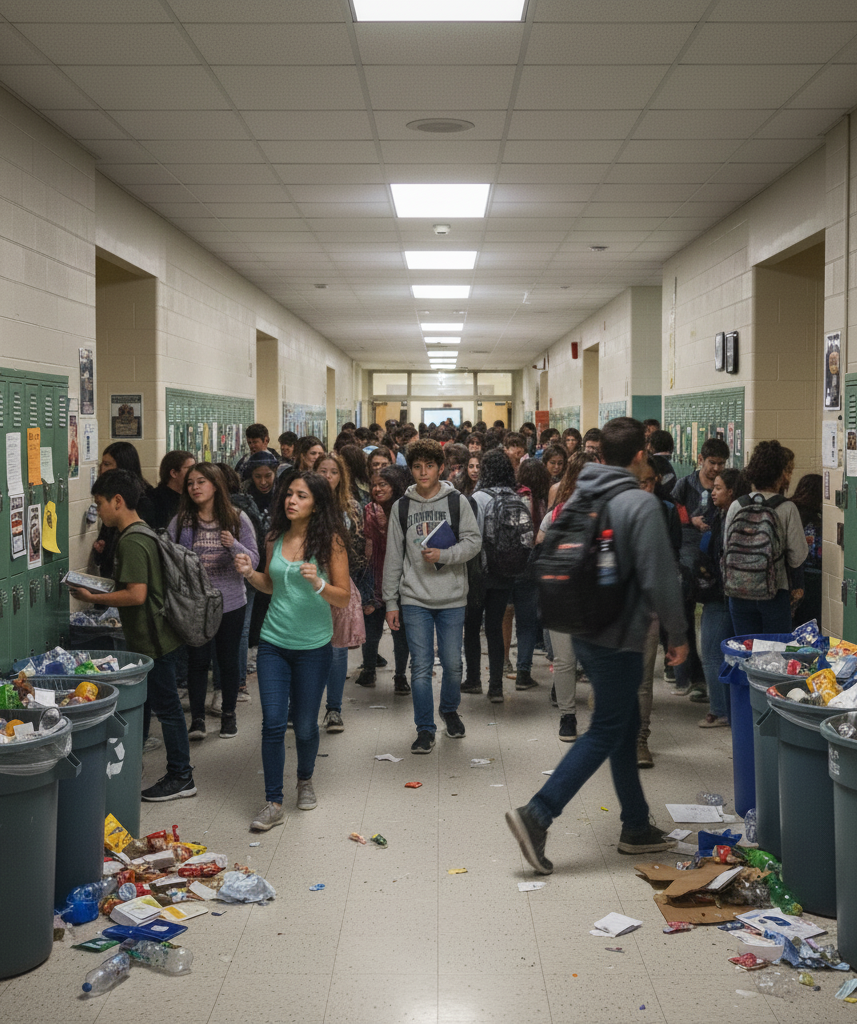
Design improvements contribute significantly to waste reduction. Products designed for durability, repairability, and modularity extend lifecycles whilst reducing replacement frequency. This approach proves particularly effective in educational settings, where school waste management programmes benefit from reduced material consumption.
Consumption optimisation involves analysing usage patterns and adjusting purchasing decisions accordingly. Regular audits help identify waste streams that can be eliminated entirely rather than managed through downstream processes.
What's the difference between reusing and recycling materials?
Reusing keeps materials in their original form for the same or different purposes, whilst recycling breaks down materials to create new products. Reuse requires minimal energy input, whereas recycling involves collection, sorting, processing, and manufacturing stages.
Reuse examples include repurposing glass jars for storage, using cardboard boxes multiple times, or refurbishing furniture for continued use. These applications maintain the material's current structure and properties without additional processing.
Recycling transforms materials through mechanical or chemical processes. Paper recycling pulps fibres to create new paper products, whilst plastic recycling melts materials for reformation. Each recycling cycle may reduce material quality, limiting the number of times a material can be reprocessed.
Environmental benefits differ significantly between approaches. Reuse eliminates the transportation, processing energy, and manufacturing emissions associated with producing replacement products. Recycling provides environmental benefits compared to virgin material production but requires substantial energy input for processing operations.
Priority should favour reuse when materials remain functional or can serve alternative purposes effectively. Recycling becomes appropriate when reuse options are exhausted or when materials have degraded beyond practical reapplication.
Why is proper waste separation essential for effective management?
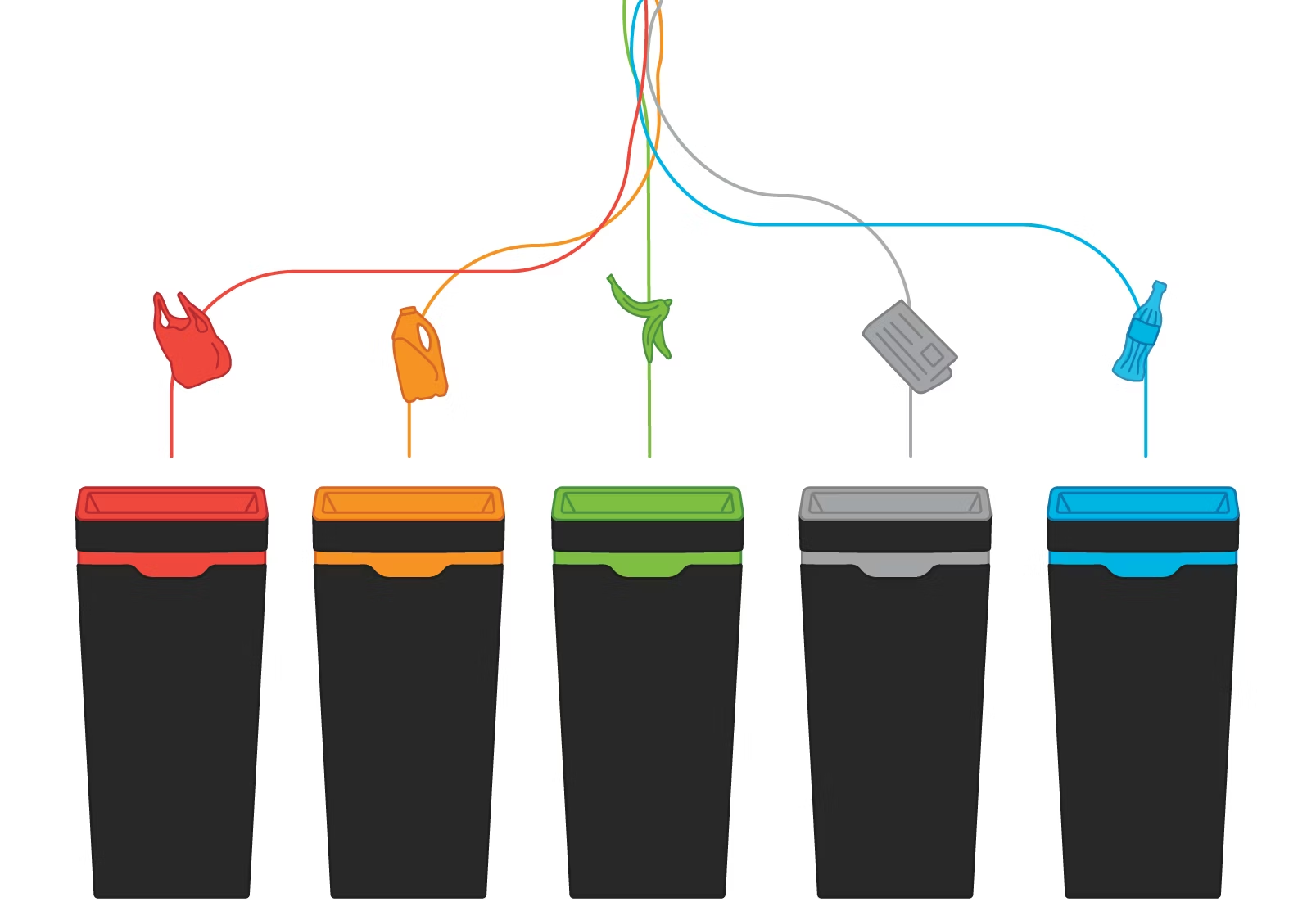
Proper waste separation enables the three Rs by preventing contamination, improving collection efficiency, and supporting recycling infrastructure. Contaminated waste streams often require disposal rather than recovery, undermining circular economy principles and increasing processing costs.
Separation prevents cross-contamination between waste streams. Food waste mixed with recyclable paper can render the entire batch unsuitable for recycling. Similarly, hazardous materials can contaminate otherwise recoverable materials, forcing entire loads into disposal rather than recovery processes.
Collection efficiency improves dramatically with proper separation. Pre-sorted materials reduce processing time and costs at recovery facilities. This efficiency translates into improved economic viability for recycling programmes and reduced collection costs for organisations.
Effective separation supports circular material flows by ensuring consistent, high-quality inputs for recycling processes. Clean, well-separated materials produce higher-quality recycled products, maintaining material value through multiple lifecycle iterations.
Educational environments particularly benefit from systematic separation approaches. School waste management programmes that emphasise proper sorting create learning opportunities whilst improving material recovery rates across the institution.
How do modern organisations implement the three waste management rules?
Modern organisations implement the waste hierarchy through systematic approaches that combine policy development, infrastructure investment, and employee engagement strategies. Compliance requirements drive initial implementation, whilst cost savings and sustainability goals sustain long-term commitment.
Implementation typically follows this progression:
- Conduct waste audits to identify current streams and volumes
- Develop policies prioritising reduction and reuse opportunities
- Install appropriate separation and collection infrastructure
- Train employees on proper waste management practices
- Monitor performance and adjust strategies based on results
Employee engagement is critical for successful implementation. Clear communication about separation requirements, visible infrastructure placement, and regular feedback on performance help embed proper practices into daily routines.
Technology integration supports modern waste management through digital tracking systems, smart bins with sensors, and data analytics for optimisation. These tools provide real-time insights into waste generation patterns and separation effectiveness.
Compliance with regulatory requirements provides the framework for implementation, whilst economic benefits—through reduced disposal costs and potential revenue from recovered materials—justify continued investment in comprehensive programmes.
How BINBIN helps with implementing effective waste management rules
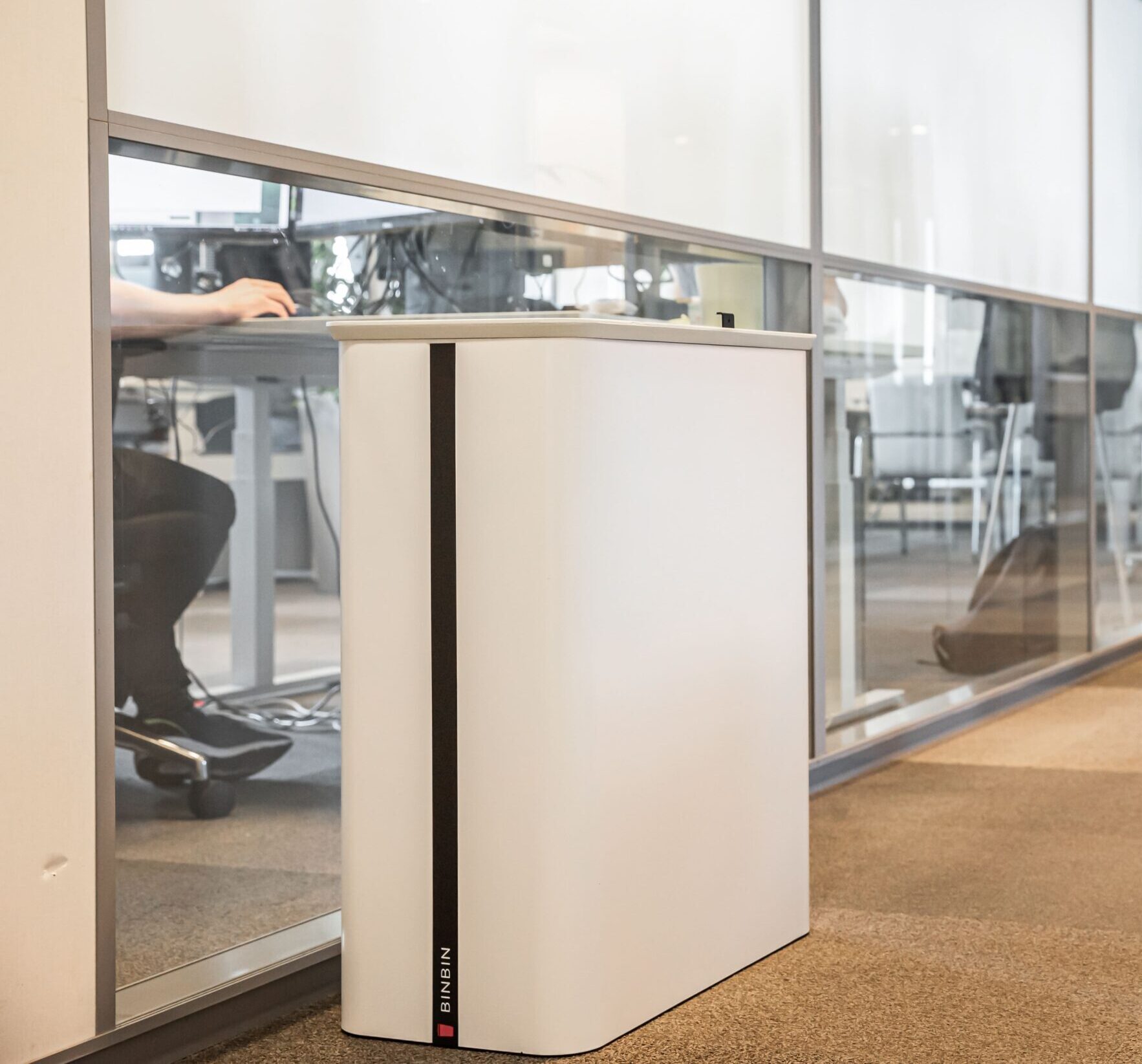
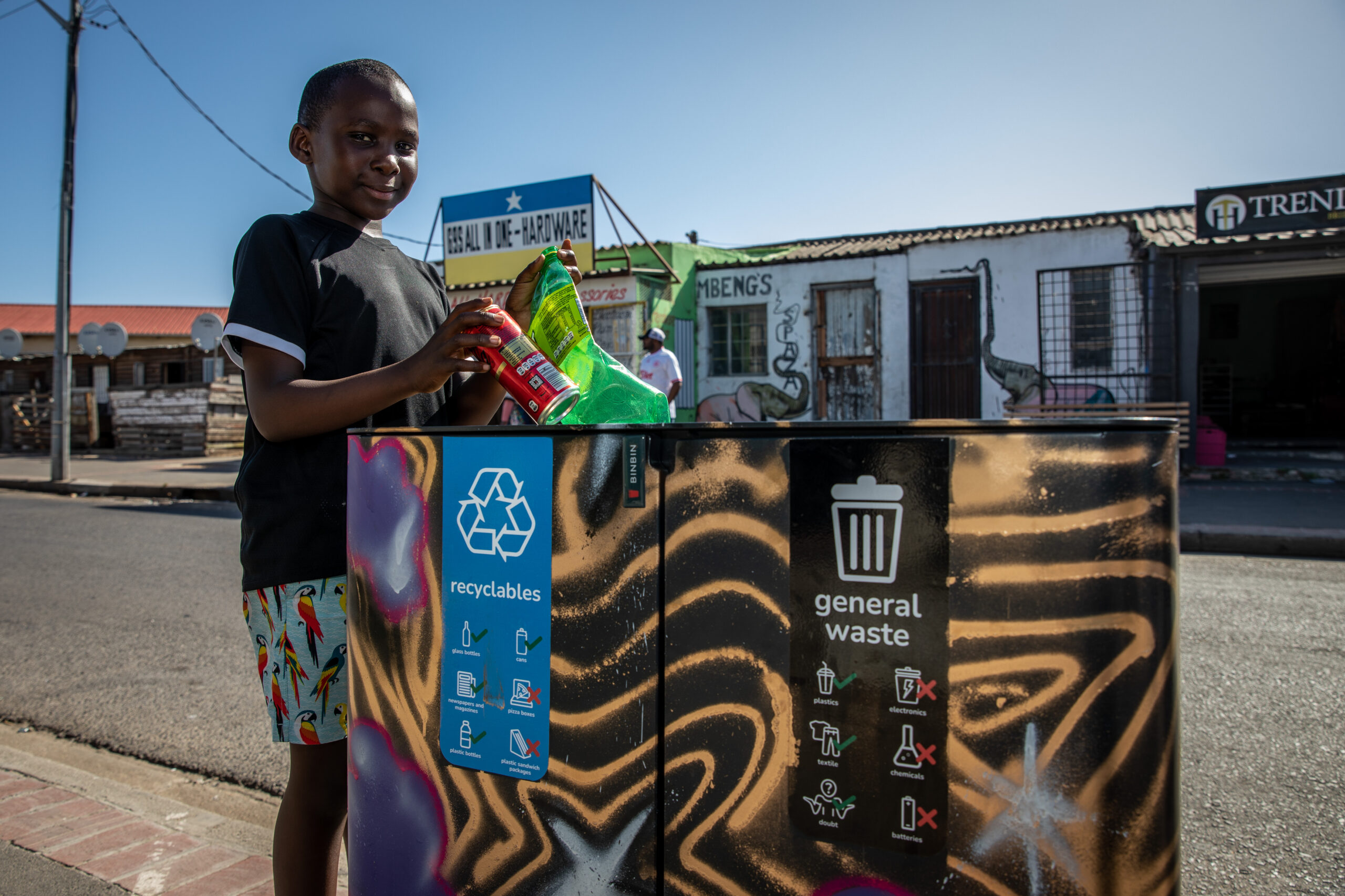
We provide modular waste separation solutions that directly support implementation of the three Rs through flexible, intuitive systems designed to optimise user engagement and support compliance.
Our solutions enable effective implementation of the waste hierarchy through:
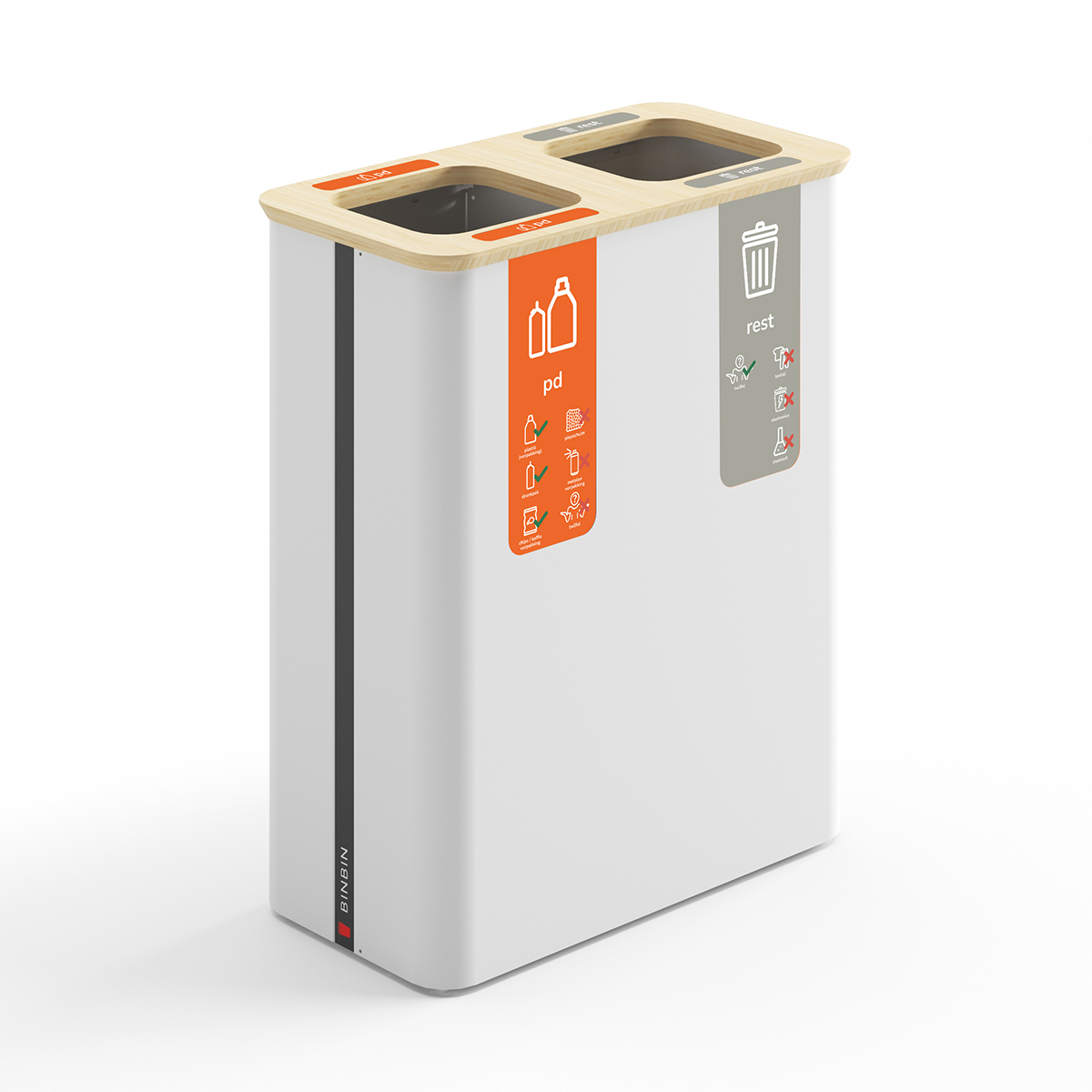
- Modular designs allowing separation of 1–8 waste streams, with easy reconfiguration
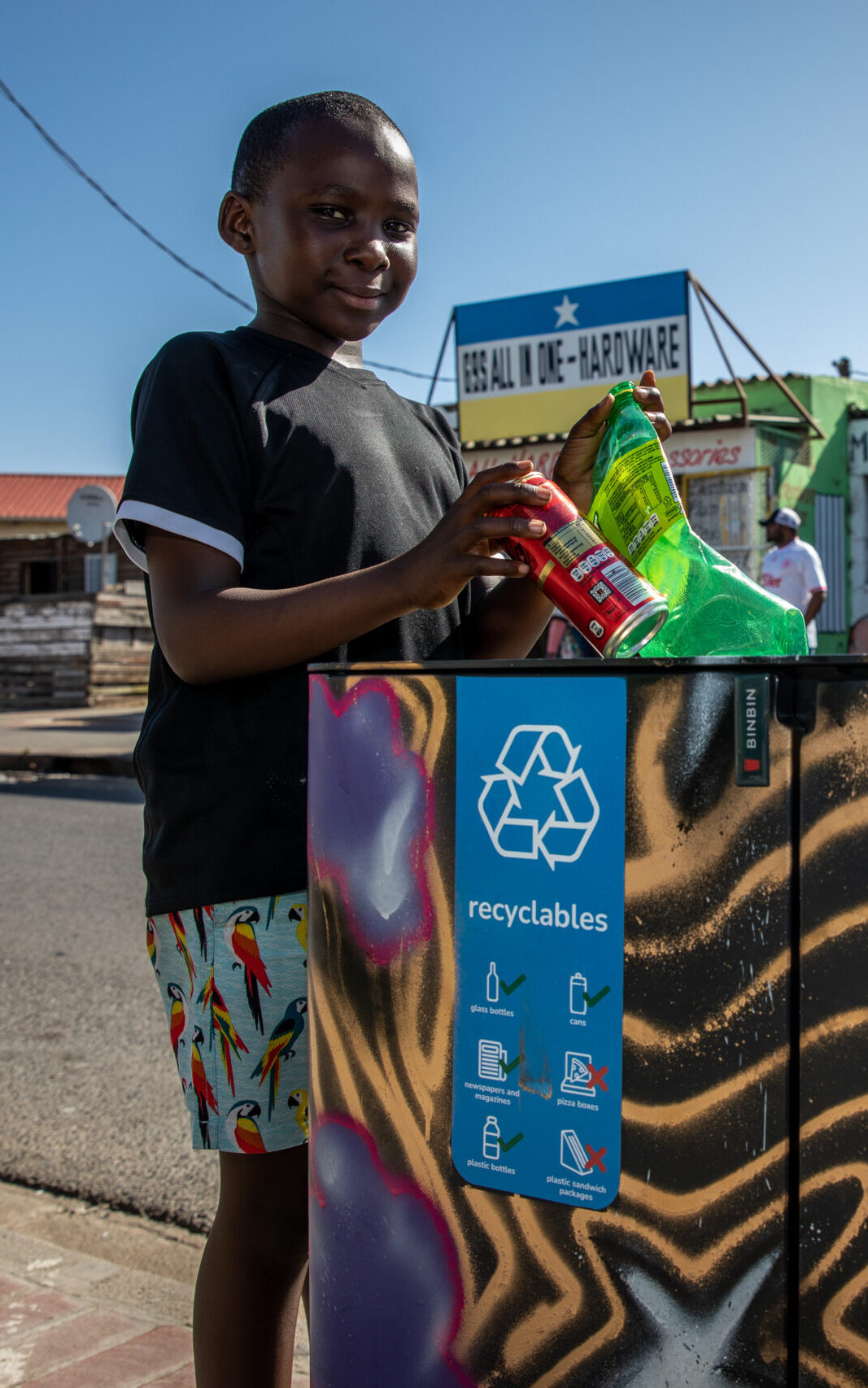
- Clear visual guidance promoting proper separation practices
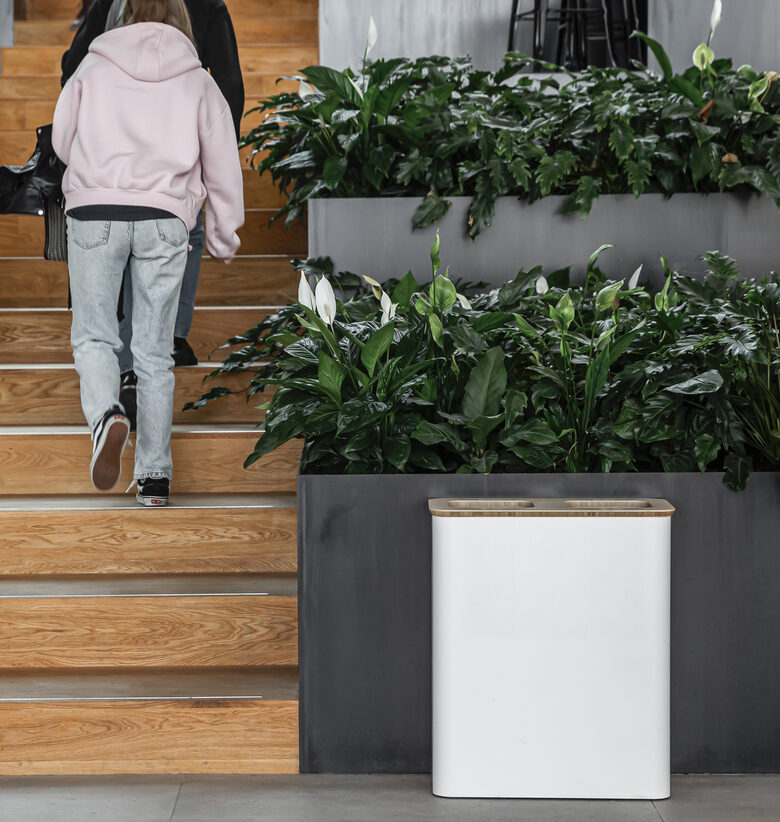
- Stylish aesthetics encouraging employee participation and acceptance
- Durable construction supporting long-term reduction goals
- Comprehensive support, including sector-specific guidance and implementation strategies
We offer personalised consultation and implementation support, helping organisations identify the most effective waste management approach for their specific requirements. Our trial placement programme allows you to test solutions before committing, whilst our comprehensive range of modular systems adapts to changing organisational needs.
Ready to implement effective waste management that supports the three fundamental rules? Request a personalised consultation to discover how our solutions can transform your organisation's approach to waste management whilst ensuring compliance and cost efficiency.