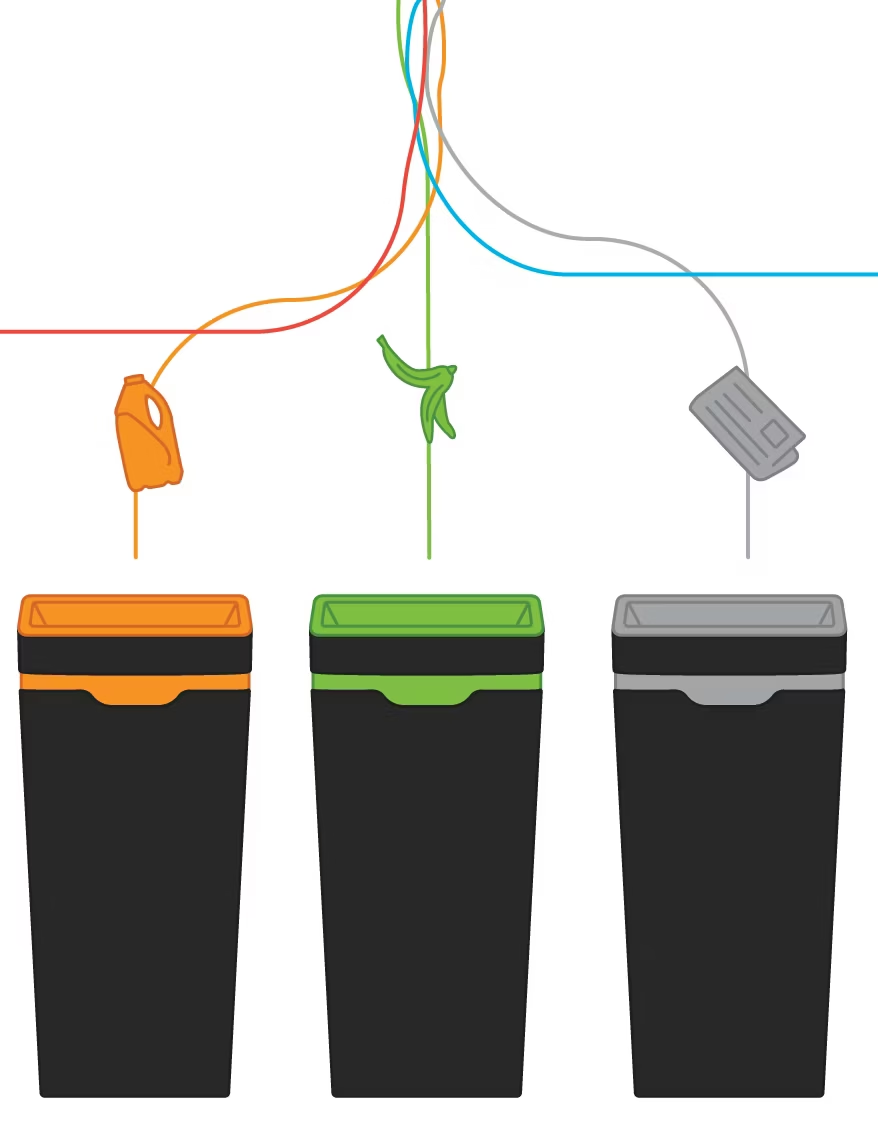
Most medical waste undergoes specialised treatment processes, including autoclaving, incineration, or chemical treatment, before final disposal. Healthcare facilities generate various types of regulated waste that require proper segregation, collection by licensed hauliers, and processing at approved treatment facilities. The entire process is governed by strict regulations to protect public health and the environment while ensuring compliance with federal and state requirements.
What exactly qualifies as medical waste?
Medical waste includes any material generated during healthcare activities that could potentially be infectious or hazardous to human health. This encompasses infectious waste contaminated with blood or body fluids, pathological waste from surgeries, sharps such as needles and scalpels, expired pharmaceuticals, and chemotherapy drugs.
Regulatory agencies classify medical waste into specific categories to ensure proper handling. Infectious waste includes items contaminated with potentially infectious materials, while pathological waste consists of human tissues, organs, and body parts. Sharps represent one of the most dangerous categories due to the risk of injury and potential disease transmission.
Pharmaceutical waste requires separate classification based on toxicity levels. Chemotherapy drugs and other hazardous medications need specialised handling due to their cytotoxic properties. Proper identification matters because different waste types require specific treatment methods and disposal protocols to ensure safety and regulatory compliance.
How is medical waste collected and transported from healthcare facilities?
Medical waste collection begins at the point of generation, where healthcare workers place materials into colour-coded containers designed for specific waste types. Licensed waste management companies collect these containers according to strict scheduling and documentation requirements. The entire process involves proper packaging, labelling, temporary storage, and transportation using specially equipped vehicles.
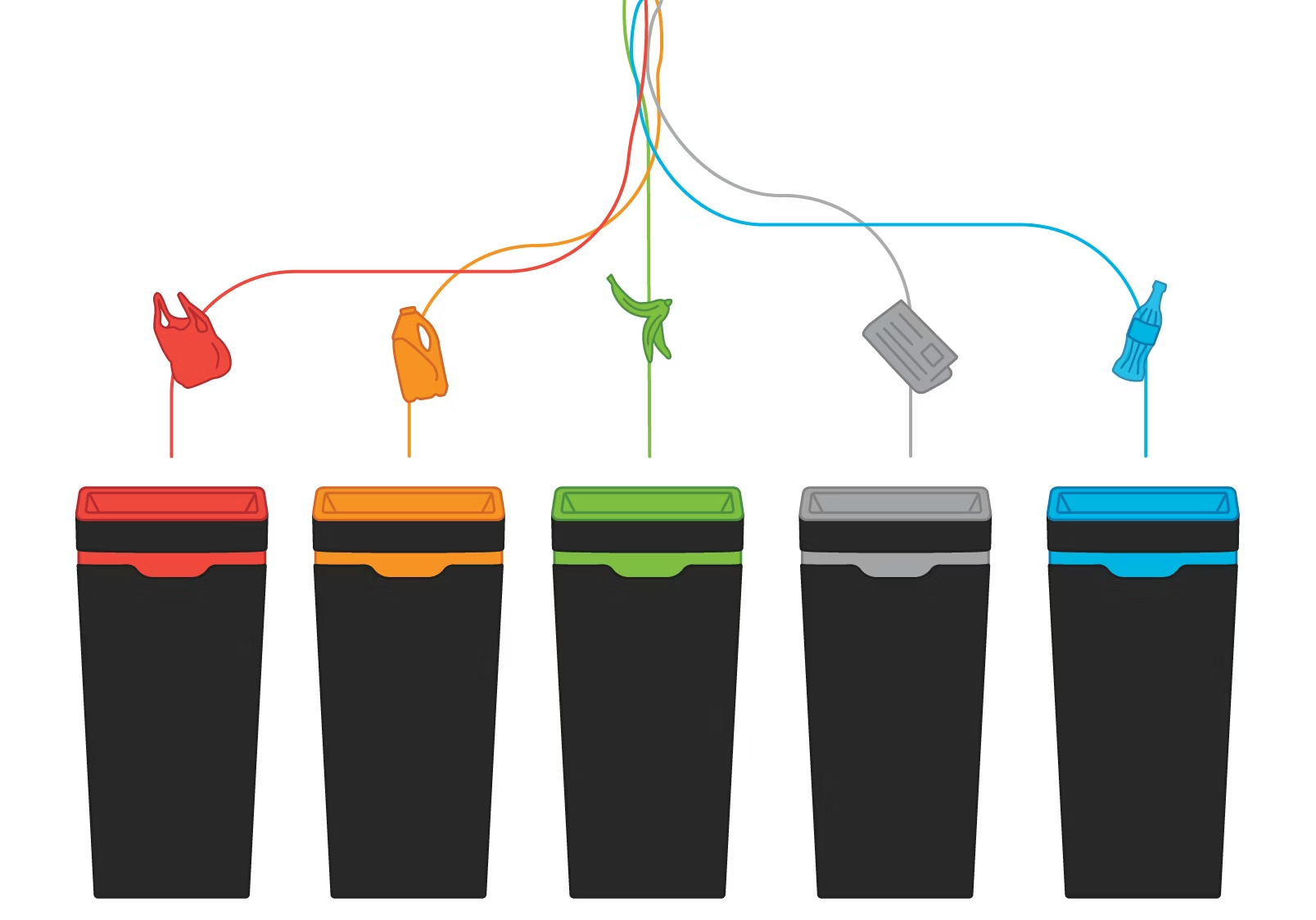
Collection procedures follow a systematic approach, starting with waste segregation at the bedside or in treatment areas. Healthcare staff use red bags for infectious waste, yellow containers for pathological materials, and puncture-resistant sharps containers. Each container must be properly sealed and labelled with the generation date and waste type.
Licensed waste hauliers provide collection services using vehicles designed for hazardous materials transport. These companies maintain detailed manifests tracking waste from generation through final disposal. Storage areas within healthcare facilities must meet specific requirements, including:
- Secure access limited to authorised personnel
- Proper ventilation and temperature control
- Leak-proof flooring and drainage systems
- Regular cleaning and disinfection protocols
Transportation regulations require proper vehicle marking, driver training, and emergency response procedures for potential spills or accidents.
What treatment methods are used to process medical waste?
Medical waste treatment primarily uses four main technologies: autoclaving (steam sterilisation), incineration, microwave treatment, and chemical treatment. Each method effectively destroys pathogens and reduces waste volume, though they differ in environmental impact, cost, and regulatory requirements. The choice depends on waste type, facility capacity, and local regulations.
Autoclaving is the most common treatment method, using pressurised steam at high temperatures to sterilise waste. This process typically operates at 121–134°C for 15–60 minutes, depending on load size and waste type. Treated waste becomes unrecognisable and safe for standard landfill disposal.
Incineration involves high-temperature combustion that completely destroys organic materials while reducing waste volume by up to 90%. Modern incinerators include pollution-control systems to minimise emissions, though environmental concerns have led some regions to restrict this method.
Microwave treatment combines moist heat and steam with mechanical mixing to achieve effective sterilisation. This technology offers environmental advantages over incineration while maintaining treatment effectiveness. Chemical treatment uses antimicrobial solutions to neutralise pathogens, though it is less commonly used due to chemical-handling requirements.
Why is proper medical waste segregation so important?
Proper medical waste segregation ensures worker safety, regulatory compliance, cost management, and environmental protection. Incorrect segregation can lead to needlestick injuries, regulatory violations, increased disposal costs, and potential disease transmission. Effective segregation systems use colour-coded containers and comprehensive staff training to minimise risks.
Worker safety is the primary concern in hospital waste management. Proper segregation prevents dangerous items from ending up in regular trash, where maintenance staff might encounter them unexpectedly. Sharp objects must go into puncture-resistant containers, while infectious materials require leak-proof bags to prevent exposure.
Regulatory compliance depends entirely on proper segregation practices. Healthcare facilities face significant penalties for violations, including improper waste classification, inadequate containment, or mixing regulated waste with regular trash. Compliance requires understanding which materials qualify as medical waste and following specific handling protocols.
Cost management benefits from accurate segregation because medical waste disposal costs significantly more than regular waste. Facilities that properly separate materials avoid paying premium rates for non-regulated items. The segregation process follows these key principles:
- Train all staff on waste categories and container systems
- Place appropriate containers at the point of waste generation
- Implement regular auditing and feedback systems
- Maintain clear labelling and colour-coding standards
- Establish procedures for handling mixed or questionable waste
What regulations govern medical waste disposal?
Medical waste disposal operates under multiple regulatory frameworks, including the Department of Transportation (DOT), the Environmental Protection Agency (EPA), the Occupational Safety and Health Administration (OSHA), and state-specific requirements. These agencies establish standards for classification, handling, treatment, transportation, and disposal, while healthcare facilities must maintain compliance documentation and worker training programmes.
Federal regulations provide the foundation for medical waste management. OSHA's Bloodborne Pathogens Standard requires healthcare employers to protect workers from exposure risks through proper handling procedures, personal protective equipment, and training programmes. The DOT regulates the transportation of medical waste as hazardous materials, requiring specific packaging, labelling, and documentation.
EPA oversight focuses on treatment facility operations and environmental protection. Treatment facilities must obtain permits demonstrating their ability to safely process medical waste without harming air, water, or soil quality. The agency also regulates final disposal methods for treated waste residues.
State regulations often exceed federal requirements, with additional restrictions on storage duration, treatment methods, and facility licensing. Many states require healthcare facilities to register as medical waste generators and maintain detailed records of waste quantities and disposal methods. Some states prohibit certain treatment technologies or mandate specific segregation practices beyond federal requirements.
How BINBIN helps with medical waste management
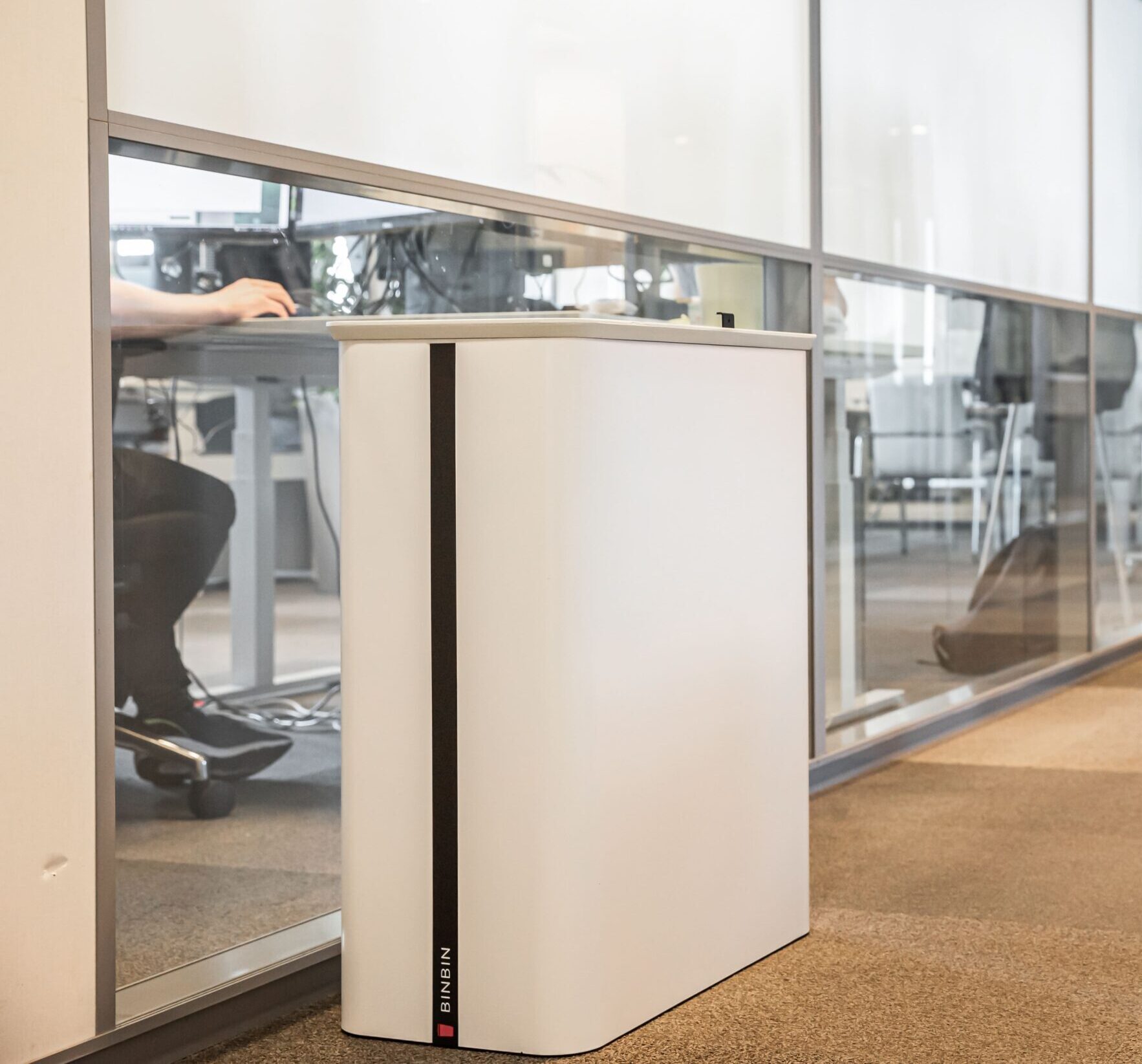
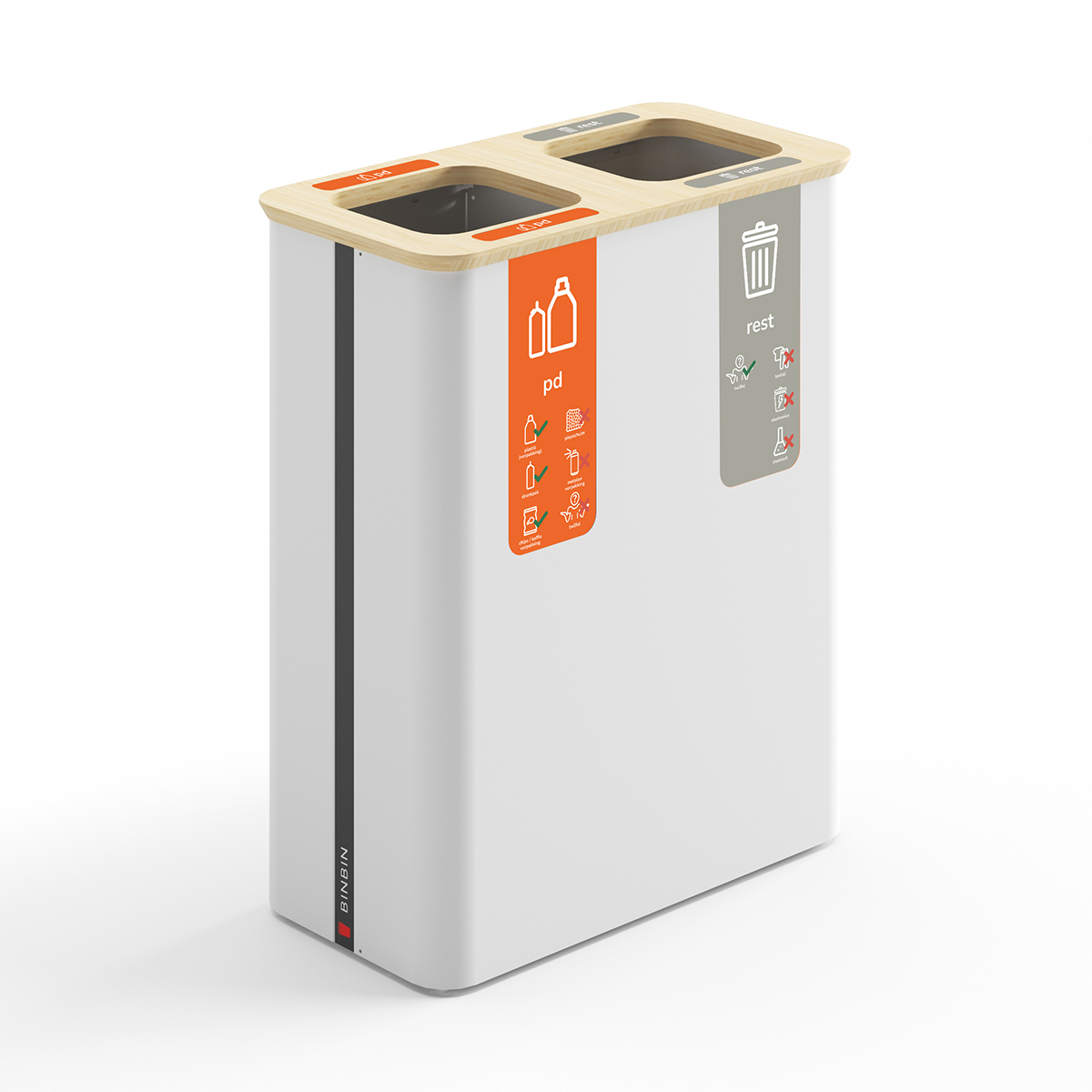
Our modular waste separation systems support proper medical waste segregation in healthcare facilities through customisable configurations that adapt to specific departmental needs. The Globular series enables facilities to separate 1–8 different waste streams while maintaining compliance with colour-coding requirements and safety protocols.
Healthcare facilities benefit from our solutions through improved segregation accuracy, enhanced worker safety, and streamlined compliance management. Our systems feature:
- Modular design allowing easy reconfiguration as needs change
- Clear visual identification supporting proper waste classification
- Durable construction suitable for high-traffic medical environments
- Easy cleaning and maintenance protocols for infection control
Our personalised consultation service includes facility assessments to identify optimal placement locations and configuration options. We provide comprehensive implementation support, including staff training materials, visual aids, and ongoing optimisation recommendations.
Ready to improve your medical waste segregation system? Request a quote for a customised solution that meets your facility's specific requirements and regulatory obligations.