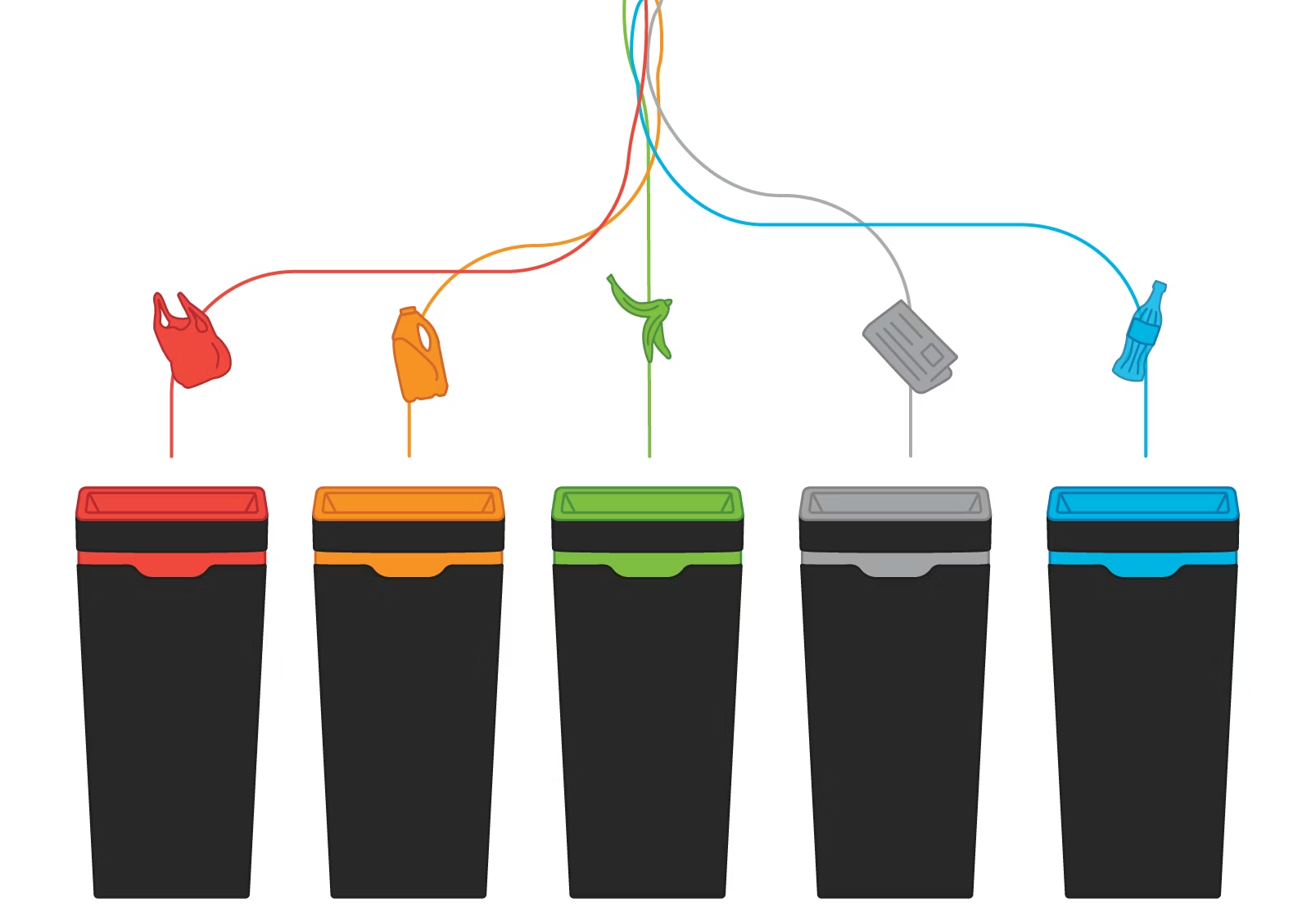
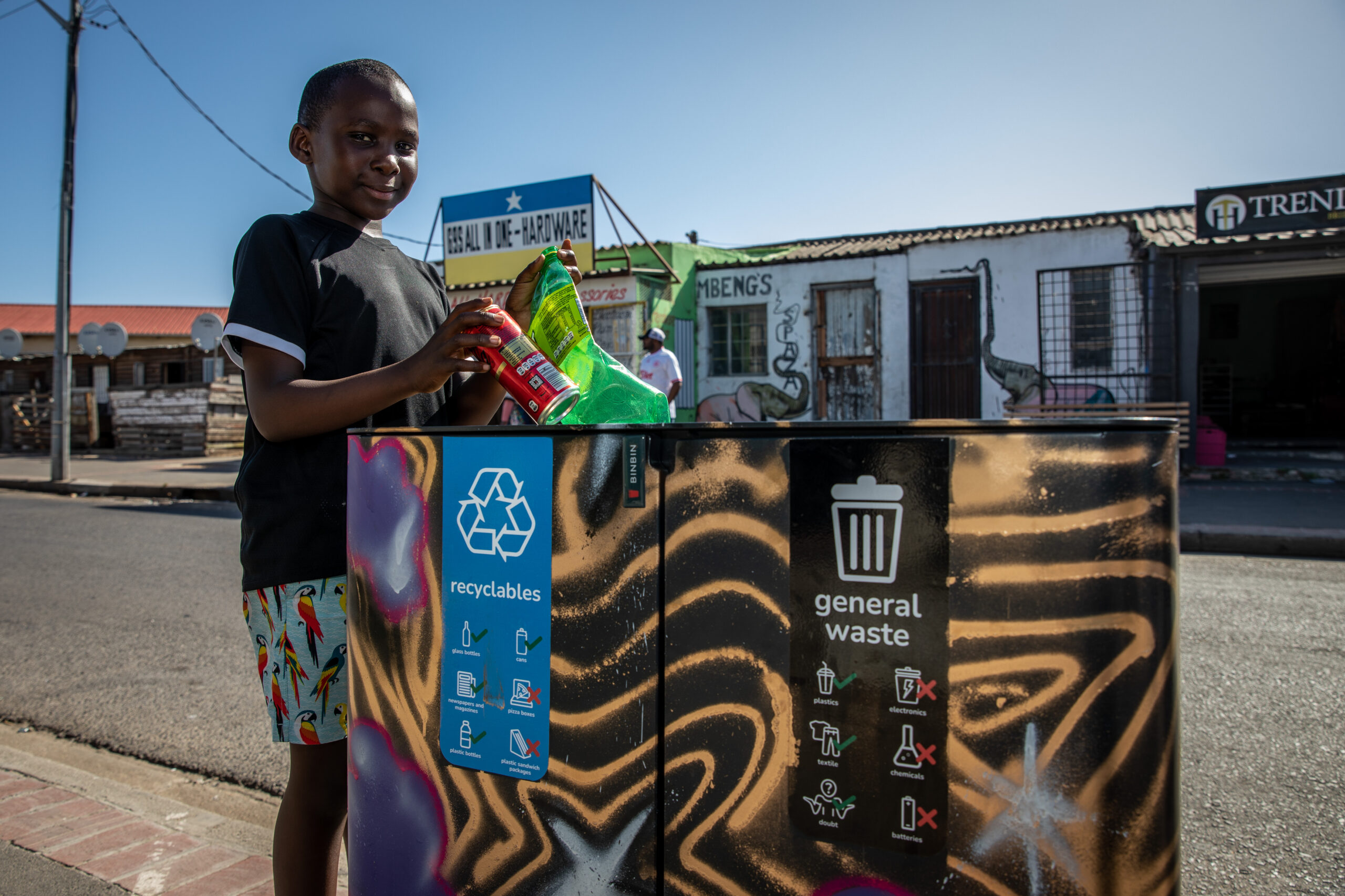
Waste separation is the systematic sorting of waste materials into distinct categories—such as recyclables, organic waste, and general refuse—before disposal. This fundamental practice enables proper recycling, reduces the burden on landfills, and supports sustainable waste management systems. Understanding waste separation helps organisations create more efficient disposal processes while meeting their environmental responsibilities.
What is garbage separation and why does it matter?
Garbage separation involves systematically sorting waste into different categories, including recyclable materials, organic waste, hazardous substances, and general refuse. Each category requires specific handling and processing methods to maximise resource recovery and minimise environmental impact.
The importance of waste separation extends far beyond simple organisation. When materials are properly sorted, recycling facilities can process them more efficiently, reducing contamination that can render entire batches unusable. This systematic approach creates a foundation for circular economy principles, in which materials maintain their value through multiple use cycles.
Economic benefits accompany environmental advantages. Organisations that implement effective waste separation often reduce disposal costs significantly, as properly sorted recyclables can generate revenue rather than incur landfill fees. Additionally, many jurisdictions now mandate waste separation, making compliance a legal necessity rather than an optional sustainability measure.
What are the main types of waste that need to be separated?
The primary waste categories requiring separation include recyclable materials (paper, cardboard, plastic, glass, and metal), organic waste, hazardous materials, and general waste. Each category demands specific collection, handling, and processing approaches to ensure safe and effective management.
Recyclable materials form the largest category in most workplace environments. Paper and cardboard typically represent the highest volume, followed by various plastics, glass containers, and metal items. These materials require clean, uncontaminated collection to maintain their recyclability.
Organic waste includes food scraps, coffee grounds, and biodegradable materials that can be composted or processed through anaerobic digestion. Proper organic waste separation prevents methane emissions in landfills while creating valuable compost or biogas.
Hazardous materials encompass batteries, electronic components, cleaning chemicals, and medical waste. These require specialised collection and disposal methods to prevent environmental contamination and health risks. Even small quantities of hazardous materials can contaminate large volumes of otherwise recyclable waste.
How does proper waste separation benefit the environment?
Proper waste separation significantly reduces landfill waste while lowering greenhouse gas emissions, conserving natural resources, and supporting circular economy principles through enhanced material recovery and reuse opportunities.
Environmental benefits begin with reduced reliance on landfills. When materials are properly separated, recyclables can avoid landfills entirely, extending landfill lifespan and reducing the need for new disposal sites. This preservation of land resources protects natural habitats and groundwater systems from contamination.
Greenhouse gas reductions occur through multiple pathways. Recycling typically requires less energy than producing new materials from raw resources. Additionally, proper organic waste separation prevents methane generation in landfills, where decomposition occurs without oxygen, producing this potent greenhouse gas.
Resource conservation represents another crucial benefit. Manufacturing products from recycled materials typically uses substantially less water, energy, and raw materials compared to virgin production. This conservation extends the availability of natural resources while reducing extraction pressures on ecosystems.
What challenges do organisations face when implementing waste separation?
Organisations commonly encounter resistance to employee behaviour change, space constraints, cost considerations, unclear guidelines, and inadequate infrastructure when implementing waste separation programmes. These barriers require strategic planning and sustained commitment to overcome effectively.
Employee behaviour change presents the most persistent challenge. Many workers default to convenient single-bin disposal habits, requiring consistent education and reinforcement to adopt new sorting behaviours. Without proper training and motivation, even well-designed systems fail due to contamination and non-compliance.
Space constraints affect many organisations, particularly those in older buildings or dense urban locations. Multiple collection points require additional floor space, while storage areas must accommodate different waste streams until collection. Balancing separation effectiveness with space efficiency demands careful planning.
Cost considerations include initial equipment investment, ongoing collection services, and staff time for education and maintenance. While long-term savings often justify these investments, organisations must navigate upfront expenses and demonstrate a return on investment to stakeholders.
Infrastructure requirements extend beyond bins to include clear labelling systems, collection schedules, and staff training programmes. Successful implementation demands coordination among facilities management, procurement, and communications teams to ensure comprehensive system functionality.
How can workplaces make waste separation easy and effective?
Workplaces achieve effective waste separation through clear labelling systems, strategic bin placement, comprehensive employee education programmes, and appropriate equipment that integrates seamlessly into office environments while supporting consistent sorting behaviours.
Strategic placement of separation systems maximises participation rates. High-traffic areas such as kitchens, copy centres, and break rooms require comprehensive separation options, while individual workstations benefit from simplified systems that focus on the most common waste types in those locations.
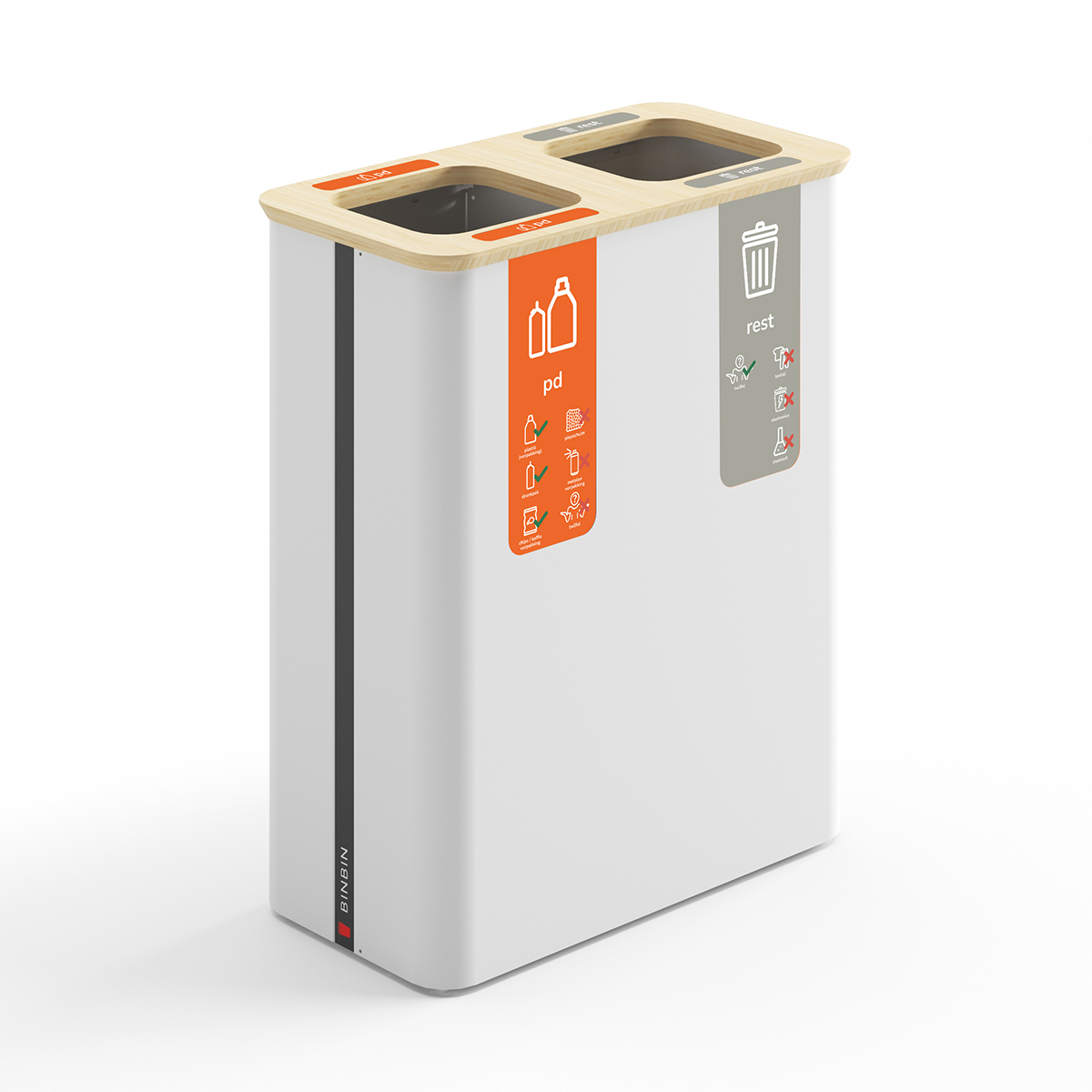
Clear visual communication eliminates confusion and reduces contamination. Effective labelling combines text, colours, and pictograms to communicate sorting requirements quickly and accurately. Consistency across all collection points reinforces learning and builds automatic sorting habits.
Employee education programmes should include:
- Initial training sessions explaining the importance and methods of waste separation
- Regular refresher communications addressing common mistakes
- Feedback systems showing programme success and areas for improvement
- Recognition programmes celebrating departments with excellent separation rates
Equipment selection significantly impacts programme success. Modular systems allow organisations to adapt separation options as needs change, while attractive designs encourage use rather than avoidance. Easy-maintenance features ensure systems remain clean and functional over time.
How BINBIN helps with garbage separation
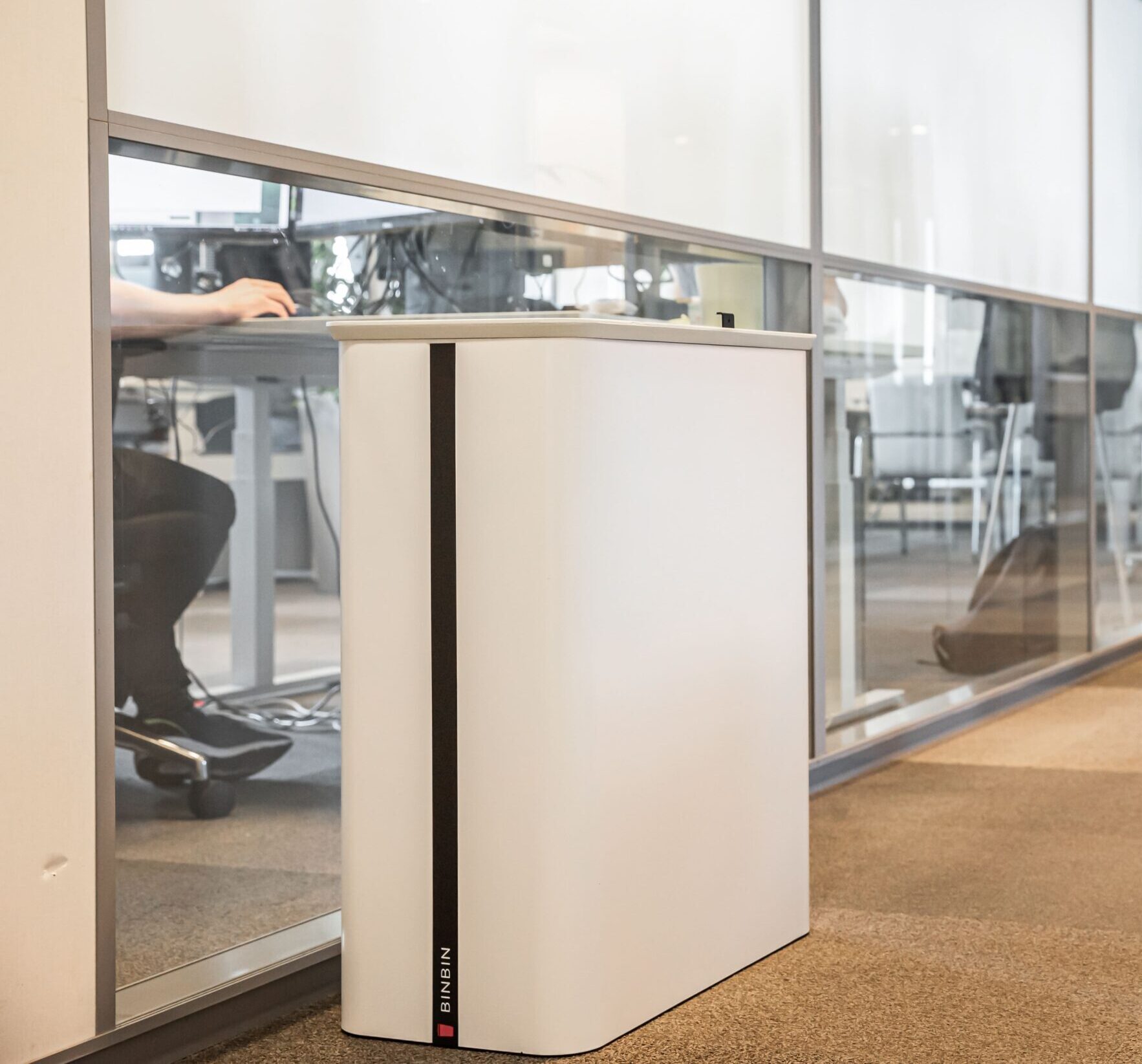
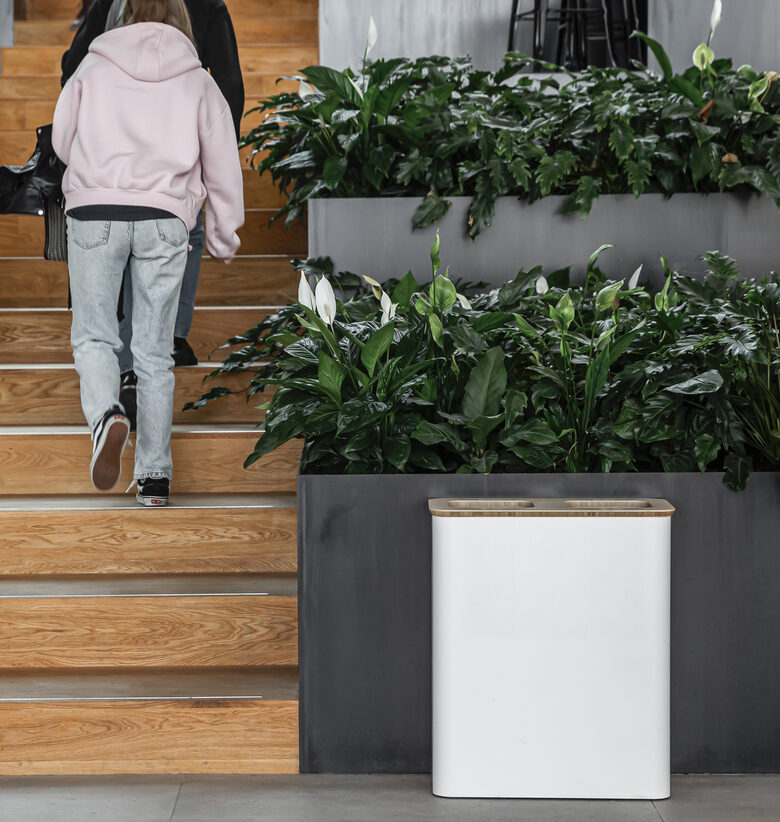
BINBIN provides comprehensive waste separation solutions through modular systems designed around circular economy principles. Our approach addresses common workplace challenges with customisable equipment, expert guidance, and ongoing support to ensure successful implementation.
Our modular waste separation systems offer unique advantages for workplace implementation:
- Flexible configuration allowing 1–8 waste streams in a single system
- 99% circular design using recycled materials with end-of-life recyclability
- Clean, professional aesthetics that complement modern office environments
- Easy reconfiguration as waste separation needs evolve
- Customisation options including company branding and specific labelling
We support organisations throughout the implementation process with personalised advice, digital waste assessments, and comprehensive communication materials, including pictograms and educational content. Our industry-specific solutions address unique challenges across different workplace environments.
Ready to transform your workplace waste separation? Try our systems with a no-obligation trial placement, or request a customised quote based on your specific requirements. Discover how our modular solutions can simplify waste separation while supporting your sustainability goals.