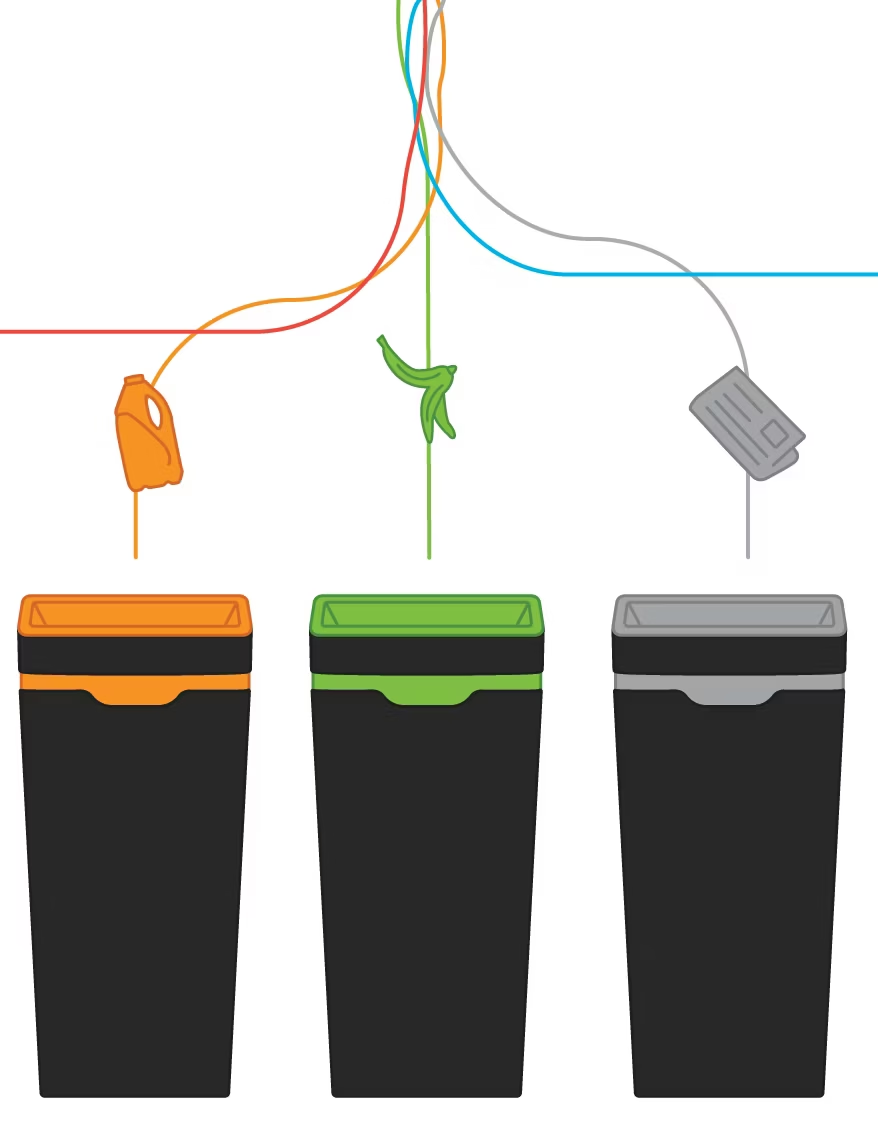
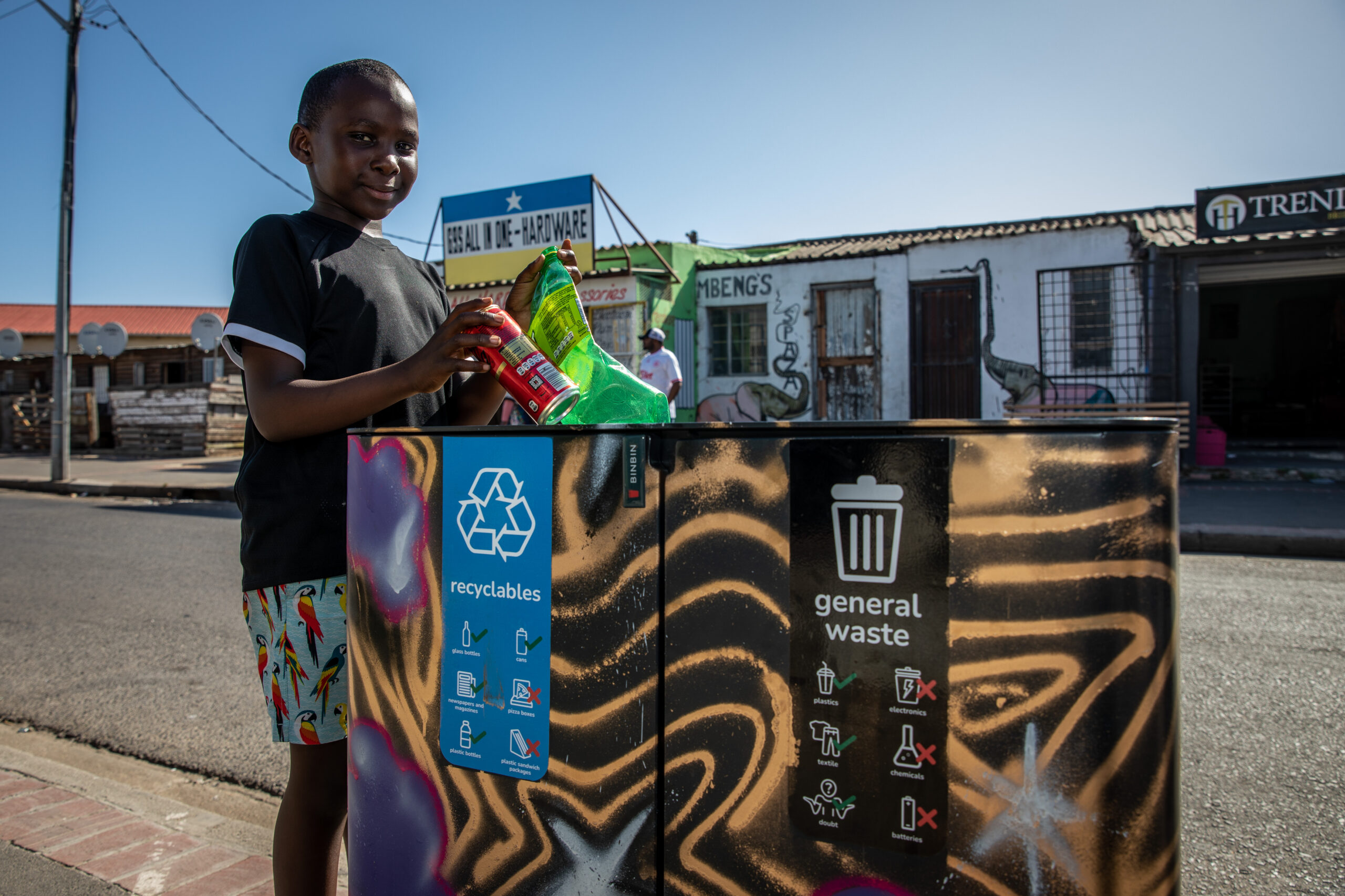
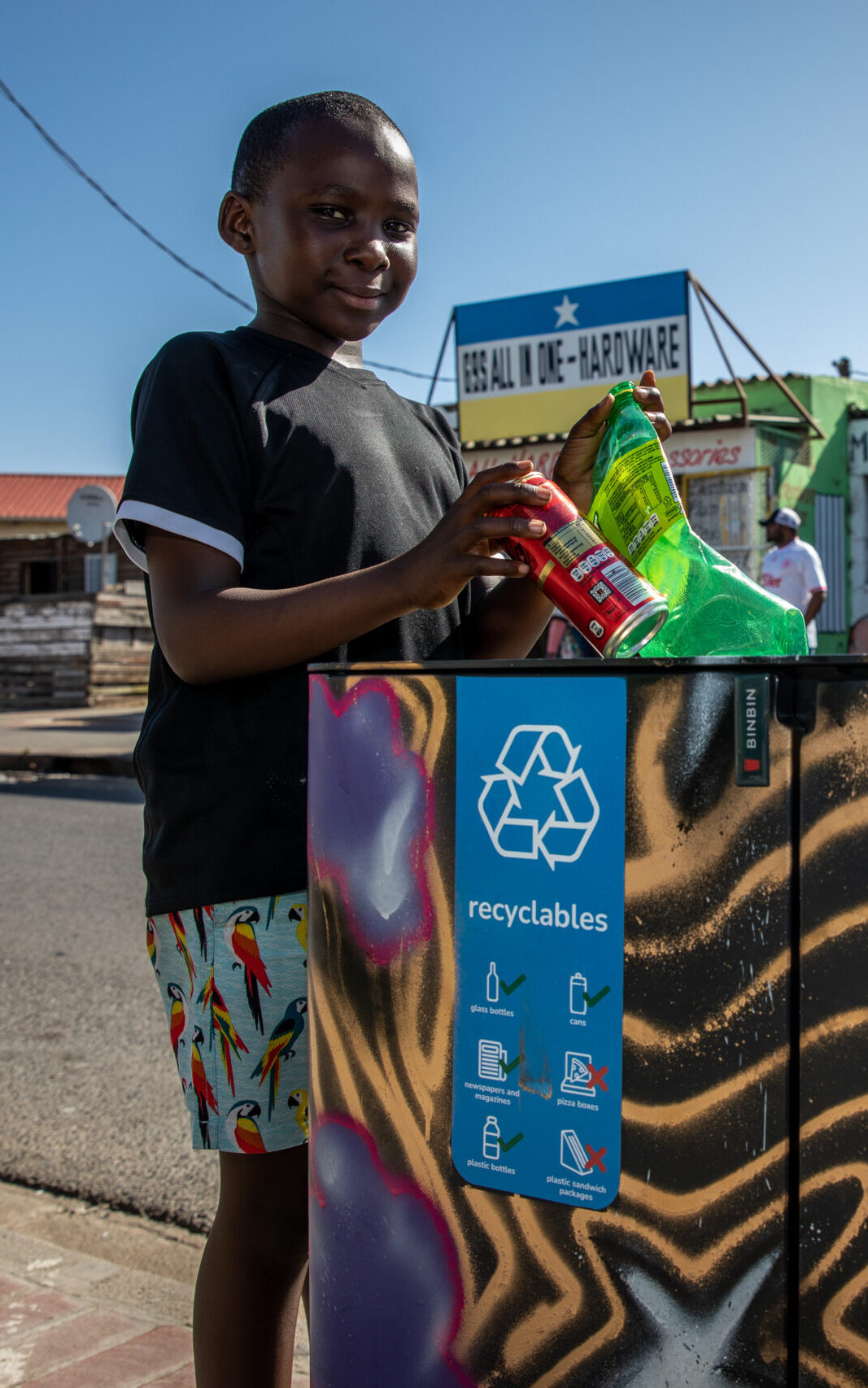
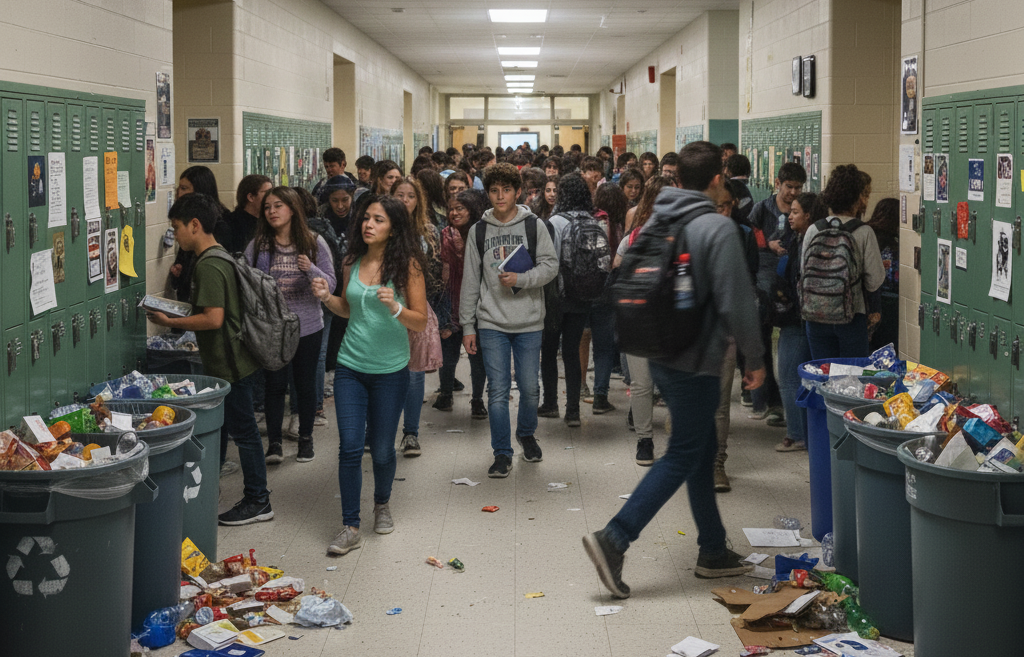
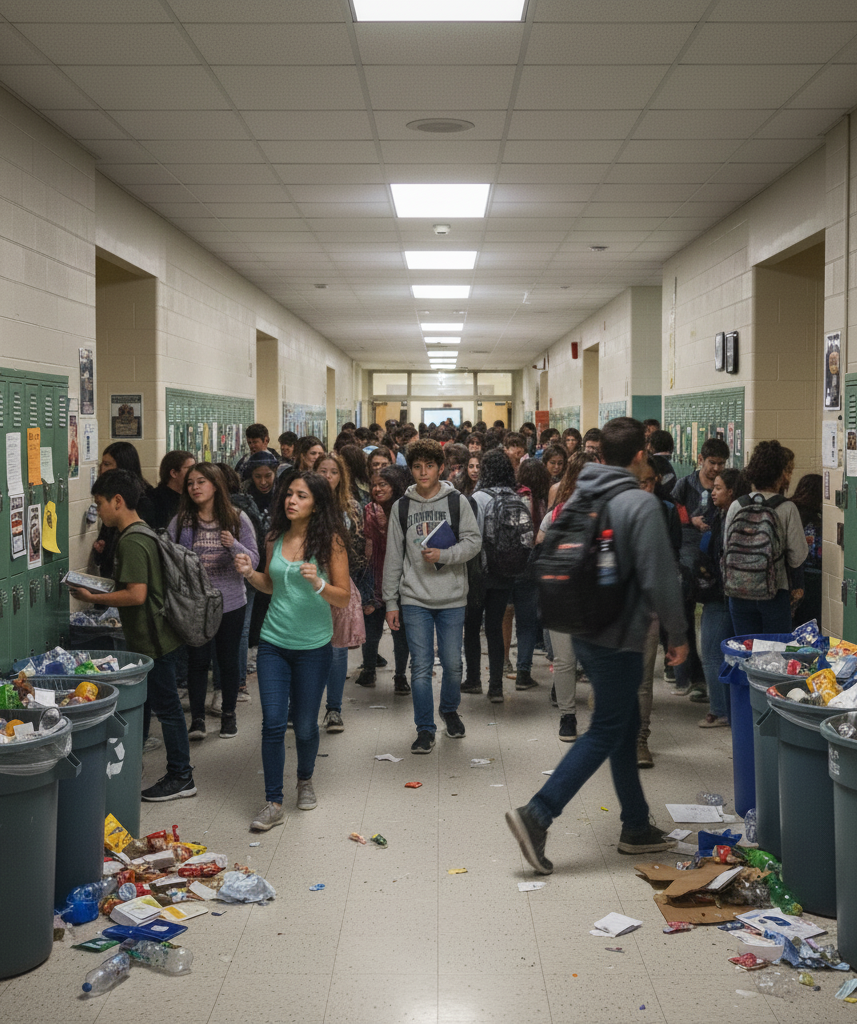
Waste segregation is the systematic process of separating different types of waste materials at their source or collection point to enable proper recycling, treatment, and disposal. This fundamental practice involves categorising waste streams—such as recyclables, organic matter, and general waste—into distinct containers. Effective waste separation forms the backbone of sustainable waste management systems and helps organisations comply with environmental regulations while reducing disposal costs.
What is the fundamental definition of waste segregation?
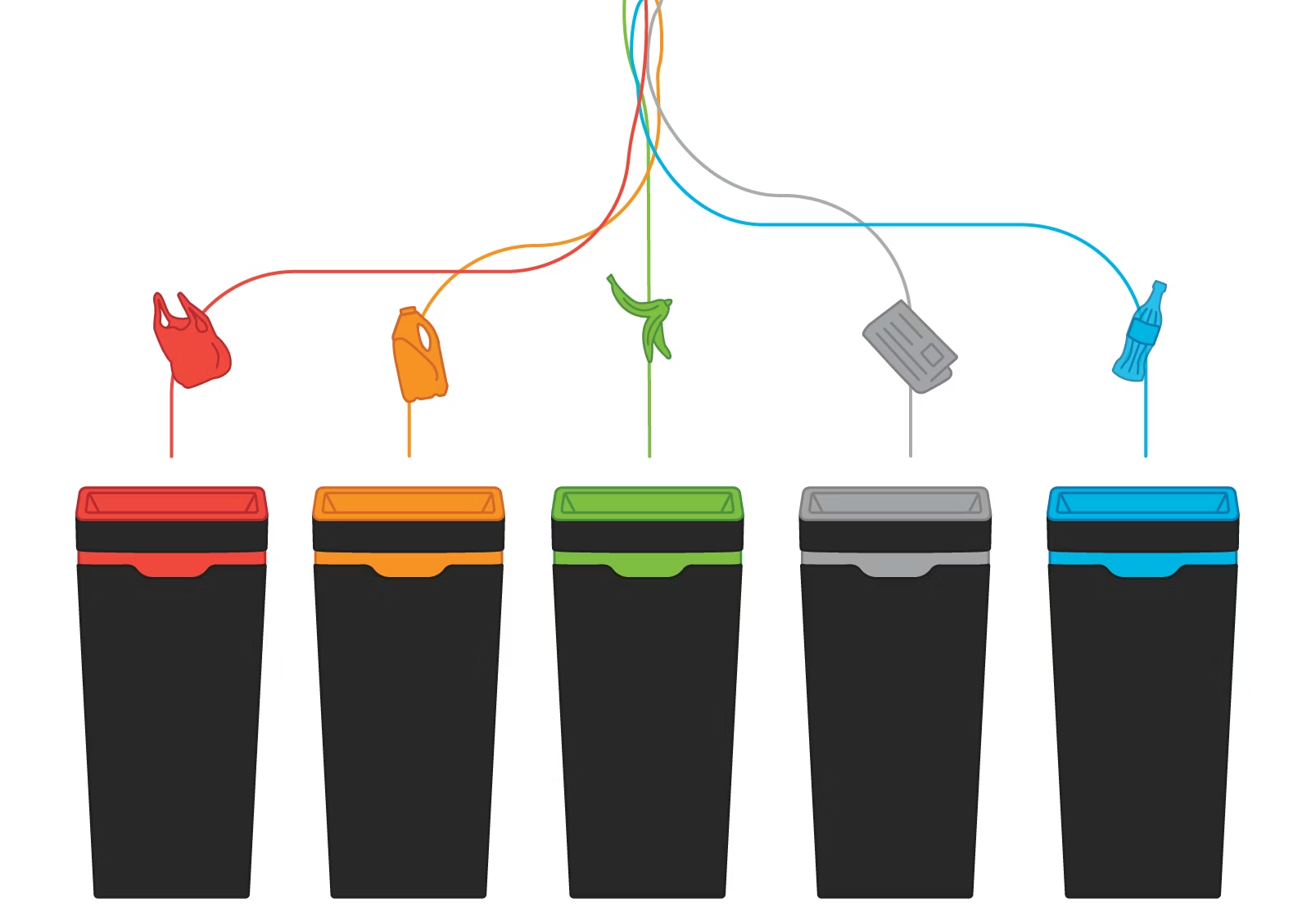
Waste segregation refers to the systematic separation of different waste materials based on their composition, recyclability, and disposal requirements. This process involves sorting waste into distinct categories such as paper, plastic, glass, organic matter, and general waste at the point of generation.
The core principles of waste segregation centre on source separation, where materials are separated immediately after use rather than mixed together. This approach prevents contamination between different waste streams and maintains the quality of recyclable materials. Proper segregation enables efficient downstream processing and maximises the recovery value of materials that can be reused or recycled.
Waste segregation forms the foundation of effective waste management systems because it creates clean, identifiable waste streams that can be processed appropriately. Without proper separation, valuable recyclable materials become contaminated and often end up in landfills, wasting resources and increasing environmental impact. Modern organisations rely on systematic waste separation to meet sustainability goals and regulatory compliance requirements.
What are the main types of waste segregation methods?
The three primary waste segregation approaches are source separation, centralised sorting, and hybrid systems. Source separation occurs at the point of waste generation, centralised sorting happens at processing facilities, and hybrid systems combine both approaches for optimal efficiency.
Source separation involves individuals or staff separating waste immediately after use into designated containers. This method works best in controlled environments like offices, schools, and residential areas where users can be trained and monitored. The advantage lies in preventing contamination and maintaining material quality, though it requires ongoing education and compliance monitoring.
Centralised sorting takes place at waste processing facilities where mixed waste is separated using mechanical and manual methods. This approach works well for communities or organisations where source separation proves challenging to implement. However, contamination rates are typically higher, and some materials may be damaged during the sorting process.
Hybrid systems combine both approaches, using source separation for easily identifiable materials like paper and bottles, while relying on centralised sorting for more complex waste streams. This method balances efficiency with practicality, making it suitable for large organisations with diverse waste generation patterns.
Why is proper waste segregation essential for businesses today?
Proper waste segregation is essential for businesses because it ensures legal compliance, reduces disposal costs, minimises environmental impact, and enhances corporate reputation. Many jurisdictions now mandate waste separation, making it a legal requirement rather than an optional practice.
Legal requirements for waste segregation continue to expand across Europe and globally. Businesses face fines and penalties for non-compliance with waste separation regulations. These laws typically require the separation of recyclables from general waste and the proper handling of hazardous materials. Staying compliant protects organisations from legal risks and demonstrates responsible business practices.
The financial benefits of waste segregation include reduced waste disposal fees and potential revenue from selling recyclable materials. Organisations across different sectors report significant cost savings when implementing effective separation systems. Properly separated recyclables command higher prices than mixed waste, and reduced general waste volumes lower disposal costs.
Environmental benefits include reduced landfill use, lower carbon emissions, and the conservation of natural resources. Corporate responsibility initiatives increasingly focus on waste reduction and circular economy principles. Companies with strong waste segregation programmes enhance their sustainability credentials and appeal to environmentally conscious customers and employees.
How do you implement effective waste segregation in office environments?
Implementing effective office waste segregation requires strategic planning, proper equipment placement, comprehensive staff training, and ongoing monitoring. Success depends on making separation convenient and intuitive for employees while maintaining consistent practices throughout the organisation.
The implementation process follows these essential steps:
- Conduct a waste audit to identify current waste streams and volumes
- Select appropriate containers and signage for different waste categories
- Position separation stations in high-traffic areas and near waste generation points
- Develop clear guidelines and visual aids for proper sorting
- Train all staff on segregation procedures and their importance
- Monitor compliance and provide feedback regularly
Container placement is critical to success. Position recycling stations near printers for paper waste, in kitchen areas for food packaging, and in common areas for general use. Ensure containers are clearly labelled with both text and visual indicators to eliminate confusion about what belongs where.
Employee training should cover the environmental and business benefits of waste separation, specific sorting guidelines, and common contamination mistakes to avoid. Regular communication through emails, posters, and team meetings helps maintain awareness and compliance over time.
What are the biggest challenges companies face with waste segregation?
The primary challenges companies encounter with waste segregation include employee compliance issues, space constraints, contamination problems, and initial implementation costs. These obstacles can significantly impact the effectiveness of separation programmes if not addressed systematically.
Employee compliance remains the most persistent challenge, as changing ingrained habits requires consistent effort and reinforcement. Common issues include:
- Lack of awareness of proper sorting procedures
- Convenience factors leading to incorrect disposal
- Inconsistent participation across different departments
- Resistance to changing established routines
Space constraints in modern offices can limit the placement of multiple containers needed for effective separation. Many organisations struggle to find suitable locations for comprehensive waste stations without affecting workflow or aesthetics. This challenge requires creative solutions and possibly modular waste solutions that adapt to available space.
Contamination occurs when incorrect materials are placed in recycling streams, potentially ruining entire batches of recyclables. Common contamination sources include food residue on packaging, non-recyclable materials mixed with recyclables, and liquids in paper containers. Prevention requires clear guidelines and regular monitoring.
Cost considerations include the initial investment in proper containers, signage, training materials, and ongoing monitoring systems. However, these upfront costs typically pay for themselves through reduced disposal fees and improved recycling revenue over time.
How BINBIN helps with waste segregation implementation
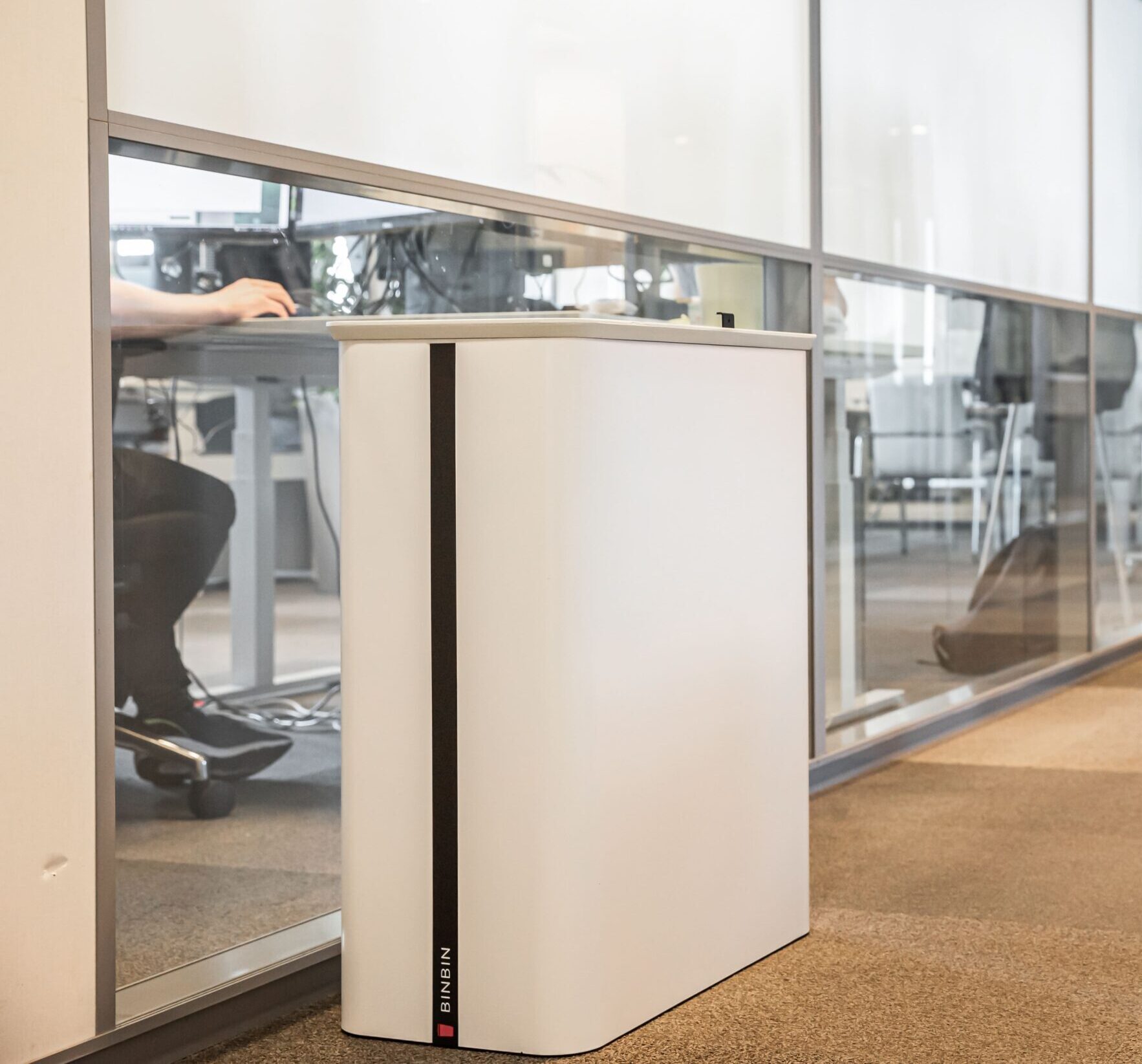
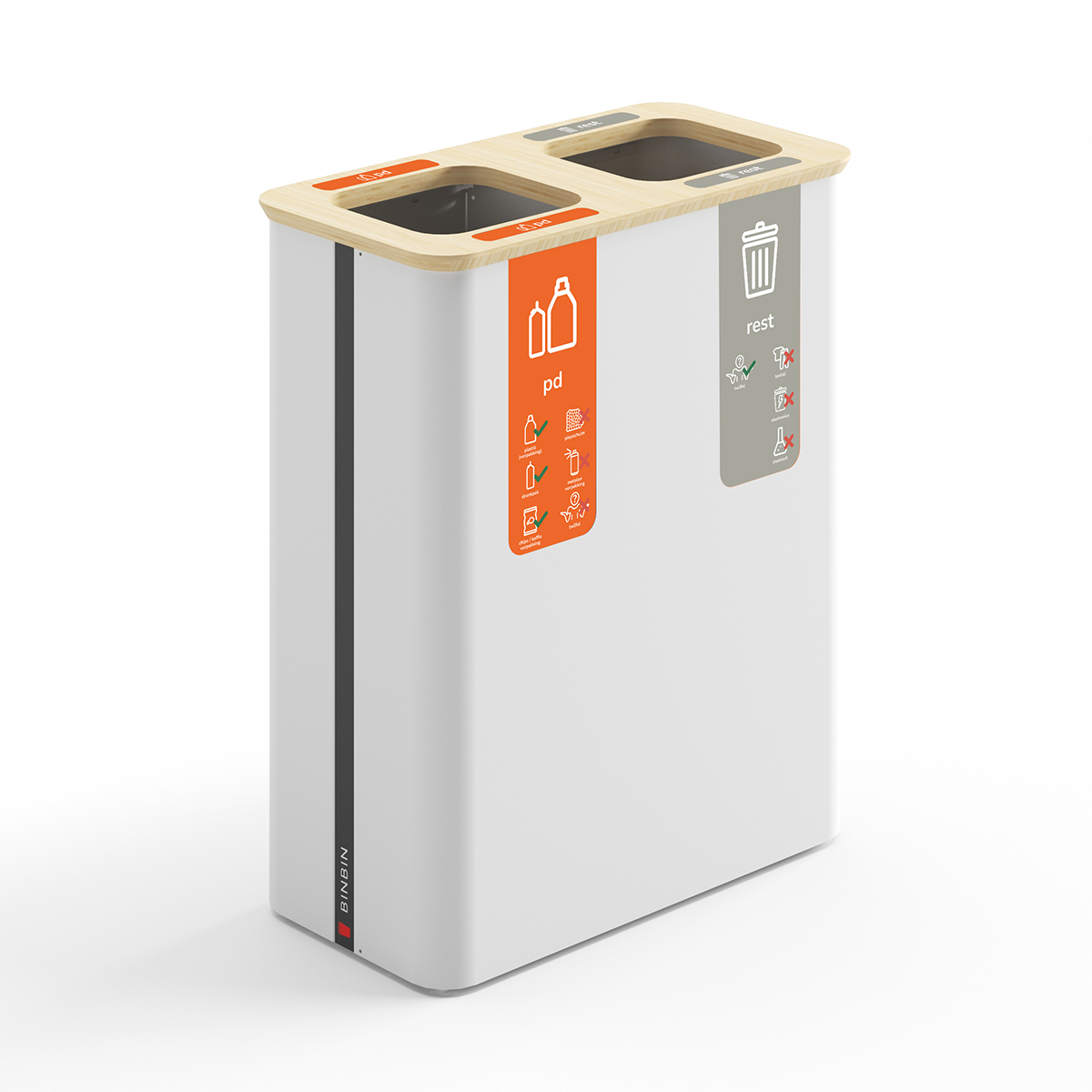
BINBIN provides comprehensive modular waste separation solutions designed specifically for organisations seeking effective, stylish, and adaptable segregation systems. Our circular approach ensures that the waste separation infrastructure itself contributes to sustainability goals while addressing common implementation challenges.
Our solutions address key segregation challenges through:
- Modular design allowing 1-8 waste streams in configurable combinations
- Space-efficient systems that adapt to any office layout or size constraint
- Clear visual indicators and customisable branding to improve employee compliance
- 99% circular construction using recycled materials that can be fully recycled
- Professional consultation and implementation support, including communication materials
We provide personalised guidance and tailored advice to help organisations find optimal waste separation solutions. Our service includes complimentary workplace assessments and digital waste analysis to identify specific needs and opportunities. This comprehensive approach ensures successful implementation and long-term compliance with segregation goals.
Ready to transform your organisation's waste segregation approach? Explore our trial placement options or request a customised quote to discover how our modular solutions can streamline your waste separation while enhancing your office environment.