The best way to promote waste management at school is to create comprehensive educational programs that combine practical systems, student engagement, and clear measurement strategies. Effective school waste management requires proper infrastructure, active student participation, and ongoing education about environmental responsibility. Success comes from making waste separation easy, engaging, and meaningful for the entire school community.
Why is waste management education crucial in schools today?
Waste management education in schools builds environmental awareness while teaching students practical skills they will use throughout their lives. Schools generate significant amounts of waste daily, making them ideal environments for demonstrating sustainable practices and their real-world impact.
Educational benefits extend far beyond environmental knowledge. Students develop critical thinking skills as they analyse consumption patterns and explore solutions. They learn responsibility through hands-on participation in recycling programs and waste reduction initiatives. These experiences create lasting behavioural changes that students carry into their homes and future careers.
The environmental impact of school waste management programs creates measurable improvements. Proper separation reduces contamination in recycling streams, increases material recovery rates, and decreases overall waste disposal costs. Students witness direct results from their actions, reinforcing the connection between individual choices and environmental outcomes.
Long-term behavioural development occurs when schools integrate waste management into daily routines. Students who participate in comprehensive programs become environmental advocates in their communities. They influence family practices, make conscious consumer choices, and often pursue careers in sustainability or environmental science.
What are the most effective waste management strategies for schools?
The most effective school waste management strategies combine systematic approaches with educational components. Successful programs typically include waste audits, comprehensive recycling systems, composting initiatives, and source reduction practices tailored to educational environments.
Waste audits provide essential baseline data for any school program. These assessments reveal actual waste composition, identify reduction opportunities, and establish measurable targets. Schools should conduct audits at different times throughout the year to account for seasonal variations and special events.
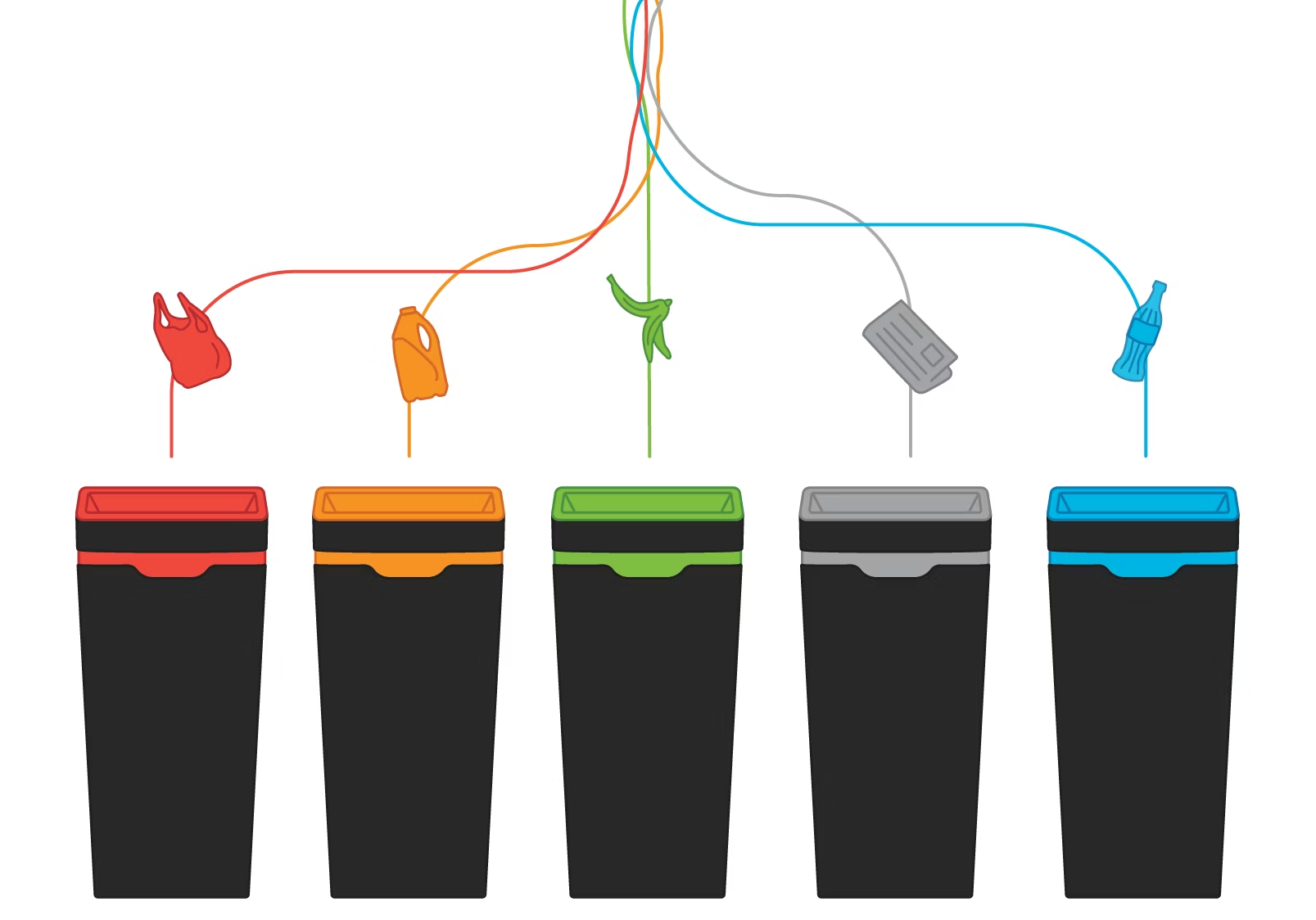
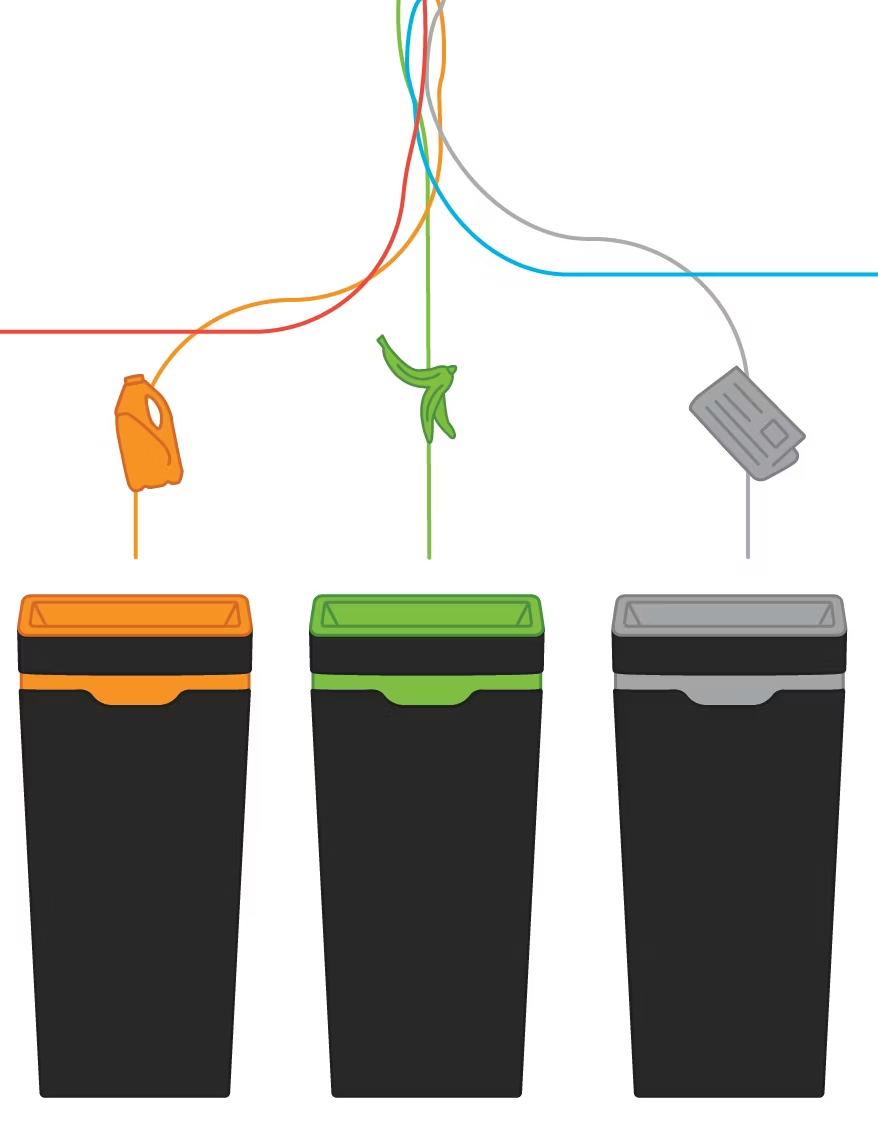
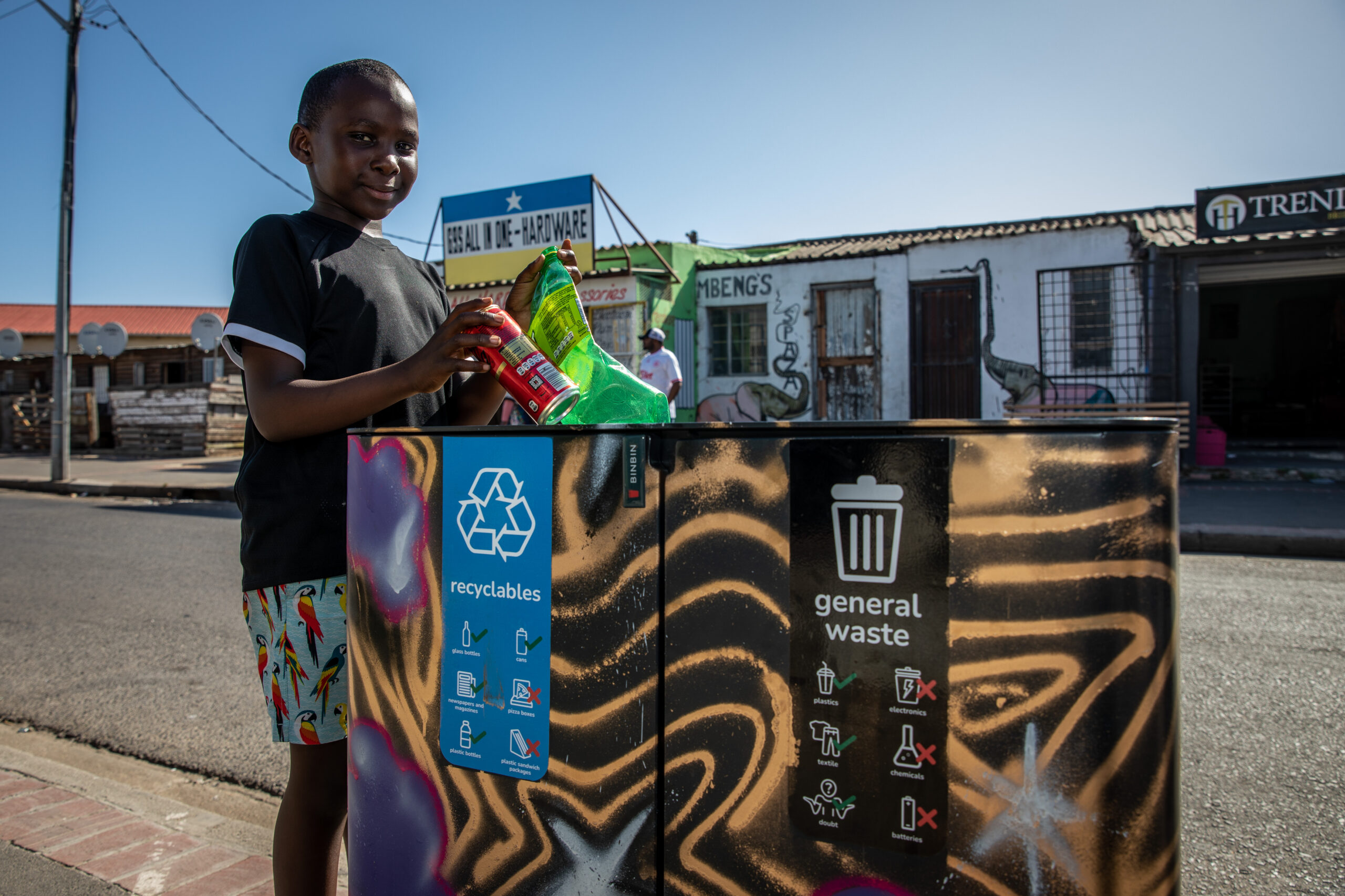
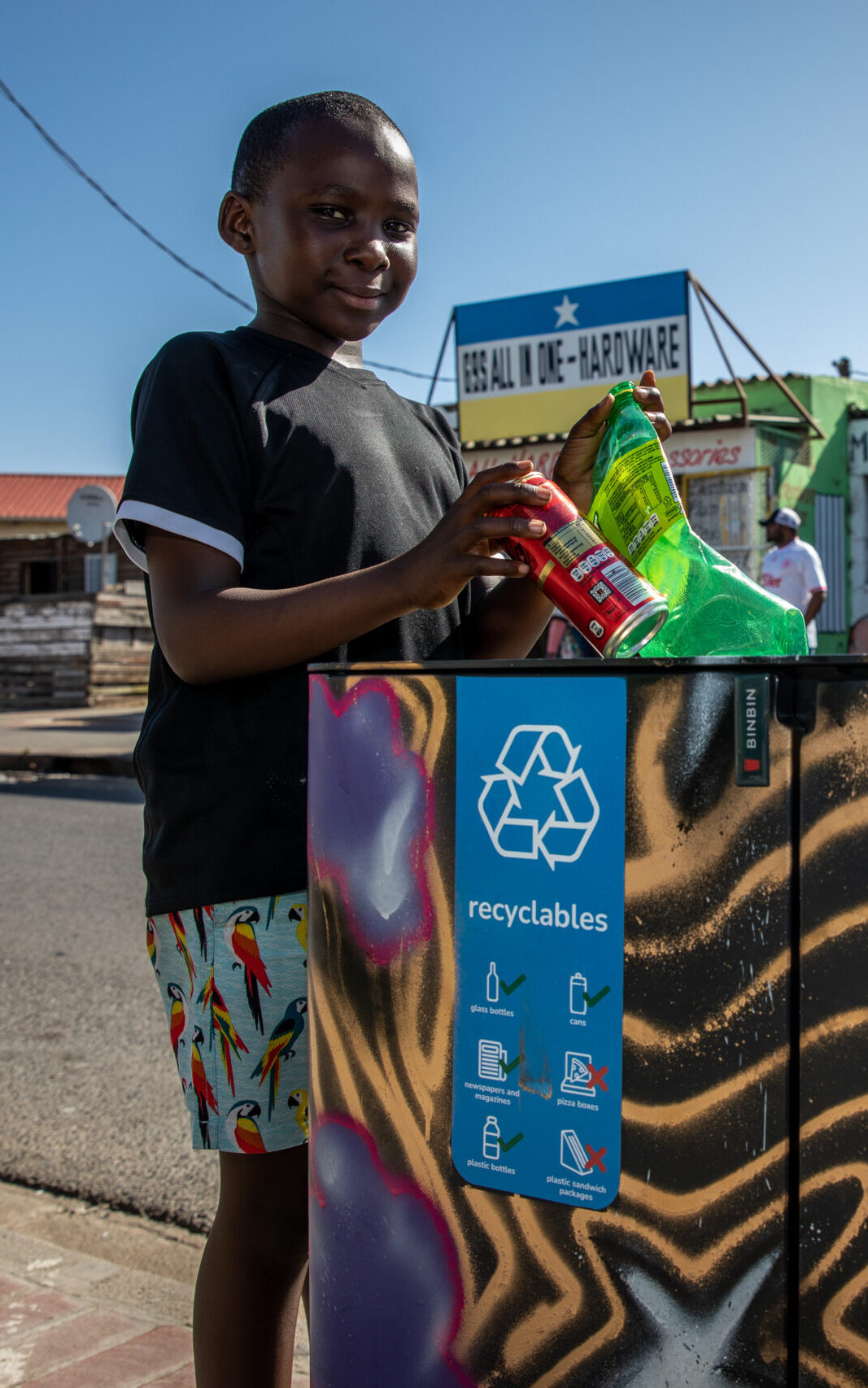
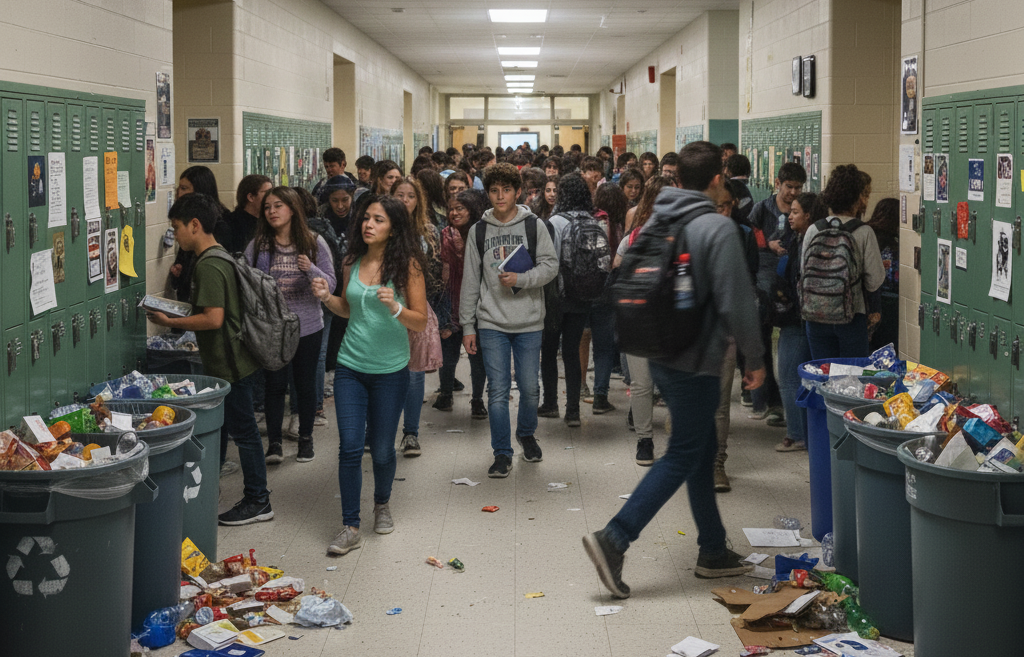
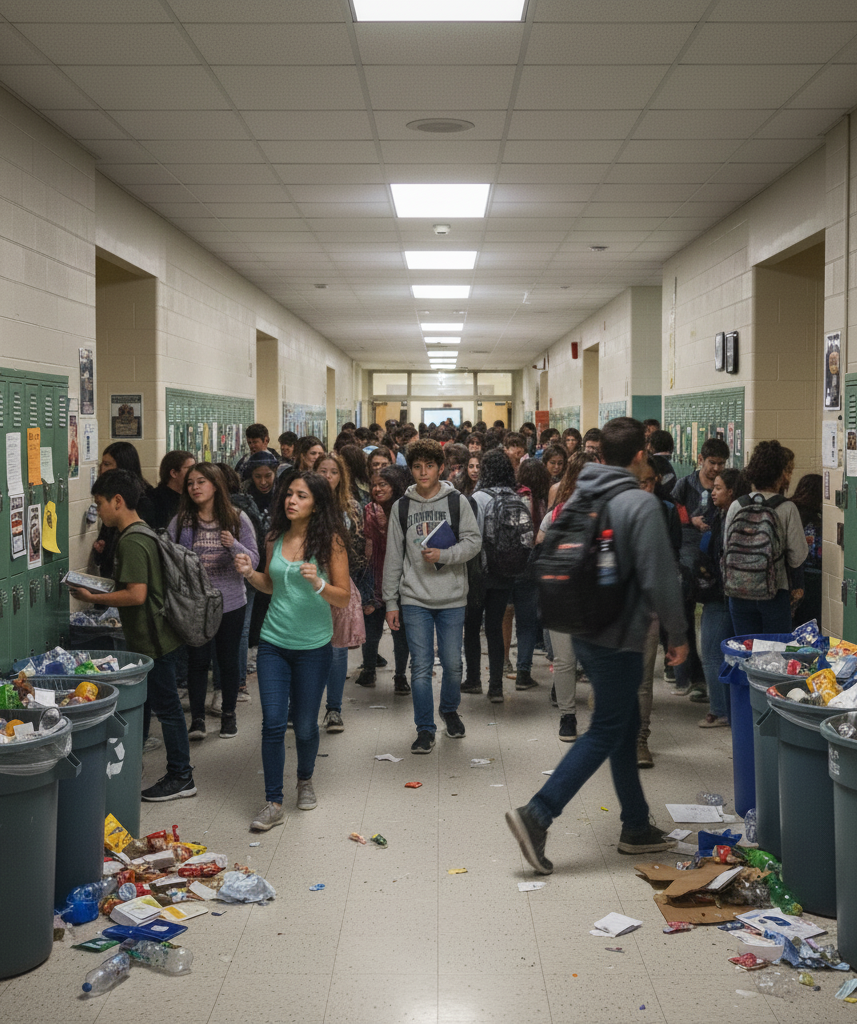
Comprehensive recycling programs work best when they are simple and clearly marked. Essential components include:
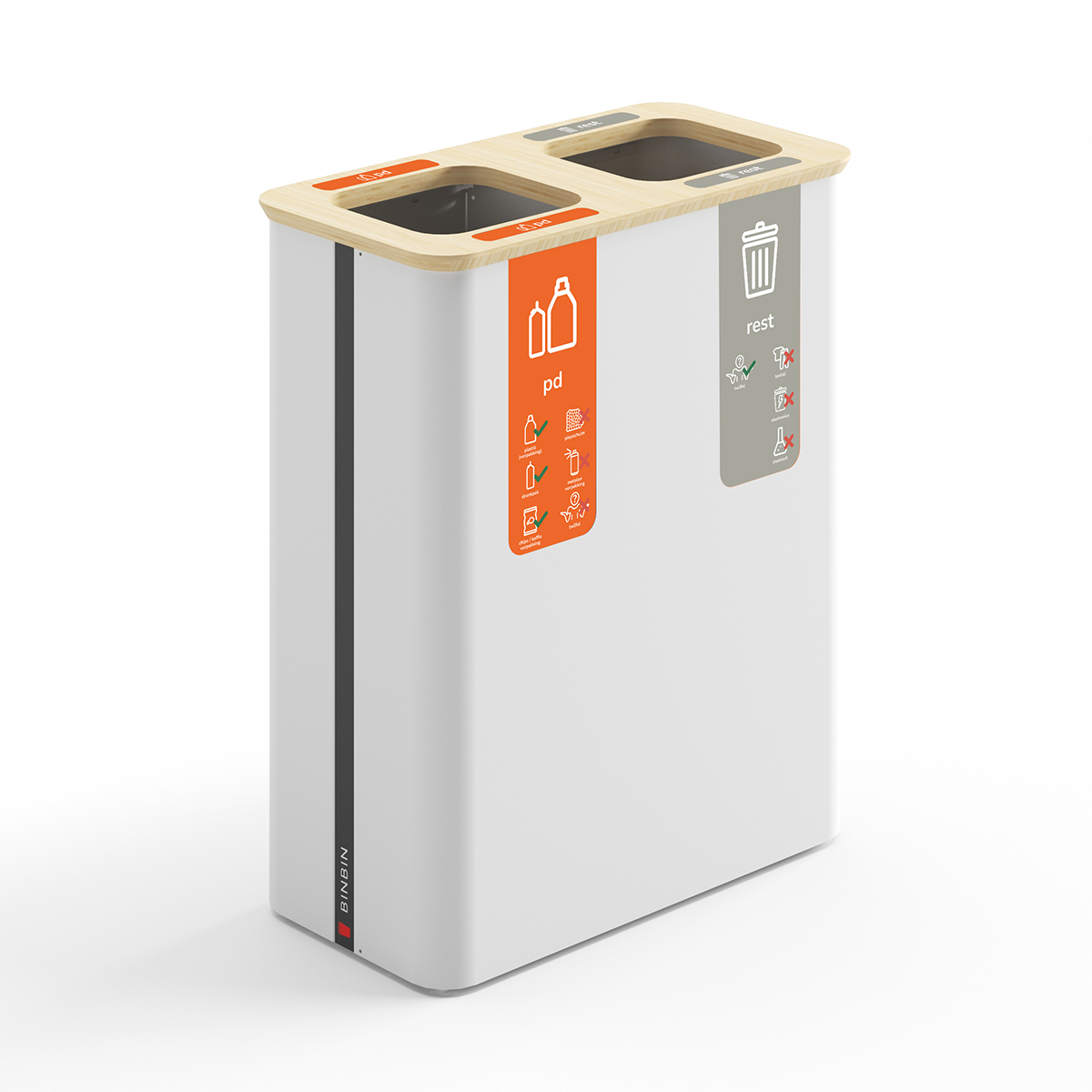
- Clearly labelled bins for paper, plastic, and general waste
- Strategic placement in high-traffic areas such as cafeterias and classrooms
- Regular collection schedules that prevent overflow
- Educational signage with visual guides for proper sorting
- Staff training to ensure consistent implementation
Composting initiatives transform food waste into valuable learning opportunities. School gardens benefit from compost while students observe natural decomposition processes. Even schools without gardens can partner with local community gardens or farms to ensure compost is put to beneficial use.
Source reduction strategies focus on preventing waste before it occurs. This includes encouraging reusable water bottles, implementing digital communication systems, and choosing supplies with minimal packaging. These approaches often provide the greatest environmental impact while reducing disposal costs.
How do you get students actively involved in waste reduction programs?
Active student involvement requires making waste management interactive, competitive, and personally meaningful. Successful engagement strategies include peer leadership programs, classroom competitions, hands-on learning experiences, and connecting activities to real environmental outcomes students can observe.
Peer leadership programs empower students to become waste management ambassadors within their school community. These students receive additional training, monitor program effectiveness, and help educate younger students. Leadership roles create ownership and pride in program success.
Interactive education works better than traditional lectures for environmental topics. Effective approaches include waste sorting games, recycling facility field trips, and projects that track actual waste reduction over time. Students respond well to activities where they can see immediate results from their efforts.
Competition elements motivate students across different age groups. Successful competitions might include:
- Classroom recycling challenges with weekly winners
- School-wide waste reduction goals with celebration milestones
- Creative projects using recyclable materials
- Inter-school competitions that build community connections
- Individual recognition programs for consistent participation
Hands-on learning experiences make abstract environmental concepts concrete and memorable. Students can measure waste weights, calculate cost savings, track recycling rates, and document program improvements. These activities integrate science, mathematics, and social studies while building environmental awareness.
What challenges do schools face when implementing waste management programs?
Schools commonly face budget constraints, staff training needs, infrastructure limitations, and inconsistent student participation when implementing waste management programs. Understanding these challenges helps develop realistic solutions and sustainable program designs.
Budget constraints affect equipment purchases, staff time allocation, and program sustainability. However, many successful programs start with minimal investment by focusing on education and behaviour change before expanding infrastructure. Grant opportunities and community partnerships often provide additional funding sources.
Staff training is a critical success factor that schools sometimes underestimate. Teachers, custodial staff, and administrators all need a clear understanding of program goals and procedures. Regular training sessions, clear written guidelines, and ongoing support help ensure consistent implementation across all school areas.
Infrastructure limitations include inadequate storage space, insufficient collection bins, and incompatible existing systems. Schools can address these challenges by starting with pilot programs in specific areas, partnering with waste management specialists, and gradually expanding successful approaches.
Student participation issues often stem from unclear instructions, inconvenient bin placement, or a lack of ongoing motivation. Solutions include regular program promotion, peer mentoring systems, and connecting waste management to broader school values and environmental education curricula.
Administrative support ensures program longevity and effectiveness. School leadership must allocate appropriate resources, integrate waste management into school policies, and maintain program visibility throughout the school community.
How do you measure the success of school waste management initiatives?
Measuring success requires tracking both quantitative metrics and qualitative outcomes. Key performance indicators include waste diversion rates, cost savings, student participation levels, and behavioural changes that extend beyond school premises.
Waste diversion rates provide the most direct measurement of program effectiveness. Schools should track total waste generated, amounts diverted to recycling and composting, and contamination rates in recycling streams. Monthly measurements reveal trends and help identify areas needing improvement.
Cost tracking demonstrates financial benefits that support program continuation. Schools should monitor waste disposal fees, recycling revenue, and program operating costs. Many schools discover that effective waste management programs reduce overall costs while providing educational benefits.
Student participation assessment includes both participation rates and knowledge retention. Surveys, classroom discussions, and observation help measure student engagement and understanding. Schools should also track participation in voluntary activities such as environmental clubs or waste reduction competitions.
Behavioural change indicators extend beyond school-based measurement. Teachers and parents often report that students encourage better waste practices at home, choose products with less packaging, and demonstrate increased environmental awareness in other contexts.
Assessment tools should include regular waste audits, participation tracking systems, and feedback collection from students, staff, and parents. Digital tracking systems can simplify data collection while providing real-time program monitoring capabilities.
Long-term impact measurement considers program sustainability and community influence. Successful programs often inspire other schools, influence local waste management policies, and create lasting environmental improvements that extend far beyond individual school boundaries.
How BINBIN helps with school waste management solutions
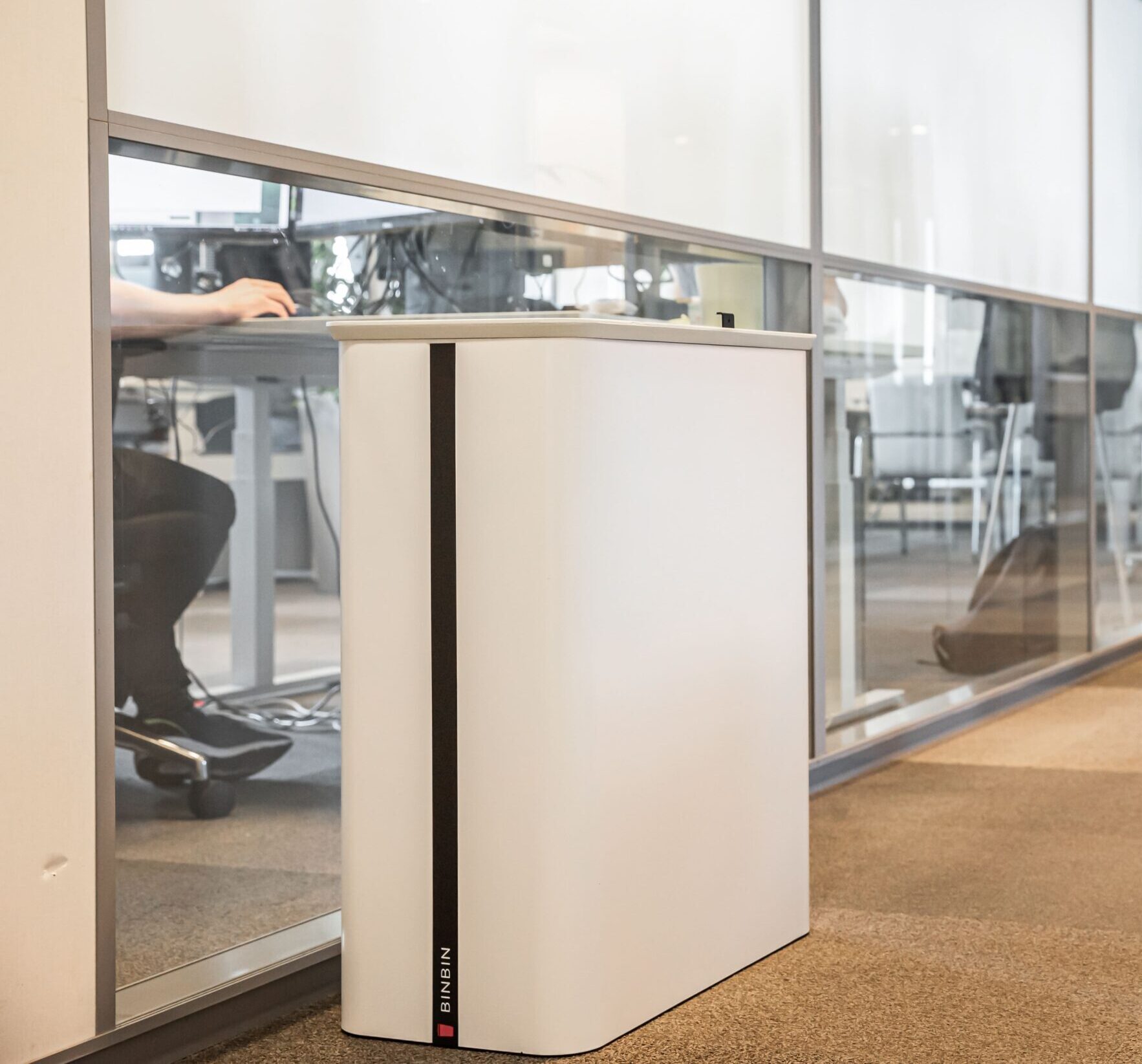
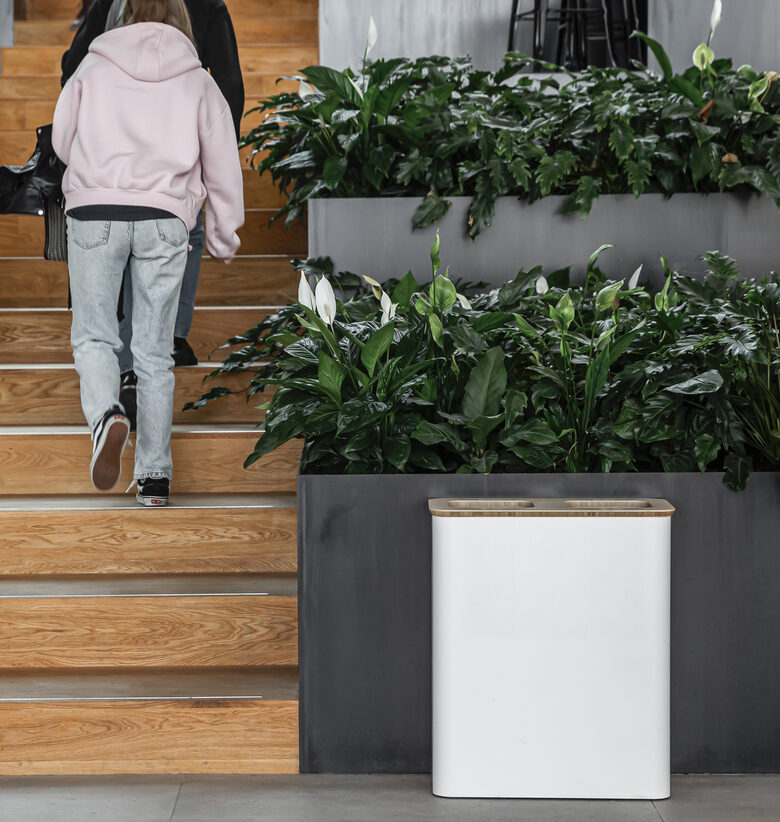
We provide comprehensive educational waste separation systems specifically designed for school environments. Our modular approach allows schools to start small and expand programs as student engagement grows, ensuring sustainable implementation that fits both budget constraints and educational goals.
Our educational waste management solutions include:
- Intuitive separation systems with clear visual guides that help students sort waste correctly
- Modular designs that adapt to different classroom sizes and school layouts
- Durable construction suitable for high-traffic educational environments
- Educational materials and implementation support for teachers and staff
- Customisation options that align with school branding and educational themes
We offer personalised consultation services to help schools develop effective waste management strategies. Our team provides site assessments, program planning support, and ongoing guidance to ensure successful implementation. Schools can also access our trial placement program to test solutions before making full commitments.
Ready to transform your school's approach to waste management? Contact us today to discuss how our educational waste separation systems can support your sustainability goals while providing valuable learning experiences for your students.