The cheapest way to get rid of junk for free involves using donation centres, municipal collection programmes, online platforms for giving items away, and community recycling initiatives. Many areas offer regular bulk collection days, hazardous waste events, and specialised recycling programmes that cost nothing to residents. Preparing items yourself and identifying valuable pieces for resale can further reduce or eliminate disposal costs.
What are the completely free ways to get rid of junk?
Donation centres are the most accessible free disposal option for items in good condition. Charities, thrift shops, and community organisations accept furniture, clothing, electronics, books, and household goods. Many offer free collection services for larger items, eliminating transport costs entirely.
Online platforms make giving away items incredibly simple. Websites and apps like Freecycle, Facebook Marketplace's free section, and local community groups connect you with people who need your unwanted items. These platforms work particularly well for furniture, appliances, and building materials.
Community recycling programmes handle specific materials at no cost. Electronics retailers often accept old devices, whilst scrap metal dealers may collect larger metal items for free. Many areas have textile recycling bins for worn clothing and fabric items that donation centres cannot use.
Religious organisations and community centres frequently need donations for their programmes. Schools may accept art supplies, furniture, or educational materials. Local theatre groups often seek costumes, props, and furniture for productions.
How can you reduce junk removal costs by preparing items yourself?
Proper sorting and preparation significantly reduce professional removal costs by making the job faster and easier. Most removal services charge based on time, volume, or weight, so organised preparation directly affects your final bill.
Breaking down large items saves substantial space and money. Disassemble furniture, remove doors from appliances, and separate different materials. This preparation can reduce the volume by 30-50%, leading to lower disposal fees or smaller vehicle requirements.
Separating materials by type streamlines the disposal process. Group metals together, separate wood from plastic, and bundle similar items. This organisation helps removal teams work more efficiently and may qualify you for recycling discounts.
Creating clear pathways and staging items near access points reduces labour time. Remove obstacles, protect floors if necessary, and have everything ready for quick collection. Professional services often offer discounts for well-prepared jobs.
Which items can you sell instead of throwing away to offset disposal costs?
Electronics and appliances retain significant resale value even when outdated. Working smartphones, tablets, laptops, and gaming consoles sell well online. Even broken electronics contain valuable components that repair shops or recycling companies will purchase.
Quality furniture pieces, especially solid wood items or designer brands, command good prices in second-hand markets. Antique or vintage furniture often sells for more than expected, particularly pieces from recognised manufacturers or distinctive periods.
Valuable items to consider selling include:
- Precious metals, jewellery, and coins
- Musical instruments and audio equipment
- Power tools and workshop equipment
- Collectibles, artwork, and books
- Exercise equipment and sporting goods
Scrap metal from appliances, plumbing fixtures, and construction materials has commodity value. Copper, brass, aluminium, and steel can generate enough income to cover other disposal costs whilst supporting waste management goals.
What are the most cost-effective junk removal services and timing strategies?
Shared load services offer the most economical professional option by combining multiple customers' items in one vehicle. These services cost 40-60% less than dedicated trucks but require flexible timing and may take several days to complete.
Timing your removal strategically can significantly reduce costs. Mid-week bookings typically cost less than weekends, whilst off-season periods (late autumn and winter) often feature lower rates due to reduced demand.
Here are cost-saving strategies for professional services:
- Book during slower periods for better rates
- Combine with neighbours for bulk discounts
- Compare multiple quotes and negotiate
- Choose services that include recycling and donation
- Opt for drop-off services instead of collection when possible
Volume-based pricing often provides better value than hourly rates for large cleanouts. Many companies offer flat rates for specific room clearances or standard load sizes, making costs more predictable.
How do municipal waste programmes help reduce junk disposal expenses?
Scheduled bulk collection days provide free disposal for large items that regular bins cannot accommodate. Most councils offer these services monthly or quarterly, accepting furniture, appliances, and other bulky household items at no additional charge beyond regular rates.
Hazardous waste collection events handle dangerous materials safely and free of charge. These programmes accept paint, chemicals, batteries, and electronic waste that require special disposal methods. Regular participation prevents accumulation and expensive private disposal.
Many municipalities operate recycling centres where residents can drop off various materials without fees. These facilities often accept construction debris, garden waste, and specialised items like tyres or mattresses that private services charge premium rates to handle.
Special collection programmes target specific items throughout the year. Electronics recycling drives, textile collection events, and document shredding days provide free services that would otherwise require paid disposal through professional waste management companies.
How BINBIN helps with cost-effective waste management
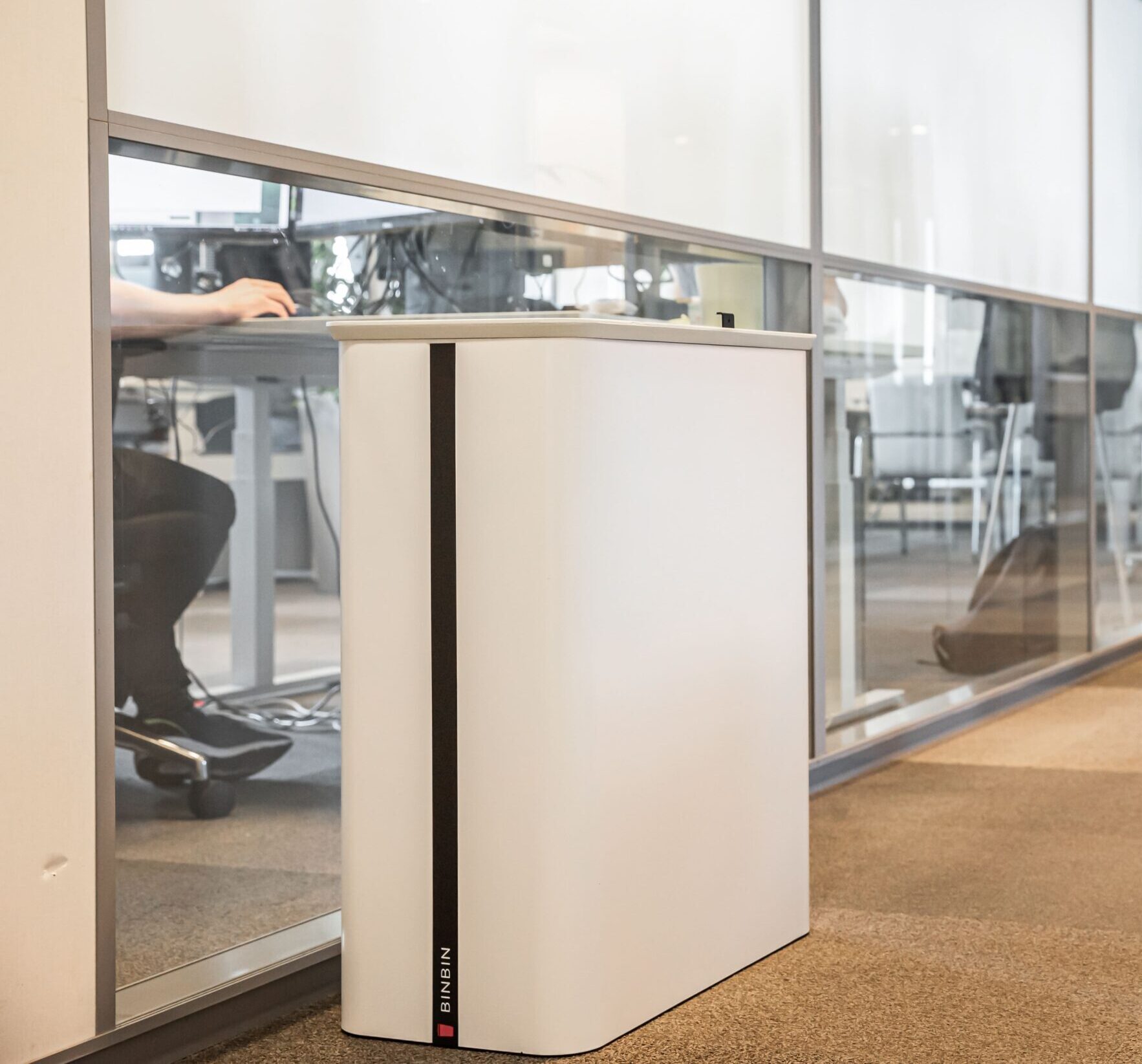
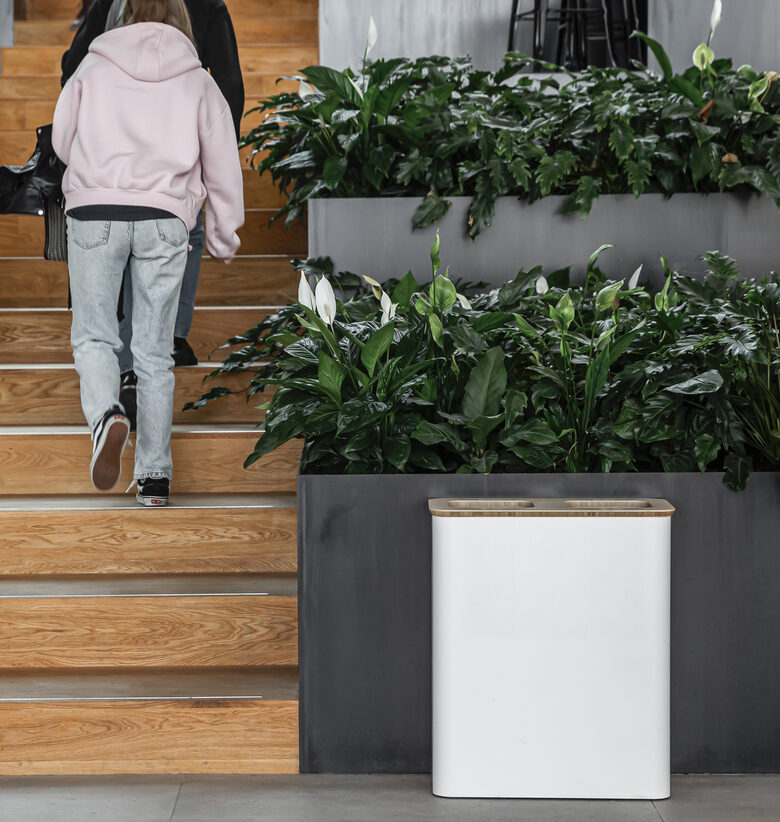
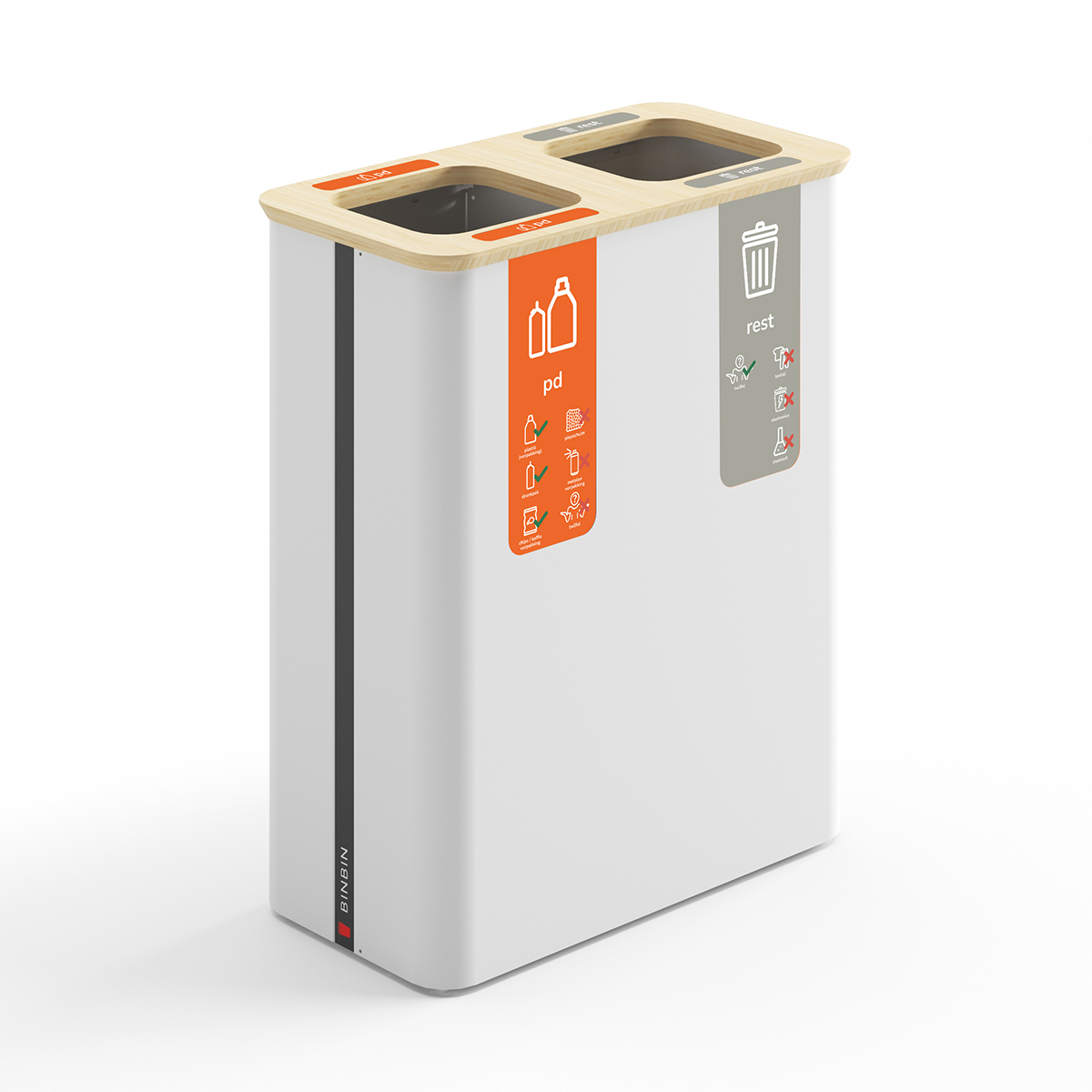
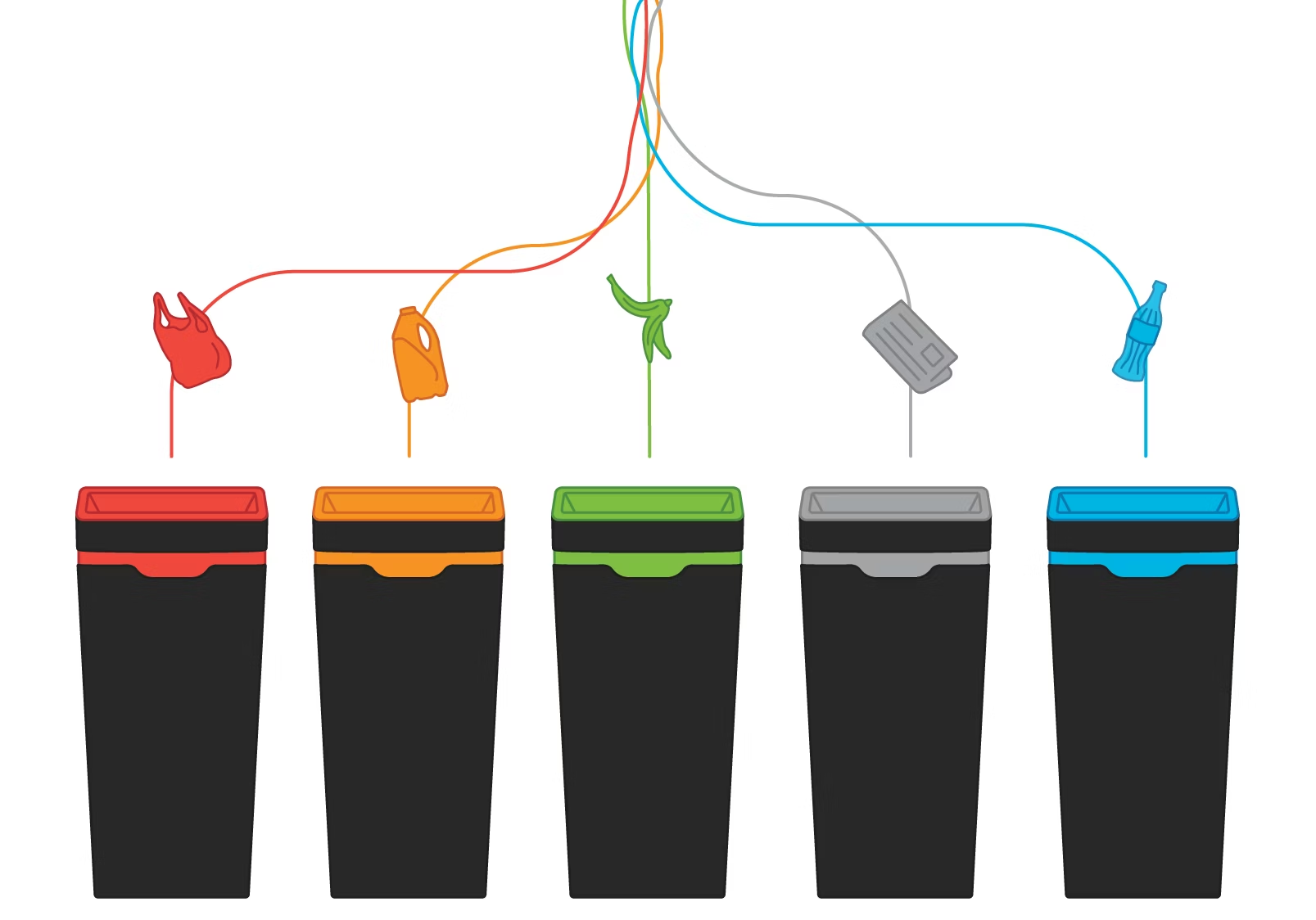
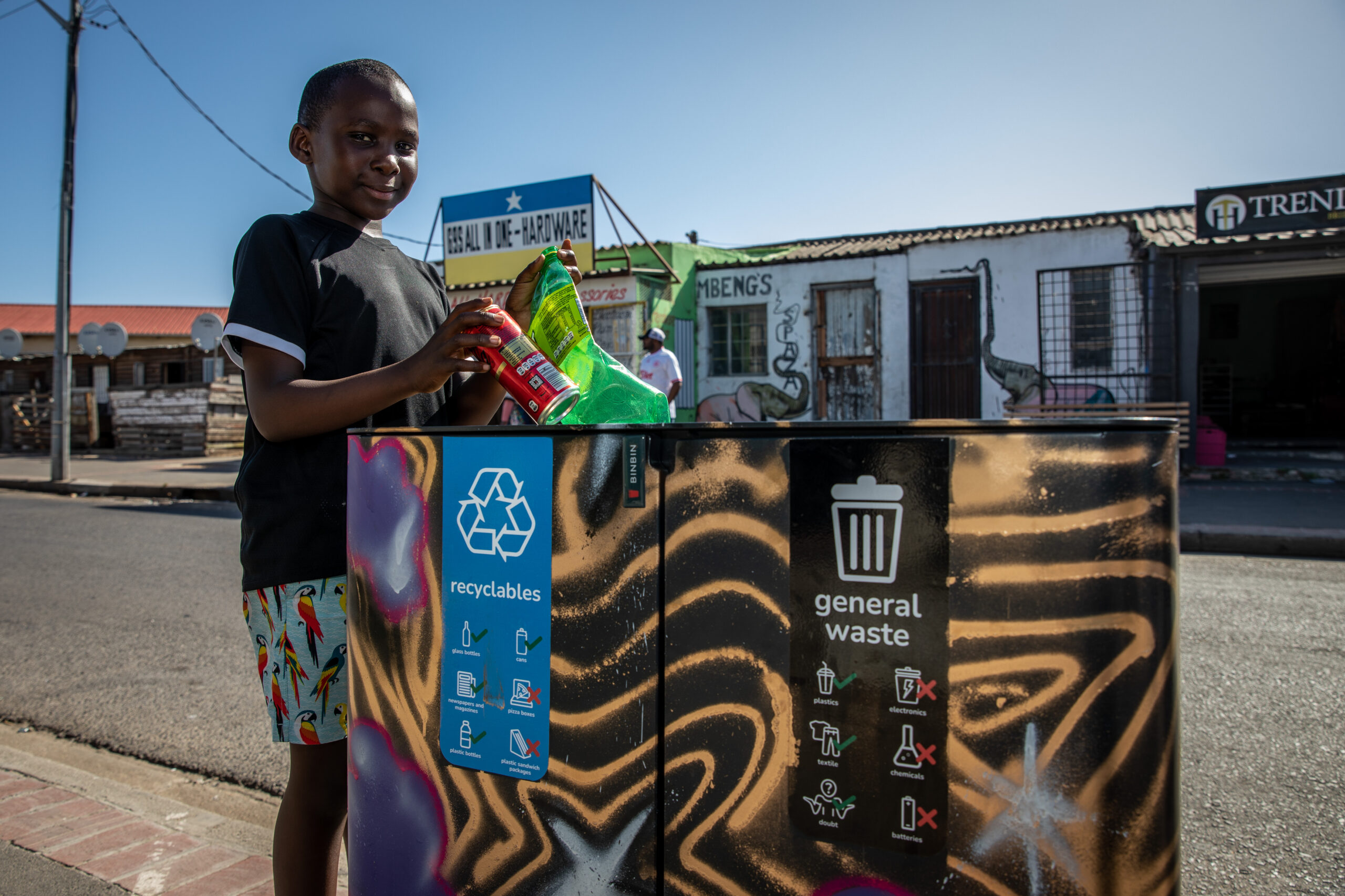
Our modular waste separation systems help organisations dramatically reduce disposal costs through improved sorting and increased recycling rates. By implementing proper waste separation at the source, businesses typically see 30-40% reductions in general waste disposal fees whilst increasing the recovery of valuable recyclable materials.
BINBIN's solutions deliver cost savings through:
- Reduced contamination rates that lower processing fees
- Increased recycling revenue from properly sorted materials
- Compliance with regulations that avoid penalty costs
- Flexible systems that adapt to changing waste streams
Our personalised consultation service includes comprehensive waste audits to identify specific cost-saving opportunities within your organisation. We provide implementation support, communication materials, and ongoing guidance to maximise your return on investment.
Ready to reduce your waste management costs? Request a free trial placement to see how our modular systems can transform your waste handling efficiency and deliver measurable savings.