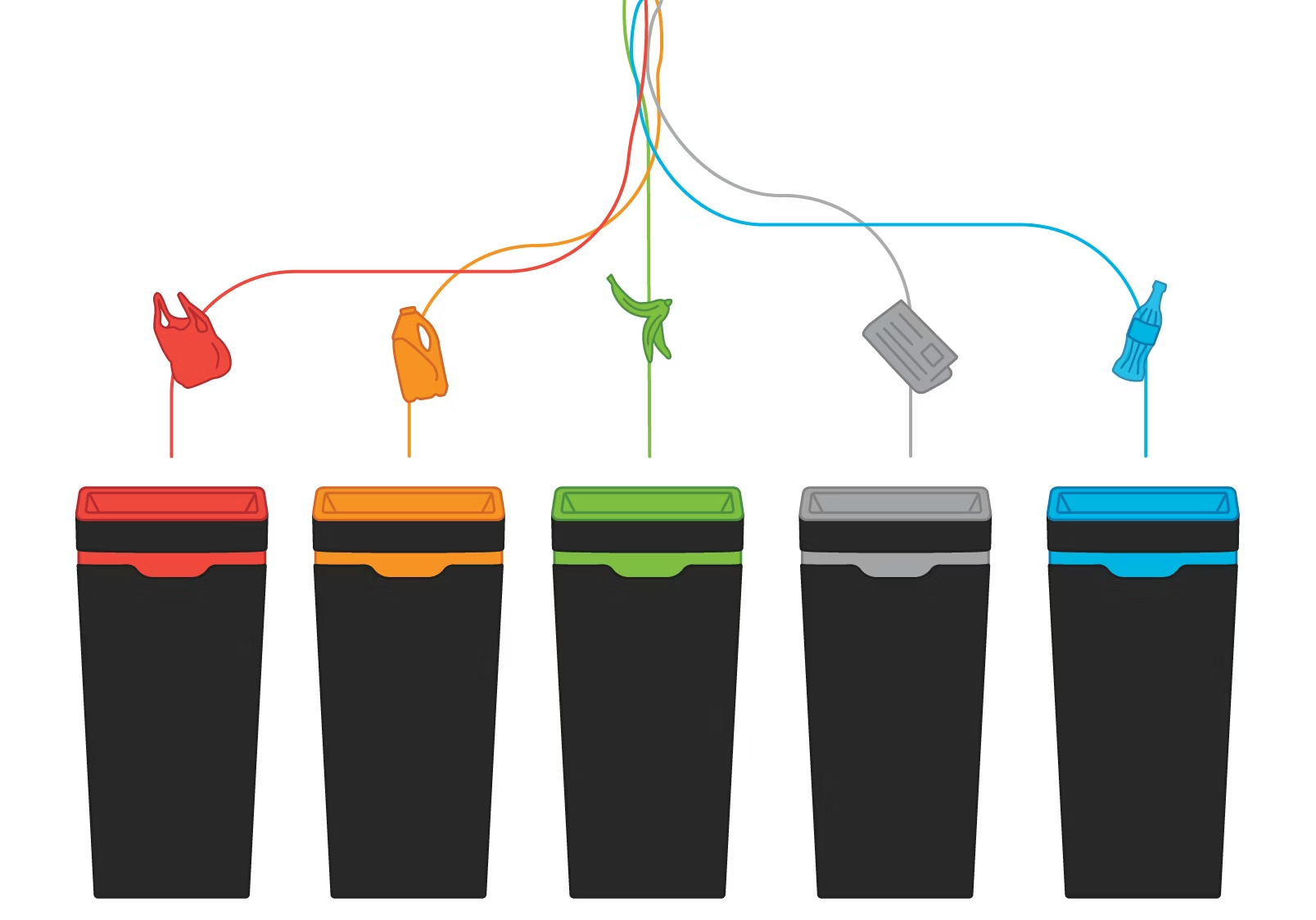
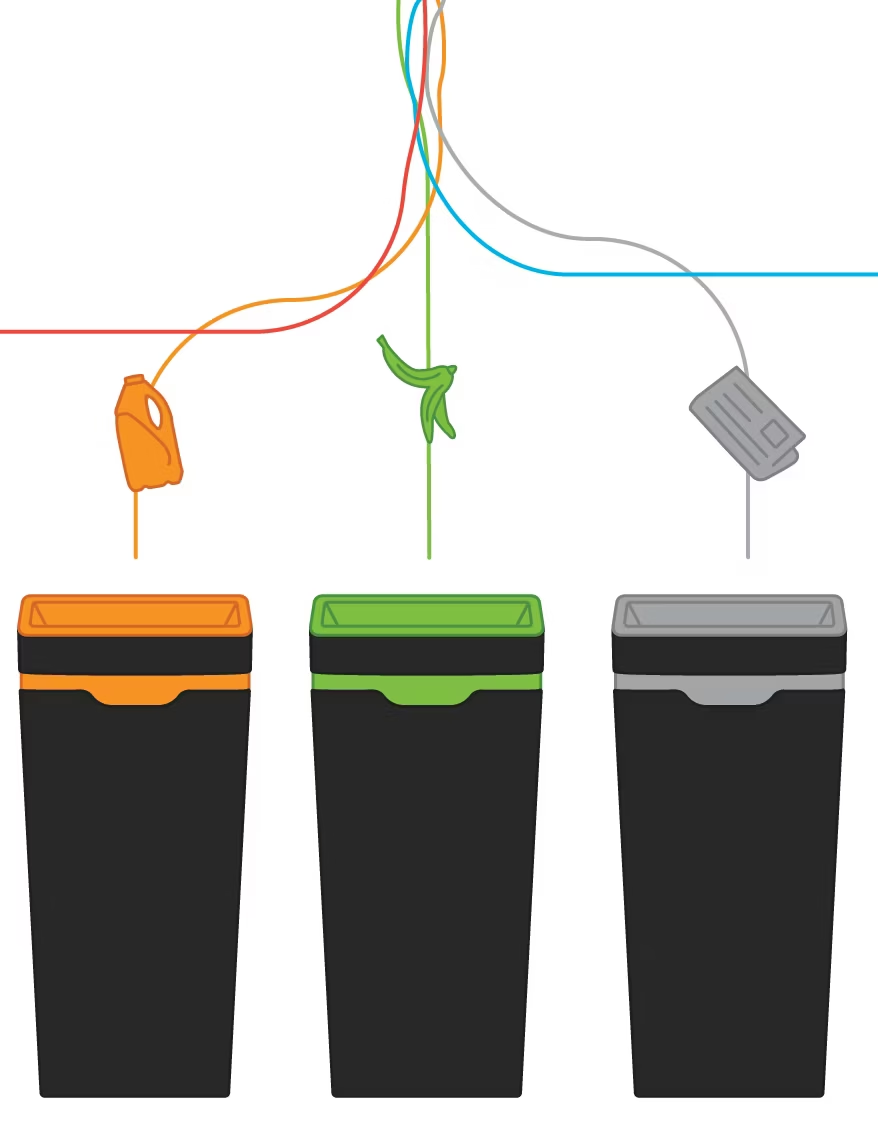
Food scraps in the office should be disposed of in separate organic waste containers to comply with legal requirements and maintain workplace hygiene. Proper disposal involves setting up designated collection systems, training employees on what qualifies as food waste, and arranging regular collection services. This approach prevents pest issues while supporting environmental sustainability through composting or anaerobic digestion.
What counts as food scraps in an office environment?
Food scraps in offices include any organic waste from employee meals, kitchen areas, and food preparation spaces. Common examples are fruit peels, vegetable trimmings, coffee grounds, tea bags, leftover sandwiches, salad remnants, and expired food items from office fridges.
Understanding the distinction between compostable and non-compostable items is crucial for effective waste management in the office. Compostable food scraps include fresh fruit and vegetable waste, bread, pasta, rice, eggshells, and most other organic materials. However, meat, fish, dairy products, and oils typically require special handling and may not be suitable for standard office composting systems.
Office kitchens and break rooms generate the majority of food waste through lunch preparation, snack consumption, and beverage preparation. Even small items like banana peels, apple cores, and sandwich crusts accumulate quickly across multiple employees, making systematic collection essential for maintaining cleanliness and compliance.
Why is proper food scrap disposal important in the workplace?
Proper food scrap disposal prevents hygiene issues, pest infestations, and unpleasant odours that can disrupt the work environment. It also ensures compliance with increasingly common legal requirements for organic waste separation while demonstrating corporate environmental responsibility.
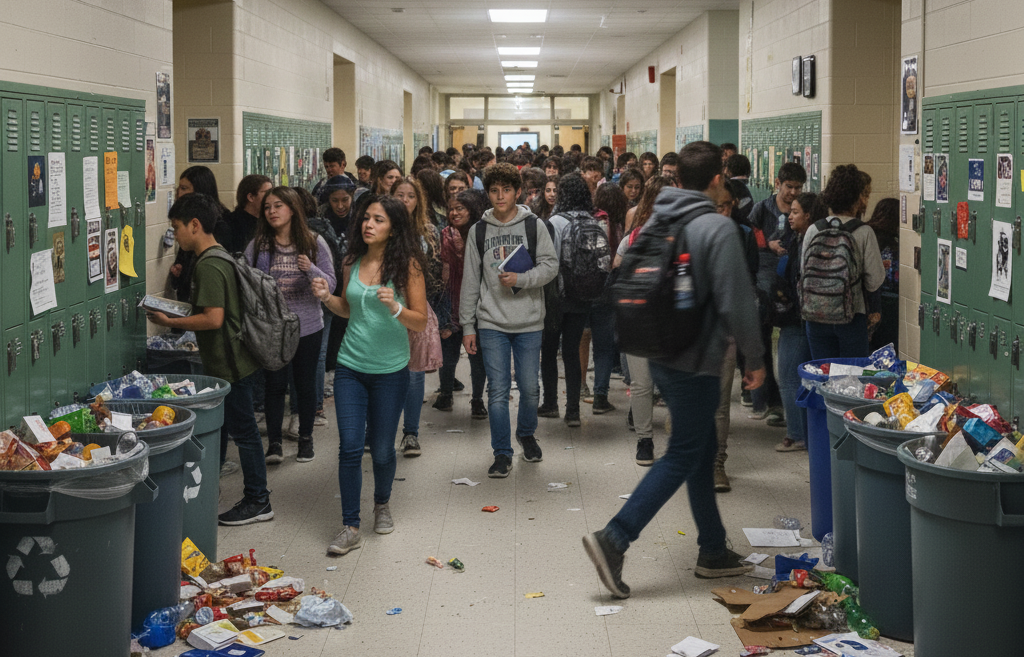
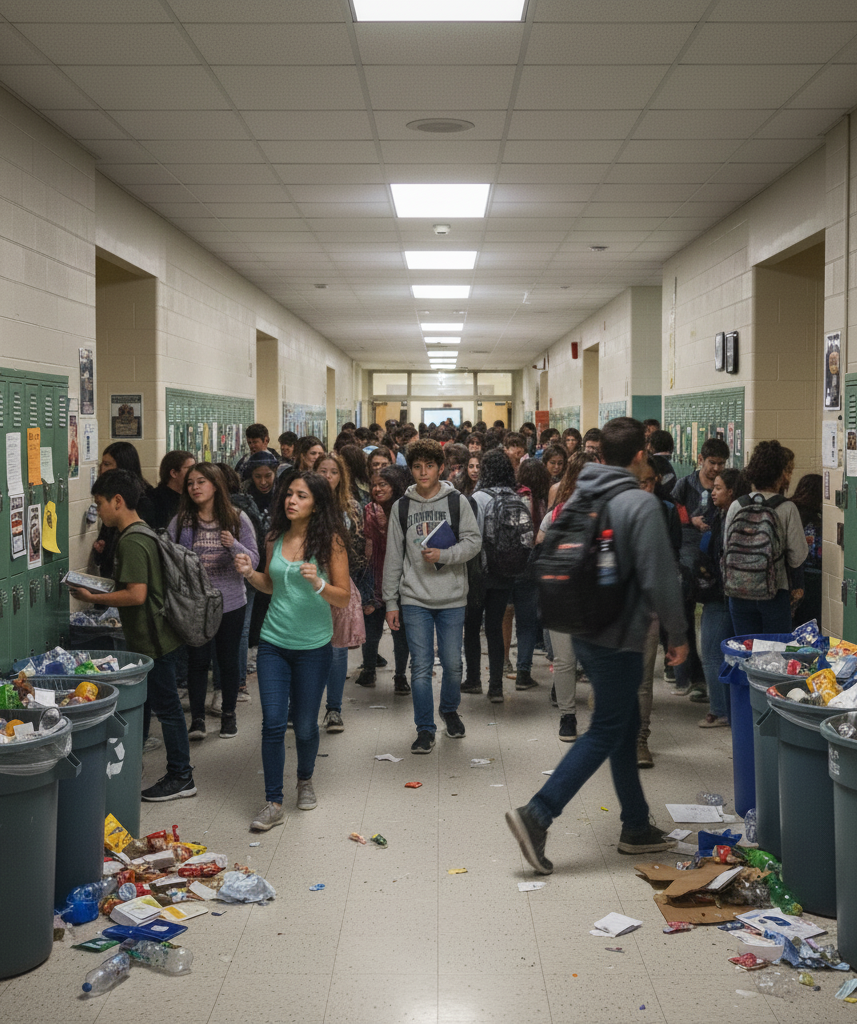
Hygiene concerns arise when food waste mixes with general rubbish, creating bacterial growth and attracting insects or rodents. These issues can compromise employee health and create unprofessional working conditions. Regular food scrap removal helps keep break rooms and kitchen areas cleaner.
Environmental impact is another critical factor. Food waste in landfills produces methane, a potent greenhouse gas. Proper separation allows organic waste to be processed through composting or anaerobic digestion, creating valuable resources like compost or renewable energy instead of harmful emissions.
From a business perspective, effective food scrap management often reduces overall waste disposal costs. Many waste management companies charge less for properly separated organic waste than for mixed general waste, creating financial incentives alongside environmental benefits.
What are the legal requirements for food waste separation in offices?
Legal requirements for office food waste separation vary by region but are increasingly common across many countries. Most regulations apply to businesses generating significant amounts of organic waste, typically measured by employee count or waste volume.
In many European countries, commercial buildings must separate organic waste when they produce more than a specified amount each week. These regulations often include offices with cafeterias, large break rooms, or significant numbers of employees who regularly eat on-site.
Compliance requirements typically include:
- Providing separate collection containers for organic waste
- Training employees on proper separation procedures
- Arranging collection services with certified waste management providers
- Maintaining records of waste separation and disposal
- Regular monitoring to ensure proper implementation
Penalties for non-compliance can include fines, additional inspections, and mandatory implementation timelines. Many regions provide transition periods and support resources to help businesses adapt to new requirements.
How should offices set up food scrap collection systems?
Setting up effective food scrap collection requires strategic bin placement, clear signage, appropriate containers, and comprehensive employee training. The system should make proper disposal convenient while preventing contamination and odours.
Container placement is critical to success. Position food scrap bins near areas where employees consume food, including break rooms, kitchens, and dining areas. Ensure bins are easily accessible but do not obstruct normal workflow.
Here is a step-by-step implementation process:
- Assess your office layout and identify primary food consumption areas
- Calculate the appropriate bin sizes based on employee numbers and eating patterns
- Install clear, multilingual signage showing acceptable and unacceptable items
- Provide training sessions explaining the new system and its importance
- Establish collection schedules to prevent overflow and odours
- Monitor usage and adjust bin placement or sizes as needed
- Create feedback mechanisms for employees to report issues or suggestions
Consider different office sizes when planning your system. Smaller offices may need only one or two strategically placed containers, while larger facilities require multiple collection points and potentially different container sizes for various areas.
What happens to food scraps after they're collected from offices?
Collected food scraps are processed through commercial composting facilities, anaerobic digestion plants, or other organic waste treatment methods. These processes transform waste into valuable resources like compost, biogas, or renewable energy.
Commercial composting facilities process food scraps through controlled decomposition, creating nutrient-rich compost for agricultural and landscaping use. This process typically takes several weeks and requires proper temperature, moisture, and oxygen management to ensure complete breakdown.
Anaerobic digestion is another common processing method in which microorganisms break down organic matter without oxygen. This process produces biogas for energy generation and digestate for soil improvement. Many facilities use this method because it generates renewable energy while processing waste.
Circular economy benefits include reduced landfill pressure, decreased greenhouse gas emissions, and the creation of valuable end products. Food scraps that would otherwise produce harmful methane in landfills become resources that support sustainable agriculture and renewable energy production.
Some facilities also process food waste into animal feed supplements or industrial materials, depending on the waste composition and local regulations. These applications further reduce environmental impact while creating economic value from what was previously considered waste.
How BINBIN helps with office food scrap disposal
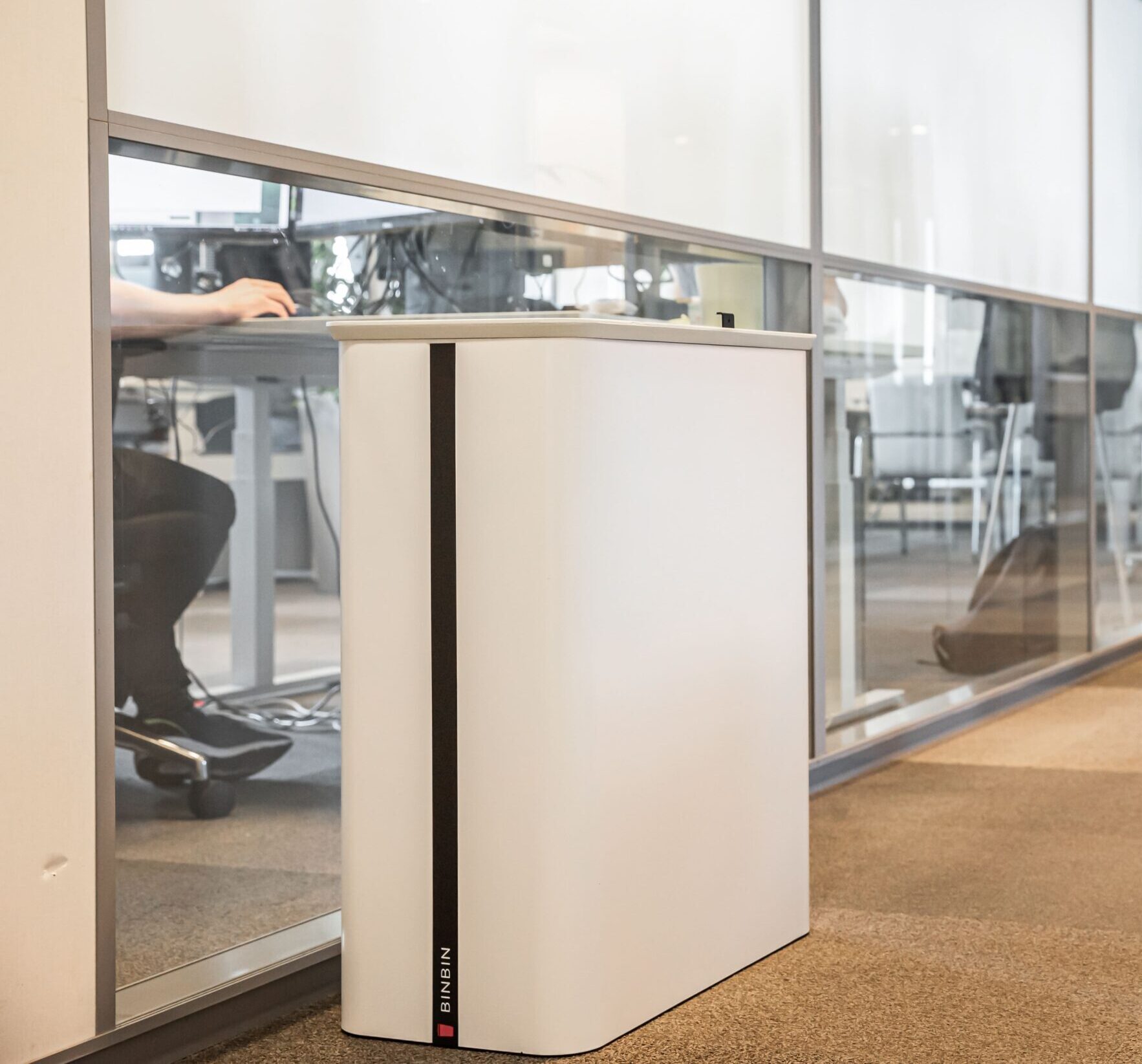
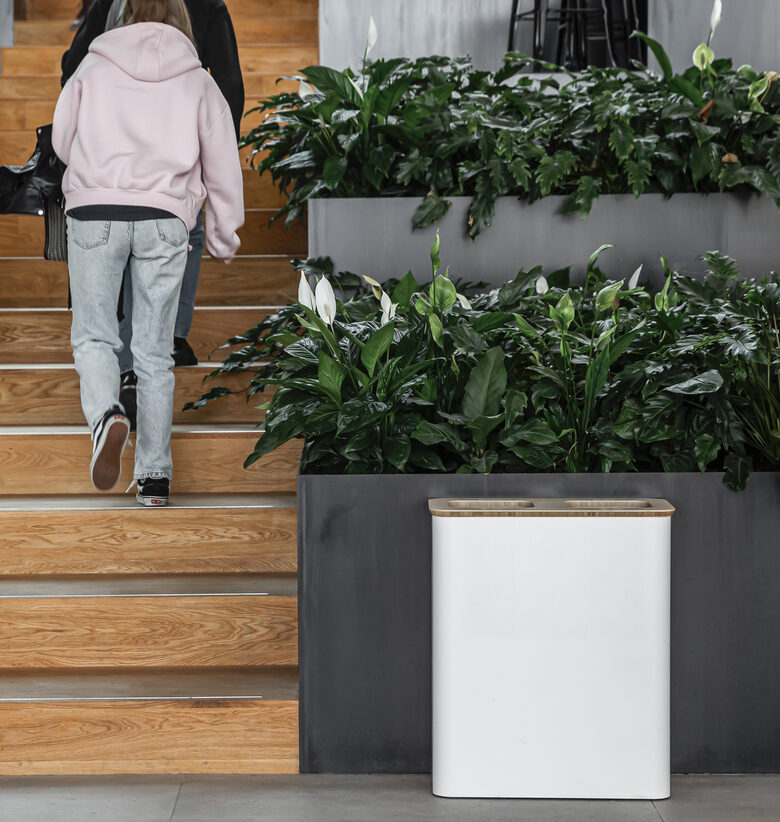
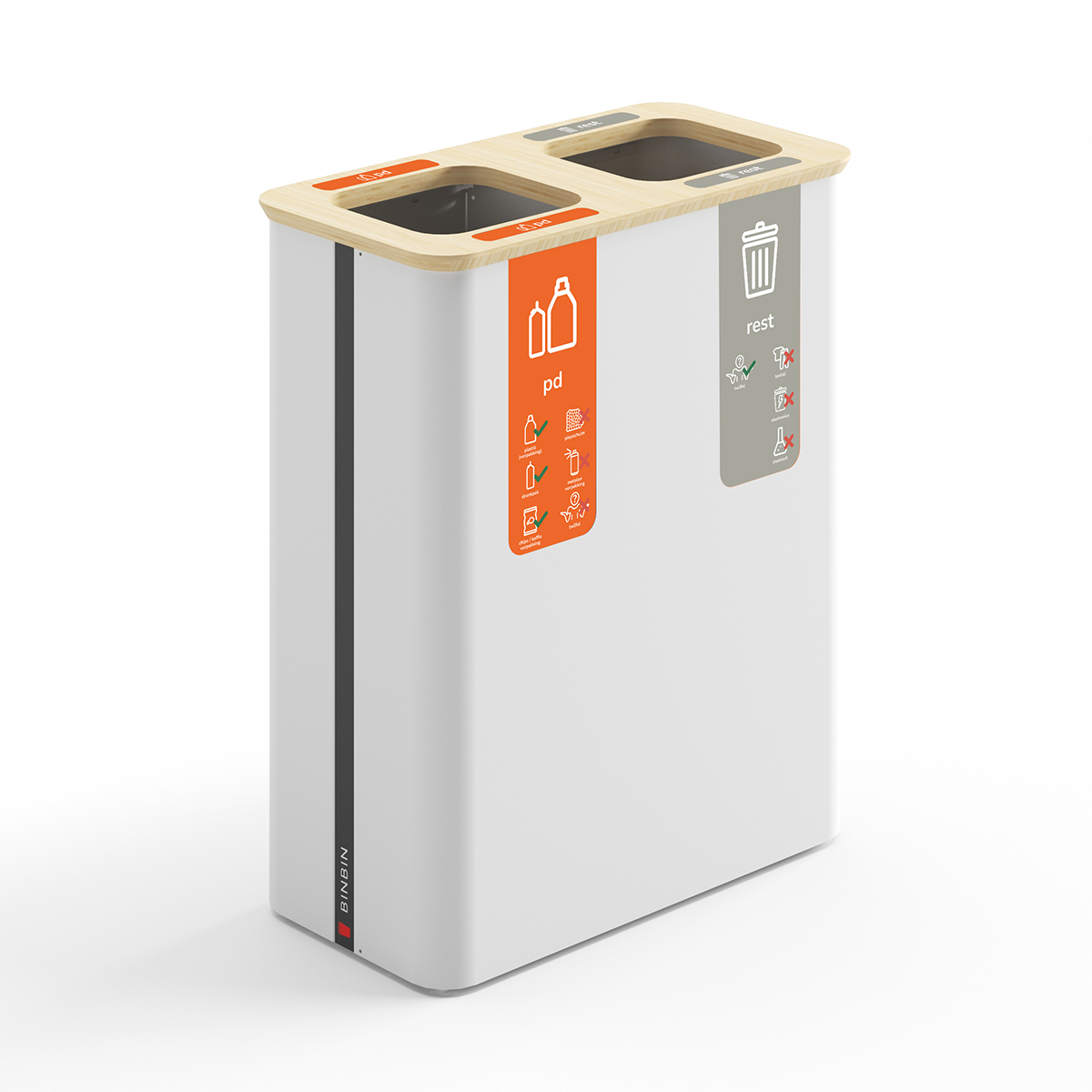
We provide comprehensive modular waste separation solutions specifically designed for effective waste management in office environments. Our systems make food scrap separation simple, hygienic, and compliant with legal requirements while maintaining professional office aesthetics.
Our modular approach offers several key advantages for office food scrap management:
- Flexible configurations that adapt to different office layouts and employee numbers
- Clean, professional designs that integrate seamlessly with modern office environments
- Easy-to-understand labelling systems that reduce contamination and improve compliance
- Durable construction from recycled materials, supporting your sustainability goals
- Simple reconfiguration as your office needs change or expand
We provide personalised guidance throughout the implementation process, including site assessments, employee training materials, and ongoing support to ensure successful adoption. Our industry-specific solutions address the unique challenges of office food waste management.
Ready to implement compliant food scrap disposal in your office? Request a trial placement to experience our modular system firsthand, or contact us for a customised quote based on your specific office requirements and employee numbers.