The future of waste management is being shaped by digital technology, circular economy principles, and evolving regulations that prioritise sustainability over disposal. Smart systems, modular solutions, and data-driven approaches are transforming how organisations handle waste, making separation more efficient while reducing environmental impact. These changes are creating new opportunities for businesses to save costs and meet growing compliance requirements.
What is driving the transformation of waste management today?
Environmental regulations, technological advances, and circular economy principles are the primary forces reshaping modern waste management. Governments worldwide are implementing stricter waste separation laws, while businesses face increasing pressure from stakeholders to demonstrate environmental responsibility. Consumer expectations for sustainable practices are also driving organisations to rethink their approach to waste management in the office and beyond.
Climate change concerns have accelerated regulatory changes, with many countries introducing extended producer responsibility laws that make manufacturers accountable for their products' entire lifecycle. These regulations require businesses to design out waste from the beginning rather than managing it after it is created.
Technology integration is another major driver, with IoT sensors and artificial intelligence making waste tracking and optimisation possible at unprecedented scales. Digital platforms now allow organisations to monitor waste streams in real time, identify inefficiencies, and adjust their strategies accordingly.
Economic factors also play a crucial role, as businesses discover that effective waste management reduces disposal costs while creating new revenue streams through material recovery and recycling programmes.
How will smart technology revolutionise waste collection and sorting?
Smart technology will automate waste collection routes, improve sorting accuracy through AI-powered systems, and provide real-time data analytics for optimisation. IoT sensors in bins will monitor fill levels, reducing unnecessary collection trips while ensuring containers never overflow. Machine learning algorithms will enhance sorting precision, identifying materials that human workers might miss.
Automated collection systems are already being tested in major cities, using sensors to create dynamic routes that adapt to actual waste generation patterns rather than fixed schedules. This approach reduces fuel consumption and labour costs while improving service reliability.
AI-powered sorting facilities can process mixed waste streams with remarkable accuracy, using computer vision and robotics to separate materials at speeds impossible for manual sorting. These systems continuously learn and improve their identification capabilities.
Data analytics platforms provide insights into waste generation patterns, helping organisations identify reduction opportunities and track progress towards sustainability goals. Predictive analytics can forecast waste volumes, enabling better resource planning and cost management.
What does the circular economy mean for business waste strategies?
The circular economy requires businesses to design out waste, keep materials in use longer, and regenerate natural systems rather than following the traditional take-make-dispose model. This approach transforms waste from a cost centre into a resource stream, where materials maintain their value through multiple use cycles.
Organisations implementing circular principles focus on product design that enables easy disassembly and material recovery. This might involve choosing materials that can be recycled indefinitely or designing products for repair and refurbishment rather than replacement.
Business models are evolving to support circular approaches, with companies offering product-as-a-service arrangements in which they retain ownership and responsibility for materials throughout the product lifecycle. This creates incentives for durability and efficient material use.
Collaboration between businesses becomes essential in circular systems, with one company's waste becoming another's input material. These industrial symbiosis relationships create new economic opportunities while reducing environmental impact.
Which waste reduction strategies will become standard practice?
Source separation, modular collection systems, employee engagement programmes, and material recovery initiatives will become standard practice across most organisations. These strategies focus on preventing waste generation and maximising material recovery rather than simply managing disposal.
The following approaches are gaining widespread adoption:
- Source separation systems that make it easy for employees to sort waste correctly at the point of disposal
- Modular waste collection that adapts to changing needs and space constraints
- Employee education programmes that build understanding and engagement with sustainability goals
- Material recovery partnerships with local recycling facilities and circular economy networks
- Digital tracking systems that monitor waste streams and identify improvement opportunities
Organisations are also implementing waste audits to understand their current situation and set realistic reduction targets. These assessments reveal opportunities for process improvements and help prioritise intervention strategies.
How are regulatory changes shaping waste management requirements?
New legislation is mandating waste separation, extending producer responsibility, and setting ambitious recycling targets that require organisations to fundamentally change their waste management approaches. Extended producer responsibility laws make manufacturers accountable for their products' environmental impact throughout their entire lifecycle, including disposal and recycling.
Many jurisdictions now require businesses to separate specific waste streams, with penalties for non-compliance becoming increasingly severe. These regulations often include reporting requirements that demand detailed tracking of waste generation and disposal methods.
Landfill restrictions are becoming more common, with some regions banning certain materials from landfill disposal entirely. This forces organisations to find alternative solutions through recycling, composting, or energy recovery.
Carbon pricing mechanisms are also influencing waste management decisions, as disposal methods with higher environmental impacts become more expensive. This creates economic incentives for waste reduction and circular economy approaches.
Organisations can prepare for stricter regulations by implementing robust separation systems now, building relationships with certified waste processors, and developing internal tracking capabilities that exceed current requirements.
What innovations are making waste segregation more effective?
Modular waste systems, intuitive design principles, visual sorting aids, and behavioural psychology applications are significantly improving waste separation rates in workplaces. These innovations address the practical challenges that prevent effective sorting while making the process more convenient for users.
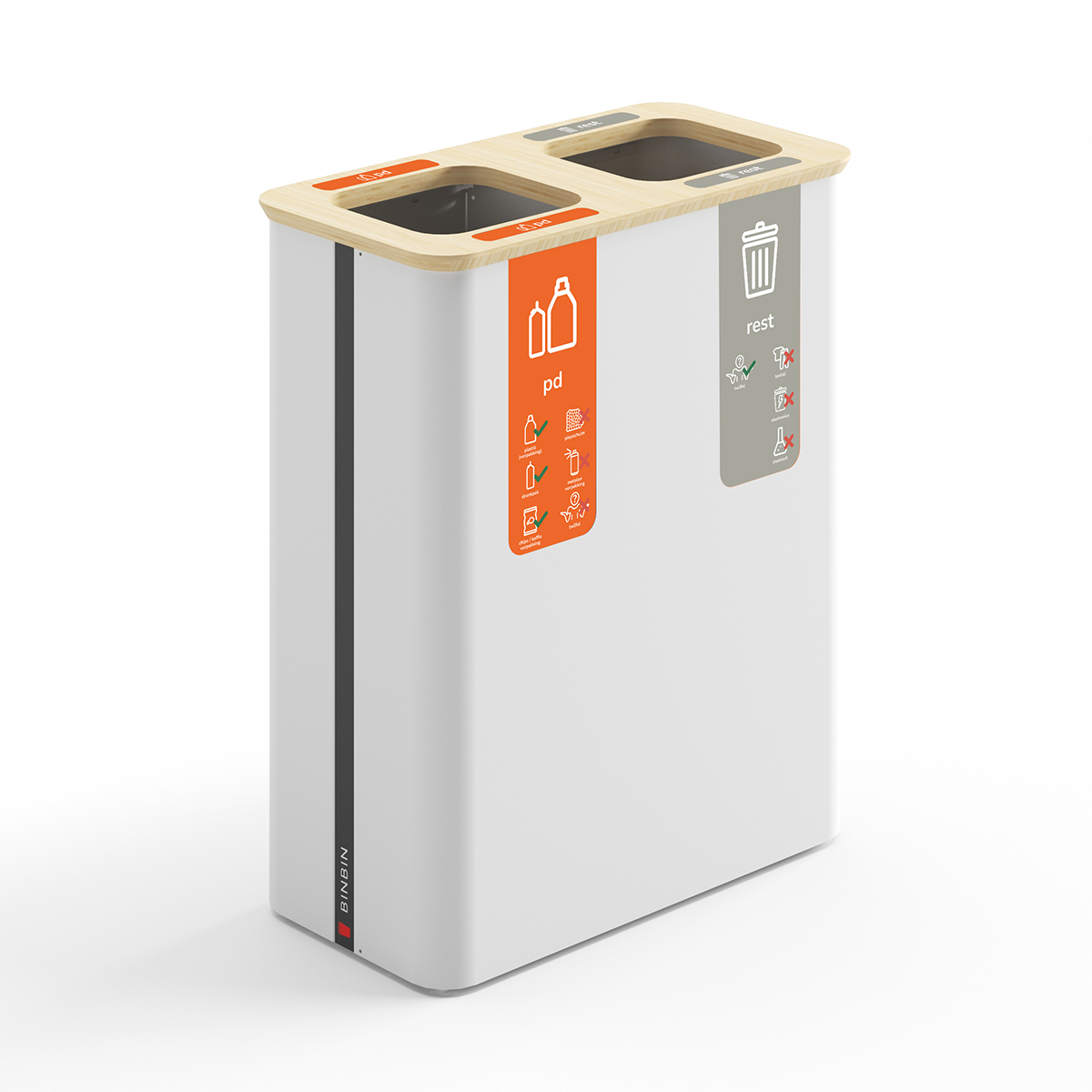
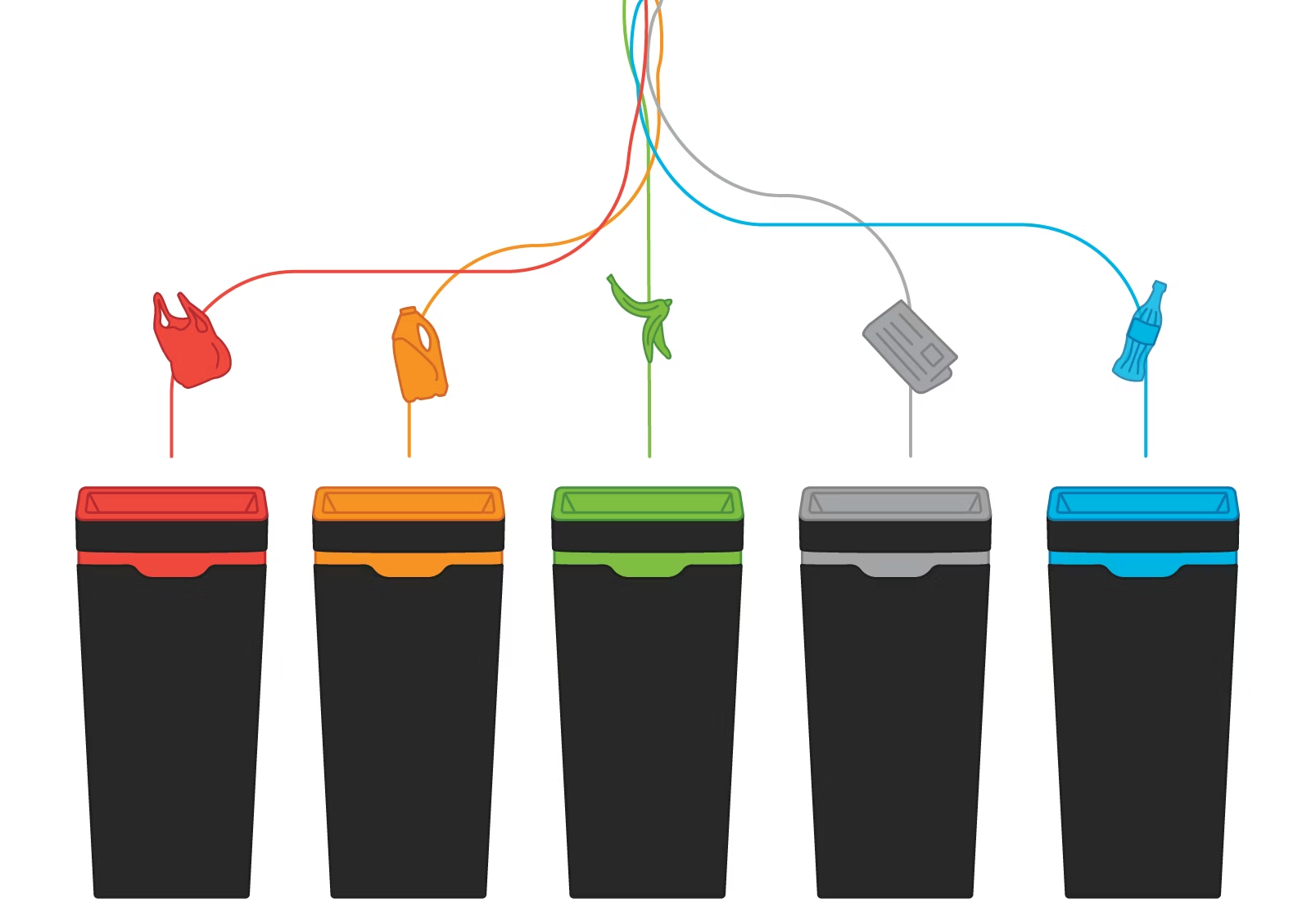
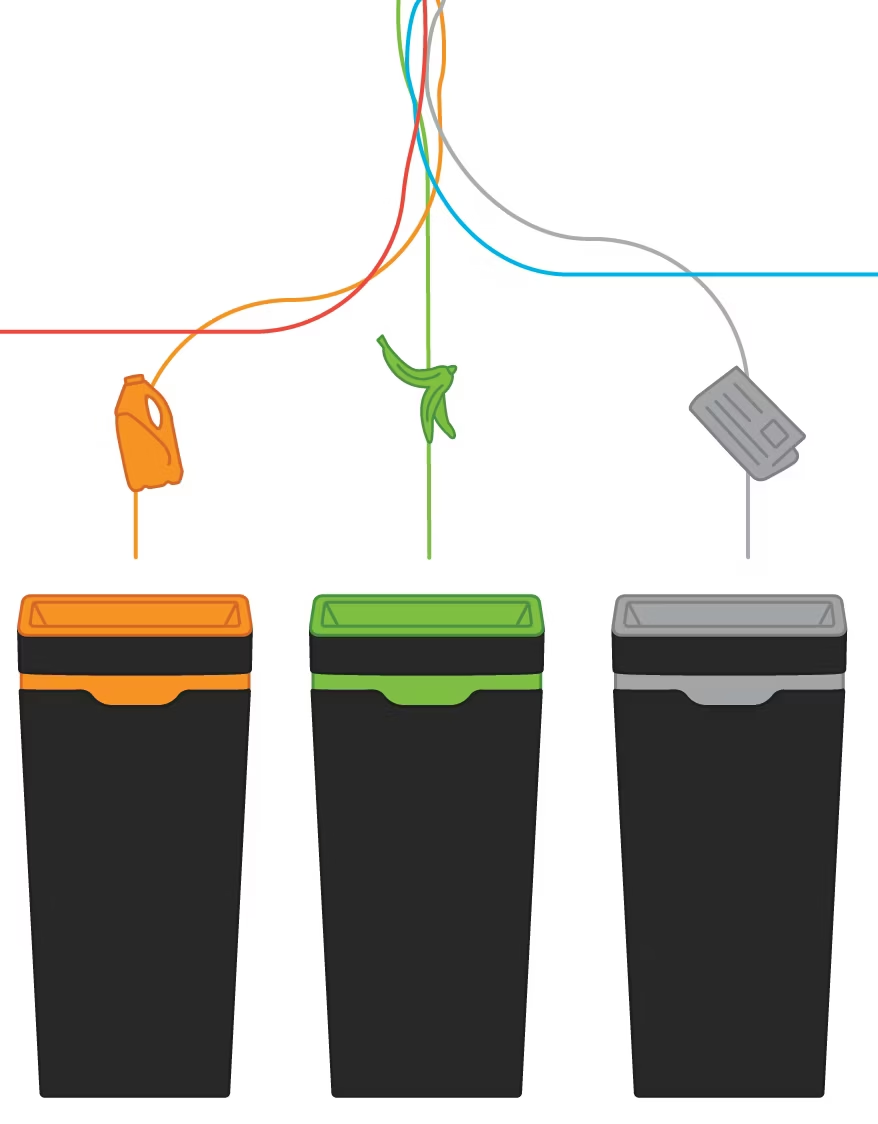
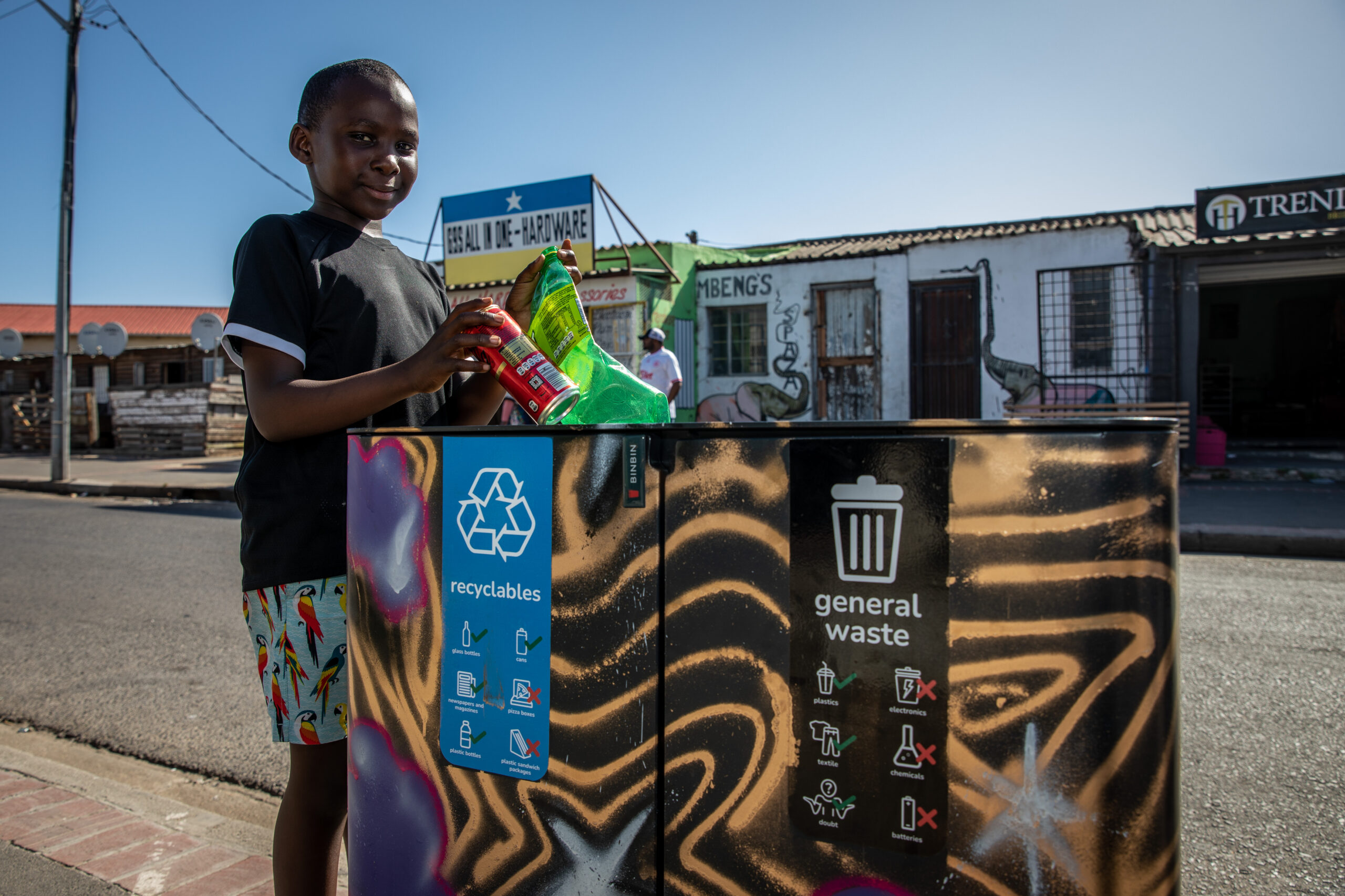
Modern segregation systems use clear visual cues, including colour coding and pictographic labels that transcend language barriers. Smart bin designs incorporate features such as different opening shapes that guide users towards correct disposal choices.
Modular approaches allow organisations to adapt their waste collection systems as needs change, without requiring complete replacement. This flexibility is particularly valuable for businesses with evolving waste streams or changing space requirements.
Behavioural insights are being applied to bin placement, with systems positioned at decision points where users naturally pause. Feedback mechanisms, such as digital displays showing segregation rates, help maintain engagement and continuous improvement.
Educational technology integration provides just-in-time guidance through QR codes or mobile apps that help users make correct sorting decisions when they are unsure about specific items.
How BINBIN helps with future-ready waste management
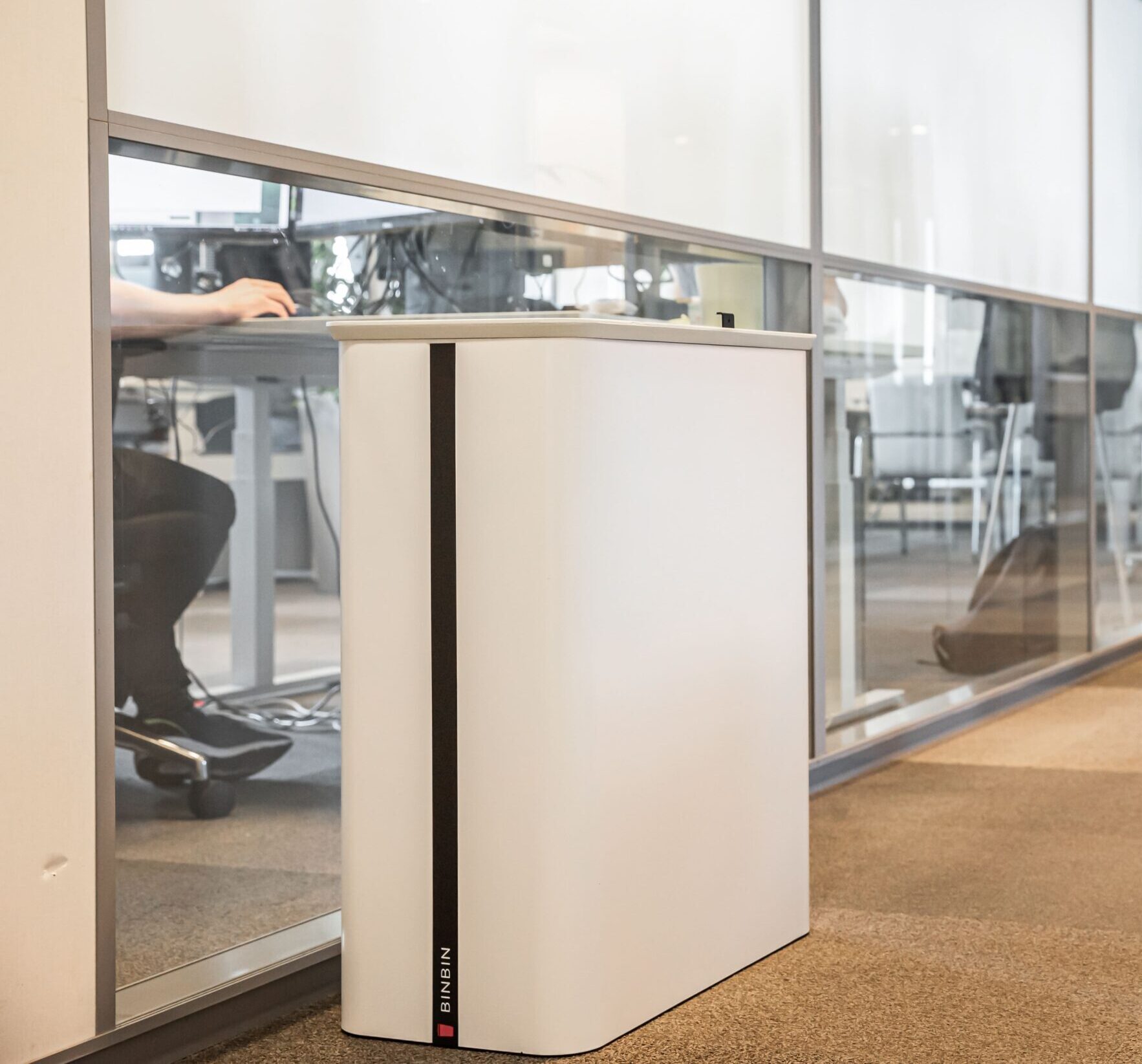
We provide modular waste separation solutions that adapt to evolving requirements while maintaining the aesthetic standards expected in modern office environments. Our systems are designed for the circular economy, with 99% recyclable materials and configurations that can grow and change with your organisation's needs.
Our approach to future-ready waste management in the office includes:
- Modular design that allows 1–8 waste streams, with easy reconfiguration as regulations change
- Circular construction using recycled materials that can be reprocessed at end of life
- Intuitive sorting systems that improve employee compliance and reduce contamination
- Customisable branding options that integrate seamlessly with your office design
- Comprehensive implementation support, including employee communication strategies
Our personalised consultation service includes waste audits and implementation planning to ensure your solution meets current needs while preparing for future regulatory changes. Contact us for a trial placement to experience how our modular approach can transform your waste management strategy.