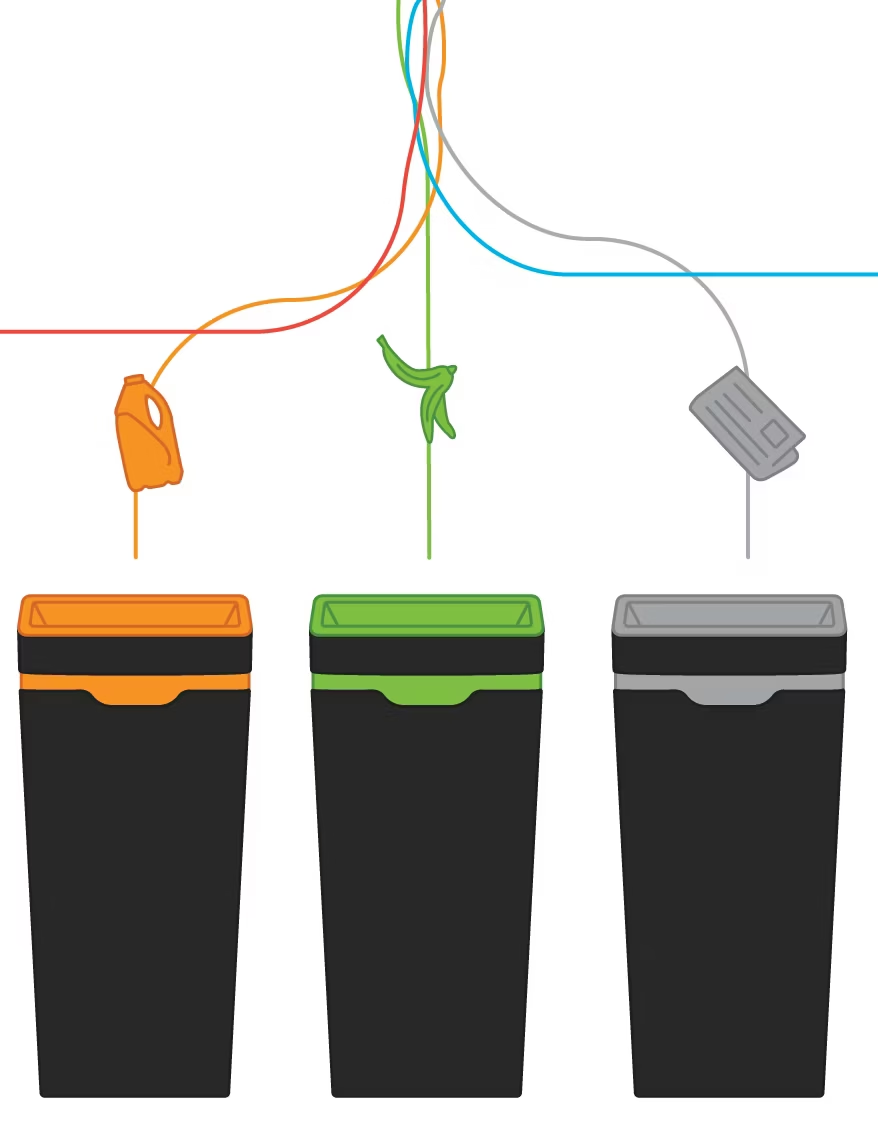
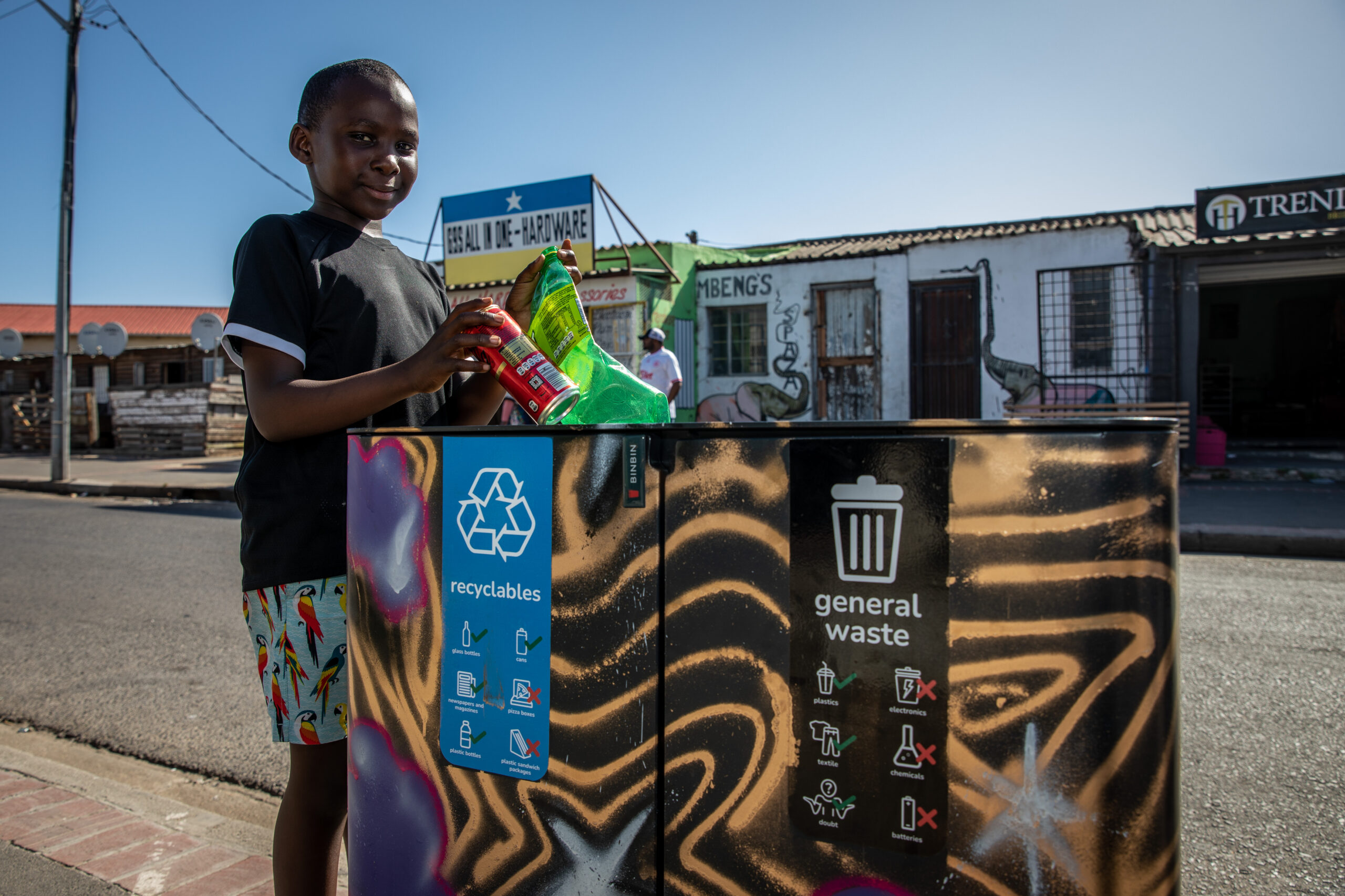
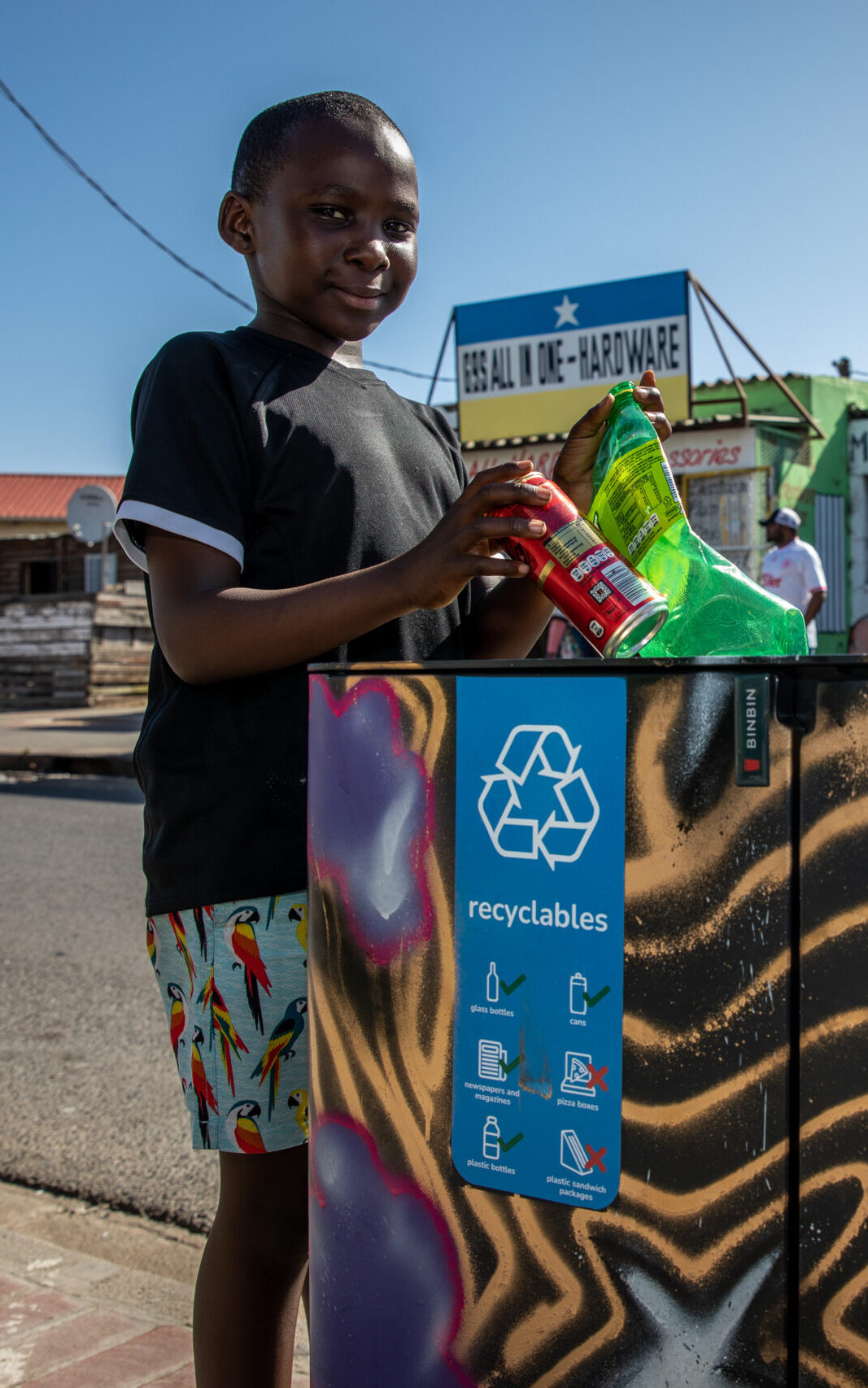
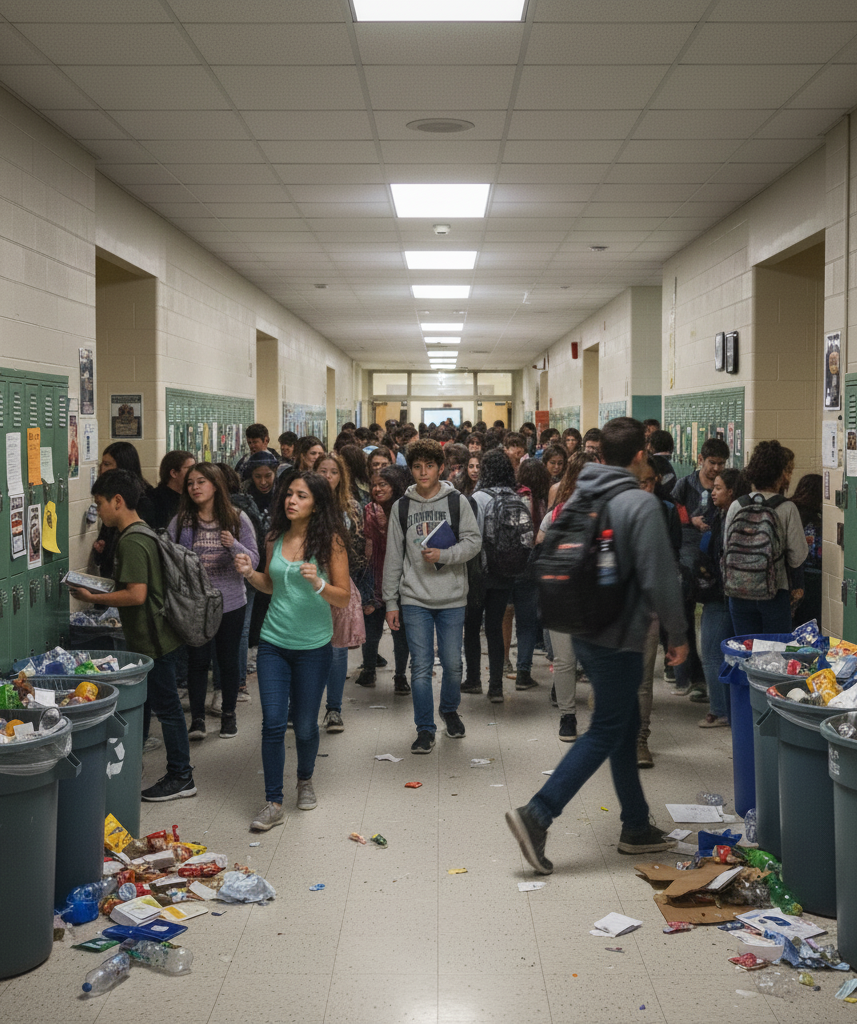
The main goal of waste segregation is to separate different types of waste at the source to enable proper recycling, reduce environmental impact, and support a circular economy. Proper waste separation prevents contamination between materials, reduces landfill waste, and transforms discarded items into valuable resources. This systematic approach addresses environmental concerns while creating economic value and meeting regulatory requirements.
What is waste segregation and why does it matter for the environment?
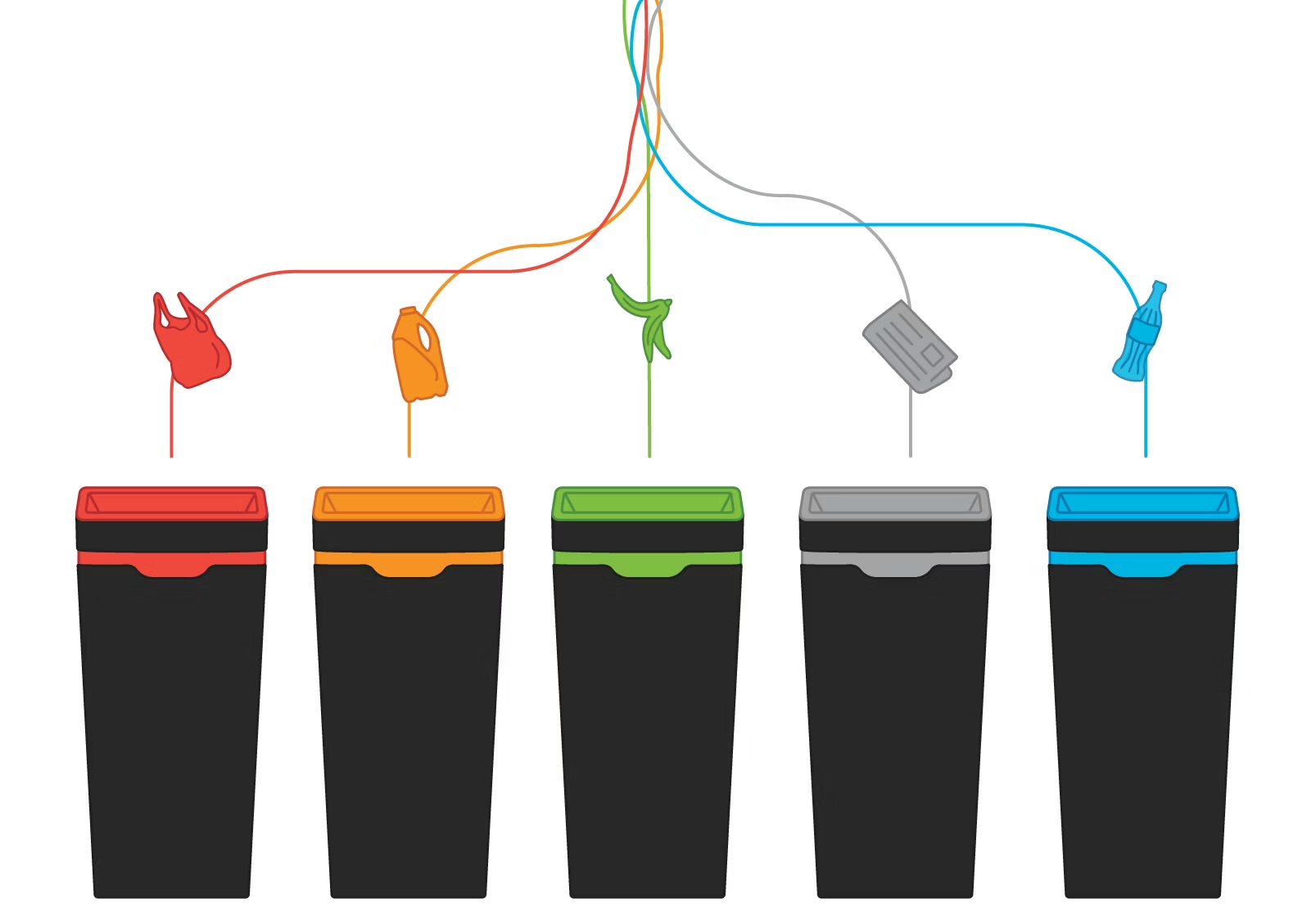
Waste segregation is the process of separating different types of waste materials at the point of disposal to enable proper processing and recycling. This fundamental practice involves sorting materials such as paper, plastic, glass, organic waste, and hazardous substances into designated containers before collection.
The environmental importance of waste segregation cannot be overstated. When materials are properly separated, recycling facilities can process them efficiently without contamination. Mixed waste often ends up in landfills, where it creates methane emissions and leaches harmful chemicals into soil and groundwater.
Proper separation at the source enables effective waste processing by maintaining material quality. Clean paper can be recycled into new paper products, while contaminated paper becomes unusable waste. The same principle applies to plastics, metals, and glass.
Resource recovery becomes significantly more effective when waste streams remain uncontaminated. Facilities can extract maximum value from materials, reducing the need for virgin resources and minimising the environmental impacts of extraction.
How does waste segregation support the circular economy?
Waste segregation creates the foundation for circular economy principles by enabling materials to re-enter production cycles rather than becoming permanent waste. This process transforms the traditional linear "take-make-dispose" model into sustainable closed-loop systems.
When materials are properly separated, manufacturers can use recycled content as feedstock for new products. Recycled aluminium requires 95% less energy than producing new aluminium from ore. Similarly, recycled paper reduces the need for fresh timber harvesting.
The circular economy depends on preserving material quality through proper segregation. Contaminated materials lose their recyclability and economic value, breaking the circular chain. Clean separation maintains material integrity throughout multiple use cycles.
This transformation turns waste from a disposal problem into valuable resource streams. Companies can access recycled materials as cost-effective alternatives to virgin resources, creating economic incentives for circular practices across various industries.
What are the main economic benefits of proper waste separation?
Proper waste separation delivers significant cost savings through reduced waste processing fees and creates revenue opportunities from recyclable materials. Organisations typically pay higher rates for mixed-waste disposal than for sorted waste streams.
The economic advantages include:
- Lower waste collection and processing costs for separated materials
- Revenue generation from selling clean recyclable materials
- Reduced contamination penalties from waste management companies
- Operational efficiency improvements through streamlined waste handling
- Compliance cost avoidance through meeting regulatory requirements
Contamination costs represent a major expense when waste isn't properly segregated. Recycling facilities charge penalty fees for contaminated loads, and entire batches may be rejected and sent to expensive landfill disposal.
Value creation from waste streams becomes possible when materials maintain their quality through proper separation. Clean cardboard, metals, and plastics have market value, while mixed, contaminated waste becomes a cost burden.
Why is waste segregation becoming legally required in many countries?
Waste segregation is becoming mandatory due to regulatory pressure to reduce landfill waste and increase recycling rates. European Union directives require member states to achieve specific recycling targets, driving national legislation that mandates separation practices.
Key regulatory drivers include:
- EU Waste Framework Directive requiring 65% municipal waste recycling by 2035
- National Extended Producer Responsibility laws making manufacturers accountable
- Corporate sustainability reporting requirements, including waste management
- Local authority mandates for commercial waste separation
- Building certification standards incorporating waste management systems
Non-compliance penalties vary by jurisdiction but typically include substantial fines and increased waste disposal costs. Some regions restrict waste collection services for non-compliant organisations, creating operational disruptions.
Implementation timelines are accelerating across sectors, with many countries introducing mandatory commercial waste separation within the next five years. Early adoption provides competitive advantages and avoids the costs of a last-minute compliance rush.
What happens when waste isn't properly segregated?
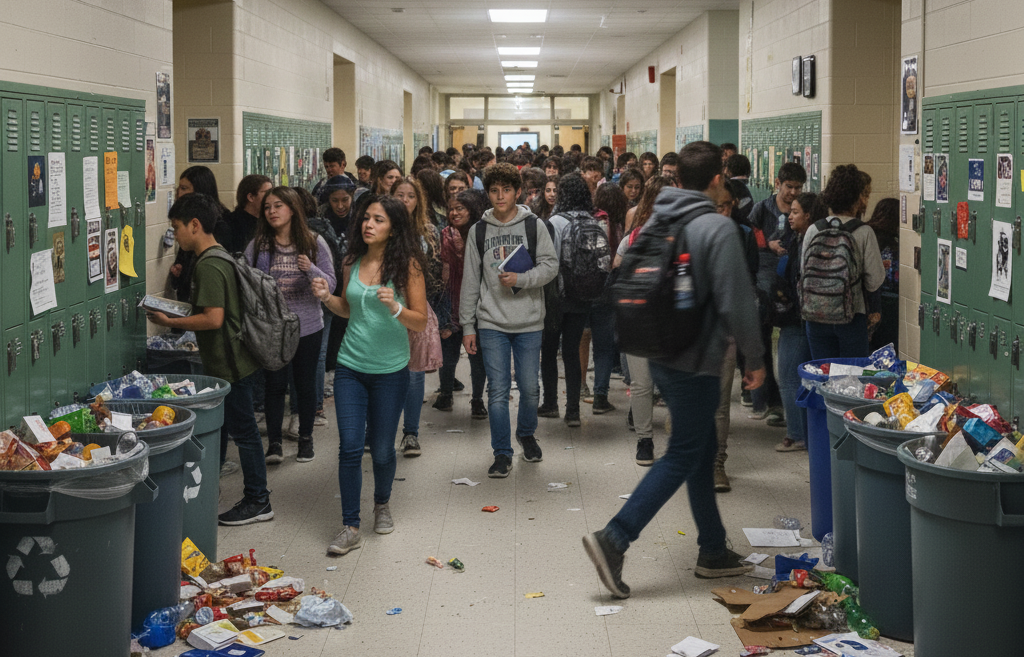
Poor waste segregation leads to contamination of recyclable materials, making them unsuitable for processing and forcing them into expensive landfill disposal. This contamination creates cascading problems throughout the waste management system.
The consequences of inadequate separation include material contamination that renders entire batches unrecyclable. A single contaminated item can spoil hundreds of kilograms of otherwise recyclable materials, multiplying environmental and economic impacts.
Increased processing costs result from contamination, as facilities must invest in additional sorting equipment and labour. These costs are passed back to waste producers through higher collection fees and contamination penalties.
Environmental damage occurs when recyclable materials end up in landfills, creating methane emissions and permanently losing their resource value. Missed resource recovery opportunities mean continued reliance on virgin material extraction.
Recycling facility operations become less efficient when dealing with mixed waste streams. Equipment designed for specific materials cannot function effectively with contaminated inputs, reducing overall system capacity and effectiveness.
How BINBIN helps with effective waste segregation
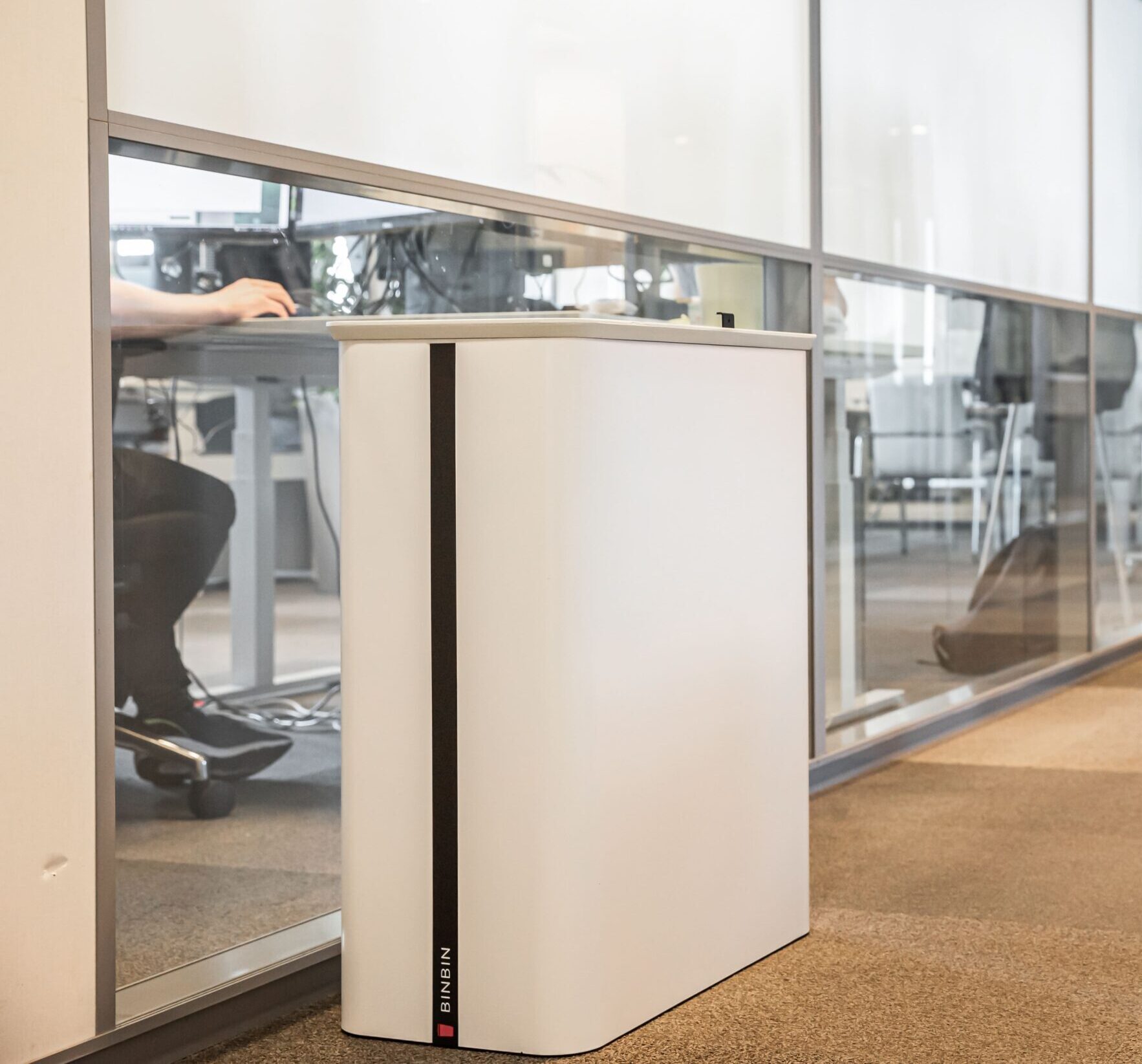
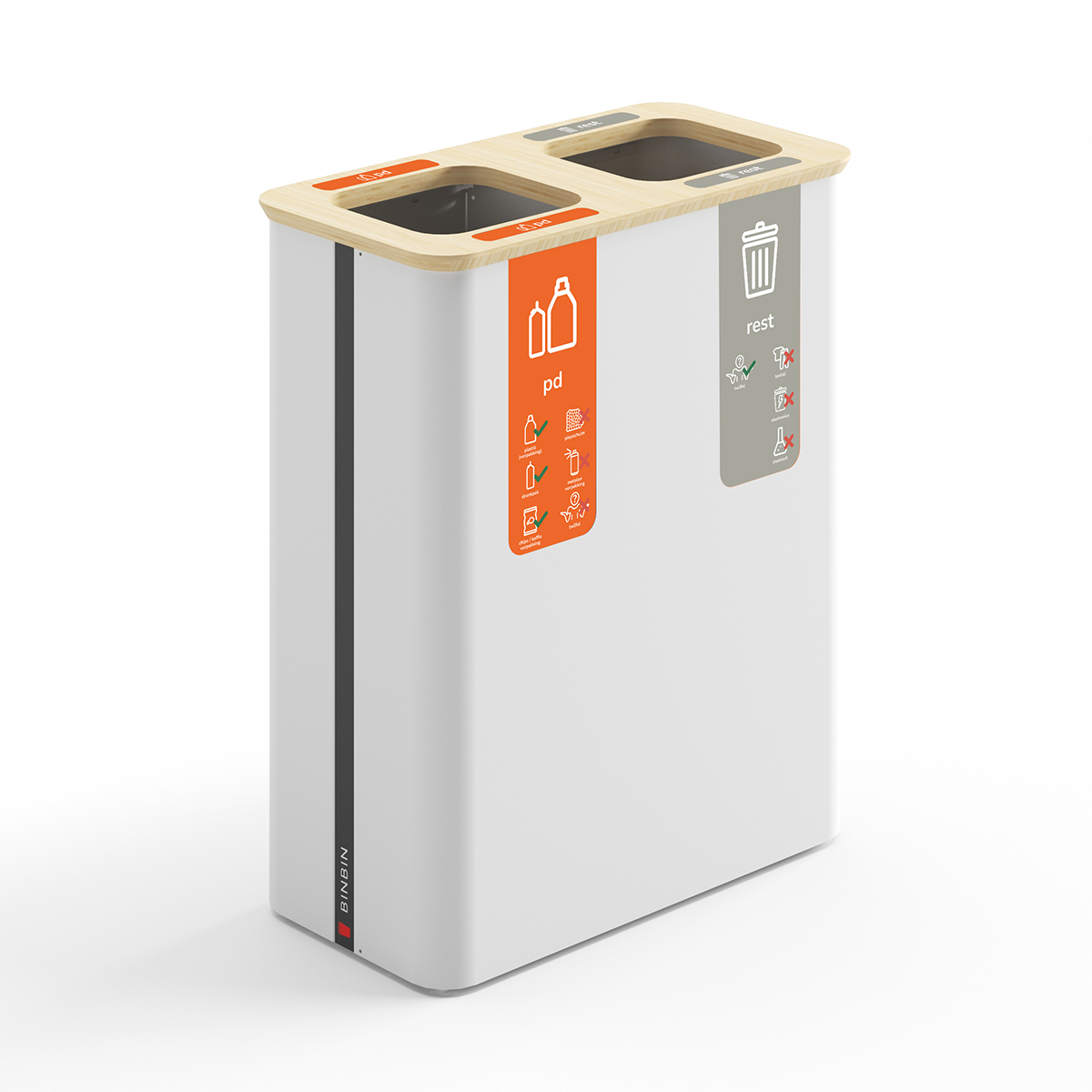
BINBIN provides modular waste separation solutions that make proper segregation practical and aesthetically pleasing for modern workplaces. Our Globular series enables organisations to separate 1 to 8 different waste streams using flexible, reconfigurable systems.
Our solutions address common segregation challenges through:
- Modular design allowing instant reconfiguration as waste streams change
- Internal splitting capabilities eliminating the need for additional containers
- Stylish aesthetics that complement professional environments
- Clear labelling and customisation options supporting user compliance
- 99% circular construction from recycled and recyclable materials
We provide comprehensive implementation support, including waste audits, communication materials, and ongoing guidance to ensure successful adoption. Our systems help organisations achieve regulatory compliance while maintaining workplace aesthetics and operational efficiency.
Ready to transform your waste management approach? Request a trial placement to experience how proper segregation can reduce costs and environmental impact, or contact us for a customised quote tailored to your specific requirements.