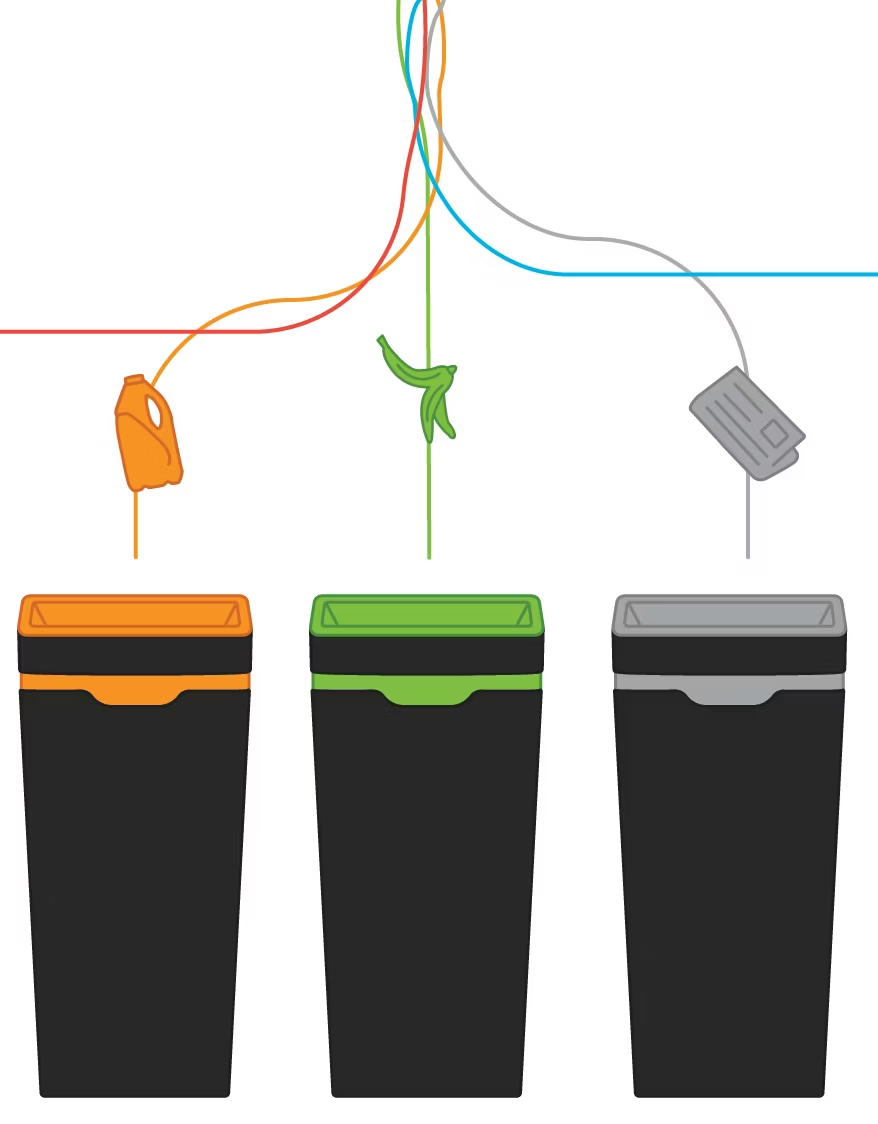
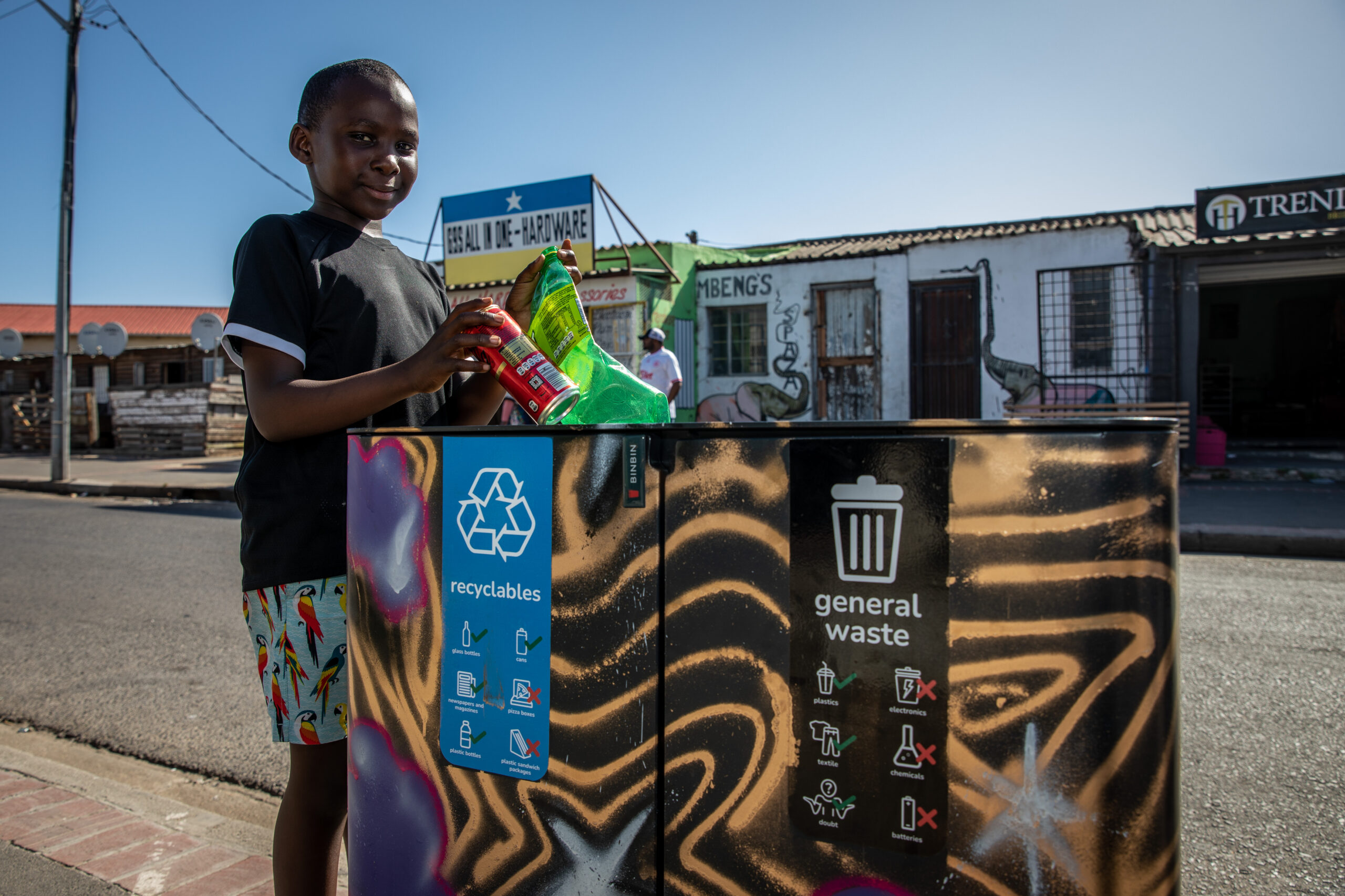
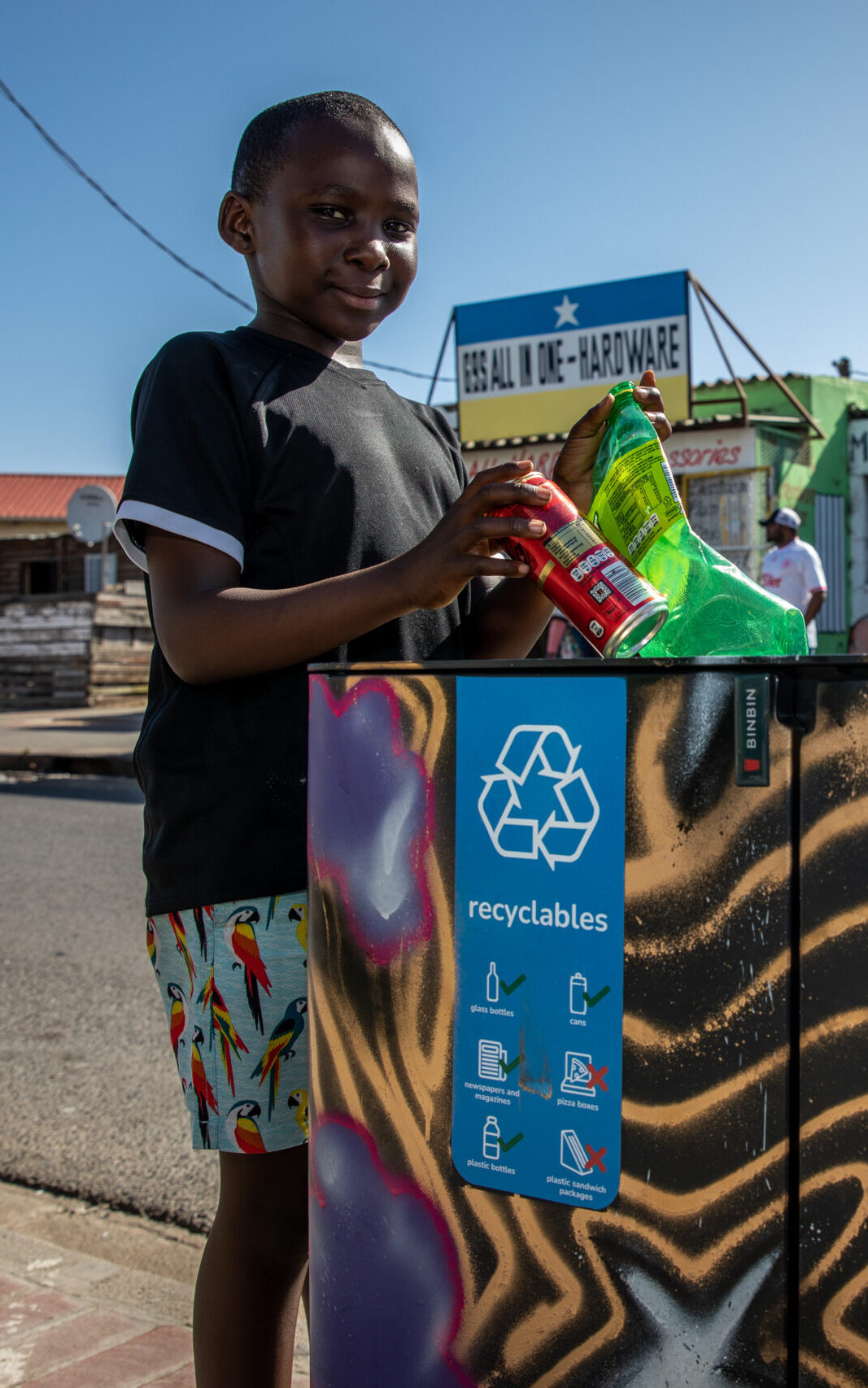
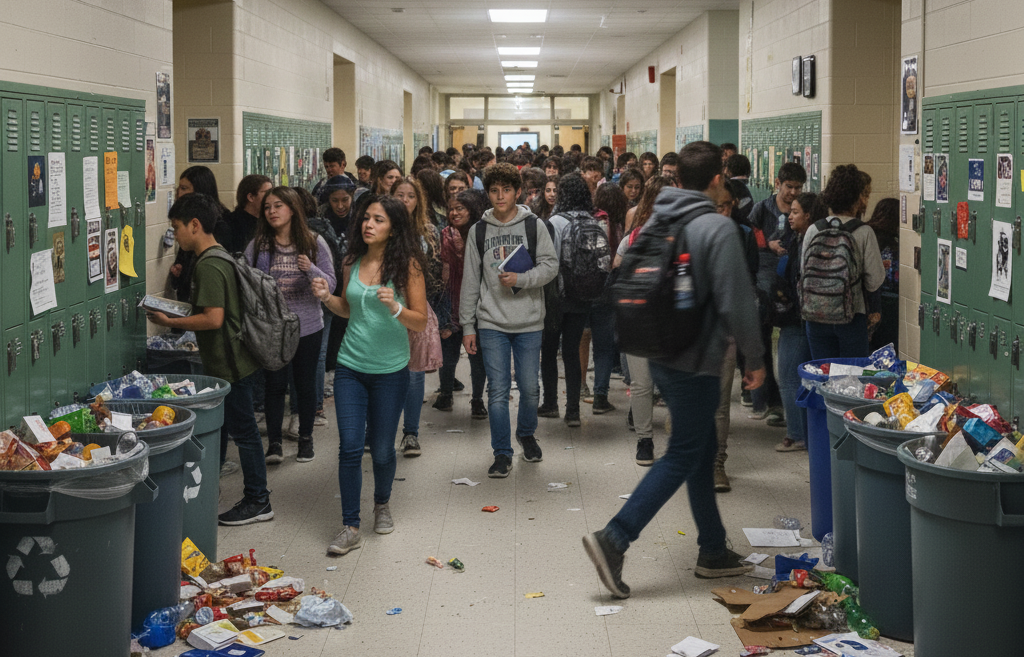
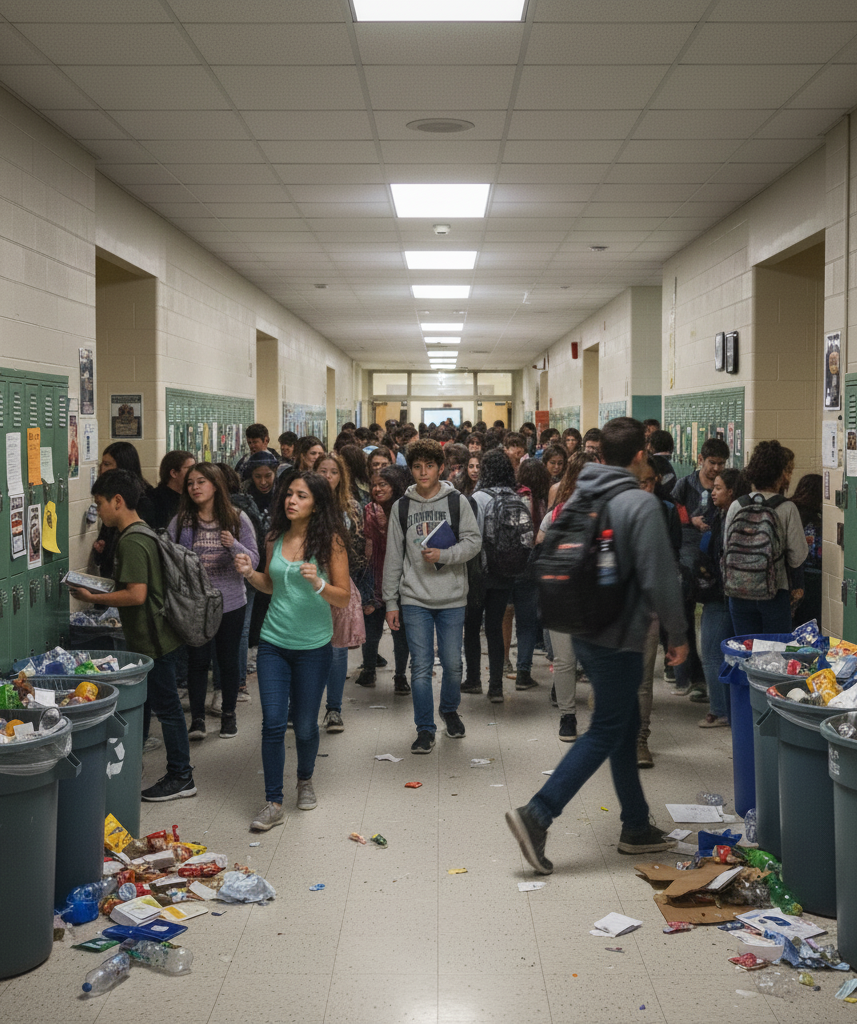
Waste separation involves sorting different types of waste materials into designated categories to enable proper recycling, reduce environmental impact, and support a circular economy. The main purpose is to prevent valuable materials from ending up in landfills while reducing contamination that makes recycling impossible. Effective waste separation helps businesses comply with environmental regulations, reduce disposal costs, and contribute to sustainable resource management.
What is the main purpose of segregation?
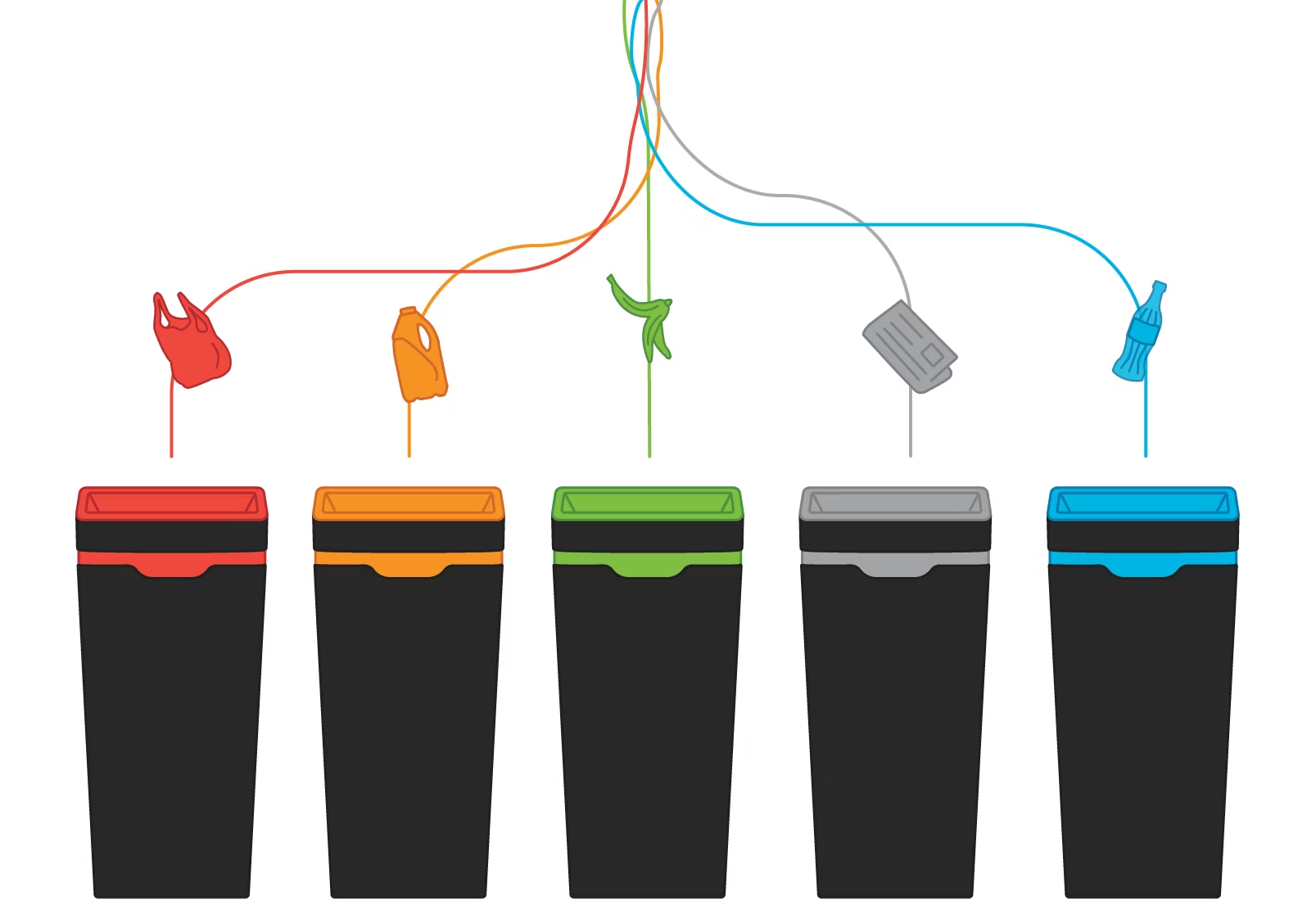
The primary purpose of waste segregation is to separate different waste materials at the source to maximise recycling potential and minimise environmental harm. This systematic sorting process ensures that recyclable materials such as paper, plastic, glass, and organic waste can be properly processed into new products rather than ending up in landfills.
Waste segregation serves three fundamental objectives in modern waste management. The process supports a circular economy by keeping materials in continuous use, reducing the need for virgin resources and minimising waste generation. Environmental impact is reduced when properly separated materials are diverted from landfills, lowering greenhouse gas emissions and reducing soil contamination.
The segregation process enables effective recycling by preventing cross-contamination between different waste streams. When materials are mixed together, the entire batch often becomes unsuitable for recycling, forcing everything into general waste disposal. Clean separation ensures maximum material recovery and maintains the quality needed to manufacture new products.
Why is waste segregation becoming mandatory for businesses?
Waste segregation is becoming legally required for businesses due to environmental regulations and circular economy legislation that hold organisations accountable for their waste impact. Many countries now mandate the separation of specific waste streams, with penalties for non-compliance and requirements for detailed waste reporting.
Environmental regulations increasingly focus on reducing landfill waste and improving recycling rates across all sectors. Businesses must demonstrate responsible waste management practices through proper segregation, documentation, and collaboration with certified waste processors. These requirements apply to offices, retail locations, manufacturing facilities, and service providers.
Compliance obligations extend beyond basic separation to include employee training, proper labelling systems, and regular audits of waste practices. Companies face financial penalties for incorrect waste handling, while proper compliance can lead to reduced waste processing costs and improved corporate sustainability ratings.
How does proper waste segregation reduce costs for companies?
Proper waste segregation reduces costs by lowering waste processing fees and creating revenue opportunities from recyclable materials. Mixed waste typically costs more to process than separated materials, while clean recyclables can generate income through material sales or reduced collection fees.
Cost-saving benefits include significantly reduced disposal fees, as separated waste streams cost less to process than mixed general waste. Many waste management companies offer preferential pricing for businesses that provide clean, separated materials. Some recyclable materials, particularly metals and high-quality paper, can generate revenue when sold to processing facilities.
Additional savings come from reduced collection frequency for general waste, as proper separation typically decreases the volume of non-recyclable materials. Companies also avoid penalty fees associated with contaminated recycling loads and may benefit from tax incentives for demonstrated environmental responsibility.
What are the most common waste segregation mistakes in offices?
The most common office waste segregation mistakes include contamination through incorrect sorting and inadequate employee training on proper separation procedures. Food-contaminated paper, mixed materials in single bins, and confusion about which items belong in each waste stream create significant processing problems.
Typical errors in workplace waste separation include:
- Placing food-soiled paper in recycling bins instead of organic waste
- Mixing different plastic types in single containers
- Disposing of electronic waste in general rubbish bins
- Contaminating paper recycling with plastic packaging materials
- Incorrect disposal of batteries and other hazardous materials
Employee compliance challenges often stem from unclear labelling, insufficient training, and inconvenient bin placement. Without proper education about segregation requirements and regular reinforcement, even well-intentioned staff members make sorting errors that compromise entire waste streams.
Which waste streams should businesses separate first?
Businesses should prioritise separating paper, cardboard, and plastic waste streams as these materials offer the greatest volume reduction and recycling value in most office environments. These streams are relatively easy to identify and separate, making them ideal starting points for waste segregation programmes.
Implementation priority should follow this sequence:
- Paper and cardboard - highest volume in most offices with excellent recycling infrastructure
- Plastic bottles and containers - easy identification and growing recycling demand
- Organic waste - significant environmental impact when properly composted
- Electronic waste - valuable materials but requires specialised processing
- Glass and metals - lower volume but high recycling value
Focus on high-impact waste streams that your staff can easily identify and separate correctly. Starting with too many categories simultaneously often leads to confusion and contamination. Gradually add additional streams as employees become comfortable with the basic separation process.
How can companies encourage employee participation in waste segregation?
Companies can improve employee participation through clear communication, convenient systems, and positive reinforcement that make waste segregation easy and rewarding. Successful programmes combine practical infrastructure with education and recognition for proper participation.
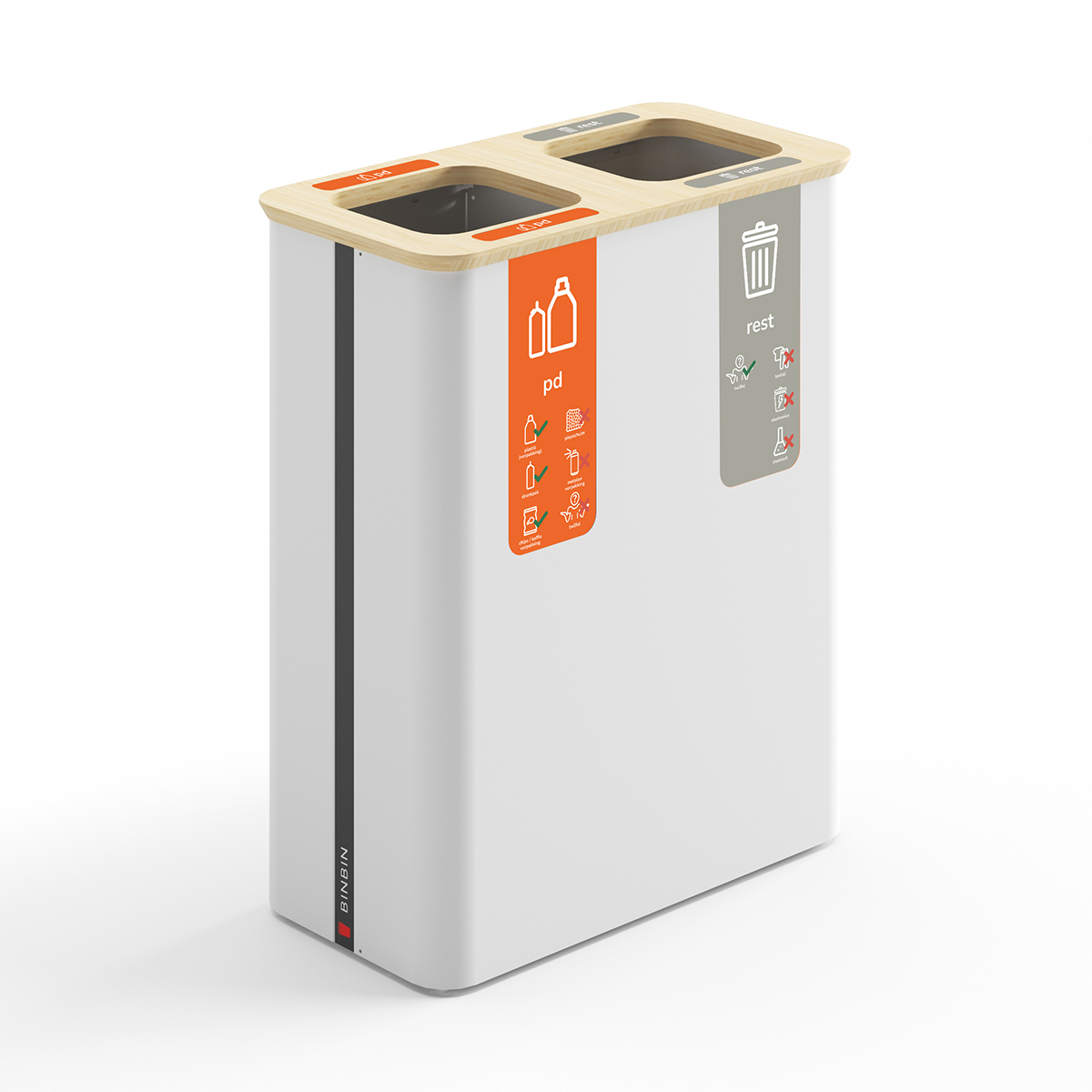
Effective strategies for increasing staff engagement include providing comprehensive training sessions that explain the importance of, and proper procedures for, waste separation. Clear, visual labelling systems with pictures and examples help employees make correct sorting decisions quickly. Convenient bin placement ensures that proper disposal options are always accessible.
Creating a culture of environmental responsibility involves regular communication about programme success, recognition for departments with good compliance, and addressing questions or concerns promptly. Leadership participation demonstrates organisational commitment, while feedback systems allow continuous improvement based on employee input and observed challenges.
How BINBIN helps with effective waste segregation
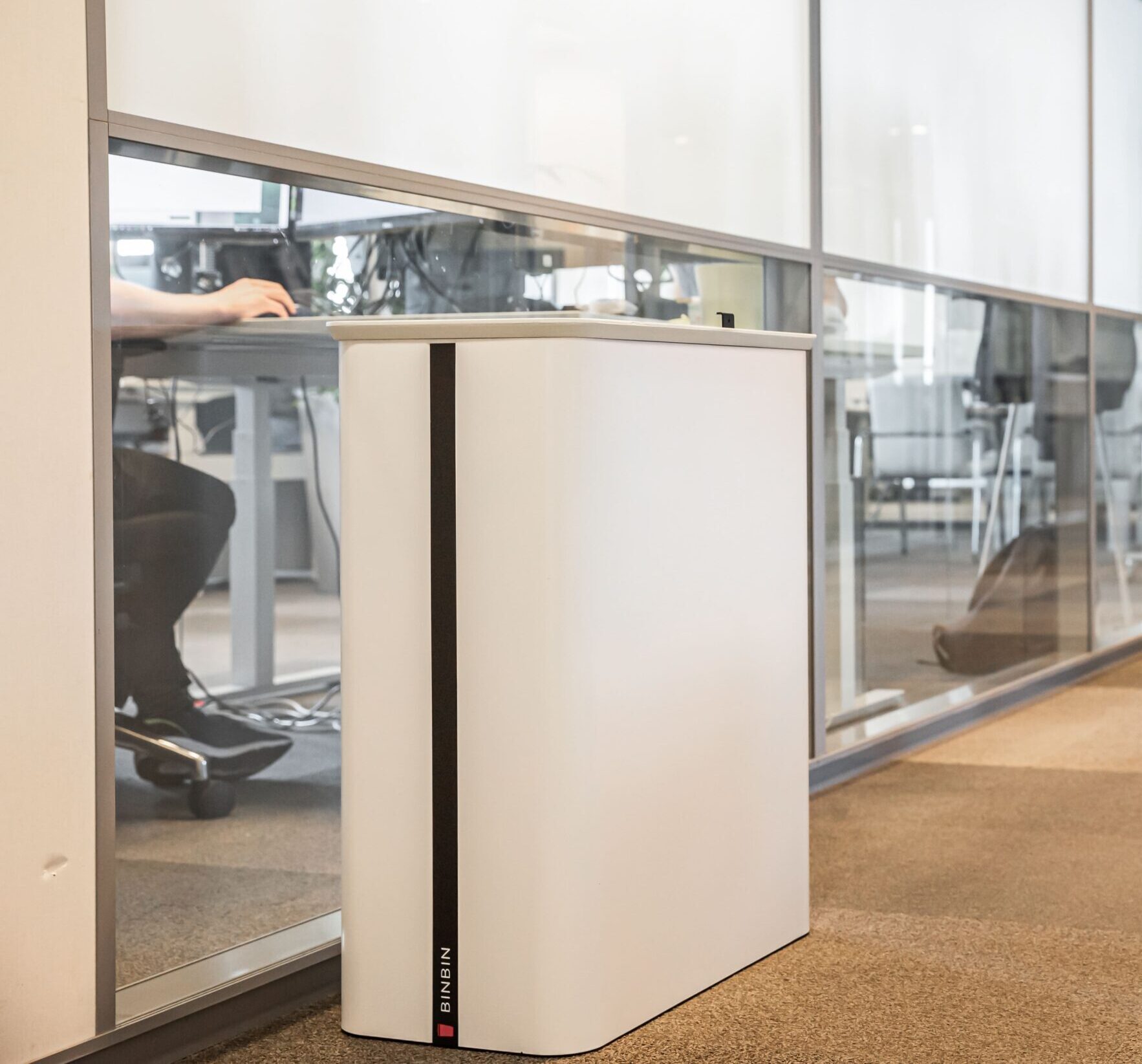
BINBIN provides comprehensive waste segregation solutions through modular systems that adapt to your organisation's specific needs and space requirements. Our approach combines practical infrastructure with expert guidance to ensure successful implementation and long-term compliance.
Our waste segregation support includes:
- Modular waste separation systems that can accommodate 1-8 different waste streams
- Personalised consultation and implementation guidance tailored to your facility
- Complete communication materials, including pictograms, stickers, and employee training resources
- Free digital waste assessments to identify your specific segregation requirements
- Ongoing support for optimising your waste separation processes
Our solutions work across various industries, including offices, educational institutions, hospitality, and public spaces. The modular design allows easy reconfiguration as your waste streams change, while the circular construction ensures long-term sustainability.
Ready to implement effective waste segregation in your organisation? Try our systems with a trial placement or request a customised quote based on your specific requirements.