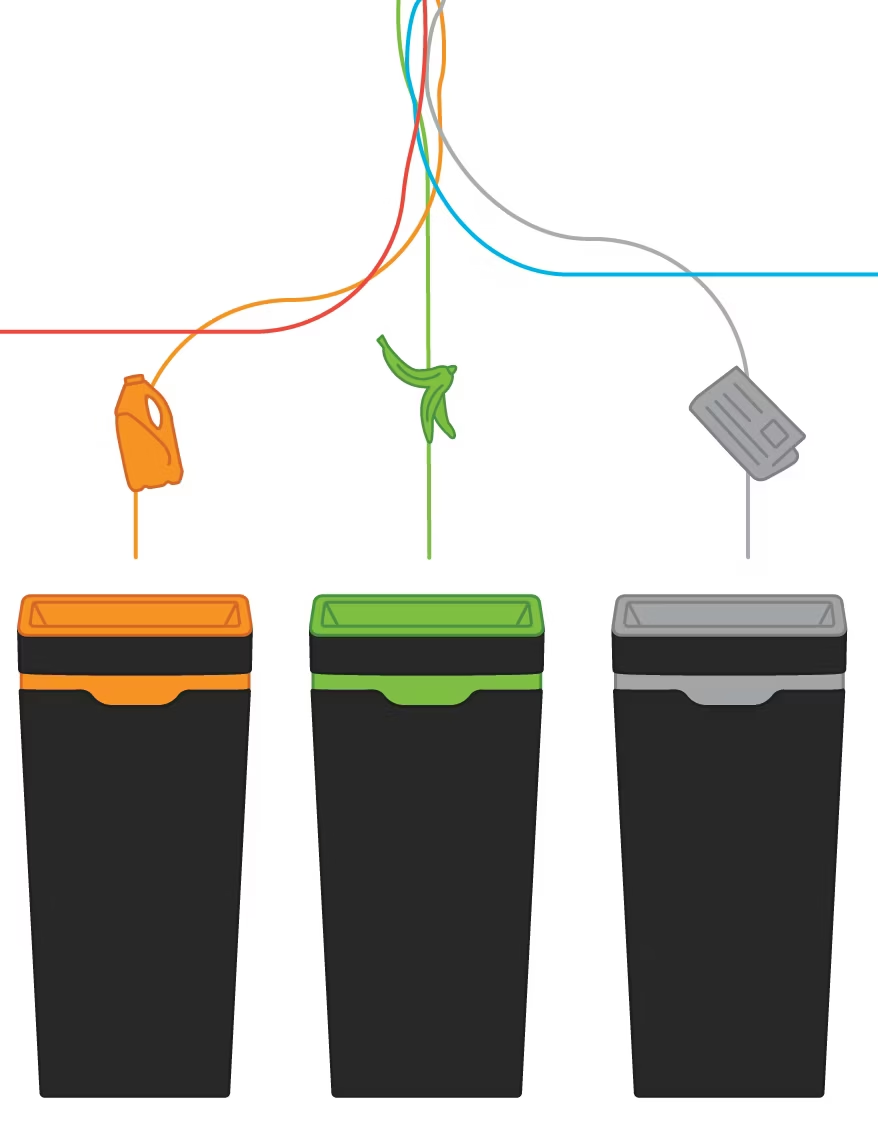
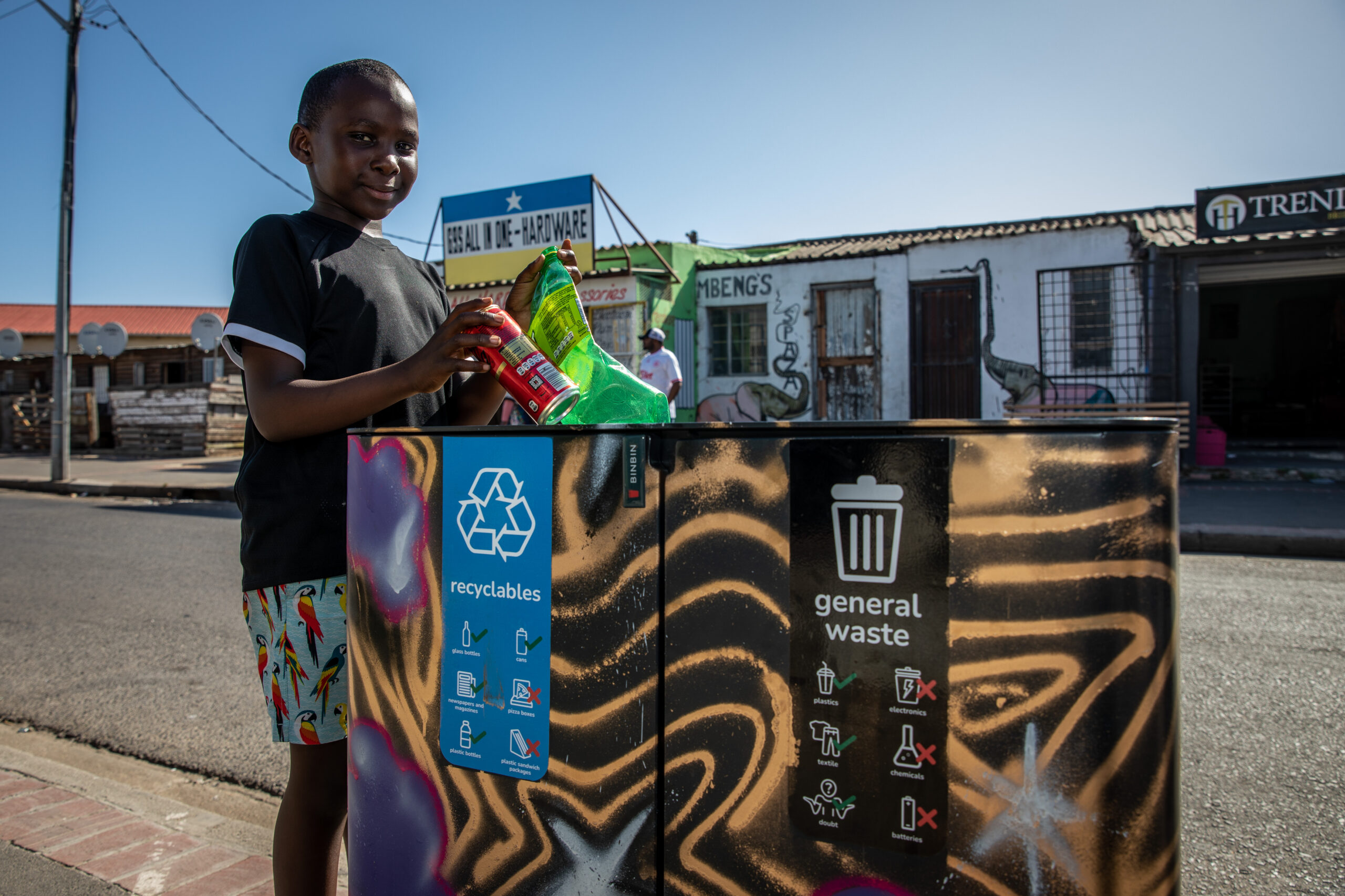
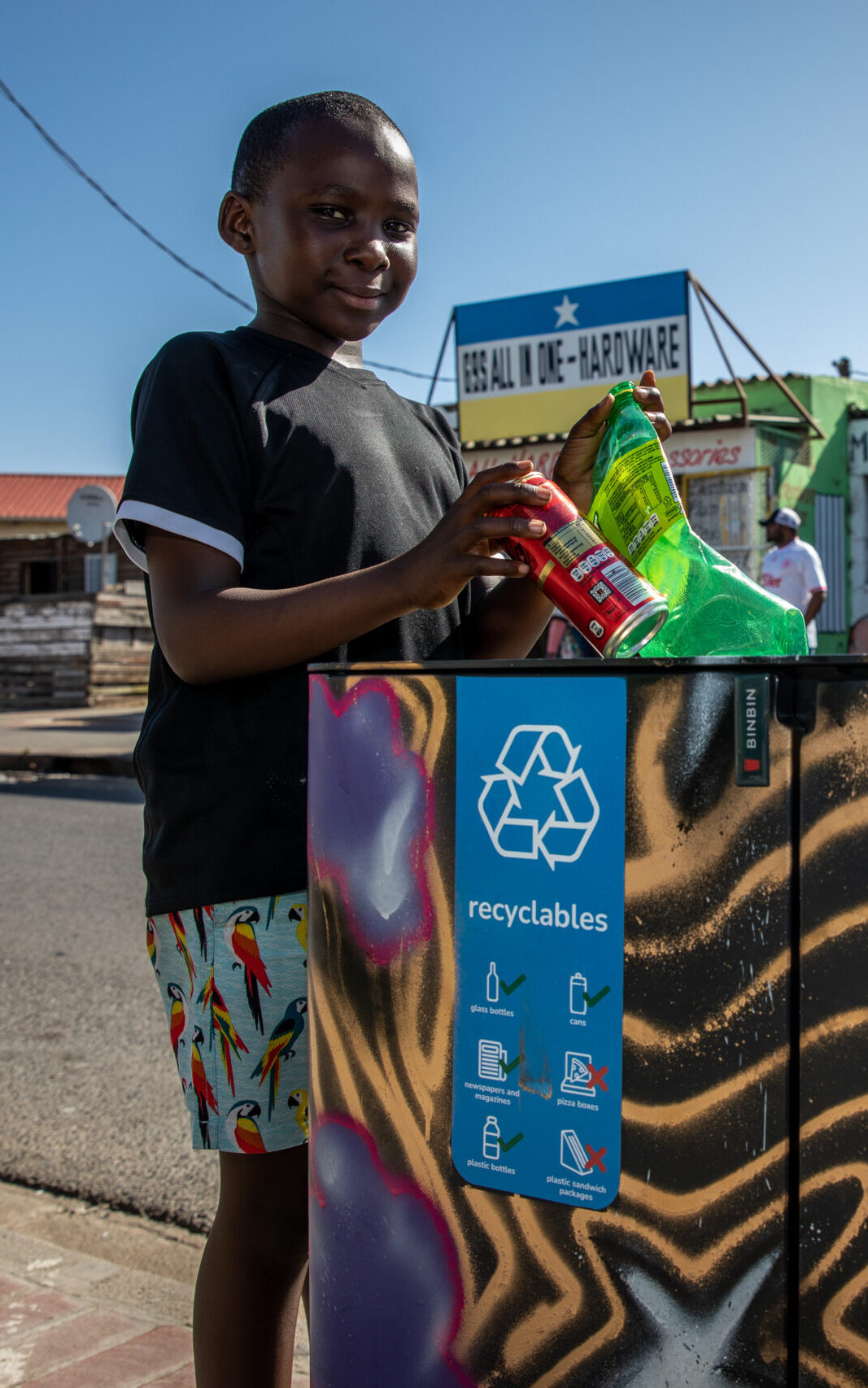
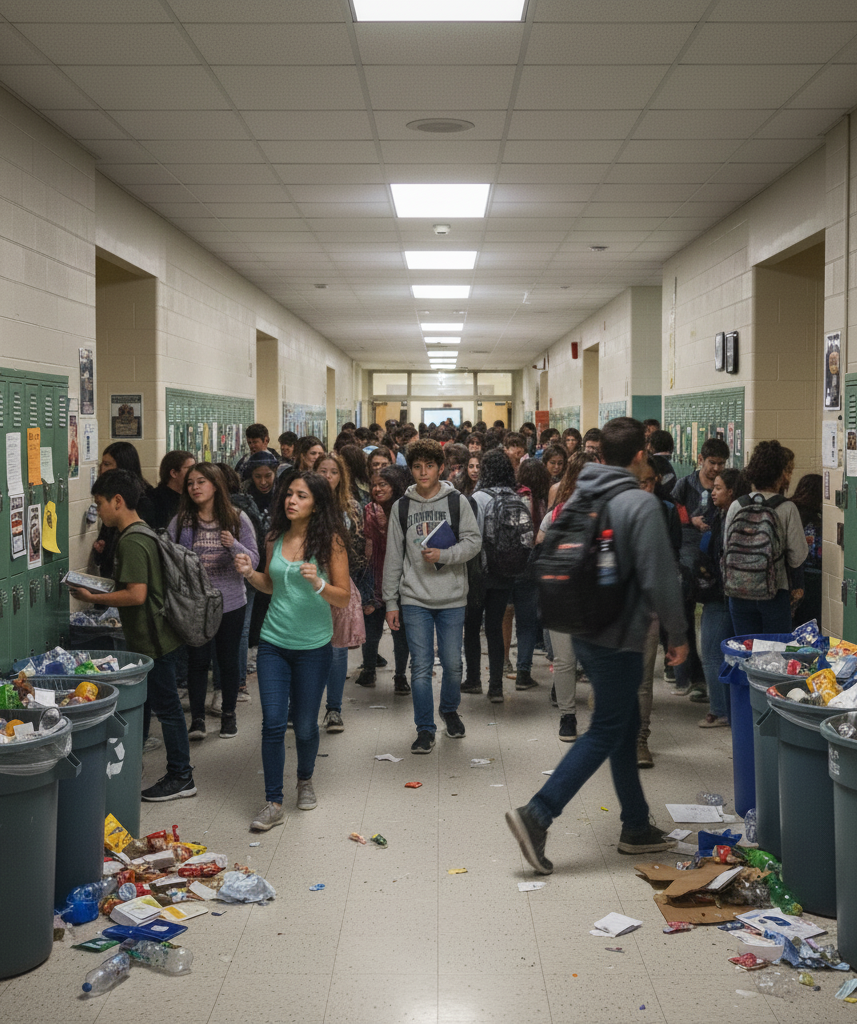
The main reason for waste separation is to reduce environmental impact by enabling effective recycling and preventing valuable materials from ending up in landfills. Proper waste separation conserves natural resources, reduces greenhouse gas emissions, and supports the circular economy by keeping materials in productive use. It also helps organisations comply with legal requirements while reducing disposal costs and creating economic opportunities through material recovery.
What is waste separation and why is it essential?
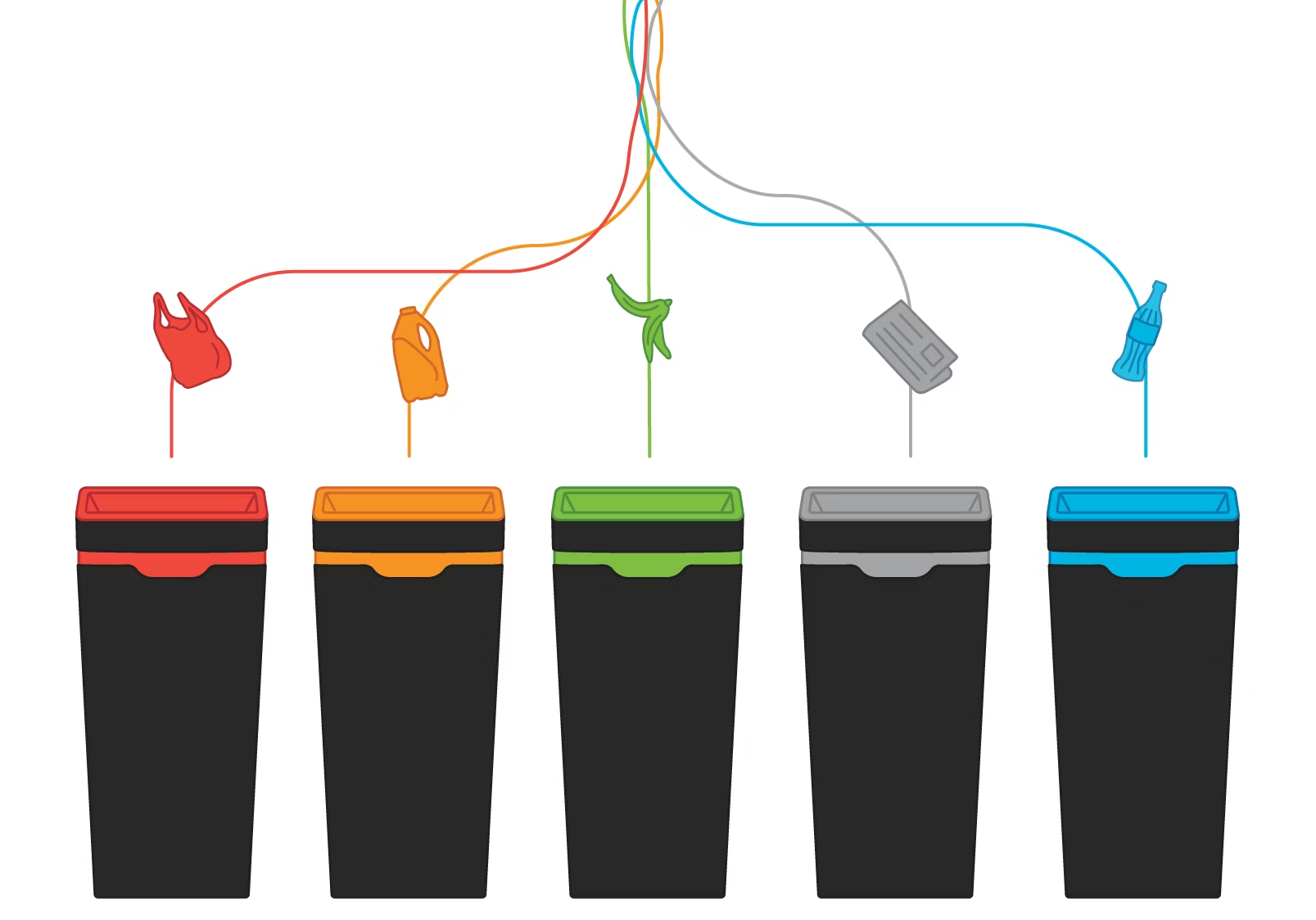
Waste separation is the practice of sorting different types of waste materials into distinct categories at the point of disposal. This systematic approach involves separating materials such as paper, plastic, glass, organic waste, and general refuse into designated containers or collection systems.
The process is essential because it forms the foundation of effective waste management and environmental protection. When waste materials are properly separated, they can be processed through appropriate channels: recyclables go to recycling facilities, organic waste can be composted, and hazardous materials receive specialised treatment.
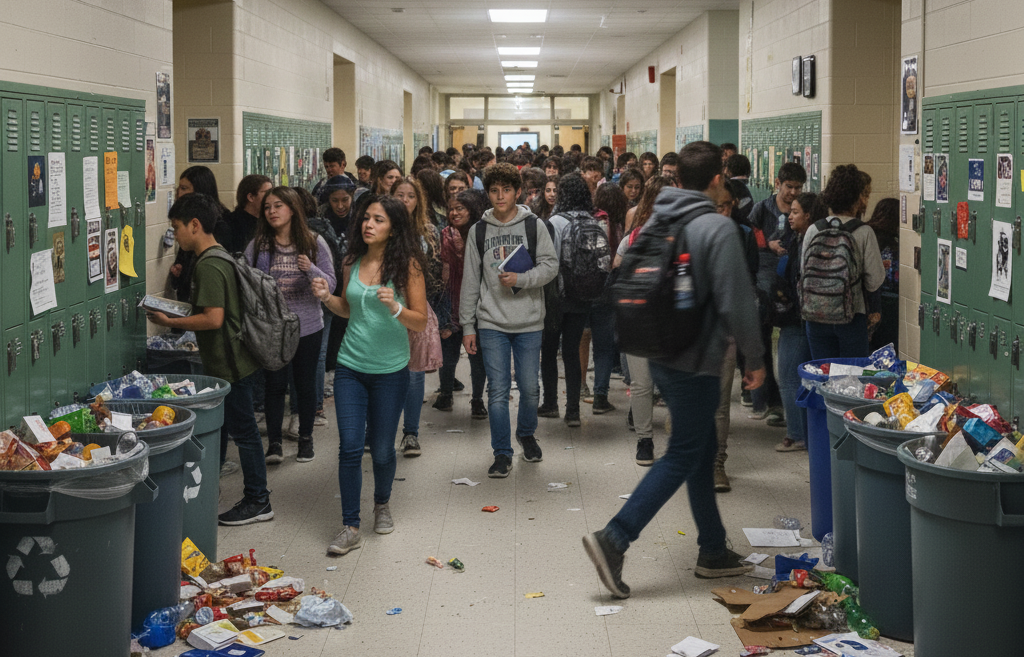
Without proper separation, valuable materials become contaminated and end up in landfills, where they contribute to environmental degradation. Mixed waste is significantly more expensive to process and is often impossible to recover effectively. This makes waste separation a critical first step in creating sustainable waste management systems that protect our environment while conserving precious natural resources.
How does waste separation benefit the environment?
Waste separation delivers significant environmental benefits by reducing landfill waste, lowering greenhouse gas emissions, and protecting natural ecosystems. When materials are properly sorted, up to 70% of waste can be diverted from landfills through recycling and composting programmes.
The environmental advantages include:
- Reduced methane emissions from landfills when organic waste is composted instead
- Conservation of natural resources through material recovery and reuse
- A lower carbon footprint due to reduced demand for virgin material extraction
- Protection of soil and water from contamination by hazardous substances
- Preservation of wildlife habitats that would otherwise be used for landfill expansion
Proper waste separation also reduces the energy required for waste processing and transportation. When materials are clean and sorted, recycling facilities operate more efficiently, using less energy and producing fewer emissions. This creates a positive environmental cycle in which better separation leads to more effective resource recovery and reduced environmental impact.
What are the economic advantages of proper waste separation?
Proper waste separation creates substantial economic benefits through reduced disposal costs, revenue generation from recyclable materials, and job creation in the recycling sector. Organisations can reduce their waste management expenses by up to 40% by implementing effective separation systems.
The economic advantages extend beyond immediate cost savings. Separated materials have market value: clean paper, metals, and plastics can be sold to recycling companies, creating revenue streams that offset waste management costs. This economic incentive makes waste separation financially attractive for businesses and organisations.
The recycling industry also generates significant employment opportunities. For every job in waste disposal, the recycling sector creates multiple jobs in collection, processing, and manufacturing. This economic multiplier effect contributes to local economic development while supporting environmental goals.
Long-term economic sustainability comes from reduced dependence on virgin materials and more stable supply chains. Companies that use recycled materials often benefit from more predictable pricing and reduced exposure to commodity price fluctuations, creating economic resilience alongside environmental benefits.
Why is waste separation legally required in many countries?
Waste separation is legally mandated in many countries because governments recognise it as essential for environmental protection, public health, and resource conservation. These regulations create standardised approaches to waste management that ensure consistent environmental outcomes across different sectors and organisations.
Legal frameworks typically include:
- Mandatory separation requirements for businesses and institutions
- Specific targets for recycling and waste diversion rates
- Penalties for non-compliance, including fines and operational restrictions
- Extended producer responsibility programmes
- Regular auditing and reporting requirements
Compliance with these regulations protects organisations from legal penalties while demonstrating environmental responsibility. Non-compliance can result in significant fines, regulatory scrutiny, and reputational damage that far exceeds the cost of implementing proper waste separation systems.
The regulatory approach also creates a level playing field in which all organisations contribute to environmental goals. This collective approach ensures that environmental benefits are achieved at scale while preventing competitive disadvantages for environmentally responsible businesses.
How does waste separation support the circular economy?
Waste separation is fundamental to the circular economy because it enables materials to remain in productive use rather than becoming waste. The circular economy model aims to eliminate waste by designing systems in which materials continuously cycle through use, recovery, and regeneration phases.
Effective separation creates the foundation for circular systems by ensuring materials maintain their quality and value. When waste streams are clean and uncontaminated, they can be processed into high-quality secondary materials that substitute for virgin resources. This closed-loop approach minimises resource extraction while maximising material utility.
The circular economy benefits from waste separation through enhanced material recovery rates, improved recycling quality, and reduced contamination. Clean, separated materials command higher prices in secondary markets, creating economic incentives that support circular business models.
This approach also enables innovative recycling technologies and material recovery processes that would be impossible with mixed waste streams. Advanced sorting and processing systems can extract maximum value from separated materials, creating new opportunities for circular economy development and resource efficiency.
How BINBIN helps with effective waste separation
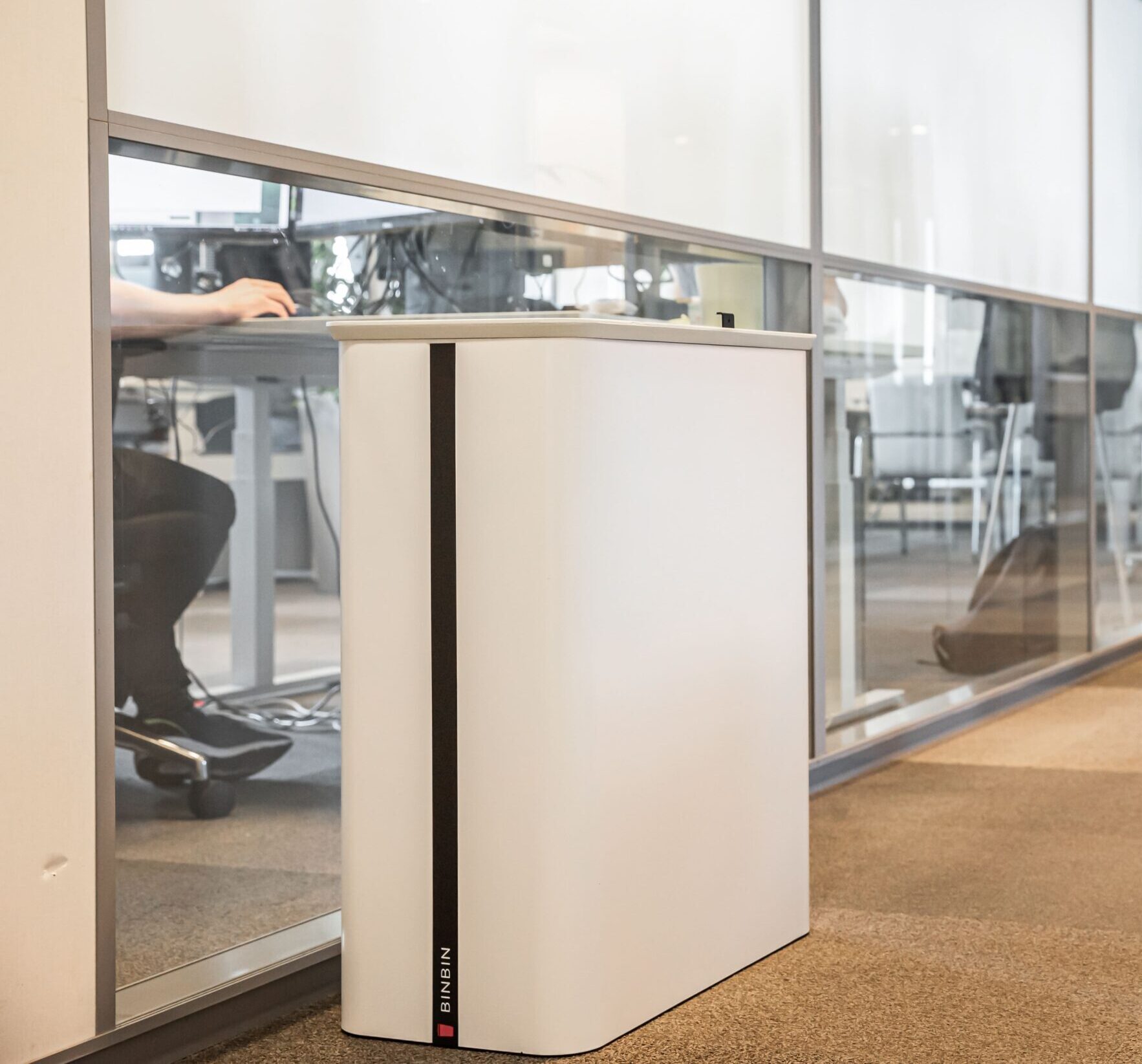
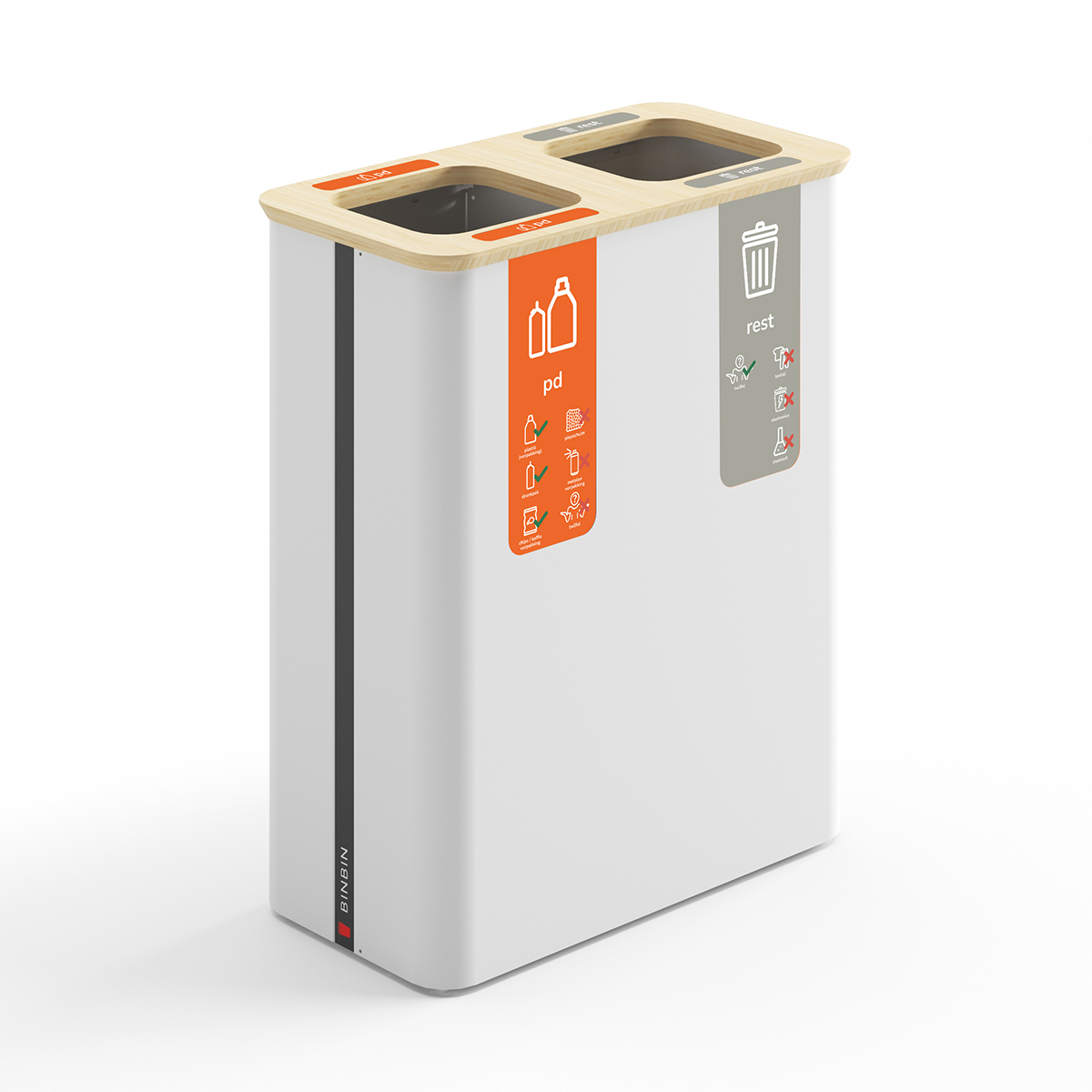
We provide comprehensive, modular waste separation solutions that address the practical challenges organisations face when implementing effective waste sorting systems. Our approach combines innovative modular design principles with circular economy thinking to create sustainable, adaptable waste management solutions.
Our solutions include:
- Modular systems that can separate 1 to 8 waste streams and adapt as needs change
- A 99% circular design using recycled materials that can be fully recycled at end of life
- Customisable configurations for different sectors, including offices, education, and hospitality
- Professional guidance and implementation support, including communication materials
- Stylish designs that integrate seamlessly into professional environments
We offer personalised consultation services, including free workplace assessments, to identify the optimal waste separation solution for your specific needs. Our team provides ongoing support for implementation strategies and employee engagement programmes.
Ready to improve your waste separation effectiveness? Contact us for a trial placement or request a customised quote to discover how our modular solutions can transform your waste management approach while supporting your sustainability goals.