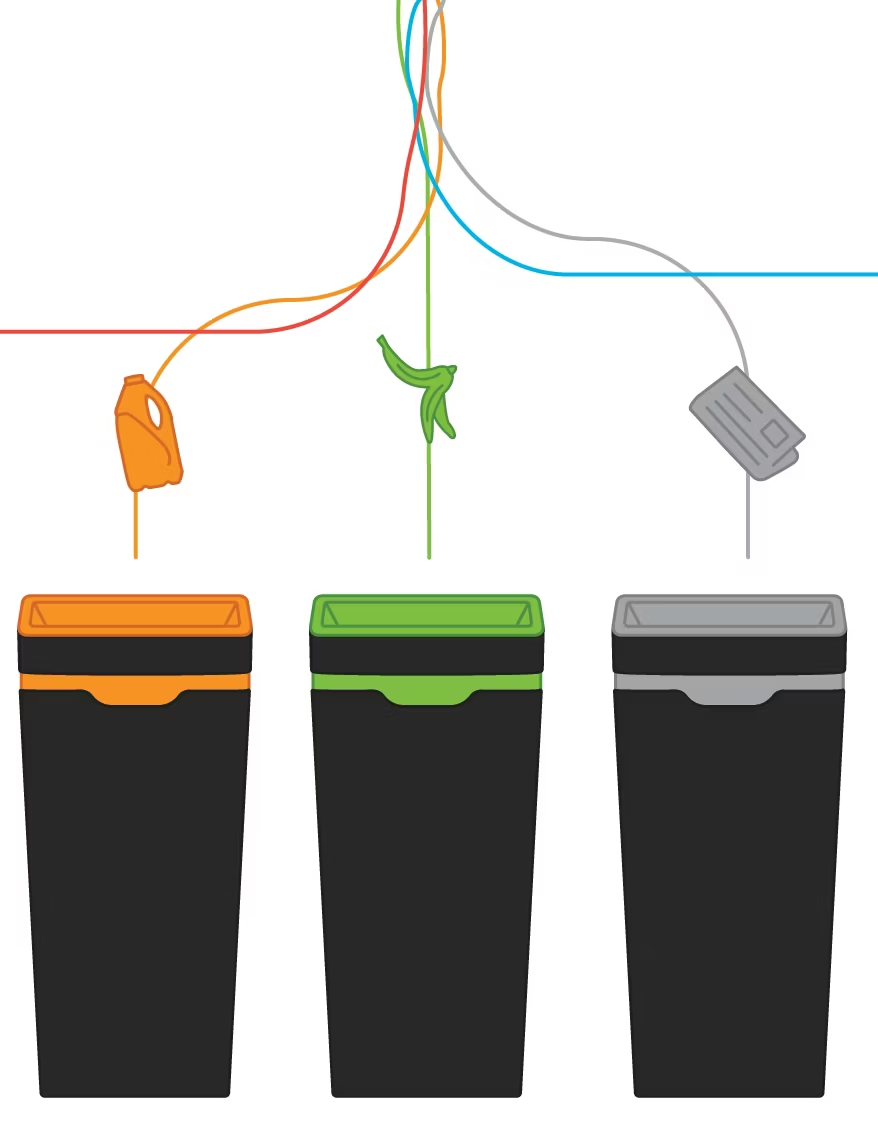
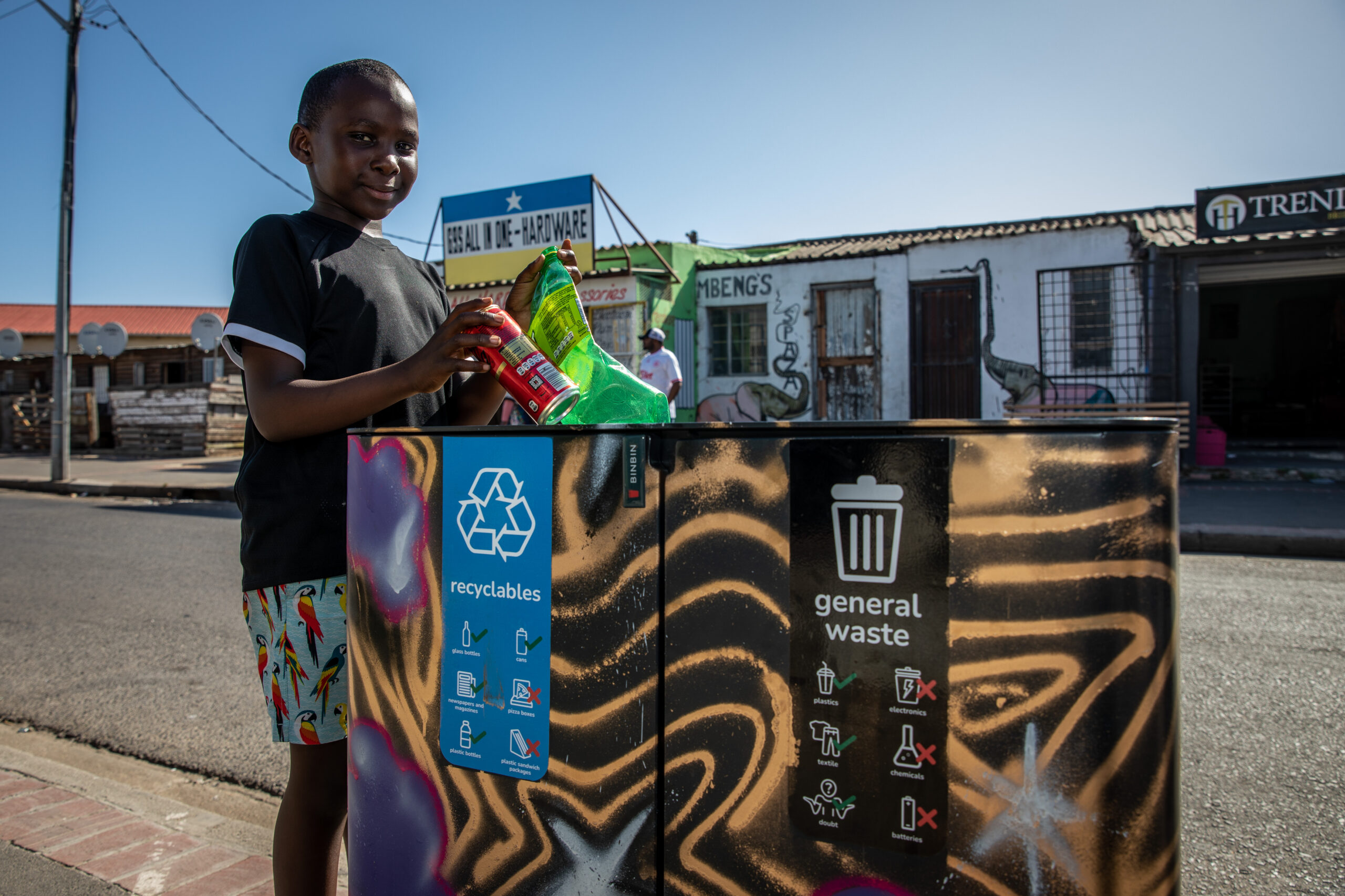
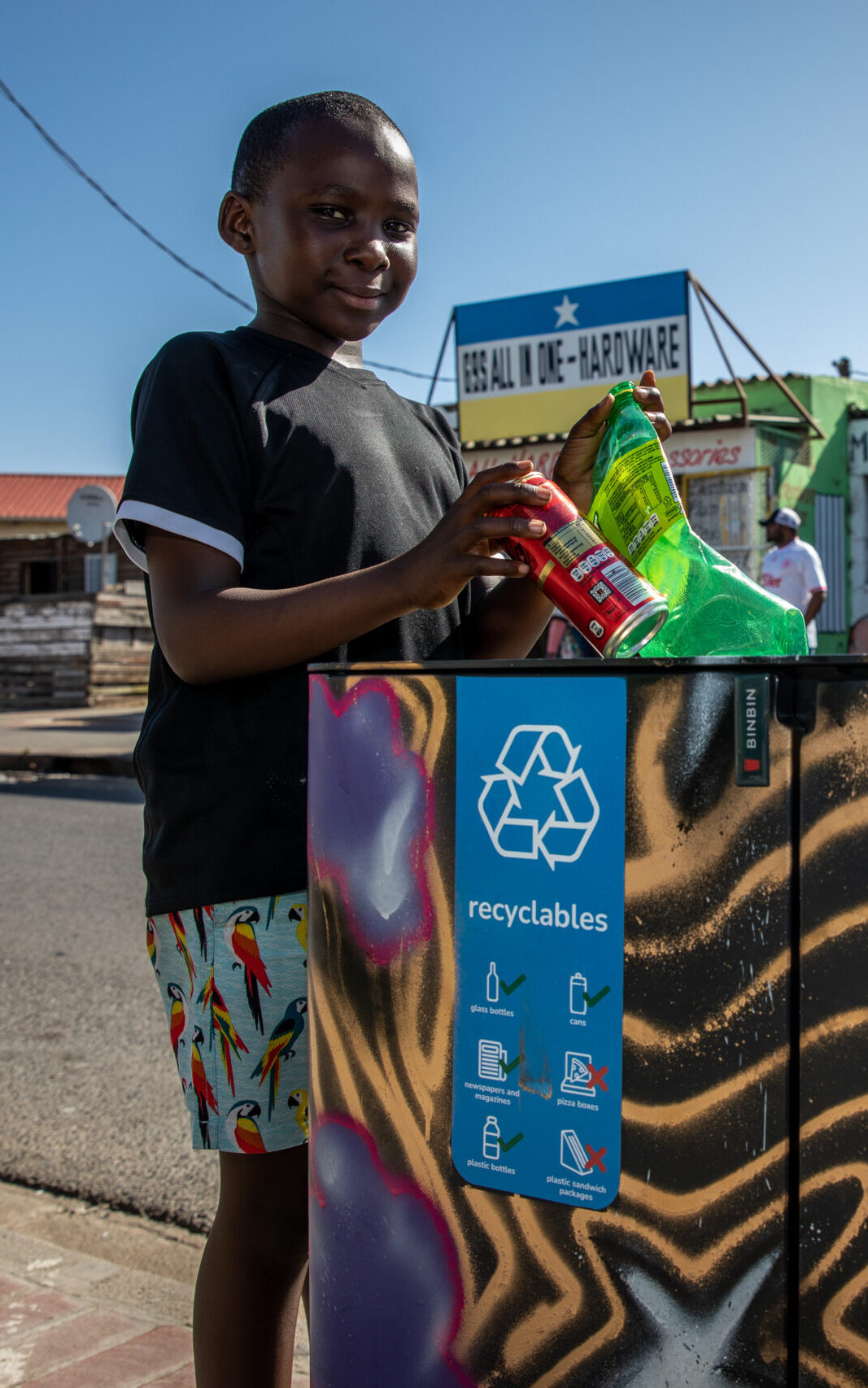
Waste segregation is the systematic process of separating different types of waste materials at their source, before they are collected for disposal or recycling. This fundamental practice involves sorting waste into distinct categories such as paper, plastic, organic matter, and general refuse. Proper waste separation forms the backbone of effective waste management systems and is increasingly becoming a legal requirement for businesses worldwide.
What does waste segregation actually mean?
Waste segregation means separating different types of waste materials into distinct categories at the point where they are generated. This process involves identifying materials such as paper, plastic, glass, organic waste, and general refuse, then placing each type into designated containers or areas.
The practice goes beyond simply having multiple bins in your workspace. Effective waste segregation requires understanding which materials belong in each category and ensuring contamination between streams is minimised. For instance, food-contaminated paper should go with organic waste rather than recyclable paper, while electronic components need separate handling from general office waste.
This systematic approach creates clean waste streams that can be processed more efficiently. When materials are properly separated, recycling facilities can handle them without extensive sorting, leading to better environmental outcomes and often reduced costs for organisations. The foundation of any successful waste management programme starts with clear segregation at the source.
Why is waste segregation becoming mandatory for businesses?
Waste segregation is becoming legally required because governments recognise its critical role in achieving environmental targets and reducing reliance on landfill. Environmental regulations now mandate that businesses separate recyclable materials from general waste, with non-compliance resulting in significant penalties and increased disposal costs.
The European Union's Circular Economy Action Plan requires member states to implement waste separation systems that maximise resource recovery. This means businesses must demonstrate that they are actively separating materials that can be recycled or reused. Similar regulations are emerging globally as countries work towards sustainability goals and reduced environmental impact.
Beyond environmental compliance, mandatory segregation addresses the growing crisis of contaminated waste streams. When recyclable materials are mixed with general waste, entire loads become unusable, leading to increased costs for waste management companies and, ultimately, higher fees for businesses. Legal requirements ensure everyone participates in creating cleaner, more valuable waste streams.
What are the main types of waste streams in office environments?
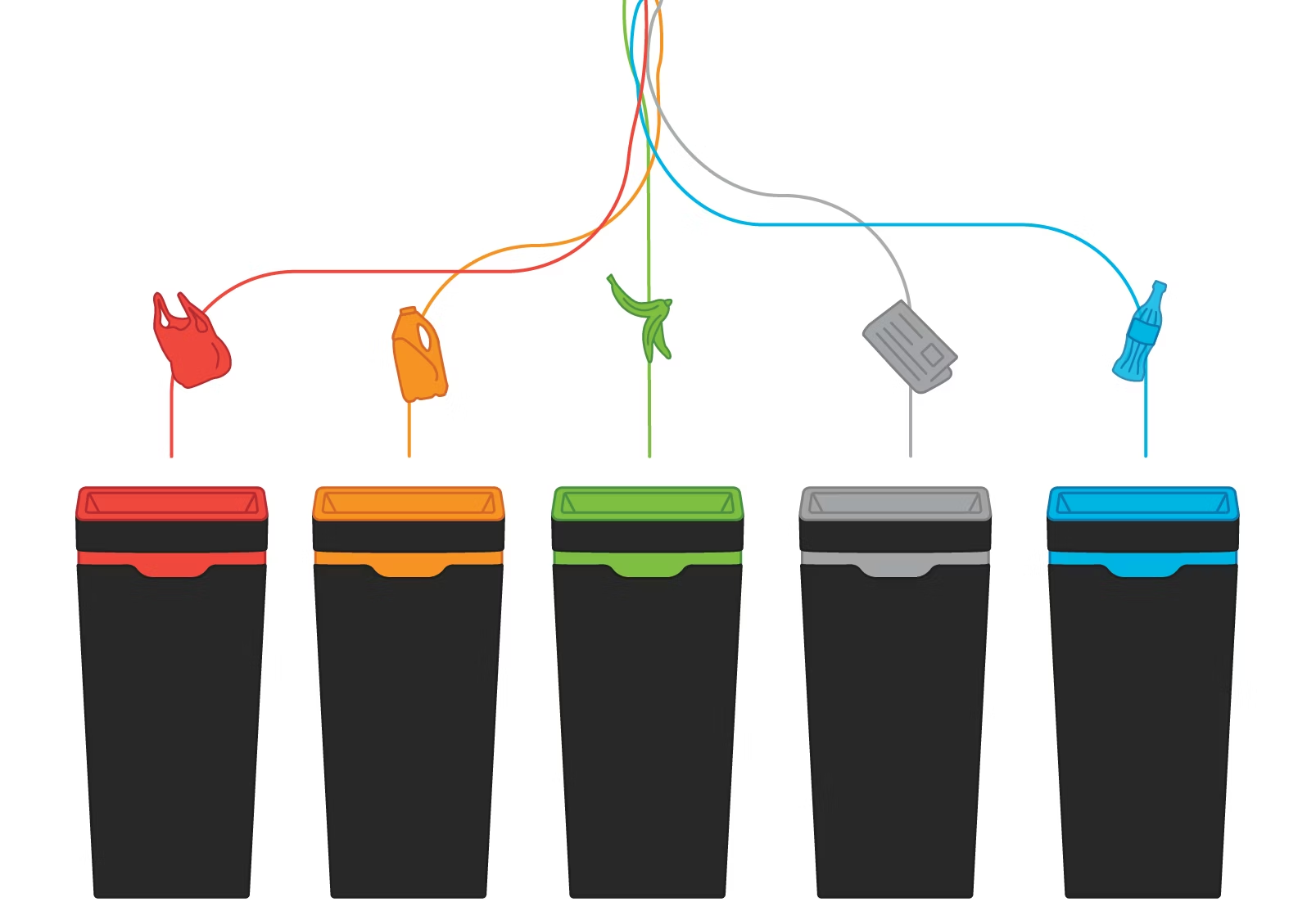
Office environments typically generate five primary waste streams: paper and cardboard, plastic packaging, organic waste from kitchens, electronic waste, and general non-recyclable refuse. Each stream requires different handling and has distinct identification characteristics that employees need to understand.
Paper and cardboard include office documents, newspapers, magazines, and packaging boxes. This stream should be free from food contamination and plastic coatings. Confidential documents can be included but may require secure destruction services.
Plastic waste encompasses bottles, food containers, packaging films, and office supplies. Look for recycling symbols and numbers to determine appropriate disposal. Clean containers work best for recycling programmes.
Organic waste consists of food scraps, coffee grounds, and biodegradable materials from kitchen areas. This stream often requires more frequent collection due to hygiene concerns and can sometimes be composted on-site.
Electronic waste includes batteries, printer cartridges, old equipment, and cables. These materials often contain valuable metals but require specialised handling due to potentially hazardous components.
How does proper waste segregation reduce business costs?
Proper waste segregation reduces business costs by lowering waste processing fees, eliminating contamination penalties, generating potential revenue from recyclable materials, and improving operational efficiency. Many waste management companies charge premium rates for mixed waste that requires additional sorting.
When waste streams are contaminated, businesses face penalty charges from waste processors who must reject entire loads or invest extra resources in cleaning materials. A single food container in a paper recycling bin can contaminate hundreds of kilograms of otherwise valuable material, resulting in the entire load being treated as general waste at higher disposal rates.
Clean, separated materials often have market value. Quality paper, cardboard, and certain plastics can generate revenue rather than incur disposal costs. Some organisations find their waste separation systems actually become profit centres when materials are consistently clean and well sorted.
Operational efficiency improves when waste systems are organised and clearly understood. Employees spend less time deciding where items belong, cleaning staff work more efficiently, and facility managers can optimise collection schedules based on actual waste generation patterns rather than guesswork.
What challenges do organisations face when implementing waste segregation?
Organisations commonly face resistance to behaviour change among employees, space constraints for multiple containers, system complexity, and ongoing maintenance requirements. The biggest challenge is often shifting ingrained habits, where people automatically dispose of everything in the nearest bin.
Successful implementation requires addressing these key obstacles:
- Employee engagement: People need clear guidance, regular reminders, and an understanding of why segregation matters.
- Physical space: Multiple containers require strategic placement without cluttering work areas.
- System clarity: Confusing labelling or unclear categories lead to contamination and abandonment.
- Maintenance consistency: Systems fail when containers overflow, labels fade, or collection schedules become unreliable.
- Management support: Without visible leadership commitment, programmes lose momentum quickly.
Many organisations underestimate the change-management aspect of waste segregation. Technical solutions work only when supported by clear communication, training programmes, and systems that make correct disposal easier than incorrect disposal. Regular monitoring and feedback help maintain standards over time.
How do you create an effective waste segregation system for your workplace?
Creating an effective workplace waste segregation system requires systematic planning, clear communication, strategic container placement, comprehensive employee training, and ongoing monitoring. Success depends on making correct waste disposal easier and more intuitive than incorrect disposal.
Follow these essential implementation steps:
- Conduct a waste audit to understand what materials your organisation actually generates and in what quantities.
- Design your system based on actual waste streams rather than assumptions about what you should be recycling.
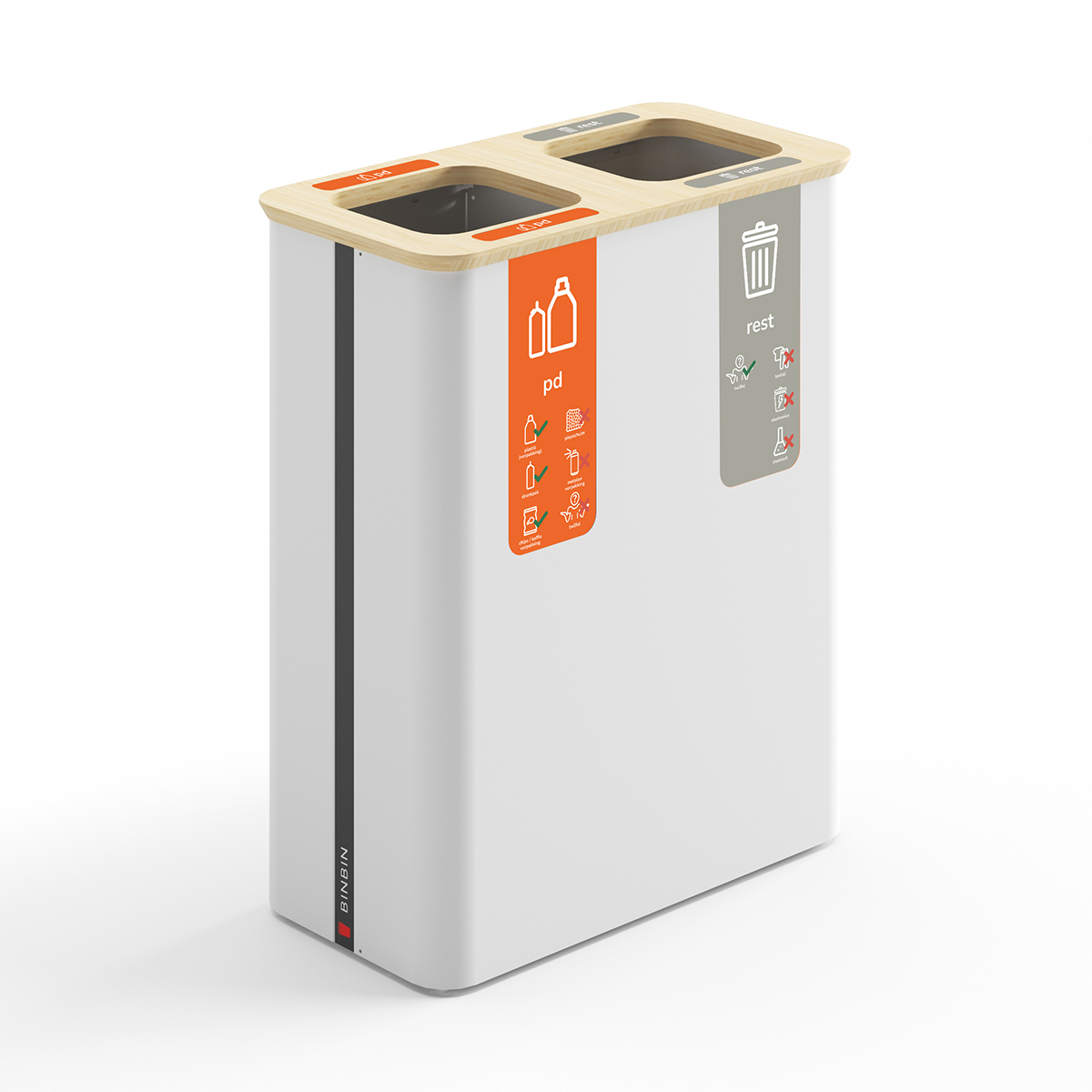
- Choose appropriate containers with clear, visual labelling that eliminates guesswork about what belongs where.
- Plan strategic placement to ensure containers are convenient but do not create clutter or obstruct workflow.
- Develop training materials including visual guides, email communications, and brief team presentations.
- Launch with leadership support to make waste segregation a visible priority throughout the organisation.
- Monitor and adjust by regularly checking contamination levels and gathering employee feedback for improvements.
The most successful systems start small with one or two waste streams before expanding. This allows employees to build confidence and habits before introducing additional complexity. Regular communication about progress and achievements helps maintain engagement over time.
How BINBIN helps with waste segregation implementation
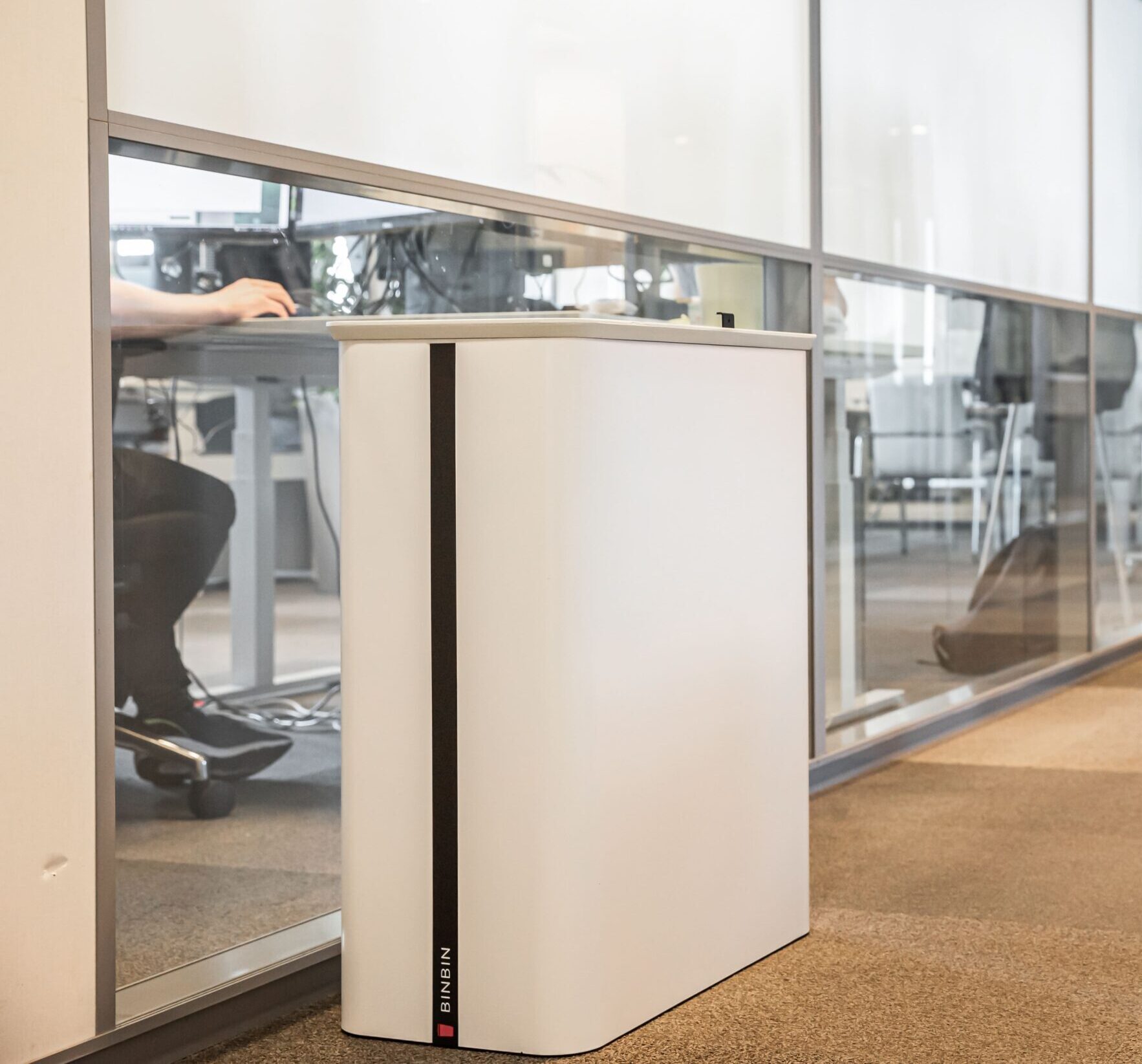
We provide comprehensive waste segregation solutions that address the practical challenges organisations face when implementing effective waste separation systems. Our approach combines modular container systems with personalised guidance to ensure successful long-term adoption.
Our waste segregation support includes:
- Free waste audits to identify your specific waste streams and volumes.
- Customised system design with modular containers that adapt as your needs change.
- Complete communication packages including pictograms, stickers, and employee training materials.
- Implementation guidance covering container placement, employee engagement, and change-management strategies.
- Ongoing support with system adjustments and continuous improvement recommendations.
Ready to transform your workplace waste management? Contact us for a personalised consultation and discover how our modular solutions can make waste segregation simple and effective for your organisation.