The most effective waste management strategy combines source reduction, proper separation, employee engagement, and continuous measurement to minimise environmental impact while maximising cost savings. Modern approaches focus on circular economy principles rather than traditional disposal methods. Effective strategies integrate waste prevention, reuse opportunities, recycling systems, and recovery processes whilst ensuring regulatory compliance and measurable outcomes.
What makes a waste management strategy truly effective in today's world?
An effective waste management strategy follows the waste hierarchy: prevent, reduce, reuse, recycle, recover, and dispose as a last resort. This approach prioritises preventing waste generation over managing it after it is created, leading to better environmental and economic outcomes.
The foundation lies in circular economy integration, where materials remain in productive use for as long as possible. This means designing processes that eliminate waste streams, choosing reusable materials, and creating systems where one department's waste becomes another department's resource.
Measurable outcomes distinguish effective strategies from good intentions. Track waste diversion rates, cost savings, compliance metrics, and reductions in environmental impact. Modern strategies also incorporate digital tools for monitoring and reporting, making it easier to identify opportunities for improvement and demonstrate progress to stakeholders.
The evolution from traditional, disposal-focused approaches to prevention-focused strategies reflects growing environmental awareness and economic pressures. Today's most successful organisations view waste management as a strategic advantage rather than a necessary cost.
Why is waste separation the foundation of any successful waste strategy?
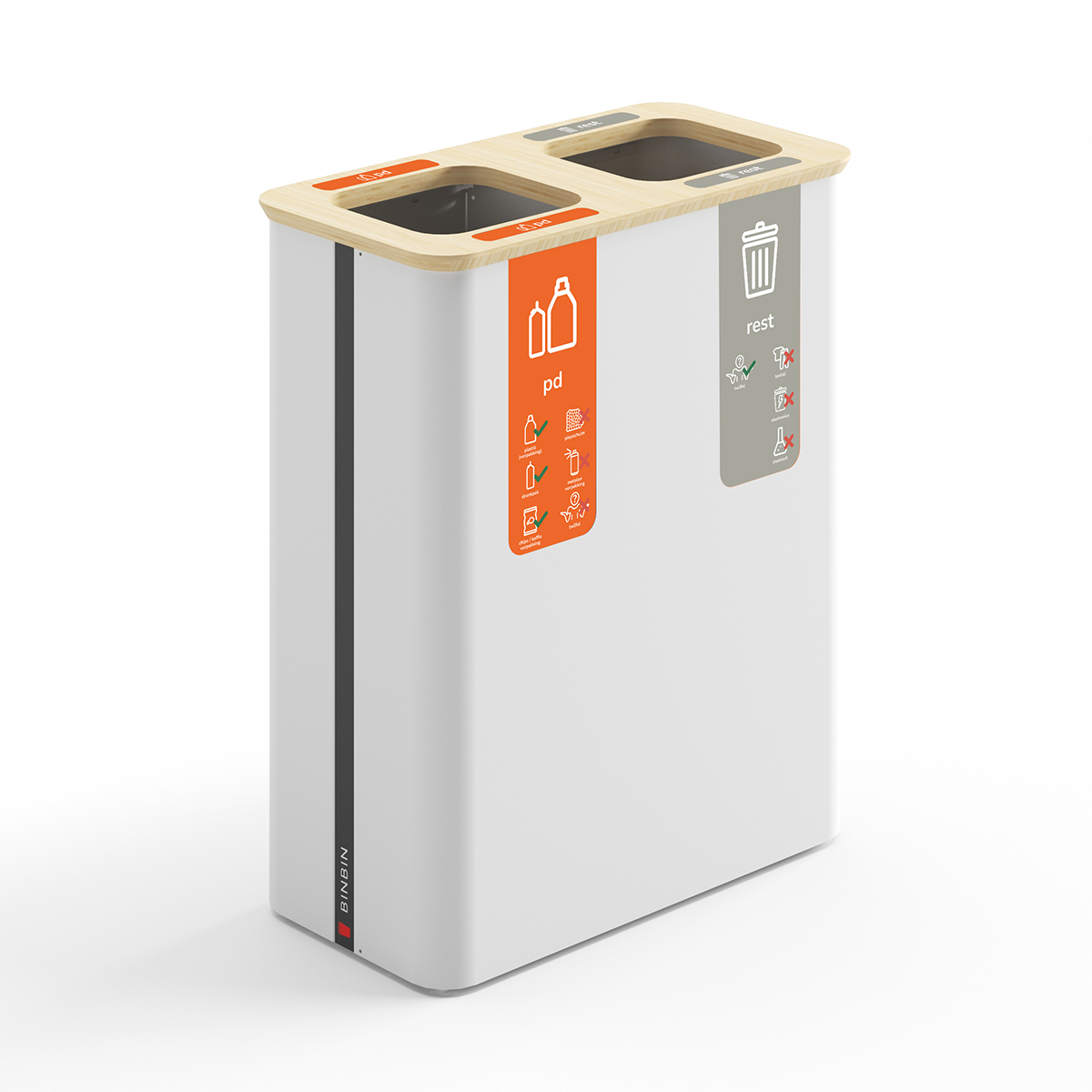
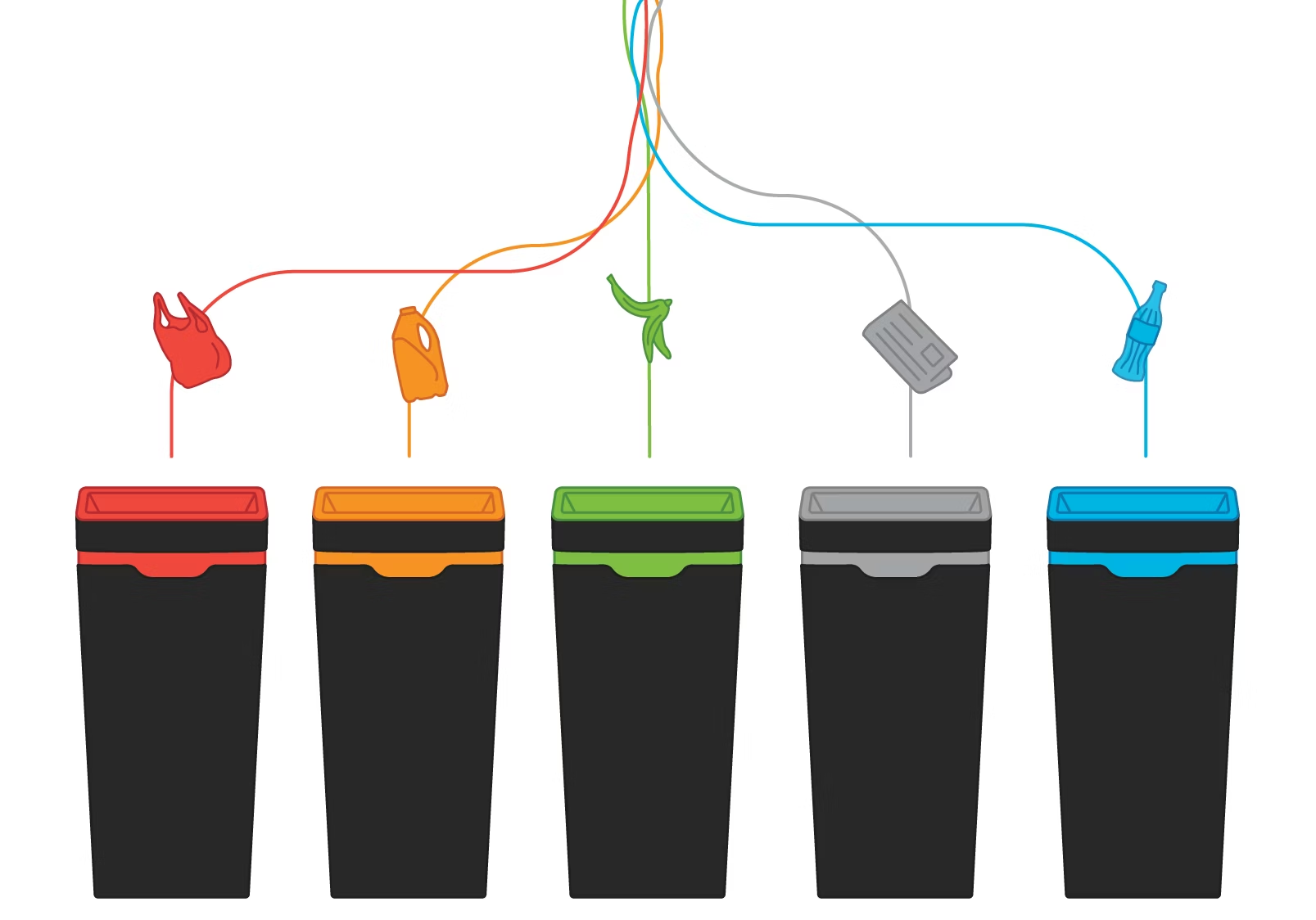
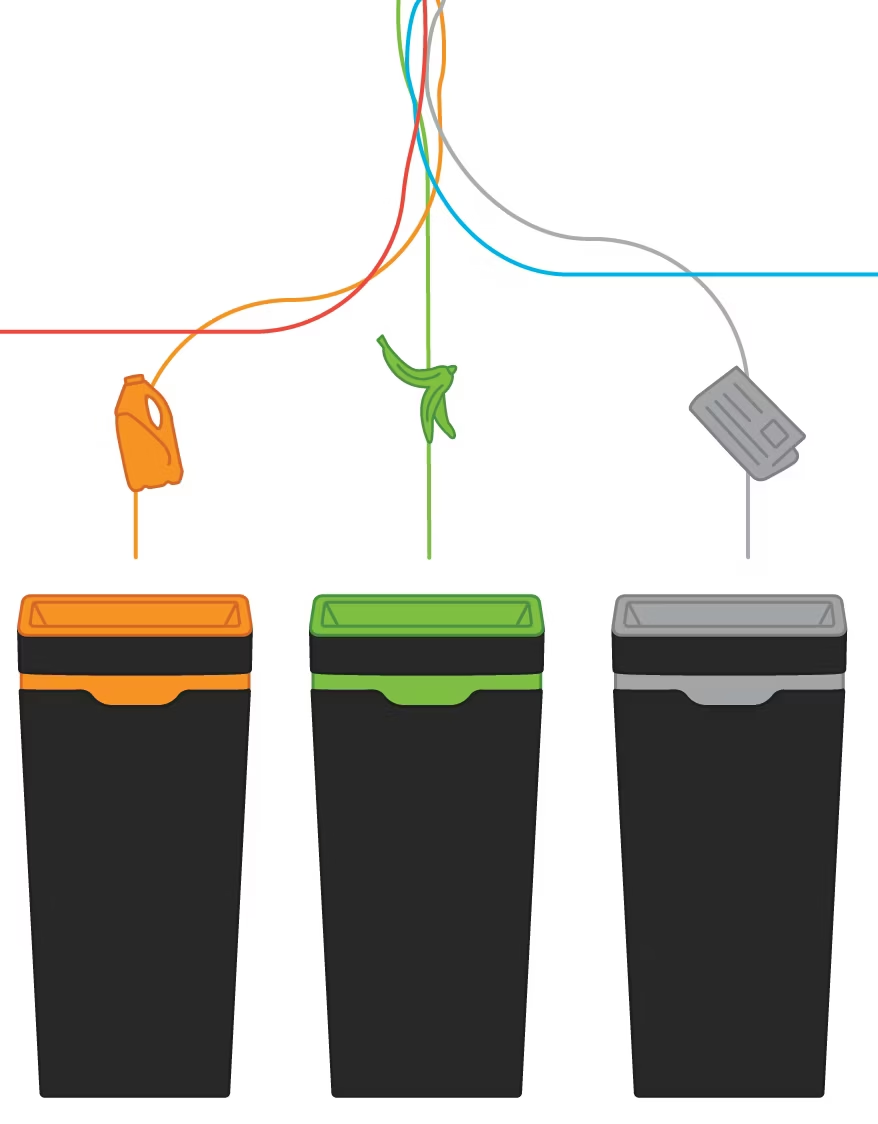
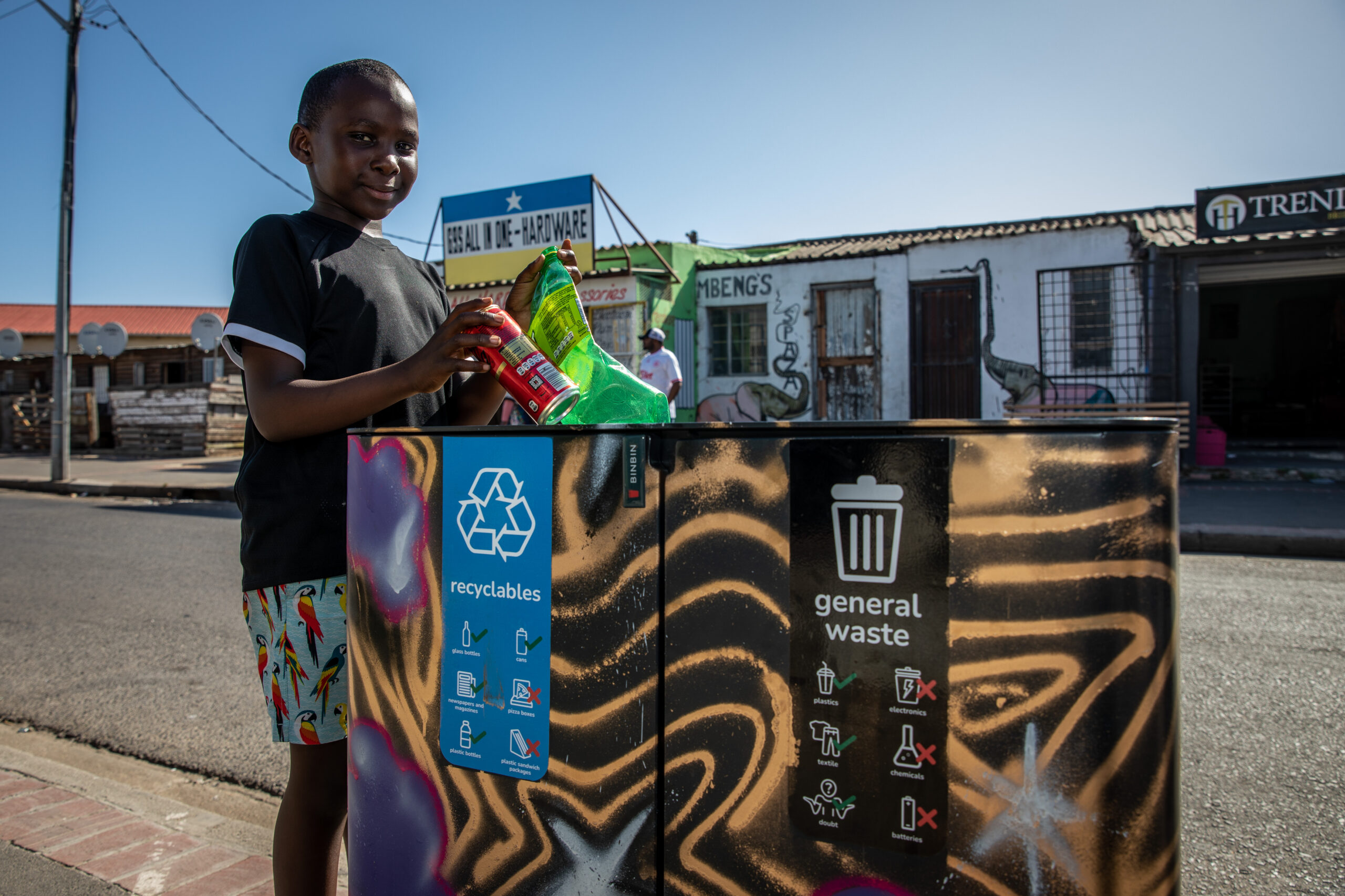
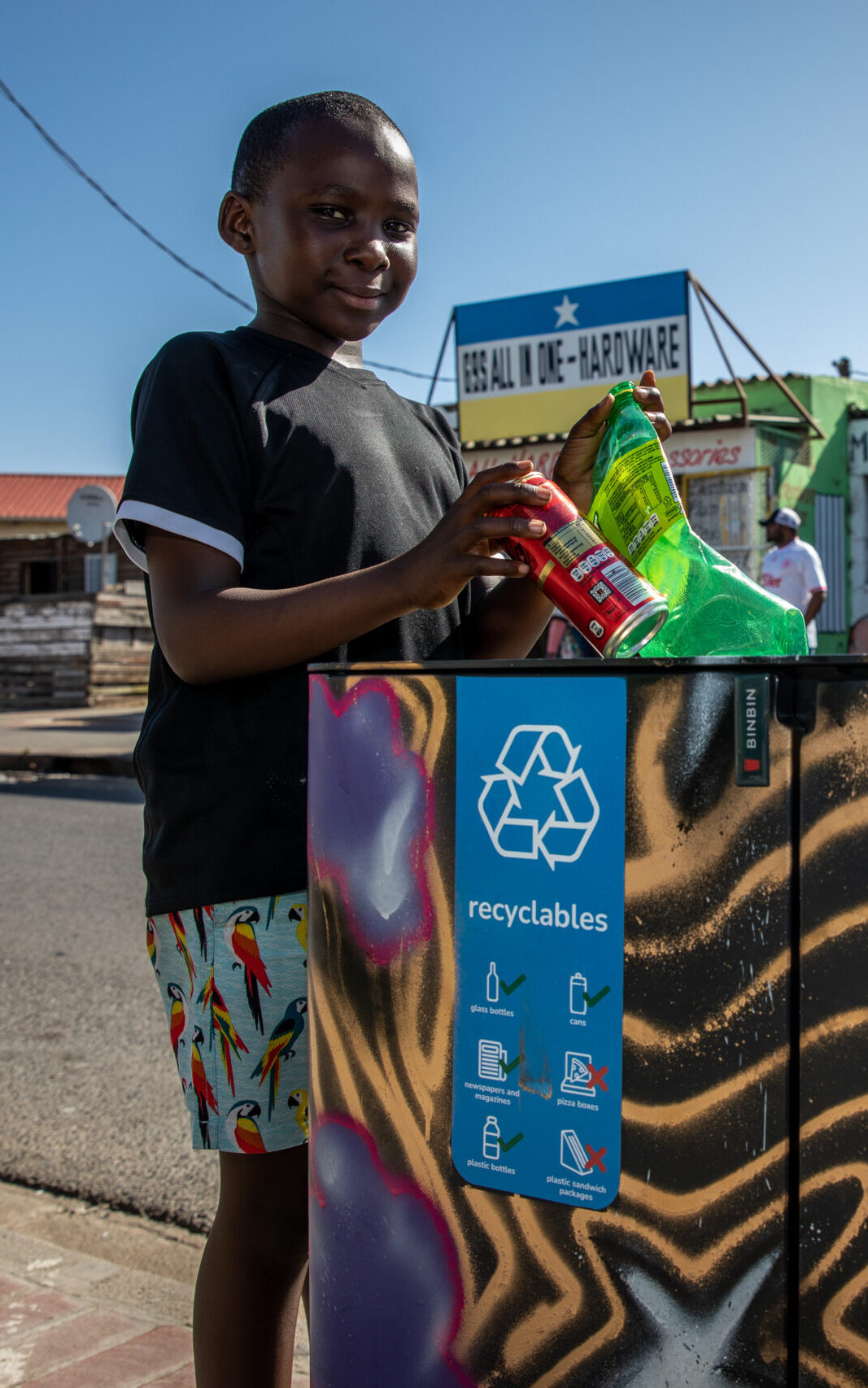
Waste separation enables maximum resource recovery whilst reducing disposal costs and ensuring regulatory compliance. Proper categorisation allows different waste streams to be processed through appropriate channels, turning potential waste into valuable resources and reducing processing fees.
Cost reduction occurs through multiple channels when waste is properly separated. Recycling fees are typically lower than general waste disposal costs. Separated materials often have resale value, and reduced contamination means higher-quality recycled materials that command better prices.
Regulatory compliance becomes manageable with systematic separation. Many jurisdictions now require businesses to separate specific waste streams such as paper, cardboard, plastics, and organic materials. Proper separation systems ensure compliance whilst avoiding potential fines.
Different waste streams require different handling approaches. Paper and cardboard need dry storage, organic waste requires frequent collection to prevent odours, and electronic waste requires secure handling for data protection. Understanding these requirements helps create separation systems that maintain hygiene and efficiency.
The importance of proper categorisation extends beyond basic recycling. Hazardous materials must be identified and handled safely, valuable materials such as metals can be recovered for revenue, and compostable materials can support circular economy initiatives.
How do you implement waste reduction at the source in your organisation?
Source reduction starts with procurement policies that prioritise reusable, durable, and minimally packaged options. Choose suppliers that offer bulk purchasing, returnable packaging, or take-back programmes for their products and packaging materials.
Digital transformation eliminates many traditional waste streams. Replace paper-based processes with digital alternatives, use electronic invoicing and communication, and implement digital document management systems. This approach reduces paper waste whilst improving efficiency and accessibility.
Reusable materials replace single-use items across operations. Provide reusable cups, plates, and utensils in break areas. Choose refillable supplies where possible, and select durable equipment that lasts longer and requires less frequent replacement.
Employee engagement techniques make source reduction part of daily culture:
- Provide clear guidelines on waste prevention practices
- Create feedback systems for improvement suggestions
- Recognise departments or individuals who excel at waste reduction
- Share progress updates to maintain motivation and awareness
Regular assessment identifies new reduction opportunities. Conduct waste audits to understand current waste streams, review purchasing patterns for reduction potential, and evaluate processes for efficiency improvements that naturally reduce waste generation.
What role does employee engagement play in waste management success?
Employee participation determines whether waste management systems succeed or fail in practice. Even the best-designed systems fail without consistent employee buy-in, whilst engaged staff can make basic systems highly effective through careful attention and continuous improvement suggestions.
Training methods should focus on practical application rather than theoretical knowledge. Show employees exactly how to use separation systems, explain why proper separation matters, and demonstrate the impact of their participation on organisational goals and environmental outcomes.
Effective training includes hands-on demonstrations with actual waste items commonly found in your workplace. Address common points of confusion, such as which plastics are recyclable and how to handle items that do not fit obvious categories.
Incentive systems maintain long-term engagement beyond initial enthusiasm. Consider department-level competitions, recognition programmes for consistent participation, and regular communication about achievements and improvements resulting from employee efforts.
Communication strategies keep waste management visible and relevant. Use visual reminders near waste stations, share progress updates in team meetings, and celebrate milestones such as waste reduction targets or cost savings achieved through employee participation.
Creating a culture of environmental responsibility extends beyond waste management to broader sustainability initiatives. When employees understand their role in environmental stewardship, they become active participants rather than passive followers of compliance requirements.
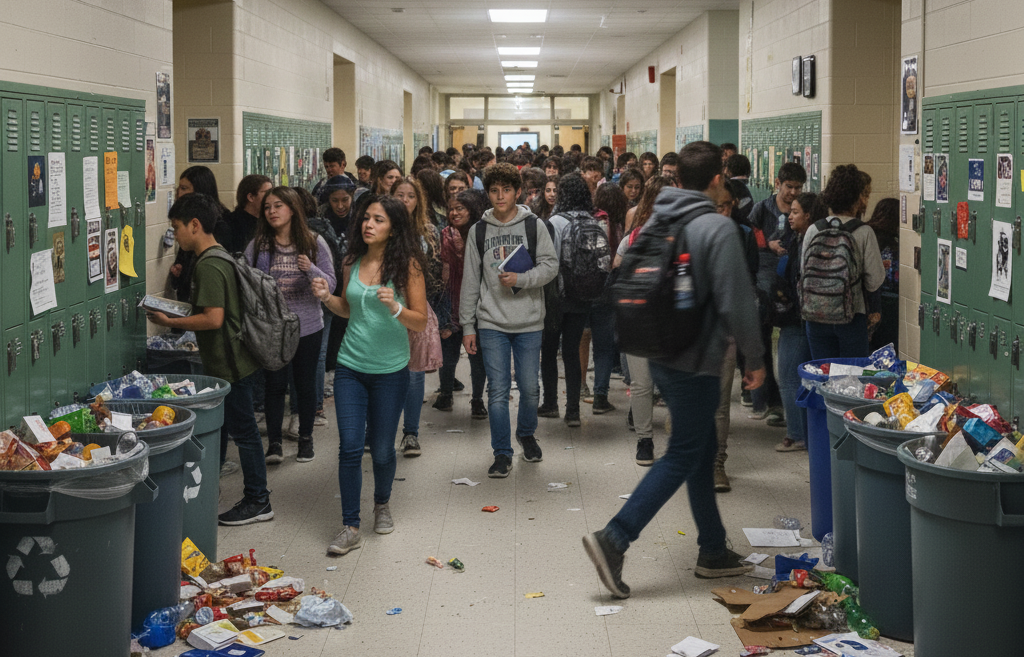
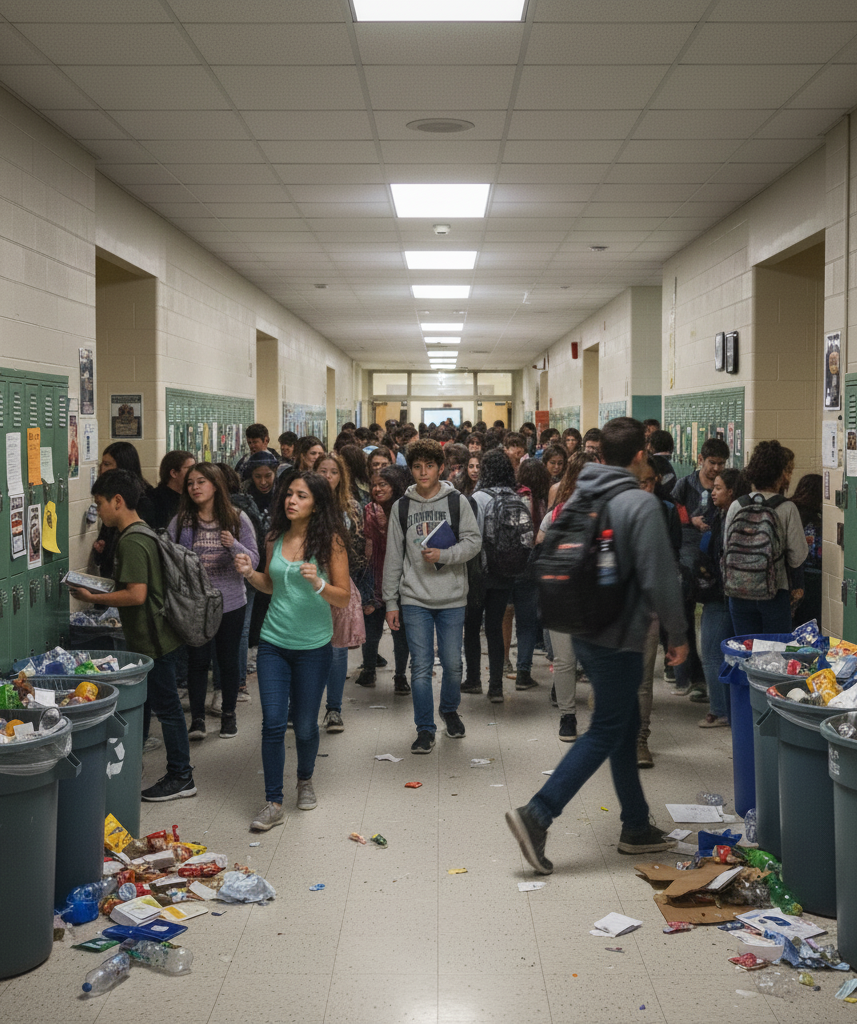
Waste management in school settings particularly benefits from engaged participation, as educational environments can demonstrate environmental responsibility whilst teaching practical sustainability skills that students carry into their future careers.
How do you measure and track waste management effectiveness?
Key performance indicators for waste management include waste diversion rates, cost savings, compliance metrics, and environmental impact measurements. Track the percentage of waste diverted from landfill through recycling, composting, and reuse programmes to understand system effectiveness.
Waste diversion rates show how much material avoids disposal through alternative processing. Calculate this by dividing the weight of diverted waste by the total waste generated, aiming for continuous improvement over time rather than perfect results immediately.
Cost savings measurement compares total waste management expenses before and after implementing new strategies. Include disposal fees, recycling costs, staff time, and any revenue from material sales to understand the true financial impact.
Compliance metrics ensure regulatory requirements are consistently met. Track separation accuracy, proper handling of hazardous materials, and documentation completeness for required reporting. Regular compliance audits help prevent costly violations.
Environmental impact measurements translate waste management into meaningful environmental terms:
- Calculate carbon footprint reductions from recycling and waste prevention
- Measure resource conservation through reuse and reduction initiatives
- Track water and energy savings from improved waste management
- Document habitat protection benefits from reduced landfill usage
- Quantify pollution prevention through proper hazardous waste handling
Methods for continuous improvement include regular waste audits, employee feedback collection, and benchmarking against industry standards. Use data to identify trends, spot problems early, and adjust strategies based on actual performance rather than assumptions.
Reporting systems should provide actionable insights for decision-makers whilst maintaining detailed records for compliance purposes. Monthly summaries help track progress, whilst annual reports demonstrate long-term trends and achievements.
How BINBIN helps with effective waste management strategies
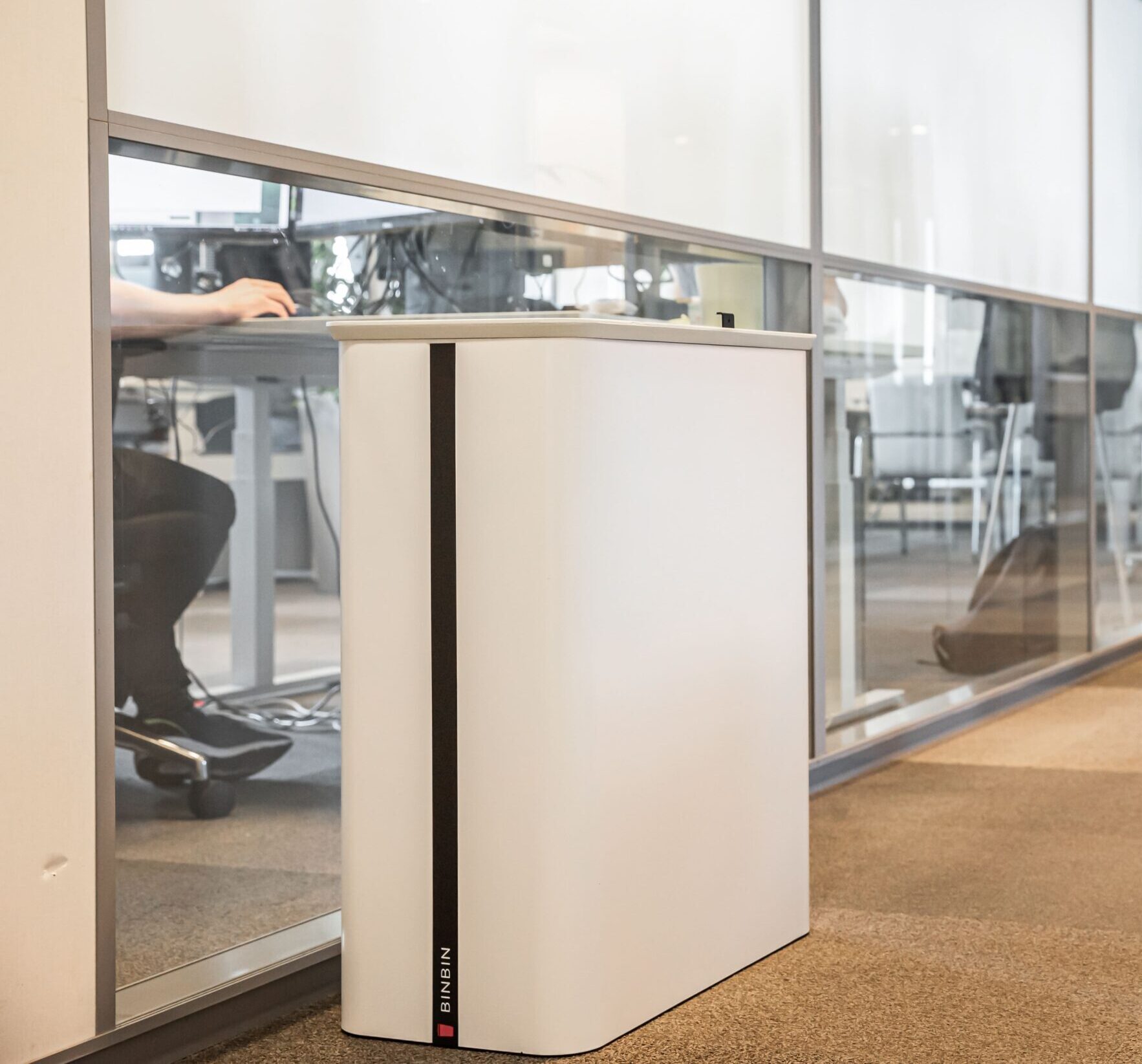
We provide modular waste separation solutions that adapt to changing organisational needs whilst supporting circular economy principles. Our Globular series allows separation of 1 to 8 different waste streams, with components that can be recombined or divided as requirements evolve.
Our circular design principles ensure 99% circularity, using recycled materials that can be transformed into new resources at end-of-life. This approach supports your sustainability goals whilst providing durable, attractive waste management solutions that integrate seamlessly into any environment.
We address common organisational challenges through practical design features:
- Modular systems eliminate the need for new bins when waste streams change
- Internal splitting capabilities allow fine-tuning without additional purchases
- Clean, professional aesthetics support positive employee engagement
- Customisation options, including branding, maintain consistent workplace design
Our solutions serve diverse sectors, including offices, education, hospitality, and public spaces. Each application receives personalised guidance for optimal implementation, including communication materials and employee engagement strategies.
We offer comprehensive support, including free workplace assessments and digital waste analysis to identify your specific needs. Our custom advice and implementation service provides ongoing guidance on communication strategies and system optimisation.
Ready to implement an effective waste management strategy? Start with a trial placement to experience our solutions firsthand, or request a personalised quote based on your specific requirements and goals.