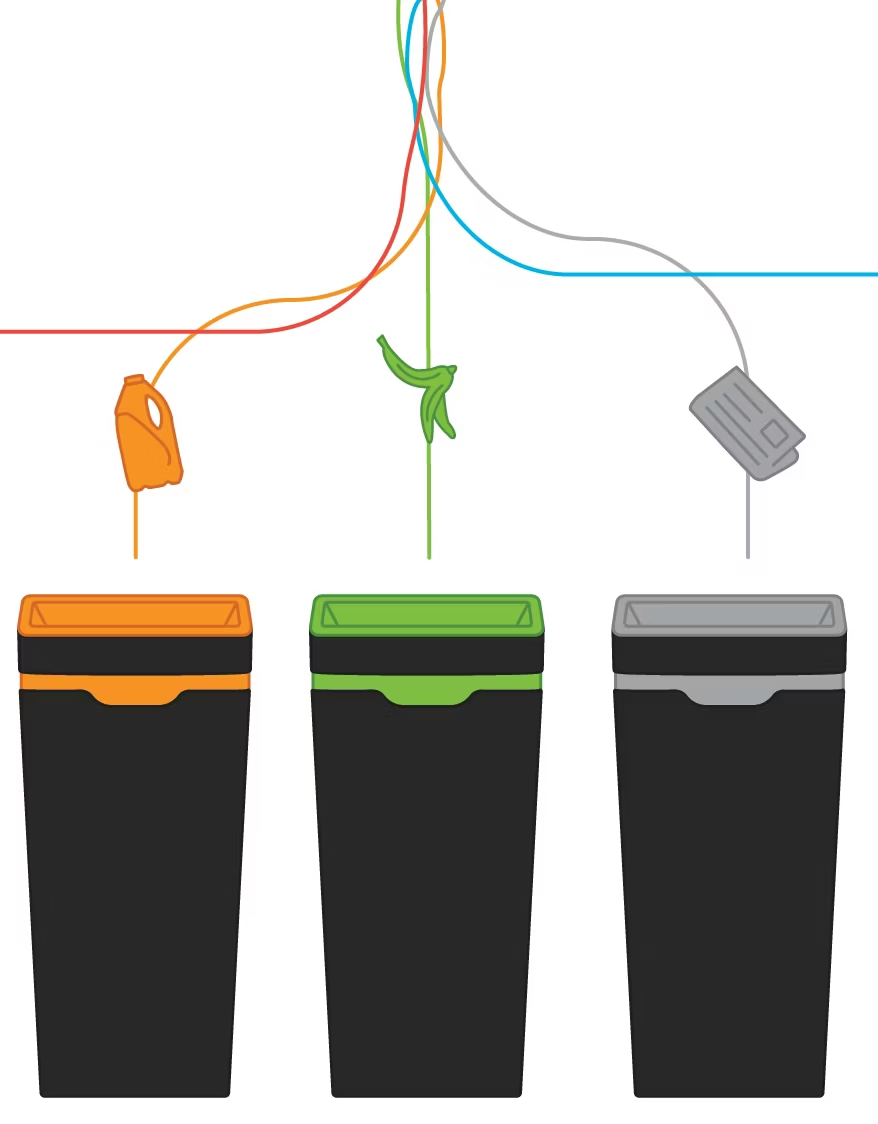
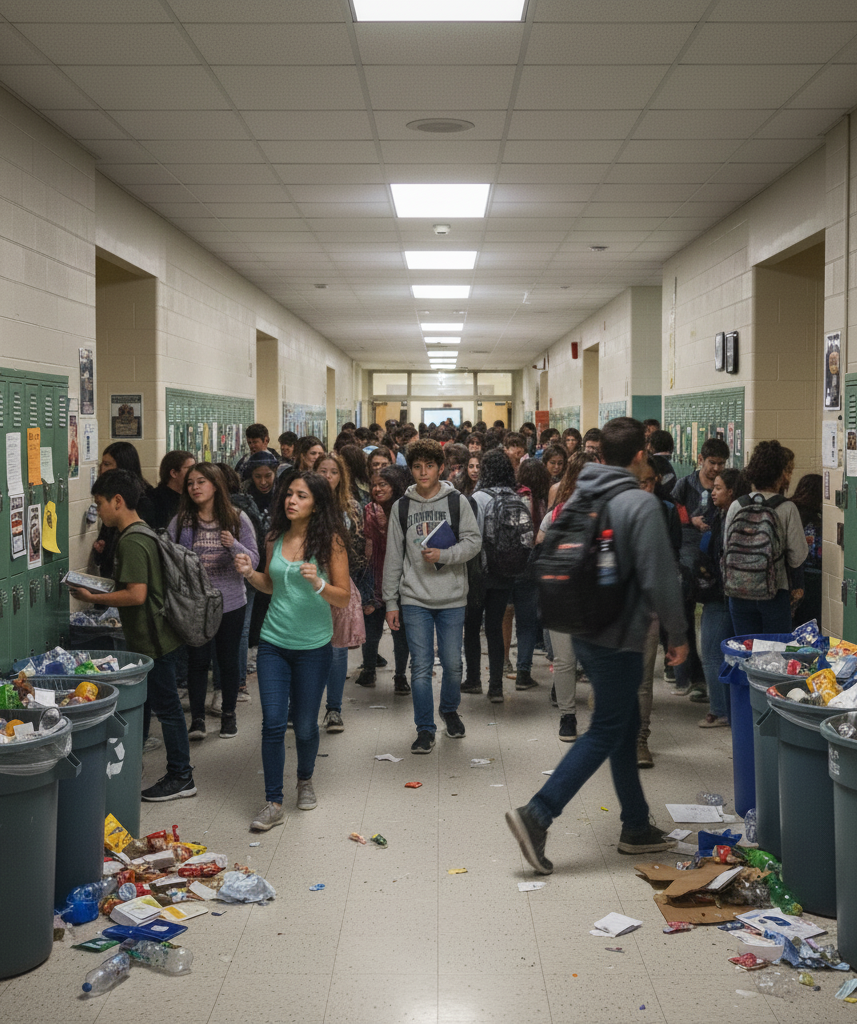
The process of waste separation involves systematically sorting different types of waste materials at their source or at collection points to enable proper recycling, composting, or disposal. This fundamental practice divides waste into distinct categories such as organic matter, paper, plastics, glass, and metals, allowing each material to follow its appropriate recovery pathway. Effective waste separation forms the backbone of sustainable waste management and circular economy initiatives.
What is waste separation, and why is it essential for modern organisations?
Waste separation is the systematic process of dividing waste materials into distinct categories at the point of disposal to maximise recycling potential and minimise environmental impact. This practice enables materials to enter appropriate recovery streams rather than ending up in general waste destined for landfill or incineration.
The circular economy relies heavily on effective waste separation to keep materials in productive use for as long as possible. When waste streams remain separated and uncontaminated, materials retain their value and can be transformed into new products. Mixed waste, conversely, often becomes economically unrecoverable.
Environmental benefits extend beyond resource conservation. Proper separation reduces methane emissions from organic waste in landfills, decreases the need for virgin material extraction, and lowers overall carbon footprints. Many jurisdictions now mandate waste separation for various industries, making compliance a legal necessity rather than merely an environmental choice.
Cost savings arise through reduced waste disposal fees, as separated materials often cost less to process than mixed waste. Some separated materials, particularly metals and high-quality paper, can generate revenue streams. Additionally, demonstrating environmental responsibility through effective waste separation enhances organisational reputation and can attract environmentally conscious customers and employees.
How does the waste separation process actually work, step by step?
The waste separation process begins at the point of disposal, where individuals sort materials into designated containers based on material type. This initial separation is crucial because contamination at this stage often renders entire waste streams unrecoverable.
Collection follows a systematic approach:
- Source separation - Users place items in the appropriate containers immediately after disposal.
- Collection scheduling - Different waste streams are collected on designated days or at set frequencies.
- Transportation - Separated materials are transported to the appropriate processing facilities.
- Quality control - Materials undergo inspection and additional sorting if necessary.
- Processing - Each material type follows its specific recovery or disposal pathway.
Processing facilities play different roles depending on the material type. Recycling centres clean and transform materials into new products, composting facilities process organic waste into soil amendments, and specialised facilities handle hazardous materials safely. The entire chain depends on maintaining separation quality from initial disposal through final processing.
Success requires coordination between waste generators, collection services, and processing facilities. Clear communication about acceptable materials, contamination standards, and collection schedules ensures the system functions effectively. Regular monitoring and feedback help identify and resolve issues before they compromise the overall separation effort.
What are the main waste streams that need to be separated?
The primary waste streams requiring separation include organic waste, paper and cardboard, various plastic types, glass, metals, and hazardous materials. Each category has specific requirements for collection, handling, and processing, making separation essential for effective recovery.
Organic waste encompasses food scraps, garden trimmings, and other biodegradable materials. This stream requires separate collection to prevent contamination of recyclable materials and to enable composting or anaerobic digestion. Organic waste mixed with other materials creates odours, attracts pests, and can damage recyclable materials.
Paper and cardboard make up significant portions of most waste streams. Clean paper products can be recycled multiple times, but contamination from food waste or liquids renders them unrecoverable. Different paper grades require different processing approaches, though basic separation between paper products and other materials is usually sufficient initially.
Plastic separation varies in complexity depending on local processing capabilities. Basic separation involves removing all plastics from other waste streams, while advanced systems separate different plastic types. In some systems, glass containers should be separated by colour, though many facilities can handle mixed glass colours.
Metal separation typically combines ferrous and non-ferrous metals, as processing facilities can separate these mechanically. Hazardous materials, including batteries, electronics, chemicals, and medical waste, require specialised collection and handling procedures to prevent environmental contamination and health risks.
What challenges do organisations face when implementing waste separation?
Employee compliance is the most persistent challenge in waste separation implementation. Even with clear instructions and proper containers, individuals often default to convenience over correct sorting, especially during busy periods or when containers are not immediately accessible.
Space constraints frequently limit separation system design. Many facilities lack adequate room for multiple containers, leading to compromised systems that are difficult to use correctly. Insufficient space also affects collection logistics, making it challenging to maintain separate waste streams during collection and transport.
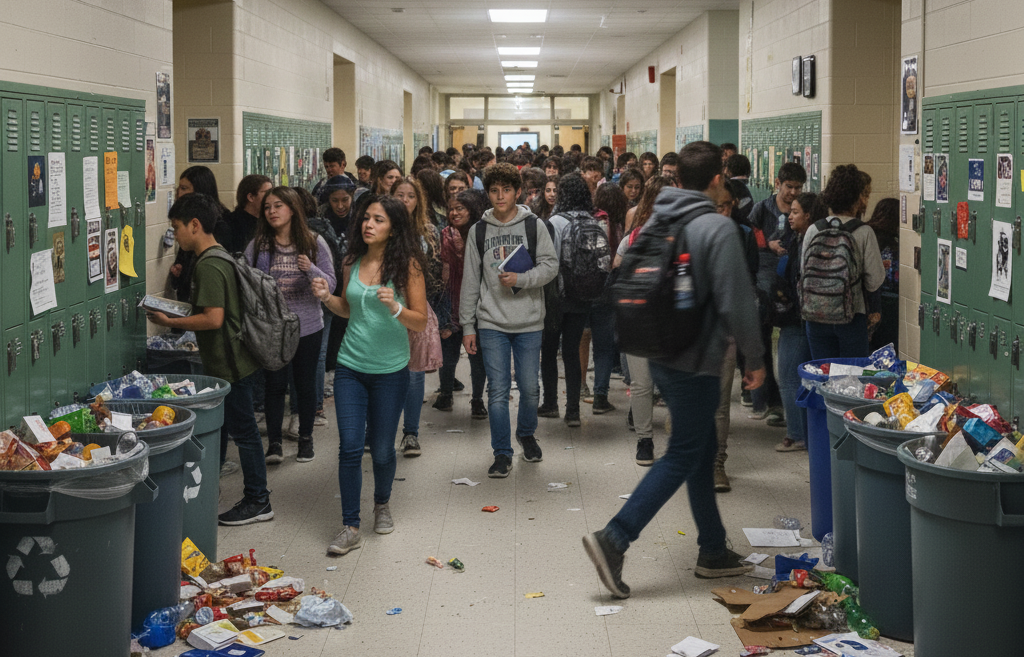
Contamination issues arise when incorrect materials enter waste streams or when acceptable materials become contaminated through improper disposal. Food waste in recycling containers, liquids in paper waste, or non-recyclable items in recycling streams can compromise entire batches of separated materials.
Cost considerations include the initial investment in separation containers and systems, ongoing collection costs that may be higher than single-stream waste removal, and staff time required for system management and education. Some organisations struggle to justify these costs without a clear understanding of the long-term benefits.
Implementation complexity increases with organisational size and diversity. Multiple locations, varied waste generation patterns, and different local waste management requirements create logistical challenges. Communicating across diverse teams and maintaining consistent practices require ongoing attention and resources.
What equipment and systems make waste separation more effective?
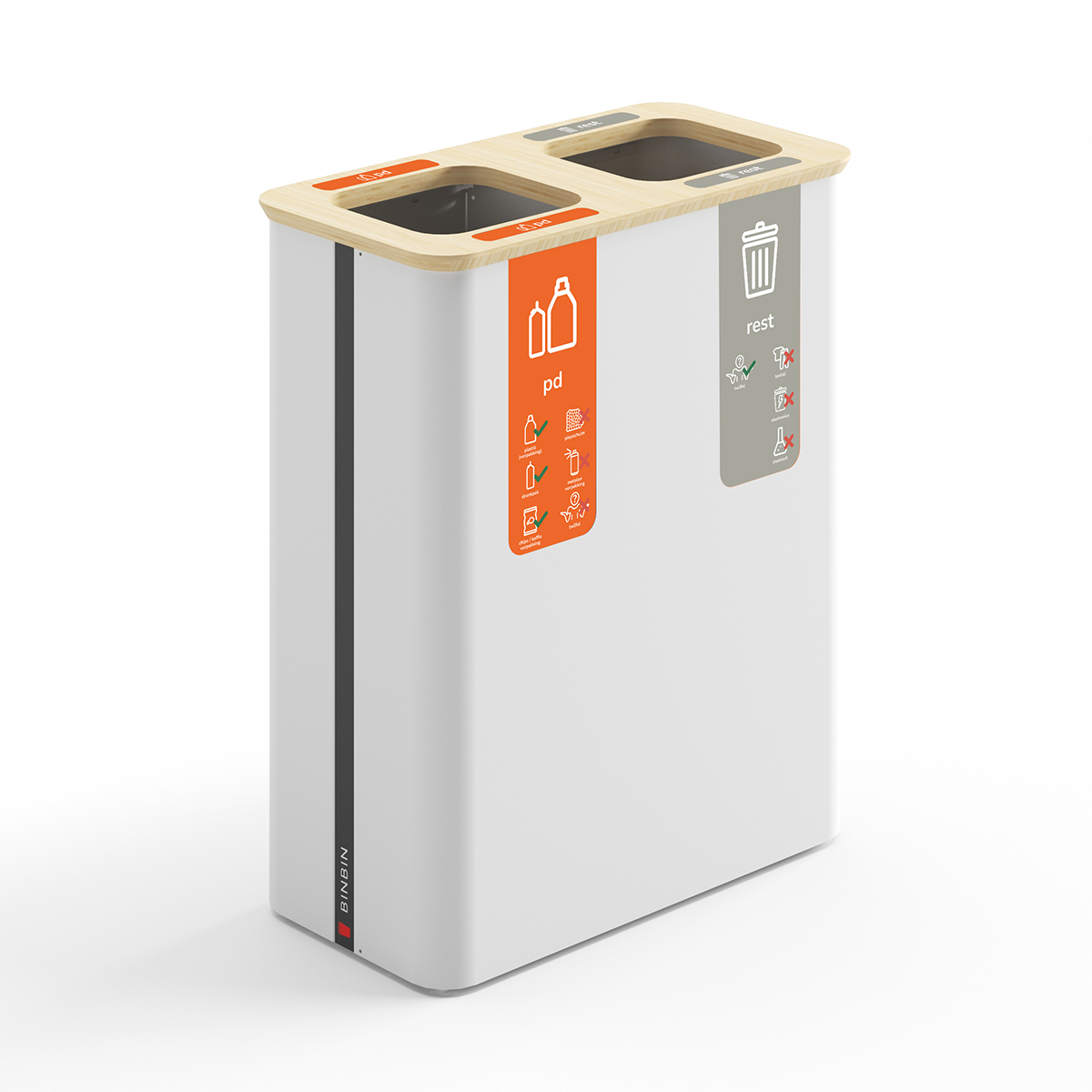
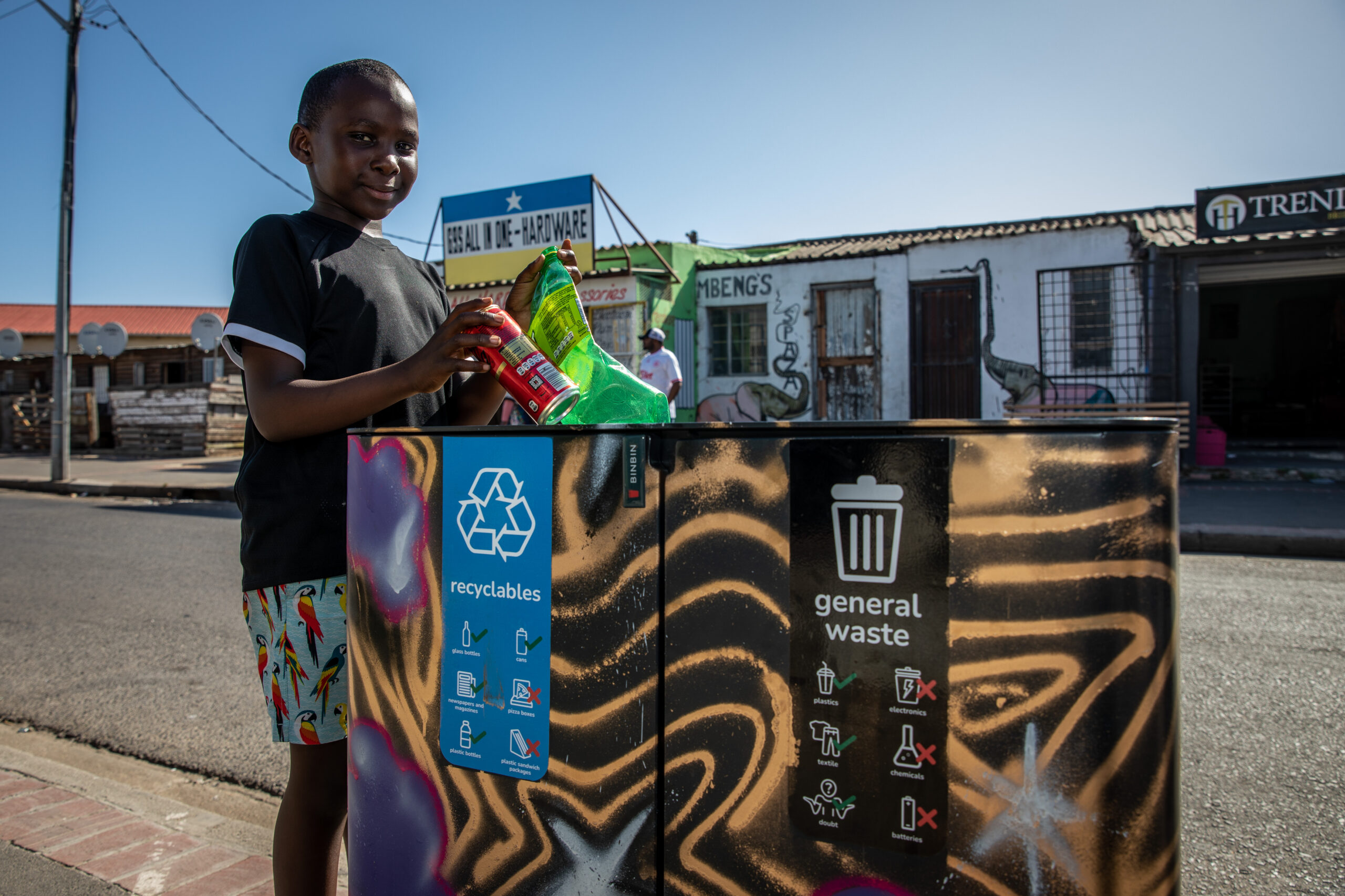
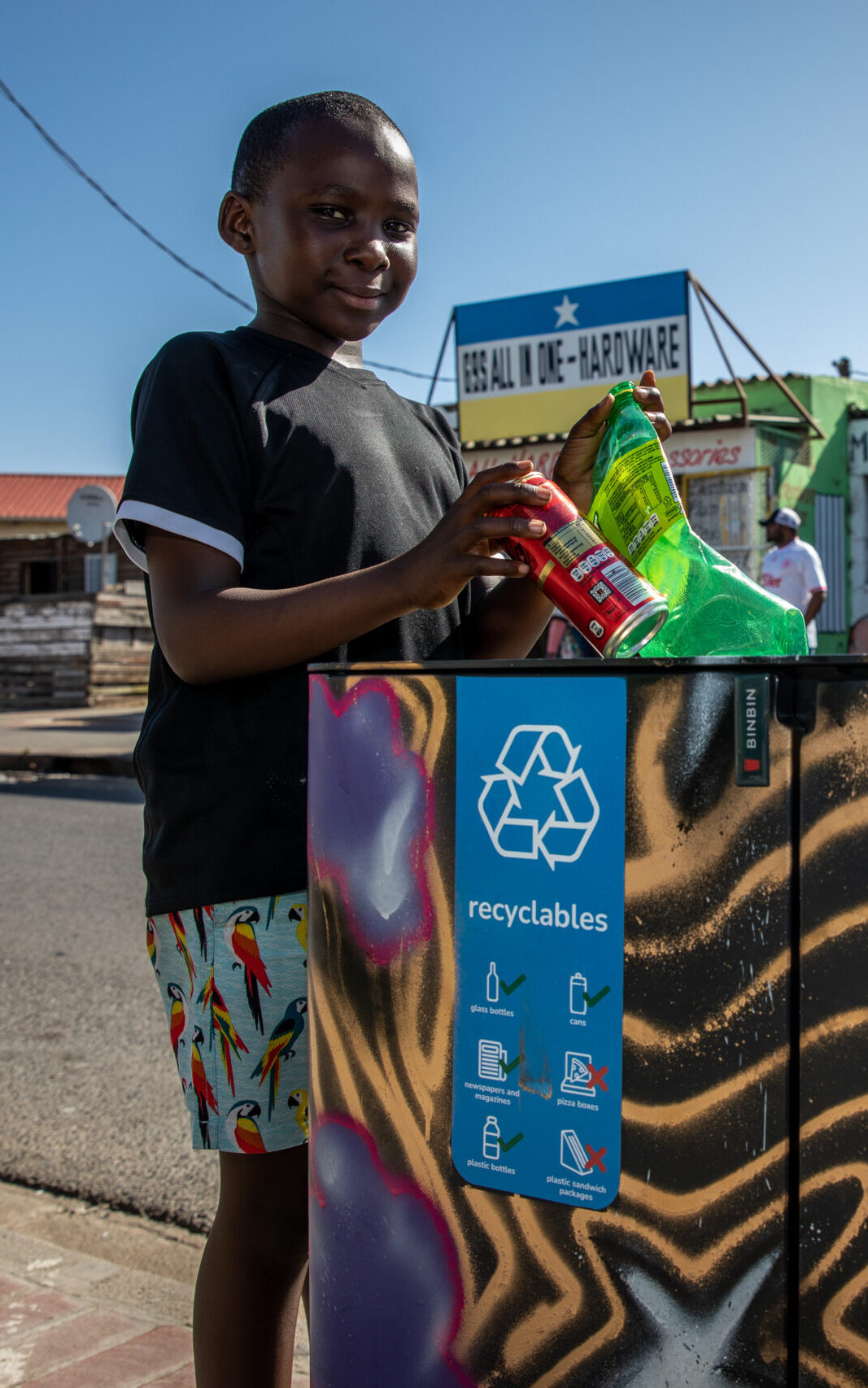
Effective waste separation relies on well-designed container systems that make correct sorting intuitive and convenient. Clear labelling with both text and visual indicators helps users quickly identify the appropriate containers, while container design should accommodate the specific materials being collected.
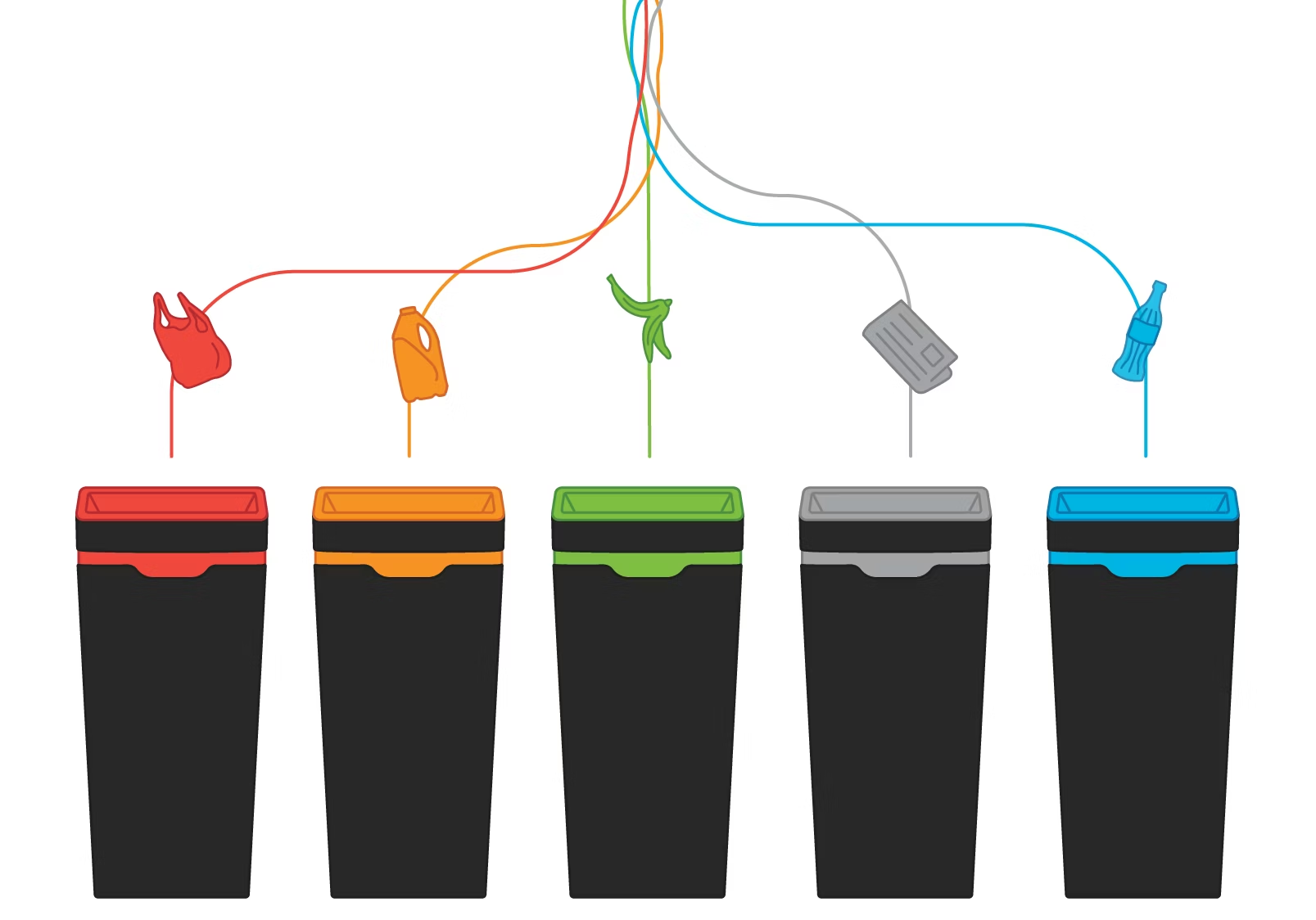
Colour coding provides instant visual recognition, though colours should align with local waste management standards to avoid confusion. Container sizes should match waste generation patterns: larger containers for high-volume streams and smaller ones for occasional waste types.
Strategic placement maximises participation rates. Containers should be located where waste is generated, with complete sets of separation options available at each disposal point. Partial systems that require users to seek out specific containers for certain materials typically see lower compliance rates.
Key features that improve effectiveness include:
- Restricted openings that make it difficult to insert incorrect items
- Clear, multilingual labelling with examples of acceptable and unacceptable items
- Modular systems that can adapt as waste separation requirements change
- Easy-to-clean surfaces that maintain hygienic conditions
- Secure lids that prevent contamination and control odours
Technology integration can enhance separation accuracy through smart bins that provide feedback, apps that answer sorting questions, and monitoring systems that track contamination rates. However, the fundamental requirement remains simple, accessible containers that make correct sorting the easiest option for users.
How do you measure the success of your waste separation efforts?
Measuring success combines quantitative metrics with qualitative assessments to provide a comprehensive view of waste separation effectiveness. Key performance indicators should track both participation rates and separation quality while monitoring cost impacts and environmental benefits.
Contamination rates provide the most direct measure of separation quality. Regular audits of separated waste streams reveal how often incorrect materials appear in specific containers. Contamination below 5-10% typically indicates effective separation, while higher rates suggest system improvements are needed.
Diversion rates measure the percentage of total waste that avoids general disposal through separation. Higher diversion rates indicate more materials entering recovery streams, though this metric should be balanced with contamination rates to ensure high-quality separation.
Cost analysis compares total waste management expenses before and after implementing separation systems. While initial costs may increase, successful programmes often reduce long-term expenses through lower disposal fees and potential revenue from recovered materials.
Participation monitoring tracks how consistently individuals use separation systems correctly. Observation studies, feedback surveys, and container usage patterns reveal whether the system design supports user compliance. Regular feedback helps identify barriers to participation and opportunities for improvement.
Environmental impact assessment quantifies benefits such as reduced landfill waste, decreased carbon emissions, and resource conservation. These metrics support organisational sustainability reporting and demonstrate the broader value of separation efforts beyond immediate operational considerations.
How BINBIN helps with waste separation implementation
We provide comprehensive waste separation solutions designed specifically for modern organisations facing implementation challenges. Our modular systems adapt to diverse environments while maintaining the simplicity and functionality that drive user compliance.
Our approach addresses common implementation obstacles through:
- Modular design - Configure 1 to 8 waste streams that can be combined or separated as needs change
- Space efficiency - Compact systems that maximise separation capability within limited floor space
- Intuitive operation - Clear visual design and restricted openings that guide correct sorting behaviour
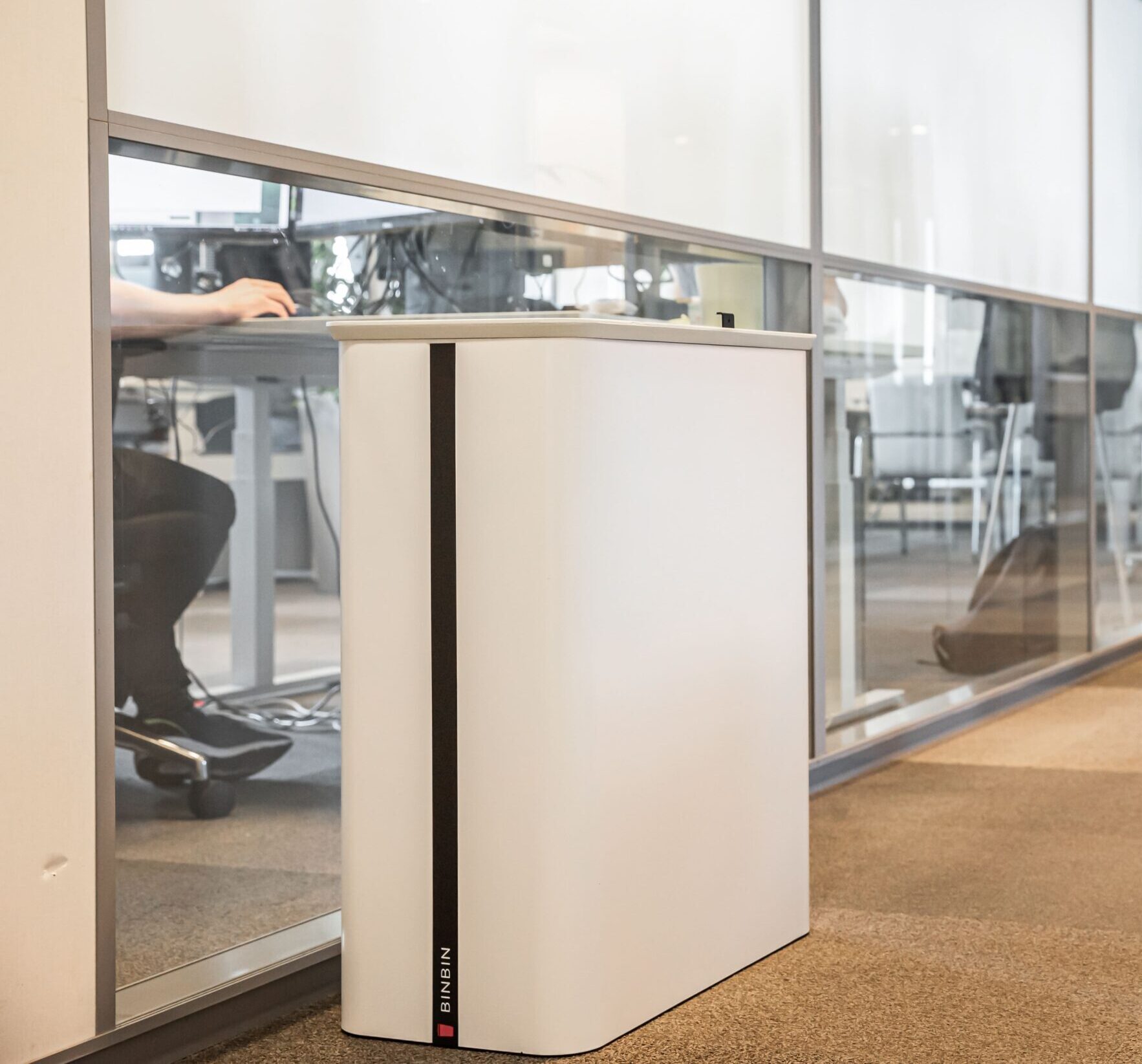
- Professional aesthetics - A clean, modern appearance that integrates seamlessly into any environment
- Customisation options - Branding opportunities and configuration flexibility to match specific requirements
Our 99% circular construction demonstrates environmental commitment while providing durable, long-lasting performance. The systems require minimal maintenance and can adapt as waste separation requirements evolve, protecting your investment over time.
We support implementation success through personalised guidance, communication materials, and ongoing optimisation advice. Our experience across office, education, hospitality, and public-space environments ensures solutions that work in real-world conditions.
Ready to implement effective waste separation? Try our systems in your environment, or request a customised quote to discover how we can support your waste separation goals.