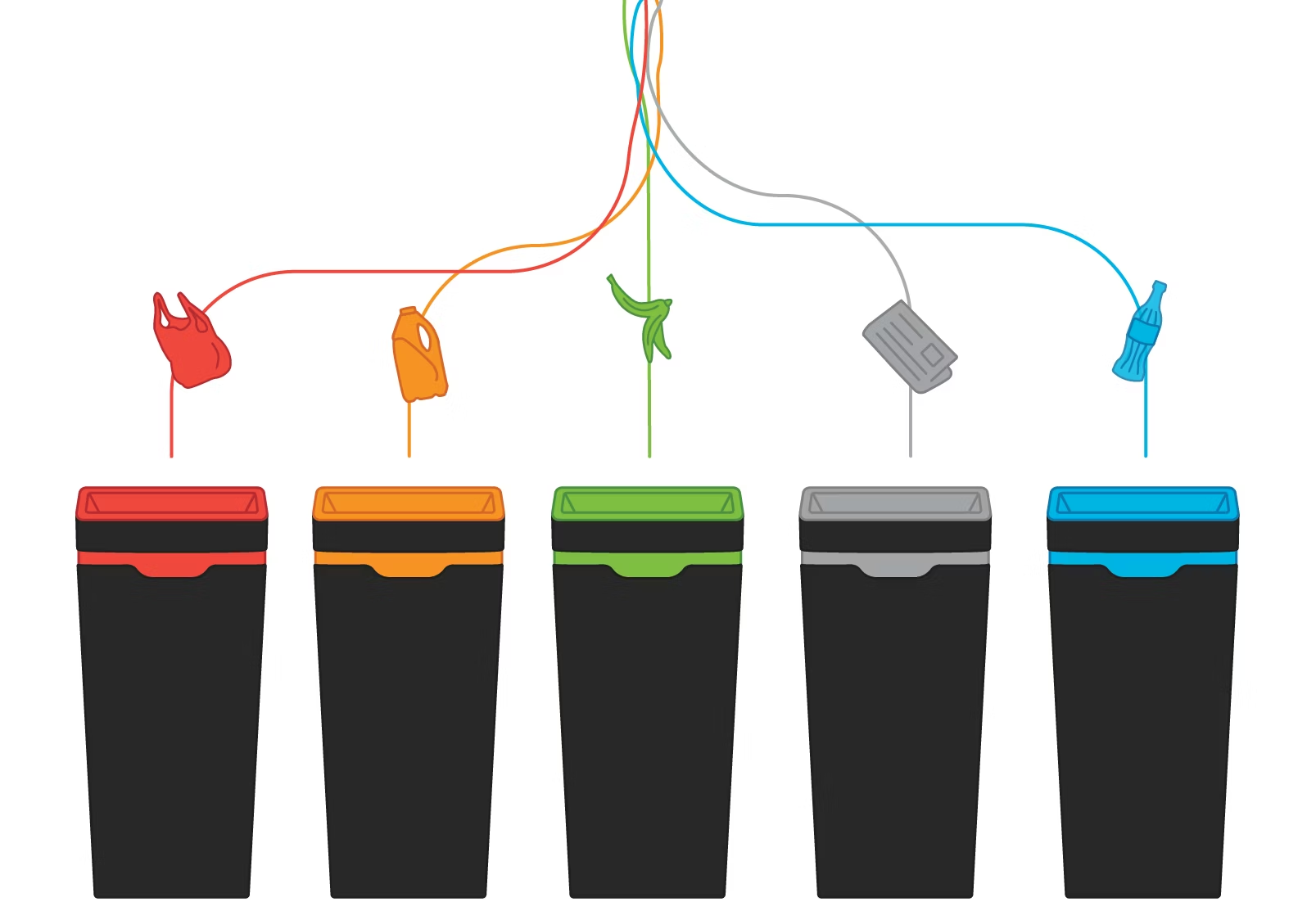
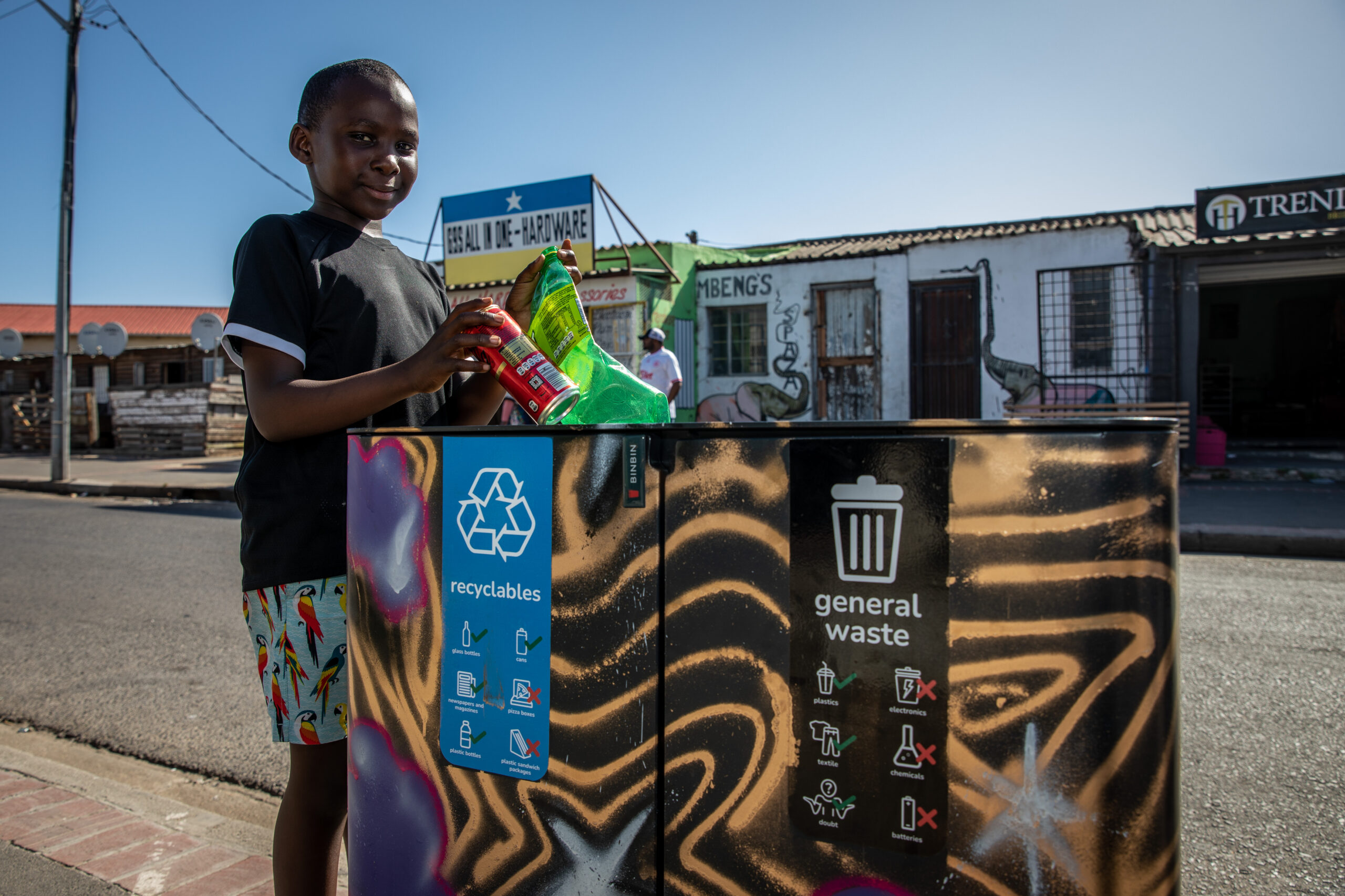
Waste segregation is the practice of separating different types of waste materials at their source before disposal or collection. This systematic approach involves sorting waste into distinct categories such as recyclables, organic matter, hazardous materials, and general waste. Proper waste segregation forms the foundation of effective waste management systems and is essential for environmental protection, resource recovery, and regulatory compliance across all types of organisations.
What exactly is waste segregation, and why does it matter?
Waste segregation is the systematic separation of different waste types at the point of generation, ensuring each material category is collected and processed appropriately. This process involves identifying, sorting, and containing various waste streams in designated containers or areas before collection and treatment.
The practice matters because it significantly reduces environmental impact by enabling proper recycling and treatment of materials. When waste is properly separated, recyclable materials can be processed into new products, organic waste can be composted, and hazardous materials can be handled safely. This prevents contamination of recyclable materials and reduces the amount of waste sent to landfills.
Environmental protection benefits include reduced greenhouse gas emissions from landfills, decreased pollution of soil and water systems, and conservation of natural resources through recycling. Resource recovery becomes more efficient when materials are clean and properly sorted, leading to higher-quality recycled products and better economic returns from waste processing.
Regulatory compliance is increasingly important as governments worldwide implement stricter waste management requirements. Many jurisdictions now mandate waste segregation for businesses and organisations, with penalties for non-compliance affecting operational costs and corporate reputation.
What are the main types of waste that need to be separated?
Organic waste includes food scraps, garden trimmings, and biodegradable materials that can decompose naturally. This category requires separate collection because it can be composted or processed into biogas, but it creates methane emissions when mixed with other waste in landfills.
Recyclable materials form several distinct categories:
- Paper and cardboard - newspapers, office paper, and packaging materials that can be reprocessed into new paper products
- Plastic materials - bottles, containers, and packaging with different recycling codes requiring specific processing methods
- Glass containers - bottles and jars that can be recycled indefinitely without loss of quality
- Metal items - aluminium cans, steel containers, and other metal materials with high recycling value
Hazardous materials require special handling due to their potential harm to human health and the environment. This category includes batteries, electronic waste, chemicals, medical waste, and fluorescent bulbs. These materials need specialised collection and treatment facilities to prevent toxic contamination.
General waste encompasses non-recyclable, non-hazardous materials that cannot be processed through standard recycling or composting systems. This residual waste typically goes to landfills or waste-to-energy facilities and should be minimised through better segregation of other categories.
Each category requires specific handling because different materials have unique processing requirements, contamination risks, and end-of-life pathways that determine their environmental impact and economic value.
How does proper waste segregation benefit businesses and organisations?
Proper waste segregation delivers significant cost savings through reduced waste processing fees and improved efficiency in waste collection services. When materials are correctly separated, organisations often qualify for lower disposal rates and may generate revenue from selling recyclable materials to processing facilities.
Corporate sustainability image improves substantially when organisations demonstrate a commitment to environmental responsibility through effective waste management. This enhanced reputation attracts environmentally conscious customers, employees, and business partners while supporting corporate social responsibility objectives.
Regulatory compliance benefits include avoiding penalties and fines while meeting increasingly stringent waste management requirements. Many jurisdictions offer incentives for organisations that exceed basic compliance standards, creating additional financial benefits.
Contributing to circular economy principles creates long-term value by keeping materials in productive use rather than sending them to disposal. This approach:
- Reduces demand for virgin materials through increased recycling rates
- Creates local economic opportunities in waste processing and recycling industries
- Minimises environmental impact through reduced landfill usage and resource extraction
- Supports sustainable business practices that align with stakeholder expectations
- Builds resilience against resource scarcity and rising waste management costs
Employee engagement often increases when staff participate in meaningful sustainability initiatives, creating a positive workplace culture and supporting recruitment and retention efforts. A visible commitment to environmental stewardship can become a source of organisational pride and competitive advantage.
What challenges do organisations face when implementing waste segregation?
Employee behaviour change represents the most significant implementation barrier, as successful waste segregation requires consistent participation from all staff members. People often resist changing established habits, and initial confusion about proper sorting can lead to contamination of waste streams.
Space constraints in existing facilities create practical difficulties in accommodating multiple waste containers while maintaining efficient workflow and aesthetic standards. Many workplaces lack adequate space for comprehensive segregation systems without significant layout modifications.
Initial setup costs include purchasing appropriate containers and signage and potentially modifying collection areas to accommodate different waste streams. Organisations must also invest in staff training and ongoing communication to ensure proper implementation.
Ongoing maintenance requirements involve regular monitoring of segregation quality, container cleaning, and staff retraining as needed. Without consistent oversight, segregation systems often deteriorate over time as initial enthusiasm wanes.
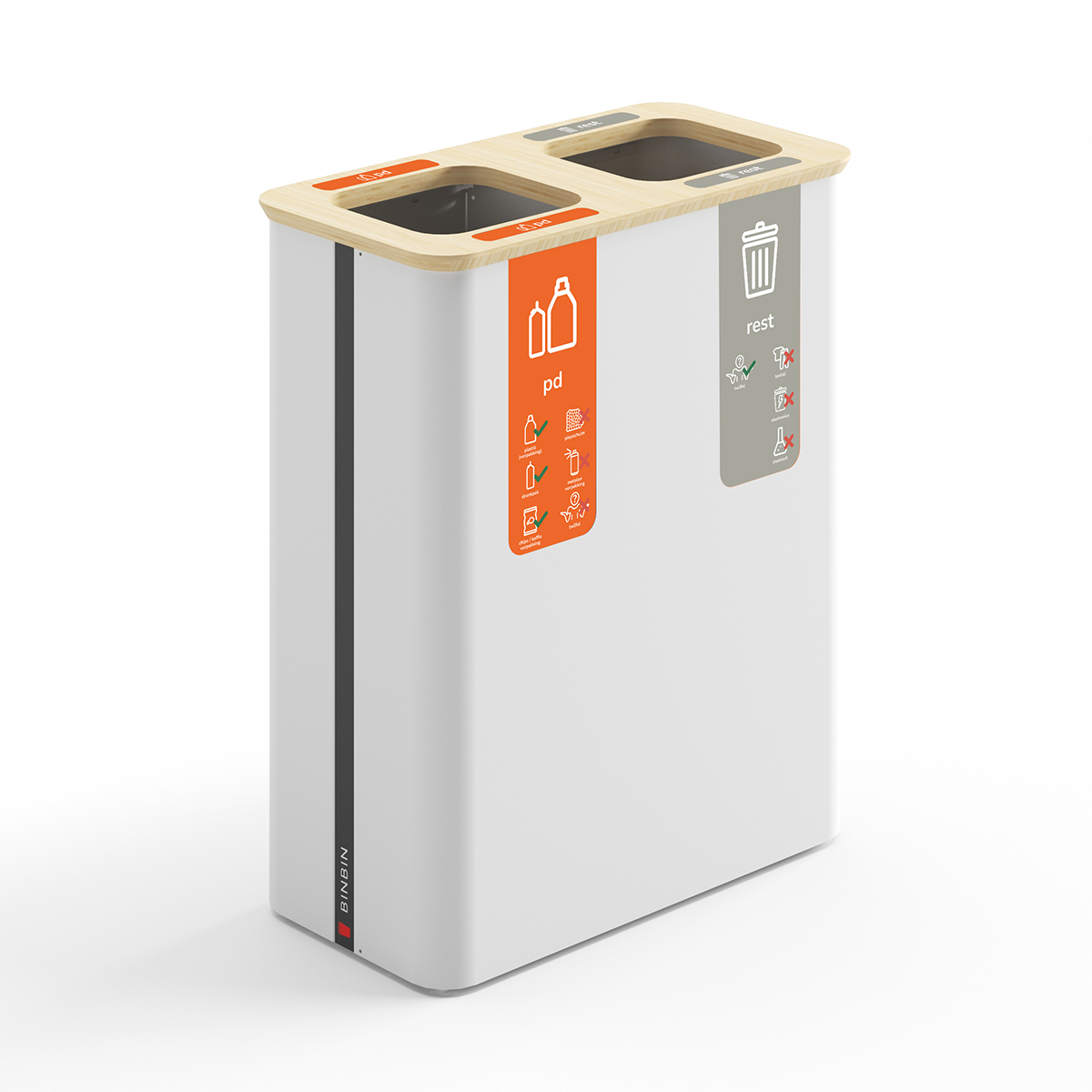
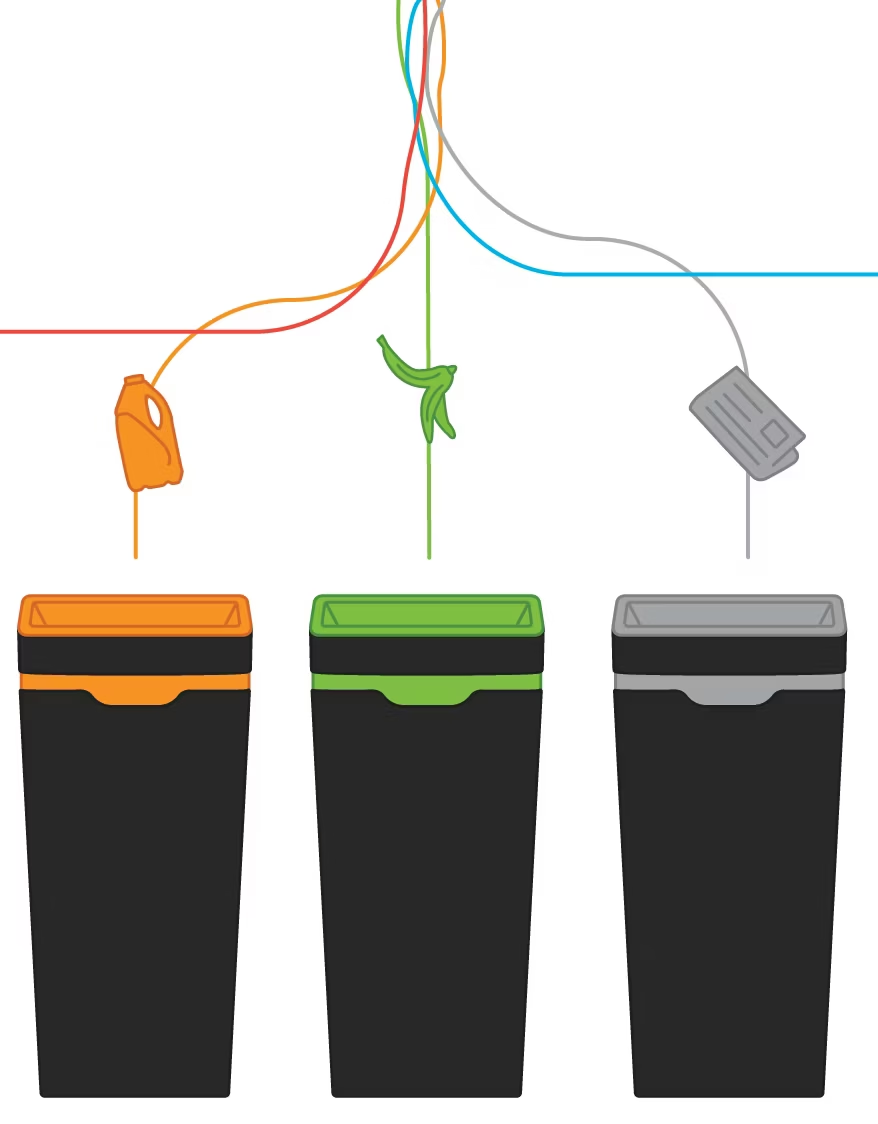
Strategies for overcoming these obstacles include starting with simple two-stream separation before expanding to more complex systems. Clear visual communication through pictograms and colour-coding helps reduce confusion. Industry-specific solutions can address unique workplace challenges while maintaining professional appearance standards.
Leadership commitment and regular communication about environmental benefits help sustain employee engagement. Making segregation convenient through strategic container placement and ensuring adequate capacity prevents overflow situations that undermine the system.
How can businesses successfully implement an effective waste segregation system?
Assessing current waste streams forms the foundation of successful implementation by identifying the types and quantities of waste generated across different areas of the organisation. This analysis reveals opportunities for waste reduction and determines the most appropriate segregation categories for your specific situation.
Selecting appropriate separation systems should balance functionality with workplace aesthetics and available space. Consider factors such as container capacity, ease of use, maintenance requirements, and visual integration with existing office design. Modular systems offer flexibility to adapt as waste patterns change.
Employee training programmes must address both the practical aspects of waste sorting and the environmental benefits of participation. Effective training includes:
- Clear instructions on what materials belong in each container
- Visual aids and examples of commonly confused items
- Information about what happens to materials after collection
- Regular refresher sessions to maintain engagement and address questions
Monitoring and optimisation strategies involve regular audits of waste streams to identify contamination issues and opportunities for improvement. Track participation rates and provide feedback to staff about progress and achievements. Adjust container placement and capacity based on usage patterns.
Best practices for long-term success include maintaining visible leadership support, celebrating milestones, and continuously communicating environmental impact. Trial programmes allow organisations to test systems before full implementation, reducing risk and improving outcomes.
Integration with existing sustainability initiatives creates synergy and reinforces organisational commitment to environmental responsibility. Regular evaluation and adaptation ensure the system remains effective as organisational needs evolve.
How BINBIN helps with waste segregation
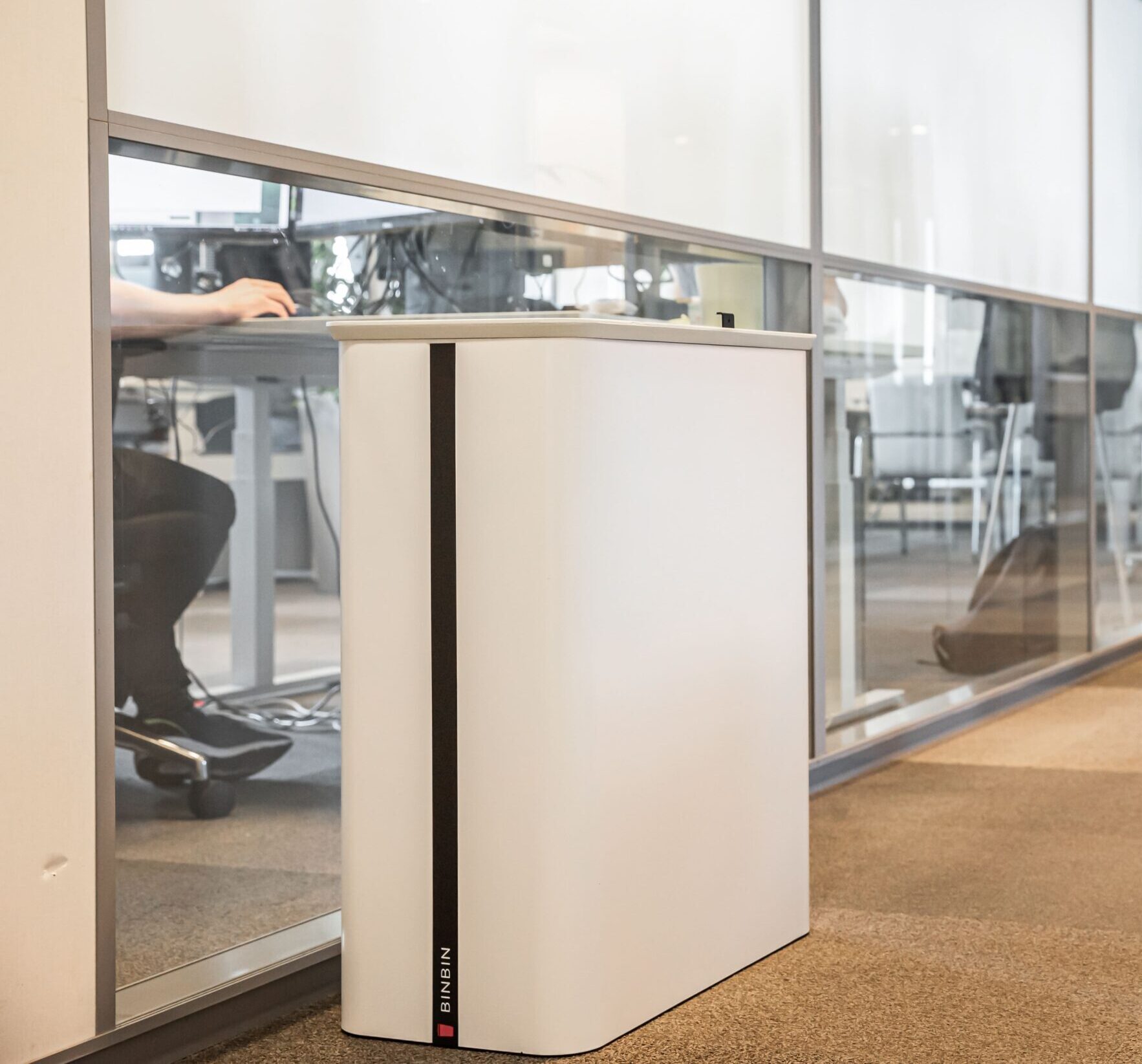
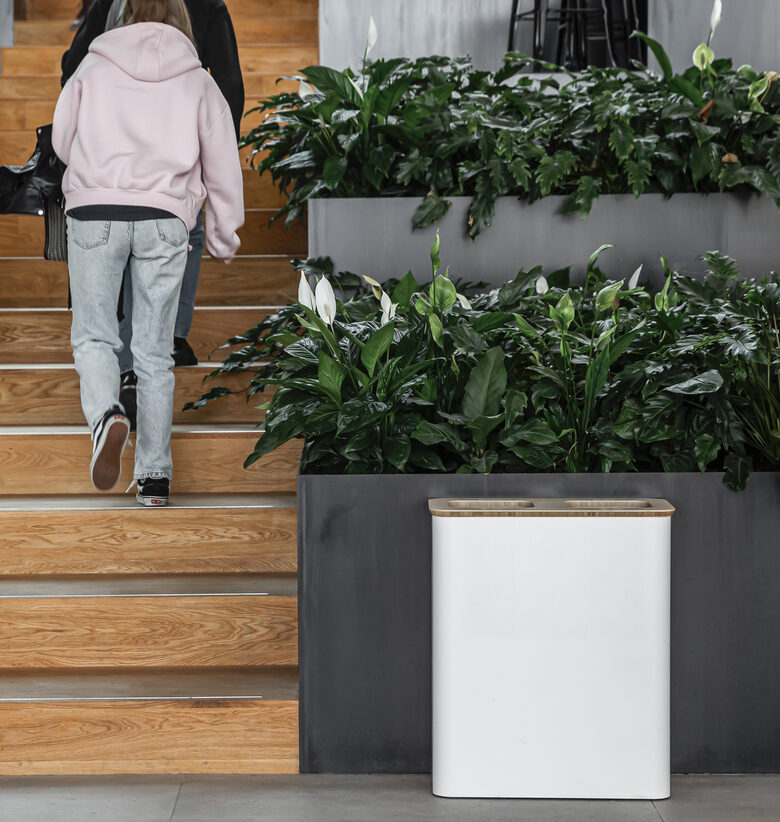
BINBIN provides comprehensive modular waste separation solutions designed specifically for professional environments where functionality must align with aesthetic standards. Our Globular series enables organisations to separate 1 to 8 different waste streams using flexible, combinable units that adapt to changing requirements without replacing entire systems.
Our circular design principles ensure 99% recyclability of the waste separation systems themselves, supporting your organisation's sustainability objectives through equipment choices. The modular approach means:
- Internal splitting capabilities allow stream adjustments without purchasing new containers
- Scalable configurations that grow with organisational needs
- A professional appearance that integrates seamlessly into office environments
- Customisation options, including corporate branding and colour schemes
- Comprehensive support, including implementation guidance and communication materials
We provide personalised consultation and implementation support to identify the optimal waste segregation solution for your specific workplace requirements. Our range of solutions serves diverse sectors, from corporate offices to educational institutions, ensuring appropriate functionality for your environment.
Contact us today to discuss how our modular waste segregation systems can support your organisation's sustainability goals while maintaining professional standards and operational efficiency.