Waste management in hospitals is a specialised system for safely handling, treating, and disposing of medical waste generated in healthcare facilities. It involves strict protocols for segregating different waste types, proper storage, and working with licensed disposal companies to protect patients, staff, and the environment from contamination and infection risks.
What is hospital waste management and why is it critical?
Hospital waste management is a comprehensive system that controls the entire lifecycle of medical waste, from generation to final disposal. This system ensures that potentially dangerous materials are handled safely through proper segregation, storage, treatment, and disposal methods that meet regulatory standards.
The critical nature of hospital waste management stems from the serious health and environmental risks posed by medical waste. Infectious materials can spread diseases to healthcare workers, patients, and the general public if not handled correctly. Contaminated sharps can cause injuries and transmit bloodborne pathogens, while pharmaceutical waste can pollute water systems and harm wildlife.
Proper waste management systems protect everyone in the healthcare facility by preventing cross-contamination, reducing infection risks, and ensuring compliance with strict regulatory requirements. Healthcare facilities face significant legal and financial consequences for improper waste handling, including fines, legal liability, and potential facility closure.
What are the different types of waste generated in hospitals?
Hospitals generate multiple categories of waste that require different handling and disposal methods. Understanding these categories is essential for proper segregation and treatment to ensure safety and regulatory compliance.
Infectious waste includes items contaminated with blood or bodily fluids, such as used bandages, surgical gloves, and laboratory cultures. Pathological waste consists of human tissues, organs, and body parts removed during surgery or autopsy procedures.
Sharps waste encompasses needles, scalpels, broken glass, and any items that can puncture or cut. This category requires special puncture-resistant containers to prevent injuries during handling and transport.
The main categories include:
- Pharmaceutical waste from expired or unused medications
- Chemotherapy waste containing cytotoxic drugs used in cancer treatment
- Radioactive waste from nuclear medicine procedures
- General non-hazardous waste similar to regular office or household rubbish
Each waste type has specific colour-coding requirements and disposal methods. Mixing categories can create safety hazards and regulatory violations, making proper identification and segregation crucial for hospital operations.
How do hospitals properly segregate and sort medical waste?
Proper waste segregation begins at the point of generation, where healthcare workers immediately sort waste into appropriate containers based on type and contamination level. This immediate segregation prevents cross-contamination and ensures each waste stream receives proper treatment.
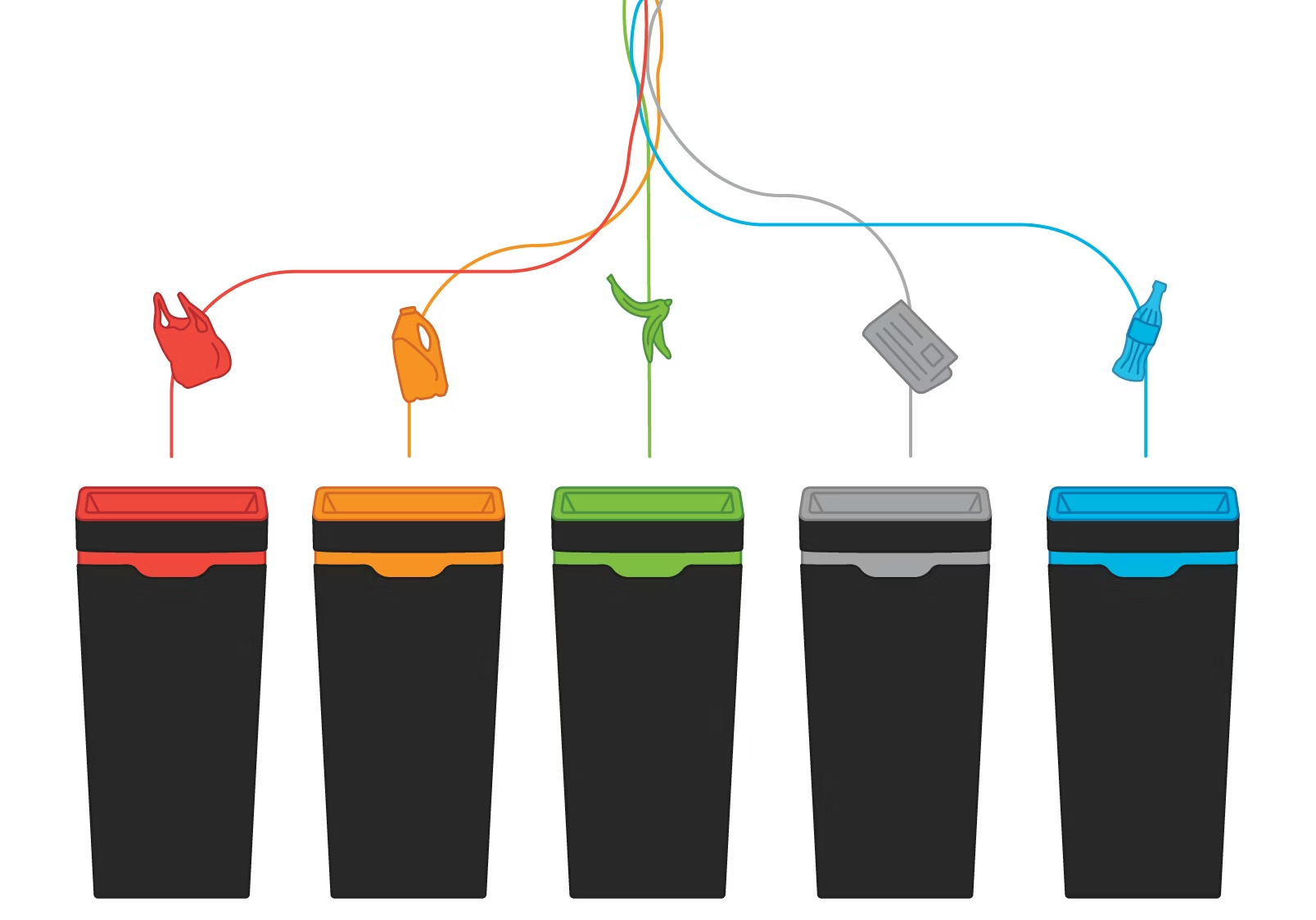
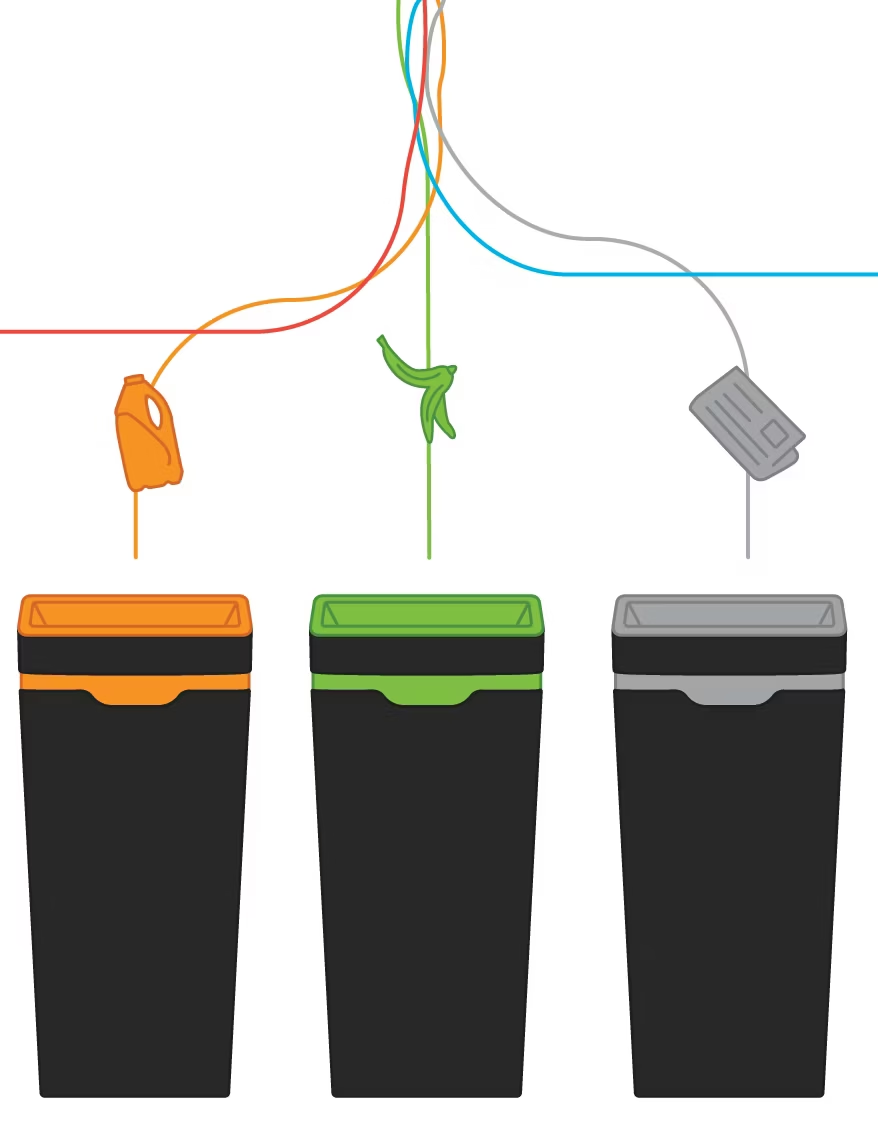
Hospitals use standardised colour-coding systems to identify different waste types. Red containers typically hold infectious waste, yellow containers are for pathological waste, and sharps containers are usually red or yellow with puncture-resistant construction. Black containers often contain pharmaceutical waste, while regular bins hold general non-hazardous materials.
The segregation process follows these essential steps:
- Identify the waste type based on contamination and origin
- Select the appropriate container with the correct colour coding
- Place waste immediately into the designated container
- Seal containers when three-quarters full to prevent overflow
- Label containers with the generation date and department information
- Store filled containers in designated secure areas
Staff training programmes ensure all healthcare workers understand segregation protocols and can identify different waste types correctly. Regular refresher training maintains compliance and addresses new procedures or regulations.
What regulations govern hospital waste management practices?
Hospital waste management operates under multiple overlapping regulatory frameworks that establish safety standards, handling procedures, and disposal requirements. These regulations protect public health and environmental safety through comprehensive oversight of medical waste practices.
The Occupational Safety and Health Administration (OSHA) sets bloodborne pathogen standards that require hospitals to protect workers from exposure to infectious materials. These standards mandate proper training, protective equipment, and exposure control plans for all staff handling medical waste.
The Environmental Protection Agency (EPA) regulates medical waste under the Resource Conservation and Recovery Act, establishing standards for waste treatment and disposal. The Department of Transportation (DOT) governs the packaging and transport of medical waste as hazardous materials requiring special handling and documentation.
State and local regulations often impose additional requirements beyond federal standards. Many states require permits for medical waste generators, mandate specific treatment methods, and establish reporting requirements for waste quantities and disposal methods. Healthcare facilities must comply with the most stringent applicable regulations at the federal, state, and local levels.
How do hospitals ensure safe collection and disposal of medical waste?
Safe collection and disposal involves systematic internal handling procedures combined with partnerships with licensed medical waste management companies. This coordinated approach ensures waste moves safely from generation points to final treatment and disposal facilities.
Internal collection follows scheduled routes through the hospital using dedicated trolleys and trained personnel wearing appropriate protective equipment. Storage areas must be secure, well-ventilated, and accessible only to authorised staff. Waste cannot remain in temporary storage beyond specified time limits to prevent decomposition and pest attraction.
Treatment methods include:
- Steam sterilisation (autoclaving) for infectious waste
- Incineration for pathological and pharmaceutical waste
- Chemical treatment for certain laboratory waste
- Specialised disposal for radioactive materials
Licensed medical waste companies provide collection, transport, treatment, and disposal services while maintaining detailed documentation. They issue certificates of destruction to confirm proper disposal and help hospitals demonstrate regulatory compliance during inspections.
How BINBIN helps with hospital waste management
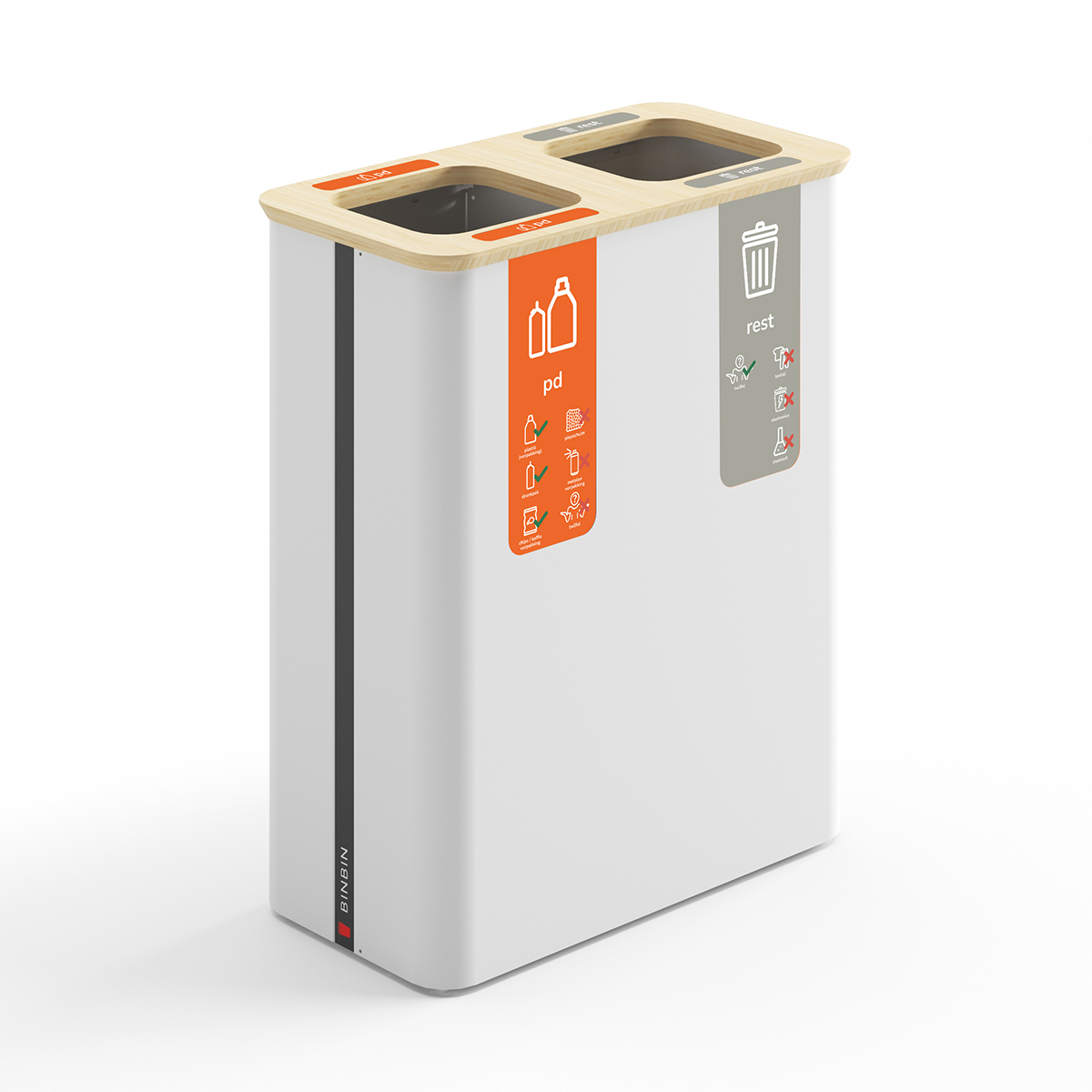
We provide specialised waste separation solutions designed to meet the unique demands of healthcare environments. Our modular systems adapt to different hospital departments while maintaining the strict hygiene and safety standards required for medical facilities.
Our healthcare waste management solutions offer:
- Colour-coded containers that match medical waste segregation requirements
- Easy-to-clean surfaces that support infection control protocols
- Modular designs that accommodate changing waste stream volumes
- Clear labelling systems that reduce segregation errors
- Secure storage options that prevent unauthorised access
We work closely with healthcare facilities to design waste management systems that improve compliance, enhance staff safety, and streamline collection processes. Contact us today to discuss how our solutions can support your hospital's waste management needs while maintaining the highest standards of patient and staff safety.