Hospital medical waste refers to potentially infectious or hazardous materials generated during patient care, diagnosis, and treatment. This includes blood-soaked items, surgical waste, pharmaceutical materials, and contaminated equipment that require special handling and disposal protocols. Understanding these waste categories helps healthcare facilities maintain safety and regulatory compliance.
What exactly counts as hospital medical waste?
Hospital medical waste encompasses any material that poses a potential infection risk or contains hazardous substances from healthcare activities. Regulatory frameworks from the WHO and the EPA classify materials based on contamination levels, pathogen presence, and chemical composition. These classifications determine which items require specialized treatment beyond standard waste disposal.
The regulatory framework distinguishes among infectious waste, pathological waste, and hazardous chemical waste. Infectious materials include anything contaminated with blood, body fluids, or potentially infectious agents. Pathological waste covers human tissue, organs, and body parts from surgical procedures or autopsies.
Items that appear contaminated but pose minimal risk may qualify as regular waste. However, hospitals typically err on the side of caution when classification is unclear. Training staff on proper identification prevents costly disposal errors while maintaining safety standards.
What are the main categories of infectious medical waste?
Infectious medical waste falls into four primary categories: blood-soaked materials, microbiological cultures, pathological waste, and contaminated equipment. Each category requires specific containment and disposal methods based on infection risk levels. Proper segregation at the point of generation ensures safe handling throughout the disposal chain.
Blood-soaked materials include bandages, gauze, and surgical drapes saturated with blood or body fluids. These items must be placed in red biohazard bags immediately after use. Items with minimal blood spotting may qualify for regular waste disposal, depending on facility protocols.
Microbiological cultures from laboratory work contain concentrated pathogens and require immediate containment. Pathological waste includes human tissue, organs, and recognizable body parts that require incineration or other approved treatment methods. Contaminated equipment encompasses surgical instruments, tubing, and devices exposed to infectious materials.
How dangerous are sharps, and what makes them special medical waste?
Sharps waste includes needles, scalpels, broken glass, and any item capable of puncturing skin or standard waste bags. These materials pose immediate injury risks and potential disease transmission through exposure to contaminated blood. Specialized puncture-resistant containers prevent accidents during collection, transport, and disposal.
The danger stems from dual risks: physical injury and infectious disease transmission. Used needles may contain bloodborne pathogens such as hepatitis B, hepatitis C, or HIV. Even clean sharps can cause injuries that lead to secondary infections or complications.
Proper sharps disposal requires rigid containers that seal permanently once full. These containers must meet specific standards for puncture resistance and leak prevention. Never attempt to recap needles or overfill sharps containers, as these practices significantly increase the risk of injury for healthcare workers and waste handlers.
What pharmaceutical and chemotherapy waste do hospitals generate?
Pharmaceutical waste includes expired medications, unused doses, contaminated vials, and chemotherapy drugs that require specialized disposal methods. Chemotherapy waste presents unique challenges due to cytotoxic properties that remain hazardous even after administration to patients. These materials cannot enter standard waste streams or water systems.
Controlled substances require witnessed destruction and detailed documentation for regulatory compliance. Chemotherapy drugs require incineration at facilities equipped to handle cytotoxic materials safely. Some pharmaceuticals qualify for take-back programs through manufacturers or distributors.
The following pharmaceutical waste requires special handling:
- Expired or unused medications from patient rooms
- Contaminated chemotherapy preparation materials
- IV bags and tubing exposed to hazardous drugs
- Personal protective equipment from chemotherapy administration
- Controlled substances requiring witnessed disposal
How do hospitals separate regular trash from medical waste?
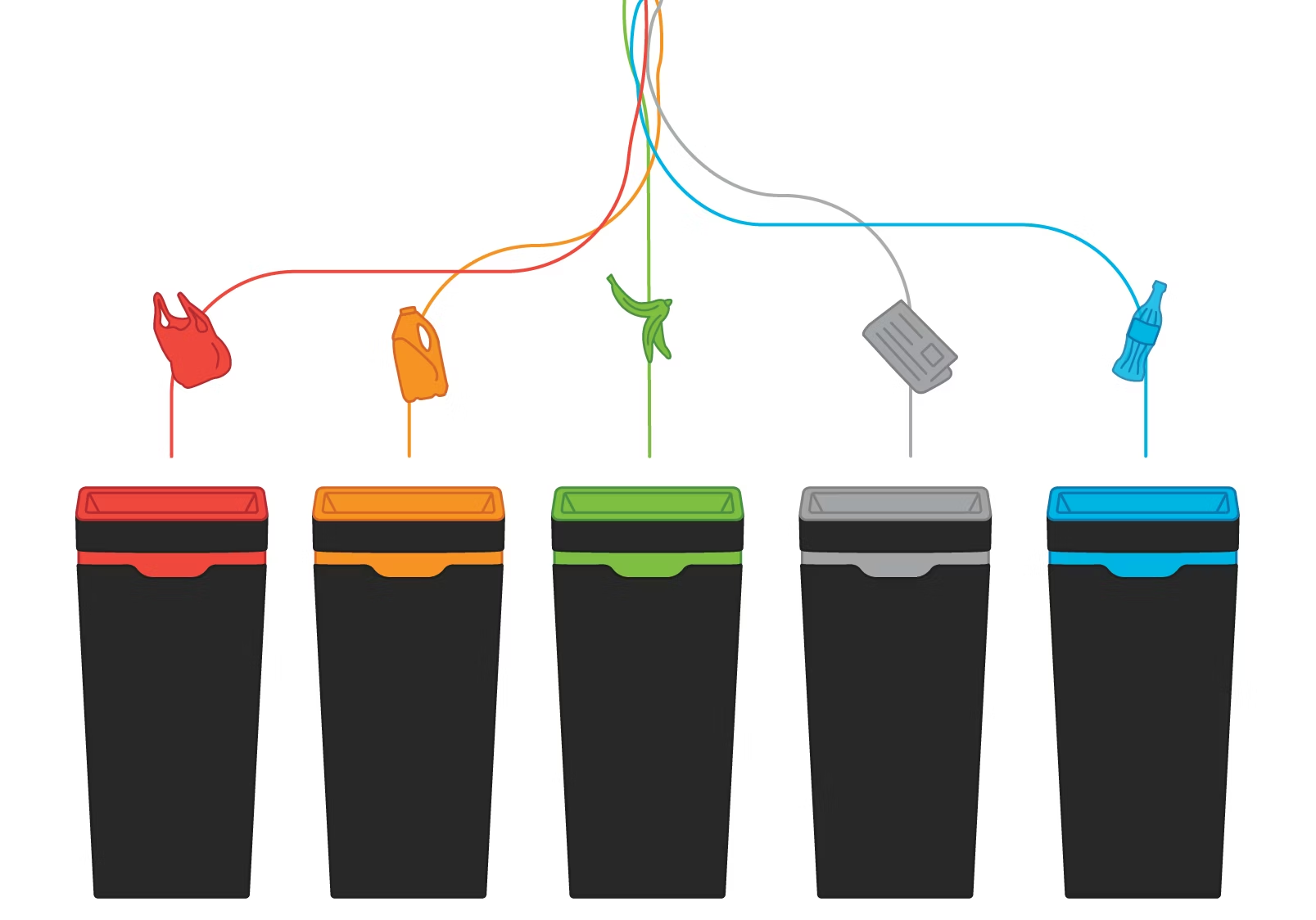
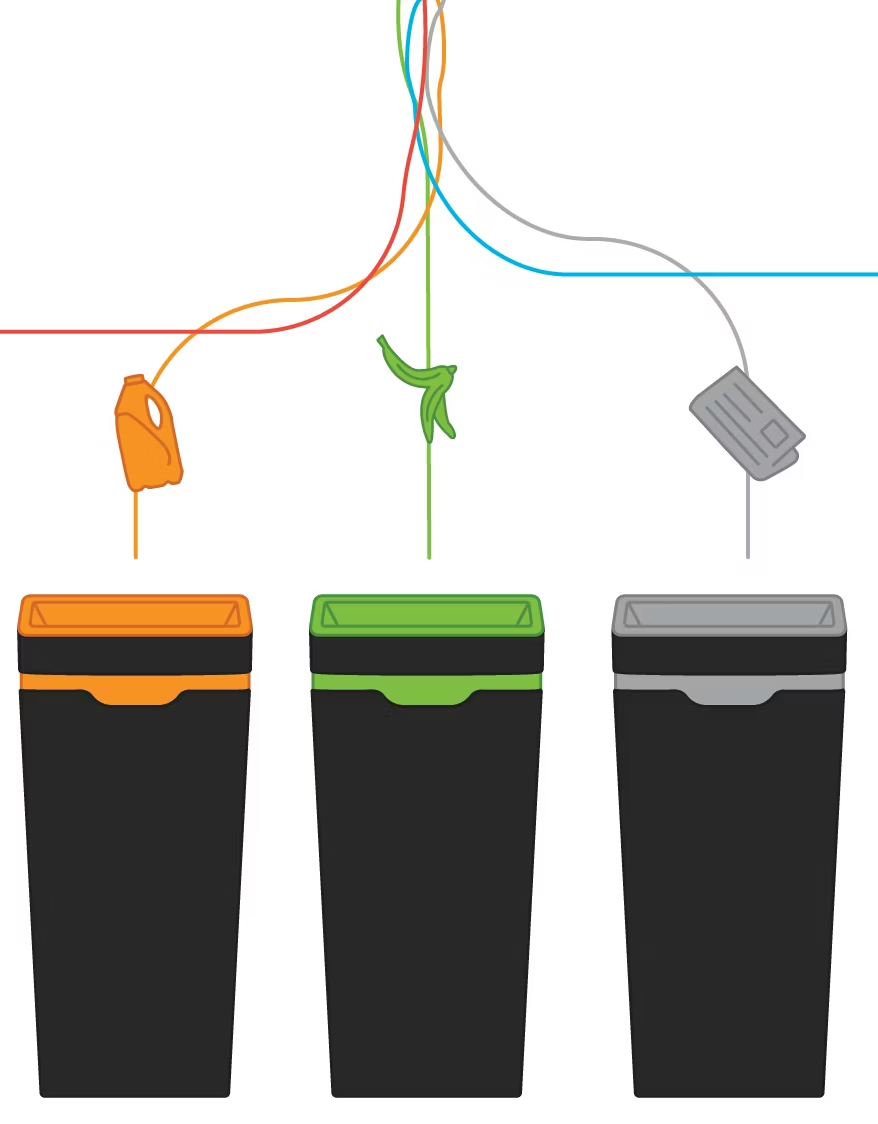
Hospitals use color-coded container systems and comprehensive staff training to ensure proper waste segregation at the point of generation. Red containers collect infectious waste, yellow containers handle pathological materials, and black containers accommodate pharmaceutical waste. Regular trash goes into standard containers with clear labeling.
Effective segregation requires decision-making protocols that help staff classify questionable items consistently. Training programs teach staff to recognize contaminated materials and select the correct container. Visual aids and reference charts support accurate classification decisions during busy periods.
The segregation process follows these key steps:
- Assess the contamination level and material type at the point of use
- Select the appropriate container based on the waste category
- Place items immediately, without sorting or transferring
- Seal containers when three-quarters full
- Label with the generation date and department information
- Store in designated areas until collection
Regular audits and feedback help maintain segregation accuracy while controlling disposal costs. Proper segregation reduces the waste management burden hospitals face while ensuring regulatory compliance.
What happens to medical waste after it leaves the hospital?
Medical waste follows a regulated chain of custody from the hospital to final disposal, involving licensed transporters and treatment facilities. Autoclaving uses steam sterilization to neutralize infectious materials, while incineration completely destroys waste through high-temperature combustion. Chemical treatment systems provide alternative sterilization methods for specific waste types.
Licensed waste management companies collect medical waste using specialized vehicles and trained personnel. Manifests track waste quantities and types throughout the disposal process. Treatment facilities must demonstrate effective sterilization before disposing of treated materials in standard landfills.
The disposal process includes multiple verification steps. Treatment facilities test sterilization effectiveness using biological indicators. Treated waste becomes unrecognizable and non-infectious before final disposal. Documentation requirements ensure complete traceability from generation through final disposition.
Alternative treatment methods include microwave systems, irradiation, and advanced chemical processes. Each method must meet regulatory standards for pathogen destruction while managing environmental impact appropriately.
How BINBIN helps with medical waste management
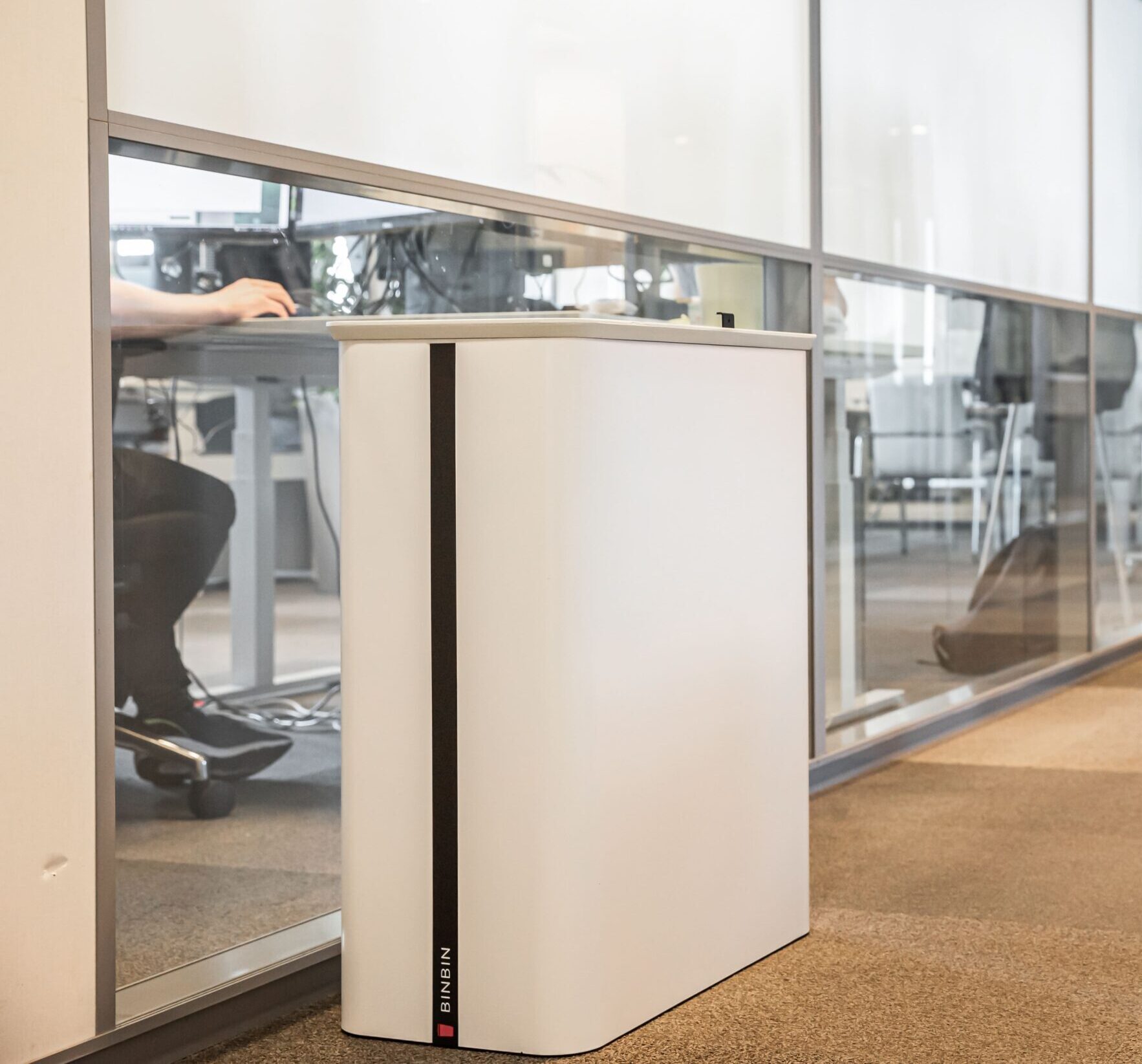
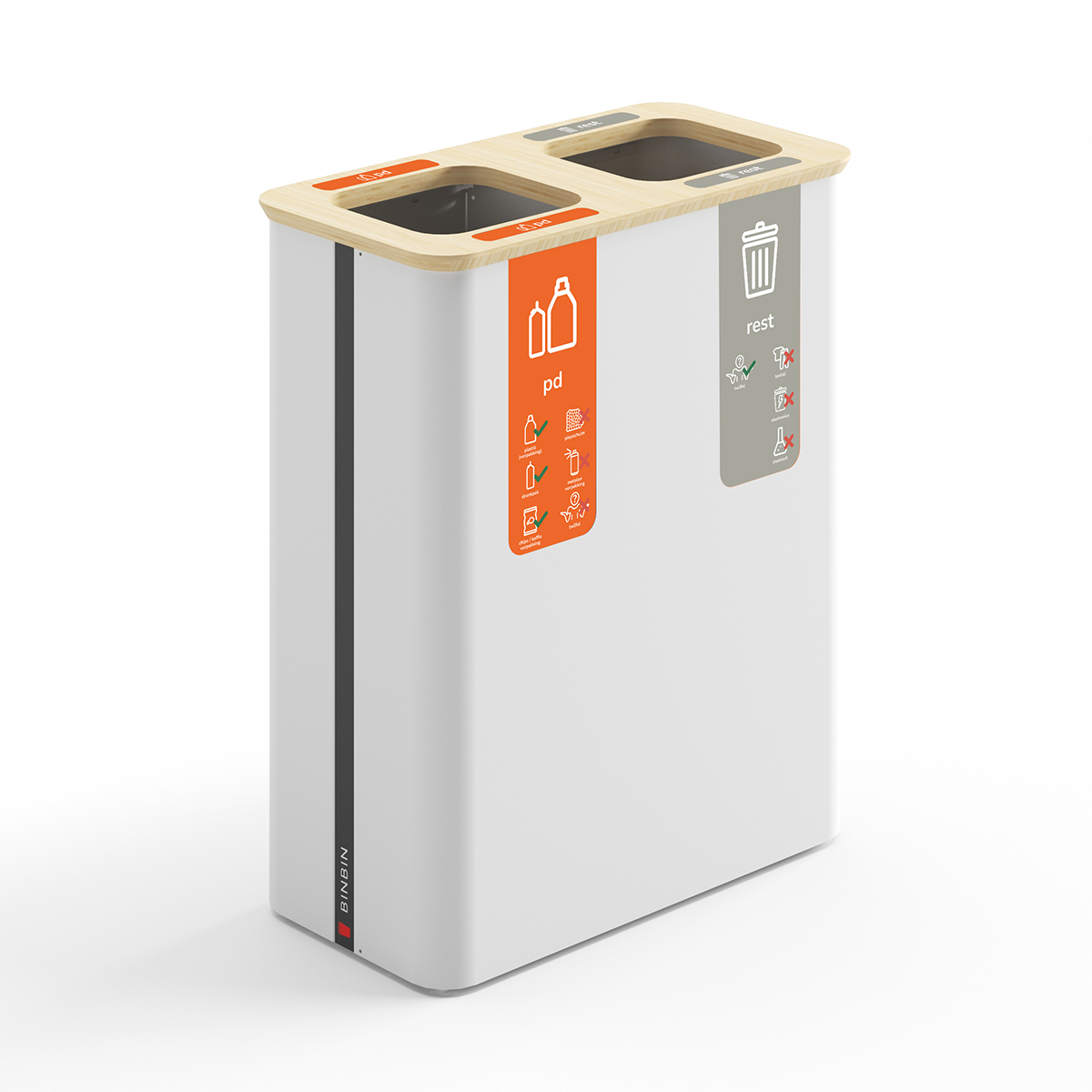
BINBIN's modular waste separation systems support hospitals in implementing effective medical waste segregation programs. Our customizable solutions adapt to different hospital departments while maintaining clear visual identification for proper waste classification. The systems integrate seamlessly with existing workflows without disrupting patient care activities.
Our healthcare waste management solutions offer specific benefits for medical facilities:
- Color-coded compartments that match regulatory requirements for different waste streams
- Modular design that allows configuration changes as hospital waste management protocols evolve
- Clear labeling systems that reduce classification errors and improve compliance
- Durable construction suitable for high-traffic healthcare environments
- Easy cleaning and maintenance to support infection control standards
We provide comprehensive implementation support, including staff training materials, visual guides, and ongoing consultation to optimize your waste segregation program. Our team works directly with healthcare facilities to assess current practices and recommend improvements that enhance safety while controlling costs.
Ready to improve your medical waste management system? Contact us to discuss how our modular solutions can support your facility's specific needs and regulatory requirements.