Many items should never go in your recycling bin because they can contaminate entire batches and damage processing equipment. Electronics, batteries, hazardous materials, food-contaminated packaging, and mixed materials cannot be processed by standard recycling facilities. Understanding what to exclude is crucial for effective waste management and for protecting recycling systems from costly contamination.
What items should never go in your recycling bin?
Electronics, batteries, hazardous chemicals, food-contaminated packaging, and mixed materials should never be placed in standard recycling bins. These items either contain dangerous substances, damage processing equipment, or contaminate recyclable materials beyond recovery.
Electronics contain toxic metals such as lead and mercury that pose environmental hazards. Mobile phones, computers, and televisions require specialized e-waste facilities equipped to handle these materials safely. Similarly, batteries can leak corrosive chemicals and create fire risks in recycling machinery.
Hazardous household items present serious safety concerns. Paint, motor oil, cleaning chemicals, and pesticides contain substances that can contaminate entire recycling batches. These materials require dedicated hazardous waste collection programmes to prevent environmental contamination.
Food-contaminated packaging creates significant problems even when the packaging material itself would normally be recyclable. Pizza boxes with grease stains, takeaway containers with food residue, and dirty plastic containers can spoil entire loads of otherwise clean recyclables.
Why do contaminated materials ruin entire recycling batches?
Contamination spreads rapidly through recycling processes because materials are mixed, sorted, and processed together in large batches. Even small amounts of the wrong materials can make thousands of pounds of recyclables unusable for manufacturing new products.
Recycling facilities process materials in bulk using automated sorting systems. When contaminated items enter these systems, they spread oils, chemicals, or food residue across clean materials. A single greasy pizza box can contaminate an entire bale of cardboard, making it unsuitable for paper manufacturing.
The economic impact is substantial. Recycling facilities must reject contaminated batches, losing revenue from selling clean materials to manufacturers. These costs ultimately affect recycling programme viability and can lead to higher waste management fees for businesses and communities.
Quality standards for recycled materials are strict. Manufacturers need consistent, clean feedstock to produce new products. When contamination levels exceed acceptable limits, entire shipments are rejected, forcing facilities to send materials to landfills instead of recycling them.
What happens to electronics and batteries in regular recycling?
Electronics and batteries cause equipment damage and create environmental hazards when placed in standard recycling bins. They can start fires, release toxic substances, and destroy expensive sorting machinery designed for paper, plastic, and metal containers.
Lithium batteries pose particular fire risks in recycling facilities. When crushed or punctured during processing, they can ignite and cause dangerous fires that spread rapidly through facilities filled with paper and plastic materials. These incidents have forced temporary closures of recycling plants and caused millions in damages.
Electronic devices contain valuable materials such as gold, silver, and rare earth metals, but extracting them requires specialized processes. Standard recycling facilities cannot recover these materials safely or efficiently. Instead, electronics need dedicated e-waste facilities with proper equipment and trained personnel.
Toxic substances in electronics include lead, mercury, and cadmium. When these items break apart in standard recycling machinery, dangerous particles can contaminate air and water systems. Workers face exposure risks, and the contamination can spread to other recyclable materials.
How do you properly dispose of items that can't be recycled?
Alternative disposal methods include hazardous waste programmes, manufacturer take-back schemes, specialized drop-off locations, and waste-to-energy facilities depending on the specific materials you need to dispose of safely and responsibly.
Many communities operate hazardous waste collection programmes for chemicals, paint, and batteries. These events typically occur monthly or quarterly at designated locations where trained personnel can handle dangerous materials safely. Some areas also maintain permanent drop-off centres for ongoing disposal needs.
Manufacturer take-back programmes offer convenient options for electronics and specific products. Many electronics retailers accept old devices when you purchase new ones. Mobile phone companies often provide mail-back programmes for old handsets, whilst computer manufacturers may collect outdated equipment.
Here are proper disposal methods for common non-recyclable items:
- Electronics: Retailer take-back programmes or certified e-waste facilities
- Batteries: Dedicated collection points at shops or community centres
- Paint and chemicals: Hazardous waste collection events
- Medical waste: Pharmacy take-back programmes or special collection services
- Light bulbs: Hardware stores or council collection points
What are the most common recycling mistakes people make?
Wishful recycling, improper container cleaning, mixing different materials, and misunderstanding local guidelines are the most frequent errors that reduce recycling effectiveness and increase contamination rates in waste management systems.
Wishful recycling occurs when people put questionable items in recycling bins, hoping they can be processed. This well-intentioned behaviour often backfires by contaminating legitimate recyclables. Common wishful recycling items include plastic bags, disposable coffee cups, and broken glass.
Improper cleaning creates major contamination issues. Many people rinse containers inadequately, leaving food residue that attracts pests and spoils other materials. Containers need thorough cleaning to remove all food particles, oils, and sticky labels before recycling.
The most problematic recycling mistakes include:
1. Putting plastic bags in bins (they jam sorting machinery)
2. Including broken glass with container glass (different melting points)
3. Mixing different plastic types together
4. Recycling items smaller than a credit card (they fall through sorting screens)
5. Including shredded paper (it is too small to process effectively)
6. Adding clothing or textiles to standard recycling
Local programme variations cause confusion. Recycling guidelines differ significantly between areas based on available facilities and markets. What is acceptable in one location may contaminate systems in another, making it essential to check current local guidelines regularly.
How BINBIN helps with proper waste separation
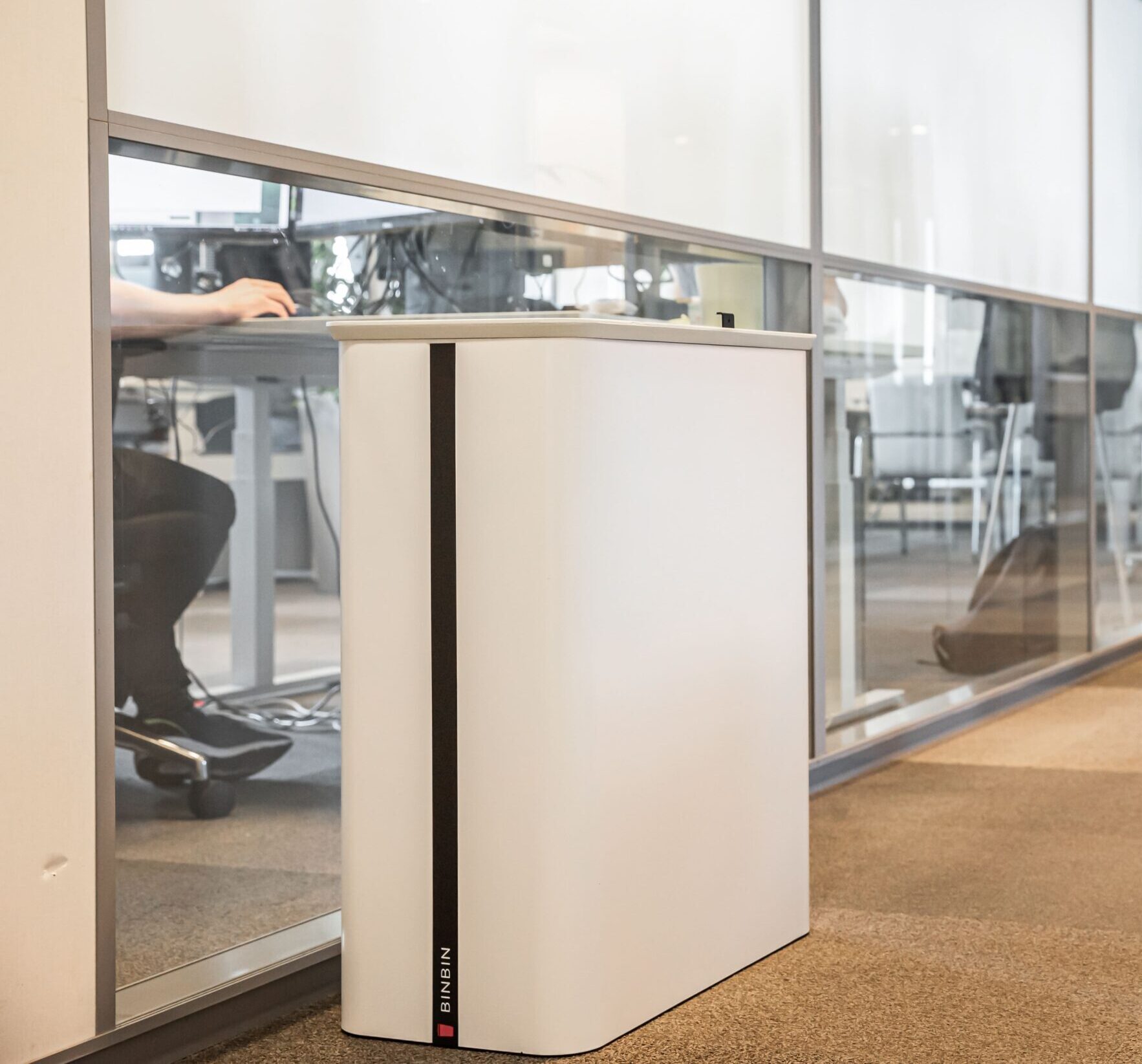
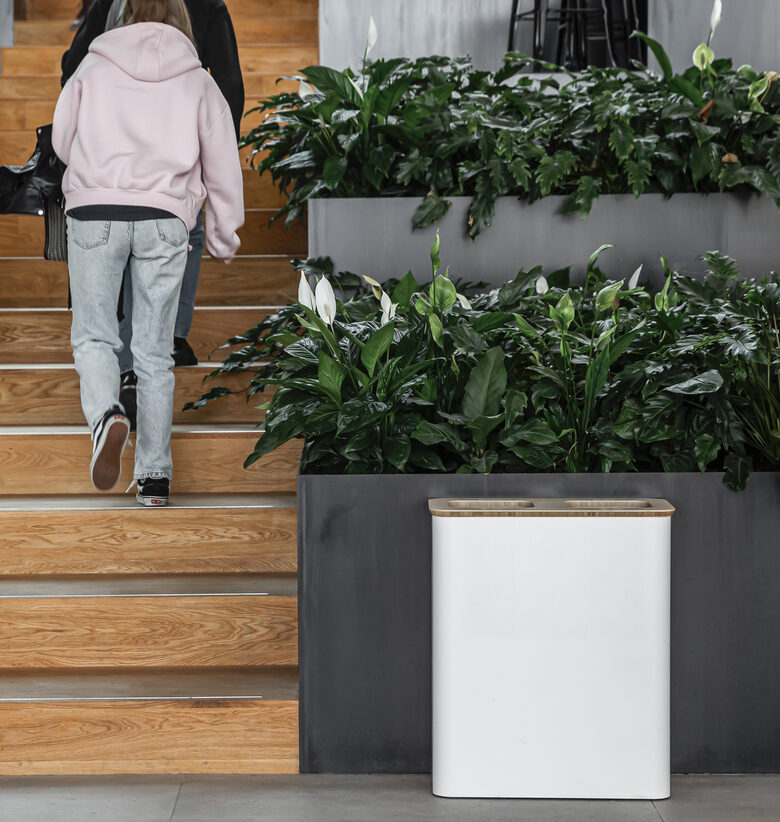
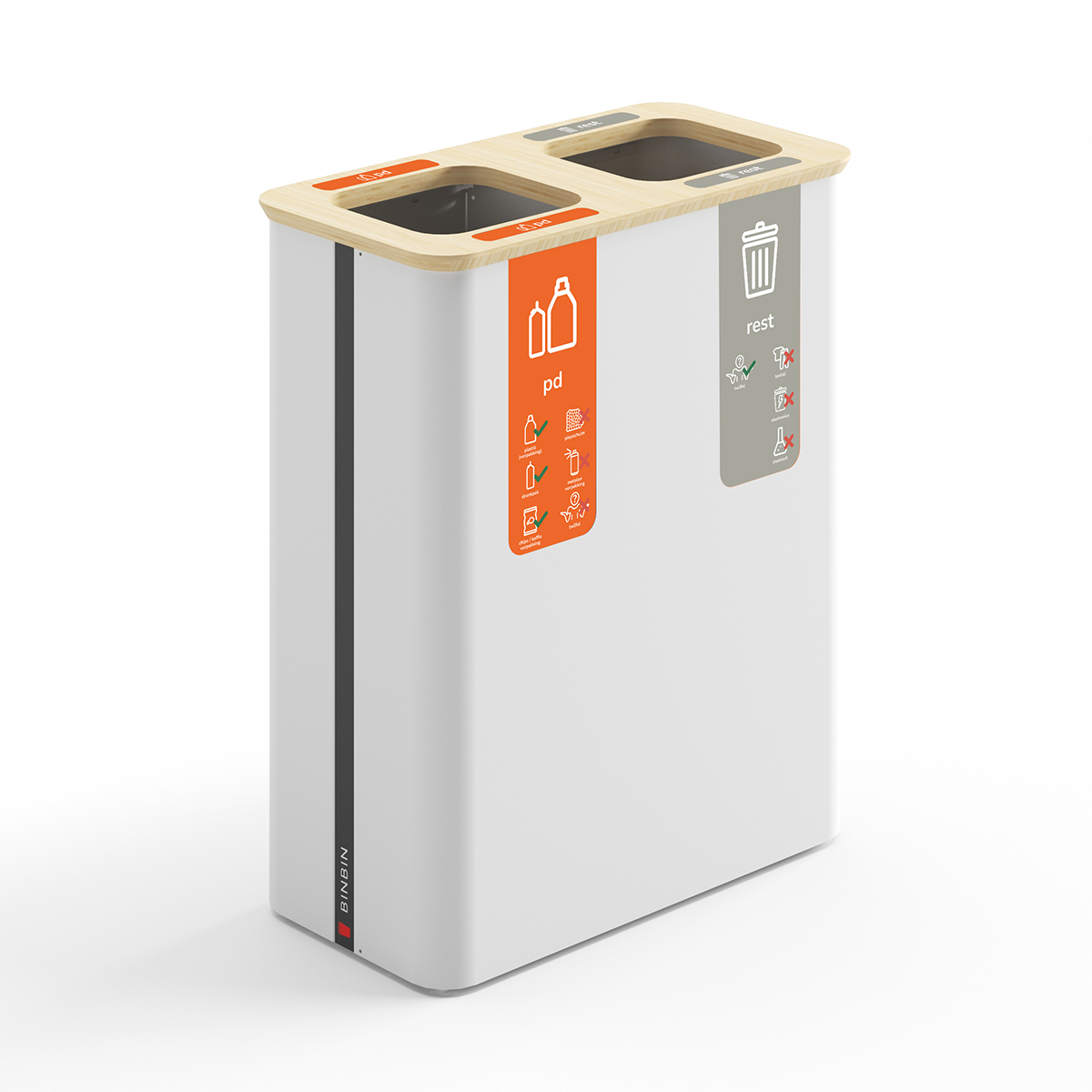
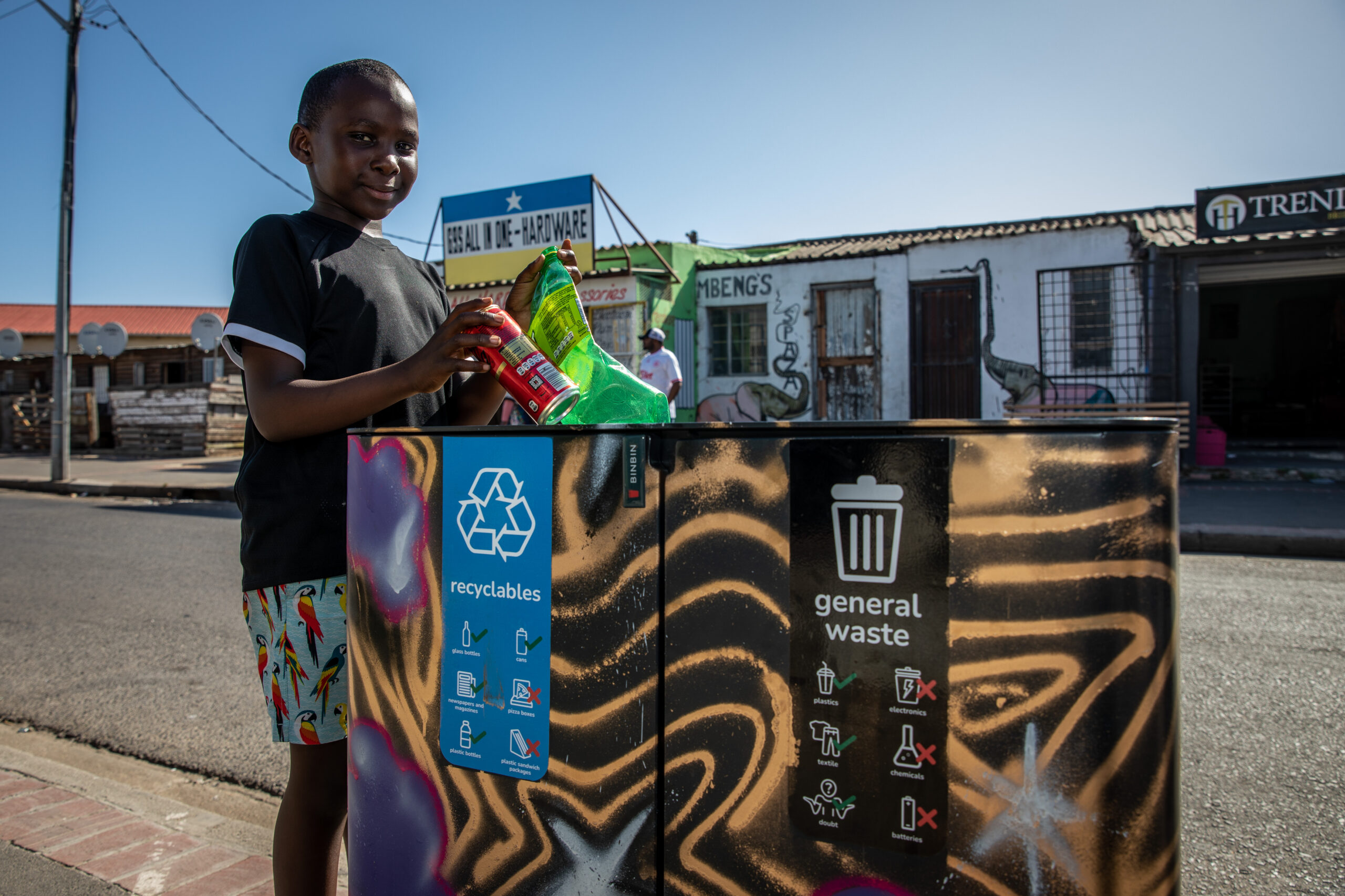
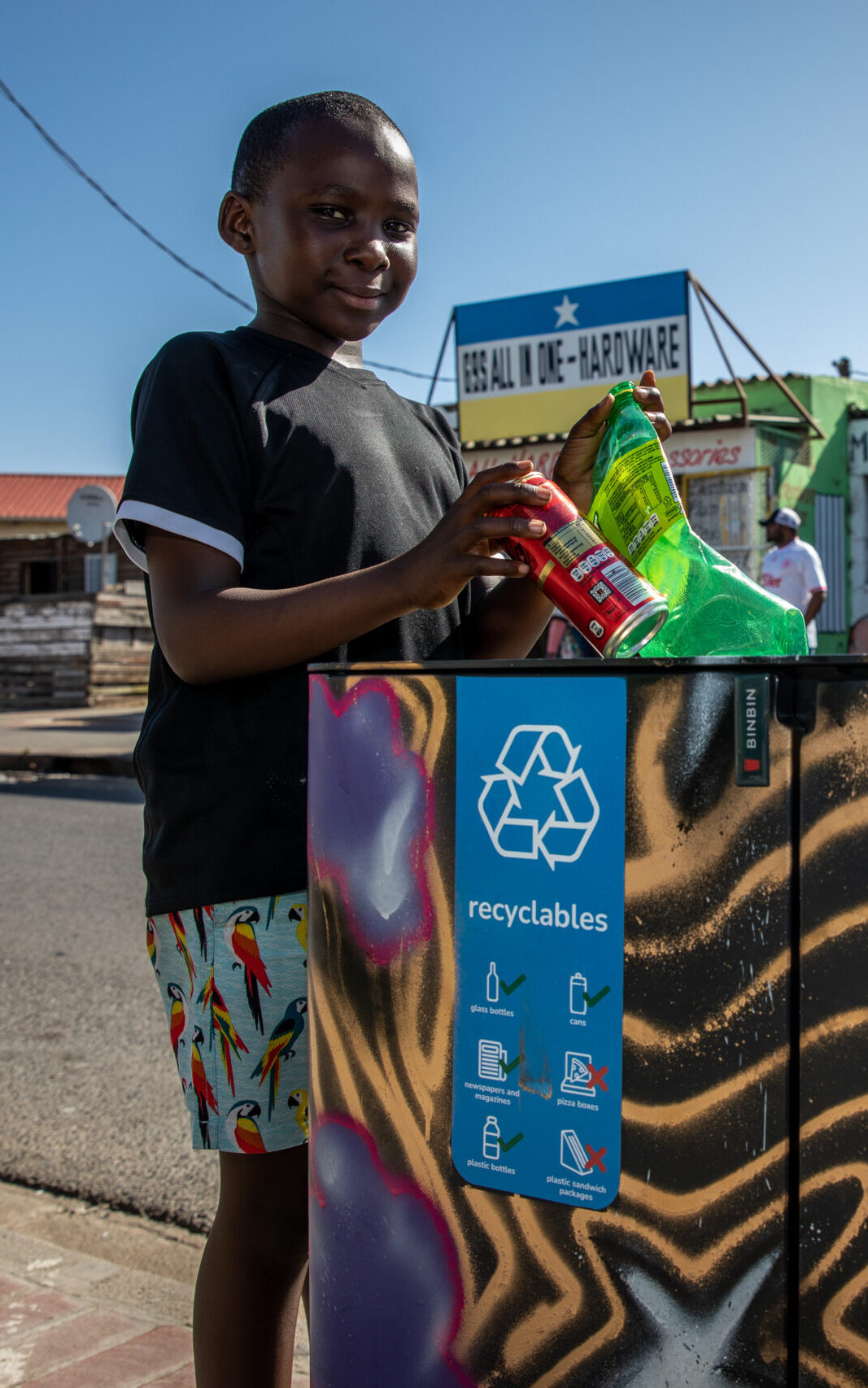
BINBIN's modular waste separation systems prevent recycling contamination through clear labelling, multiple compartments for different waste streams, and an educational design that guides proper disposal behaviour in workplace environments.
Our waste management solutions address the most common separation challenges:
- Clear visual indicators that eliminate guesswork about proper disposal
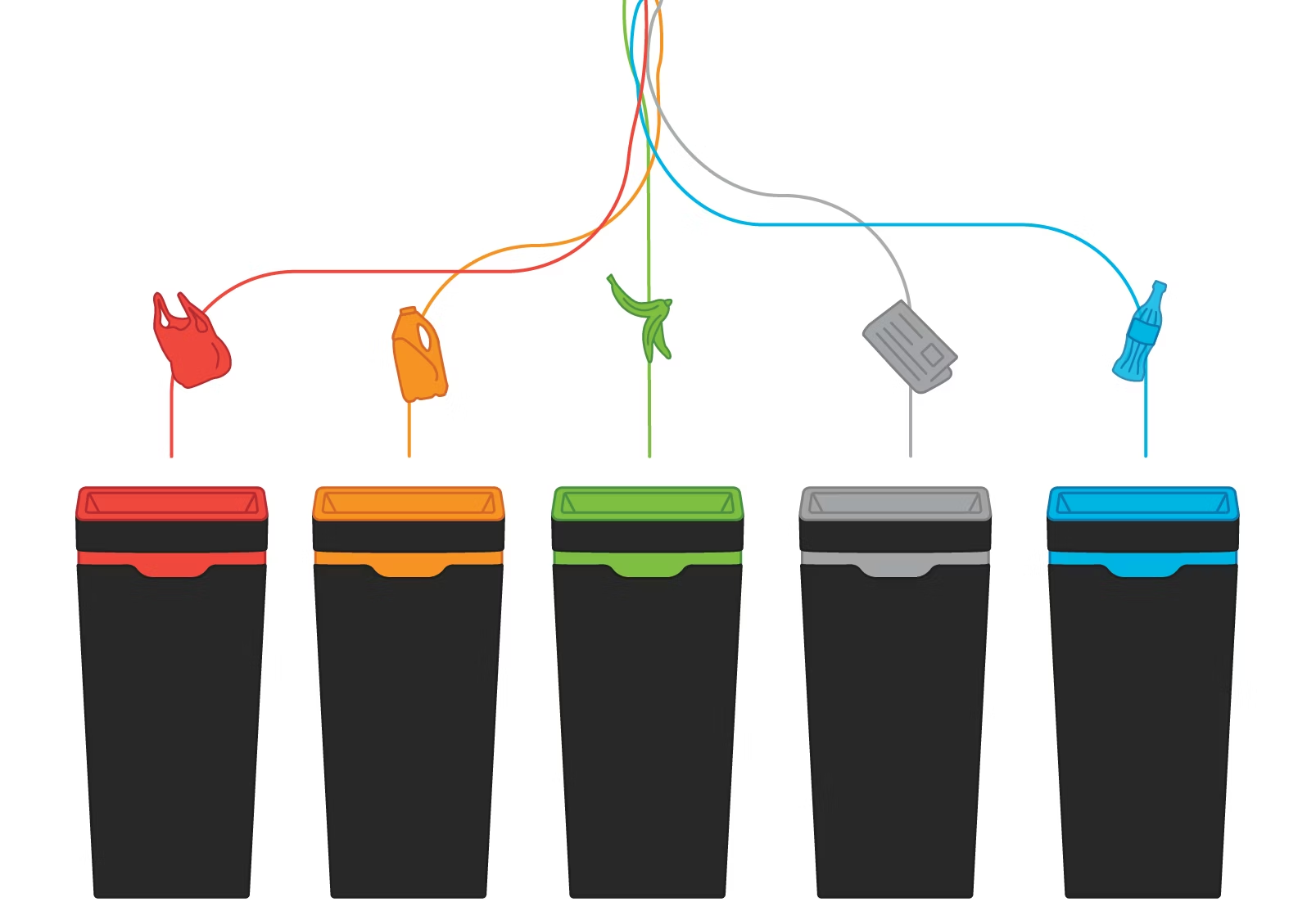
- Separate compartments for recyclables, general waste, and specialized streams
- Modular design allowing 1 to 8 different waste streams in one system
- Internal splitting capabilities that adapt to changing waste management needs
- Educational labelling that reduces contamination rates
The Globular series makes it simple to maintain proper waste separation whilst adapting to your organisation's specific requirements. Compartments can be reconfigured as waste streams change, ensuring your waste separation system remains effective over time.
Ready to improve your workplace waste separation? Contact us to explore how our modular solutions can reduce contamination and support your organisation's sustainability goals through better waste management practices.