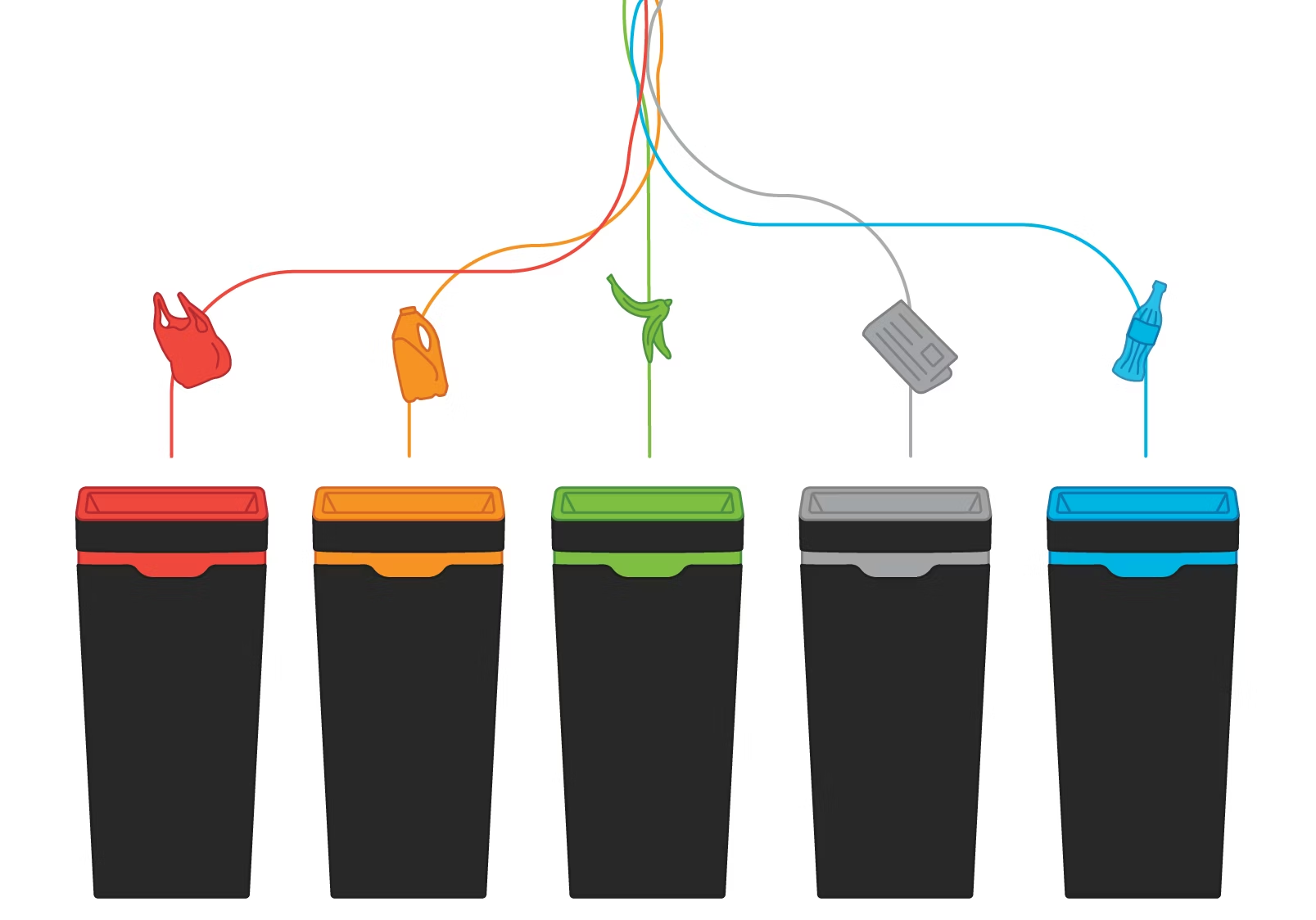
Household waste includes everything you throw away at home, from food scraps and packaging to old electronics and cleaning products. Most homes generate four main types: organic waste (food and garden materials), recyclables (paper, plastic, glass, and metal), hazardous materials (batteries and chemicals), and general waste. Understanding these categories helps you manage disposal properly and reduce your environmental impact.
What are the main categories of household waste?
Household waste falls into four primary categories: organic waste, recyclables, hazardous materials, and general waste. Organic waste includes food scraps, garden trimmings, and biodegradable materials that can decompose naturally. This typically represents 30%–40% of total household waste.
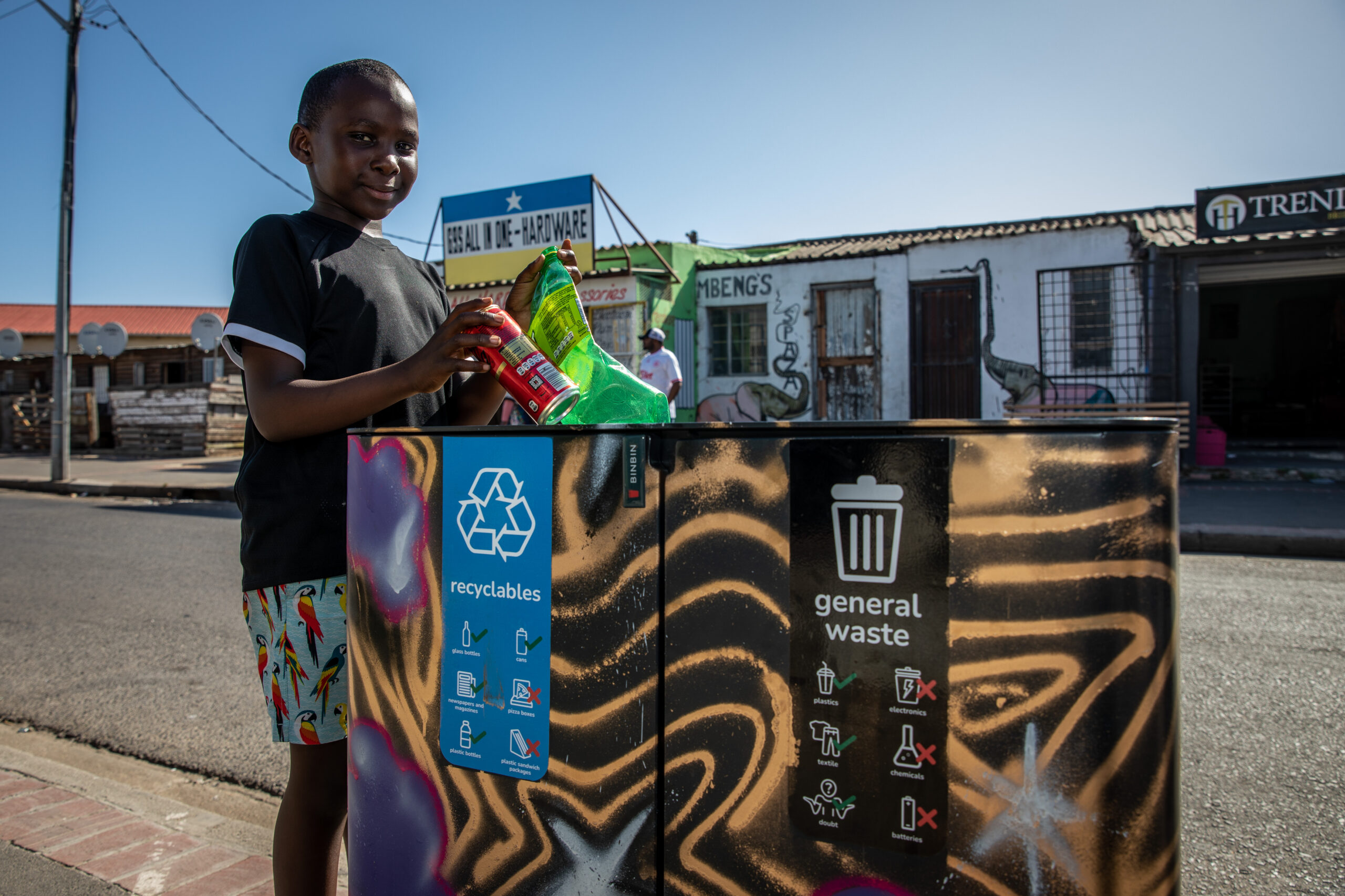
Recyclables include materials that can be processed into new products: paper, cardboard, plastic containers, glass bottles, and metal cans. These items retain value when properly separated and clean.
Hazardous waste includes anything potentially dangerous to health or the environment: batteries, electronics, paint, cleaning chemicals, and medical supplies. These require special handling and cannot go in regular bins.
General waste covers everything else that cannot be recycled, composted, or classified as hazardous. This includes contaminated materials, certain plastics, and items made of mixed materials that are difficult to separate.
Which items from your kitchen create the most waste?
Kitchen waste primarily comes from food preparation, expired products, and packaging materials. Food scraps generate the largest volume, including vegetable peels, fruit cores, coffee grounds, and leftovers. These organic materials can often be composted rather than thrown away.
Packaging creates significant waste through:
- Plastic containers from ready meals and takeaways
- Cardboard boxes from cereals and frozen foods
- Glass jars and bottles
- Metal cans and aluminium foil
- Plastic bags and wrapping film
Expired products contribute to kitchen waste when items pass their use-by dates. Proper meal planning and storage can reduce this waste significantly. Cooking oils and fats require special disposal, as they can block drains and harm water treatment systems.
How do you properly sort recyclable materials at home?
Proper recycling starts with understanding your local collection system and cleaning items before sorting. Clean, dry materials are essential for successful recycling. Contaminated items can ruin entire batches of recyclables.
Follow this sorting process:
- Rinse containers to remove food residue
- Remove caps and lids (check local guidelines)
- Separate materials by type: paper, plastic, glass, and metal
- Check recycling symbols and local acceptance lists
- Keep materials dry until collection
Common mistakes include mixing different materials, leaving food contamination, and including non-recyclable items like plastic bags in rigid-plastic collections. Many areas have separate collection points for items like batteries, textiles, and electronics.
Local recycling guidelines vary significantly, so check with your waste management provider for specific requirements and collection schedules.
What household items are considered hazardous waste?
Hazardous household waste includes items containing chemicals, toxins, or materials that pose risks to health and the environment. Common hazardous items include batteries, paint, cleaning products, pesticides, motor oil, and electronics containing heavy metals.
Electronics such as phones, computers, and televisions contain valuable materials but also toxic substances. These require special recycling facilities that can safely extract useful components while managing dangerous elements.
Household chemicals present disposal challenges:
- Cleaning products with bleach or ammonia
- Paint and paint thinners
- Garden pesticides and fertilisers
- Automotive fluids and oils
- Fluorescent bulbs containing mercury
Never pour chemicals down drains or put them in regular waste bins. Most communities offer hazardous waste collection days or permanent drop-off locations. Store these items safely until proper disposal, keeping them in their original containers with labels intact.
Why does organic waste separation matter for households?
Separating organic waste reduces landfill impact and creates opportunities for beneficial reuse. Organic materials in landfills produce methane, a greenhouse gas 25 times more potent than carbon dioxide. Proper separation enables composting, which creates a valuable soil amendment.
Home composting transforms kitchen scraps and garden waste into nutrient-rich soil conditioner. This reduces the need for chemical fertilisers and improves garden soil structure. Even small households can compost using compact bins or worm composting systems.
Benefits of organic waste separation include fewer bin collections, lower waste management costs, and reduced environmental impact. Many councils now collect organic waste separately for large-scale composting facilities.
Start organic waste separation by collecting fruit and vegetable scraps, coffee grounds, and garden trimmings. Avoid meat, dairy, and oily foods in home composting, as these can attract pests and create odours.
How BINBIN helps with household waste management
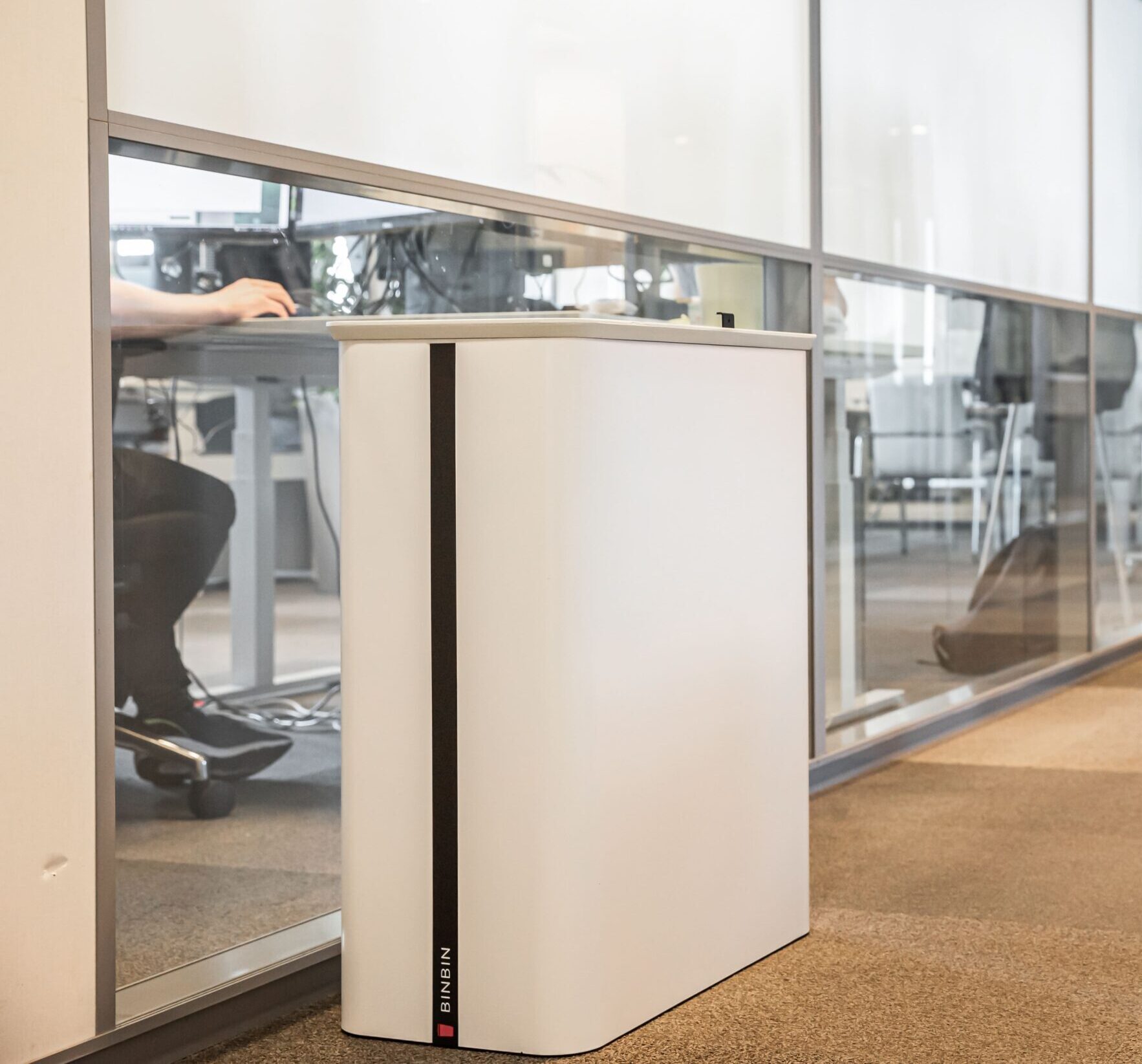
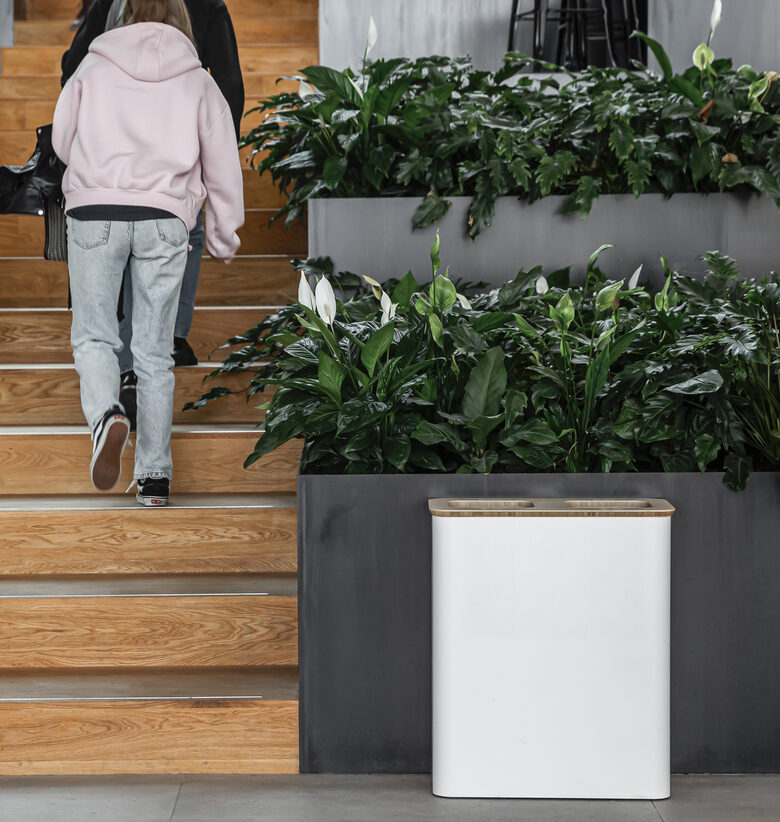
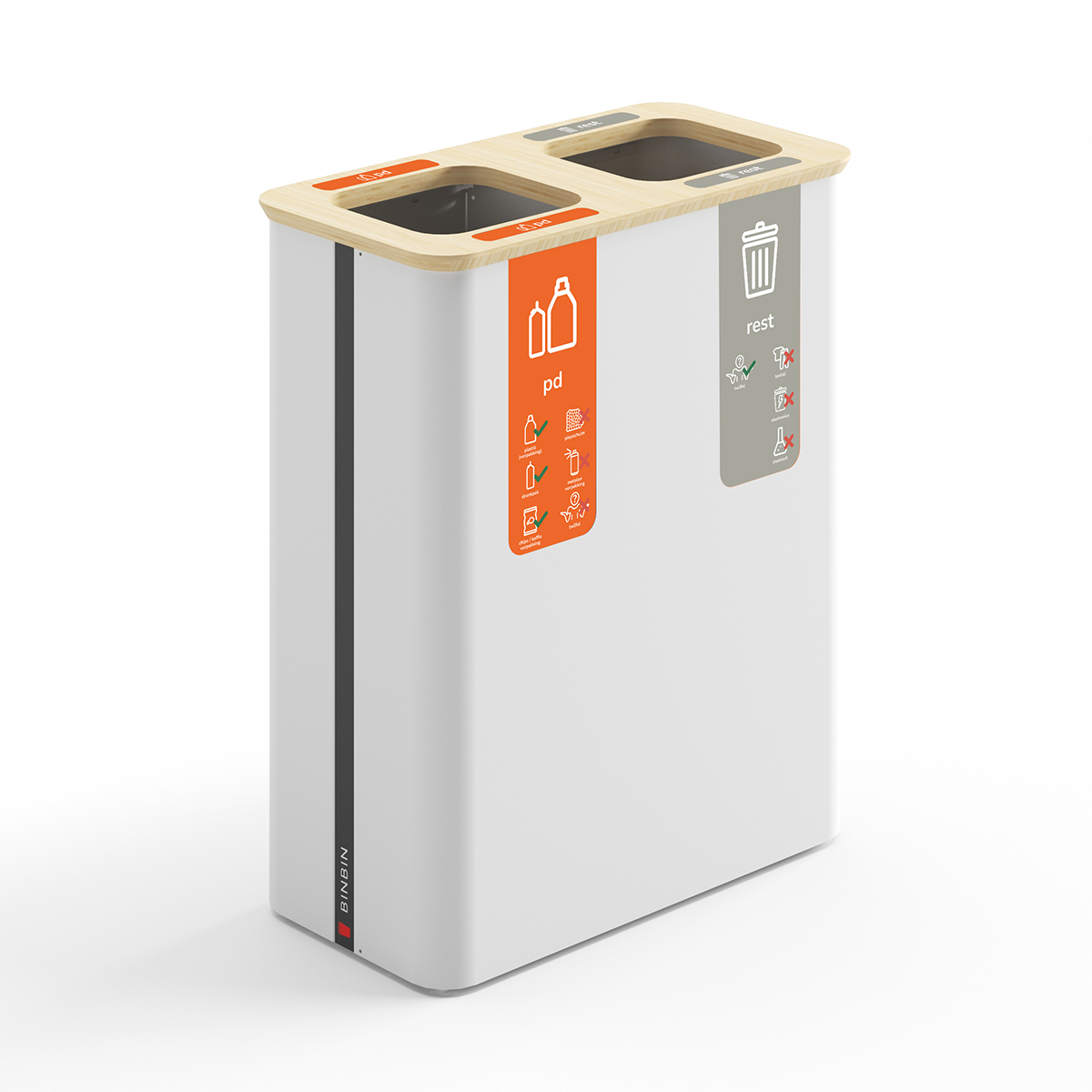
We provide modular waste separation solutions that make household waste management efficient and stylish. Our residential systems adapt to different household needs and space constraints while maintaining a clean, functional design.
BINBIN household solutions offer:
- Modular design allowing 1–8 waste streams in one system
- 99% circular construction using recycled and recyclable materials
- Internal splitting options that eliminate the need for additional bins
- Easy reconfiguration as waste separation needs change
- Clean, intuitive design that fits any home interior
Our systems help families implement proper waste separation without compromising aesthetics or functionality. The modular approach means you can start small and expand your separation capabilities over time.
Ready to improve your household waste management? Contact us to discuss the perfect solution for your home's waste separation needs.